As the fashion industry confronts mounting pressure to minimize its environmental footprint, sustainable manufacturing practices have evolved from optional differentiators to essential business imperatives. Among the most transformative innovations in textile production is the adoption of water-based inks for scarf printing—a technology that delivers substantial environmental benefits while maintaining exceptional quality and design versatility. This comprehensive analysis explores how water-based inks are reshaping sustainable scarf production, examining their environmental advantages, technical capabilities, and practical applications for fashion businesses striving to align with evolving consumer demands and regulatory requirements.
The Environmental Imperative Driving Sustainable Printing Practices
The textile printing sector has long been associated with significant environmental challenges, from excessive water consumption to hazardous chemical discharge. Traditional solvent-based inks contain high concentrations of volatile organic compounds (VOCs) that contribute to air pollution and pose substantial health risks to workers. Conventional dyeing processes can require up to 200 liters of water per kilogram of fabric, making them increasingly untenable in an era of heightened environmental awareness and stricter regulatory frameworks.
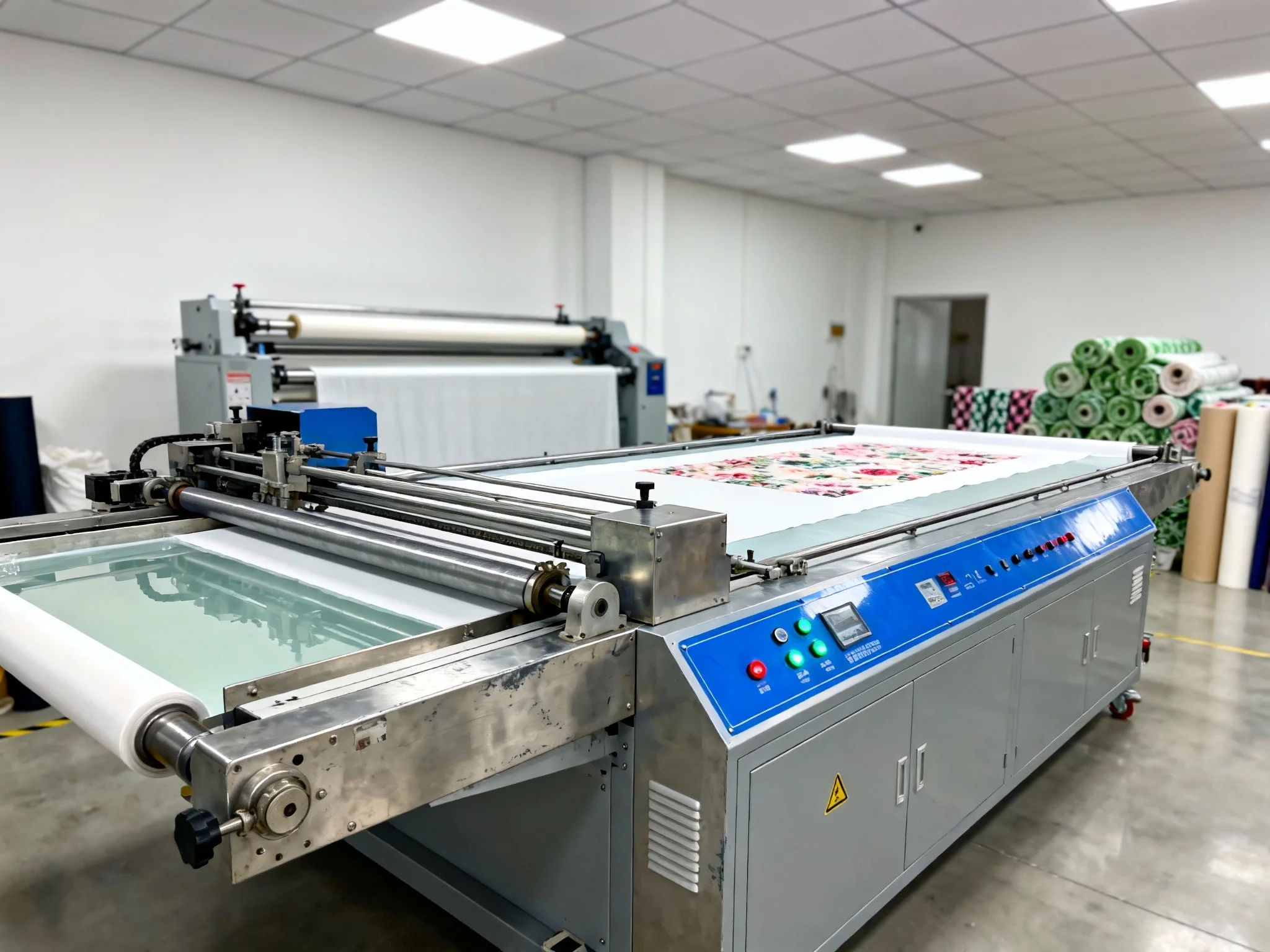
The global market for sustainable textiles is expanding at an unprecedented rate, with the scarf segment projected to grow from $22.5 billion in 2024 to $23.38 billion in 2025. This growth directly reflects escalating consumer demand for eco-friendly fashion accessories. Market research indicates that 73% of millennial and Gen Z consumers are willing to pay premium prices for products with verified sustainability credentials. Concurrently, evolving regulatory landscapes—including the EU's Circular Economy Action Plan and California's Safer Consumer Products regulations—are compelling manufacturers to reconsider traditional production methods.
Against this backdrop, water-based inks have emerged as a viable solution for reducing the environmental impact of scarf production. Composed primarily of water (50–80% of their formulation), these inks drastically reduce reliance on harmful solvents while preserving the vibrant colors and design flexibility essential in the luxury scarf market. "The transition to water-based inks represents a fundamental shift in how we approach textile printing," notes an industry expert with over 15 years of experience in sustainable manufacturing. "It's not merely about substituting one material for another; it's about reimagining the entire production process with environmental stewardship as a core principle."
Environmental and Performance Advantages of Water-Based Inks
The environmental benefits of water-based inks compared to traditional solvent-based alternatives are substantial and well-documented. Most significantly, water-based inks reduce volatile organic compound emissions by up to 95%, addressing a major source of air pollution in textile manufacturing. This reduction not only benefits the environment but also dramatically improves workplace air quality, mitigating health risks for production line workers exposed to printing processes.
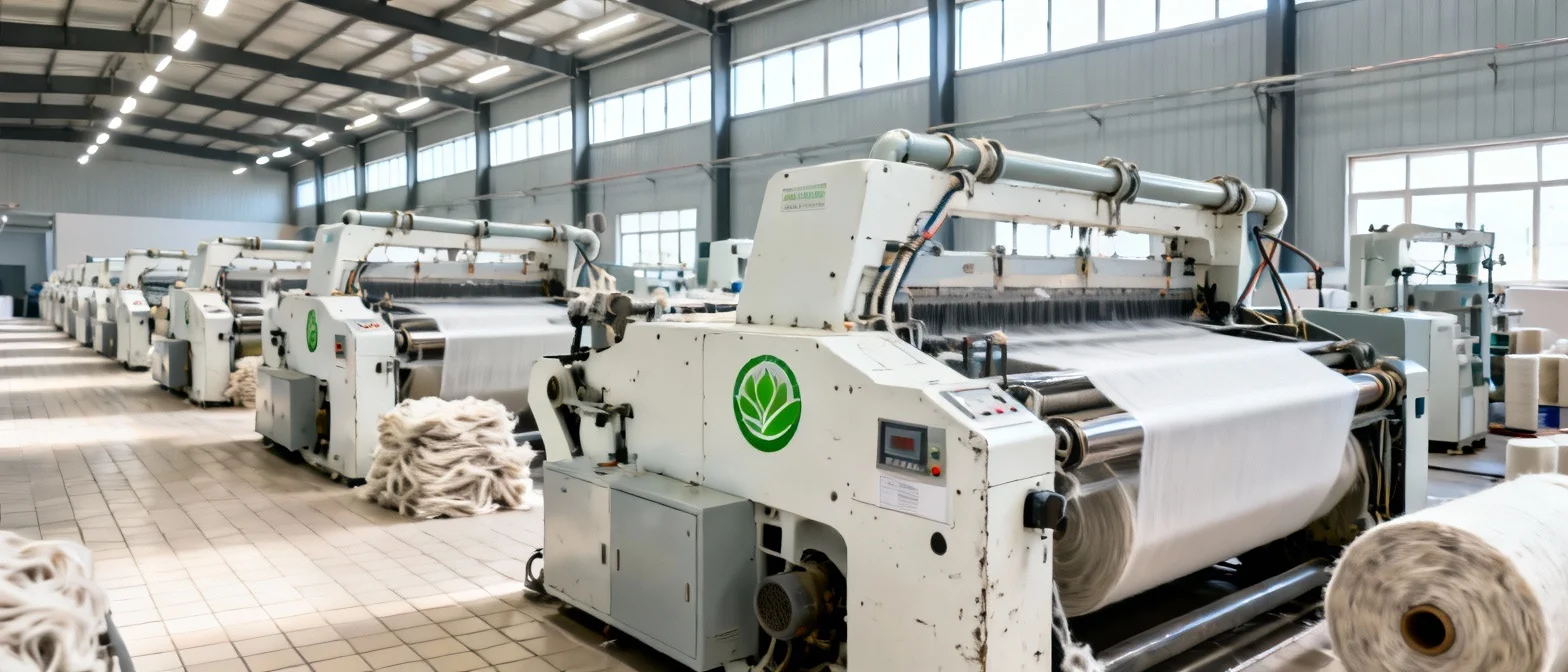
Water consumption represents another critical concern in textile production, and water-based inks offer impressive efficiencies. While conventional dyeing processes can consume hundreds of liters of water per kilogram of fabric, digital printing with water-based inks reduces water usage by approximately 70–90%. This efficiency is particularly valuable in regions facing water scarcity and directly aligns with the United Nations' Sustainable Development Goal 6, which aims to ensure availability and sustainable management of water for all.
Energy consumption is a third area where water-based inks demonstrate clear superiority. The curing process for water-based inks typically requires lower temperatures than solvent-based alternatives, resulting in significant energy savings. When integrated with digital printing technologies, water-based inks can reduce overall energy consumption by up to 30%, according to comprehensive industry studies.
From a quality perspective, water-based inks were once perceived as inferior to solvent-based options in terms of color vibrancy and durability. However, recent technological advancements have largely eliminated this performance gap. Modern water-based pigment inks offer exceptional color fastness, withstanding multiple washes without significant fading or degradation. "The latest generation of water-based inks delivers color saturation and longevity that rival traditional solvent-based options," explains a textile chemist specializing in sustainable dye development. "We've witnessed remarkable improvements in both performance characteristics and environmental profile over the past five years alone."
Technical Considerations for Implementing Water-Based Inks in Scarf Production
Successfully integrating water-based ink technology into scarf production requires careful attention to several technical factors, particularly when working with premium fabrics like silk and wool. These natural fibers present unique challenges and opportunities for water-based printing, demanding specialized approaches to ensure optimal results.
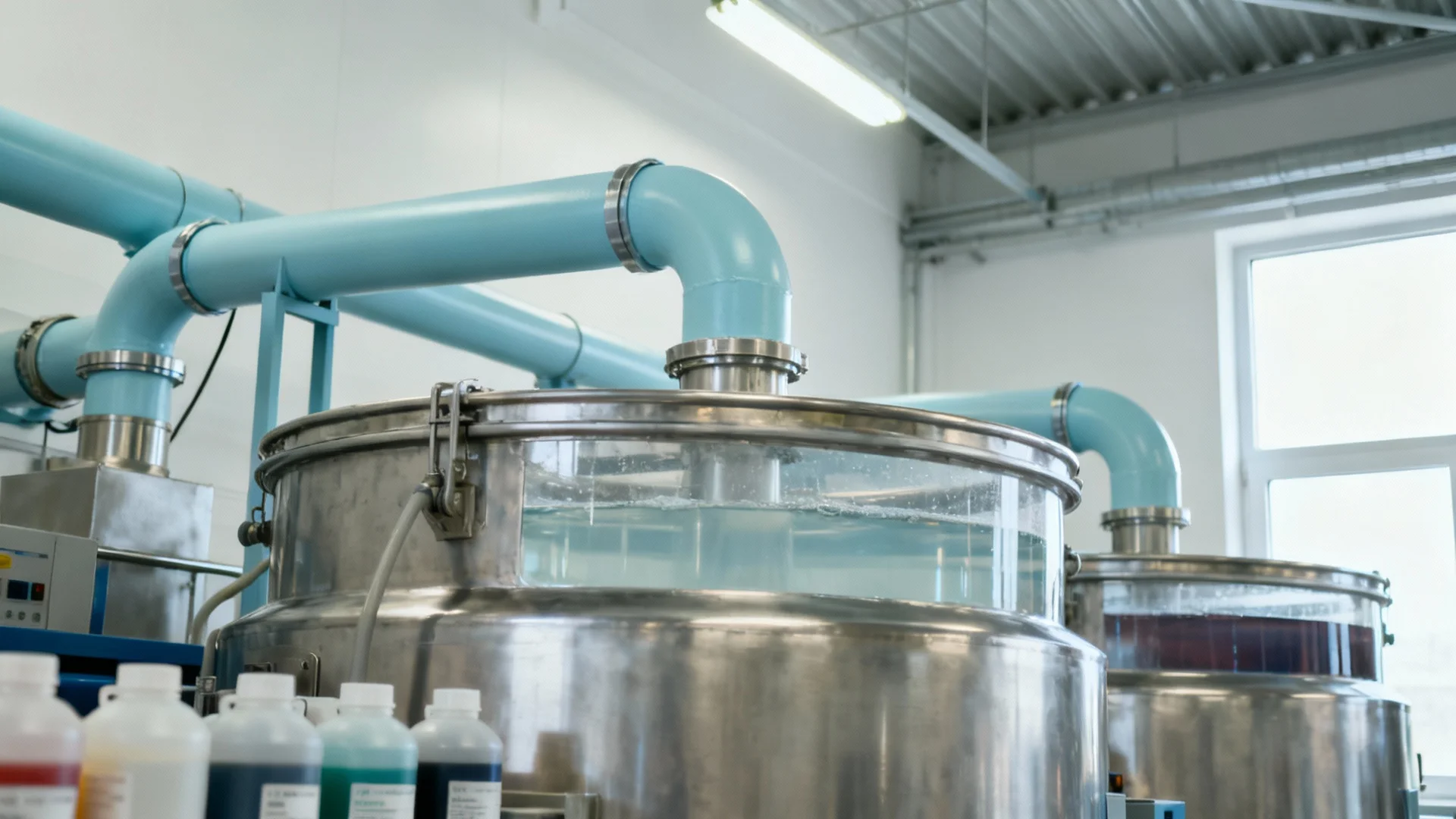
Viscosity control is paramount when printing on delicate fabrics. Water-based inks typically require precise viscosity adjustments—usually between 20–35 cps (centipoise)—to achieve proper flow and penetration on silk and wool substrates. This ensures sharp design definition while preventing excessive bleed, which can compromise intricate patterns. "Getting the viscosity right is the foundation of quality water-based printing on luxury fabrics," notes a production specialist with over a decade of experience in high-end scarf manufacturing. "It's a balance between fluidity and control that requires both technical knowledge and practical experience to master."
Temperature management plays a critical role throughout the printing and curing process. For silk scarves, printing temperatures generally range between 215–220°C for optimal ink adhesion. Wool requires slightly lower temperatures to prevent fiber damage and maintain fabric integrity. Post-printing curing typically occurs at 150–160°C, a range that sets the pigments effectively without compromising fabric quality or hand feel. These parameters may need adjustment based on specific fabric weights and weave structures, requiring close collaboration between design and production teams.
Humidity control represents another important consideration, particularly in digital printing applications. The high water content of these inks makes them sensitive to environmental moisture levels, which can affect drying times and color consistency. Ideally, production facilities should maintain relative humidity between 50–60% to ensure uniform drying and prevent issues like ink pooling or uneven color development.
Pre-treatment of fabrics is often necessary to enhance ink adhesion and color vibrancy. For silk, this typically involves a mild enzymatic treatment to remove natural oils and impurities without damaging the fiber structure. Wool may require a slightly acidic pre-treatment to optimize dye uptake. These preparation steps, while adding process complexity, are essential for achieving professional results with water-based inks on premium scarf materials.
Case Study: Successful Implementation of Water-Based Inks in Luxury Scarf Production
The transition to water-based inks represents a significant paradigm shift for many scarf manufacturers, requiring strategic investments in equipment, training, and process redesign. A case study examining a mid-sized luxury scarf producer's experience illustrates both the challenges and rewards of this sustainable transformation.
This manufacturer, specializing in silk and cashmere scarves for high-end boutiques across Europe and North America, faced increasing pressure from retail partners to reduce their environmental impact while maintaining the premium quality that defined their brand identity. After evaluating various sustainable printing options, they selected water-based pigment inks as their primary coloring system, implementing the technology across their digital printing operations.

The initial investment included specialized print heads designed for water-based formulations, humidity control systems, and comprehensive staff training on ink handling and curing processes. Total conversion costs amounted to approximately $120,000, including both equipment upgrades and process development. The manufacturer established key performance indicators (KPIs) to measure success, including water and energy consumption, waste reduction, and product quality metrics.
Within six months of implementation, the results were compelling:
- Water consumption decreased by 45% compared to traditional screen printing methods
- Energy usage dropped by 28%, primarily due to lower curing temperatures
- Volatile organic compound emissions were reduced by over 90%
- Production waste decreased by 32%, as digital printing with water-based inks enabled more precise color application
The transition also yielded unexpected benefits in terms of design flexibility. The improved color gamut of modern water-based inks allowed the manufacturer to expand their design offerings, incorporating more vibrant colors and complex gradients that were previously difficult to achieve with traditional methods. This led to a 15% increase in new design development and a corresponding uptick in customer interest.
"The environmental benefits were the primary driver, but the creative advantages have been equally transformative for our business," reports the company's design director. "We're now able to execute designs that were previously impossible, opening up new creative possibilities while reducing our environmental footprint."
Customer feedback has been overwhelmingly positive, with several retail partners reporting increased consumer interest in the sustainability story behind the products. This has translated to stronger wholesale orders and improved brand positioning in the competitive luxury accessories market.
Market Trends and Consumer Demand Shaping Adoption
The adoption of water-based inks in scarf production aligns with powerful market trends that are reshaping the fashion accessories landscape. Consumer demand for sustainable products continues to accelerate, with recent surveys indicating that 67% of luxury consumers consider environmental factors when making purchasing decisions. This trend is particularly pronounced among younger demographics, with Gen Z and millennial consumers expressing a willingness to pay premium prices—typically 10–20% more—for products with verified sustainability credentials.
The global market for sustainable fashion accessories is projected to grow at a compound annual rate of 8.32% through 2032, reaching $45.88 billion, according to industry analysts at Grand View Research. Within this category, scarves featuring eco-friendly production methods are gaining particular traction, as they offer a visible way for consumers to express their sustainability values through everyday accessories.
Luxury brands are increasingly embracing water-based printing technologies as part of their broader sustainability strategies. Companies like Epson have partnered with high-end designers to showcase the possibilities of water-based digital printing, creating limited-edition scarf collections that highlight both artistic expression and environmental responsibility. These collaborations have helped elevate the profile of water-based inks in the luxury segment, dispelling lingering perceptions of eco-friendly technologies as compromising on quality or aesthetics.
Regulatory pressures are also driving adoption, with governments implementing stricter controls on volatile organic compound emissions and water usage in textile production. The European Union's REACH regulations, for example, have established stringent limits on hazardous substances in textiles, creating compliance challenges for manufacturers using traditional solvent-based inks. Water-based alternatives offer a proactive solution to these regulatory challenges, helping brands future-proof their operations against evolving environmental standards.
Retailers are playing an increasingly important role as sustainability advocates, with many major chains implementing environmental criteria for their supplier selection processes. This has created strong market incentives for scarf manufacturers to adopt water-based inks and other eco-friendly textile technologies. "Our retail partners are now asking about our printing processes during initial conversations," notes a sales executive at a leading scarf manufacturer. "It's no longer a differentiator but a basic requirement for doing business with progressive retailers."
Implementation Challenges and Strategic Solutions
While the benefits of water-based inks are clear, manufacturers transitioning from traditional printing methods face several implementation challenges that require careful management. Understanding these potential obstacles and developing effective solutions is critical to a successful adoption.
One of the most common challenges is equipment compatibility. Many existing digital printers require modifications or replacement to handle water-based inks effectively, representing a significant capital investment. For small to medium-sized manufacturers, this can be a barrier to entry. Creative solutions include phased implementation, focusing first on high-volume or high-visibility product lines, or exploring equipment leasing options to spread costs over time. Some manufacturers have found success partnering with ink suppliers who offer technical support and equipment upgrade programs as part of their service offerings.
Color consistency can be more difficult to maintain with water-based inks, particularly during the initial transition period. This is often due to environmental factors like temperature and humidity affecting ink behavior. Implementing strict environmental controls in production areas, including dedicated HVAC systems and humidity regulation, can mitigate these issues. Investing in spectrophotometers and color management software helps maintain consistency across production runs and between batches.
Drying times are typically longer for water-based inks compared to solvent-based alternatives, potentially impacting production throughput. Manufacturers have addressed this challenge through several approaches: optimizing curing oven design, implementing inline drying systems, and adjusting production scheduling to accommodate longer drying cycles. Some have found that the reduced preparation time for digital printing with water-based inks offsets the longer drying times, resulting in comparable overall production efficiency.
Staff training is another critical success factor, as water-based inks require different handling and troubleshooting approaches than traditional inks. Comprehensive training programs should cover ink chemistry, equipment calibration, quality control procedures, and environmental safety protocols. Many ink manufacturers offer technical training as part of their product support, and industry associations provide certification programs that can help build internal expertise.
Waste management presents unique considerations with water-based inks. While these inks have a significantly lower environmental impact than solvent-based alternatives, they still require proper disposal procedures. Implementing closed-loop water recycling systems allows manufacturers to reclaim and reuse water from the printing process, reducing both waste and water consumption while supporting low-impact dyeing objectives. Working with specialized waste management companies experienced in textile printing byproducts ensures compliance with environmental regulations while minimizing ecological impact.
Future Outlook and Emerging Innovations
The future of water-based inks in sustainable scarf production looks promising, with ongoing innovations addressing current limitations and expanding the technology's capabilities. Research and development efforts are focused on several key areas that promise to further enhance the environmental and performance characteristics of water-based printing systems.
Bio-based pigments represent one of the most exciting frontiers in water-based ink development. Researchers are exploring natural colorants derived from agricultural waste products, algae, and bacterial fermentation processes. These bio-based alternatives have the potential to further reduce the environmental footprint of ink production while creating unique color profiles not achievable with synthetic pigments. Early results from pilot projects show promising color fastness and stability, suggesting commercial viability within the next 3–5 years.
Nanotechnology applications are being investigated to improve ink performance on difficult substrates. By engineering pigment particles at the nanoscale, researchers have developed water-based inks with enhanced adhesion properties, particularly on synthetic fibers. This could expand the application of water-based inks beyond natural fibers like silk and wool to include blended fabrics, opening new markets for sustainable printing technology.
Smart ink technologies are emerging that offer additional functionality beyond coloration. These include photochromic inks that change color with light exposure, thermochromic inks responsive to temperature changes, and conductive inks for electronic textile applications. While still in developmental stages, these innovations could create entirely new product categories for scarf manufacturers, combining aesthetic appeal with interactive elements.
Process innovations are also driving the evolution of water-based printing. Digital direct-to-garment (DTG) technology continues to improve, offering greater design flexibility and production efficiency. Inkjet printing systems with higher drop precision allow for more detailed designs and smoother color gradients, expanding creative possibilities for designers.
Perhaps most significantly, the integration of water-based printing with circular economy principles is creating new opportunities for sustainable scarf production. Manufacturers are exploring ink formulations that facilitate fiber recycling at the end of a product's life, addressing a major challenge in textile sustainability. "The next generation of water-based inks won't just be low-impact in production—they'll be designed with end-of-life considerations from the start," predicts a sustainability director at a major textile technology company.
As these innovations mature, the business case for water-based inks continues to strengthen. The combination of environmental benefits, performance improvements, and creative possibilities positions water-based printing technology as a cornerstone of sustainable scarf production for the foreseeable future.
Conclusion and Strategic Recommendations
The adoption of water-based inks represents a significant step forward in sustainable scarf production, offering compelling environmental benefits without compromising on quality or design flexibility. As consumer demand for eco-friendly fashion continues to grow and regulatory pressures intensify, water-based printing technologies have evolved from niche alternatives to mainstream solutions for forward-thinking manufacturers.
Based on our analysis of industry trends, technical considerations, and implementation case studies, we recommend the following approach for scarf manufacturers considering the transition to water-based inks:
- Conduct a comprehensive sustainability audit of current production processes to establish baseline metrics for water usage, energy consumption, and waste generation. This provides a foundation for measuring the impact of water-based ink implementation.
- Start with a focused pilot program targeting specific product lines or fabric types rather than attempting a complete production transformation. This allows for controlled testing, process refinement, and skill development before full-scale implementation.
- Invest in both equipment and expertise, recognizing that technical knowledge is as important as hardware in achieving successful results. This includes operator training, quality control systems, and environmental management protocols.
- Collaborate closely with ink suppliers and technology partners who can provide technical support and ongoing innovation. Look for suppliers with strong R&D capabilities to ensure access to the latest advancements in water-based ink technology.
- Develop clear sustainability messaging around the environmental benefits of water-based printing for customers and retail partners. Transparent communication about production processes and environmental impact helps build brand value and consumer trust.
- Monitor and optimize continuously, using data collection and analysis to identify further efficiency improvements and process refinements. Sustainability is a journey, not a destination, requiring ongoing commitment and innovation.
For fashion brands and retailers sourcing scarves, we recommend incorporating water-based printing criteria into supplier selection processes and product specifications. This not only supports environmental goals but also aligns with evolving consumer expectations and regulatory requirements.
The future of sustainable scarf production is increasingly clear: water-based inks have moved beyond being an eco-friendly alternative to becoming the technology of choice for quality-conscious, environmentally responsible manufacturers. By embracing these innovations, the scarf industry can reduce its environmental footprint while creating beautiful, durable products that meet both the aesthetic and ethical demands of today's market.
As one industry veteran noted, "The transition to water-based inks isn't just about sustainability—it's about future-proofing our businesses while creating better products. It's a win-win that benefits our companies, our customers, and the planet we all share."