In an era where conscious consumerism drives purchasing decisions, the scarf manufacturing industry stands at a critical crossroads. Traditional production methods increasingly clash with rising demand for sustainable innovation. As fashion brands and retailers prioritize environmental responsibility and ethical practices, understanding how to transform from conventional to conscious manufacturing has become essential for competitive advantage. This comprehensive analysis explores the multifaceted process of ethical transformation in scarf production, drawing on industry trends, technological innovations, and practical implementation strategies reshaping fashion accessories manufacturing.
The Business Imperative for Ethical Transformation in Scarf Manufacturing
The global scarf market is experiencing robust growth, projected to reach USD 23.38 billion by 2025 and continue expanding at a compound annual growth rate (CAGR) of 8.32% through 2032. Within this growth trajectory, sustainable and ethical production has emerged as a key differentiator between industry leaders and competitors. Consumer demand for transparency and environmental responsibility has intensified dramatically, with 2025 market analyses showing sustainability-focused scarf collections commanding premium pricing and stronger brand loyalty among discerning buyers.
Traditional scarf manufacturing carries substantial environmental burdens, including resource-intensive material sourcing, chemical-heavy dyeing techniques, and significant waste generation. The conventional model follows a linear "take-make-dispose" approach, transforming virgin materials into products with limited consideration for lifecycle impacts or worker welfare. This approach increasingly conflicts with evolving regulatory landscapes, particularly the EU's 2025 textile regulations establishing stricter environmental standards and transparency requirements for fashion products entering European markets.
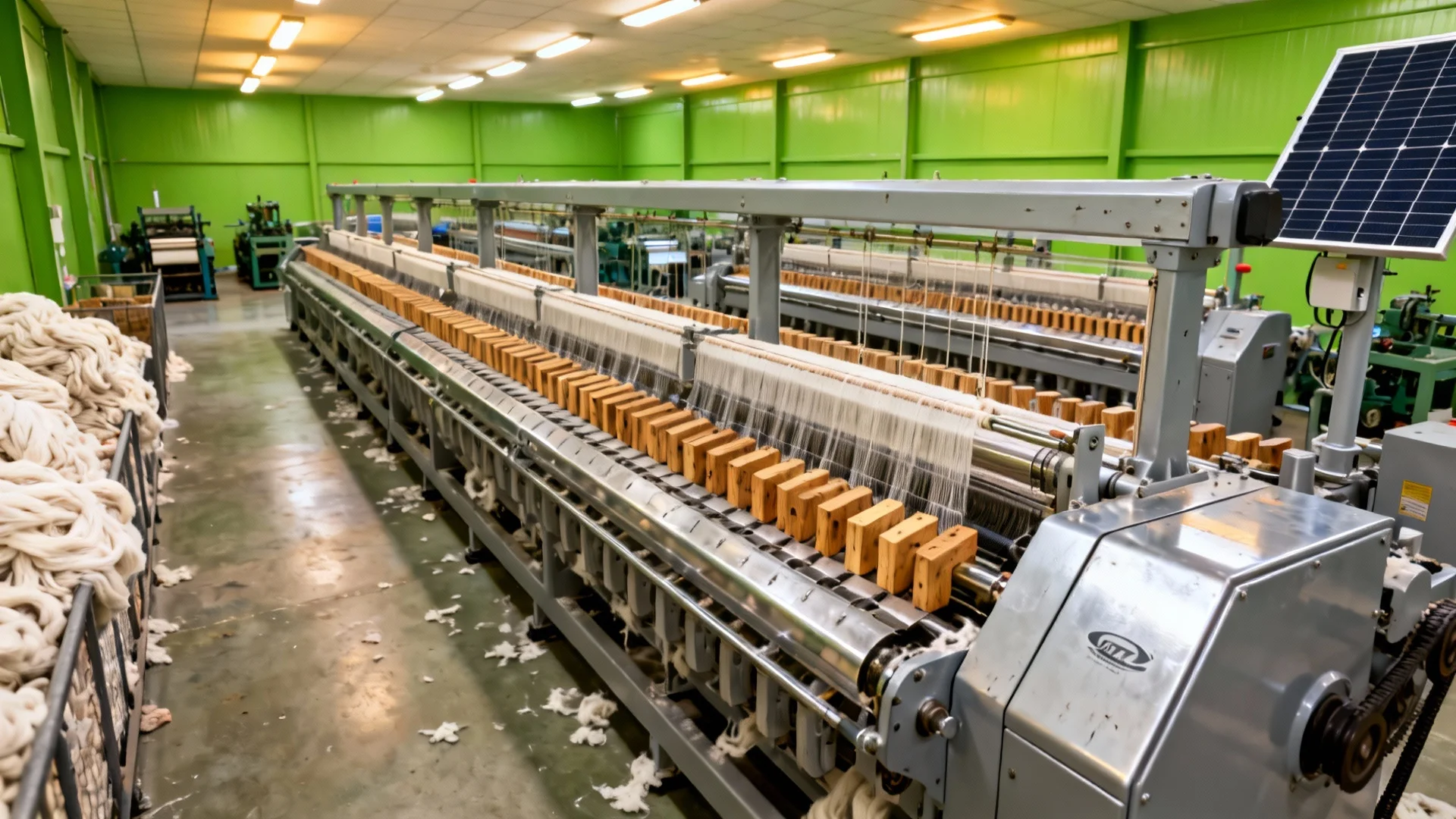
As a seasoned industry practitioner with years of experience working with textile manufacturers and fashion brands, I've witnessed the transformative pressure facing scarf producers firsthand. Embracing ethical manufacturing is no longer merely a corporate social responsibility initiative—it has become a business imperative driven by three critical factors: regulatory compliance, consumer expectations, and operational efficiency. Companies that fail to adapt risk market exclusion as major retailers implement stringent sustainability criteria for supplier partnerships.
Key Pillars of Ethical Transformation in Scarf Production
The journey from conventional to conscious manufacturing requires reevaluating every production stage, from raw material selection to end-of-life management. Based on successful industry transformations and emerging best practices, four fundamental pillars have become essential for meaningful change in scarf manufacturing.
Sustainable Material Innovation and Sourcing
Material selection forms the foundation of ethical scarf production. 2025 trends highlight a diverse landscape of innovative alternatives to conventional fabrics. The industry is shifting toward regenerative materials that actively restore environmental health rather than merely reducing harm. Leading manufacturers increasingly adopt organic cotton certified by the Global Organic Textile Standard (GOTS), ensuring both environmental and social responsibility throughout production.
Luxury scarf segments have seen remarkable innovation in sustainable silk production. Traditional sericulture practices—often involving harmful chemicals and energy-intensive processing—are being replaced by closed-loop systems that recycle water and minimize chemical inputs. Innovations in peace silk (Ahimsa silk) production, where silkworms complete their life cycle naturally, address ethical concerns while maintaining the fabric's luxurious qualities.
Practical implementation of sustainable material sourcing involves several actionable steps: conducting comprehensive lifecycle assessments of material options, establishing long-term partnerships with certified suppliers, and gradually phasing in sustainable alternatives while managing cost implications. Industry benchmarks suggest successful transitions typically start by replacing 30-50% of conventional materials with sustainable options, with clear timelines for increasing this percentage based on supplier capacity and market acceptance.
Process Optimization for Environmental Efficiency
Beyond material selection, transforming manufacturing processes is critical for reducing the environmental footprint of scarf production. The textile industry is notoriously resource-intensive, with conventional dyeing and finishing processes accounting for significant water pollution and energy consumption. Forward-thinking scarf manufacturers are implementing clean technology solutions that dramatically reduce environmental impact while often improving production efficiency.
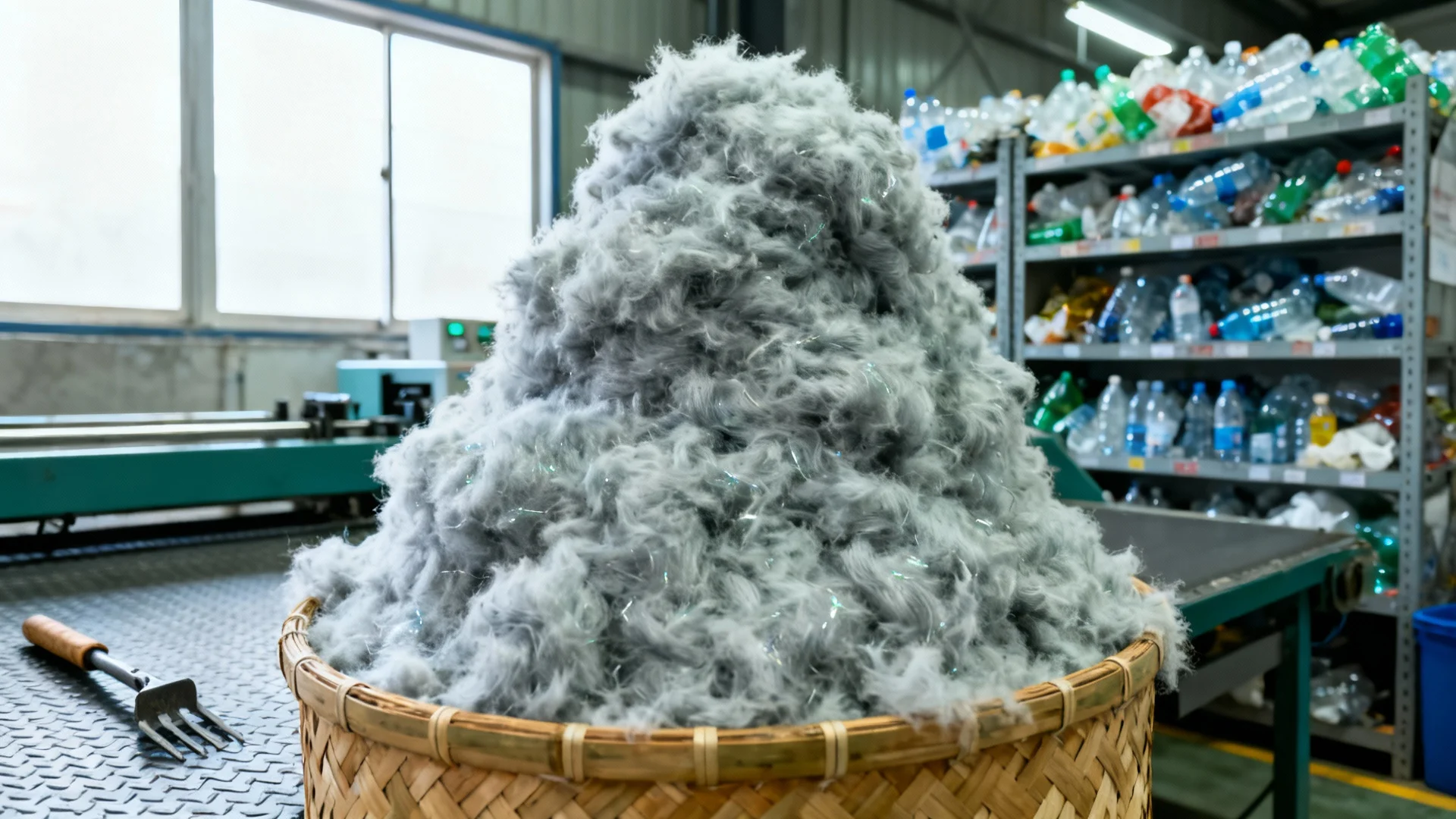
Digital printing technologies have proven particularly transformative for scarf production, offering several sustainability advantages over traditional screen printing. These systems reduce water usage by up to 95%, minimize chemical waste through precise pigment application, and enable on-demand production that reduces inventory waste. Innovations in heat recovery systems and renewable energy integration also help manufacturers achieve carbon neutrality in their production facilities.
Key performance indicators for process optimization include water consumption per unit (targeting reductions of 40-60%), energy efficiency metrics, and waste diversion rates from landfills. Implementing these changes requires upfront investment but typically yields positive returns within 2-3 years through operational savings and market differentiation.
Ethical Labor Practices and Supply Chain Transparency
True ethical transformation extends beyond environmental considerations to encompass social responsibility throughout the supply chain. The fashion industry's history of labor violations makes this aspect particularly critical for building trust with conscious consumers and business partners. Scarf manufacturers increasingly recognize ethical labor practices aren't just compliance requirements—they're essential components of quality assurance and brand reputation.
Implementing ethical labor practices involves conducting thorough supplier audits, ensuring fair wages and safe working conditions, and establishing transparent communication channels with workers. Certification systems like Fair Trade and SA8000 provide frameworks for these improvements. Blockchain technology is emerging as a powerful tool for supply chain transparency, allowing brands and consumers to trace a scarf's journey from raw material to finished product.
Operationalizing transparency requires investments in supply chain mapping and documentation systems, but the benefits extend beyond compliance. Brands that demonstrate ethical production practices often command price premiums of 15-30% in the luxury scarf market. They also reduce risks associated with labor disputes and reputational damage.
Circular Economy Integration
The final pillar of ethical transformation involves reimagining the entire product lifecycle through circular economy principles. The traditional linear model of production and disposal is increasingly untenable, both environmentally and economically. Scarf manufacturers are exploring innovative approaches to create value from waste and extend product lifecycles.
Take-back programs, where customers return used scarves for recycling or repurposing, have gained traction among sustainable brands. These initiatives reduce textile waste and create opportunities for customer engagement and loyalty building. Design for durability and recyclability is becoming standard practice too, with manufacturers selecting materials and construction methods that facilitate end-of-life processing.
Practical circular economy strategies for scarf manufacturers include: developing take-back networks in key markets, designing products with minimal component diversity to simplify recycling, and exploring innovative applications for textile waste such as stuffing materials or insulation. While implementing these systems requires logistical planning and consumer education, early adopters are positioning themselves as industry leaders in sustainability.
Implementation Roadmap: From Strategy to Execution
Transforming conventional scarf manufacturing operations into ethical, sustainable systems requires a structured approach that balances ambition with practicality. Based on industry best practices and successful transformation journeys, a phased implementation roadmap provides a clear path forward for manufacturers at any stage of the sustainability journey.
Assessment and Goal Setting (0-6 months)
The transformation process begins with a comprehensive assessment of current operations. Identify environmental hotspots, social compliance gaps, and improvement opportunities. This baseline evaluation should cover all production aspects, from material sourcing to waste management, and include benchmarking against industry standards and competitors.
Key activities during this phase include:
- Conducting a lifecycle assessment (LCA) of core products
- Mapping the entire supply chain to identify sustainability risks and opportunities
- Engaging stakeholders across the organization to build buy-in
- Setting SMART (Specific, Measurable, Achievable, Relevant, Time-bound) sustainability goals
Industry leaders typically aim for ambitious yet realistic targets, like achieving 50% sustainable material usage within two years or reducing water consumption by 30% within 18 months. These goals should align with broader industry frameworks like the UN Sustainable Development Goals or the Ellen MacArthur Foundation's circular economy principles to ensure credibility and comparability.
Pilot Projects and Quick Wins (6-12 months)
Instead of attempting a complete operational overhaul simultaneously, successful transformations often begin with targeted pilot projects that demonstrate value and build internal support. These initiatives should focus on areas with high impact potential and relatively straightforward implementation pathways.
Ideal pilot projects for scarf manufacturers include:
- Testing sustainable material alternatives in specific product lines
- Implementing energy efficiency measures in production facilities
- Launching a small-scale take-back program for end-of-life scarves
- Piloting digital printing technology for select designs
These projects serve multiple purposes: generating data on sustainability improvements, identifying implementation challenges, and creating tangible success examples to communicate to stakeholders. Quick wins—like switching to LED lighting in production facilities or implementing basic waste sorting systems—build momentum and demonstrate early ROI.
Scaling and Integration (12-36 months)
With successful pilots validated and lessons learned documented, manufacturers can begin scaling sustainable practices across operations. This phase involves integrating sustainability into standard operating procedures, supply chain relationships, and product development processes.
Critical elements of this scaling phase include:
- Negotiating long-term contracts with sustainable material suppliers
- Investing in larger-scale clean technology for production processes
- Developing comprehensive employee training programs on sustainability practices
- Revising product design guidelines to prioritize sustainability principles
- Implementing supply chain transparency systems
During this phase, manufacturers should establish regular reporting mechanisms to track progress against sustainability goals. External verification through recognized certification systems adds credibility and may be required for selling to major retailers with strict sustainability criteria.
Continuous Improvement and Innovation (Ongoing)
Sustainable transformation isn't a destination—it's an ongoing journey requiring continuous improvement and innovation. The most successful ethical scarf manufacturers establish processes for regularly evaluating new technologies, materials, and practices that can further reduce environmental impact and enhance social responsibility.
Key practices for continuous improvement include:
- Participating in industry sustainability initiatives and knowledge-sharing platforms
- Allocating R&D resources to explore emerging sustainable materials and processes
- Engaging with customers to understand evolving sustainability expectations
- Regularly updating sustainability goals based on progress and industry advancements
- Collaborating with academic institutions and startups on innovative solutions
This commitment to continuous improvement drives ongoing sustainability gains and positions manufacturers as industry leaders capable of adapting to evolving regulatory requirements and market expectations.
Evaluating Success: Metrics and Measurement
To effectively manage the transformation to ethical manufacturing, scarf producers must establish robust systems for measuring progress and demonstrating impact. A comprehensive measurement framework should address both environmental and social dimensions of sustainability, providing actionable insights for continuous improvement.
Environmental Impact Metrics
Quantifying the environmental benefits of transformation initiatives is essential for demonstrating ROI to stakeholders, identifying areas for further improvement, and communicating achievements to customers and partners. Key environmental metrics for scarf manufacturers include:
Resource efficiency indicators:
- Water consumption per unit of production (gallons per scarf)
- Energy usage by source and intensity (kWh per square meter of fabric)
- Material efficiency and waste generation rates
- Carbon footprint across the product lifecycle
Pollution reduction metrics:
- Chemical usage and hazardous waste generation
- Wastewater quality and treatment efficiency
- Air emissions by type and quantity
Circular economy indicators:
- Percentage of products containing recycled content
- Take-back and recycling rates
- Product durability and repairability metrics
These metrics should be tracked over time and benchmarked against industry standards to provide context for performance improvements. Digital tools for environmental management, like enterprise resource planning (ERP) systems with sustainability modules, can streamline data collection and reporting.
Social Impact Assessment
While environmental metrics often receive more attention, social impact measurement is equally critical for demonstrating ethical manufacturing practices. Effective social impact assessment goes beyond basic compliance to evaluate the holistic effects of manufacturing operations on workers and communities.
Key social metrics include:
- Worker wages compared to living wage standards
- Health and safety performance indicators
- Employee turnover rates and satisfaction scores
- Training and professional development opportunities
- Community engagement and development initiatives
Certification systems such as Fair Trade, SA8000, and the Ethical Trading Initiative (ETI) Base Code provide frameworks for measuring and improving social performance. Regular third-party audits are essential for verifying these metrics and ensuring credibility with customers and other stakeholders.
Business Performance Outcomes
Ultimately, the success of ethical transformation should be evaluated based on its contribution to overall business performance and resilience. Integrating sustainability into core business strategy often yields benefits that extend beyond environmental and social impact to include:
Market performance indicators:
- Sales growth of sustainable product lines
- Market share in sustainability-focused market segments
- Price premium achievement compared to conventional products
- Customer acquisition and retention rates for sustainable offerings
Operational performance metrics:
- Cost savings from resource efficiency improvements
- Supply chain resilience and risk reduction
- Innovation pipeline for sustainable products and processes
- Employee productivity and retention improvements
By tracking these business performance metrics alongside environmental and social indicators, manufacturers can develop a comprehensive understanding of the value created through ethical transformation. This holistic measurement approach is essential for securing ongoing leadership commitment and resources for sustainability initiatives.
Case Studies: Transformation in Action
While specific case studies of scarf manufacturers' sustainability transformations remain limited in public documentation, insights from the broader textile industry and select luxury accessory brands provide valuable lessons for those embarking on this journey. These examples demonstrate both the challenges and opportunities associated with ethical manufacturing transformation.
Luxury Scarf Brand's Material Innovation Journey
A prominent European luxury scarf brand serves as an instructive example of successful material transformation. Facing increasing pressure from consumers and retailers to reduce environmental impact, the company embarked on a multi-year journey to replace conventional materials with sustainable alternatives while maintaining the premium quality expected by its customers.
The transformation began with a comprehensive lifecycle assessment of their core products, identifying conventional silk production as a major environmental hotspot. The company initiated a pilot project with a sustainable silk supplier using closed-loop water systems and organic farming practices. Initial challenges included higher material costs and supply chain limitations, but these were offset by positive customer response and reduced water and chemical usage in production.
Over three years, the brand gradually increased sustainable material usage from 15% to over 60% of its product line, with clear communication to customers about the environmental benefits. This transparency supported a 25% price premium for sustainable scarves and contributed to a 12% increase in overall brand loyalty metrics. The company's experience demonstrates the importance of gradual implementation, clear customer communication, and persistence through initial challenges.
Mid-Size Manufacturer's Process Transformation
A mid-sized scarf manufacturer specializing in printed designs provides another valuable case study in process transformation. Faced with tightening environmental regulations and increasing customer demand for sustainable products, the company invested in digital printing technology as a cleaner alternative to traditional screen printing.
The initial investment required significant capital expenditure and employee retraining, but the results justified the cost within two years. Water consumption decreased by 82%, chemical waste was reduced by 75%, and production lead times shortened by 40%. These improvements reduced environmental impact and enhanced operational efficiency and responsiveness to customer demands.
Building on this success, the company implemented additional sustainability measures, including installing solar panels at its production facility, developing a take-back program for end-of-life scarves, and achieving GOTS certification for its organic cotton products. These initiatives collectively positioned the manufacturer as a preferred supplier for several major retailers with strict sustainability requirements, resulting in a 35% increase in sales volume over three years.
Small-Scale Artisanal Producer's Ethical Differentiation
Even small-scale producers can achieve meaningful sustainability transformations that drive business success. A family-owned artisanal scarf manufacturer illustrates how ethical practices can serve as a powerful market differentiator in a crowded marketplace.
Rather than competing solely on price or design, the company focused on traditional hand-weaving techniques using locally sourced organic materials. By emphasizing fair wages for artisans and preserving traditional craftsmanship, the brand created a compelling sustainability story that resonated with ethically conscious consumers.
Key elements of their approach included:
- Direct relationships with organic fiber farmers within a 100-mile radius
- Transparent production processes documented through photography and storytelling
- Fair trade certification ensuring living wages for all artisans
- Minimal environmental impact through hand production methods and natural dyeing techniques
This authentic commitment to ethical production allowed the small manufacturer to command premium pricing and develop a dedicated customer base, despite facing competition from larger, lower-cost producers. Their success demonstrates that sustainability can be a viable differentiation strategy regardless of company size.
Conclusion: The Business Case for Ethical Transformation
The transformation from conventional to conscious manufacturing is no longer optional for scarf producers—it is essential for long-term business viability and success in the evolving fashion landscape. Those who embark on this journey with commitment and vision will not only contribute to a more sustainable future but will also position themselves as industry leaders for years to come.
The business benefits of ethical transformation are increasingly well-documented and compelling:
- Market differentiation in a crowded industry through authentic sustainability credentials
- Premium pricing potential, with sustainable scarves often commanding 15-30% higher prices
- Improved operational efficiency through resource optimization and waste reduction
- Enhanced brand reputation and customer loyalty among conscious consumers
- Reduced regulatory and reputational risk in an increasingly scrutinized industry
- Access to new markets and retail partnerships with strict sustainability requirements
As the global scarf market continues its projected growth, with sustainable segments expanding at rates exceeding industry averages, the competitive advantage belongs to manufacturers who can authentically demonstrate ethical production practices. The transformation journey requires significant commitment, investment, and patience, but the returns—environmental, social, and financial—are substantial.
For fashion brands and retailers evaluating scarf suppliers, the criteria for selection are increasingly centered on sustainability credentials. Manufacturers who have completed the transformation to ethical production are positioned as preferred partners, while those clinging to conventional practices face growing market exclusion.
Looking to the future, the most successful ethical scarf manufacturers will be those that view sustainability not as a static achievement but as a continuous journey of innovation and improvement. By embracing new materials, technologies, and business models that push the boundaries of environmental and social responsibility, these manufacturers will not only survive but thrive in an increasingly conscious marketplace.</think># Transforming Scarf Manufacturing: The Complete Guide to Sustainable Production Practices
In an era where conscious consumerism drives purchasing decisions, the scarf manufacturing industry stands at a critical crossroads. Traditional production methods increasingly clash with rising demand for sustainable innovation. As fashion brands and retailers prioritize environmental responsibility and ethical practices, understanding how to transform from conventional to conscious manufacturing has become essential for competitive advantage. This comprehensive analysis explores the multifaceted process of ethical transformation in scarf production, drawing on industry trends, technological innovations, and practical implementation strategies reshaping fashion accessories manufacturing.
The Business Imperative for Ethical Transformation in Scarf Manufacturing
The global scarf market is experiencing robust growth, projected to reach USD 23.38 billion by 2025 and continue expanding at a compound annual growth rate (CAGR) of 8.32% through 2032. Within this growth trajectory, sustainable and ethical production has emerged as a key differentiator between industry leaders and competitors. Consumer demand for transparency and environmental responsibility has intensified dramatically, with 2025 market analyses showing sustainability-focused scarf collections commanding premium pricing and stronger brand loyalty among discerning buyers.
Traditional scarf manufacturing carries substantial environmental burdens, including resource-intensive material sourcing, chemical-heavy dyeing techniques, and significant waste generation. The conventional model follows a linear "take-make-dispose" approach, transforming virgin materials into products with limited consideration for lifecycle impacts or worker welfare. This approach increasingly conflicts with evolving regulatory landscapes, particularly the EU's 2025 textile regulations establishing stricter environmental standards and transparency requirements for fashion products entering European markets.
As a seasoned industry practitioner with years of experience working with textile manufacturers and fashion brands, I've witnessed the transformative pressure facing scarf producers firsthand. Embracing ethical manufacturing is no longer merely a corporate social responsibility initiative—it