In today's rapidly evolving fashion accessories industry, selecting the optimal manufacturing approach has become a critical strategic decision for brands and retailers. As consumer demands increasingly prioritize customization, rapid delivery, and sustainable practices, understanding the strengths and limitations of both traditional and digital scarf production methods is essential for maintaining competitiveness in 2025's market landscape.
Drawing on extensive industry expertise and analysis of current manufacturing trends, this comprehensive guide examines the core differences between traditional and digital scarf production workflows. We analyze production efficiencies, cost structures, customization capabilities, quality parameters, and sustainability metrics to provide fashion businesses with actionable insights for informed manufacturing decisions.
Traditional Scarf Manufacturing: Heritage and Craftsmanship
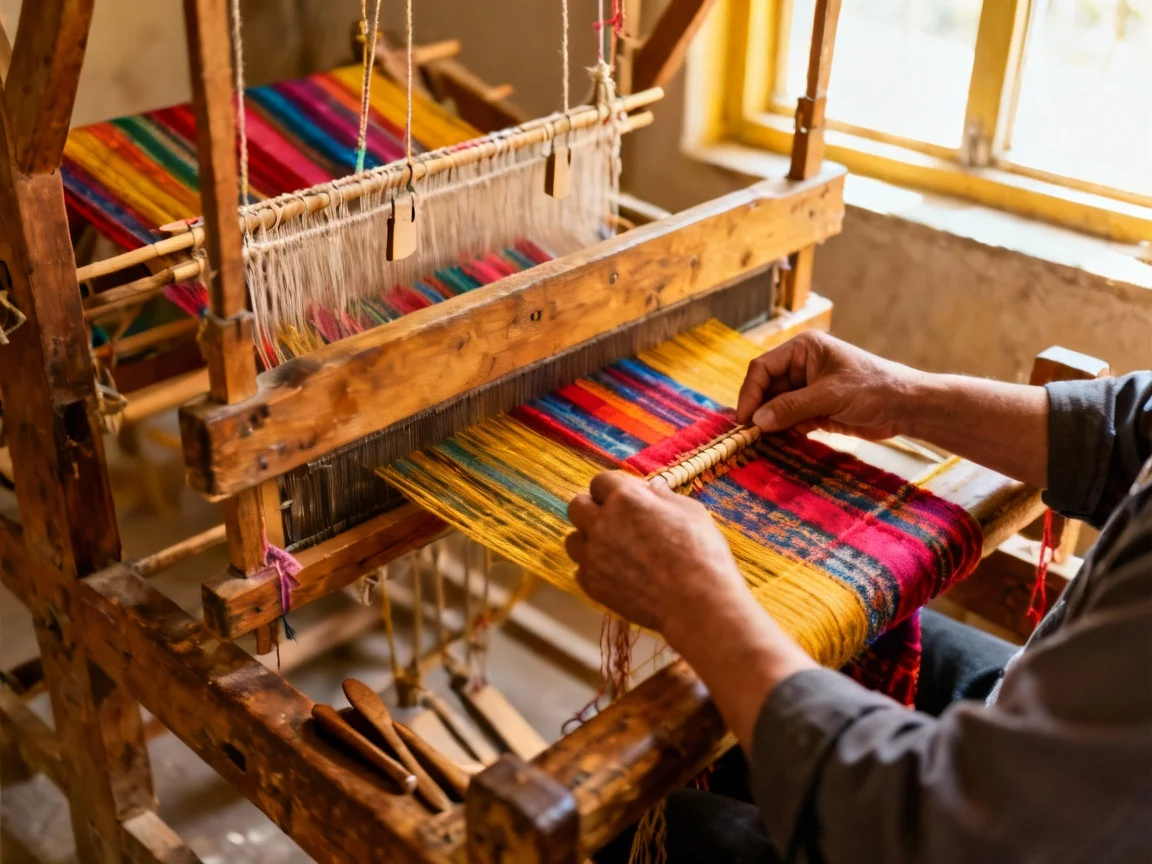
Traditional scarf production represents centuries of refined artisanal craftsmanship, embodying textile expertise passed down through generations. This method retains substantial value in the luxury segment, where handcrafted details and heritage techniques command premium pricing and consumer appreciation.
Traditional Scarf Production Workflow
The traditional manufacturing process follows a meticulous multi-stage workflow that emphasizes manual skill and artisanal techniques:
Material Preparation begins with the careful selection of premium raw fibers, often including silk cocoons, cashmere wool, or fine cotton. These materials undergo rigorous cleaning and carding processes to prepare them for spinning. For silk scarves, this includes the delicate procedure of unwinding filaments from cocoons, which may be performed manually or with semi-automated equipment depending on production scale and artisanal philosophy.
Yarn Production transforms these prepared fibers into yarn through spinning. High-end manufacturing typically maintains partial manual control over this process to ensure optimal fiber alignment and tension. Artisanal producers frequently utilize traditional spinning wheels for small-batch production, while larger operations employ mechanized spinning frames with stringent quality controls to maintain consistency.
Dyeing Processes in traditional manufacturing predominantly involve batch dyeing of yarns prior to weaving. This method produces rich color saturation and excellent colorfastness but requires significant water usage—often hundreds of liters per kilogram of material. Natural dyeing techniques, experiencing a revival in 2025's sustainable fashion movement, utilize plant-based pigments that require specialized knowledge to achieve consistent results across production batches.
Weaving or Knitting represents the most labor-intensive phase of traditional production. Handlooms typically produce 0.5-2 meters of fabric per day, with output varying according to pattern complexity. Traditional jacquard looms create intricate patterns through manually controlled harnesses, though modern traditional facilities sometimes incorporate mechanical jacquard systems that preserve craftsmanship elements while modestly increasing production capacity.
Finishing Processes encompass washing, stretching, steaming, and hand-sewing edges. Luxury scarves often receive hand-rolled hems—a hallmark of quality that adds 1-2 hours of skilled labor per piece. The final inspection involves meticulous manual examination for imperfections, ensuring that only flawless pieces progress to market.
Advantages of Traditional Manufacturing Methods
Traditional manufacturing maintains relevance in 2025 through several key advantages that resonate with contemporary consumers seeking authenticity and heritage:
Artisanal Value serves as the primary differentiator in luxury markets. Handcrafted scarves appeal to discerning buyers seeking authentic, heritage products with unique character. The visible marks of hand production—subtle variations in weave tension, distinctive dye interactions, and hand-finished details—create singular pieces that machine production cannot replicate.
Material Integrity benefits significantly from the careful handling inherent in manual processes. Skilled artisans work with delicate fibers that might be damaged by automated equipment, preserving the natural characteristics and luxury feel of premium materials such as Mongolian cashmere or Thai silk.
Heritage Techniques including hand block printing, batik, and ikat resist dyeing offer design possibilities difficult to reproduce through digital methods. Many of these techniques hold UNESCO Intangible Cultural Heritage designation, providing compelling storytelling value that enhances brand positioning and emotional consumer connection.
Sustainability Potential has been rediscovered in traditional methods, particularly when paired with natural materials and local production networks. When integrated with modern eco-conscious practices like natural dyeing and water recycling systems, traditional production aligns with 2025's sustainability priorities while maintaining artisanal integrity and cultural heritage.
Limitations of Traditional Manufacturing
Despite its enduring appeal, traditional manufacturing faces significant challenges in today's fast-paced fashion environment:
Production Speed constraints represent a substantial limitation. Handcrafted scarves require days or weeks to produce compared to hours in digital systems. A single artisan might complete only 10-15 complex scarves monthly, making traditional methods impractical for high-volume demands or rapid trend responses.
Cost Structure remains prohibitive for many market segments. Labor-intensive processes translate directly to higher price points. While luxury markets readily accept these costs—with silk scarves featuring hand-rolled edges retailing for $150-500+—mid-market brands struggle to justify traditional production expenses within their pricing models.
Design Limitations become evident in pattern complexity and color gradients. Traditional looms and printing methods face constraints on color layering and fine detail reproduction. Achieving photorealistic images or complex gradients requires exceptional skill and significant production time, limiting design possibilities compared to digital alternatives.
Scalability Challenges make traditional production vulnerable to supply chain disruptions and volume fluctuations. Expanding production requires recruiting and training skilled artisans—a multi-year investment—while reducing output risks losing these specialized workers to other opportunities, creating significant operational inflexibility.
The Digital Revolution in Scarf Manufacturing
Digital manufacturing has transformed scarf production through technological innovation, addressing many limitations of traditional methods while introducing new capabilities aligned with 2025's fashion industry demands. This section explores the digital workflow, technological advancements, and competitive advantages reshaping contemporary scarf manufacturing.
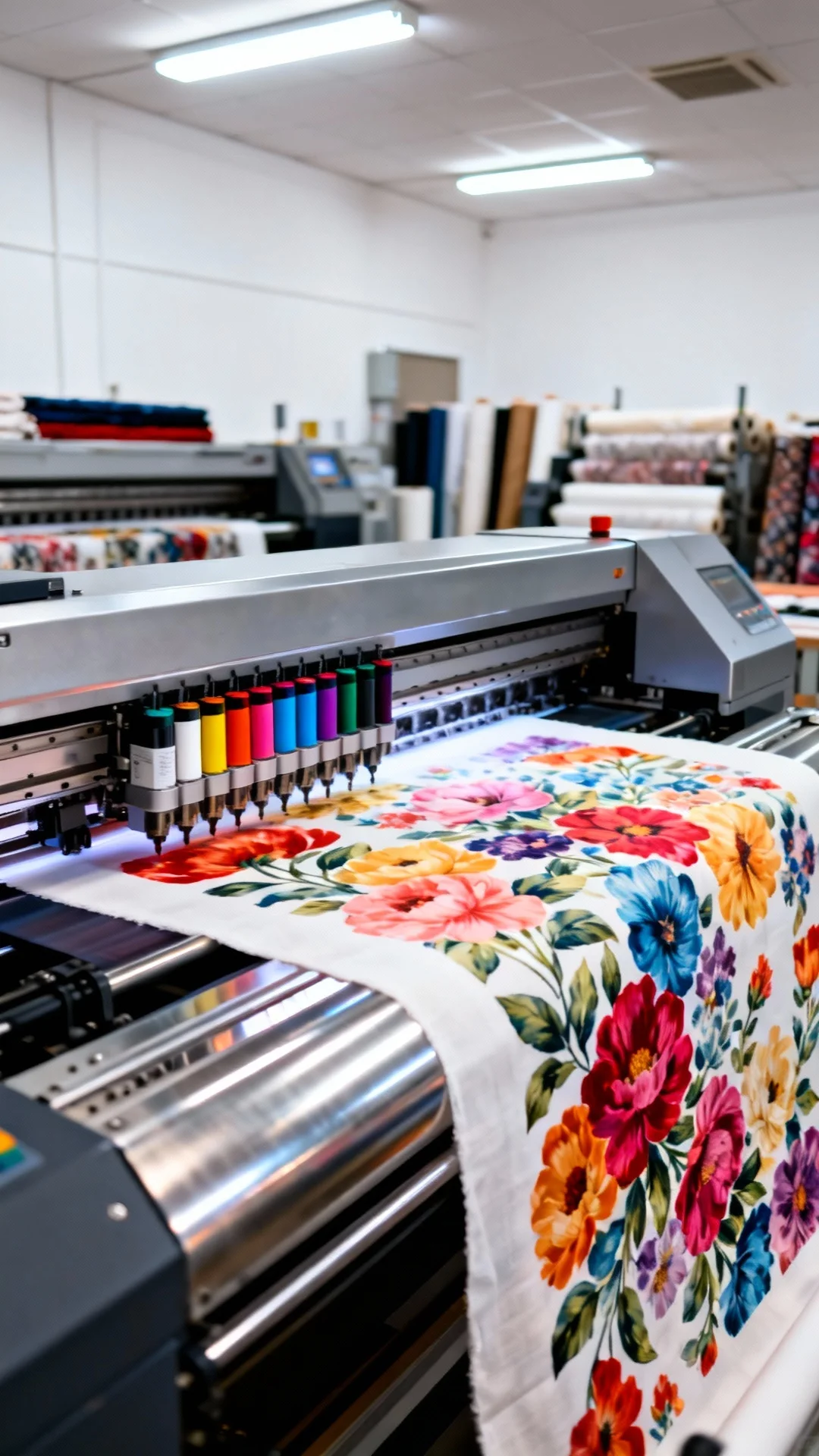
Digital Scarf Production Workflow
The digital manufacturing process integrates computer-aided design, advanced printing technologies, and automated finishing to create a streamlined, efficient production system:
Digital Design Development begins with specialized textile design software such as Adobe Textile Designer or NedGraphics. These powerful tools allow unlimited pattern iterations without the need for physical prototypes. Designers create scalable vector graphics, test color variations instantly, and simulate how patterns will drape on finished scarves—reducing concept-to-production timelines from weeks to days.
Pre-Press Preparation optimizes designs for specific fabrics and printing technologies. RIP (Raster Image Processor) software converts designs into printer-ready files, adjusting for fabric absorption characteristics, color profiles, and print head specifications. This digital preparation ensures consistent results across production runs and different fabric types, enhancing quality control.
Digital Printing Technologies form the core innovation in digital scarf production. Three methods dominate the 2025 landscape:
- Direct-to-Fabric Inkjet Printing applies water-based pigment inks directly to pre-treated fabrics using specialized printers with resolutions up to 1,440 dpi. This method supports unlimited color combinations and intricate details, with production speeds reaching 50-100 meters per hour on industrial systems.
- Sublimation Printing transfers designs to synthetic fabrics or blends through heat activation, producing vibrant, durable prints ideal for polyester-silk blends increasingly popular in contemporary scarf designs.
- Reactive Digital Printing remains preferred for natural fibers like cotton and silk, utilizing inks that chemically bond with fabric molecules for exceptional colorfastness and wash durability.
Post-Printing Processes have also undergone digital transformation. Automated washing machines remove excess dye, precision dryers control moisture levels, and computer-guided cutting systems ensure consistent dimensions. Quality control now incorporates machine vision systems that inspect each scarf for printing defects at speeds impossible with manual inspection.
Finishing Automation includes robotic hemming systems that replicate hand-rolled edges with remarkable precision. Even luxury segments now often combine automated processes with manual quality checks and artisanal final touches, achieving optimal efficiency without sacrificing perceived value.
2025 Digital Manufacturing Innovations
The digital scarf production sector continues to evolve rapidly, with several transformative technologies gaining traction in 2025:
3D Textile Printing has advanced from experimental to commercial viability, enabling unprecedented texture variations and three-dimensional design elements. Following early adoption by athletic brands like Adidas and Patagonia for performance apparel components, scarf manufacturers now utilize the technology for limited-edition, sculptural designs impossible with traditional methods.
AI-Driven Design Tools assist in pattern creation, trend forecasting, and production optimization. Systems like WGSN's AI design assistant generate pattern variations based on market trends and consumer preferences. Machine learning algorithms analyze production data to minimize waste and optimize print settings for different fabric types, enhancing both efficiency and sustainability.
On-Demand Production Platforms have emerged as game-changers for small-batch manufacturing, enabling brands to produce scarves in quantities as low as 5-10 pieces economically. These platforms combine digital design tools, automated printing, and distributed manufacturing networks to deliver custom orders within 7-10 days—a timeline that would require months with traditional production methods.
Eco-Friendly Digital Inks have effectively addressed sustainability concerns, with water-based, biodegradable formulations now standardizing across the industry. Companies like Kornit Digital offer pigment inks free from harmful chemicals, meeting stringent OEKO-TEX® STANDARD 100 certification requirements increasingly demanded by environmentally conscious consumers and retailers.
Digital Color Matching Systems have eliminated traditional guesswork in color reproduction, utilizing spectrophotometers and cloud-based color libraries to ensure consistency across production runs and even between different manufacturing facilities. This technology reduces setup times and material waste while improving brand color integrity.
Comparative Analysis: Traditional vs. Digital Production
A detailed comparison of traditional and digital manufacturing methods reveals distinct advantages and limitations that should guide strategic production decisions. This analysis focuses on critical factors influencing manufacturing choices in 2025's competitive market landscape.
Production Efficiency and Lead Times
The most significant operational difference between traditional and digital methods lies in production speed and flexibility:
Traditional Manufacturing typically requires 4-8 weeks from design finalization to finished product, with handcrafted luxury items sometimes taking 3-6 months for small batches. This extended timeline stems from multiple factors: creating physical samples, batch dyeing processes, manual weaving/knitting, and artisanal finishing techniques. While this timeline works for established luxury brands with predictable seasonal collections, it creates challenges for responding to emerging trends or fulfilling rush orders.
Digital Manufacturing has revolutionized production timelines, compressing lead times to 2-10 days for most products. Eliminating physical prototypes, direct-to-fabric printing, and automated finishing processes enable this rapid turnaround. Digital systems excel at small-batch production, with setup times under 30 minutes compared to the 2-3 days required for traditional screen preparation. For example, a digital printer can produce 50 custom scarves with individual designs in the same time traditional methods would require to set up for a single pattern.
This efficiency advantage becomes particularly pronounced for custom scarf manufacturing and limited editions. Digital manufacturers can profitably fulfill orders as small as 1-5 pieces, whereas traditional production requires minimum order quantities of 50-100 pieces to justify setup costs, making small-batch customization economically unfeasible.
Cost Structures and Investment Requirements
The economic considerations of scarf production methods reflect fundamentally different cost structures and investment profiles:
Traditional Manufacturing involves lower upfront capital investment but higher variable costs, primarily for labor. Establishing a small traditional workshop with handlooms, dyeing equipment, and finishing tools requires approximately $50,000-150,000, depending on location and equipment quality. Labor costs typically account for 40-60% of total production expenses, with skilled artisans commanding premium wages—particularly for specialized techniques like hand-rolled hems or intricate embroidery.
Digital Manufacturing requires significant initial investment in technology but offers lower variable costs. A basic digital textile printing setup with design software, industrial-grade printer, and finishing equipment ranges from $150,000-350,000. Labor costs represent only 15-25% of total expenses, with automation handling most production stages. Digital systems also reduce material waste by 30-50% compared to traditional methods, further lowering variable costs.
Per-unit production costs reflect these structural differences:
- Traditional silk scarf production: $15-45 per unit (labor-intensive luxury items)
- Digital silk scarf production: $8-22 per unit (comparable quality level)
The cost crossover point typically occurs at production volumes of 500-1,000 units for a single design. Traditional methods become more economical for very large runs due to lower equipment depreciation costs. However, digital methods maintain overall cost advantages for most contemporary production scenarios involving multiple designs and smaller batches.
Quality Factors and Aesthetic Outcomes
The quality comparison between manufacturing methods involves both measurable parameters and subjective aesthetic considerations:
Visual Quality Metrics show distinct strengths for each approach:
- Color Range: Digital methods offer virtually unlimited color possibilities (16 million+ colors) compared to the 100-200 colors practical with traditional screen printing.
- Detail Resolution: Digital printing achieves 1,200-1,440 dpi resolution, reproducing fine details that traditional methods struggle to match—particularly important for photographic designs and intricate patterns.
- Color Consistency: Digital systems maintain 98-99% color consistency across production runs, compared to 90-95% for traditional methods, reducing reject rates and ensuring brand color integrity.
Tactile Quality remains a traditional manufacturing advantage. Handcrafted scarves often exhibit superior drape, texture variation, and surface character. The subtle irregularities of hand weaving create unique fabric textures that digital production cannot fully replicate with its mechanical precision. This tactile quality holds high value in luxury markets, where consumers pay premium prices for artisanal texture characteristics.
Durability Factors show mixed results. Traditional dyeing methods generally provide superior colorfastness for natural fibers, particularly with repeated washing. However, advancements in digital ink technology have significantly narrowed this gap. High-quality digital prints now achieve wash durability ratings comparable to traditional methods—typically 30+ wash cycles before noticeable fading.
The aesthetic trade-offs ultimately reflect market positioning. Luxury segments value the unique character of traditional production while contemporary brands emphasize the precision and design flexibility of digital methods.
Sustainability and Environmental Impact
Sustainability considerations have become increasingly decisive in manufacturing method selection. Both approaches offer distinct environmental advantages and challenges:
Resource Consumption metrics reveal significant differences:
- Water Usage: Traditional dyeing and printing processes consume 200-500 liters of water per kilogram of fabric, compared to 10-50 liters for digital printing—a reduction of 80-90%.
- Energy Consumption: Digital production requires 20-30% less energy overall, despite higher electricity usage for printing equipment, due to reduced processing steps and shorter production times.
- Chemical Usage: Traditional methods typically involve more hazardous chemicals, including heavy metal-based dyes and formaldehyde-based fixatives, though both approaches now utilize eco-friendly alternatives.
Waste Generation presents another clear distinction:
- Material Waste: Traditional production generates 15-25% fabric waste from pattern cutting and sampling, compared to 5-10% for digital methods with precision cutting systems.
- Chemical Waste: Traditional dyeing produces significant wastewater containing residual dyes and chemicals, requiring expensive treatment systems to meet environmental regulations.
Sustainable Innovation in both sectors evolves rapidly:
- Traditional manufacturers increasingly adopt natural dyeing techniques using plant-based pigments, water recycling systems, and organic fibers to reduce environmental impact.
- Digital printing continues advancing with biodegradable inks, energy-efficient printer designs, and integration with renewable energy sources.
The overall environmental footprint of digital production is generally lower, particularly for small-to-medium production runs. This aligns with growing consumer demand for sustainable fashion practices. However, traditional methods employing heritage techniques with modern eco-conscious adaptations maintain appeal for sustainability-minded luxury consumers who value craft preservation alongside environmental responsibility.
Strategic Applications and Implementation Considerations
The choice between traditional and digital scarf production methods depends on multiple strategic factors, including market positioning, product characteristics, and business objectives. This section explores optimal applications for each approach and emerging hybrid models combining the best of both worlds.
Optimal Applications for Traditional Methods
Traditional manufacturing continues to excel in specific production scenarios that leverage its unique strengths:
Luxury and Heritage Branding benefits most significantly from traditional production methods. Artisanal techniques support premium pricing and brand storytelling. For heritage brands like Hermès or Gucci, handcrafted scarves represent core brand values and command retail prices of $300-1,500 reflecting both material quality and artisanal labor. Visible craftsmanship details—hand-rolled edges, subtle weave variations, and unique dye interactions—create tangible differentiation in luxury markets.
Cultural Preservation and Artisanal Techniques remain viable through traditional production. This applies particularly to UNESCO-protected crafts like Indian block printing, Japanese shibori, or Uzbek ikat. These techniques often cannot be fully replicated digitally and carry cultural significance resonating with ethically conscious consumers. Artisanal cooperatives in developing economies frequently employ these methods, creating sustainable livelihoods while preserving cultural heritage.
High-Volume Classic Designs can still benefit from traditional production when designs remain consistent over multiple seasons. Iconic patterns with enduring appeal—like the Hermès "Brides de Gala" or Burberry check—justify the setup costs of traditional methods when produced in sufficient volume. Traditional production may offer 10-15% lower per-unit costs for annual production volumes exceeding 5,000 units of a single design.
Premium Natural Fiber Processing often requires traditional techniques to maintain material integrity. This proves especially true for ultra-delicate fibers like vicuña, qiviut, or hand-reeled silk. The careful handling of these luxury materials by skilled artisans minimizes waste and maximizes quality, offsetting higher production costs through premium pricing.
Optimal Applications for Digital Methods
Digital manufacturing has proven particularly advantageous for specific production scenarios aligned with contemporary market dynamics:
Rapid Fashion Response and Trend Adaptation represents digital production's strongest application, enabling brands to bring designs to market within 2-4 weeks of trend identification. This capability has become essential for fast-fashion and contemporary brands competing in the rapidly evolving accessories market. Digital systems produce initial runs of 50-100 pieces, test market response, and scale successful designs within days—eliminating the 3-6 month lead times of traditional production.
Custom Scarf Manufacturing and Personalization have become economically viable through digital methods, supporting everything from monogrammed corporate gifts to fully custom-designed consumer scarves. Online platforms now offer consumers the ability to upload personal photos, modify existing patterns, or create original designs—with digital production fulfilling these one-of-a-kind orders profitably. The corporate gifting segment has particularly embraced this capability, with companies ordering custom-branded scarves in quantities as small as 25-50 pieces.
Small-Batch Artistic Collaborations benefit from digital production's flexibility, allowing designers and artists to release limited-edition collections without the financial risk of large-scale production. These collaborations can be produced economically in runs of 100-500 pieces, creating exclusivity while maintaining profitability. Digital methods also enable more experimental designs that would be impractical or impossible to produce traditionally.