In the competitive world of luxury fashion accessories, custom scarf printing represents a sophisticated intersection of artistic expression and technical precision. As consumer demand for personalized luxury continues to rise, fashion manufacturers face the challenge of selecting printing techniques that balance aesthetic excellence, production efficiency, and sustainability objectives. This comprehensive guide examines the five most influential custom scarf printing techniques shaping 2025 collections, offering actionable insights for boutique owners, specialty retailers, and fashion brands navigating this complex landscape.
The Evolution of Scarf Printing Technology in Luxury Fashion
The past decade has witnessed a remarkable transformation in textile printing technology, with digital innovations revolutionizing how luxury scarves are designed and produced. Industry reports project the global digital textile printing market will reach $4.06 billion by 2028, growing at a compound annual growth rate of 7.32%. This substantial growth reflects the increasing adoption of advanced printing methods across the fashion sector.
Two parallel forces drive this technological evolution: consumer expectations for greater personalization and brands' growing commitment to sustainable manufacturing practices. High-end fashion houses have particularly embraced these advancements, recognizing that scarf printing techniques directly impact brand perception, product differentiation, and environmental footprint.
"The choice of printing technology has become a strategic decision that influences everything from design flexibility to production lead times and sustainability credentials," notes a 2025 industry analysis from a leading textile technology research firm. This shift means understanding the technical nuances, capabilities, and limitations of available printing methods is now essential when developing luxury scarf collections.
1. Digital Inkjet Printing: Precision and Versatility for Complex Designs
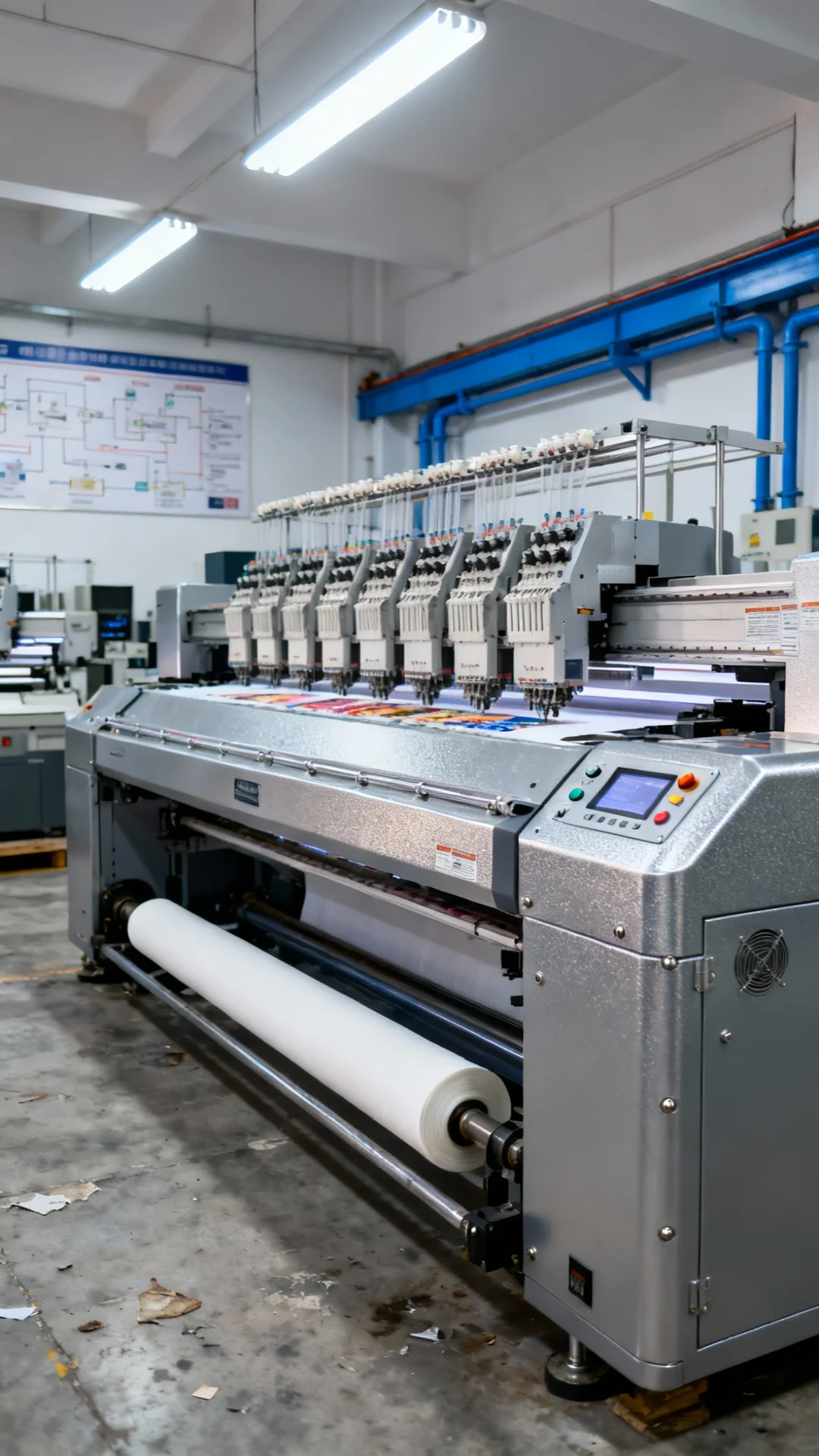
Digital inkjet printing leads the modern scarf printing revolution, emerging as the preferred method for high-end brands seeking uncompromising detail and design flexibility. This technique utilizes specialized printers that deposit microscopic droplets of pigment-based inks directly onto fabric, creating intricate patterns with exceptional color accuracy and resolution.
Technical Advantages
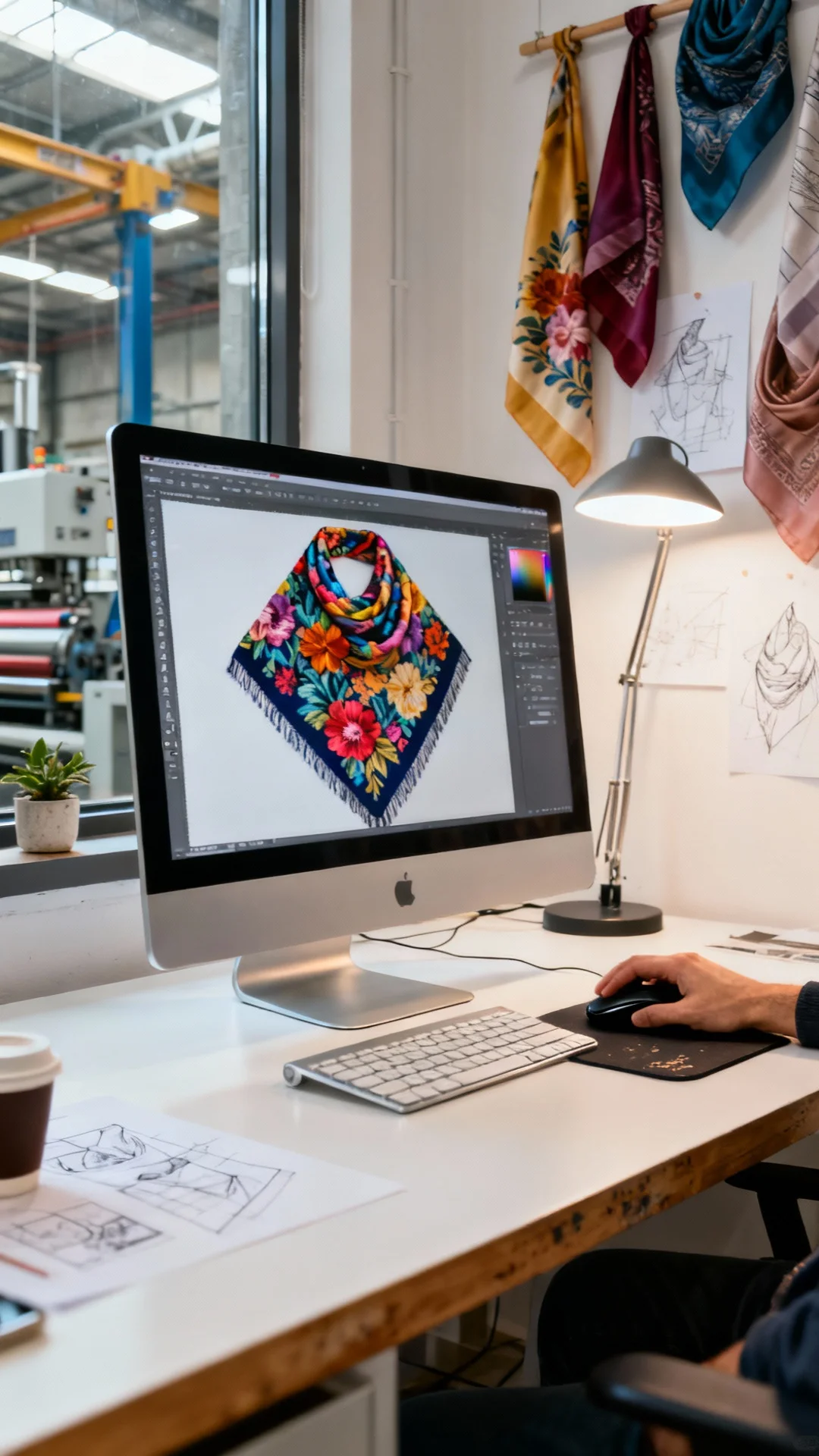
Digital printing excels at reproducing complex designs with gradients, fine lines, and photographic elements that would be challenging or impossible with traditional methods. The technology supports resolutions up to 1200 dpi, capturing subtle design nuances that distinguish luxury scarves in competitive markets. Unlike screen printing, which requires physical plates for each color, digital printing eliminates setup costs associated with plate creation.
This makes it ideal for small-batch production and limited-edition collections—a growing trend among luxury brands responding to the "see now, buy now" retail model. The digital workflow streamlines the transition from design concept to finished product, reducing lead times from weeks to days.
Production Efficiency
Modern digital textile printers can produce up to 50 meters of printed fabric per hour, with some high-speed models achieving even greater throughput. This efficiency makes digital printing particularly attractive for brands navigating seasonal collections and rapid trend cycles, allowing quicker response to market demands without sacrificing quality.
Application Case Study
Italian luxury manufacturer Papis Group demonstrates digital printing's potential for high-end scarf production. Their 2025 collection features digitally printed silk scarves with photorealistic botanical patterns requiring 147 separate color separations—only feasible through digital technology.
"Digital printing has transformed our design possibilities," notes the company's creative director. "We can now create scarves that function as wearable art, with details so precise they appear three-dimensional."
Implementation Considerations
While offering exceptional versatility, digital printing has limitations. It performs best on natural fibers like silk, wool, and cotton that readily absorb inks. Synthetic fabrics may require pre-treatment for adequate color adhesion and fastness. While setup costs are lower, per-unit production costs remain higher than screen printing for large runs, making digital most economical for small to medium production volumes or highly complex designs where detail matters most.
2. Traditional Screen Printing: Time-Honored Craftsmanship for Bold Graphics
Despite technological advancements, screen printing remains a cornerstone technique in luxury scarf production, valued for its vibrant color saturation, distinctive tactile quality, and artistic versatility. This traditional method involves creating a stencil (screen) for each color in the design, through which ink is applied onto the fabric surface using a squeegee.
Technical Advantages
Screen printing delivers superior color intensity and opacity compared to digital methods, making it ideal for bold graphics, solid color blocks, and designs requiring high color saturation. The technique allows for various special effects, including metallic finishes, textured applications, and overlay effects that create depth and dimension. For luxury scarves, these tactile qualities contribute to perceptions of craftsmanship and exclusivity that resonate with discerning consumers.
Production Considerations
Screen printing requires significant setup time and expertise, with each color needing a separate screen and precise registration. This makes the technique most economical for large production runs where initial setup costs can be amortized across many units. Traditional screen printing typically uses water-based inks that offer excellent color fastness and environmental benefits compared to solvent-based alternatives, though the process consumes more water than digital printing and generates more waste through screen preparation and cleanup.
Sustainability Innovations
Leading screen printers have developed innovative practices to reduce the technique's ecological footprint, including water recycling systems, biodegradable screen emulsions, and pigment-based inks free from harmful chemicals. Some luxury manufacturers have embraced traditional hand-screening methods using natural dyes, creating artisanal scarves appealing to environmentally conscious consumers willing to pay premium prices for sustainable craftsmanship.
Application Case Study
A prominent French fashion house continues using hand screen printing for its iconic scarf collection, maintaining production in historic workshops despite higher labor costs. Each scarf requires up to 30 separate screens and 150 manual operations, resulting in production runs limited to 150 pieces per design—creating exclusivity while preserving traditional craftsmanship.
"Our clients recognize and value the human touch in each scarf," notes the brand's manufacturing director. "The slight variations between hand-printed pieces become part of the product's unique character and appeal."
3. Discharge Printing: Achieving Vibrant Colors on Dark Fabrics
For scarves featuring dark or black backgrounds with vibrant designs, discharge printing offers a specialized solution that maintains color integrity and fabric quality. This technique uses a chemical discharge agent that removes dye from the base fabric while simultaneously replacing it with new colorants to create crisp, bright patterns on otherwise challenging color backgrounds.
Technical Process
Discharge printing begins with a base fabric dyed to the desired background color—typically deep blues, blacks, or rich jewel tones favored in luxury accessories. Discharge paste containing reducing agents and pigments is applied through screens onto the fabric surface. When heat-set, the discharge agent breaks down original dye molecules while new pigments bond with fabric fibers, resulting in designs with exceptional clarity and color brilliance impossible to achieve with conventional printing methods on dark substrates.
Fabric Considerations
The technique performs best on natural fibers, particularly silk and wool that respond well to the discharge process. However, the chemical nature of discharge agents requires careful handling and specialized expertise to ensure proper color development and fabric integrity.
"Discharge printing is both an art and a science," explains a technical director at a leading textile printing facility. "Achieving consistent results requires precise control of chemical concentrations, application thickness, and curing temperatures."
Design Applications and Environmental Considerations
Discharge printing enables design possibilities that complement current luxury scarf trends, including intricate white-on-black patterns, vibrant contrasting designs, and multi-layered effects combining discharged areas with conventional prints. While offering unique aesthetic benefits, discharge printing involves chemicals requiring proper handling and disposal. Responsible manufacturers implement strict safety protocols and wastewater treatment systems to minimize environmental impact.
4. Heat Transfer Printing: Innovation for Specialized Effects and Synthetic Blends
Heat transfer printing has emerged as a valuable technique for luxury scarf production, particularly effective for designs requiring specialized effects or application on synthetic fabrics and blends. This method involves printing designs onto a transfer medium (typically paper) using specialized inks, which are then transferred onto the fabric surface using heat and pressure.
Technical Process and Material Versatility
Modern heat transfer techniques use digital printing to create transfer designs, combining digital technology's precision with heat transfer's application benefits. The process begins by printing designs onto coated transfer paper using sublimation inks or heat-activated pigments. The paper is positioned on the fabric and passed through a heat press, where temperatures between 180-220°C activate the inks, causing them to vaporize and bond with fabric fibers.
Heat transfer printing works exceptionally well with synthetic fabrics and blends, including polyester, nylon, and silk-synthetic combinations that challenge traditional printing methods. This versatility has expanded design possibilities for luxury scarves incorporating technical fabrics or performance materials.
Production Efficiency and Special Effects
The heat transfer process offers excellent production efficiency for small to medium runs, with minimal setup requirements and rapid turnaround times. The technology supports both flatbed and roll-to-roll applications, accommodating various production scales and fabric types. It enables specialized effects like metallic finishes, holographic elements, and three-dimensional textures that create distinctive visual and tactile qualities in high-end scarf designs.
Application Case Study
A luxury sportswear brand specializing in high-performance accessories has leveraged heat transfer technology to create a revolutionary scarf collection combining technical functionality with fashion-forward design. The scarves feature heat-transferred reflective elements, moisture-wicking properties, and UV protection—functional attributes integrated through the printing process without compromising aesthetic appeal.
"Heat transfer allowed us to merge performance technology with luxury design language," notes the brand's product developer. "The result is a scarf that performs as beautifully as it looks."
5. Eco-Friendly Natural Dye Printing: Sustainable Luxury for Conscious Consumers
Eco-friendly natural dye printing has experienced significant resurgence among high-end scarf manufacturers, responding to growing demand for sustainable luxury. This technique uses plant-based dyes from leaves, roots, flowers, and other natural sources, combined with traditional printing methods to create scarves with unique color palettes and minimal environmental impact.
Natural Dye Sources and Colors
Natural dye printing draws from diverse botanical sources, each yielding distinctive color properties: Indigofera plants produce rich blues, madder root creates vibrant reds and oranges, turmeric offers golden yellows, and logwood provides deep purples and blacks. These natural pigments create color palettes with subtle variations and depth that synthetic dyes cannot replicate—qualities that appeal to discerning consumers seeking authentic, artisanal products.
Technical Process and Sustainability Benefits
Natural dye printing typically combines traditional resist techniques with hand-applied dyes to create patterns and designs. Methods include block printing with carved wooden blocks, stencil techniques, and direct hand painting. The process requires specialized knowledge of natural dye properties, mordants (fixatives), and fabric preparation to ensure adequate color fastness and longevity—skills preserved through generations of traditional craftspeople and now integrated with modern textile science.
From an environmental perspective, natural dye printing eliminates synthetic chemicals and toxic waste associated with conventional dyeing and printing, reducing water pollution and minimizing ecological impact. Natural dyes are biodegradable and often produced using organic farming practices, further enhancing sustainability credentials.
Application Challenges and Innovations
Leading luxury brands have embraced natural dye printing for limited-edition scarf collections highlighting sustainability as a core brand value. These scarves often feature nature-inspired designs complementing the organic qualities of natural dyes, creating a harmonious relationship between concept and execution.
However, natural dye printing presents challenges, including a more limited color range than synthetic dyes, color variations due to seasonal and geographic differences in natural sources, and higher production costs due to the labor-intensive process. Researchers and luxury manufacturers are collaborating to develop innovative solutions, including standardized natural dye extracts and eco-friendly mordants that enhance color fastness without compromising sustainability.
Comparative Analysis: Selecting the Optimal Technique for Your Brand
Choosing the right scarf printing technique requires careful consideration of multiple factors, including design complexity, production volume, fabric type, color requirements, sustainability goals, and budget constraints.
Key Considerations by Technique
Digital Printing excels with complex designs, gradients, and photographic elements, supporting unlimited colors without additional cost. It offers the shortest lead times (1-5 days) and is most economical for small runs (1-50 pieces), performing best on natural fibers like silk, cotton, and wool.
Screen Printing is ideal for bold graphics and solid colors, with color range typically limited by the number of screens (1-12 colors for luxury scarves). It offers superior wash and light fastness but requires longer lead times (2-3 weeks) and is most economical for medium to large runs (50+ pieces).
Discharge Printing provides effective results for high-contrast designs on dark backgrounds but has more limited color options and requires moderate lead times (1-2 weeks). It performs best on natural fibers but involves specialized chemical processes requiring proper waste management.
Heat Transfer Printing supports medium complexity with specialized effects and works well with synthetics and blends. It offers short to moderate lead times (3-7 days) and flexible economics across production scales but may create slight texture differences between printed and unprinted areas.
Natural Dye Printing is best suited for simpler designs with naturally derived color palettes offering subtle, earth-toned variations. It has the longest lead times (3-4 weeks) and is most economical for small, artisanal runs, providing the lowest environmental impact when using organic sources and sustainable practices.
Implementation Strategies: From Design Concept to Production Reality
Successfully implementing scarf printing techniques requires a strategic approach aligning design vision with technical capabilities and production requirements.
Design Development and Technical Assessment
Begin by evaluating designs through the lens of technical feasibility and production practicality. Work with textile technologists to analyze how specific design elements translate using different printing techniques. Consider creating technical prototypes of complex designs to test color reproduction, detail retention, and fabric interaction before finalizing production methods.
"Early technical assessment prevents costly redesigns and production delays," advises a production manager with decades of luxury textile experience. "Investing in proper prototyping saves time and resources in the long run."
Material Selection, Preparation, and Production Partner Selection
Fabric choice significantly impacts printing results. Work closely with fabric suppliers to select materials optimized for your chosen printing technique. Proper fabric preparation—including washing, treating, and stretching—is critical to ensure consistent printing results and minimize post-production issues like shrinkage or color bleeding.
Select manufacturing partners with specialized expertise in your chosen printing technique, evaluating potential partners based on technical capabilities, quality control processes, sustainability practices, and production capacity. For luxury brands, visiting production facilities in person provides valuable insights into working conditions, quality standards, and technical expertise that may not be apparent through digital communications alone.
Conclusion: The Future of Luxury Scarf Printing
The landscape of custom scarf printing continues to evolve at the intersection of tradition and innovation. As consumer demand for personalized luxury grows alongside increasing environmental consciousness, high-end fashion manufacturers must navigate a complex ecosystem of printing technologies that balance aesthetic aspirations with practical considerations.
The most successful luxury scarf collections of 2025 and beyond will leverage the strengths of these printing techniques while pushing their boundaries through innovation and sustainability. By understanding the technical capabilities, limitations, and applications of each method, fashion brands can make strategic decisions that enhance brand perception, differentiate products in competitive markets, and align with evolving consumer expectations for both luxury and responsibility.
Ultimately, the art of scarf printing lies not just in technical execution but in selecting the right technique to bring each unique design vision to life—creating wearable works of art that embody the essence of luxury craftsmanship in the modern fashion landscape.</think># Top 5 Custom Printed Scarf Techniques for High-End Fashion Manufacturers
In the competitive world of luxury fashion accessories, custom scarf printing represents a sophisticated intersection of artistic expression and technical precision. As consumer demand for personalized luxury continues to rise, fashion manufacturers face the challenge of selecting printing techniques that balance aesthetic excellence, production efficiency, and sustainability objectives. This comprehensive guide examines the five most influential custom scarf printing techniques shaping 2025 collections, offering actionable insights for boutique owners, specialty retailers, and fashion brands navigating this complex landscape.
The Evolution of Scarf Printing Technology in Luxury Fashion
The past decade has witnessed a remarkable transformation in textile printing technology, with digital innovations revolutionizing how luxury scarves are designed and produced. Industry reports project the global digital textile printing market will reach $4.06 billion by 2028, growing at a compound annual growth rate of 7.32%. This substantial growth reflects the increasing adoption of advanced printing methods across the fashion sector.
Two parallel forces drive this technological evolution: consumer expectations for greater personalization and brands' growing commitment to sustainable manufacturing practices. High-end fashion houses have particularly embraced these advancements, recognizing that scarf printing techniques directly impact brand perception, product differentiation, and environmental footprint.
"The choice of printing technology has become a strategic decision that influences everything from design flexibility to production lead times and sustainability credentials," notes a 2025 industry analysis from a leading textile technology research firm. This shift means understanding the technical nuances, capabilities, and limitations of available printing methods is now essential when developing luxury scarf collections.
1. Digital Inkjet Printing: Precision and Versatility for Complex Designs
Digital inkjet printing leads the modern scarf printing revolution, emerging as the preferred method for high-end brands seeking uncompromising detail and design flexibility. This technique utilizes specialized printers that deposit microscopic droplets of pigment-based inks directly onto fabric, creating intricate patterns with exceptional color accuracy and resolution.
Technical Advantages
Digital printing excels at reproducing complex designs with gradients, fine lines, and photographic elements that would be challenging or impossible with traditional methods. The technology supports resolutions up to 1200 dpi, capturing subtle design nuances that distinguish luxury scarves in competitive markets. Unlike screen printing, which requires physical plates for each color, digital printing eliminates setup costs associated with plate creation.
This makes it ideal for small-batch production and limited-edition collections—a growing trend among luxury brands responding to the "see now, buy now" retail model. The digital workflow streamlines the transition from design concept to finished product, reducing lead times from weeks to days.
Production Efficiency
Modern digital textile printers can produce up to 50 meters of printed fabric per hour, with some high-speed models achieving even greater throughput. This efficiency makes digital printing particularly attractive for brands navigating seasonal collections and rapid trend cycles, allowing quicker response to market demands without sacrificing quality.
Application Case Study
Italian luxury manufacturer Papis Group demonstrates digital printing's potential for high-end scarf production. Their 2025 collection features digitally printed silk scarves with photorealistic botanical patterns requiring 147 separate color separations—only feasible through digital technology.
"Digital printing has transformed our design possibilities," notes the company's creative director. "We can now create scarves that function as wearable art, with details so precise they appear three-dimensional."
Implementation Considerations
While offering exceptional versatility, digital printing has limitations. It performs best on natural fibers like silk, wool, and cotton that readily absorb inks. Synthetic fabrics may require pre-treatment for adequate color adhesion and fastness. While setup costs are lower, per-unit production costs remain higher than screen printing for large runs, making digital most economical for small to medium production volumes or highly complex designs where detail matters most.
2. Traditional Screen Printing: Time-Honored Craftsmanship for Bold Graphics
Despite technological advancements, screen printing remains a cornerstone technique in luxury scarf production, valued for its vibrant color saturation, distinctive tactile quality, and artistic versatility. This traditional method involves creating a stencil (screen) for each color in the design, through which ink is applied onto the fabric surface using a squeegee.
Technical Advantages
Screen printing delivers superior color intensity and opacity compared to digital methods, making it