In the realm of luxury fashion accessories, material selection serves as the cornerstone of product excellence, brand reputation, and customer satisfaction. With extensive experience in luxury textile sourcing and production, I've witnessed firsthand how strategic material choices directly influence business success and consumer perception. This comprehensive guide examines cashmere and silk—the two most revered luxury scarf materials—providing industry professionals with actionable insights for informed decision-making in product development and sourcing strategies.
The Origins and Heritage of Premium Scarf Materials
The allure of luxury scarves stems primarily from their exceptional materials. Both cashmere and silk boast rich historical legacies spanning centuries, yet their origins and production narratives differ dramatically.
The Legacy of Cashmere
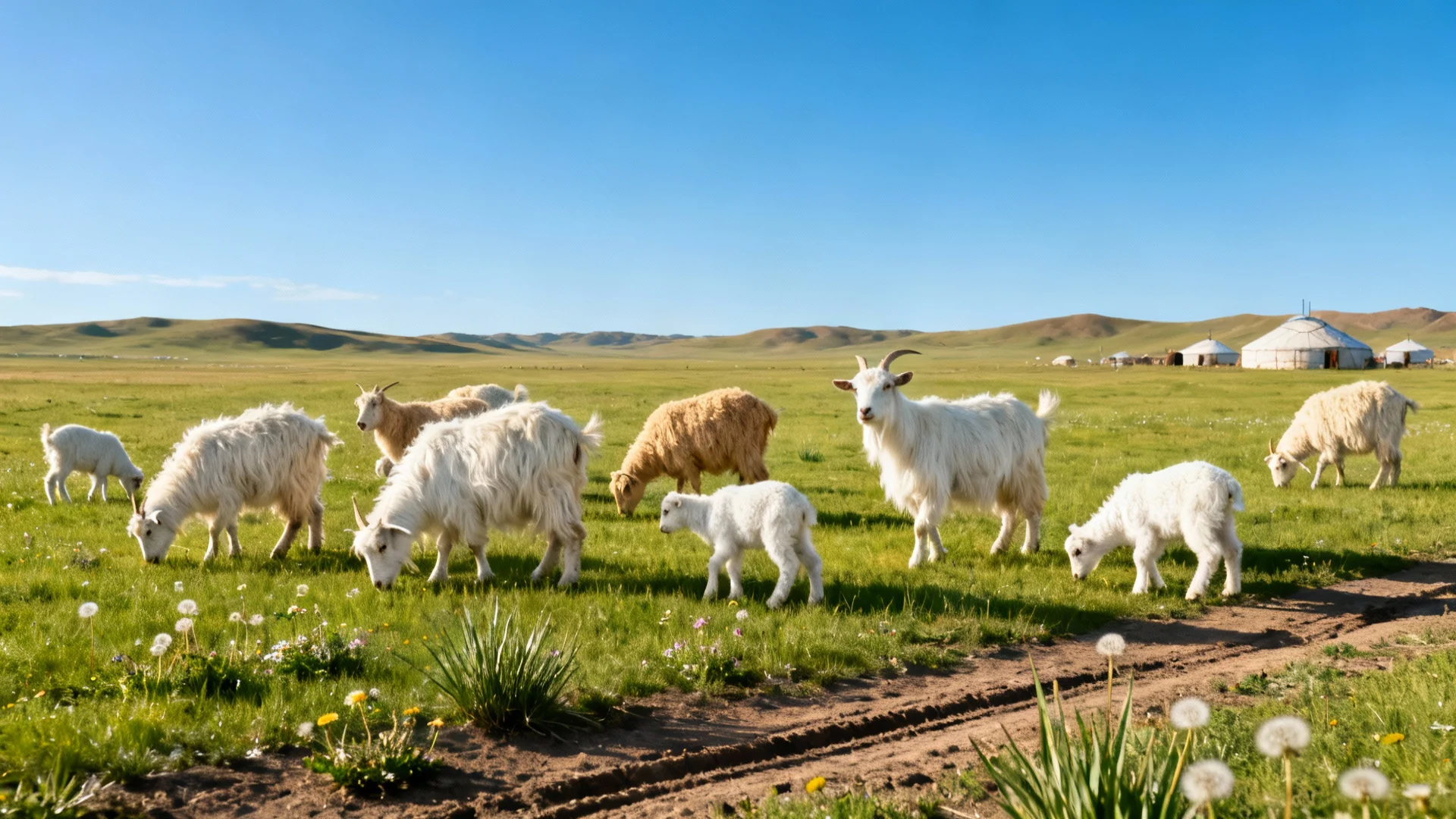
Cashmere derives from the soft undercoat of Capra hircus laniger, the Cashmere goat, predominantly raised in the harsh climates of Mongolia, Tibet, and Inner Mongolia. These resilient animals develop a dense, insulating underfleece to withstand temperatures plummeting to -40°C, resulting in fibers of extraordinary softness and thermal efficiency. Each goat yields a mere 150-200 grams of usable cashmere annually—sufficient for only one high-quality scarf—contributing significantly to its exclusivity (Greenext.co, 2024). The fiber's natural crimp creates millions of tiny air pockets that provide exceptional insulation while maintaining a lightweight feel. This unique combination of properties has established cashmere as the ultimate symbol of winter luxury.
The Heritage of Silk
Silk originates from the cocoons of Bombyx mori silkworms, with a production history exceeding 5,000 years. These remarkable insects produce a continuous filament approximately 900 meters long to construct their cocoons. China remains the world's leading producer, accounting for approximately 60% of global silk output (International Sericultural Commission, 2025). Unlike cashmere's animal origin, silk's protein structure contains sericin, imbuing the fabric with its characteristic sheen and hypoallergenic properties—attributes particularly valued by consumers with sensitive skin.
Both materials have transcended their practical origins to become powerful status symbols. In 2025, their narratives have expanded to incorporate sustainability and ethical production—factors now significantly influencing luxury purchasing decisions and brand reputation.
Crafting Luxury: Production Processes Compared
Transforming raw materials into exquisite luxury scarves involves intricate processes that directly impact quality, characteristics, and ultimately, market value. Understanding these manufacturing journeys enables retailers and brands to appreciate pricing structures, evaluate quality differences, and make informed sourcing decisions.
The Labor-Intensive Journey of Cashmere Scarf Production
Cashmere production represents a meticulous, multi-stage process that harmonizes traditional craftsmanship with modern technology:
- Harvesting: Cashmere fibers are collected during the annual spring molting season (March to May). Two primary methods are employed: combing gently extracts the undercoat without disturbing the coarser outer hair, while shearing removes all hair, requiring subsequent separation. Combing yields superior quality fiber but incurs 15-20% higher costs due to increased labor requirements (Woolmere Group, 2024).
- Sorting and Grading: Post-collection, fibers undergo rigorous hand sorting to separate premium down from coarser hairs. Grading evaluates diameter (measured in microns), length, color, and purity. Finest cashmere ranges from 12-16 microns—comparable to human hair (17-18 microns)—with longer fibers (34-36mm) commanding substantial premium prices (Italian Cashmere Association, 2025).
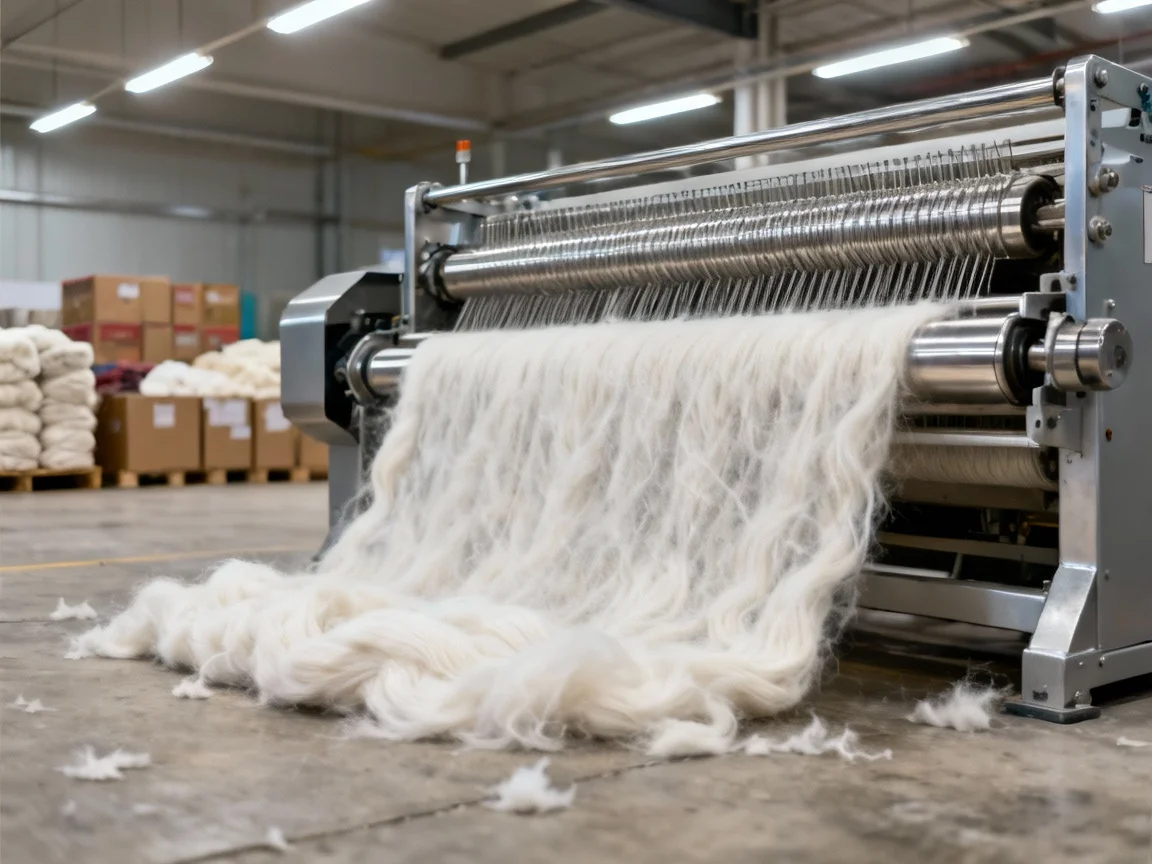
- Dehairing and Scouring: Mechanical processes eliminate remaining guard hairs, resulting in 95%+ fiber purity for luxury grades. Scouring employs specialized detergents to remove natural oils, dirt, and impurities while preserving fiber integrity—a delicate balance requiring precise temperature and pH control.
- Carding and Spinning: Carding aligns fibers into a continuous web before spinning into yarn. Cashmere's short staple length necessitates careful spinning to maintain strength without compromising softness. Traditional ring spinning produces finer, smoother yarns ideal for lightweight scarves, while open-end spinning creates bulkier textures better suited for winter accessories.
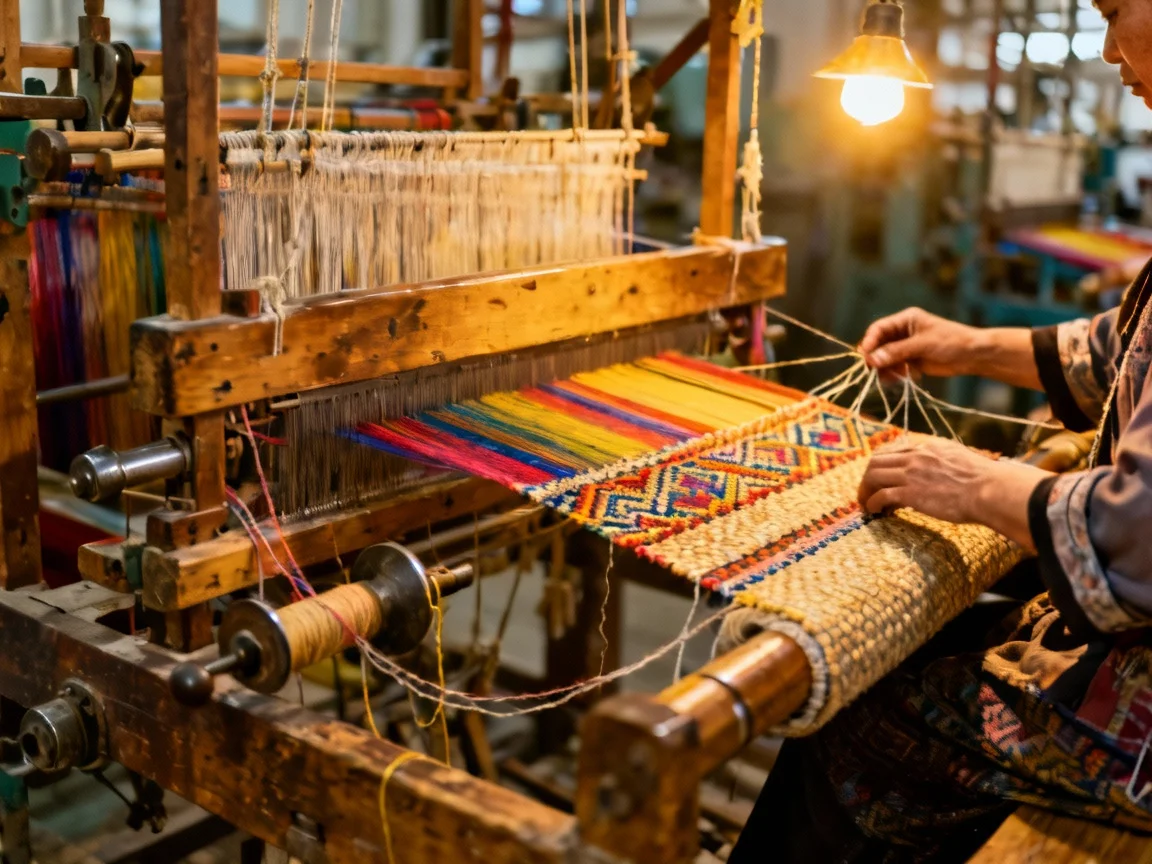
- Weaving or Knitting: Luxury scarves employ various techniques, from delicate 2-ply weaves for lightweight styles to intricate cable knits for winter designs. Technique selection directly affects drape, warmth, and aesthetic appeal—factors that must align with brand positioning and seasonal collections.
From goat to finished scarf, production involves over 30 distinct operations and typically requires 4-6 weeks. This complexity explains the premium pricing of pure cashmere scarves, with production costs alone ranging from $45-80 per scarf before incorporating design, branding, and retail margins (Cashmere Manufacturers Association, 2025).
The Meticulous Art of Silk Scarf Manufacturing
Silk manufacturing transforms liquid protein into luxurious fabric through an equally sophisticated process:
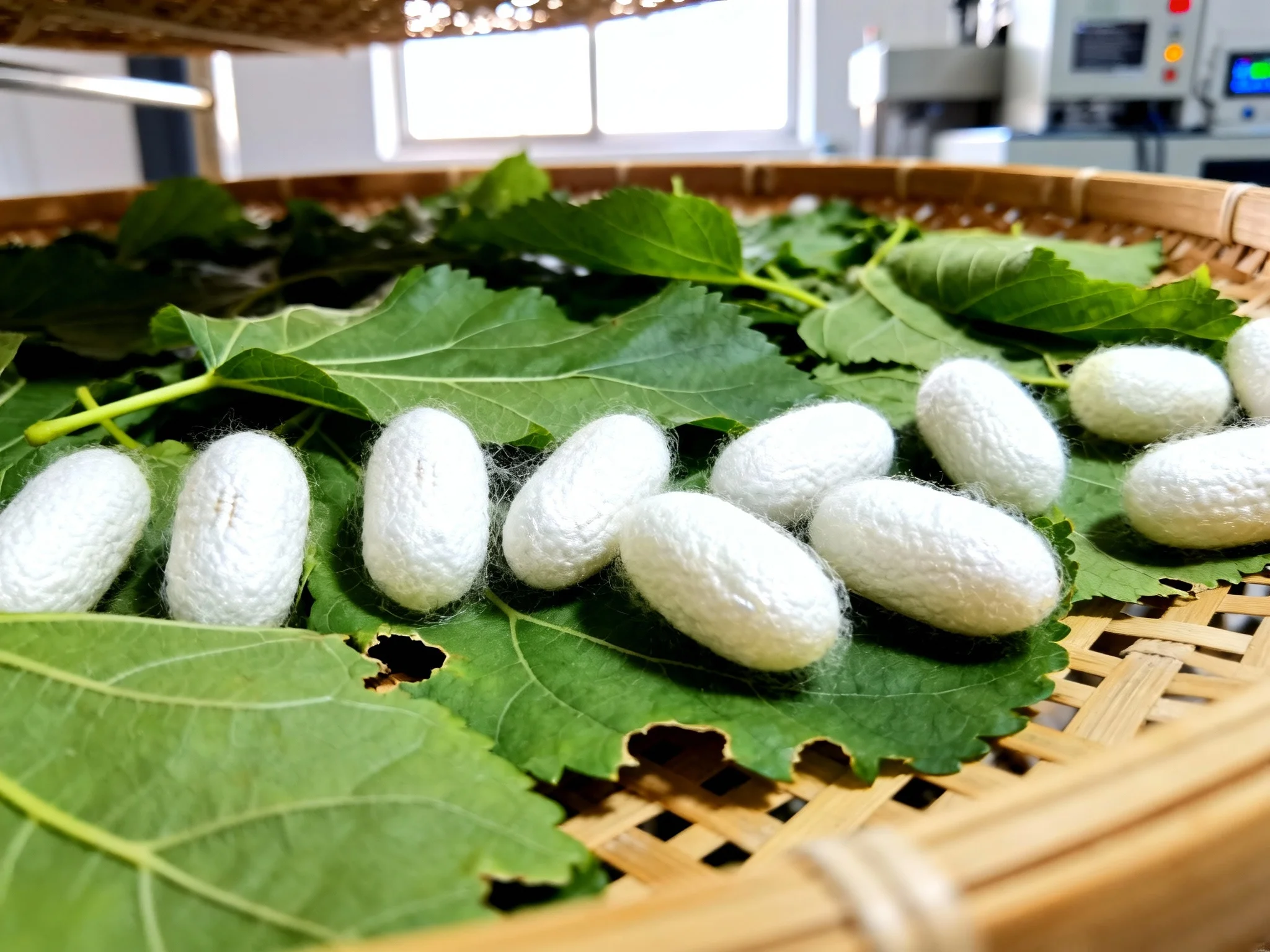
- Sericulture and Cocoon Harvesting: Silkworms feed exclusively on mulberry leaves for 25-30 days before spinning cocoons. Each cocoon contains a single filament composed of two proteins: fibroin (75-80%) and sericin (20-25%). Harvesting occurs before pupation to ensure filament continuity.
- Reeling: Cocoons are immersed in hot water (95-98°C) to soften the sericin binding, facilitating filament extraction. Multiple cocoons (typically 4-8) are unwound simultaneously and twisted together to form a single thread. Reeling machines carefully regulate tension to prevent breakage and ensure uniform quality.
- Degumming: Raw silk undergoes degumming to remove sericin—a process that reduces weight by 25-30% while enhancing softness and luster. Traditional soap-and-alkaline methods are increasingly replaced by enzymatic degumming, which better protects fibers and reduces environmental impact (Sustainable Silk Association, 2025).
- Dyeing: Silk's exceptional dye affinity enables vibrant coloration. Luxury producers often favor natural dyes for premium lines. Acid dyes offer the widest color spectrum, while reactive dyes provide superior wash fastness—an important consideration for frequently worn accessories.
- Weaving: Silk scarves utilize various weaves, each imparting distinct characteristics:
- Plain weave: Lightweight and breathable, ideal for summer scarves and foulards
- Satin weave: Creates a smooth, lustrous surface with excellent drape
- Twill weave: Produces diagonal patterns with enhanced durability
- Jacquard weaves: Enable intricate patterns through sophisticated loom technology
Silk scarf production typically requires 2-4 weeks, with hand-painted designs adding significant complexity and production time. ISO 21046:2018 establishes international standards for silk yarn testing, ensuring consistent quality across global supply chains—critical for brands maintaining uniform standards across multiple production facilities (International Organization for Standardization, 2018).
Material Characteristics: Performance and Properties Analysis
When advising clients on material selection, understanding the distinct performance characteristics of cashmere and silk enables alignment between products, customer expectations, and seasonal demands. This technical comparison provides objective criteria for evaluating suitability across various retail scenarios and consumer preferences.
Tactile Properties and Sensory Experience
The tactile qualities of luxury materials significantly influence perceived value and customer satisfaction:
Cashmere delivers unparalleled softness derived from its fine fiber diameter (typically 14-19 microns) and natural crimp. This crimp creates millions of tiny air pockets that enhance insulation while producing a plush, velvety texture that improves with wear. The fiber's smaller, less pronounced scales (compared to wool) minimize prickle and increase comfort against the skin. High-quality cashmere offers the distinctive "buttery" hand feel that sets the benchmark for luxury winter accessories.
Silk provides a contrasting sensory experience characterized by smoothness, drape, and luster. Its continuous filament structure feels cool to the touch—especially valued in warmer climates or for layering. Silk's natural protein composition offers subtle warmth that adapts to body temperature. Its triangular fiber cross-section refracts light to create the characteristic sheen associated with luxury. Different silk types deliver varied tactile experiences: Charmeuse offers a slippery, supple feel; Crepe de Chine provides a slightly textured surface with excellent drape; and Habotai delivers lightweight smoothness ideal for delicate scarves.
Thermal Performance and Seasonality
Understanding thermal properties helps retailers optimize seasonal buying and product positioning:
Cashmere excels in thermal efficiency, offering an exceptional warmth-to-weight ratio. Its natural crimp creates air pockets that trap body heat, making it 30% warmer than wool while remaining significantly lighter (Cashmere Institute, 2025). This makes cashmere the premier choice for cold-weather accessories. A standard 40x40cm scarf provides sufficient warmth for temperatures down to 5°C when properly styled. However, this insulation becomes a limitation in warmer conditions, restricting year-round versatility.
Silk offers moderate thermal regulation with superior breathability. Its natural protein structure provides moisture-wicking properties that help maintain comfortable body temperature across seasons. Lightweight silk scarves (12-16 momme) serve as elegant summer accessories that protect from sun exposure without causing overheating. Heavier weights (18-22 momme) offer sufficient warmth for transitional weather (15-20°C). Silk's temperature adaptability makes it more versatile across seasonal collections—a valuable attribute for retailers managing inventory turnover and seasonal assortments.
Durability and Care Considerations
Material longevity directly impacts customer satisfaction, brand reputation, and ultimately, repeat purchases:
Cashmere demonstrates remarkable durability when properly cared for. High-quality scarves maintain their softness and appearance for 5-10 years with regular use. Key durability factors include fiber length (longer fibers resist pilling) and twist density (tighter twists improve abrasion resistance). Cashmere requires careful maintenance: hand washing in cold water with specialized detergent, flat drying, and occasional de-pilling. Dry cleaning is acceptable but may gradually diminish fiber softness due to chemical exposure over time.
Silk offers moderate durability with proper care, typically lasting 3-7 years with regular use. Its protein structure is vulnerable to chlorine, perspiration, and excessive sunlight, which can cause yellowing and fiber weakening. Silk scarves should be hand washed in lukewarm water with mild detergent or professionally dry cleaned, and stored flat to prevent permanent creasing. Sericin-retaining finishes can improve durability by 30-40% while maintaining silk's characteristic properties (Silk Technology Institute, 2025).
Understanding these performance characteristics enables retailers to provide accurate care guidance, manage customer expectations effectively, and make purchasing decisions aligned with their target market's lifestyle and usage patterns.
Sustainable Fabric Sourcing: Environmental and Ethical Considerations
In today's luxury market, sustainability has evolved from a niche concern to a core purchasing criterion. Recent studies indicate that 68% of high-net-worth consumers cite environmental impact as a key factor in luxury purchasing decisions (Bain Luxury Study, 2025). Both cashmere and silk production face distinct sustainability challenges and opportunities that retailers must understand to meet evolving customer expectations and regulatory requirements.
Cashmere's Environmental Challenges and Innovations
Cashmere production has historically raised significant environmental concerns centered on grazing impacts:
Overgrazing and Desertification: Increasing global demand for cashmere has led to unsustainable grazing practices in key producing regions. Mongolia's Gobi Desert, which produces approximately 25% of global cashmere, has experienced 70% pasture degradation due to overstocking. Goat populations exceed carrying capacity by 30-40% in some areas (United Nations Environment Programme, 2024). This has contributed to desert expansion at a rate of 1,300 square miles annually, threatening local ecosystems and traditional herding communities.
Water and Chemical Usage: Conventional cashmere processing requires substantial water—approximately 1,500 liters per kilogram of fiber—and utilizes harsh chemicals in scouring and dyeing. These practices contribute to water pollution in production hubs like Inner Mongolia and Nepal, where inadequate wastewater treatment facilities allow contaminants to enter local waterways.
Sustainable Solutions: The industry is responding with promising initiatives:
- Regenerative Grazing Programs: Brands like Kering and Loro Piana have invested in regenerative grazing projects that rotate herds to allow pasture recovery, improve soil health, and sequester carbon. These practices show potential to reverse desertification while enhancing fiber quality through improved nutrition.
- Certification Standards: The Global Organic Textile Standard (GOTS) has emerged as the leading certification for sustainable cashmere. It ensures organic fiber integrity, responsible water usage, and fair labor practices. GOTS-certified cashmere now commands a 20-30% price premium in the wholesale market (Textile Exchange, 2025).
- Traceability Technologies: Blockchain platforms like FibreTrace enable end-to-end supply chain transparency, allowing consumers to verify product origin and sustainability credentials. This technology has seen rapid adoption among luxury brands, with 45% of premium cashmere products featuring traceability by the end of 2025 (Luxury Traceability Consortium, 2025).
Silk's Sustainability Landscape
Silk production presents different environmental and ethical considerations that brands must address:
Water Intensity: Sericulture inherently requires large amounts of water—approximately 2,500 liters per kilogram of raw silk. This creates challenges in water-scarce regions and contributes to resource competition in traditional producing areas like India and China.
Chemical Usage: Conventional silk production employs significant chemicals, including pesticides in mulberry cultivation and harsh degumming agents. These practices can impact biodiversity and worker health in producing communities.
Animal Welfare Concerns: Traditional silk production involves killing silkworms by boiling cocoons before pupation. This raises ethical concerns for vegan consumers and has given rise to "peace silk" or "ahimsa silk," which allows moths to emerge before cocoon harvesting. This results in broken filaments that produce shorter staple fibers requiring spinning rather than reeling.
Sustainable Innovations:
- Organic Sericulture: Certified organic silk eliminates synthetic pesticides and fertilizers in mulberry cultivation, reduces water usage by 30-40% through efficient irrigation, and employs natural dyes and enzymatic degumming. The global market for organic silk is growing at 27% annually, outpacing conventional silk's 5% growth (Organic Trade Association, 2025).
- Circular Economy Models: Companies like Bolt Threads have developed closed-loop systems that recycle silk waste from production into new fibers, reducing waste and resource consumption. These innovations could transform the industry's linear production model.
- Vegan Alternatives: Mycelium-based silk alternatives developed by startups like Bolt Threads and Spinnova offer promising sustainable substitutes that replicate silk's properties without animal inputs. While still in commercialization stages, these materials have secured partnerships with luxury brands including Stella McCartney and LVMH.
Making Sustainable Choices
For retailers navigating these complex sustainability landscapes, several key considerations emerge:
- Certification Verification: Retailers should thoroughly vet certification claims. The luxury textile market has seen a 25% increase in "greenwashing" incidents—misleading sustainability claims—in recent years (Luxury Sustainability Council, 2025). Third-party verification through organizations like Textile Exchange provides additional assurance.
- Transparency Communication: Effectively communicating sustainability credentials requires balance. Overemphasis can trigger skepticism, while understatement misses customer demand for ethical products. Research shows specific, verifiable claims about water savings or carbon reduction resonate more effectively than generic "eco-friendly" statements (Luxury Consumer Insights, 2025).
- Price Positioning: Sustainable materials command premium pricing. GOTS-certified cashmere and organic silk wholesale prices are typically 25-40% higher than conventional alternatives. Retailers must educate customers on the value proposition while ensuring these products represent a proportionate inventory share aligned with market demand.
As sustainability becomes increasingly central to luxury branding, retailers who develop expertise in these material-specific challenges and solutions will gain competitive advantage in attracting and retaining the growing segment of ethically conscious luxury consumers.
Market Analysis: Pricing, Demand, and Applications
Understanding the commercial landscape of cashmere and silk scarves helps retailers optimize product selection, pricing strategies, and inventory management. This analysis synthesizes current market data to provide actionable insights for boutique owners and fashion brand buyers.
Pricing Dynamics and Cost Structures
Luxury scarf retail pricing reflects complex cost structures and market positioning:
Cashmere Scarf Economics:
- Production Costs: Range from $45-90 for basic pure cashmere scarves to $120-200 for premium grades (12-14 microns) with intricate designs. These costs include fiber ($25-45/kg), labor ($15-30), dyeing ($8-15), finishing ($5-10), and overhead ($12-25).
- Wholesale Pricing: Pure cashmere scarves typically wholesale for $85-180, with luxury brands commanding $200-350 for exclusive designs or sustainable certifications. The average markup from production to wholesale is 2.2x, reflecting design, quality control, and brand investment.
- Retail Pricing: Final retail prices range widely:
- Mid-luxury: $180-350
- Premium luxury: $350-650
- Ultra-luxury (heritage brands): $650-1,200+
Silk Scarf Economics:
- Production Costs: Generally lower than cashmere at $20-50 per scarf, depending on silk quality (momme weight), printing technique, and finishing. Fiber costs range from $12-25/kg for conventional silk to $30-50/kg for organic or peace silk.
- Wholesale Pricing: Silk scarves wholesale for $45-120, with hand-painted or limited-edition designs reaching $180-300. The average markup from production to wholesale is 2.5x, reflecting the higher design and finishing costs relative to base material expenses.
- Retail Pricing: Final retail prices for silk scarves:
- Mid-luxury: $95-220
- Premium luxury: $220-450
- Ultra-luxury (heritage brands with iconic prints): $450-950+
Demand Trends and Seasonal Variations
Understanding demand patterns helps optimize inventory management and seasonal planning:
Cashmere Demand:
- Seasonality: Strongly seasonal with 75% of sales occurring between September and February in Northern Hemisphere markets.
- Regional Preferences: Highest demand in cold climate markets (Northern Europe, North America, Russia) and among luxury consumers in Asian markets.