As the fashion industry undergoes its much-needed sustainability transformation, scarf manufacturing occupies a unique position at the intersection of traditional craftsmanship and cutting-edge innovation. This comprehensive analysis explores the defining trends, technological breakthroughs, and best practices shaping the future of sustainable scarf production through 2025 and beyond, drawing upon extensive industry experience collaborating with leading fashion brands and textile manufacturers worldwide.
The Evolving Landscape of Sustainable Scarf Manufacturing
The global scarf market is experiencing significant growth, projected to reach $3.92 million by 2034 with a compound annual growth rate of 4.91% (Proficient Market Insights, 2025). This expansion is increasingly driven by consumer demand for products that align with environmental values and ethical principles. The 2025 market demonstrates a clear paradigm shift from conventional production methods toward innovative approaches prioritizing resource efficiency, material circularity, and social responsibility.
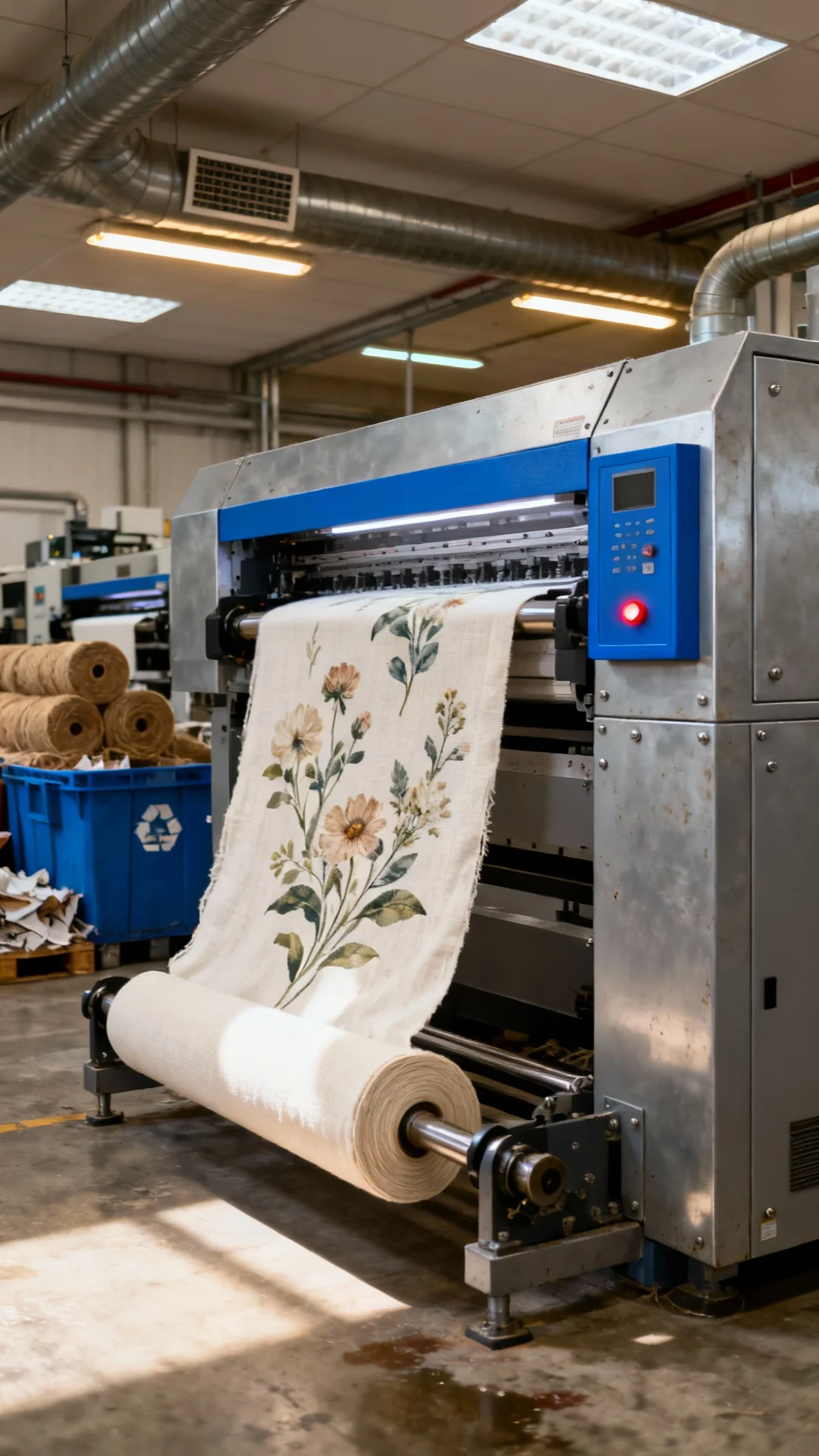
Today's discerning buyers—especially boutique owners and specialty retailers catering to conscious consumers—no longer accept surface-level sustainability claims. They seek transparent supply chains, verified certifications, and tangible environmental benefits. As noted in industry research, "Consumers are demanding more from their textiles: sustainability, artisanal integrity, gender fluidity, and multi-functional design" (Felted Cashmere, 2025). This demand is reshaping manufacturing processes from initial fiber selection through finished product delivery.
Material Innovations: Beyond Conventional Fibers
Material innovation forms the foundation of sustainable scarf manufacturing. The 2025 market offers diverse eco-friendly options that reduce environmental impact without compromising quality or aesthetics:
Regenerative and Organic Fibers have transitioned from exceptions to industry standards. GOTS-certified organic cotton, valued for its versatility and breathability, continues to gain market share. Innovations like regenerative wool—produced through grazing practices that actively sequester carbon—are capturing the luxury segment. These materials effectively address environmental concerns while satisfying consumer preference for natural fibers.
Recycled and Upcycled Materials demonstrate impressive technological advancements. Post-consumer textile waste, once limited to basic applications, now undergoes sophisticated processing to create high-quality fibers suitable for luxury scarves. Innovative processes also transform plastic bottles and ocean plastic into textiles with the drape and feel of conventional materials, providing brands with compelling sustainability narratives.
Bio-based Innovations are pushing boundaries beyond traditional fibers. Materials derived from agricultural by-products—including bamboo, hemp, and even banana fibers—offer renewable alternatives with reduced water and pesticide requirements. These fibers often possess inherent properties like antimicrobial characteristics or UV protection, adding functional value to their sustainable credentials.
The resurgence of sustainable silk production represents a particularly noteworthy development. Traditional sericulture practices have faced criticism for resource intensity, prompting innovations like peace silk (which allows moths to complete their life cycle) and mycelium-based alternatives that mimic silk's luxurious qualities without environmental drawbacks. As industry reports indicate, "In 2025, there is a notable rise in demand for eco-friendly silk products, as more consumers are becoming aware of the environmental and ethical aspects of their purchases" (Italian Scarf, 2025).
Technological Breakthroughs Reshaping Production
Manufacturing processes are undergoing significant transformation, driven by technological innovation and environmental imperatives:
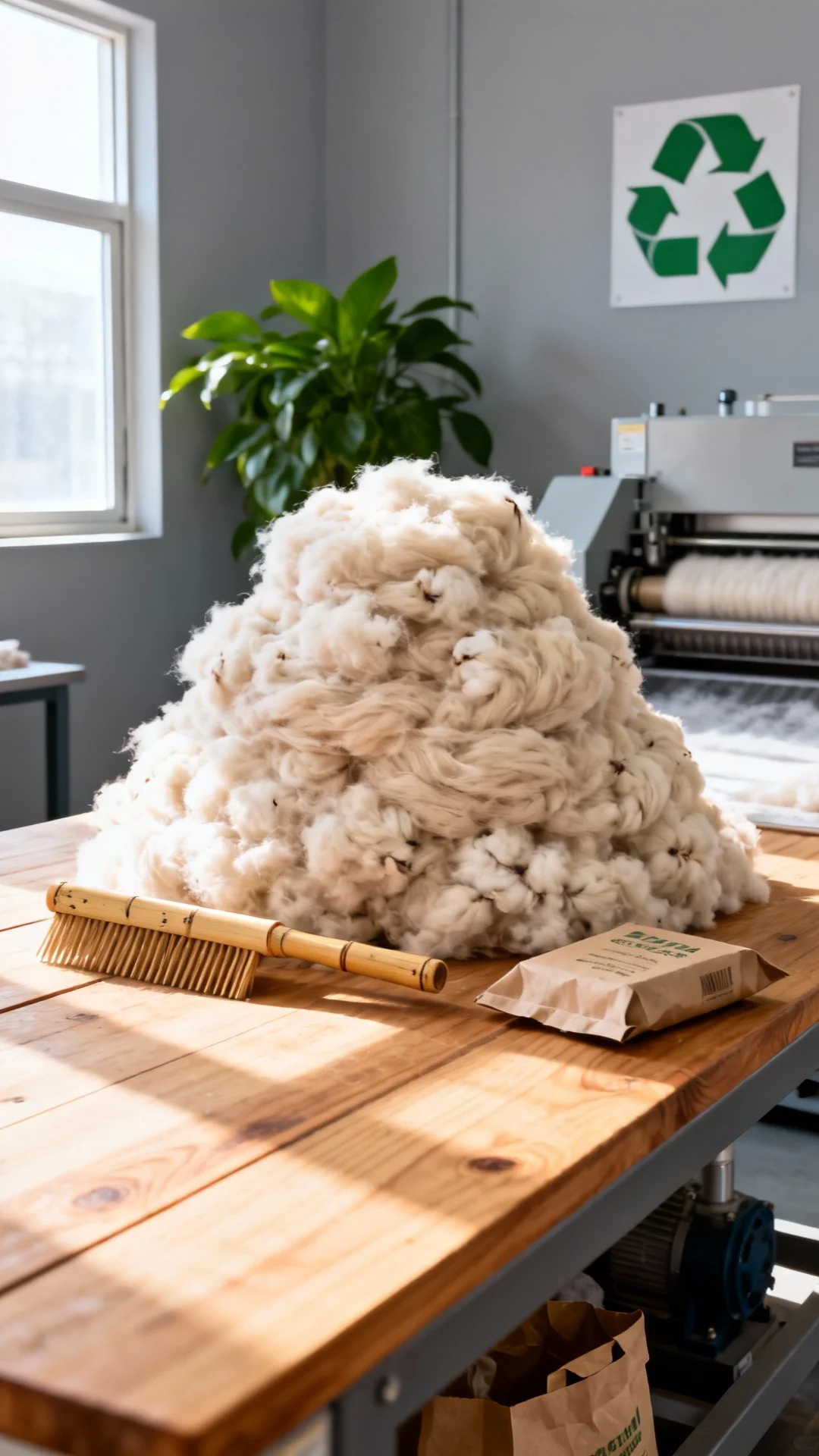
Waterless Dyeing Technologies stand out as perhaps the most impactful innovation for scarf production. Traditional dyeing processes can consume up to 200 liters of water per kilogram of fabric, making waterless alternatives revolutionary. Technologies like supercritical carbon dioxide (scCO₂) dyeing and digital coloration systems eliminate water usage entirely while reducing chemical consumption by up to 90% compared to conventional methods (Sustainability Directory, 2025). These processes effectively address water scarcity concerns, improve color consistency, and reduce production time.
Digital Printing Advancements have transformed customization possibilities while enhancing sustainability. High-resolution digital printers minimize ink waste through precise application. Pigment-based inks eliminate the need for water-intensive pre-treatment and washing. This technology supports on-demand production models, reducing inventory waste and enabling mass customization—particularly valuable for scarf designs where pattern variety is a key market differentiator.
Energy-Efficient Manufacturing completes the technological trifecta. From solar-powered production facilities to heat recovery systems, manufacturers are implementing comprehensive approaches to reduce carbon footprints. These measures not only align with sustainability goals but also insulate producers from energy price volatility, creating both environmental and economic value.
Circular Economy Principles in Practice
The circular economy has transitioned from theoretical concept to practical implementation in scarf manufacturing, with 2025 witnessing widespread adoption of closed-loop approaches:
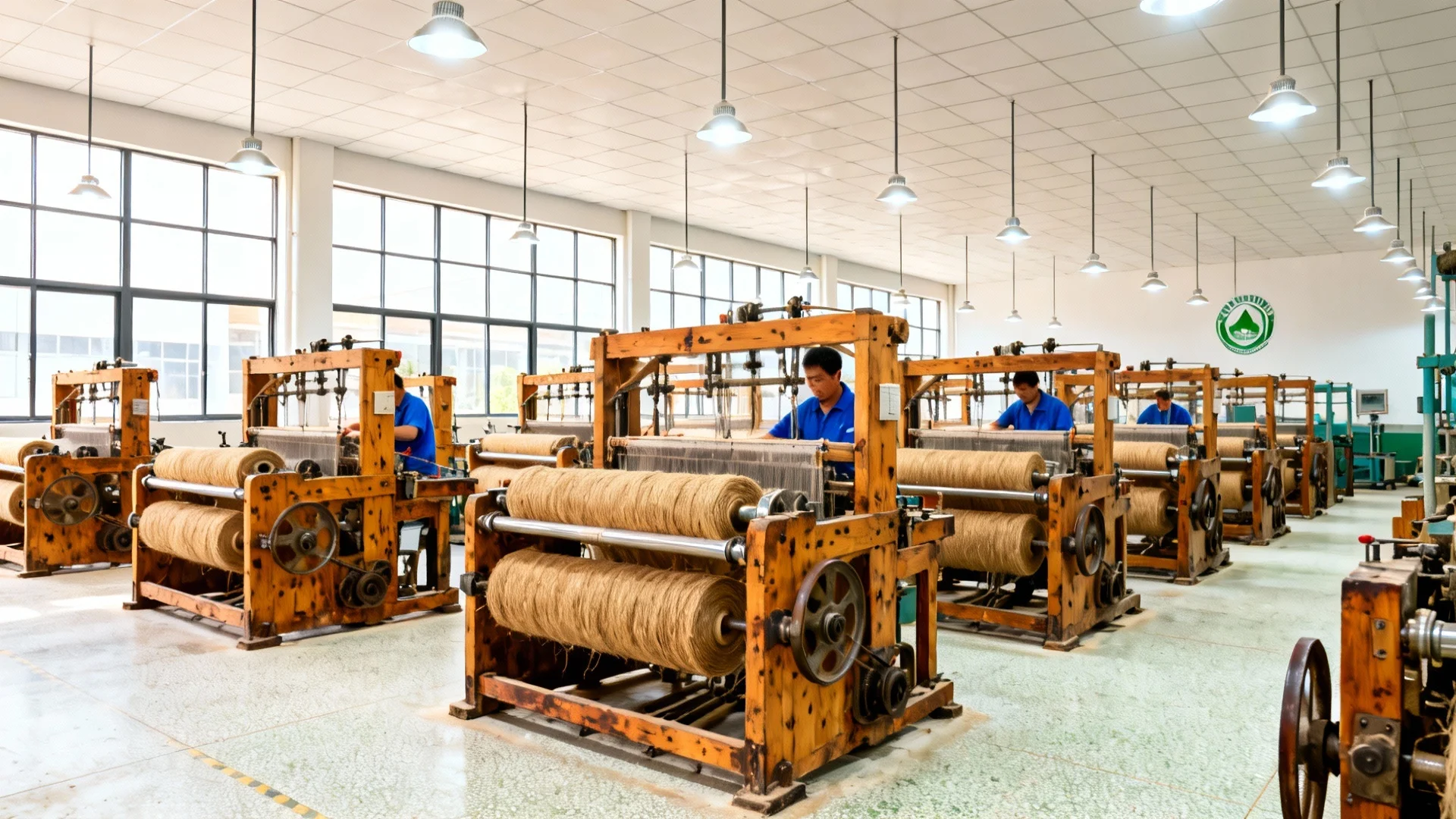
Design for Longevity and Versatility has become a guiding principle. Scarf designs increasingly emphasize timeless aesthetics over seasonal trends, encouraging extended product lifespans. Multifunctional designs that transition between seasons, occasions, and styling methods (such as convertible designs functioning as scarves, shawls, or head coverings) further enhance value and reduce replacement demand.
Take-Back and Recycling Programs demonstrate the industry's commitment to closing material loops. Forward-thinking manufacturers are implementing systems to collect end-of-life scarves, diverting them from landfills through recycling or upcycling into new products. These programs not only reduce waste but also create opportunities for customer engagement and loyalty.
Modular Design Concepts, while still emerging in accessories, show significant promise for circularity. Interchangeable components or modular elements that can be replaced or updated extend product life and allow style refreshment without complete replacement. Though specific scarf applications remain limited, "sustainable modular fashion is an innovative approach to clothing and accessory design that combines eco-conscious practices with versatility" (All Research Journal, 2025).
Ethical Production and Social Responsibility
Sustainability in 2025 encompasses both environmental and social dimensions, with ethical manufacturing practices becoming a critical differentiator:
Fair Labor Certification and Transparency have moved beyond basic compliance to become strategic assets. Certifications like Fair Trade ensure fair compensation and safe working conditions throughout the supply chain. Blockchain technology is enabling unprecedented transparency. Consumers increasingly expect visibility into manufacturing processes, with many brands responding by sharing detailed production stories and worker profiles.
Localized Production Networks are challenging traditional global supply chains. By bringing manufacturing closer to consumer markets, brands reduce carbon emissions from transportation while supporting regional craftsmanship. This approach often results in higher quality control and faster response times to market trends, creating competitive advantages beyond sustainability.
Artisanal Collaboration represents a powerful fusion of tradition and sustainability. Many brands are partnering with traditional craftspeople, preserving endangered techniques while providing fair livelihoods. These collaborations yield unique, handcrafted scarves with authentic cultural narratives that resonate strongly with consumers seeking meaningful purchases.
Market Dynamics and Consumer Expectations
Understanding evolving market dynamics helps manufacturers navigate the sustainable scarf landscape effectively:
Growing Market Demand for sustainable scarves reflects broader consumer shifts toward ethical consumption. Market reports project steady growth, with particularly strong demand in North America and Europe where sustainability consciousness is well-established. The luxury segment shows impressive growth rates as affluent consumers increasingly prioritize sustainability alongside exclusivity and quality.
Price Sensitivity and Value Perception continue to evolve. While sustainable scarves often command premium pricing, the market is expanding beyond niche luxury to include accessible options. Consumers demonstrate willingness to pay more for verified sustainability but increasingly demand transparency and tangible benefits rather than vague "eco-friendly" claims.
B2B Partnerships are becoming critical for scaling sustainable practices. Brands are collaborating with suppliers, retailers, and even competitors to develop industry-wide standards and share innovation costs. For boutique owners and specialty retailers, these partnerships provide access to sustainable products that meet customer demand without requiring individual sustainability expertise.
Best Practices for Implementation
Based on industry observations and successful case studies, several best practices emerge for manufacturers embracing sustainability:
Holistic Approach Over Piecemeal Solutions distinguishes leaders from followers. Rather than focusing on single "green" features, successful manufacturers adopt comprehensive sustainability strategies addressing materials, processes, social impact, and end-of-life considerations. This integrated approach creates authentic stories and avoids accusations of greenwashing.
Certification and Verification provide essential credibility. Third-party certifications like GOTS for organic materials, Fair Trade for social practices, and OEKO-TEX for chemical safety offer objective validation of sustainability claims. In an increasingly skeptical market, these certifications serve as critical trust signals for consumers and business buyers alike.
Innovation Investment ensures long-term competitiveness. Companies allocating resources to research and development—whether in materials, processes, or circular business models—are better positioned to adapt to evolving regulations and consumer expectations. This investment often yields operational efficiencies and new market opportunities beyond sustainability benefits.
Consumer Education bridges the knowledge gap between production and purchase. Effective communication of sustainability features, certification meanings, and care instructions helps consumers understand and appreciate the value of sustainable scarves. This education extends product lifespans by promoting proper care and repair.
Conclusion: Toward Regenerative Manufacturing
The future of sustainable scarf manufacturing extends beyond minimizing harm to creating positive environmental and social impact. Regenerative approaches that restore ecosystems, support thriving communities, and create closed-loop systems represent the industry's aspirational horizon.
For manufacturers, this transition offers significant opportunities for innovation, differentiation, and resilience in an increasingly competitive market. For boutique owners and specialty retailers, sustainable scarves represent not just products but values-aligned offerings that strengthen customer relationships and brand identity.
As the industry moves forward, the most successful players will view sustainability not as a compliance burden but as a source of innovation, creativity, and market growth. The scarf—a seemingly simple accessory—has become a powerful vehicle for positive change in fashion's broader sustainability journey.