As sustainability becomes the defining factor in luxury fashion purchasing decisions, the scarf manufacturing industry stands at a critical inflection point. The global luxury scarves market will reach $3.59 billion by 2030 at a CAGR of 6.2%, according to industry reports. For boutique owners, specialty retailers, and fashion brands evaluating suppliers, premium quality and environmental responsibility have never been more important. This analysis examines how sustainable sourcing is reshaping cashmere and silk production, driving material innovation, and establishing new benchmarks for luxury accessory manufacturing.
The Evolving Luxury Landscape: Sustainability as a Market Driver
The luxury scarf market is undergoing transformative change, propelled by shifting consumer expectations and growing environmental concerns. Today's discerning buyers—particularly millennials and Gen Z—consider sustainability credentials equally important to craftsmanship and design when evaluating luxury accessories. Market data reveals sustainable luxury products outperforming conventional alternatives by 12% in growth terms, based on 2025 industry analysis.
Silk and cashmere remain the dominant luxury scarf materials, with silk maintaining significant market share due to its luxurious feel and natural properties. However, traditional production methods face increasing scrutiny regarding water usage, chemical inputs, and animal welfare standards. Sustainable sourcing has evolved from a niche selling point to a core business requirement for manufacturers seeking global competitiveness.
Industry leaders are responding with comprehensive sustainability programs addressing the entire product lifecycle—from raw material extraction to manufacturing and end-of-life considerations. This holistic approach not only meets regulatory requirements but also creates tangible value through enhanced brand reputation, increased customer loyalty, and improved operational efficiency.
Sustainable Cashmere: Innovations Reshaping a Traditional Industry
Cashmere production has long faced criticism for environmental impacts including overgrazing, land degradation, and high water consumption. Now, pioneering initiatives are transforming this narrative through technological innovation and regenerative practices that redefine cashmere scarf production standards.
In Mongolia—the world's second-largest cashmere producer—progressive herding cooperatives have implemented rotational grazing systems that allow pasturelands to regenerate naturally. This approach improves soil health and biodiversity while maintaining exceptional fiber quality. Participating herders report 30% lower environmental impact while sustaining or improving yields.
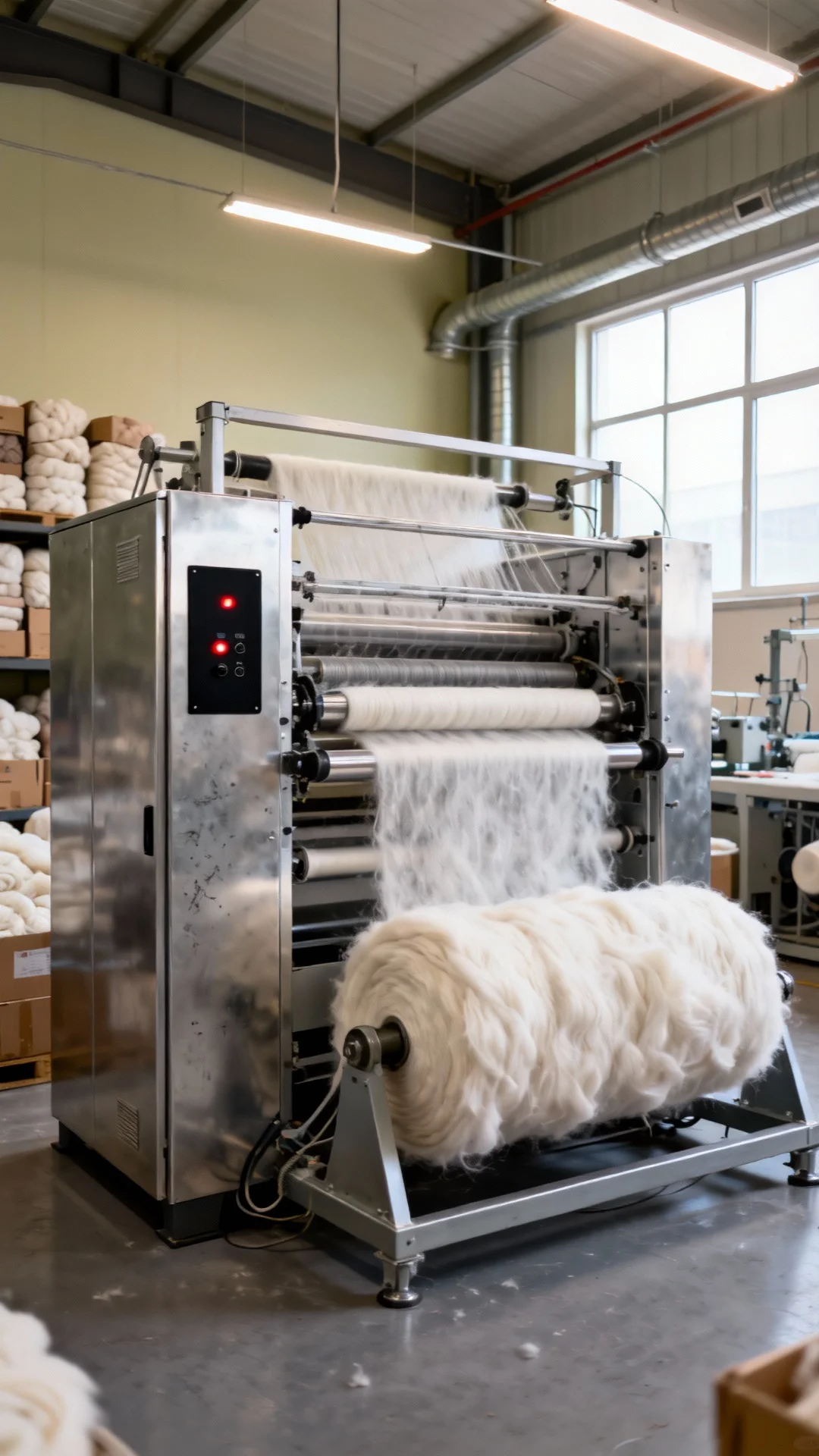
Technology is advancing sustainability in cashmere processing as well. New dehairing machines reduce water usage by 40% compared to traditional methods, while enzymatic cleaning processes eliminate hazardous chemical inputs entirely. Companies like Everbloom have developed manufacturing techniques that mimic synthetic fiber production efficiency to create fine natural cashmere at scale with significantly lower resource consumption.
Traceability represents another critical advancement in sustainable cashmere production. Blockchain technology now enables complete supply chain transparency from individual goat herds to finished products. This digital ledger system provides verifiable proof of sustainable practices, giving brands and consumers confidence in sustainability claims that were previously difficult to authenticate.
Silk Reimagined: Ethical Production for the Modern Luxury Market
Silk manufacturing presents unique sustainability challenges, particularly around sericulture practices and chemical usage in dyeing processes. However, innovative approaches are emerging that honor silk's luxurious heritage while addressing environmental concerns in silk scarf manufacturing.
Organic sericulture methods are gaining traction within the industry. These approaches eliminate pesticides and synthetic fertilizers from mulberry cultivation and ensure silkworms receive natural diets. This not only reduces environmental impact but also produces silk fibers with superior strength and luster—enhancing the final product's quality and value proposition.
Water conservation has shown significant progress in silk production. While traditional silk manufacturing requires substantial water inputs, closed-loop systems now allow 95% of process water to be recycled and reused. These systems filter and treat wastewater, removing contaminants before redistribution—delivering both environmental benefits and cost savings for manufacturers.
Digital printing technology has revolutionized silk scarf production with sustainability advantages that traditional screen printing cannot match. By eliminating water-intensive color mixing and reducing chemical usage by 70%, digital printing significantly reduces environmental footprint. Companies like Papis Group report digital printing on silk uses 90% less water than conventional techniques while enabling greater design flexibility and customization capabilities.
Best Practices in Sustainable Fabric Sourcing
Effective sustainable fabric sourcing requires a strategic approach balancing quality, ethics, and environmental responsibility. Based on industry experience and benchmarking leading manufacturers, several key practices have become essential for luxury scarf producers committed to sustainability.
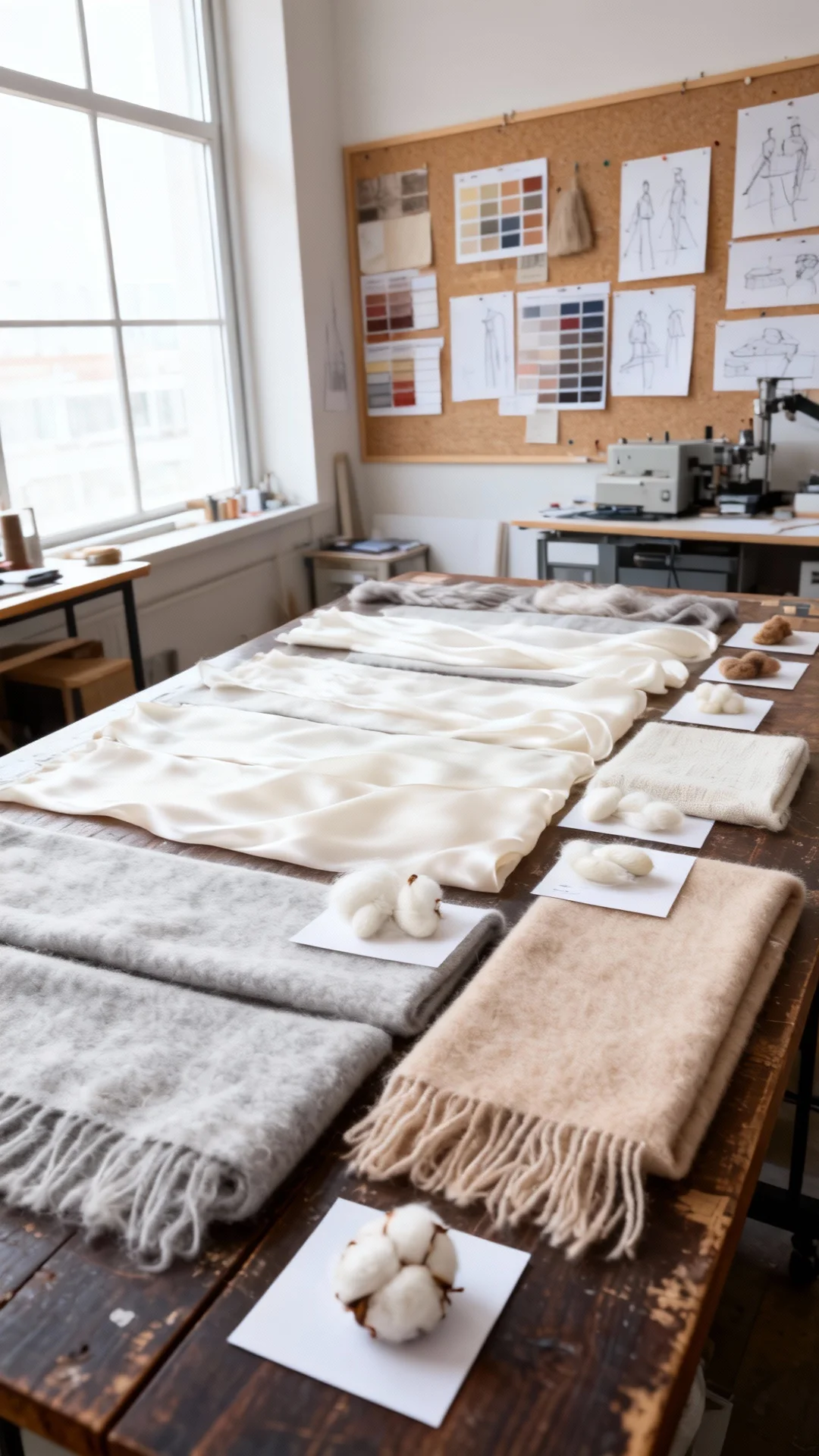
Material Selection Strategies should prioritize certified organic fibers and recycled materials when possible. For cashmere, the Responsible Wool Standard (RWS) ensures ethical animal treatment and land management practices. The Global Organic Textile Standard (GOTS) provides comprehensive criteria for organic silk production from field to finished product. These certifications verify sustainability claims while ensuring consistent quality standards critical for luxury applications.
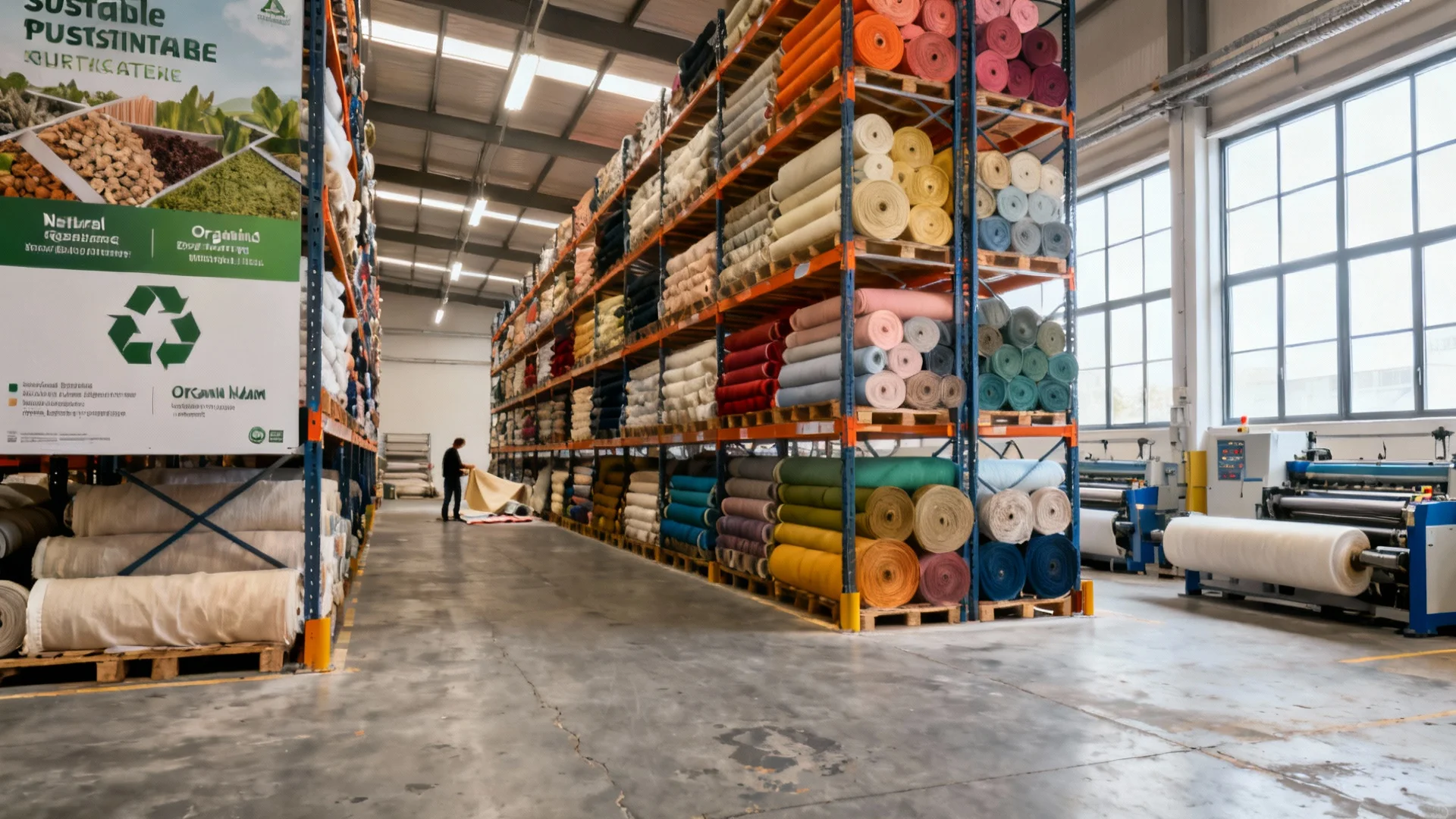
Supplier Evaluation Frameworks must go beyond surface-level sustainability claims to assess entire supply chains comprehensively. This includes evaluating farming practices, manufacturing processes, labor conditions, and waste management protocols. Leading brands increasingly conduct on-site audits and build long-term partnerships with suppliers who share their sustainability values—creating mutual accountability and driving continuous improvement.
Traceability Systems have become indispensable for sustainable sourcing in the luxury scarf market. Using technologies like blockchain and QR codes, manufacturers can provide complete transparency about a scarf's origins, processing methods, and environmental impact. This transparency builds consumer trust and helps brands identify areas for supply chain improvement.
Circular Economy Principles are increasingly informing sourcing decisions among industry leaders. Forward-thinking companies design products for longevity, recyclability, or biodegradability. This includes exploring innovative fiber blends that maintain luxury qualities while enhancing sustainability—such as combining traditional materials with recycled textiles or bio-based fibers made from agricultural waste products.
Certification Standards: Navigating the Complex Sustainability Landscape
The growing number of sustainability certifications in textiles can overwhelm brands making sourcing decisions for luxury scarf materials. Understanding key standards relevant to luxury scarf production is essential for distinguishing meaningful sustainability commitments from marketing claims.
Global Organic Textile Standard (GOTS) represents the most comprehensive certification for organic textiles, covering everything from fiber production to manufacturing processes. For luxury scarf manufacturers, GOTS certification ensures organic cashmere or silk is produced without harmful chemicals, under ethical labor conditions, and with minimal environmental impact. The standard requires at least 70% organic fibers and sets strict limits on harmful substances—making it valuable for brands prioritizing both environmental and social responsibility.
OEKO-TEX® certifications address specific textile sustainability aspects, with different standards for various production stages. OEKO-TEX® Standard 100 focuses on product safety by testing for harmful substances. ECO PASSPORT by OEKO-TEX® specifically evaluates chemicals used in textile processing, ensuring they meet strict environmental and toxicological criteria. These certifications provide valuable assurance about product safety and chemical management.
Responsible Wool Standard (RWS) applies specifically to wool and cashmere production, ensuring animal welfare and sustainable land management. For luxury scarf brands using cashmere, RWS certification demonstrates commitment to ethical sourcing by verifying goats are treated humanely and grazing practices promote biodiversity and soil health instead of contributing to desertification.
Fair Trade Certification emphasizes social sustainability by ensuring fair compensation and safe working conditions for farmers and workers throughout the supply chain. This certification adds an important social dimension to sustainability claims, addressing concerns about labor practices in developing countries where many luxury fibers originate.
When evaluating suppliers, brands should look for manufacturers with multiple relevant certifications and a genuine commitment to continuous improvement—not just certification for marketing purposes. The most credible sustainability programs integrate these standards into core operations and provide transparent documentation of implementation and results.
Innovation Frontiers: Emerging Materials and Technologies
The future of sustainable luxury scarf materials lies at the intersection of traditional craftsmanship and cutting-edge innovation. Research and development are producing promising new approaches to material sourcing and production that could transform the industry in coming years.
Biofabrication represents one of the most exciting frontiers in sustainable luxury materials. Companies are developing lab-grown fibers that mimic cashmere and silk properties without requiring animal agriculture or extensive land use. Still in early stages, these bioengineered materials could dramatically reduce the environmental footprint of luxury textiles while maintaining or exceeding quality standards consumers expect from premium scarf materials.
Recycled Luxury Fibers are gaining traction as collection and processing technologies improve. Innovations now allow post-consumer and post-industrial waste to be transformed into high-quality fibers suitable for luxury applications. Recycled cashmere from post-production waste, for example, is being incorporated into new scarves—reducing raw material requirements and landfill waste while creating unique texture variations that designers prize.
Smart Textiles are entering the luxury space with sustainability benefits. Fibers treated for enhanced properties like temperature regulation, moisture management, and UV protection increase scarves' practical value and longevity. This promotes sustainability by extending product lifespans and reducing replacement rates—a critical aspect of sustainable consumption.
Natural Dye Innovations address remaining sustainability challenges in scarf production. Companies are developing plant-based dyes from agricultural waste products, creating vibrant color palettes without the environmental impact of synthetic alternatives. These natural dyes reduce chemical usage while creating distinctive color variations that enhance luxury scarves' uniqueness and desirability.
Competitive Analysis: Selecting Sustainable Scarf Manufacturers
In the crowded sustainable luxury market, distinguishing between genuine industry leaders and companies using superficial sustainability measures requires careful evaluation. Based on supplier assessments and market analysis, several key factors indicate authentic commitment to sustainable sourcing and manufacturing.
Material Specialization defines leading sustainable scarf manufacturers. Italian mills excel in luxury wool processing. Chinese factories dominate sustainable silk production through advanced technology investments and vertical integration. Indian workshops specialize in intricate embroidery with organic threads. Mongolian producers are gaining recognition for innovative approaches to sustainable cashmere herding and processing.
Technological Capabilities significantly impact sustainability and quality outcomes in luxury scarf production. Manufacturers using digital printing show clear environmental advantages over those relying solely on traditional methods. Early adopters report 70-90% savings in water and chemicals. Companies investing in automated cutting and pattern optimization systems minimize fabric waste, further enhancing sustainability credentials.
Transparency Practices separate true sustainability leaders from those using greenwashing tactics. Credible manufacturers provide complete supply chain visibility, often through digital platforms that let customers trace a product's journey from fiber production to finished garment. This transparency builds trust and enables collaborative improvement between brands and manufacturers.
Certification Portfolio reveals a manufacturer's sustainability priorities and capabilities. No single certification covers all sustainability aspects, but leading producers typically hold multiple certifications addressing environmental, social, and quality standards. A combination of GOTS, OEKO-TEX, RWS, and Fair Trade certifications indicates a comprehensive approach to responsible manufacturing.
Implementation Roadmap: Adopting Sustainable Sourcing Practices
Transitioning to sustainable scarf sourcing requires a strategic, phased approach balancing immediate actions with long-term goals. Based on successful implementation strategies across market segments, this roadmap provides a practical framework for brands and retailers wanting to enhance sustainability credentials while maintaining quality and profitability.
Initial Assessment (0-3 months) starts with comprehensive evaluation of current sourcing practices. Identify strengths, weaknesses, and improvement opportunities. Map existing supply chains, document current sustainability practices, and establish baseline metrics for key performance indicators like water usage, carbon footprint, and chemical inputs. Concurrently define sustainability vision and goals, ensuring alignment with business objectives and customer expectations.
Supplier Identification and Evaluation (3-6 months) involves researching manufacturers with strong sustainability credentials and conducting thorough assessments. Review certification documentation, request sustainability reports, and conduct on-site visits when possible. Prioritize suppliers demonstrating both current sustainability performance and commitment to continuous improvement through innovation and investment.
Pilot Program Implementation (6-9 months) tests sustainable materials and processes on a small scale before full integration. This might involve producing limited-edition scarf collections with certified organic cashmere or silk, implementing digital printing for select designs, or working with new sustainable suppliers to evaluate quality, pricing, and delivery performance. Pilot programs provide valuable learning opportunities and identify potential challenges before scaling up.
Full-Scale Integration (9-12 months) transitions sustainable sourcing from exception to standard practice. Expand successful pilot programs, renegotiate contracts with existing suppliers to include sustainability requirements, and integrate new sustainable materials across broader product lines. Maintain rigorous quality control and communicate sustainability journey transparently to customers throughout this process.
Continuous Improvement (Ongoing) is essential for maintaining leadership in sustainable luxury scarf sourcing. Regularly review and update sustainability goals, stay informed about new materials and technologies, and collaborate with suppliers to drive innovation. Monitor market trends and customer feedback, adjusting sustainability strategies to remain relevant and competitive in the evolving luxury marketplace.
Conclusion: The New Luxury Paradigm
The luxury scarf industry is undergoing a profound transformation driven by sustainable sourcing imperatives. As environmental concerns reshape consumer expectations and industry standards, the future belongs to brands and manufacturers that can balance traditional craftsmanship with innovative sustainability practices.
For industry professionals navigating this evolving landscape, the path forward requires strategic material selection, rigorous supplier evaluation, and ongoing commitment to transparency and improvement. By embracing sustainable fabric sourcing practices and staying at the forefront of material innovation, luxury scarf brands can not only meet changing market demands but also contribute to a more environmentally responsible fashion ecosystem.
The most successful players will be those who recognize sustainability not as a marketing tool but as an essential component of luxury scarf manufacturing excellence—a fundamental principle that enhances product quality, strengthens brand reputation, and creates long-term value for all stakeholders in the luxury supply chain.