In the rapidly evolving landscape of fashion accessories, digital textile printing stands as a transformative force—particularly in the realm of scarf production. For boutiques, specialty retailers, and fashion brands navigating today's competitive market, understanding these technological advancements isn't merely advantageous; it's essential for maintaining relevance and driving innovation. Leveraging insights from luxury textile manufacturing expertise, this comprehensive analysis explores the key innovations revolutionizing scarf production and their tangible business implications for industry professionals.
The global digital textile printing market is projected to reach $19.44 billion by 2025, with significant growth driven by the accessories sector's increasing demand for customization and rapid turnaround capabilities (Globe Newswire, 2025). This expansion represents more than just market growth—it signifies a fundamental paradigm shift in how scarves transition from design concepts to retail-ready products. Unlike traditional screen printing with its cumbersome setup processes and prohibitive minimum order requirements, modern digital solutions offer unprecedented flexibility without compromising quality or sustainability standards.
Core Technological Innovations Transforming Scarf Production
Nano-Ink Technology: Precision at the Molecular Level
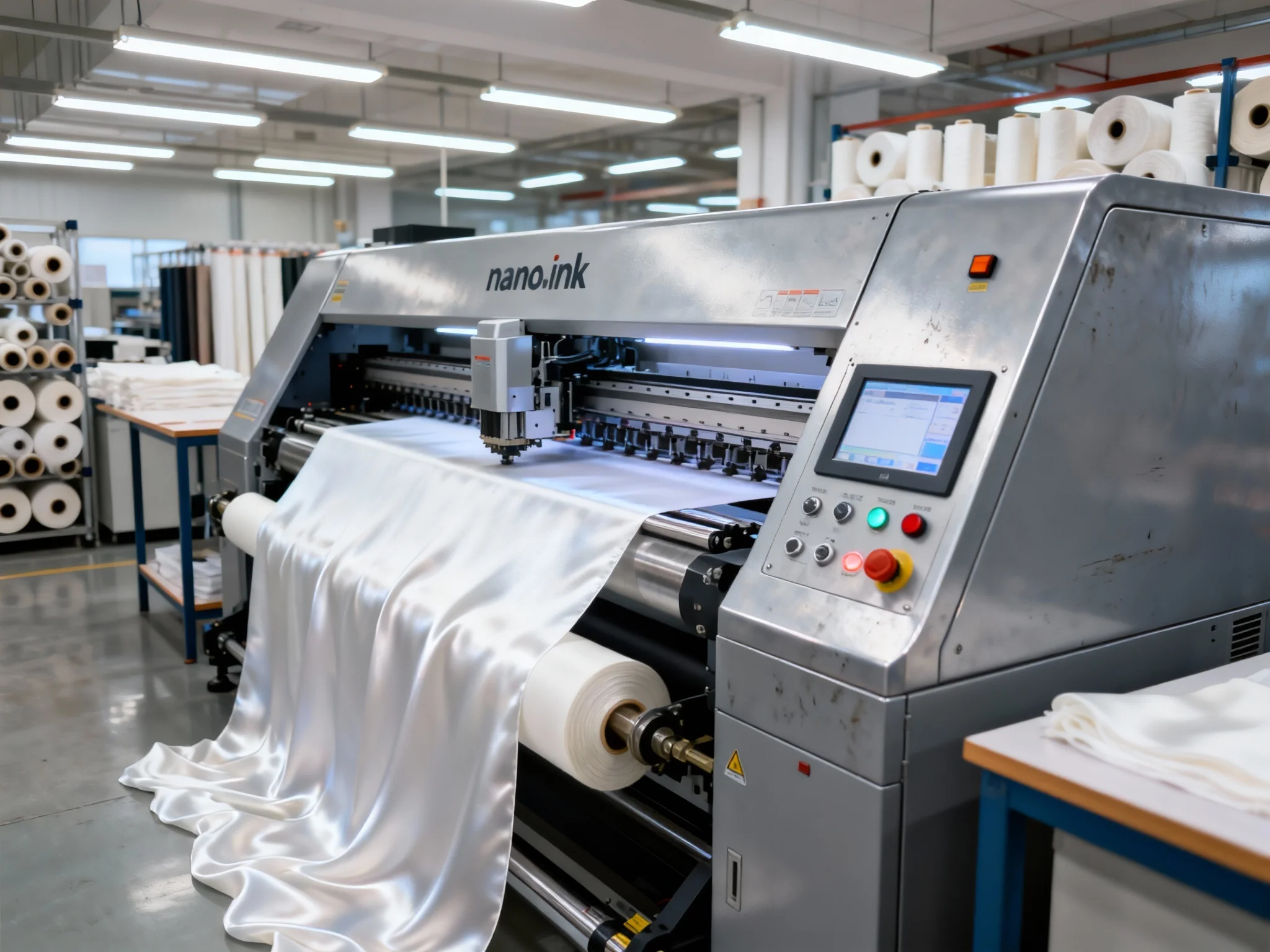
At the forefront of the digital textile revolution, nano-ink technology is redefining the boundaries of scarf design and durability. These advanced inks utilize pigment particles measuring 100 nanometers or less—approximately 1/700th the diameter of a human hair—to achieve exceptional color saturation and superior fabric penetration. The resulting prints demonstrate remarkable wash fastness (typically rating 4-5 on the AATCC scale) and intricate detail reproduction, even on delicate silk and wool blends.
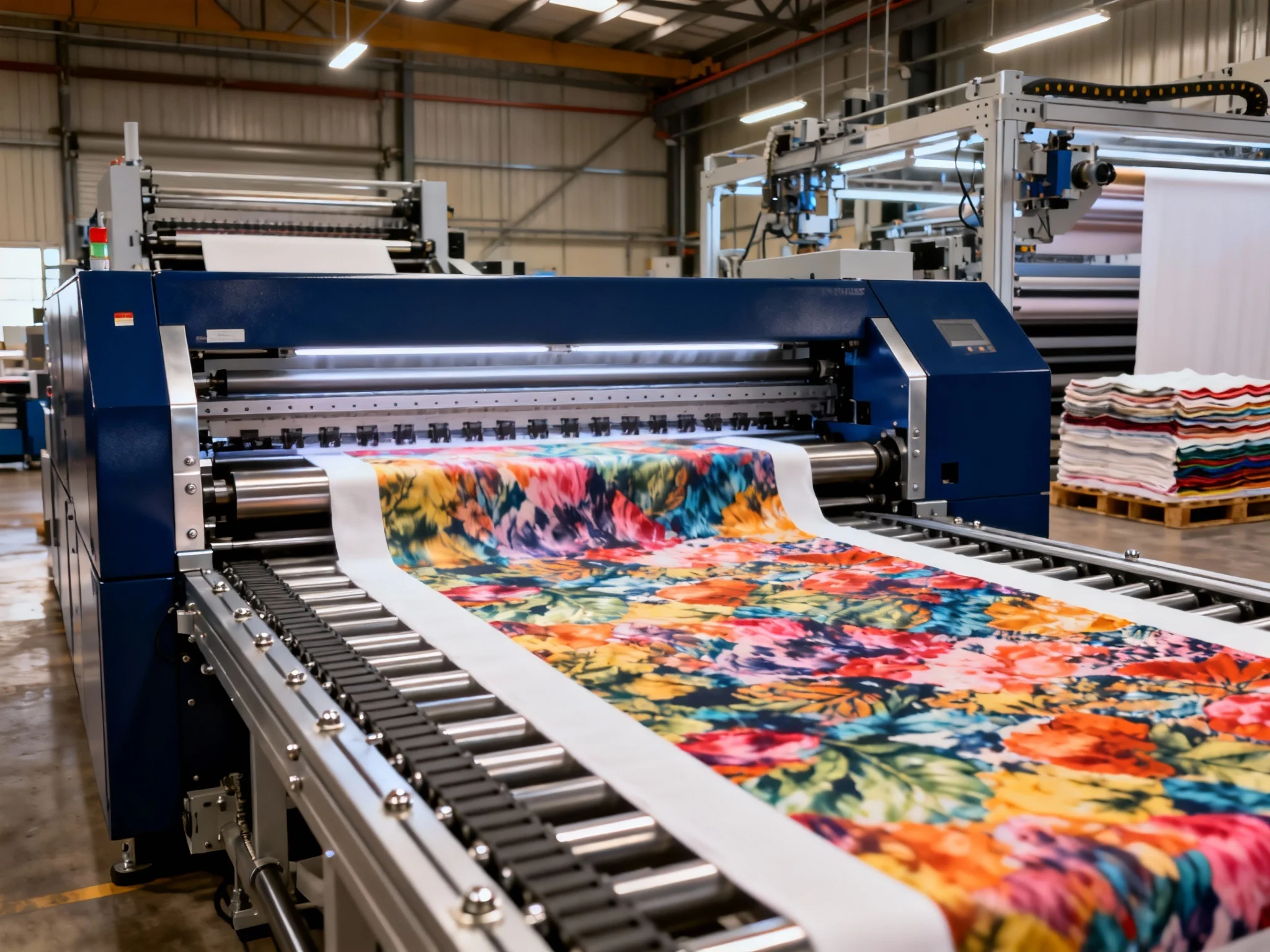
Recent breakthroughs in hybrid nano-reactive pigments have addressed longstanding challenges in natural fiber printing. These innovative formulations combine the vibrancy of traditional dyes with the stability of pigments, resulting in prints that maintain 90% of their original color intensity after 50+ wash cycles—a critical advantage for luxury scarf brands emphasizing product longevity. Additionally, nano-inks require 30-40% less energy for curing compared to conventional inks, aligning perfectly with the industry's growing demand for sustainable production methodologies.
High-Speed Printing Systems: Balancing Productivity and Precision
The latest generation of high-speed digital textile printers has shattered previous productivity benchmarks. Leading models now achieve speeds exceeding 1,000 square meters per hour while maintaining exceptional 1,200 dpi resolution. This represents a fivefold increase in production capacity compared to equipment from just five years ago, dramatically reducing lead times for custom scarf orders and transforming production economics.
Key performance indicators for evaluating these advanced systems include:
- Acceleration/deceleration capabilities: Modern printers reach full production speed in under 30 seconds, minimizing material waste during design transitions
- Color consistency metrics: Advanced closed-loop color management systems maintain ΔE values below 1.5 across extended production runs
- Fabric versatility: Single-pass printers now accommodate materials ranging from lightweight silk chiffon (30-50 GSM) to heavy wool (300+ GSM) without reconfiguration
- Energy efficiency: New piezoelectric printhead technology reduces power consumption by up to 25% compared to older thermal systems
For scarf manufacturers serving boutique clients, these technological advancements enable economical fulfillment of small-batch custom orders (as few as 5-10 pieces) while maintaining scalability for seasonal collections—a critical competitive advantage in today's market.
Direct-to-Fabric Printing: Revolutionizing Production Workflows
Direct-to-fabric (DTF) printing has emerged as the preferred method for high-end scarf production, offering significant advantages over traditional transfer techniques. This innovative process deposits ink directly onto textile substrates using specialized printheads, eliminating the need for transfer papers and reducing production steps by 40-50%.
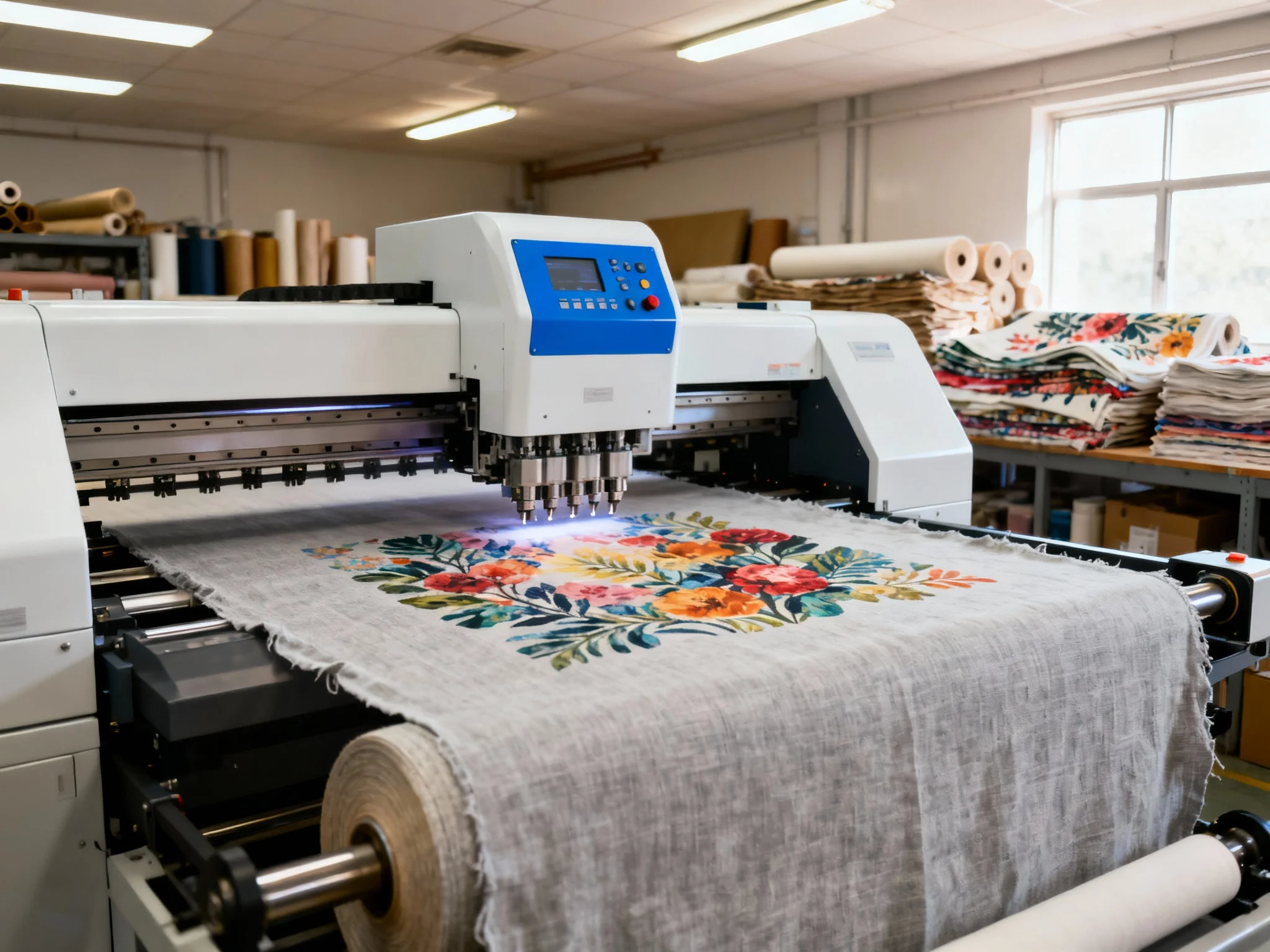
The optimized DTF workflow for scarves typically encompasses:
- Fabric preparation: Light pre-treatment processes that optimize ink absorption without compromising the textile's inherent hand feel
- Digital design preparation: Advanced color separation and RIP processing specifically calibrated for textile substrates
- Precision printing: Variable drop technology (3-15 picoliters) ensures seamless gradients and intricate details
- Post-treatment: Controlled heat setting and optional steaming for optimal color fixation
- Quality finishing: Rigorous inspection protocols followed by precision cutting and edge treatment
On premium natural fibers like silk and wool—staples of luxury scarf production—DTF technology delivers exceptional results with minimal fiber damage. Recent innovations in pre-treatment chemistry have reduced processing times by 30% while simultaneously improving ink adhesion on protein fibers. The environmental benefits are equally compelling: DTF systems consume 70-80% less water than conventional screen printing and generate 60% less waste, directly addressing the sustainability concerns of both retailers and eco-conscious consumers.
Sustainable Practices: Redefining Industry Standards
The intersection of growing environmental awareness and technological innovation has given rise to more sustainable digital textile printing practices that are reshaping scarf production. Waterless printing systems utilizing UV-curable nano-inks have eliminated traditional washing and rinsing steps entirely, reducing water consumption from an industry average of 20-30 liters per meter to nearly zero.
Contemporary eco-friendly practices now encompass the entire production cycle:
- Ink formulations: Vegetable-based binders and biodegradable pigments have reduced VOC emissions by 50-60%
- Energy management: Solar-powered printing facilities with advanced battery storage systems are becoming industry standard
- Waste reduction: Sophisticated nesting algorithms minimize fabric waste, achieving utilization rates exceeding 95%
- Circular systems: Comprehensive ink cartridge recycling programs and innovative fabric waste upcycling initiatives
For fashion brands evaluating scarf suppliers, these sustainability metrics have become as critical as traditional quality indicators. Industry studies demonstrate that retailers prioritizing eco-friendly production methods achieve 15-20% higher customer retention rates among environmentally conscious demographics—a significant competitive advantage in today's market.
Business Applications and Strategic Implications
These technological advancements are fundamentally transforming the economics of scarf production for both manufacturers and retailers. Digital textile printing has dramatically lowered barriers to custom design implementation, with minimum order quantities (MOQs) plummeting from thousands to as few as 10 pieces for certain fabrics. This flexibility enables boutiques to offer exclusive, limited-edition scarf collections without the financial risk of overstocking.
Production lead times have undergone a similar revolution. The entire process from design approval to finished product now requires just 7-10 days—compared to the 4-6 weeks required for traditional screen printing. This newfound agility allows retailers to respond rapidly to emerging trends and seasonal demands, reducing markdowns and inventory carrying costs while maximizing profitability.
When evaluating digital textile printing partners for scarf production, industry professionals should consider:
- Technology portfolio diversity: Suppliers with multiple printing technologies to match optimal methods to specific fabrics and design requirements
- Quality control protocols: ISO 9001 certification and rigorous testing procedures that ensure consistent results across production runs
- Sustainability credentials: Third-party certifications (GOTS, OEKO-TEX) that verify environmental claims and compliance
- Design support capabilities: Advanced color matching and digital proofing systems that reduce approval cycles
- Scalability infrastructure: The ability to efficiently handle both small-batch custom orders and larger seasonal productions
Industry benchmarks indicate that brands leveraging these digital technologies achieve 25-30% higher gross margins on scarf collections compared to those using traditional production methods—attributable to reduced waste, lower inventory costs, and premium pricing for custom designs.
Future Trajectories: Emerging Technologies and Industry Evolution
Looking toward 2026 and beyond, several emerging technologies promise to further transform digital textile printing for scarf production. Artificial intelligence is increasingly integrating into design workflows, with sophisticated algorithms generating print patterns optimized for specific fabrics and production methods. These AI systems analyze design elements and automatically adjust color separations, dot gain compensation, and ink laydown for optimal results.
Smart sensor integration in printing equipment represents another promising development, enabling real-time quality monitoring and predictive maintenance. These intelligent systems detect potential issues such as nozzle clogs or color drift before they impact production, significantly reducing waste and improving consistency.
Perhaps most exciting is the development of functional inks for textile applications. Conductive nano-particle inks are enabling limited-edition scarves with embedded QR codes or near-field communication (NFC) tags, creating interactive consumer experiences while preserving the textile's aesthetic and tactile qualities.
As these technologies mature, they will increasingly blur the boundaries between fashion accessory and technological innovation, opening new frontiers for brand differentiation and customer engagement in the competitive scarf market.
Strategic Implementation Considerations for Industry Professionals
For boutique owners and fashion brands evaluating digital textile printing for scarf production, successful implementation requires balancing technological capabilities with overarching business objectives. Industry leaders typically follow these best practices:
- Define clear value proposition: Identify how digital printing aligns with brand positioning—whether through customization capabilities, sustainability credentials, rapid response, or design innovation
- Implement strategic testing: Launch limited collections to validate production processes and customer response before full-scale implementation
- Establish rigorous quality standards: Develop objective criteria for evaluating print quality, color consistency, and durability that align with brand expectations
- Communicate technological advantages: Educate customers about the benefits of digital printing through targeted marketing materials and compelling product storytelling
- Build flexible supply chains: Partner with suppliers capable of handling both small-batch custom orders and larger seasonal productions
- Monitor emerging trends: Maintain awareness of technological developments to identify new competitive advantages and product opportunities
By strategically implementing digital textile printing technologies, scarf retailers and brands can differentiate themselves in a crowded market while achieving operational efficiencies that support long-term growth and profitability.
The future of digital textile printing for scarf production lies at the intersection of technological innovation, sustainability imperatives, and evolving consumer expectations. As these technologies continue to mature, they will enable unprecedented levels of creativity, customization, and environmental responsibility—reshaping not just how scarves are produced, but how they connect with consumers in an increasingly digital world. For forward-thinking fashion brands and boutiques, embracing these emerging technologies represents a powerful competitive advantage that will define industry leadership in the years ahead.