As the boundaries between fashion and technology continue to blur, smart scarf technology emerges as a leading innovation in wearable tech—seamlessly merging functionality with style. This convergence represents more than a passing trend; it signifies a fundamental transformation in how accessories can enhance our daily lives. With the technical textiles market valued at over $205 billion in 2024 and projected to grow at a 4.9% annual rate, the demand for fabrics that actively interact with wearers and their environment continues to accelerate. Smart scarves stand at the forefront of this revolution, embodying the perfect intersection of advanced scarf materials, performance fabrics, and innovative design.
From Novelty to Necessity: The Adoption Journey of Smart Scarves
The trajectory of smart scarf technology mirrors the adoption curve of other wearable innovations—progressing from experimental prototypes to mainstream commercial products. Early iterations focused primarily on basic heating elements, but 2025 models demonstrate remarkable sophistication in both functionality and aesthetic integration. Industry success stories consistently highlight three critical factors for market acceptance: technological innovation, wearability, and aesthetic appeal.
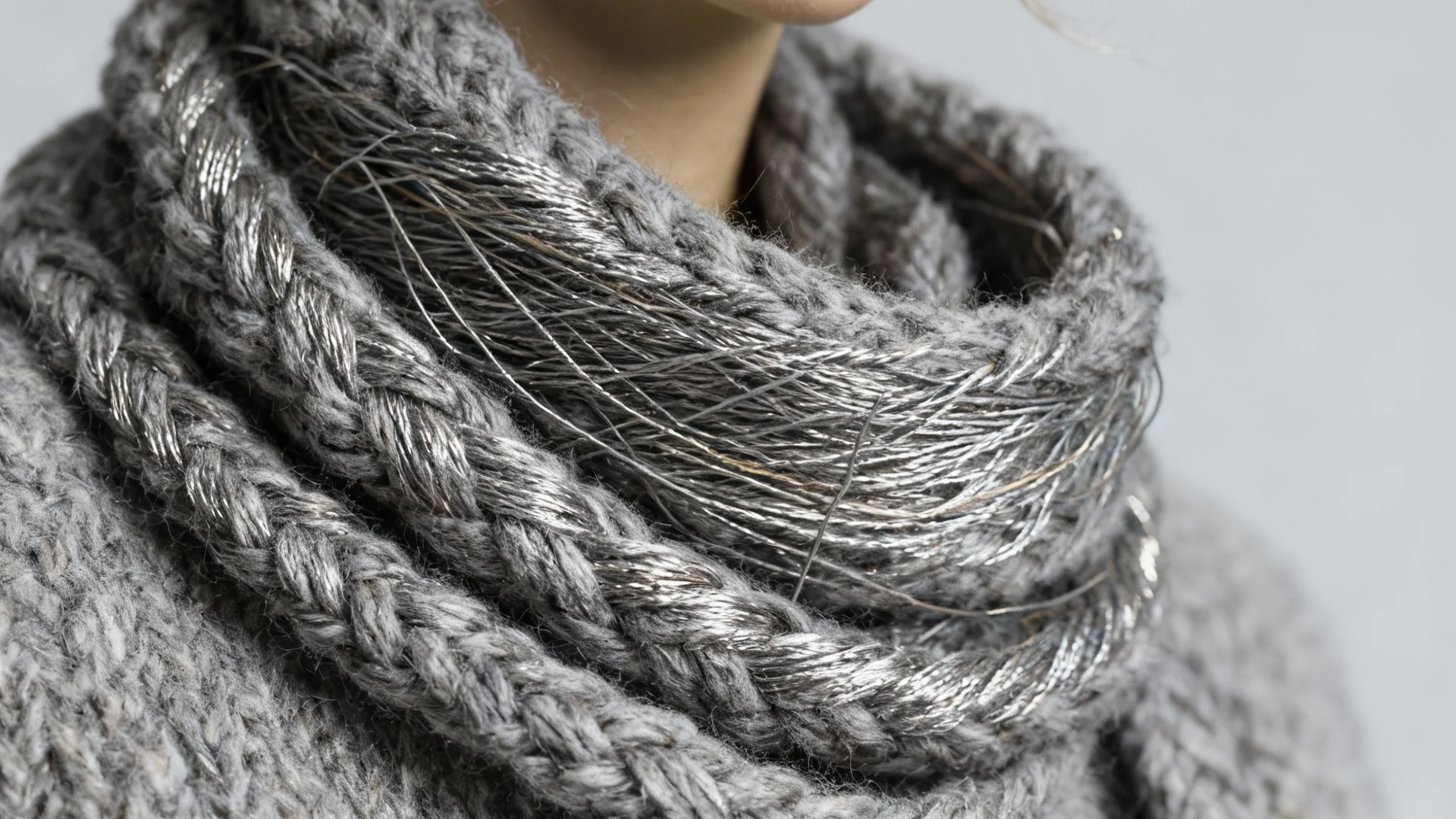
Today's smart scarves incorporate advanced sensor arrays, flexible electronics, and energy-efficient systems that seemed futuristic just five years ago. The Manchester City biometric scarf project exemplifies this evolution, seamlessly integrating performance monitoring with team branding to serve both athletes and fans. This approach underscores a key industry insight: the most successful smart textile products address specific user needs while maintaining emotional and aesthetic connections.
Advanced Materials: The Foundation of Smart Scarf Innovation
At the core of every revolutionary smart scarf lies innovative material science that addresses the unique challenges of wearable technology. Professional solutions typically employ multi-layered textile constructions that incorporate functional elements without compromising comfort or durability. The 2025 landscape of technical textiles for scarves features several breakthrough categories transforming capabilities:
Conductive Fibers and Yarns have evolved from rigid metallic threads to flexible, washable conductors that integrate seamlessly into standard weaving and knitting processes. These materials form the neural network of smart scarves, enabling signal transmission and power distribution across the fabric surface. Recent advancements in graphene-based conductive textiles offer exceptional conductivity with minimal weight, opening new possibilities for complex sensor integration.
Energy-Harvesting Textiles represent a major breakthrough in solving the power challenge for wearable devices. These innovative scarf fibers convert ambient energy—including body heat, movement, and electromagnetic radiation—into usable electricity, reducing reliance on external batteries. While still emerging, self-powered textile technologies are projected to capture approximately 15% of the smart accessory market by 2028, according to industry forecasts.
Adaptive Thermal Materials enable smart scarves to dynamically respond to environmental conditions and user preferences. These performance fabrics incorporate phase-change materials or thermoelectric elements that actively regulate temperature, providing warmth in cold conditions while preventing overheating during activity. Consumer adoption data shows temperature control remains the most valued feature in smart accessories, with 78% of surveyed users prioritizing this functionality over other smart features.
Sustainable Smart Textiles reflect the broader industry shift toward environmentally responsible production. Leading manufacturers increasingly utilize recycled materials and biodegradable components in smart scarf construction while maintaining performance standards. Certifications like OEKO-TEX® and GOTS provide verification frameworks becoming essential for market access, especially among luxury and eco-conscious brands.
Technological Integration: Beyond Basic Functionality
The true potential of smart scarf technology lies in integrating multiple functionalities into a cohesive user experience. Based on practical industry experience, best practices for feature integration emphasize intuitive operation, unobtrusive design, and meaningful data utilization. The 2025 smart scarf ecosystem encompasses several key technological domains:
Biometric Monitoring capabilities have advanced far beyond simple step counting. Leading models now incorporate photoplethysmography (PPG) for heart rate tracking, electrodermal activity (EDA) sensors for stress detection, and even respiratory monitoring through fabric tension analysis. These health-focused features address growing consumer interest in preventive wellness, with market research showing a 12% annual growth rate in demand for health-monitoring accessories.
Environmental Sensing transforms smart scarves into personal air quality monitors, detecting pollutants, allergens, and temperature variations. This functionality is particularly relevant for urban commuters and individuals with respiratory conditions, creating opportunities for targeted product positioning. Integrating these sensors requires careful material engineering to protect sensitive electronics while maintaining fabric breathability.
Connectivity Solutions have evolved to meet the unique requirements of textile-based electronics. Modern smart scarves typically feature low-energy Bluetooth 5.3 or later, offering extended battery life and improved data transmission reliability. Some premium models include near-field communication (NFC) for quick pairing and payment capabilities, demonstrating the convergence of fashion and fintech in wearable accessories.
User Interface Innovations have largely abandoned traditional screens for textile-integrated solutions. Haptic feedback systems, color-changing fibers, and subtle vibration patterns allow smart scarves to communicate information without disrupting the user's visual attention. The "Smiley" prototype developed by emotion recognition researchers exemplifies this approach, using color shifts and gentle vibrations to provide emotional feedback to users.
Technical Specifications and Practical Considerations
Fashion brands and retailers evaluating smart scarf offerings should carefully consider several technical specifications to ensure product suitability for target markets. Based on years of industry experience, these key parameters differentiate premium products from consumer-grade alternatives:
Battery Performance remains critical, with most commercial smart scarves offering 2-4 hours of active heating or sensor operation on a single charge. The most advanced models utilize modular battery systems that can be easily replaced or upgraded, addressing both longevity and sustainability concerns. USB-C charging has become the standard, with fast-charging capabilities reducing downtime to under 60 minutes for full recharges.
Washability and Durability specifications are essential for consumer acceptance and product longevity. Industry standards for washable smart textiles typically require performance retention through at least 30 wash cycles at 30°C, with some premium models exceeding 50 cycles. Sealed electronic modules and waterproof connector systems have become standard features, though care instructions still require removing battery packs before laundering.
Weight and Drape Characteristics significantly impact consumer satisfaction and wearability. The most successful smart scarves maintain traditional textile hand-feel while incorporating technical elements, typically weighing between 150-250 grams for standard designs. This balance requires careful engineering to distribute electronic components evenly and minimize bulk in critical areas.
Temperature Regulation Performance varies widely among heating models, with temperature settings typically ranging from 38°C to 50°C across 3-5 adjustable levels. Advanced systems include proximity sensors that prevent overheating when the scarf is compressed or covered, addressing safety concerns that historically limited consumer adoption of heated accessories.
Market Dynamics and Consumer Adoption Patterns
Understanding the current market landscape helps fashion businesses considering entry into the smart scarf category. Comprehensive market analysis reveals distinct patterns that can guide product development and positioning strategies:
Demographic Trends show strongest adoption among consumers aged 18-35, who represent approximately 62% of current smart scarf purchases. This demographic values both technological innovation and fashion-forward design, creating opportunities for premium positioning. Emerging data suggests growing interest among older demographics for health-monitoring features, indicating potential market expansion.
Regional Market Variations highlight the importance of climate-adapted product strategies. Northern European markets show strongest demand for heating functionality, with adoption rates 37% higher than global averages. Asian markets prioritize lightweight, multi-functional designs with integrated communication features. North American consumers demonstrate the broadest interest across categories, reflecting the region's diverse climate conditions and tech adoption culture.
Price Sensitivity Analysis reveals a market segmented by functionality and brand positioning. Entry-level heated scarves typically retail for $50-80, while premium models with comprehensive sensor suites and designer branding command $150-300 price points. The sweet spot for broad market adoption appears to be $80-120, where sufficient technology can be included while maintaining accessibility for mainstream consumers.
Distribution Channel Preferences vary significantly by product tier. Mass-market smart scarves dominate online retail platforms, capturing 73% of sales in the under-$100 category. Premium and designer-integrated models perform better through specialty retail and brand flagship channels, where in-person demonstration of technical features enhances perceived value.
Manufacturing and Supply Chain Considerations
Bringing smart scarves to market requires specialized manufacturing capabilities and supply chain management different from traditional textile production. Professional solutions typically involve collaboration between textile specialists, electronics engineers, and fashion designers to ensure all requirements are addressed:
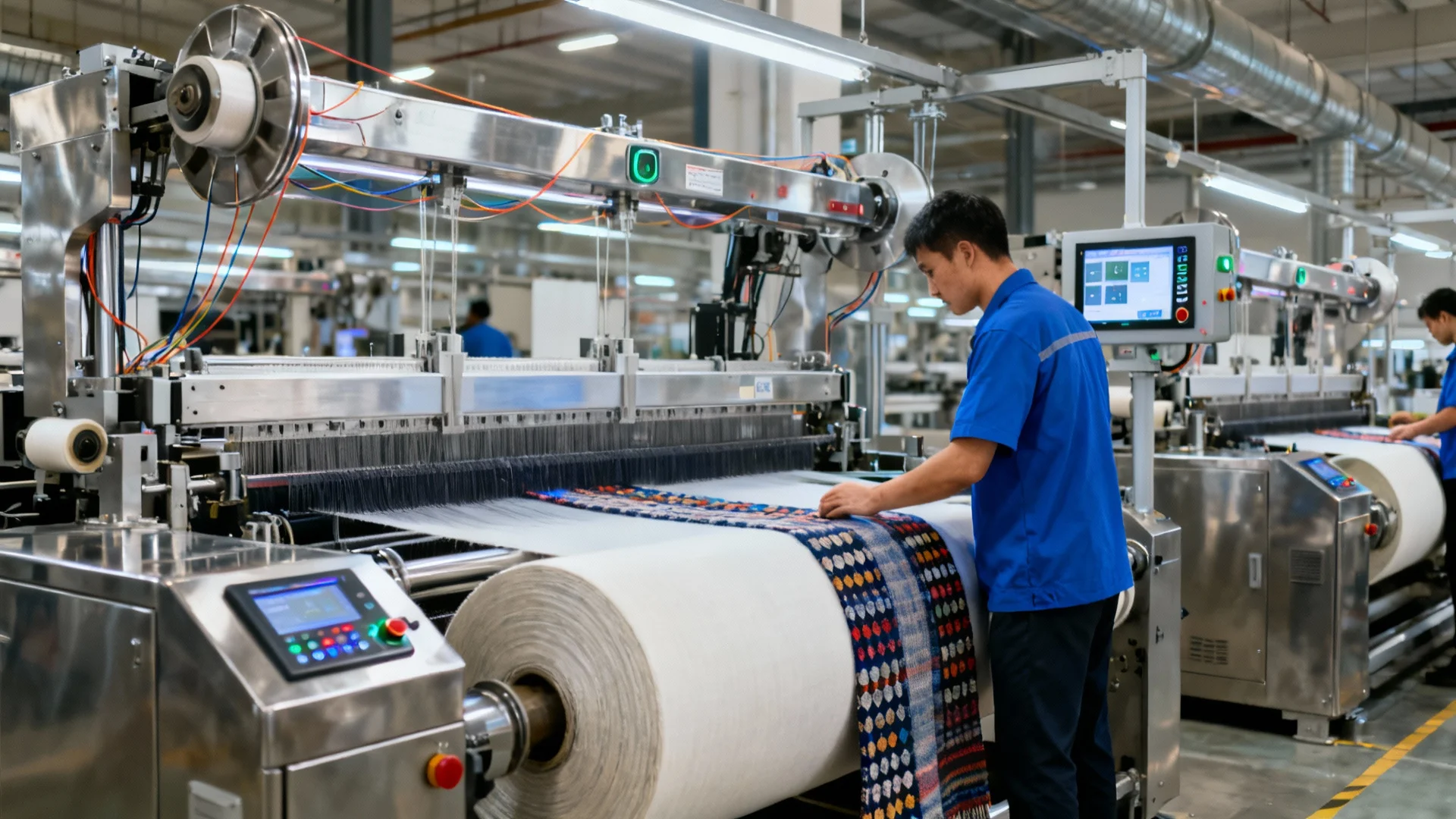
Production Processes for smart textiles involve specialized integration steps that must be carefully sequenced within traditional manufacturing workflows. Conductive elements are often applied during secondary processing stages, requiring precision alignment and quality control. The most advanced manufacturers have developed proprietary bonding techniques that keep electronic components securely attached through repeated wear and washing cycles.
Component Sourcing presents unique challenges, as smart scarf production requires specialized materials not typically used in conventional textile manufacturing. Establishing relationships with conductive fiber producers, micro-sensor suppliers, and flexible battery manufacturers is essential for maintaining consistent quality and meeting production timelines. Many leading brands are developing strategic partnerships with technology companies to secure access to cutting-edge components.
Quality Control Protocols must address both textile performance and electronic functionality. Industry best practices include multi-stage testing for wash durability, electrical safety, and signal integrity. The most rigorous programs incorporate accelerated aging tests that simulate years of wear in controlled laboratory conditions, ensuring product reliability before market launch.
Sustainability Considerations increasingly influence manufacturing decisions, with brands exploring modular designs that facilitate component replacement and recycling. Some innovative manufacturers have developed take-back programs specifically for smart textiles, ensuring proper handling of electronic components at end-of-life. These initiatives reduce environmental impact and create opportunities for consumer engagement and loyalty building.
Future Directions and Innovation Roadmap
The next generation of smart scarf technology will build on current capabilities while addressing remaining limitations and exploring new application domains. Based on industry technology roadmaps and emerging research, several key trends will shape the category through 2025 and beyond:

Energy Harvesting Breakthroughs should significantly reduce reliance on external batteries. Commercialization of solar textile integration and motion-energy harvesting systems will enable extended operation between charges. These technologies might even eliminate battery requirements for certain applications, addressing both user convenience and environmental concerns.
Advanced Sensor Integration will continue to miniaturize while expanding capabilities. Future smart scarves might incorporate non-invasive glucose monitoring, hydration tracking, and even early illness detection. These health-focused innovations could transform smart scarves from accessories to essential personal wellness tools, creating new market opportunities in healthcare and insurance sectors.
Artificial Intelligence Enhancement will enable more sophisticated data analysis and personalized responses. Smart scarves will learn user preferences and adapt functionality accordingly. AI-powered systems could automatically adjust temperature settings based on activity levels, provide personalized stress management recommendations, or detect potential health issues before symptoms appear.
Fashion-Tech Convergence will accelerate as traditional luxury brands deepen their engagement with smart textile technologies. The result will be more seamless integration of technical features into high-fashion designs, eliminating the "tech gadget" aesthetic that has limited adoption among style-conscious consumers. Closer collaboration between technology developers and fashion designers throughout the product creation process will drive this trend.
Strategic Recommendations for Fashion Businesses
Boutiques, specialty stores, and fashion brands considering smart scarf offerings should address several strategic considerations to maximize success in this emerging category. Based on practical experience working with retail partners and technology integrators, these recommendations cover product selection, marketing approaches, and customer engagement strategies:
Product Curation should focus on clear value propositions that resonate with specific customer segments. Successful retailers identify particular pain points or aspirations of their clientele and select smart scarves that directly address these needs. For luxury retailers, this might mean emphasizing exclusive design collaborations with technology partners, while outdoor specialty stores would prioritize performance metrics and durability.
In-Store Experience design is critical for demonstrating smart scarves' value to potential customers. Interactive displays that allow hands-on testing of features, along with knowledgeable staff who can explain technical benefits without jargon, significantly improve conversion rates. Some innovative retailers have created dedicated "fashion tech" zones that group related products and provide educational materials about technology benefits and care requirements.
Marketing Messaging should emphasize lifestyle benefits rather than technical specifications, focusing on how smart scarves enhance daily experiences rather than detailing component technologies. User testimonials and scenario-based demonstrations effectively communicate value by helping customers visualize how the product would integrate into their lives. Social media content that showcases smart scarves' aesthetic versatility alongside technical capabilities can attract style-conscious early adopters.
Staff Training programs must equip sales associates with both technical knowledge and fashion expertise to effectively position smart scarves. Training should cover not just product operation but also styling recommendations that show how these accessories complement existing merchandise. Role-playing common customer questions about technology, care, and value helps staff feel confident addressing concerns and making appropriate recommendations.
Integrating smart technology into scarf design represents a significant opportunity for fashion businesses willing to navigate the complex intersection of textile innovation, electronic engineering, and consumer experience design. By focusing on meaningful functionality, aesthetic integration, and clear value communication, smart scarves can transcend novelty status to become essential accessories that enhance both style and daily life. As the technical textiles market continues growing, early adopters of these innovations will position themselves at the forefront of fashion's digital transformation, building stronger connections with tech-savvy consumers and creating new revenue streams for their businesses.