In today's rapidly evolving fashion accessories sector, sustainability has transitioned from a niche consideration to a core business imperative. Boutique owners, specialty retailers, and fashion brands increasingly prioritize environmental responsibility in their sourcing decisions, making it essential to understand the true impact of manufacturing processes. This comprehensive analysis examines how digital printing technology is transforming sustainable scarf manufacturing, supported by 2025 industry data, environmental impact metrics, and real-world applications.
With extensive industry experience collaborating with textile manufacturers across Europe and Asia, I've witnessed digital printing evolve from an experimental technology to a mainstream solution for sustainable production. The data reveals a clear environmental imperative: traditional textile printing methods significantly contribute to the fashion industry's ecological footprint, accounting for approximately 20% of global freshwater contamination through dyeing and finishing processes alone. Digital printing represents both a technological advancement and a critical sustainability solution for addressing these pressing environmental challenges.
The Environmental Case for Digital Printing in Scarf Manufacturing
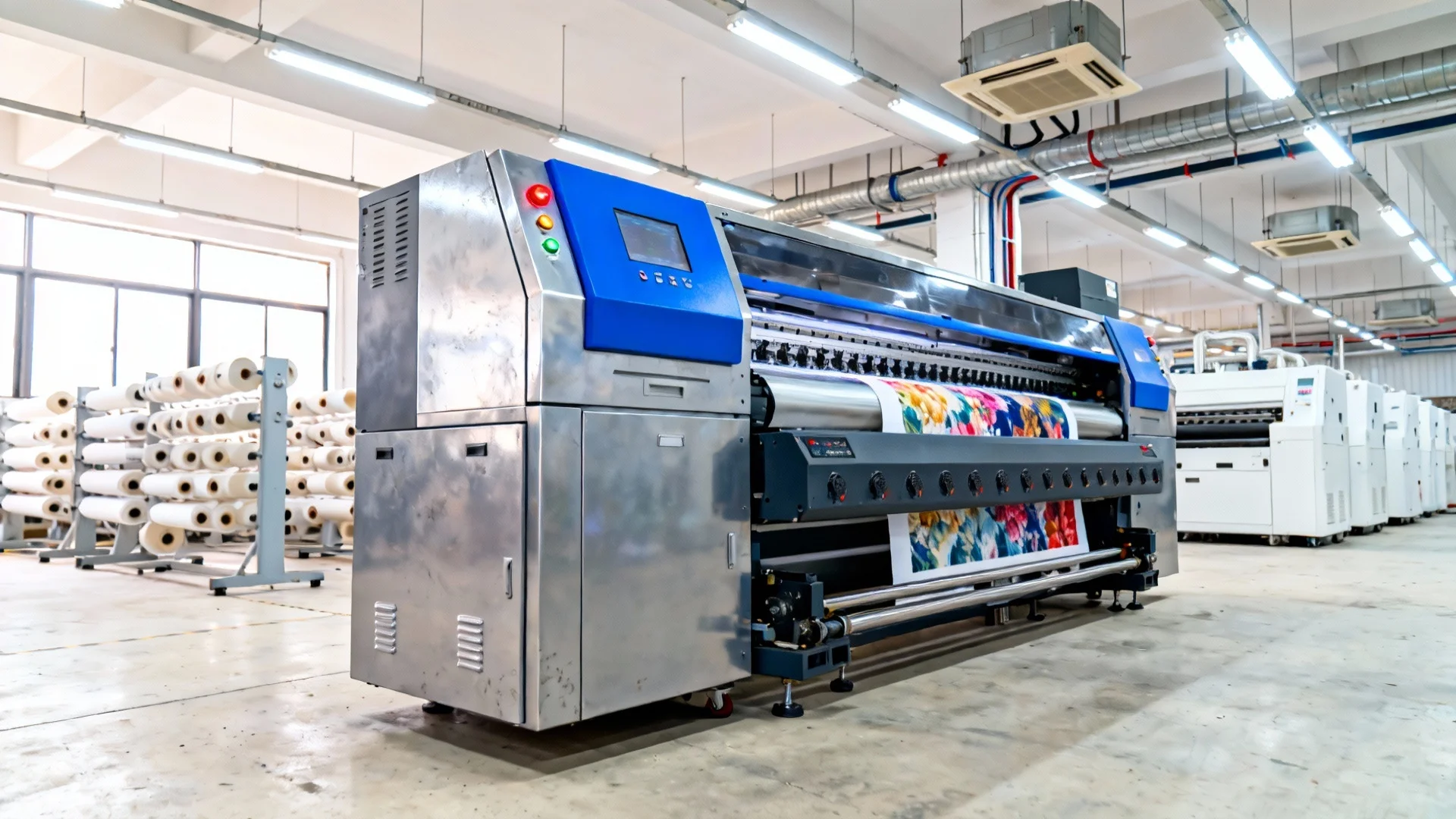
The textile industry faces mounting pressure to reduce its environmental impact as regulatory bodies like the European Union implement strict new standards through initiatives such as the Digital Product Passport and updated ecodesign requirements. Within this context, digital printing technology has emerged as a powerful tool for sustainable scarf production, offering measurable environmental benefits across multiple impact categories.
Water Conservation: A Transformative Advantage
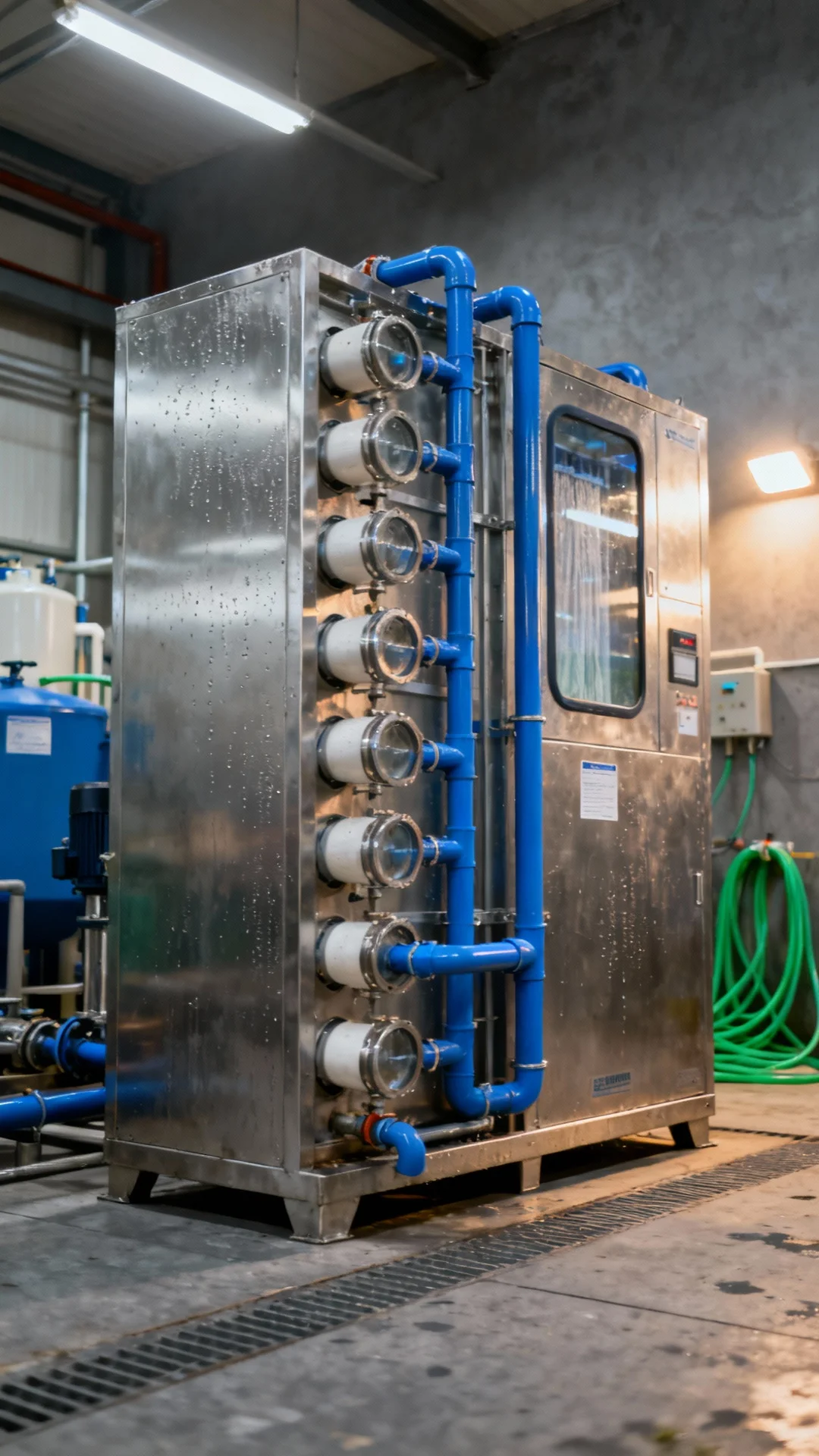
Water scarcity represents one of the fashion industry's most critical environmental challenges, and traditional scarf printing methods are particularly water-intensive. Conventional screen printing requires extensive water usage for color mixing, screen preparation, and equipment cleaning. In contrast, digital printing technology achieves remarkable water savings, with industry data showing reductions of 70-90% compared to traditional methods.
A 2024 comparative study published in the Journal of Sustainable Textiles analyzed water consumption patterns in scarf manufacturing facilities across Italy and Portugal. Researchers found conventional rotary-screen printing consumed an average of 150-200 liters of water per kilogram of silk fabric, while digital printing systems required only 15-45 liters for the same output. This translates to potential annual water savings of millions of liters for medium-sized manufacturing operations.
"Our transition to digital printing has reduced our water consumption by approximately 82% in three years," noted a production manager at a leading Italian scarf manufacturer specializing in luxury silk accessories. "This not only aligns with our sustainability goals but has also significantly reduced our water treatment costs and improved compliance with local environmental regulations."
Carbon Footprint Reduction
The carbon footprint of textile production has become a key consideration for environmentally conscious brands, and digital printing demonstrates clear advantages through multiple mechanisms: reduced energy consumption, elimination of multiple production steps, and localized manufacturing capabilities.
Recent life cycle assessment (LCA) studies indicate digital textile printing generates approximately 2 kg CO2e per kg of fabric less than conventional screen printing processes. This reduction stems from several factors: digital systems require less energy for pre-treatment and post-processing, eliminate the need for screen production and disposal, and enable on-demand production that reduces inventory and transportation needs.
The global digital textile printing market, valued at $12.3 billion in 2024, is projected to grow at a CAGR of 6.8% through 2035, reaching $21.59 billion according to Market Research Future. Environmental considerations increasingly drive this growth, with manufacturers reporting sustainability initiatives influence 40-60% of their technology investment decisions.
Waste Reduction and Material Efficiency
Textile waste represents another significant environmental challenge that digital printing technology directly addresses through several innovative approaches:
- Minimal Setup Waste: Unlike screen printing, which requires production and disposal of physical screens for each design, digital systems eliminate setup waste entirely through digital file preparation.
- Precision Ink Application: Advanced digital printers deposit ink with microscopic precision, reducing over-spray and excess color application by up to 35% compared to traditional methods.
- On-Demand Production: Digital technology enables economic production of smaller batches, allowing manufacturers to produce according to demand rather than speculative forecasts. This "just-in-time" approach significantly reduces inventory waste and overproduction.
- Design Optimization: Digital workflows integrate with design software to optimize color usage and pattern placement, minimizing fabric waste during cutting and production.
A 2025 industry report from Textile Intelligence highlighted that scarf manufacturers implementing digital printing technologies reduced pre-consumer waste by an average of 42%, with some luxury brands achieving waste reduction rates exceeding 60% for limited-edition designs.
Real-World Applications: Case Studies in Sustainable Scarf Manufacturing
Examining practical applications of digital printing in sustainable scarf manufacturing provides valuable insights for brands and retailers evaluating supply chain options. The following case studies, drawn from 2024-2025 implementations, demonstrate the technology's environmental and business benefits across different production scales and market segments.
Forest Digital Textile Printers: Revolutionizing Luxury Scarf Production
In a groundbreaking collaboration between Forest Digital Textile Printers and Meta Vocus completed in late 2024, digital printing technology transformed luxury silk scarf production while achieving remarkable sustainability outcomes. The project focused on creating a limited-edition collection for a major European fashion house, with environmental impact as a core design criterion.
The implementation replaced the client's traditional screen printing process with advanced digital textile printing systems, resulting in:
- 87% reduction in water consumption compared to previous production runs
- 62% decrease in energy usage per scarf
- Elimination of hazardous chemical waste from screen preparation
- 35% reduction in production time while maintaining luxury quality standards
Most significantly, the digital process enabled the use of water-based pigment inks certified by the Global Organic Textile Standard (GOTS), eliminating the heavy metal contaminants commonly found in conventional scarf printing. Third-party laboratory testing confirmed final products contained organotin compounds and formaldehyde levels far below OEKO-TEX® Standard 100's strict limits, reaching Class I baby product safety levels.
"Our clients initially expressed concerns that digital printing might compromise the vibrancy and depth of color that distinguishes luxury scarves," noted the project lead at Forest Digital. "The final collection not only met but exceeded color fastness requirements while achieving our shared sustainability goals. This has established a new benchmark for luxury textile production."
Epson's Water Conservation Initiative: Digital Printing as Environmental Advocacy
In April 2025, Epson launched an innovative digital printing project highlighting the fashion industry's water consumption challenges through a limited-edition scarf collection. The project drew attention to this statistic: clothing production in the UK alone consumes an estimated 35 trillion liters of water annually, with conventional textile printing being a significant contributor.
Working with London-based design studio Patternity, Epson produced 100% digitally printed silk scarves featuring data visualizations of global water usage patterns. Beyond awareness-raising, the production process itself demonstrated tangible environmental benefits:
- Each scarf required 95% less water than comparable screen-printed designs
- Digital production eliminated the need for chemical pre-treatment of fabrics
- Precision color matching reduced ink waste by 40% compared to traditional methods
- The project achieved carbon neutrality through energy-efficient production and offset programs
The collection garnered significant attention at London Fashion Week, with proceeds supporting water conservation projects. It demonstrated how digital printing technology can serve both environmental and artistic objectives without compromising design integrity or quality.
ScarfDesigners.com: Scaling Sustainable Production for Small to Medium Brands
For smaller-scale operations, digital printing offers accessible sustainability solutions that might otherwise be financially prohibitive. ScarfDesigners.com, a UK-based manufacturer serving independent designers and boutique brands, implemented a fully digital production workflow in early 2025 with impressive results.
The company's transition to digital printing addressed several sustainability challenges common to small-batch production:
- Reduced Minimum Order Quantities: Digital technology enabled production runs as small as 10 units without compromising cost-efficiency, significantly reducing overproduction risk.
- Elimination of Harmful Chemicals: The company's water-based digital inks contain no volatile organic compounds (VOCs) or heavy metals, creating a safer working environment and reducing environmental contamination.
- Energy Efficiency: Digital printing systems operate on significantly lower power requirements than traditional printing presses, reducing the company's carbon footprint by an estimated 28%.
- Material Innovation: Digital compatibility with sustainable fabrics like organic cotton, Tencel™, and recycled polyester expanded the company's eco-friendly product offerings.
"As a small manufacturer, we previously struggled to balance sustainability with economic viability," explained the company's founder. "Digital printing has allowed us to serve our clients' needs for customization and small-batch production while actually reducing our environmental impact and operating costs. It's been a win-win scenario."
The company reports that since implementing digital printing, their sustainability-focused client base has grown by 65%, with many clients specifically citing environmental considerations as a key factor in their supplier selection.
Navigating the Regulatory Landscape: 2025 Compliance and Certification
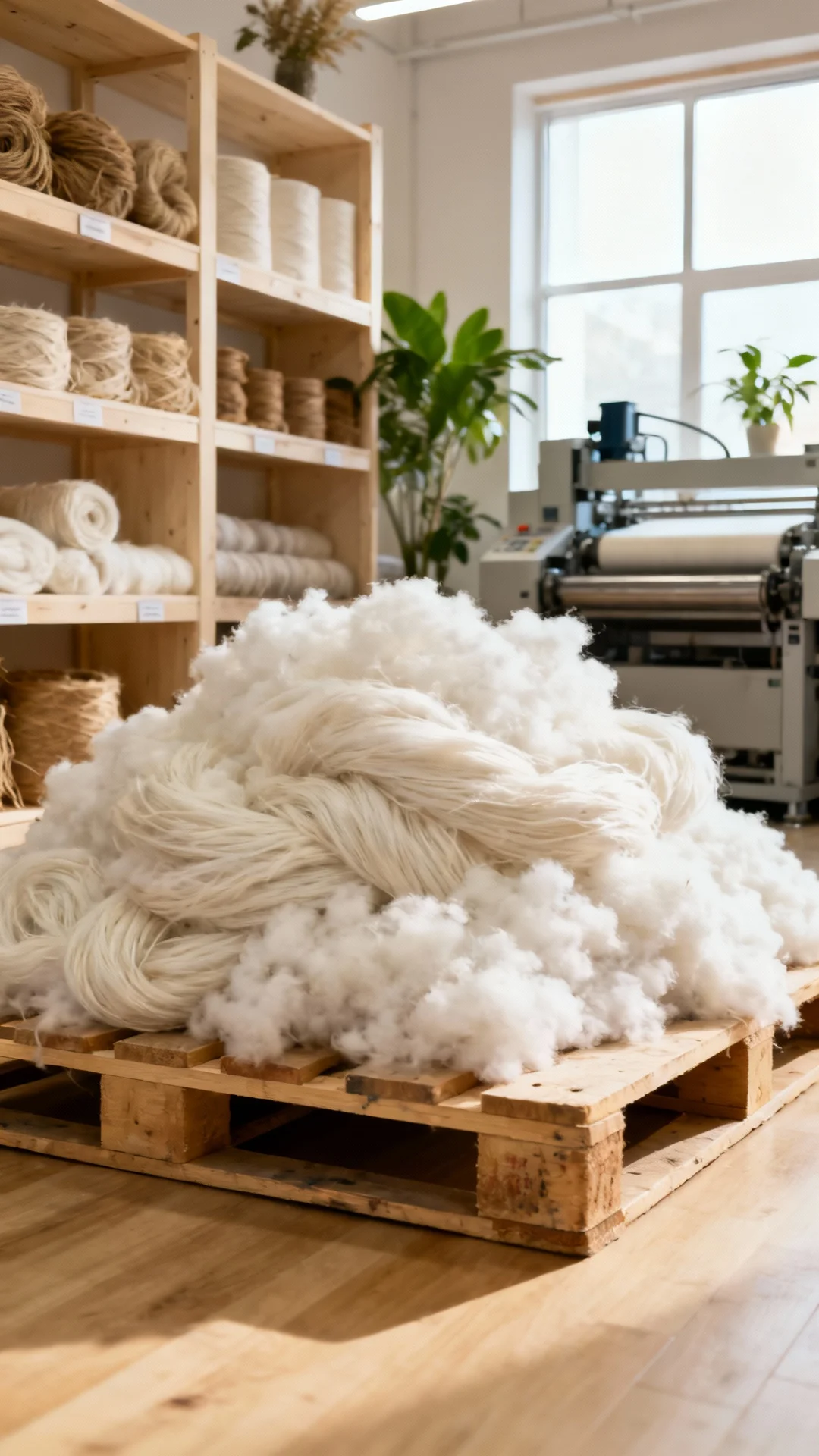
The regulatory environment for textile manufacturing is evolving rapidly, creating significant implications for scarf producers and the brands that source from them. As of 2025, several key regulatory developments are shaping sustainable scarf manufacturing practices worldwide, with digital printing technology playing a central role in compliance.
The EU Textile Strategy and Digital Product Passport
The European Union's ambitious Strategy for Sustainable and Circular Textiles has introduced transformative requirements for textile producers operating within the EU market. Adopted in April 2025, the strategy includes:
- Ecodesign Requirements: Mandatory environmental performance standards for textiles, including scarves, focusing on durability, recyclability, and hazardous substance restrictions. Digital printing supports compliance through reduced chemical usage and material efficiency.
- Digital Product Passport (DPP): A mandatory digital documentation system providing full transparency on a product's environmental footprint, supply chain, and compliance status. Digital printing workflows naturally generate much of the production data required for DPP compliance.
- Extended Producer Responsibility (EPR): Producers must manage their products' entire lifecycle, including take-back and recycling programs. Digital printing's support for on-demand production helps minimize waste that would otherwise require EPR management.
Manufacturers have until mid-2025 to fully implement these requirements, creating significant pressure to adopt more sustainable production methods. Digital printing technology has emerged as a key enabler of compliance, with early adopters reporting smoother transitions to the new regulatory framework.
Emerging Certification Standards for Sustainable Textile Printing
Beyond regulatory compliance, voluntary certification programs increasingly influence purchasing decisions in the scarf manufacturing sector. For brands evaluating potential suppliers, these certifications provide valuable benchmarks for environmental performance:
- ISO 22067-3 (Under Development): This upcoming international standard specifically addresses environmental management in digital textile printing. It provides guidelines for reducing energy consumption, water usage, and chemical inputs. Finalization is expected in late 2025.
- OEKO-TEX® STeP: This certification evaluates textile production facilities across five sustainability categories, with specific criteria for printing processes. Digital printing operations typically score significantly higher than conventional facilities, particularly in environmental and chemical management categories.
- Cradle to Cradle Certified™: This comprehensive certification evaluates products across material health, material reutilization, renewable energy, water stewardship, and social fairness. Digital printing's material efficiency supports higher certification levels.
- GOTS (Global Organic Textile Standard): While focused primarily on fiber production, GOTS includes strict requirements for printing processes, including restrictions on hazardous chemicals that align well with digital printing capabilities.
Forward-thinking manufacturers are already aligning their digital printing operations with these emerging standards, recognizing certification as both a market differentiator and a framework for continuous improvement.
Evaluating Sustainable Scarf Manufacturers: Key Criteria for 2025
For boutique owners, specialty retailers, and fashion brands navigating the complex landscape of sustainable scarf sourcing, developing a robust supplier evaluation framework is essential. The following criteria, informed by 2025 industry standards and regulatory requirements, provide a comprehensive approach to identifying truly sustainable manufacturing partners.
Environmental Management System Assessment
A mature environmental management system (EMS) forms the foundation of sustainable manufacturing practices. When evaluating potential scarf suppliers, look for:
- Certified EMS Implementation: ISO 14001 certification provides verification of a systematic approach to environmental management, including specific processes for reducing printing-related impacts.
- Measurable Sustainability Goals: Look for manufacturers with specific, time-bound targets for reducing water consumption, energy usage, and waste generation in their printing operations.
- Life Cycle Thinking: Leading manufacturers apply life cycle assessment (LCA) methodologies to identify environmental hotspots across their scarf production processes, with particular focus on printing impacts.
- Continuous Improvement Processes: Regular monitoring, reporting, and improvement of environmental performance indicators specific to digital printing operations.
Digital Printing Technology and Innovation
The specific digital printing technology employed significantly impacts environmental performance. Key considerations include:
- Printer Technology: Advanced digital textile printers with precision ink delivery systems minimize waste and energy consumption. Look for manufacturers using latest-generation equipment from leading suppliers.
- Ink Formulation: Water-based pigment inks with low VOC content and minimal hazardous substances offer superior environmental profiles compared to solvent-based alternatives.
- Pre and Post-Processing: Innovative approaches to fabric preparation and finishing that reduce water and energy requirements while maintaining print quality and durability.
- Software Integration: Digital workflow integration that optimizes color usage, pattern placement, and material efficiency through design optimization.
Material Sourcing and Innovation
Sustainable printing practices must be paired with responsible material sourcing to achieve meaningful environmental benefits:
- Sustainable Fiber Usage: Preference for organic, recycled, or sustainably sourced base materials compatible with digital printing processes.
- Chemical Management: Transparent documentation of all chemicals used in the printing process, with clear evidence of compliance with REACH and other hazardous substance regulations.
- Circular Material Solutions: Exploration of innovative materials like biodegradable fabrics or those designed for easy recycling at end-of-life, facilitated by digital printing compatibility.
- Local Sourcing Optimization: Strategic material sourcing to minimize transportation impacts while ensuring quality and sustainability standards.
Compliance and Transparency
In an increasingly regulated environment, compliance and transparency have become non-negotiable:
- Regulatory Readiness: Verification of preparedness for upcoming regulatory requirements like the EU's Digital Product Passport and ecodesign standards.
- Supply Chain Transparency: Clear documentation of all inputs to the printing process, including ink composition, fabric origins, and energy sources.
- Environmental Impact Reporting: Regular publication of verified environmental performance data, including specific metrics related to digital printing operations.
- Third-Party Verification: Independent certification of sustainability claims through recognized programs relevant to textile printing.
Implementation Roadmap: Transitioning to Digital Printing for Sustainable Scarf Production

For brands considering a transition to digitally printed sustainable scarves, a structured implementation approach helps ensure success. Based on industry best practices and client experiences, the following roadmap provides a framework for this transition.
Phase 1: Assessment and Goal Setting (1-2 Months)
Begin with a clear understanding of your current production processes, environmental impacts, and sustainability goals:
- Current State Analysis: Conduct a baseline assessment of your existing scarf production's environmental footprint, focusing on water usage, energy consumption, waste generation, and chemical usage.
- Goal Definition: Establish specific, measurable sustainability targets for the transition, aligned with both regulatory requirements and brand values. Common goals include percentage reductions in water usage or carbon emissions.
- Budget Planning: Develop a comprehensive budget covering equipment investment, staff training, process redesign, and potential certification costs. While digital printing involves upfront investment, most manufacturers report ROI within 12-24 months through operational savings.
- Stakeholder Alignment: Ensure internal stakeholders understand the environmental and business rationale for the transition, addressing potential concerns about quality, cost, or production capacity.
Phase 2: Supplier Selection or In-House Capability Development (2-4 Months)
Based on the evaluation criteria outlined earlier, identify the optimal approach to digital printing implementation:
- Make vs. Buy Decision: Evaluate whether to invest in in-house digital printing capabilities or partner with specialized manufacturers. For most small to medium brands, partnering offers lower risk and capital requirements.
- Supplier Evaluation: Apply the comprehensive evaluation framework to potential manufacturing partners, focusing particularly on their digital printing expertise and environmental performance.
- Technology Assessment: If developing in-house capabilities, work with equipment suppliers to select the optimal digital printing system for your specific scarf production needs, considering factors like fabric compatibility, color range, and production volume.
- Pilot Planning: Develop a detailed plan for initial pilot production runs to test quality, sustainability performance, and operational integration.
Phase 3: Pilot Production and Validation (1-2 Months)
Execute controlled pilot projects to validate assumptions and refine processes:
- Design Adaptation: Work with design teams to optimize patterns and color usage for digital printing capabilities and sustainability.
- Material Testing: Conduct comprehensive testing of sustainable fabric options with digital printing processes, ensuring quality, durability, and color fastness meet requirements.
- Environmental Impact Verification: Measure the actual environmental performance of pilot production runs, comparing metrics to baseline data and sustainability goals.
- Cost Analysis: Verify projected cost savings through reduced materials usage, waste reduction, and operational efficiencies.
Phase 4: Full Implementation and Continuous Improvement (Ongoing)
Scale successful pilot projects while establishing processes for long-term improvement:
- Production Scaling: Gradually transition production volumes to digital printing, ensuring quality control and supply chain stability throughout the process.
- Staff Training: Develop comprehensive training programs for all personnel involved in the digital printing workflow, focusing on both technical skills and sustainability principles.
- Performance Monitoring: Implement ongoing monitoring of environmental performance metrics, providing regular reporting against established goals.
- Innovation Integration: Stay current with emerging developments in digital printing technology, sustainable inks, and eco-friendly fabrics to continuously improve environmental performance.
- Market Communication: Develop transparent communication of your sustainability achievements for marketing purposes, ensuring compliance with green marketing regulations and standards.
Conclusion: The Future of Sustainable Scarf Manufacturing
As demonstrated through industry data, regulatory developments, and real-world case studies, digital printing technology has matured into a powerful enabler of sustainable scarf manufacturing. The environmental benefits—including dramatic reductions in water consumption, energy usage, and waste generation—position digital printing as a cornerstone technology for brands committed to eco-friendly scarf production.
The regulatory landscape, particularly in the European Union, now mandates greater transparency and environmental performance, with digital printing offering a clear path to compliance. For brands navigating sustainable scarf sourcing, digital printing capabilities have become a critical evaluation criterion when selecting manufacturing partners.
Looking ahead, the integration of digital printing with other sustainable technologies—including AI-driven design optimization, blockchain supply chain transparency, and circular material innovations—promises even greater environmental benefits. As consumer demand for sustainable fashion continues to grow, digital printing will play an increasingly central role in reconciling aesthetic aspirations with environmental responsibility in scarf manufacturing.
The case studies and implementation frameworks presented in this analysis demonstrate that the transition to digital printing is not merely an environmental choice but a strategic business decision that delivers operational efficiencies, regulatory compliance, and enhanced brand reputation. For forward-thinking brands, embracing digital printing technology