In the competitive landscape of luxury textiles, where heritage brands have long relied on time-honored craftsmanship, a profound revolution is underway. Digital printing technology has evolved from experimental novelty to transformative force, fundamentally altering how luxury scarves are designed, produced, and consumed. As a seasoned industry practitioner who has collaborated with textile manufacturers across Europe and Asia, I've witnessed this technology shift from alternative production method to strategic advantage for forward-thinking brands.
FENNYSUN stands at the forefront of this revolution, demonstrating how digital printing can elevate luxury textile production without compromising its integrity. The company's approach represents a harmonious integration of technological innovation with time-honored luxury craftsmanship principles. This creates a new paradigm addressing contemporary demands for sustainability, customization, and efficiency while maintaining the quality and exclusivity that define luxury textile production.
The Technological Leap: Redefining Precision in Luxury Textiles
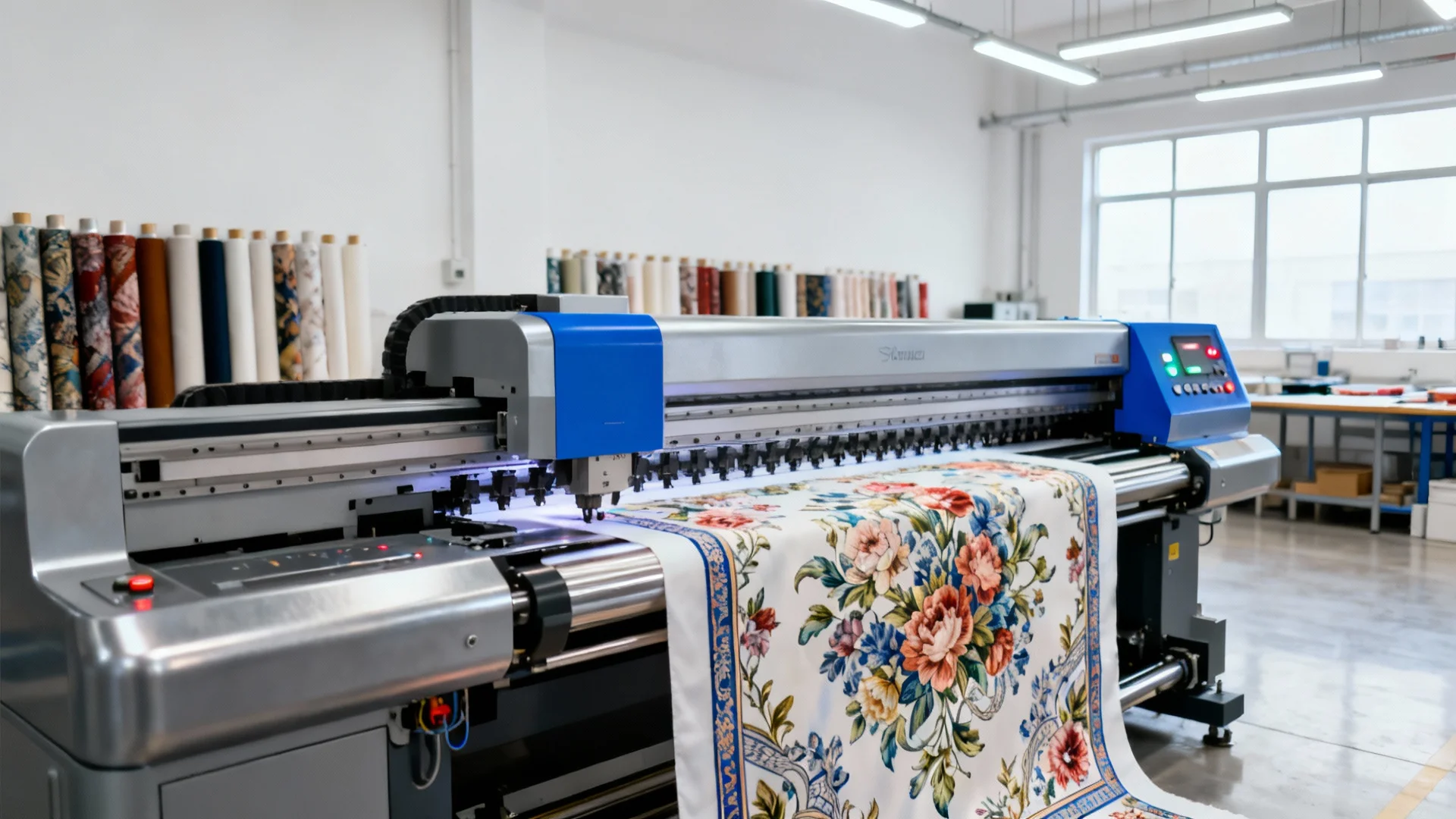
The transition from traditional screen printing to digital technology in luxury scarf production isn't merely an incremental improvement—it's a fundamental shift in capabilities. Traditional methods require physical templates for each color separation, a process that is both time-consuming and inherently limiting to design complexity. These constraints often result in minimum order quantities that conflict with today's market demands for limited runs and exclusive designs.
Digital printing technology eliminates these constraints through the direct transfer of high-resolution digital files to fabric, enabling unprecedented precision and design freedom. The technology's ability to reproduce intricate patterns with exceptional clarity has been a game-changer for luxury applications. In practice, even the most detailed artistic motifs—from delicate watercolor effects to complex geometric patterns—can be rendered with remarkable accuracy, capturing nuances that would be challenging or impossible through traditional methods.
The implications for luxury scarf production are profound. Designers are no longer restricted by the practical limitations of screen counts or color separations. Instead, they can explore creative possibilities previously unattainable, pushing the boundaries of what constitutes luxury textile design. This creative liberation has given rise to a new aesthetic language in scarf design—one embracing complexity, gradient effects, and photographic realism while maintaining the tactile quality and visual depth that define luxury textiles.
Sustainable Innovation: Environmental Advantages of Digital Printing
In an era where sustainability has become a defining value for luxury consumers, digital printing technology offers significant environmental benefits that align with evolving market expectations. The traditional screen printing process is notoriously resource-intensive, requiring substantial water usage for color mixing, equipment cleaning, and fabric preparation. Industry studies show conventional methods can consume hundreds of liters of water per kilogram of fabric—a statistic increasingly problematic amid global water scarcity concerns.
Digital printing dramatically reduces this environmental impact through more efficient resource use. By eliminating water-intensive color mixing and reducing fabric waste through precise ink application, the technology achieves water savings of up to 95% compared to traditional methods. Energy consumption is similarly reduced, with digital systems requiring less overall power and enabling more efficient production scheduling through shorter setup times.
FENNYSUN has fully embraced these sustainability advantages by integrating digital printing into its core production philosophy. The company views environmental responsibility not as a marketing tool but as a fundamental aspect of luxury manufacturing. Its approach extends beyond the printing process to encompass comprehensive environmental impact metrics throughout the supply chain, from material selection to finished product distribution. This holistic commitment to sustainability resonates particularly well with contemporary luxury consumers, who increasingly evaluate brands based on environmental credentials alongside traditional luxury attributes.
The environmental benefits of digital printing also translate into practical business advantages. Reduced resource consumption lowers production costs over time, while the ability to market products as environmentally responsible opens new avenues for brand storytelling and customer engagement. For luxury scarf manufacturers, these dual benefits—environmental and economic—position digital printing as both a sustainable choice and a strategically advantageous one.
Material Excellence: Luxury Fabrics and Digital Compatibility
A critical challenge in luxury digital textile printing lies in achieving optimal results on the high-quality fabrics that define luxury scarves. Traditional printing methods have been refined over decades to work with delicate materials like silk, cashmere, and fine wool—materials that present unique challenges for digital printing technologies.
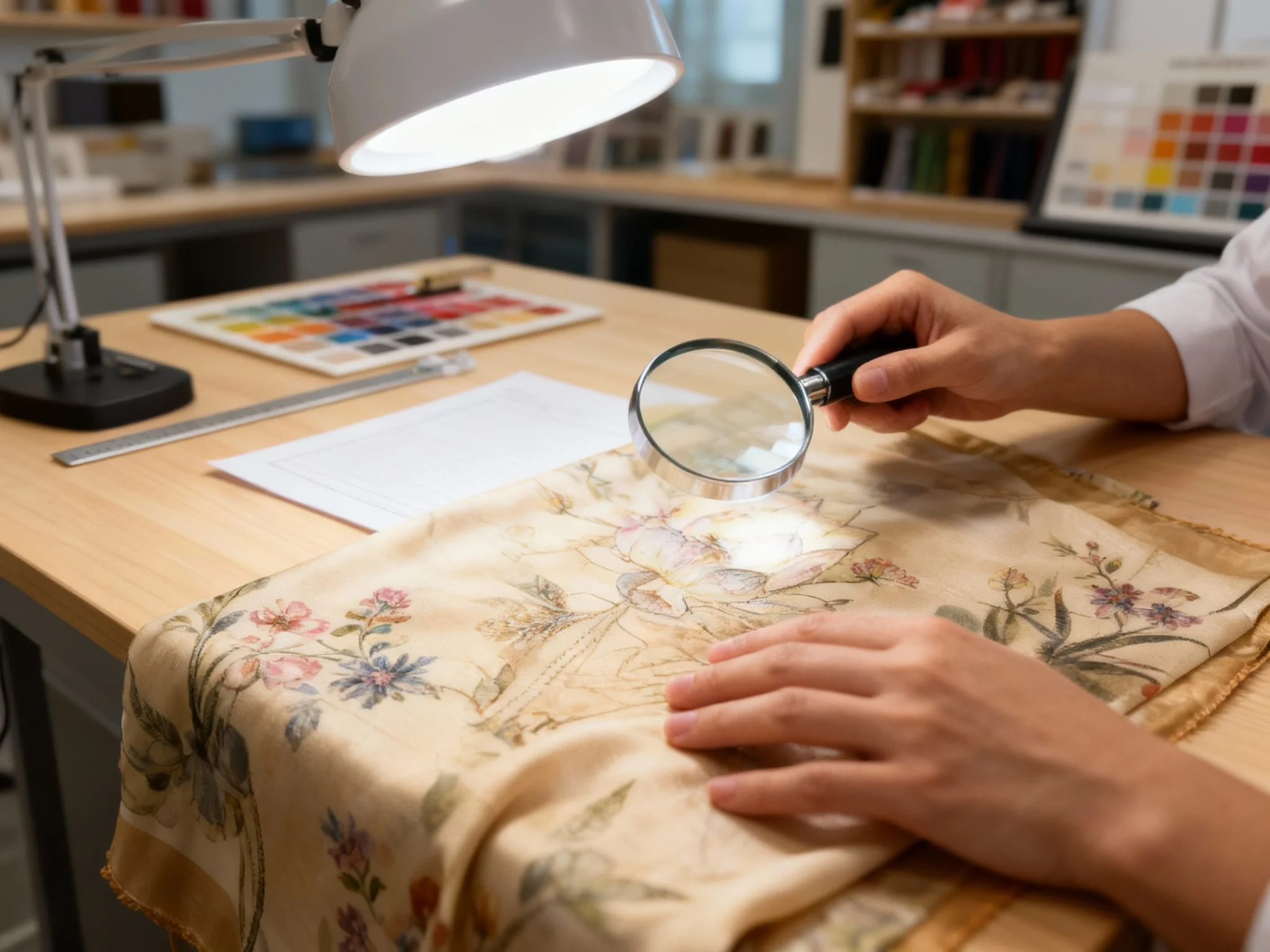
FENNYSUN has addressed this challenge through a rigorous material selection and preparation process that ensures compatibility with digital printing while preserving the inherent qualities that make luxury fabrics desirable. The company's approach involves careful testing of each fabric type to determine optimal printing parameters, from ink absorption rates to drying times, ensuring the finished product maintains the fabric's natural drape, texture, and luster.
This attention to material quality has enabled FENNYSUN to work with an impressive range of luxury textiles, including:
- Silk: Achieving vibrant color saturation while maintaining the fabric's characteristic sheen and fluidity
- Cashmere: Preserving the fiber's softness and warmth while ensuring exceptional colorfastness
- Wool blends: Creating complex patterns that retain the material's natural elasticity and breathability
The compatibility of digital printing with these luxury materials has significant implications for design possibilities. Unlike traditional methods, which can sometimes compromise fabric integrity through excessive handling or chemical treatments, digital printing minimizes physical contact with the material, preserving its natural properties. This gentle approach to fabric treatment results in scarves featuring exceptional printed designs while maintaining the tactile qualities essential to luxury textile appreciation.
Production Efficiency and Market Responsiveness
In the fast-paced luxury market, the ability to respond quickly to emerging trends and consumer demands is a significant competitive advantage. Traditional scarf production methods, with their extensive setup times and minimum order requirements, often struggle to meet the needs of contemporary fashion cycles where collections change frequently and exclusivity is prized.
Digital printing technology addresses this challenge by dramatically reducing production lead times and enabling more flexible manufacturing schedules. Eliminating physical screen preparation allows for rapid design iterations and short production runs—capabilities perfectly aligned with luxury scarf production needs. For FENNYSUN, these efficiencies translate into several key benefits:
- Reduced time-to-market: Enabling the company to capitalize on emerging trends with minimal delay
- Enhanced customization capabilities: Supporting small-batch and made-to-order production models
- Improved inventory management: Reducing waste through more accurate production forecasting
- Increased design flexibility: Allowing for last-minute adjustments based on market feedback
These operational advantages have transformed the economics of luxury scarf production, making it feasible to offer greater design variety while maintaining exclusivity. For boutique owners and fashion brands sourcing scarves, this means access to a more dynamic product range that can be updated regularly without the financial risk of large minimum orders.
The efficiency benefits of digital printing also extend to the design process itself. Digital workflows enable seamless integration between design software and production equipment, reducing potential for errors and ensuring greater accuracy in translating designer intent into finished products. This streamlined process not only improves efficiency but also enhances creative collaboration, as designers can see their work translated into physical products with greater speed and accuracy.
Competitive Positioning: Digital vs. Traditional Craftsmanship
The luxury textile industry has long valued traditional craftsmanship, with many heritage brands emphasizing artisanal production methods as a core aspect of their brand identity. This emphasis on tradition has created the perception that digital technologies represent a compromise in quality or exclusivity—an obstacle companies like FENNYSUN have worked diligently to overcome.
The reality is that digital printing and traditional craftsmanship are not mutually exclusive approaches but complementary techniques that can coexist harmoniously in the luxury market. While traditional methods excel in certain applications—particularly for very large production runs or specific textural effects—digital printing offers distinct advantages in others, particularly regarding design complexity, customization, and sustainability.
FENNYSUN's success in positioning digital printing as a luxury technique lies in its ability to demonstrate that technological innovation can enhance rather than diminish the intrinsic value of luxury scarves. The company's approach emphasizes:
- Technical excellence: Highlighting the precision and consistency of digitally printed designs
- Design innovation: Showcasing creative possibilities difficult or impossible to achieve through traditional methods
- Material quality: Maintaining the same high standards of fabric selection as traditional luxury manufacturers
- Sustainability credentials: Positioning digital printing as a forward-thinking approach to responsible luxury
This strategic positioning has enabled FENNYSUN to carve a distinct niche in the luxury textile market, appealing to consumers who value innovation alongside traditional luxury attributes. The company's success suggests the future of luxury scarf production may lie not in choosing between digital and traditional methods, but in integrating the best aspects of each to create products that meet evolving consumer expectations.
Future Trends and Technological Evolution
As digital textile printing technology continues to evolve, its applications in luxury scarf production are likely to expand further. Several emerging trends suggest exciting possibilities for the future:
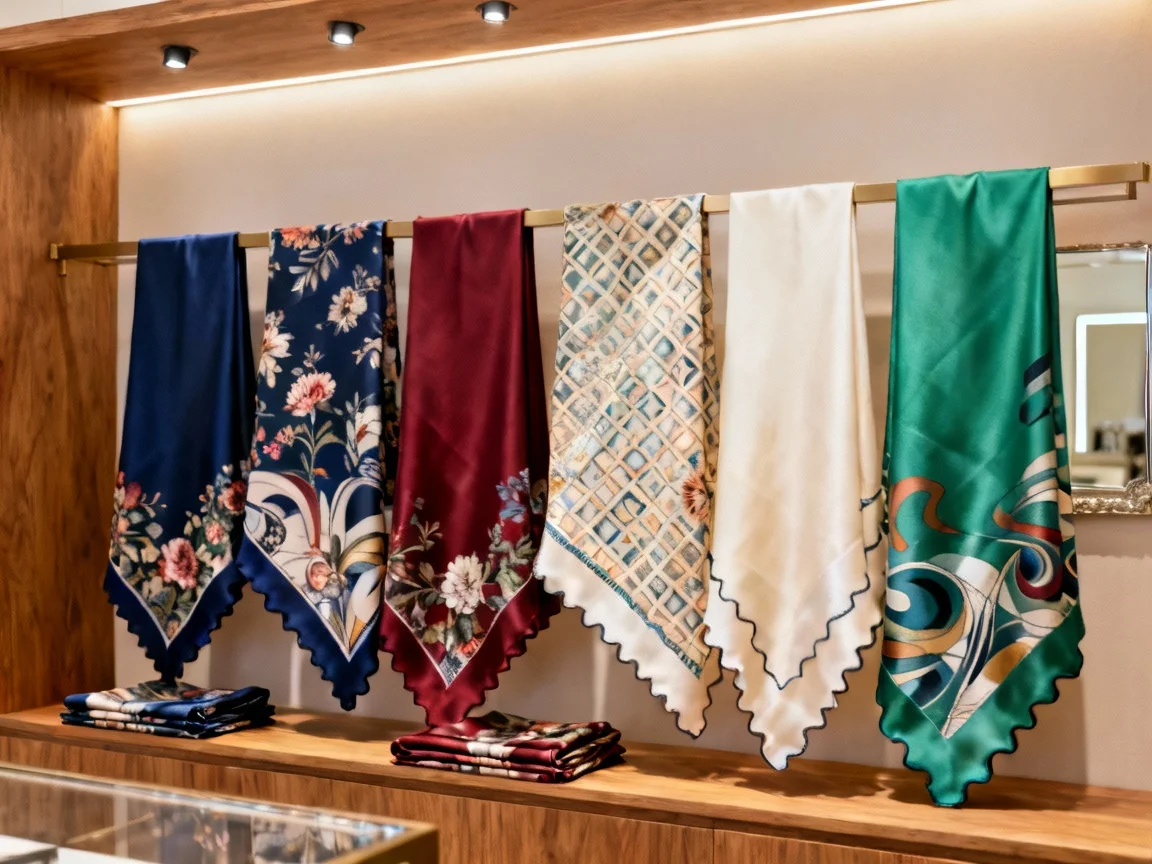
Advancements in ink technology promise improved color gamuts, greater durability, and enhanced environmental performance. Developments in pigment technology enable more accurate color matching and improved washfastness, addressing some remaining limitations of digital printing for luxury applications.
Integration with digital design tools is becoming increasingly sophisticated, with software solutions bridging the gap between design conception and production implementation. These integrated workflows enable more efficient design iterations and greater accuracy in translating designer intent into finished products.
On-demand production models are gaining traction in the luxury sector, enabled by digital printing's efficiency advantages. This approach not only reduces waste but also offers new possibilities for customization and personalization, allowing consumers to participate more directly in the design process.
Sustainability innovations continue to drive technological development, with ongoing efforts to reduce the environmental impact of inks, pretreatment chemicals, and energy consumption. For luxury brands, these advancements offer an opportunity to strengthen environmental credentials while maintaining product quality.
FENNYSUN's position at the intersection of these trends suggests the company is well-positioned to continue leading innovation in luxury digital textile printing. By staying at the forefront of technological development while maintaining an unwavering commitment to luxury standards, the company exemplifies the potential of digital technology to enhance rather than compromise the future of luxury textile production.
Conclusion: The New Luxury Paradigm
The digital printing revolution in luxury textiles represents more than technological innovation—it signifies a fundamental shift in how luxury scarves are conceptualized, produced, and appreciated. FENNYSUN's approach to this technology demonstrates that digital printing can coexist with, and even enhance, the traditional values of luxury manufacturing while introducing new possibilities for sustainability, customization, and design innovation.
For boutique owners, fashion brands, and luxury consumers, this evolution offers compelling advantages: access to more diverse designs, greater responsiveness to emerging trends, enhanced environmental responsibility, and potential for more personalized luxury experiences. As digital printing technology continues to advance, its integration into luxury textile production will likely deepen, reshaping industry standards and consumer expectations.
The future of luxury scarf production lies not in choosing between tradition and technology, but in finding synergies between the two. FENNYSUN's success in this regard serves as a model for how luxury manufacturers can embrace innovation while preserving the core values of craftsmanship, quality, and exclusivity that define the luxury sector. In doing so, the company has not just adopted new technology but helped redefine what luxury textile production can be in the digital age.