In today's rapidly evolving fashion landscape, sustainable scarf production has transitioned from a niche concern to a business imperative. Consumer demand for ethically produced accessories continues to rise—with 66% of global consumers expressing willingness to pay premium prices for sustainable products—creating both challenges and opportunities for brands reimagining their manufacturing processes. This comprehensive guide explores the methodologies, materials, and certifications defining sustainable scarf production in 2025, offering actionable insights for boutiques, specialty stores, and fashion brands navigating this complex landscape.
Drawing on extensive industry experience collaborating with textile manufacturers and sustainable fashion initiatives, this guide synthesizes cutting-edge market intelligence with practical production strategies. The global scarf market is projected to grow from $26.22 billion in 2025 to $45.88 billion by 2032, with sustainable segments expanding at the highest compound annual growth rate (CAGR) of 8.32%. This remarkable growth reflects a fundamental shift in consumer values that forward-thinking brands can leverage through informed material selection, ethical manufacturing practices, and strategic certification.
Understanding Sustainable Scarf Materials
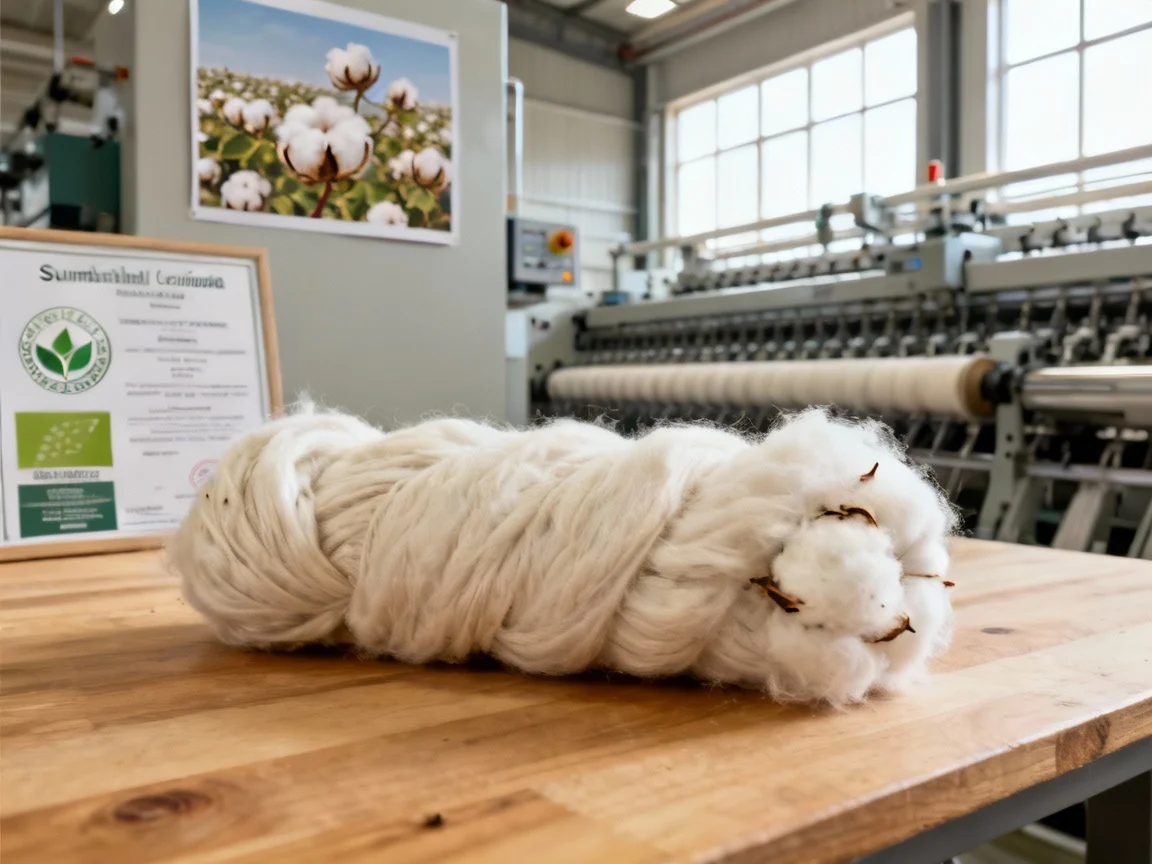
The foundation of sustainable scarf production lies in material selection—a decision that profoundly impacts environmental footprint, product quality, and market positioning. Innovative manufacturers increasingly adopt a "materials hierarchy" approach, prioritizing options with the lowest environmental impact while maintaining the aesthetic and functional qualities consumers demand.
Natural Fiber Innovations
Organic cotton has established itself as a cornerstone of sustainable scarf production, requiring 88% less water and 62% less energy than conventional cotton cultivation. When sourced through GOTS-certified channels, organic cotton ensures environmental benefits and fair labor practices throughout the supply chain. Leading manufacturers now blend organic cotton with other natural fibers to enhance performance characteristics—creating lightweight yet warm scarves suitable for year-round wear.
Wool, particularly from mulesing-free sources, offers excellent thermal properties with natural biodegradability. Innovations in wool processing have reduced water usage by up to 40% compared to traditional methods. Silk production has also seen sustainability improvements through peace silk initiatives and closed-loop water systems, addressing historical concerns about this luxury fiber's environmental impact.
Recycled and Upcycled Materials
The circular economy has brought significant advancements in recycled fiber technology. Post-consumer plastic bottles transformed into polyester yarn now offer scarf manufacturers a viable alternative to virgin materials, with some applications achieving 95% reduction in carbon footprint. Recycled cashmere, sourced from post-industrial waste and pre-consumer yarn scraps, provides the luxury feel consumers desire with a fraction of the environmental impact of virgin cashmere.
Upcycled materials have gained traction too, with pioneering brands utilizing textile waste in new scarf production. These processes divert waste from landfills and create unique, textured fabrics with compelling storytelling potential—a valuable marketing asset in today's transparent fashion landscape.
Emerging Bio-Based Fibers
2025 has seen accelerated adoption of innovative bio-based materials challenging conventional textile paradigms. Tencel™ Lyocell, produced from sustainably harvested wood pulp using closed-loop solvent systems, offers exceptional drape and breathability for lightweight scarves. Bamboo viscose—when produced using eco-certified processes—provides natural antimicrobial properties with minimal environmental impact.
Most promising is the development of mycelium-based textiles, grown from fungal networks rather than harvested or manufactured. While still in limited production, these materials offer biodegradability and customization potential that could revolutionize sustainable accessory production in the coming years.
Sustainable Production Techniques and Processes
Material selection alone cannot ensure sustainability. Production methodologies play an equally critical role in determining a scarf's environmental and social impact. Progressive manufacturers have adopted comprehensive approaches addressing energy usage, water conservation, chemical management, and waste reduction throughout the production cycle.
Eco-Friendly Manufacturing Practices
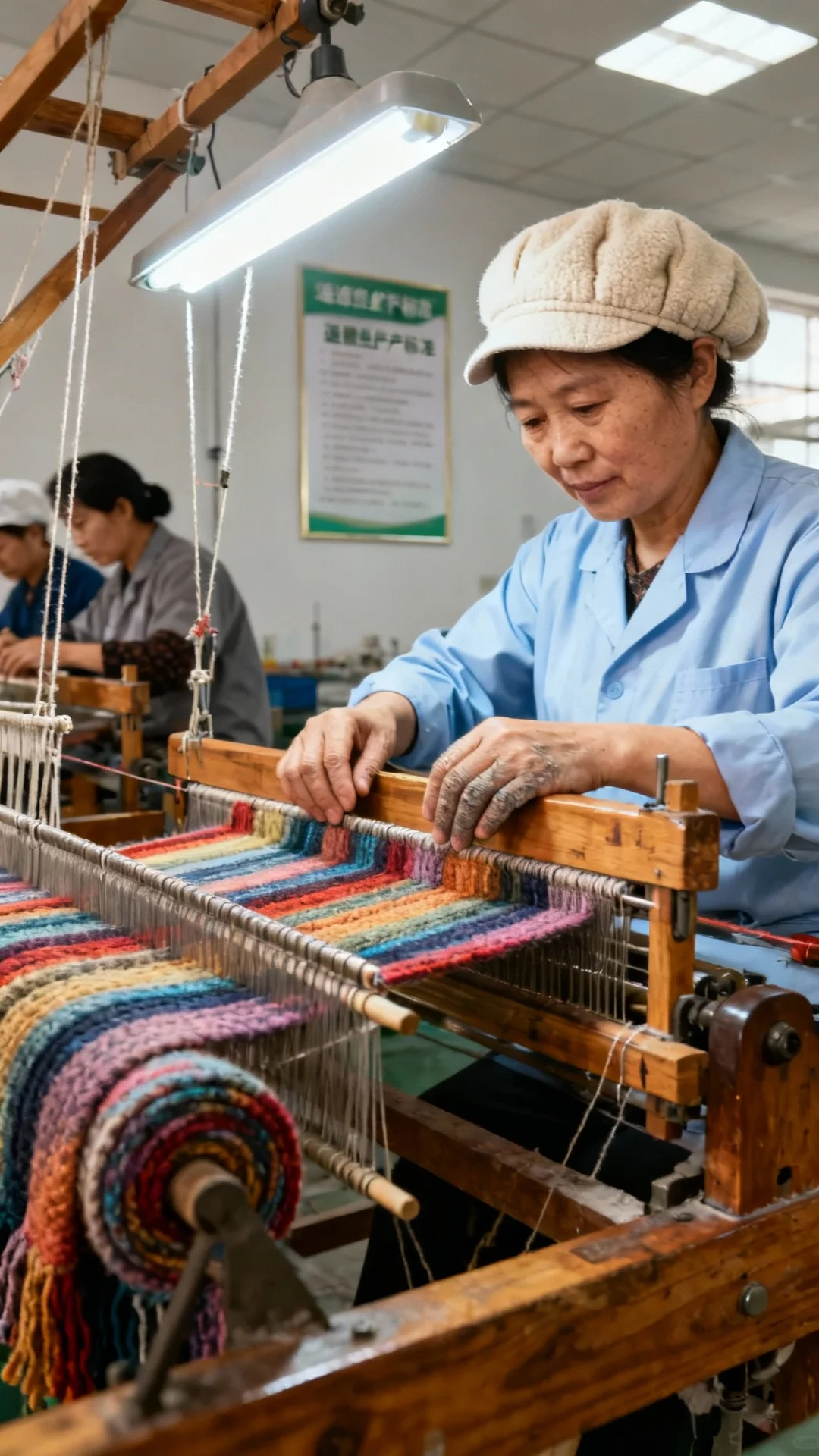
Waterless dyeing technologies represent one of the most significant advancements in sustainable scarf production, eliminating the substantial water consumption traditionally associated with textile coloring. These processes, including air dyeing and digital pigment printing, reduce water usage by up to 95% while minimizing chemical discharge. Leading manufacturers report not only environmental benefits but also improved color fastness and reduced production times.
Zero-waste pattern cutting has evolved from a niche technique to an industry standard among sustainability-focused producers. By optimizing layout and utilizing computer-aided design, manufacturers reduce fabric waste by 15-20% compared to conventional methods. Some innovative companies have taken this further by designing scarves specifically to utilize fabric remnants from larger production runs, creating coordinated accessory lines that maximize material efficiency.
Energy and Resource Optimization
Renewable energy integration has become a key differentiator in sustainable scarf production facilities. Solar-powered manufacturing plants have achieved up to 70% reduction in carbon emissions, with some operating entirely off-grid. Biomass energy systems utilizing agricultural waste provide viable alternatives in regions with limited solar resources.
Resource optimization extends beyond energy to include auxiliary production elements. LED lighting retrofits, heat recovery systems, and smart monitoring technologies have become standard equipment in forward-thinking facilities, reducing overall resource consumption while improving production efficiency.
Ethical Production Standards
Sustainable production encompasses social as well as environmental considerations. Fair Trade certification ensures workers throughout the supply chain receive living wages and safe working conditions—a particularly important consideration in regions with historically exploitative labor practices. The best manufacturers go beyond minimum standards, implementing profit-sharing programs and skills development initiatives that create long-term value for worker communities.
Traceability has emerged as a critical component of ethical scarf manufacturing, with blockchain technology enabling unprecedented transparency in production. Consumers increasingly expect visibility into every stage of production, from fiber sourcing to finished product. Brands that provide this transparency gain significant trust advantages in the marketplace.
Certification Systems and Compliance
In an increasingly crowded sustainable fashion marketplace, credible certification provides essential validation for both business customers and end consumers. Understanding the landscape of textile certifications is crucial for scarf manufacturers seeking to differentiate their products and access premium market segments.
Global Organic Textile Standard (GOTS)
The Global Organic Textile Standard represents the gold standard for organic fiber certification, covering the entire supply chain from fiber production to finished garment. To achieve GOTS certification, scarf manufacturers must meet rigorous environmental criteria including minimum 70% organic fiber content (95% for "organic" label), restrictions on hazardous chemicals and dyes, water and energy usage benchmarks, and wastewater treatment requirements.
Equally important are GOTS' social criteria, which mandate safe working conditions, fair wages, and no child labor. For boutique owners and specialty stores, GOTS certification provides assurance that scarves meet comprehensive sustainability standards beyond just material sourcing.
OEKO-TEX Certification
OEKO-TEX offers a complementary approach to textile certification, focusing primarily on product safety and chemical usage. Unlike GOTS, OEKO-TEX does not require organic fiber content but ensures textiles are free from harmful substances through laboratory testing. The STANDARD 100 certification covers all stages of production, from raw materials to finished scarves, with product class testing protocols adjusted for different end uses.
For manufacturers transitioning toward sustainability, OEKO-TEX often represents an accessible first step, requiring process improvements rather than complete supply chain overhauls. The certification's recognition among consumers provides immediate market benefits while laying groundwork for more comprehensive sustainability initiatives.
Additional Certification Options
Fair Trade certification emphasizes equitable trading relationships and community development, particularly important for natural fiber scarves sourced from developing regions. The Recycled Claim Standard (RCS) and Global Recycled Standard (GRS) provide verification for products containing recycled materials, with GRS requiring higher recycled content and more comprehensive social and environmental criteria.
B Corp certification, while not textile-specific, has gained prestige among sustainable fashion brands demonstrating overall commitment to social and environmental performance. For scarf manufacturers operating as part of larger fashion enterprises, B Corp certification signals holistic sustainability values beyond individual product lines.
Market Trends and Consumer Behavior
Understanding the evolving sustainable scarf marketplace is essential for manufacturers seeking to align production with demand. The intersection of environmental consciousness and fashion trends creates both challenges and opportunities for forward-thinking brands.
Market Growth Projections
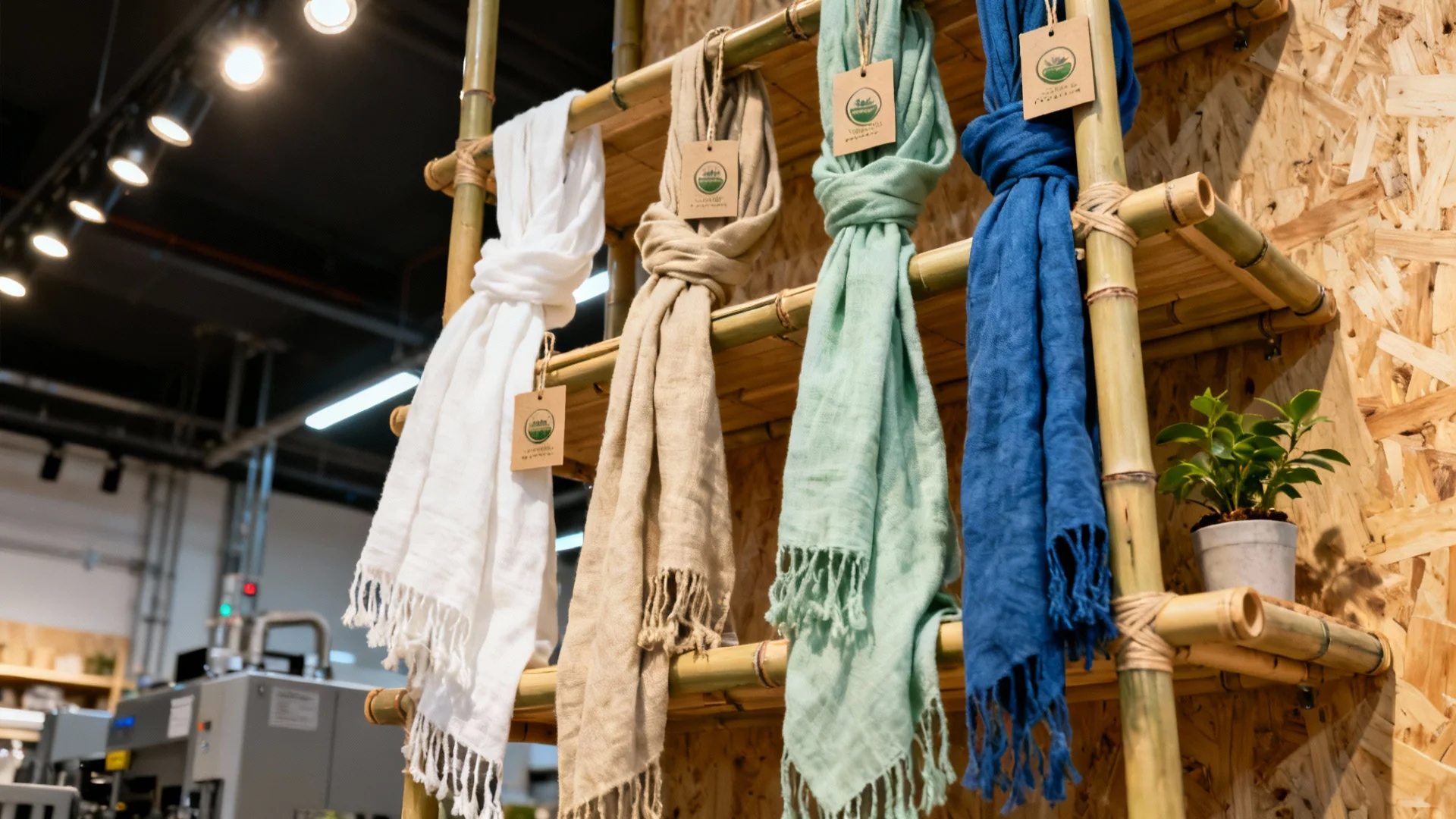
The sustainable accessories segment is outpacing overall fashion market growth, with the scarf category showing particular strength. Industry reports project the global sustainable scarf market will grow at a CAGR of 5.2-8.32% through 2032, reaching approximately $45.88 billion by the end of the forecast period. This growth is driven by increasing corporate sustainability commitments, consumer willingness to pay premium prices (15-30% higher) for verified sustainable products, expanding distribution channels, and growing regulatory pressure on conventional textile production.
Regional variations exist within this global growth story, with North America and Europe currently leading in sustainable scarf adoption. Asia Pacific shows the fastest acceleration as environmental awareness increases in developing markets.
Consumer Expectations Evolution
2025 consumer data reveals significant maturation in sustainable fashion purchasing behavior. No longer satisfied with vague "eco-friendly" claims, today's buyers—particularly millennial and Gen Z demographics—demand specific, verifiable sustainability credentials. Key findings from recent consumer research include: 72% of scarf purchasers consider sustainability factors in buying decisions, 66% are willing to pay premium prices for certified sustainable products, 81% research brand sustainability claims before purchasing, and 58% prioritize transparency in manufacturing processes.
These statistics underscore the importance of authentic sustainability practices and credible certification in today's competitive marketplace. For B2B relationships with boutiques and specialty stores, this translates to increased documentation requirements and the need for compelling sustainability storytelling.
Competitive Landscape
The sustainable scarf market has attracted significant new entrants alongside established brands adapting their practices. This competitive environment requires differentiation strategies beyond basic sustainability claims. Successful manufacturers increasingly focus on material innovation and exclusive sustainable fiber blends, transparent supply chains with compelling provenance stories, multifunctional design extending product utility and lifespan, circular business models including take-back programs, and digital tools enabling customer engagement with sustainability metrics.
Companies like Organic Basics and Pact have demonstrated the market potential for sustainably produced scarves, achieving both environmental impact reduction and commercial success through clear value propositions and effective storytelling.
Implementation Challenges and Solutions
Transitioning to sustainable scarf production presents numerous challenges, particularly for established manufacturers with existing infrastructure and supply chains. Addressing these obstacles requires strategic planning and often entails both short-term investments and long-term operational adjustments.
Cost Considerations and ROI
One of the most significant barriers to sustainable production is perceived higher costs, including premium pricing for organic and recycled materials (10-40% above conventional alternatives), certification fees and ongoing compliance costs, investment in new equipment and process redesign, and potential production efficiency decreases during transition periods.
These costs must be viewed against multiple return pathways: access to premium market segments with higher margins, reduced resource consumption lowering operational expenses, certification enabling participation in corporate sustainability programs, and consumer loyalty and repeat purchase rates for sustainable products.
Industry case studies demonstrate that with proper implementation, sustainability investments typically yield positive ROI within 2-3 years, with some material innovations actually reducing overall production costs while improving environmental performance.
Supply Chain Complexity
Sustainable scarf production often requires supply chain restructuring, particularly for manufacturers seeking comprehensive certification. Key challenges include sourcing consistent volumes of certified sustainable materials, ensuring ethical practices throughout extended supply chains, maintaining traceability across multiple production stages, and balancing sustainability goals with delivery timelines and minimum order quantities.
Solutions to these challenges include strategic partnerships with specialized material suppliers, gradual transition approaches that phase in sustainable materials, and technology investments in supply chain management systems. Many manufacturers have found that sustainability-driven supply chain optimization ultimately improves overall efficiency and resilience.
Technical and Skill Requirements
Implementing new sustainable production techniques often requires workforce upskilling and process redesign. Waterless dyeing, zero-waste pattern cutting, and recycled fiber handling all demand specific technical knowledge not typically part of conventional textile manufacturing training.
Manufacturers have addressed these skill gaps through partnerships with technical schools and sustainability organizations, in-house training programs focused on sustainable techniques, recruitment of specialists with experience in eco-friendly production, and collaboration with technology providers for equipment-specific training.
Forward-thinking companies find these investments not only enable sustainable production but also improve overall workforce capabilities and innovation capacity.
Strategic Recommendations for Manufacturers
Based on industry best practices and emerging trends, sustainable scarf manufacturers should consider the following strategic recommendations to maximize both environmental impact reduction and business success:
Material Selection Strategy
Develop a tiered material strategy balancing sustainability, performance, and cost considerations: prioritize recycled materials for high-volume, price-sensitive scarf lines; reserve organic natural fibers for premium product segments where sustainability certification provides maximum market differentiation; experiment with emerging bio-based materials for limited edition or flagship products; and document and communicate the environmental benefits of each material category to customers.
This approach allows for gradual sustainability scaling while meeting diverse market needs and price points.
Certification Approach
Adopt a targeted certification strategy aligned with business goals: begin with OEKO-TEX certification to address chemical safety concerns and establish baseline sustainability credentials; progress to GOTS certification for product lines where organic materials predominate; consider Fair Trade certification for scarves sourced from developing regions; and supplement with product-specific carbon footprint labeling using recognized standards.
This phased approach manages certification costs while building credibility with increasingly sustainability-conscious customers.
Production Process Optimization
Implement targeted process improvements for maximum environmental impact reduction: prioritize water conservation technologies given textiles' significant water footprint; invest in energy efficiency measures with rapid payback periods; implement waste reduction strategies focusing on high-volume waste streams; and explore digital printing technologies for on-demand production and reduced inventory.
Continuous improvement programs focused on sustainability metrics yield incremental gains that compound over time, often with positive impacts on both environmental performance and operational efficiency.
Customer Education and Marketing
Develop comprehensive sustainability storytelling to communicate value to B2B customers and end consumers: create certification-specific sales materials for boutique and specialty store partners; develop consumer-facing content explaining sustainability features and benefits; leverage digital tools for supply chain transparency and product journey visualization; and quantify and communicate environmental impact reductions in customer-friendly metrics.
Effective sustainability marketing emphasizes both environmental benefits and product performance, addressing the complete customer value proposition rather than focusing solely on eco credentials.
Conclusion: The Future of Sustainable Scarf Production
As the fashion industry continues its necessary transition toward sustainability, scarf manufacturers face both significant challenges and substantial opportunities. Market data clearly demonstrates that sustainability is no longer a niche concern but a mainstream consumer expectation driving purchasing decisions across all price points and market segments.
The most successful sustainable scarf producers will view sustainability not as a compliance requirement but as a core value driving innovation and differentiation. By embracing material innovation, process optimization, transparent supply chains, and credible certification, manufacturers can position themselves for success in the rapidly evolving fashion landscape.
For boutiques, specialty stores, and fashion brands seeking scarf suppliers, selection criteria are increasingly clear: look beyond marketing claims to verify certification credentials, understand material sourcing practices, and evaluate the comprehensiveness of sustainability commitments. The most valuable supplier relationships will be with manufacturers able to demonstrate continuous improvement in environmental and social performance alongside consistent product quality and commercial reliability.
Sustainable scarf production represents not just an environmental imperative but a business opportunity to create value, build brand loyalty, and participate in the transformation of the fashion industry toward a more sustainable future. The manufacturers who successfully navigate this transition will be well-positioned to lead in the market of 2025 and beyond, meeting both the ethical expectations and style demands of tomorrow's consumers.