In today's competitive fashion accessories market, strategic scarf material selection directly impacts product quality, customer satisfaction, and business profitability. As consumers increasingly demand both luxury and sustainability, retailers and brands must navigate a complex landscape of fabric options—each with unique characteristics, production requirements, and market positioning.
This comprehensive guide integrates industry trends and manufacturing expertise to help boutique owners, specialty retailers, and fashion brands develop distinctive, market-responsive scarf collections. The 2025 marketplace demands a delicate balance between heritage craftsmanship and innovative sustainability, where silk and wool maintain their market dominance while eco-friendly alternatives gain serious traction.
Scarf Material Categories and Market Positioning
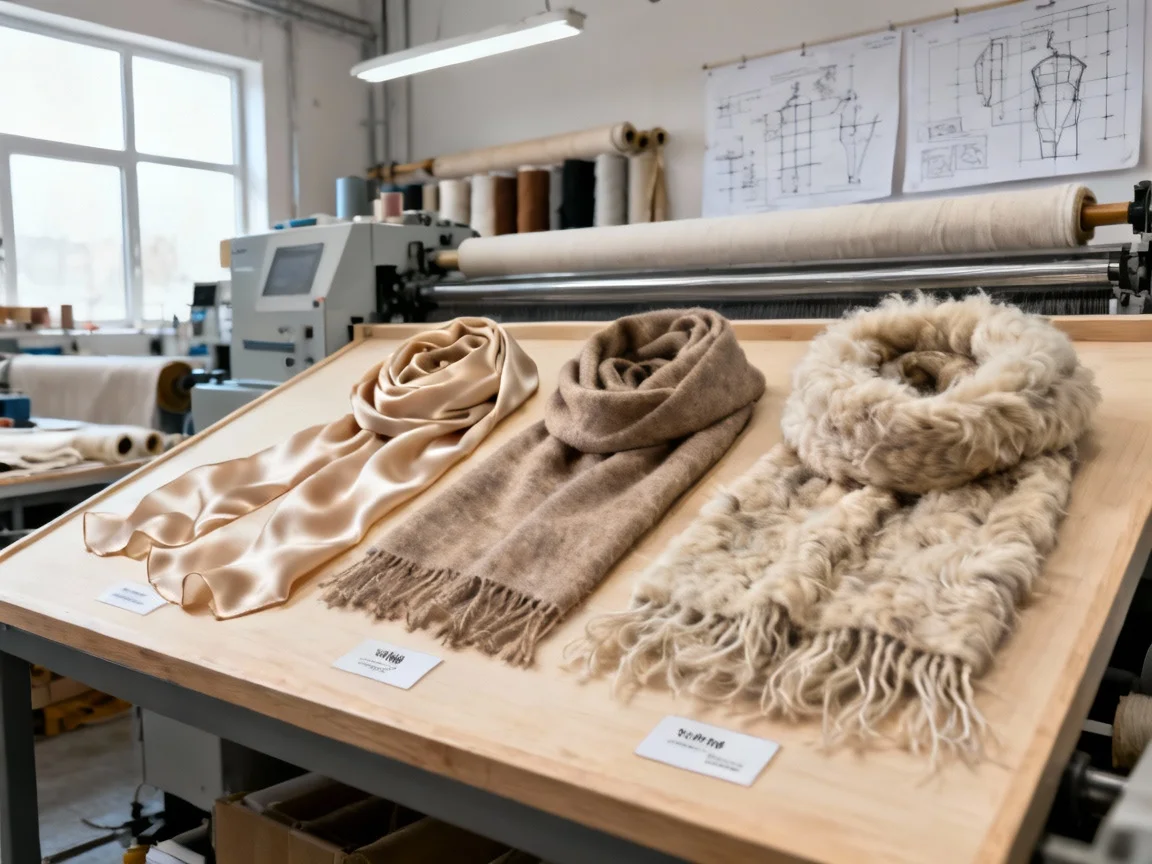
Successful scarf collection development begins with a thorough understanding of the core material categories shaping today's market. Each material offers distinct aesthetic qualities, functional benefits, and price points that appeal to different customer segments.
Luxury Natural Fibers: Silk and Cashmere
Silk remains the pinnacle of luxury scarf materials, valued for its luminous drape, temperature-regulating properties, and ability to showcase intricate prints. The 2025 market shows steady demand for silk scarves, particularly in the premium segment where consumers invest in timeless pieces that transcend seasonal trends. Mulberry silk—with its uniform fiber structure and natural sheen—continues as the gold standard, claiming approximately 35% of the high-end scarf market according to industry reports.
Cashmere, often blended with wool for enhanced durability, offers exceptional softness and insulation ideal for cold-weather accessories. The global cashmere scarf market is projected to grow 7.2% annually through 2025, driven by consumer appreciation for investment pieces that deliver both luxury and functionality.
Versatile Workhorses: Wool and Cotton
Wool scarves—available in various weights and finishes—provide retailers with versatile options ranging from lightweight merino blends to chunky cable-knit styles. The material's natural elasticity and moisture-wicking properties suit both fashion-forward and functional winter accessories. Industry data shows wool-blend scarves constitute approximately 40% of mid-range retail offerings, striking an optimal balance between quality and affordability.
Cotton, particularly organic varieties, has become a staple for warm-weather scarves and casual styles. Its breathability, printability, and easy-care characteristics appeal to contemporary consumers seeking versatile accessories. Sustainable cotton options—including recycled and organic varieties—now represent over 25% of cotton scarf offerings from leading retailers, underscoring the growing importance of eco-conscious sourcing.
Innovative Sustainable Alternatives
The sustainable textile revolution has introduced innovative materials that are reshaping scarf collections worldwide. Recycled polyester—made from post-consumer plastic bottles—has improved significantly, mimicking natural fibers' drape and durability while offering superior water resistance and wrinkle recovery. Tencel™ and lyocell fabrics provide silk-like aesthetics with substantially lower environmental impact during production.
Other emerging sustainable options include bamboo viscose (renowned for its antimicrobial properties) and Piñatex™ (a leather-like material made from pineapple leaf fibers that offers unique textures for avant-garde designs). These materials typically cost 15-20% more than conventional alternatives but resonate strongly with the 35% of consumers who prioritize environmental credentials in their purchasing decisions.
Technical Characteristics and Quality Assessment Criteria
Material selection must consider technical performance, durability, and production feasibility beyond mere aesthetics. Professional assessment involves evaluating multiple factors that directly affect product quality and customer satisfaction.
Fiber Quality and Yarn Construction
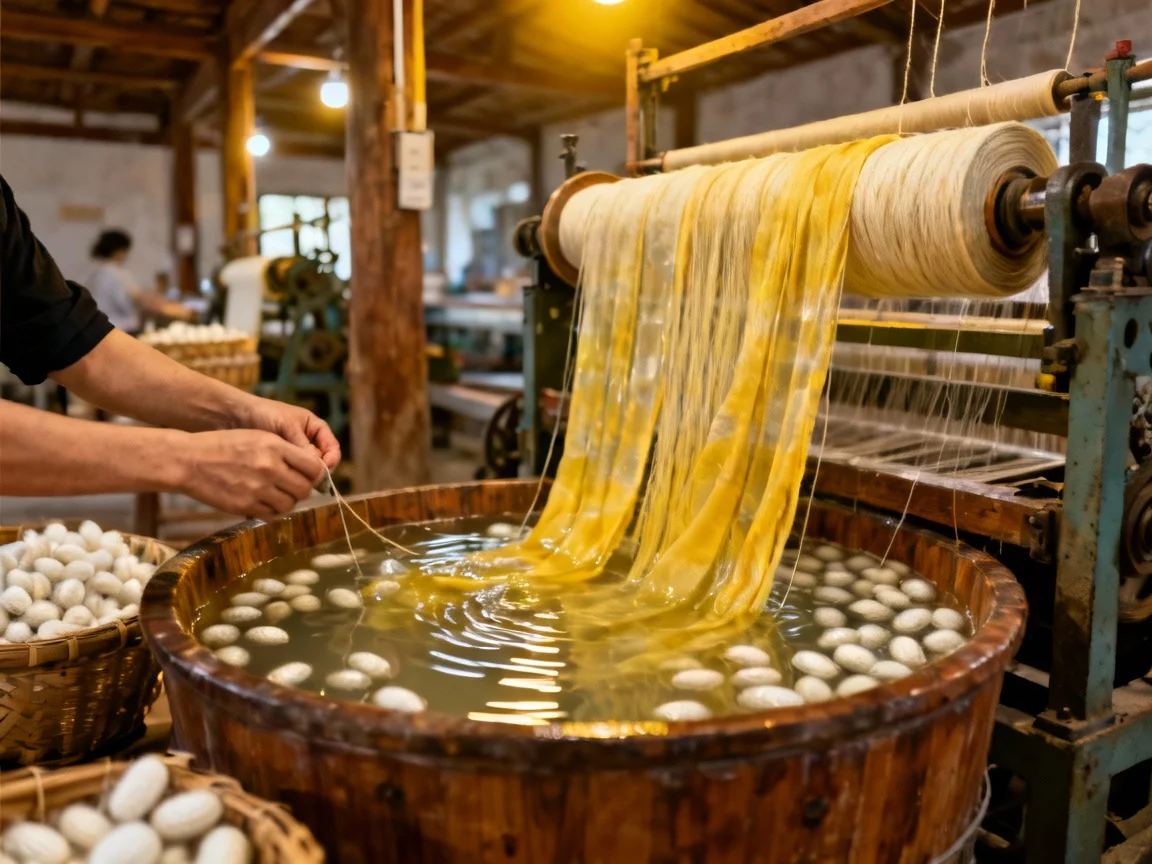
Superior scarf quality begins with fiber characteristics and yarn construction. For silk scarves, industry standards specify a minimum 16 momme weight for adequate durability, with premium collections often utilizing 19-22 momme fabrics. Silk fiber length—measured in meters per gram—directly impacts strength and luster, with longer fibers producing smoother, more durable fabrics.
In wool production, fiber fineness (measured in microns) determines both softness and price point. Cashmere fibers below 19 microns offer exceptional softness for luxury collections, while wool fibers measuring 20-25 microns provide optimal comfort and durability for everyday accessories. Yarn twist is another critical factor; balanced twist ensures dimensional stability and resistance to pilling—especially important for frequently worn scarves.
Performance Metrics for Retail Applications
Retailers should evaluate materials based on performance criteria that align with their target customers' usage patterns. Key metrics include:
- Abrasion resistance: Measured by Martindale testing, indicating how well the fabric withstands friction and wear
- Colorfastness: Assessed under ISO standards for washing, light, and perspiration resistance
- Dimensional stability: Critical for maintaining size and shape after washing and regular wear
- Pilling resistance: Particularly important for wool and blended fabrics
- Drape coefficient: Determines how naturally the material falls when worn
For instance, travel scarves require wrinkle resistance and easy-care properties, while luxury evening scarves prioritize drape and luster over extreme durability. Understanding these technical specifications enables retailers to balance quality expectations with practical performance requirements.
Market Demand Analysis: Silk vs. Wool in 2025
Understanding current market dynamics between silk and wool scarves helps retailers optimize product mix and inventory levels according to consumer preferences and seasonal demand fluctuations.
Seasonal Demand Patterns and Geographic Variations
Market analysis reveals distinct seasonal patterns that influence material selection strategies. Silk scarves demonstrate consistent year-round demand, with peak sales occurring in spring and fall. Silk's lightweight, breathable nature makes it popular for spring accessories and transitional weather, while printed silk squares see increased demand during holiday gift-giving seasons.
Wool and cashmere scarves follow more pronounced seasonal patterns, with sales typically increasing 40-50% during fall and winter months. Geographic variations further influence demand: northern European markets show preference for heavyweight wool blends, while North American consumers often favor medium-weight options suitable for milder winters.
Emerging market trends indicate growing demand for "transitional" scarves—lightweight wool blends and silk-wool combinations that bridge seasonal wardrobes. These versatile pieces address consumers' needs in regions with variable weather patterns and help retailers extend selling seasons.
Price Sensitivity and Profit Margins
Material selection directly impacts retail pricing and profit margins. Silk scarves command premium prices, ranging from $45-65 for basic designs to $120-250 for luxury printed silk squares. While production costs are higher, silk scarves offer healthy margins of 55-65% when retailers effectively market their quality and design uniqueness.
Wool scarves present more accessible price points, typically $35-85 at retail, with margins averaging 50-60%. The wider range reflects variations in wool quality, construction complexity, and design elements. Retailers report that wool blend scarves—combining wool with acrylic or polyester—offer the best balance of quality perception and affordability for price-sensitive segments.
The growing sustainable materials segment creates unique pricing dynamics. While organic and recycled materials cost 15-20% more to produce, consumers increasingly willing to pay premiums (typically 20-30% above conventional alternatives) create comparable or improved margin structures for forward-thinking retailers.
Sustainable Sourcing and Certification Standards
Sustainability has evolved from a niche concern to a mainstream purchasing factor, with 63% of consumers now considering environmental and ethical factors in fashion purchases. Navigating sustainable textile sourcing requires understanding key certification standards and identifying credible suppliers.
Understanding Major Certification Frameworks
Two primary certification systems dominate the sustainable textile market, each with distinct focus areas:
The Global Organic Textile Standard (GOTS) represents the gold standard for organic textiles, covering comprehensive criteria from fiber production through manufacturing. GOTS certification requires at least 70% organic fiber content, with strict limitations on chemical inputs, wastewater treatment, and social responsibility throughout the supply chain. Version 7.2 (implemented in 2024) introduced enhanced traceability and carbon footprint reduction requirements, reflecting evolving expectations of environmentally conscious brands.
OEKO-TEX® Standard 100 takes a different approach, focusing on product safety through rigorous testing for harmful substances. This certification ensures textiles contain no harmful levels of over 300 substances, including pesticides, heavy metals, and formaldehyde. Unlike GOTS, OEKO-TEX doesn't require organic fiber content, making it valuable for conventional materials produced with responsible chemical management.
Retailers should select certification standards based on brand positioning and customer priorities. GOTS resonates strongly with consumers seeking organic and environmentally responsible products, while OEKO-TEX appeals to those primarily concerned with product safety and chemical exposure.
Implementing Sustainable Sourcing Practices
Effective sustainable sourcing requires more than selecting certified materials—it necessitates comprehensive supplier evaluation and relationship management. Industry best practices include:
- Multi-tier supplier assessment: Evaluating not just direct suppliers but also upstream fiber and yarn suppliers to ensure complete supply chain transparency.
- Environmental impact quantification: Requesting water usage, energy consumption, and carbon footprint data for potential materials and comparing these metrics during selection.
- Ethical production verification: Ensuring manufacturing facilities maintain fair labor practices, safe working conditions, and reasonable hours through independent audits.
- Circular economy considerations: Exploring materials that support circular business models, including recyclable constructions and take-back programs.
Retailers report these practices require initial investment but yield significant returns through enhanced brand reputation, customer loyalty, and access to growing consumer segments prioritizing sustainability.
Production Process Considerations and Manufacturer Collaboration
Material selection directly influences production feasibility and manufacturing partnerships. Understanding how different materials behave during production helps retailers set realistic expectations, manage costs effectively, and ensure consistent quality across collections.
Material-Specific Production Requirements
Each material category presents unique production considerations affecting manufacturing partners, lead times, and minimum order quantities:
Silk production demands specialized expertise in handling delicate fibers and achieving precise color results. Digital printing on silk requires specific pigmented inks and curing processes to ensure color fastness while maintaining the fabric's natural luster. Retailers should expect longer production lead times for silk scarves—typically 4-6 weeks for custom designs—and higher minimum order quantities, often starting at 50-100 pieces per design.
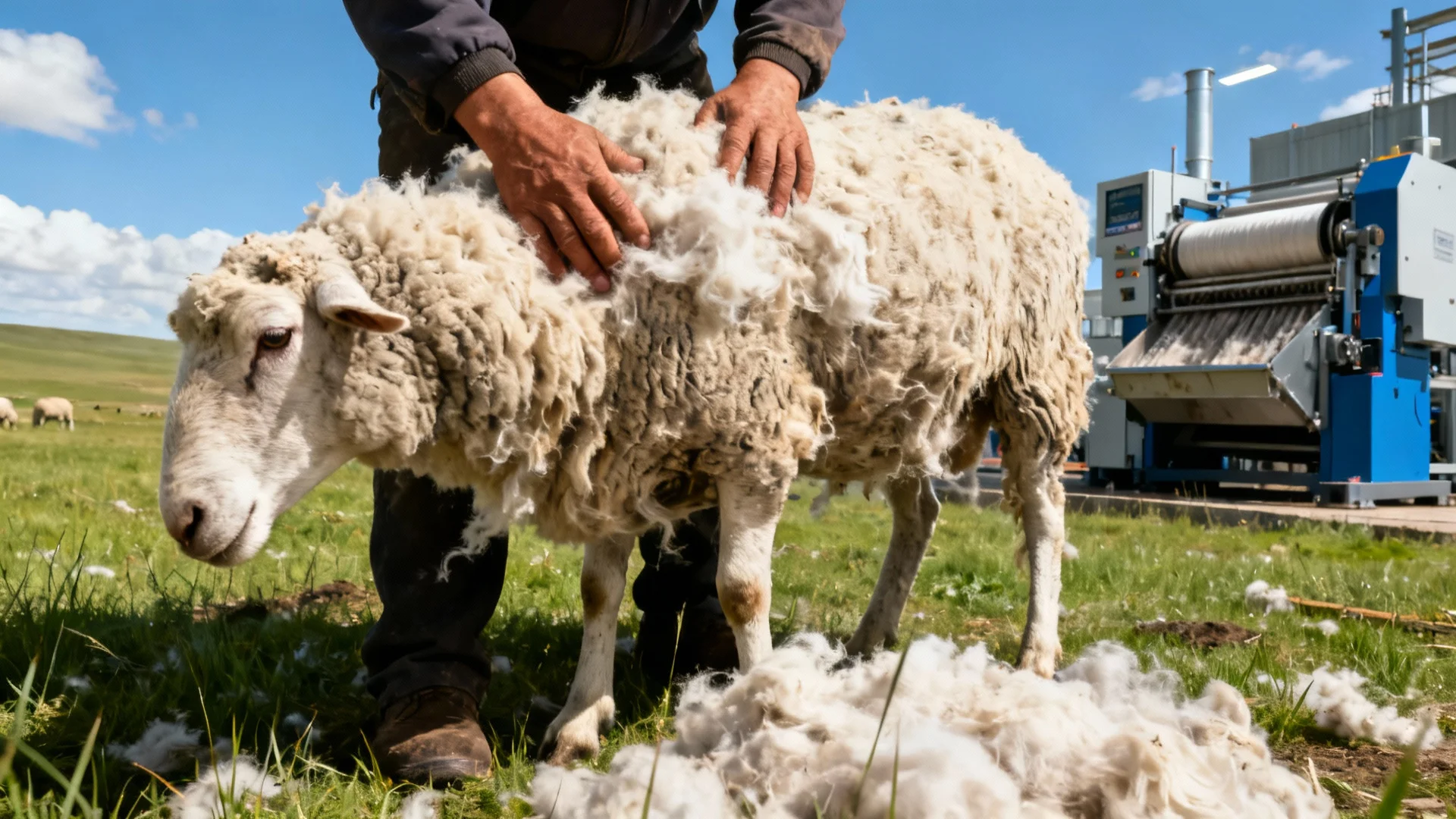
Wool processing includes additional steps like scouring, carding, and potentially felting, which impact production time and cost. Wool dyeing requires careful temperature control and pH management for consistent results. Wool scarves generally offer more flexibility in minimum order quantities, with some manufacturers accepting orders as low as 30-50 pieces for basic designs.
Emerging sustainable materials present their own production learning curve. Recycled polyester needs specialized handling to prevent fiber damage during processing, while natural alternatives like bamboo and hemp may have specific dyeing requirements. Retailers entering this space should allow extra development time and sample iterations to ensure production feasibility.
Digital Printing Advancements and Design Flexibility
Digital textile printing advancements have revolutionized scarf production, offering unprecedented design flexibility and efficiency. The 2025 landscape features high-resolution printing capabilities that reproduce intricate designs with exceptional clarity, supporting the growing consumer demand for unique, artist-inspired scarf designs.
Key benefits of digital printing for scarf production include:
- Reduced waste: Eliminates screen preparation and minimizes ink usage compared to traditional methods
- Design flexibility: Enables complex patterns, gradient colors, and photo-realistic imagery previously impossible with conventional printing
- Shorter lead times: Reduces development cycles by 30-40% compared to traditional methods
- Small-batch production: Allows limited-edition runs and seasonal specials with reduced inventory risk
Retailers utilizing these technologies report increased customer engagement with exclusive designs and improved inventory turnover through more frequent design refreshes. When selecting materials specifically for digital printing, look for smooth, tightly woven fabrics that provide optimal surface quality for detailed designs.
Developing a Strategic Material Selection Framework
Effective scarf material selection requires a systematic approach that aligns with business objectives, target customer preferences, and market positioning. This framework guides retailers through a decision-making process that balances aesthetic, commercial, and practical considerations.
Key Decision Criteria for Retailers
Successful retailers prioritize these factors when evaluating scarf materials for their collections:
- Brand alignment: Does the material reflect the brand's positioning—luxury, accessible, sustainable, or trend-driven?
- Customer profile match: Does the material meet the performance expectations and price sensitivity of the target customer?
- Seasonal appropriateness: Does the material address the climate needs and seasonal wardrobe transitions of the target market?
- Design compatibility: Does the material enhance the design vision rather than limiting creative possibilities?
- Supply chain feasibility: Are reliable suppliers available at competitive price points with acceptable minimum order quantities?
- Margin potential: Does the material allow for appropriate pricing and healthy profit margins?
- Sustainability credentials: Does the material align with the brand's environmental and ethical commitments?
By systematically evaluating materials against these criteria, retailers make selection decisions that support both creative and commercial objectives.
Case Study: Balancing Tradition and Innovation
Industry leaders demonstrate how strategic material selection can differentiate brands while meeting market demands. One mid-range fashion retailer successfully introduced a signature collection of silk-wool blend scarves that achieved remarkable market penetration. By combining silk's luxury perception with wool's warmth and durability, the brand created a distinctive product addressing seasonal transition needs at a competitive $79 price point.
The collection utilized digital printing technology to create exclusive patterns that competitors couldn't easily replicate. It also implemented a transparent supply chain narrative highlighting traditional craftsmanship and sustainable production practices. Within one year, this scarf collection became a brand signature, driving customer loyalty and serving as a gateway to higher-priced categories.
This example illustrates how thoughtful material selection—considering market positioning, production capabilities, and consumer preferences—can yield significant business benefits beyond basic product offerings.
Navigating Market Trends and Future Developments
The scarf material landscape continues to evolve, driven by technological innovations, shifting consumer preferences, and sustainability imperatives. Retailers staying informed about emerging developments can position themselves as industry leaders while capturing new market opportunities.
Anticipated Material Innovations for 2025-2026
Industry forecasts highlight several notable developments on the horizon:
Smart textile integration represents an emerging frontier, with early applications including temperature-regulating scarves with phase-change materials and UV-protective fabrics with indicator technology. While still in development stages, these functional innovations offer significant differentiation opportunities for forward-thinking retailers.
Biofabrication—producing textiles from lab-grown materials—is advancing from concept toward commercial viability. Several startups are developing silk-like fibers through microbial fermentation, potentially offering cruelty-free alternatives with reduced environmental impact compared to conventional silk production.
Enhanced circularity will continue driving material innovation, including self-cleaning textile treatments that extend product lifespan and improved recycling technologies enabling closed-loop production systems. Retailers should monitor these developments closely as they transform sustainability from a marketing advantage to an operational necessity.
Building Supplier Relationships for Material Innovation
Access to innovative materials often depends on developing strong relationships with forward-thinking suppliers. Retailers report regular factory visits, active participation in textile trade shows, and open communication about future needs are essential for staying ahead of material trends.
Consider forming strategic partnerships with material innovation centers or textile development labs. These collaborations can provide early access to emerging fabrics and technical support for incorporating new materials into existing collections. While requiring investment, these partnerships offer significant competitive advantages through exclusive material access and technical expertise.
As the industry moves toward greater transparency and sustainability, these supplier relationships become even more critical. Retailers increasingly rely on manufacturing partners to provide verified environmental impact data and ethical production assurances.
Conclusion: From Material Selection to Market Success
Creating a successful scarf collection involves balancing artistic vision, technical performance, market demand, sustainability commitments, and production feasibility. In today's competitive landscape, material selection has evolved from purely aesthetic consideration to a strategic business decision impacting brand positioning, customer loyalty, and bottom-line performance.
By approaching material selection with systematic evaluation, utilizing recognized sustainable certification standards, embracing technological advancements, and developing strong supplier relationships, retailers can create scarf collections that resonate with consumers while driving business growth. The most successful scarf programs combine deep material knowledge with creative vision, recognizing that the right material choice can transform a simple accessory into a brand-defining product.
As you develop your scarf collection, remember that material storytelling—communicating the origins, benefits, and craftsmanship behind chosen fabrics—has become nearly as important as the materials themselves. In an increasingly transparent marketplace, consumers seek connection and meaning in purchases, making informed material selection the foundation of both product excellence and brand authenticity.