In today's competitive fashion accessories market, material selection serves as the cornerstone of high-quality scarf production, balancing aesthetics, functionality, and market appeal. With over a decade of experience collaborating with boutiques and fashion brands worldwide, I've witnessed how strategic material choices directly impact product differentiation, customer satisfaction, and brand reputation. This comprehensive guide shares actionable insights for selecting scarf materials that meet today's demanding market standards while aligning with sustainability goals and manufacturing practicalities.
Understanding Scarf Material Fundamentals
Exceptional scarf production begins with a thorough understanding of how material properties translate to real-world performance and customer perception. When evaluating fabrics, manufacturers must consider criteria beyond mere appearance, including functional performance, sustainability credentials, and production feasibility.
Natural Fiber Selection
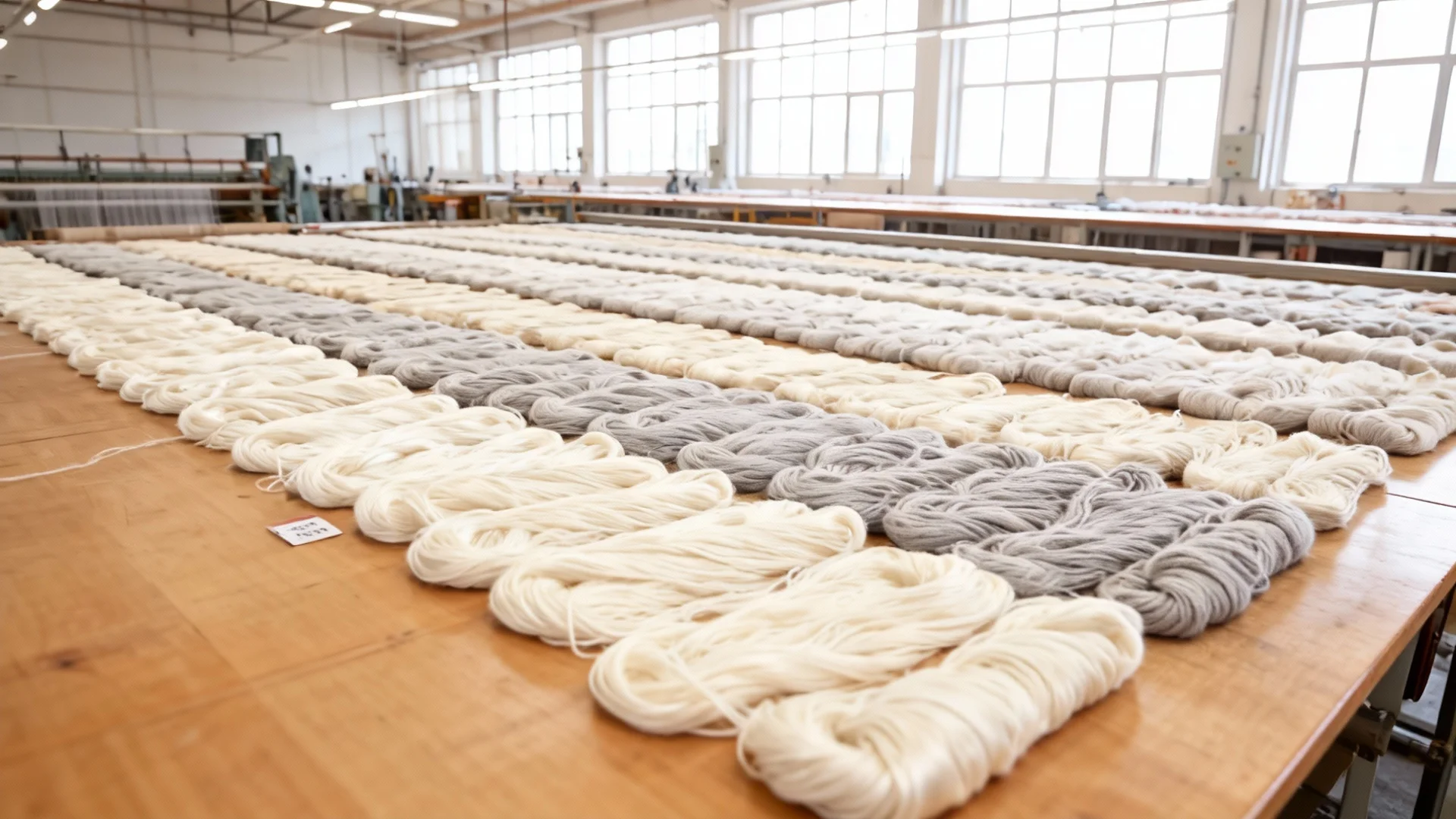
Natural fibers dominate the premium scarf segment, with silk and cashmere remaining timeless favorites. Silk—particularly mulberry silk with 10-12 micron fiber diameter—offers unmatched drape and luster that elevates luxury designs. Cashmere, sourced from Himalayan goat undercoats, provides exceptional warmth-to-weight ratio, with premium grades measuring 14-16 microns in diameter. These natural materials offer inherent breathability and biodegradability, aligning with the 66% of global consumers who prioritize sustainable brands according to recent market research.
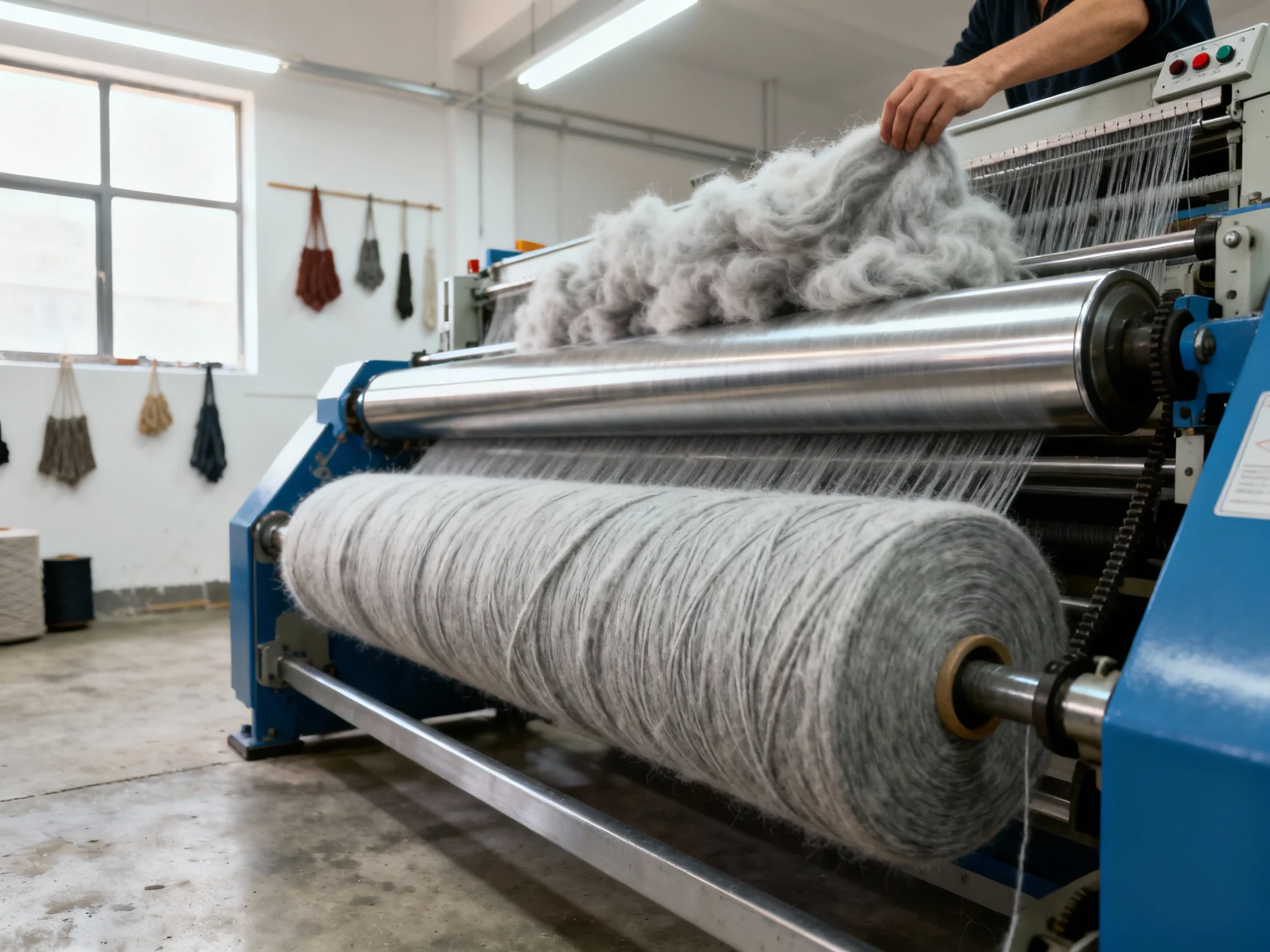
Wool varieties serve diverse applications, from merino wool's moisture-wicking properties (20-24 micron range) to alpaca fiber's natural resistance to pilling and stretching. Cotton—especially GOTS-certified organic varieties—offers versatility for seasonal designs, with Egyptian cotton providing longer staple lengths (38-46mm) for enhanced softness and durability. Linen brings distinctive texture and thermoregulatory properties but requires careful handling due to lower tensile strength (typically 2.5-3.5 g/denier).
Synthetic and Blended Fiber Options
Synthetic and blended fibers have evolved significantly, offering viable alternatives to traditional materials. Recycled polyester (rPET) now stands as an environmentally responsible option that reduces environmental impact by diverting plastic waste from landfills. Modern acrylic fibers offer improved softness and drape that closely mimic natural wool, addressing traditional drawbacks. Polyester-cotton blends (often 65/35 or 50/50 ratios) deliver enhanced durability and wrinkle resistance, ideal for travel-focused designs. These materials excel in color retention—solution-dyed synthetics maintain vibrancy through 50+ wash cycles compared to 20-30 cycles for conventional dyeing methods.
Material Trade-off Considerations
Choosing between natural and synthetic materials involves nuanced trade-offs across several dimensions:
- Thermal Performance: Wool and cashmere offer superior insulation with less bulk, while cotton and linen provide breathability for warmer climates
- Durability Metrics: Polyester blends typically achieve 20-30% higher abrasion resistance (measured via Martindale testing) than natural fibers
- Care Requirements: Natural fibers often need specialized care (dry cleaning for silk, gentle washing for wool), while synthetics offer greater wash-and-wear convenience
- Environmental Impact: Biodegradability favors natural fibers, though organic certification and closed-loop recycling for synthetics are reshaping this landscape
- Cost Structure: Cashmere and silk command premium pricing (raw material costs 3-5x higher than wool), while synthetics offer better price stability and volume scalability
Understanding these fundamental properties helps manufacturers make intentional material selections that align with product objectives and target market expectations.
2025 Material Trends and Innovations
The scarf material landscape is transforming rapidly due to technological innovation, sustainability demands, and evolving consumer preferences. As we move through 2025, three key trends are reshaping material selection strategies for forward-thinking manufacturers and brands.
Biotechnology Fibers
Biotechnology has emerged as a game-changer in sustainable textile production. Protein-based fibers are gaining traction among luxury and eco-conscious brands. The most notable example is Brewed Protein™ technology from Japanese firm Spiber, which uses microbial fermentation to produce silk-like fibers. Burberry recently introduced a scarf blending 30% Brewed Protein™ fiber with wool and cashmere, demonstrating commercial viability. This innovation offers comparable softness (3.2 on the Kawabata Evaluation System's handle value) to conventional luxury materials while reducing environmental impact by 40% compared to traditional silk production.
Recycled and Upcycled Materials
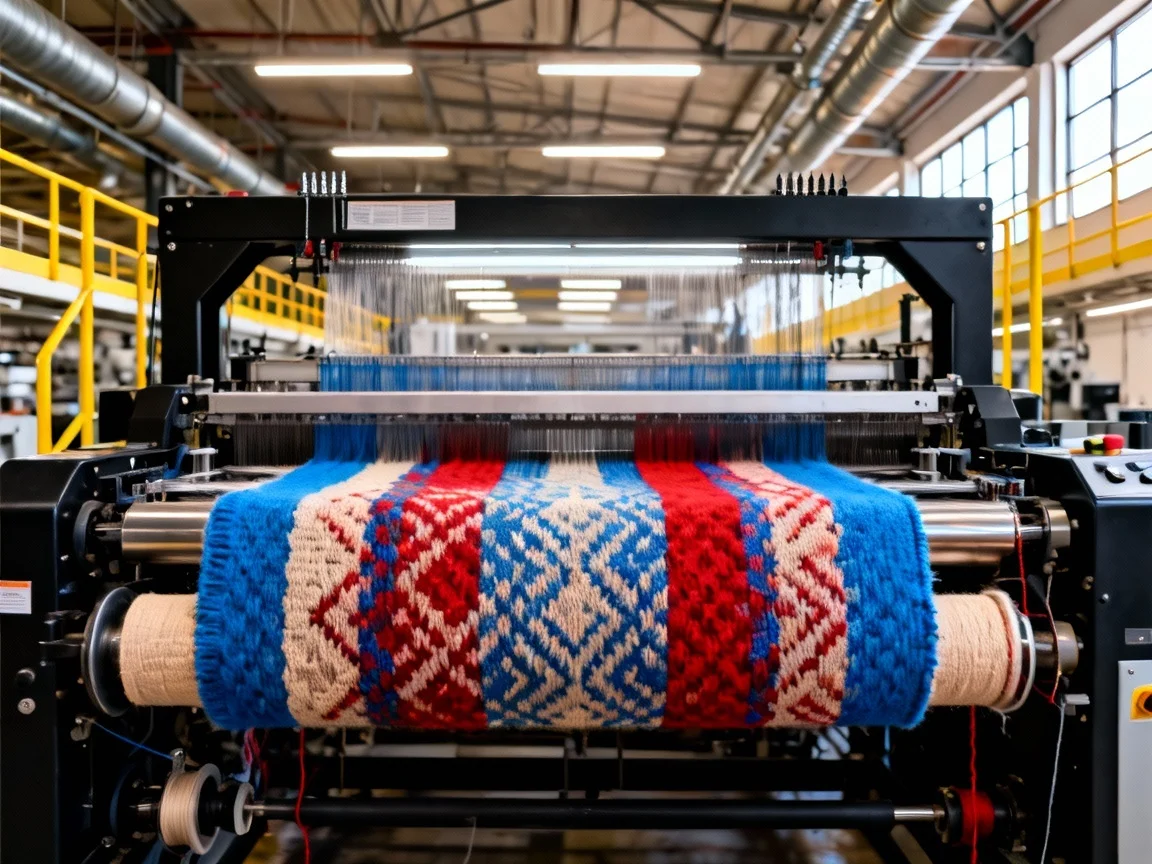
Recycled and upcycled materials have moved from niche to mainstream, with technological advancements addressing past limitations in quality and aesthetics. Recycled polyester (rPET) sourced from post-consumer plastic bottles now achieves fiber qualities indistinguishable from virgin polyester. Leading manufacturers produce rPET fibers with denier ranges from 30d to 150d suitable for various scarf weights. Similarly, recycled cashmere—sourced from post-industrial waste and excess stock—gains acceptance in premium markets when blended with 20-30% virgin fibers to maintain performance. The global market for recycled textile materials in accessories is projected to grow at a CAGR of 8.32% through 2032, reflecting both consumer demand and brand sustainability commitments.
Smart Textile Integration
Smart textile integration represents the cutting edge of functional innovation. Phase change materials (PCMs) and conductive fibers create new possibilities for performance scarves. PCM-infused fabrics absorb and release heat based on ambient temperature changes, ideal for seasonal transitional designs. They offer temperature regulation within a 5-10°C range. Conductive yarns woven into scarf designs enable subtle heating elements or interactive features, though current applications remain limited to premium technical accessory segments. These innovations require careful material compatibility testing, as smart textile components often have specific care requirements and performance lifespans (typically 50-100 wash cycles for PCM treatments).
Manufacturing Considerations for Innovative Materials
Adopting these innovative materials involves distinct manufacturing considerations:
- Biotech Fibers: Require specialized dyeing processes due to unique protein structures; compatible with natural dye systems but may need pH adjustments
- Recycled Materials: Often need additional cleaning to remove contaminants; may have variable fiber lengths affecting spinning consistency
- Smart Textiles: Demand precision in yarn placement and potential integration with electronic components; require conductive thread compatibility testing
Material innovation increasingly follows circular economy principles. Brands explore closed-loop systems where end-of-life scarves get collected and regenerated into new fiber sources. This shift comes with enhanced transparency, as blockchain technology enables material provenance tracking from fiber to finished product. As these innovations mature, they're expected to address traditional trade-offs between sustainability, performance, and cost—creating new differentiation opportunities in the competitive scarf market.
Technical Evaluation Framework for Scarf Materials
Selecting the optimal scarf material requires systematic evaluation across multiple performance dimensions. Each dimension carries different weight depending on target application, seasonality, and market positioning. This technical framework gives manufacturers and brand partners objective criteria for material assessment, ensuring alignment with functional requirements and quality standards.
Performance Testing Parameters
Abrasion resistance serves as a critical durability indicator, particularly for everyday wear scarves. The Martindale abrasion test (ASTM D4966) provides quantitative data on material longevity. Premium scarves typically require a minimum of 5,000 cycles without significant pilling or fiber breakage. For luxury cashmere scarves, industry standards often specify 7,000+ cycles, achievable through tighter weave structures and higher yarn twist levels (3.5-4 twists per inch).
Colorfastness testing ensures scarves maintain their visual appeal through regular use and cleaning. ISO 105-C06 evaluates colorfastness to domestic washing, with a rating of 4/5 or higher recommended for commercial viability. For silk scarves, additional testing under ISO 105-E04 (colorfastness to perspiration) is advisable due to silk's protein structure sensitivity to acidic conditions. Lightfastness (ISO 105-B02) becomes particularly important for brightly colored or window-displayed scarves, where a minimum rating of 5 on the blue wool scale prevents premature fading.
Dimensional stability testing prevents customer dissatisfaction from post-wash shrinkage or stretching. According to ASTM D2259, acceptable shrinkage limits for woven scarves typically range from 2-3% in length and 1-2% in width, with tighter tolerances (±1%) for luxury silk designs. Knitted scarves generally allow higher shrinkage thresholds (3-4%) due to inherent elasticity, though significant variation may indicate inadequate finishing processes.
Pilling resistance—measured using the Random Tumble Pilling Tester (ASTM D3512)—matters especially for wool and blended materials. Premium scarves should achieve a rating of 4 or higher on the 5-point scale, indicating minimal pilling after 100 cycles. This is typically achieved through fiber selection (longer staple lengths), yarn processing (condensed spinning), and finishing treatments (singeing to remove loose fibers).
Tactile Properties Assessment
Hand feel evaluation combines quantitative testing with sensory analysis to ensure alignment with consumer expectations. The Kawabata Evaluation System (KES) provides objective measurements of bending stiffness, shear properties, and compression behavior—translating into tactile descriptors like "softness," "drape," and "fullness." For luxury scarves, specific KES values are targeted:
- Bending rigidity (B) below 0.5 gf·cm²/cm for silk scarves requiring fluid drape
- Shear stiffness (G) in the range of 0.1-0.3 gf/cm·deg for cashmere to maintain supple handle
- Compression energy (WC) above 5 gf·cm/cm² for perceived luxury and warmth
Thermal resistance, measured via the guarded hot plate method (ISO 11092), quantifies a material's insulating properties. This parameter varies significantly by material type:
- Lightweight silk: 0.03-0.05 m²·K/W (suitable for spring/summer)
- Wool blends: 0.08-0.12 m²·K/W (ideal for transitional seasons)
- Heavy cashmere: 0.15-0.20 m²·K/W (appropriate for winter designs)
Breathability, evaluated through water vapor transmission rate (WVTR) testing, ensures comfort across wearing conditions. Natural fibers typically exhibit superior breathability:
- Cotton: 3000-5000 g/m²/24h
- Linen: 4000-6000 g/m²/24h
- Silk: 5000-7000 g/m²/24h
- Polyester: 2000-3500 g/m²/24h
Sustainability Metrics
Environmental impact assessment incorporates both material sourcing and production processes. The Higg Materials Sustainability Index provides a standardized framework for evaluating materials across five impact categories:
- Global warming potential (kg CO₂e/kg material)
- Water scarcity footprint (m³ H₂O/kg material)
- Abiotic depletion potential (kg Sb eq/kg material)
- Eutrophication potential (kg PO₄³⁻ eq/kg material)
- Human toxicity potential (kg 1,4-DB eq/kg material)
Certification verification ensures sustainability claims are substantiated through recognized standards:
- GOTS (Global Organic Textile Standard): Applies to organic fibers, covering environmental and social criteria throughout production
- OEKO-TEX® Standard 100: Guarantees absence of harmful substances (tested for 100+ chemicals)
- RCS (Recycled Claim Standard): Verifies recycled material content and chain of custody
- Fair Trade Certified™: Ensures fair compensation and safe working conditions for farmers and workers
Practical Application Considerations
Care requirements directly impact consumer satisfaction and should match target market expectations:
- Dry clean only: Typical for 100% silk and cashmere scarves; may limit accessibility for mass market
- Hand wash recommended: Common for wool blends; requires clear care instructions
- Machine washable: Preferred for casual scarves; achievable with cotton, polyester blends (typically 30°C gentle cycle)
Production feasibility assessment ensures material selection matches manufacturing capabilities:
- Weaving compatibility: Some delicate fibers require specialized looms or slower production speeds
- Dye uptake: Natural fibers generally offer better dye absorption and color depth
- Seam strength: Synthetic blends typically provide higher seam efficiency (85-95% of base fabric strength vs. 70-80% for natural fibers)
This technical evaluation framework enables data-driven material decisions, reducing performance issue risks and ensuring alignment with quality expectations. By systematically assessing these parameters, manufacturers select materials that deliver on functional requirements while supporting brand positioning—whether that involves ultra-soft luxury, durable everyday wear, eco-conscious sustainability, or technical performance.
Strategic Material Selection for Target Applications
Optimal scarf materials vary dramatically based on specific use cases, seasonal requirements, and market positioning. Manufacturers need a strategic approach that aligns material properties with end-user expectations. This section provides targeted guidance for common scarf categories, addressing unique application demands while considering production practicalities and cost implications.
Seasonal Material Optimization
Summer scarf designs prioritize breathability and lightweight comfort, making linen and cotton blends ideal. Linen-cotton blends (typically 55/45 to 70/30 ratios) offer the best of both worlds: linen's exceptional moisture-wicking properties (4000-6000 g/m²/24h WVTR) and cotton's softness and dye retention. These blends perform well in warm climates, providing natural UV protection (UPF 15-30 depending on weave density) and excellent drape for elegant styling. For luxury summer scarves, silk crepe de chine (12-16 momme) offers unparalleled轻盈ness with a subtle texture that resists clinging, while maintaining silk's natural temperature regulation properties suitable for both warm and cool conditions.
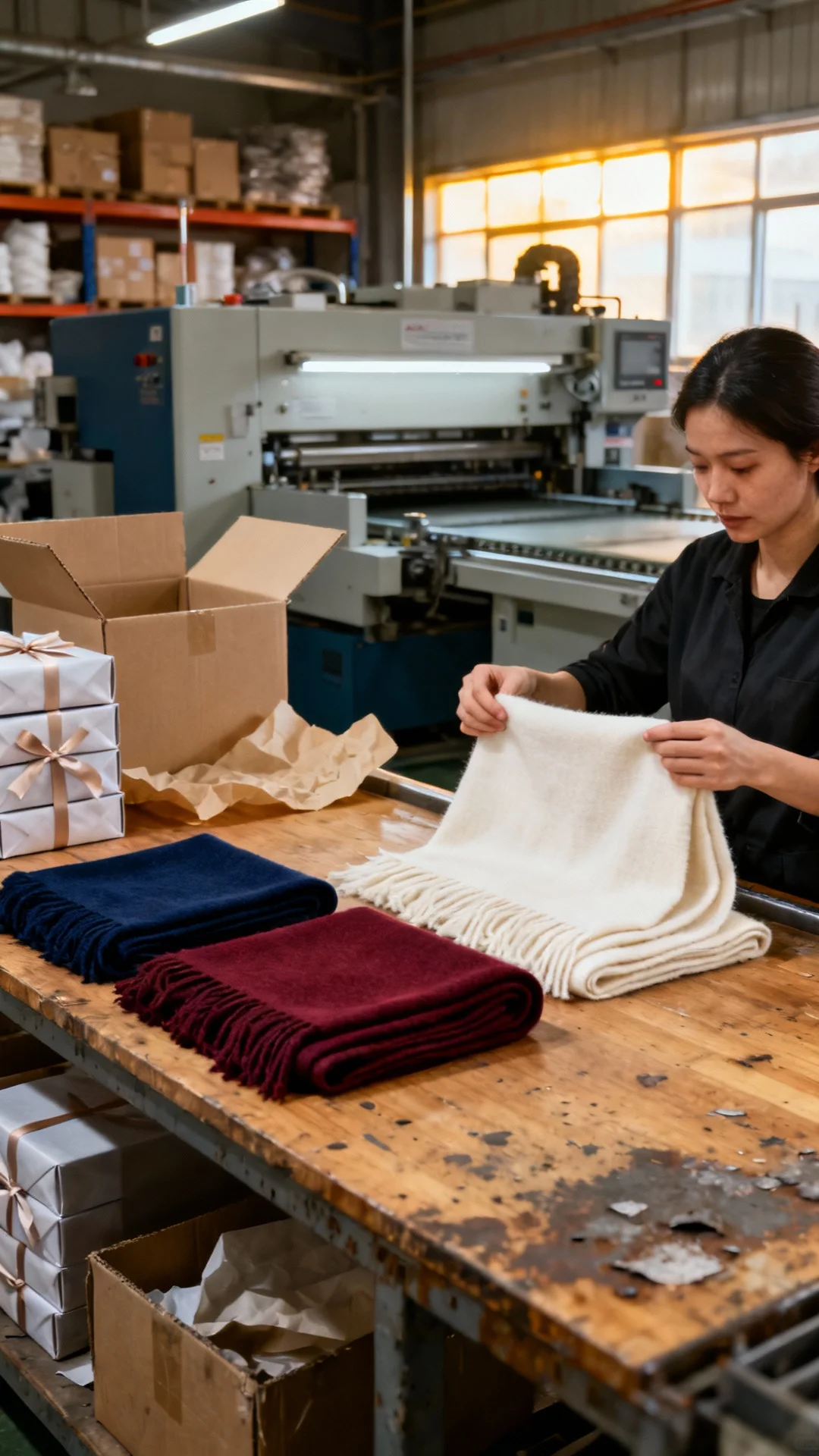
Transitional season scarves (spring/autumn) demand versatility, balancing warmth with breathability. Merino wool-cotton blends (60/40) provide an optimal combination, offering merino's natural moisture management and cotton's soft hand feel. These blends typically weigh 120-180 g/m², providing sufficient warmth for cooler mornings while remaining comfortable as temperatures rise. For fashion-forward transitional designs, Tencel®-wool blends offer enhanced drape and subtle sheen, with the lyocell component contributing sustainable credentials through closed-loop production processes. Technical considerations for transitional materials include ensuring adequate pilling resistance (minimum 4/5 rating) and maintaining dimensional stability across temperature fluctuations.
Winter scarves prioritize thermal performance and durability, with cashmere and wool blends leading the category. Pure cashmere scarves (14-16 micron fiber diameter) offer exceptional warmth-to-weight ratio, typically weighing 200-300 g/m² while providing superior insulation (0.15-0.20 m²·K/W thermal resistance). For more affordable luxury, cashmere-wool blends (30/70 to 50/50) maintain much of cashmere's softness at a lower price point. Technical winter scarves may incorporate performance elements like wind-resistant membranes or fleece backings, though these additions must balance against aesthetic considerations. Heavy winter scarves should demonstrate excellent seam strength (>25 N) and resistance to compression fatigue to maintain loft and warmth retention over multiple seasons.
Market Segment-Specific Recommendations
Luxury boutiques require materials that communicate exclusivity and craftsmanship. 100% Mongolian cashmere (Grade A, 15 micron) and pure mulberry silk (16-19 momme) remain perennial favorites, valued for natural luster and tactile indulgence. These materials often feature specialized finishes like hand-rolled hems (silk) or hand-fringing (cashmere) that highlight artisanal production. Limited-edition luxury scarves increasingly incorporate rare fibers such as qiviut (musk ox underwool) or vicuña, though these come with significant cost implications (up to 5x the price of cashmere) and ethical sourcing considerations. For luxury sustainable positioning, look for GOTS-certified organic silk or cashmere from regenerative grazing programs, which can command 20-30% price premiums while appealing to environmentally conscious affluent consumers.
Contemporary fashion brands targeting style-conscious millennials and Gen Z consumers benefit from innovative material combinations that balance trend-forward aesthetics with accessibility. Recycled polyester-silk blends (70/30) offer the drape and visual appeal of silk at a more accessible price point while incorporating sustainability credentials. Technical fabrics with performance features—such as water-repellent treatments for urban scarves or UV protection (UPF 50+) for resort collections—provide functional differentiation. Material storytelling matters particularly for this segment, with transparent supply chains and innovative production methods (like digital printing on demand to reduce waste) resonating with values-driven consumers. Bold color saturation, achievable through solution-dyed synthetics, aligns with seasonal fashion trends while ensuring color consistency across extended product runs.
Mass market retailers prioritize durability, affordability, and easy care, making polyester-cotton blends (65/35) and acrylic-wool blends (50/50) workhorse materials. These combinations offer the aesthetic qualities of natural fibers with enhanced practicality: reduced wrinkling, machine washability, and improved color retention. For value-driven sustainable options, recycled polyester made from post-consumer plastic bottles provides an eco-friendly narrative at price points accessible to mainstream consumers. Performance features like anti-pilling treatments (achieving 4+ rating on the ICI pilling scale) and stain resistance add perceived value without significant cost increases. Mass market scarves should be evaluated for consistent quality across production runs, with tight tolerances for weight variation (<5%) and color matching (Delta E <1.5).
Corporate gift and uniform programs require materials that balance brand representation with durability and cost-effectiveness. Cotton-polyester blends offer excellent printability for logo application while maintaining professional appearance through multiple washes. For these applications, material selection should prioritize colorfastness (minimum 4/5 rating), shrink resistance (<3%), and durability to withstand daily wear. Sustainable options like recycled polyester-cotton blends provide an opportunity for companies to demonstrate environmental commitment through their branded accessories without compromising on performance or increasing costs significantly.
---
[Scarf Manufacturing Process Guide]
[Sustainable Textile Materials Overview]
[Custom Scarf Design Specifications]
[Luxury Scarf Quality Standards]
[Boutique Accessory Sourcing Guide]
SEO Metadata:
- Meta Title: Expert Guide to Scarf Materials Selection for Manufacturers
- Meta Description: Comprehensive guide on selecting high-quality scarf materials, comparing natural vs. synthetic options, sustainability trends, and technical considerations for boutique and brand partners.
- Focus Keywords: ["scarf material selection", "sustainable scarf fabrics", "luxury scarf materials", "custom scarf manufacturing", "scarf production guide"]
- Alt Tags: ["scarf material comparison chart", "sustainable textile production", "luxury scarf fabric samples", "biotech fiber applications", "scarf manufacturing workflow"]