In today's competitive fashion accessories market, digital textile printing quality on scarves serves as a critical brand differentiator. With extensive experience in textile innovation and production, I've witnessed firsthand how strategic material choices directly impact print quality, durability, and market reception. This comprehensive guide integrates the latest direct-to-fabric printing advancements with practical material selection frameworks for scarf production, empowering fashion businesses to balance aesthetic requirements with technical feasibility.
Understanding Direct-to-Fabric Printing Technology for Scarves
Direct-to-fabric digital printing has revolutionized scarf production by offering unprecedented design flexibility and operational efficiency compared to traditional methods. This technology utilizes advanced inkjet systems that apply colorants directly to textile substrates, eliminating the need for screen preparation and enabling cost-effective on-demand production runs. The precision of this method allows for intricate patterns, seamless gradient transitions, and photo-realistic imagery that significantly enhance the value proposition of high-end scarves.
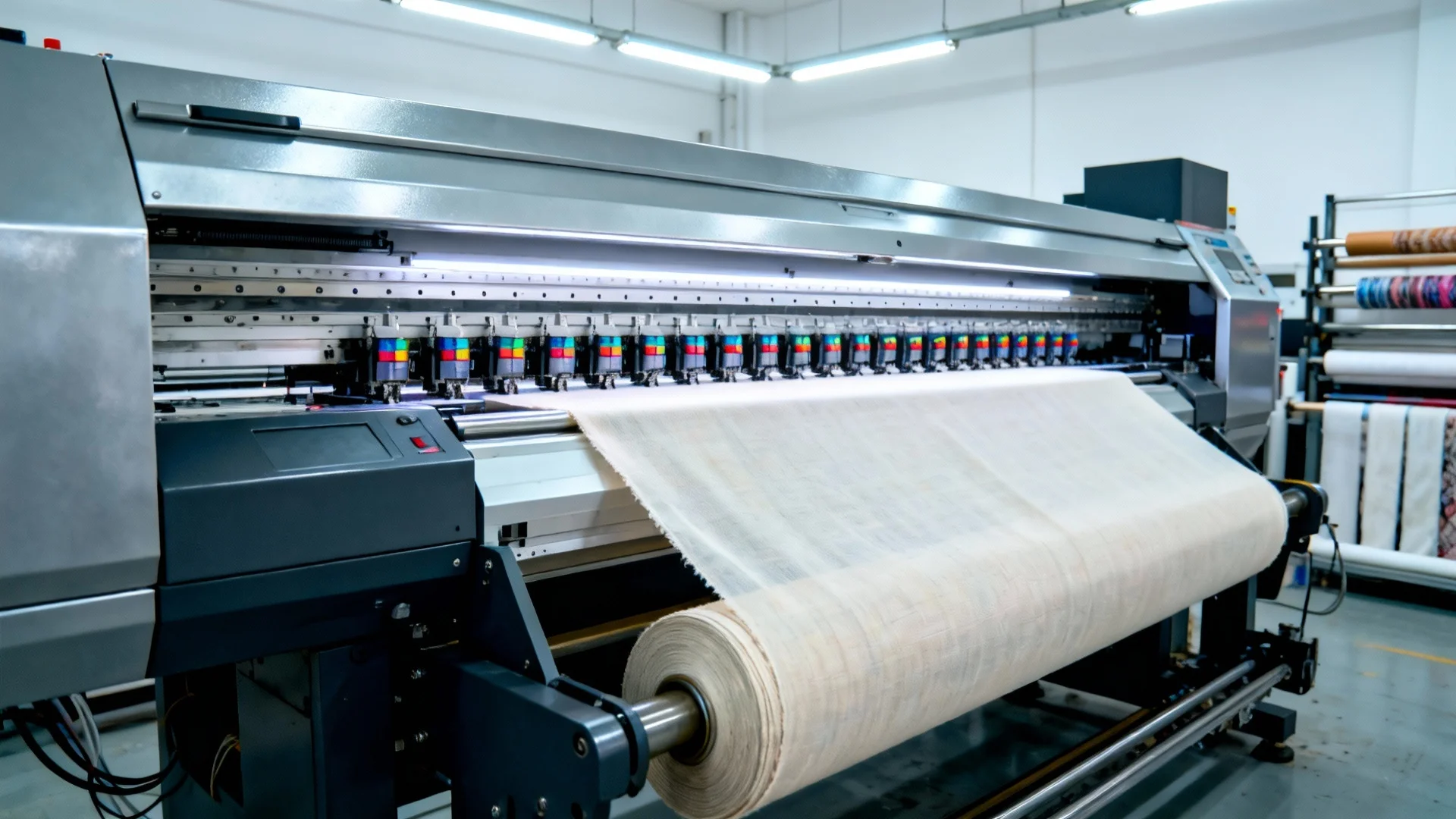
A key advantage of direct-to-fabric printing lies in its ability to preserve the inherent properties of delicate scarf materials while delivering exceptional print quality. Unlike sublimation printing, which employs high heat that can damage sensitive fibers, modern direct-to-fabric systems operate at lower temperatures and utilize specialized inks formulated for diverse textile types. This technological advancement has expanded printable scarf materials from traditional silk to innovative sustainable blends, opening new creative possibilities for designers.
Industry developments through 2025 have further refined this technology, with high-speed printers like the Atexco Vega iX1 now capable of producing up to 2,000 meters daily without sacrificing resolution. This powerful combination of speed and precision makes digital direct-to-fabric printing viable for both small-batch artisanal production and large-scale commercial operations, effectively meeting the diverse needs of boutique owners and established fashion brands alike.
Key Fabric Properties for Digital Scarf Printing
Selecting optimal fabrics for digital scarf printing requires a comprehensive evaluation of critical material properties that influence print outcome and performance. Textile substrate porosity significantly affects ink absorption and color vibrancy, with fabrics demonstrating moderate porosity typically yielding the best results by allowing sufficient ink penetration while maintaining sharp detail definition.
Surface tension characteristics present another crucial consideration, as excessively hydrophobic materials may cause ink beading, while overly absorbent fabrics can result in color bleeding and reduced definition. Achieving the right balance requires both material selection expertise and print parameter optimization.
Fiber composition remains one of the most important considerations in material selection. Natural fibers like silk and cotton offer distinct aesthetic advantages for scarves, with their inherent drape and texture enhancing the luxury appeal of printed designs. These natural substrates often require specialized pre-treatment to optimize ink adhesion and color fastness. Synthetic fibers such as polyester provide excellent color retention and durability but may lack the tactile qualities desired in high-end accessories. Blended fabrics strategically combine natural fibers' aesthetic benefits with synthetics' performance characteristics, offering an optimal balance for many applications.
Fabric physical structure, including weave type and thread count, directly impacts print resolution and detail reproduction. Tightly woven fabrics with higher thread counts generally produce sharper images and more vibrant colors, making them ideal for intricate scarf designs. However, these fabrics may present challenges with ink penetration and drying time, requiring careful printing parameter adjustments. Lightweight fabrics, typically preferred for scarves, need specialized handling to prevent distortion during printing and maintain structural integrity throughout the production process.
Comparative Analysis of Scarf Materials for Digital Printing
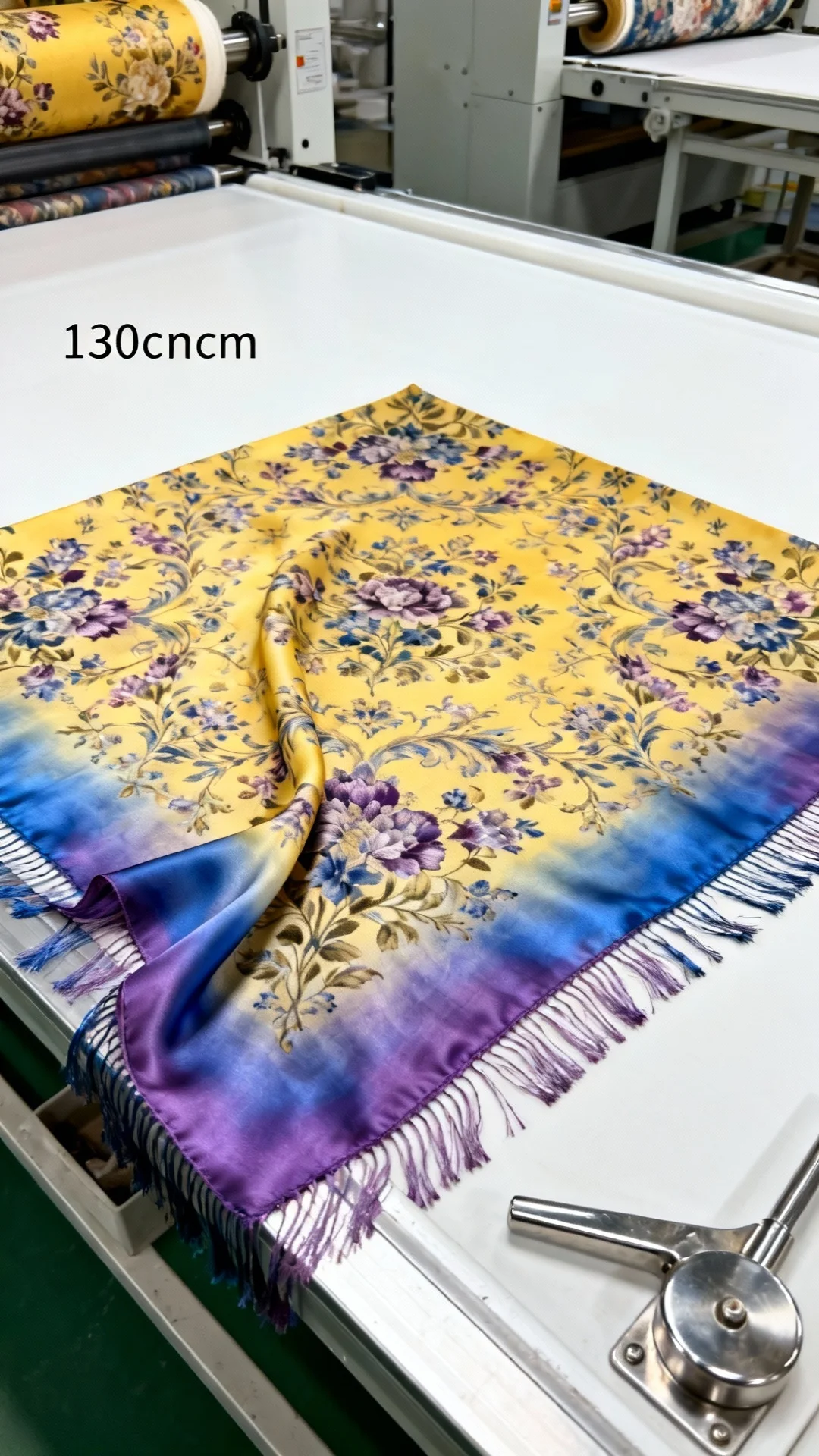
Silk remains the gold standard for luxury scarf production, offering unparalleled luster and drape that enhance the visual impact of digital prints. Mulberry silk provides an exceptional digital printing substrate, with its smooth surface enabling precise color reproduction and fine detail rendering. Recent advancements in silk preparation have effectively addressed historical ink absorption challenges, significantly improving color fastness and washability. Industry data confirms that properly treated silk scarves maintain up to 90% of their original color intensity after 20 wash cycles, making them a viable and desirable option for commercial production.
Cotton has emerged as a versatile, sustainable alternative for digitally printed scarves, with organic varieties gaining considerable traction among eco-conscious brands. Cotton fibers' natural absorbency allows for deep color saturation, though this characteristic can sometimes blur fine details without proper treatment. Technological innovations in cotton preparation, including enzymatic treatments and nano-coatings, have significantly improved print definition and overall performance. Cotton's inherent breathability and comfort also make it particularly suitable for warm-weather scarves and accessories intended for extended wear.
Polyester and polyester blends offer distinct performance and durability advantages, making them increasingly popular for fashion accessories targeting younger demographics and active lifestyles. These synthetic fibers provide excellent color retention and wrinkle resistance, ensuring digitally printed designs maintain their vibrancy and structural integrity through repeated use. The development of micro-polyester fibers with enhanced softness has effectively addressed historical concerns about the tactile qualities of synthetic scarves, creating new opportunities for high-performance luxury accessories that combine durability with aesthetic appeal.
Linen and linen blends present unique digital printing opportunities, with their distinctive texture adding visual interest and depth to printed designs. Linen fibers' natural irregularities create an artistic effect that is unreplicable on smoother substrates, appealing particularly to designers seeking an artisanal aesthetic. However, linen's inherent absorbency requires careful ink management to prevent color bleeding, and the fabric's tendency to shrink may necessitate specialized pre-treatment processes to ensure dimensional stability in finished products.
Advanced Ink Technology and Material Compatibility
The evolution of nano-ink technology has revolutionized digital textile printing, particularly for high-end scarf production. These advanced formulations utilize pigment particles smaller than 100 nanometers, enabling superior color penetration and bonding with diverse textile fibers. The small particle size allows for enhanced detail reproduction and color accuracy, with nano-inks demonstrating up to 30% greater color gamut than traditional textile inks. This technological advancement has been particularly transformative for silk printing, where delicate fiber structures demand precise ink placement and minimal impact on hand feel.
Water-based pigment inks have become the preferred choice for sustainable scarf production, offering excellent environmental credentials without compromising print quality. These inks contain fewer volatile organic compounds (VOCs) than solvent-based alternatives and can be formulated without hazardous chemicals, meeting stringent global certification standards. Recent developments in water-based ink technology have successfully addressed historical limitations in color vibrancy and wash fastness, with leading formulations now achieving results comparable to traditional solvent-based systems on properly prepared substrates.
Reactive inks continue to dominate natural fiber printing applications, forming strong covalent bonds with cellulose-based materials like cotton and linen. This chemical bonding process results in exceptional color fastness and fading resistance, even after repeated washing. For scarf production, reactive inks maintain the fabric's natural drape and breathability by penetrating deeply into the fiber structure rather than remaining primarily on the surface. This technology requires careful temperature and humidity control during fixation to ensure optimal results and maximize color retention.
Ink formulation and fabric type compatibility remains a critical consideration in digital scarf printing. Each ink category performs differently on various substrates, requiring precise matching of ink technology to material properties. Disperse inks work optimally on polyester but perform poorly on natural fibers, while acid inks specifically target protein-based fibers like silk and wool. This complex interaction highlights the importance of material testing and process optimization in developing efficient and high-quality scarf production workflows.
Sustainable Material Selection and Certification Standards
The growing emphasis on sustainability within the fashion industry has elevated the importance of eco-friendly material selection in scarf production. Sustainable digital printing practices encompass choices of textile substrates, inks, and production chemicals that minimize environmental impact throughout the product lifecycle. Organic cotton certified by the Global Organic Textile Standard (GOTS) has become a cornerstone of sustainable scarf production, ensuring materials meet rigorous environmental and social criteria throughout the supply chain. GOTS certification requires strict water and energy usage standards, prohibits hazardous chemicals, and ensures fair labor practices, providing brands with comprehensive sustainability frameworks.
Recycled polyester represents another significant sustainable development in scarf material technology. Advanced recycling processes now transform post-consumer plastic bottles and textile waste into high-quality fibers suitable for digital printing applications. These recycled materials offer comparable performance to virgin polyester while significantly reducing environmental impact by diverting waste from landfills and reducing reliance on petroleum resources. Industry data confirms that recycled polyester production consumes approximately 70% less energy and reduces carbon emissions by up to 80% compared to conventional manufacturing processes, making it an increasingly attractive option for environmentally conscious brands.
Lyocell and other cellulose-based fibers derived from sustainably harvested wood pulp have gained prominence as eco-friendly alternatives to traditional viscose. These materials offer excellent printability and drape characteristics for scarf production, with closed-loop manufacturing processes that minimize water usage and chemical waste. Lyocell's smooth surface enables precise ink placement and vibrant color reproduction, while its inherent strength and durability ensure finished product longevity and performance.
Certification standards provide essential guidance for sustainable material selection, with key accreditations serving as benchmarks for environmental and social responsibility. Beyond GOTS, OEKO-TEX Standard 100 certification ensures textile products contain no harmful substances, building consumer confidence in product safety. The Fair Trade Certified™ label guarantees fair compensation and safe working conditions for farmers and workers throughout the supply chain. For luxury scarf brands, these certifications serve as both sustainability credentials and valuable marketing assets that resonate with increasingly environmentally conscious consumers.
Technology Integration: Matching Materials with Printing Equipment
Successful integration of fabric materials with digital printing equipment represents a critical quality control aspect in scarf production. Modern high-speed digital textile printers feature advanced material handling systems specifically designed for delicate scarf fabrics. These specialized systems include precision tension control mechanisms that prevent lightweight material distortion during printing, ensuring accurate registration and consistent results across production runs.
Printer resolution capabilities must be carefully matched with both fabric characteristics and design requirements. While higher resolution (measured in dots per inch, DPI) generally produces finer detail, optimal resolution varies significantly by fabric type and design complexity. Silk scarves featuring intricate patterns typically require 1200 DPI or higher resolutions to capture fine details accurately, while cotton scarves with bolder designs may achieve excellent results at 600-800 DPI. Understanding this relationship enables manufacturers to balance production efficiency with print quality, optimizing resource utilization and reducing waste.
Ink delivery systems have evolved substantially to accommodate diverse scarf material requirements, with advanced printers offering multiple print head configurations and variable drop size technology. This flexibility enables precise control of ink deposition, utilizing smaller drop sizes (as low as 4 picoliters) for fine detail and larger drops for solid color areas. For scarf production, this technology enables exceptional gradient transitions and smooth color blending—critical elements in high-end accessory design that demand sophisticated color management.
Pre-treatment requirements vary significantly among fabric types and require careful management for optimal print results. Natural fibers like silk and cotton typically need pre-treatment with specialty chemicals to enhance ink adhesion and color fastness. Synthetic materials may require corona or plasma treatment to modify surface tension characteristics. These pre-treatment processes must be precisely controlled to avoid damaging delicate scarf materials, highlighting the importance of material-specific process development in digital printing workflows.
Practical Selection Framework for Scarf Manufacturers
Developing a systematic material selection approach can significantly streamline the scarf production process and ensure consistent quality outcomes. The first step in this framework involves clearly defining product requirements based on target market segments, as luxury scarves demand fundamentally different material characteristics than fast-fashion accessories. Key considerations include desired hand feel, drape characteristics, color requirements, and performance expectations—all of which should be documented in comprehensive product specifications that guide material selection decisions.
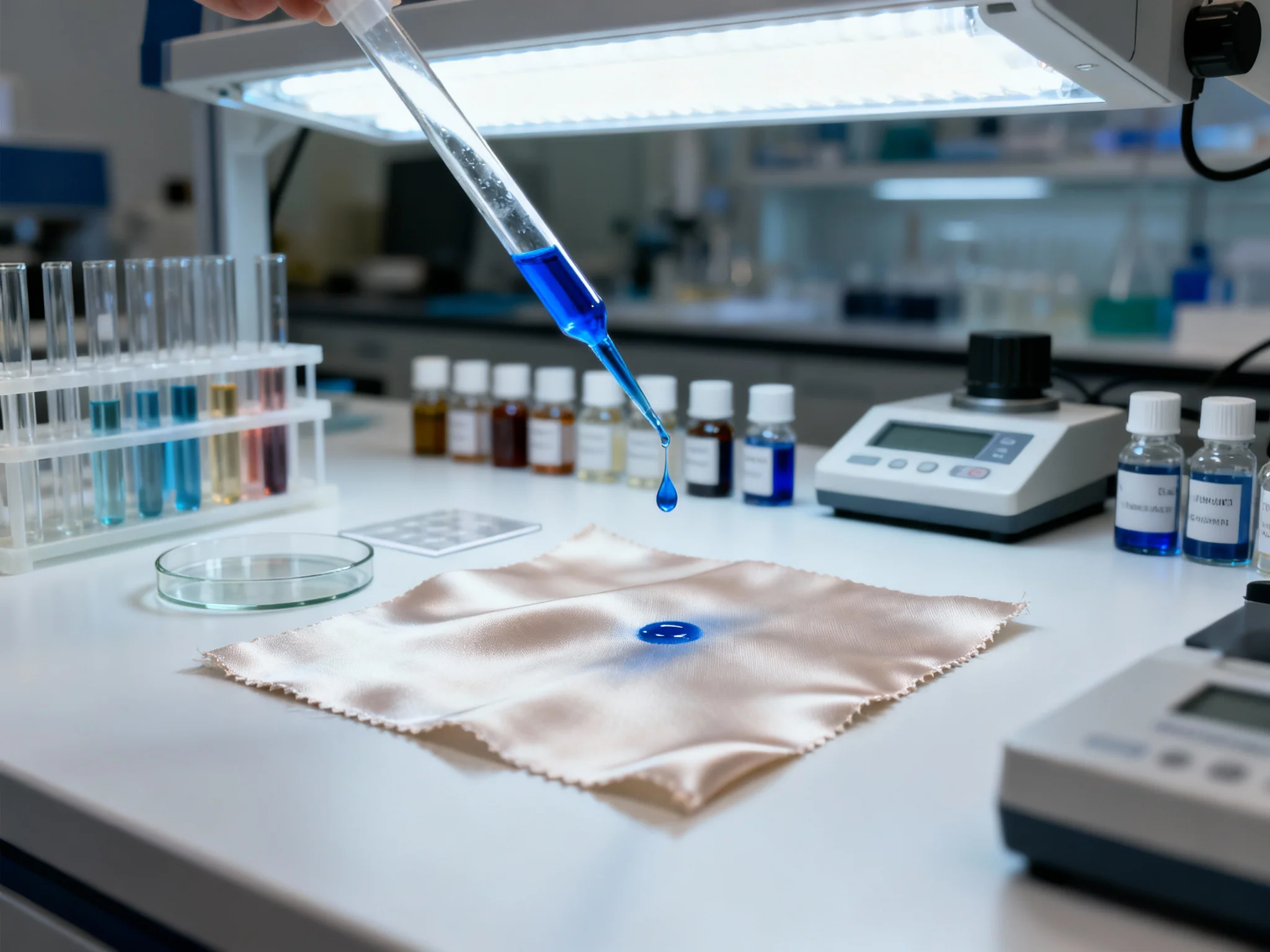
Testing protocols represent a critical component of the material selection process, with standardized procedures for evaluating print performance on candidate fabrics. These tests should assess color vibrancy, detail reproduction, wash fastness, and abrasion resistance under controlled conditions that simulate real-world usage. Many manufacturers utilize spectrophotometers to measure color accuracy and consistency, ensuring printed scarves meet precise color standards across production runs and material batches.
Cost-benefit analysis plays an important role in material selection decisions, balancing performance requirements with budget constraints. While premium materials like pure silk offer superior aesthetic qualities, they increase production costs and may require specialized supply chain handling. Manufacturers must carefully evaluate their target market's price sensitivity and the perceived value of different materials to determine the optimal balance between quality and affordability that aligns with brand positioning.
Supplier qualification represents another essential element of the material selection framework, ensuring consistent quality and ethical sourcing practices. Reputable fabric suppliers should provide detailed material specifications, performance data, and certification documentation, enabling manufacturers to make informed decisions. Establishing long-term relationships with reliable suppliers also facilitates access to new materials and technical support, providing a competitive advantage in the rapidly evolving digital textile printing landscape.
Future Trends in Digital Scarf Printing Materials
The digital textile printing industry continues to evolve rapidly, with several emerging trends poised to transform scarf production in the coming years. Smart textile integration represents one of the most exciting developments, with conductive inks and printable electronics enabling interactive scarves with embedded functionality. These innovations create new possibilities for fashion-tech accessories, including scarves with integrated lighting elements, temperature regulation capabilities, or simple interactive displays that respond to environmental conditions or user input.
Bio-based material advancements are expanding sustainable scarf production options, with companies developing innovative fibers from agricultural waste products and other renewable resources. These materials offer comparable performance to traditional textiles while significantly reducing environmental impact, directly addressing the growing consumer demand for eco-friendly fashion accessories. Recent breakthroughs in mycelium-based textiles, for example, have produced leather-like materials suitable for structured scarf designs with minimal environmental footprint.
Digital twin technology is revolutionizing material development and selection processes, allowing manufacturers to virtually test fabric performance before physical production. This technology creates detailed digital models of textile materials, simulating their interactions with different inks, printing processes, and wearing conditions. By leveraging artificial intelligence and machine learning algorithms, these digital twins can predict print outcomes with remarkable accuracy, reducing the need for extensive physical testing and accelerating product development cycles.
The convergence of these technologies points toward an increasingly personalized and sustainable future for scarf production, where digital printing enables mass customization while advanced materials reduce environmental impact. As these innovations mature, manufacturers will gain unprecedented flexibility in material selection and design execution, creating new opportunities for differentiation in the competitive fashion accessories market.
Implementation Guidelines for Scarf Producers
Successfully implementing digital direct-to-fabric printing for scarf production requires careful planning and process optimization. Establishing a structured material testing program forms the foundation of this effort, with systematic evaluation of candidate fabrics under standardized conditions. Producers should create comprehensive testing protocols that include print quality assessment, color fastness testing, and durability evaluation, utilizing both objective measurements and subjective sensory analysis to evaluate overall performance.
Workflow optimization is essential for maximizing efficiency and quality in digital scarf production. This involves carefully sequencing pre-treatment, printing, and post-processing steps to minimize material handling and reduce production time. Many leading manufacturers have adopted modular production systems that allow quick changeovers between different fabric types and designs, enabling flexible production runs that can quickly respond to market demands while maintaining consistent quality standards.
Quality control systems must be specifically tailored to the unique characteristics of digital scarf printing, with inspection points strategically designed to identify potential issues before they affect finished products. Automated vision systems can detect printing defects with remarkable accuracy, while manual inspection focuses on subjective qualities like hand feel and drape. Implementing statistical process control methodologies allows manufacturers to identify trends and make proactive adjustments that prevent quality issues from occurring.
Staff training represents a critical but often overlooked aspect of successful digital printing implementation. Operators require specialized knowledge of both digital printing technology and textile materials to optimize production processes and troubleshoot issues effectively. Comprehensive training programs should cover material science fundamentals, printer operation and maintenance, color management principles, and quality control procedures, ensuring all personnel have the skills necessary to produce high-quality digitally printed scarves consistently.
By following these implementation guidelines and maintaining a commitment to continuous improvement, scarf producers can leverage digital direct-to-fabric printing technology to create innovative, high-quality accessories that meet the evolving demands of today's fashion market. The combination of strategic material selection, technological expertise, and quality-focused processes will position manufacturers for success in the competitive world of luxury fashion accessories.