In today's competitive fashion accessories market, custom digital scarf printing has emerged as a transformative technology, enabling brands to deliver unique designs with unprecedented speed and precision. With decades of textile manufacturing expertise, I've witnessed firsthand how digital printing has revolutionized scarf production—particularly through the refined processes developed by industry leaders like FENNYSUN.
Established in 1995, FENNYSUN Scarf Factory brings over 30 years of specialized experience to the digital printing arena, seamlessly blending traditional textile craftsmanship with cutting-edge digital technology. This guide unveils their proprietary 5-step process that ensures impeccable pattern reproduction, addressing the critical needs of boutiques, specialty stores, and fashion brands striving to differentiate themselves in today's saturated market.
The Evolution of Digital Scarf Printing Technology
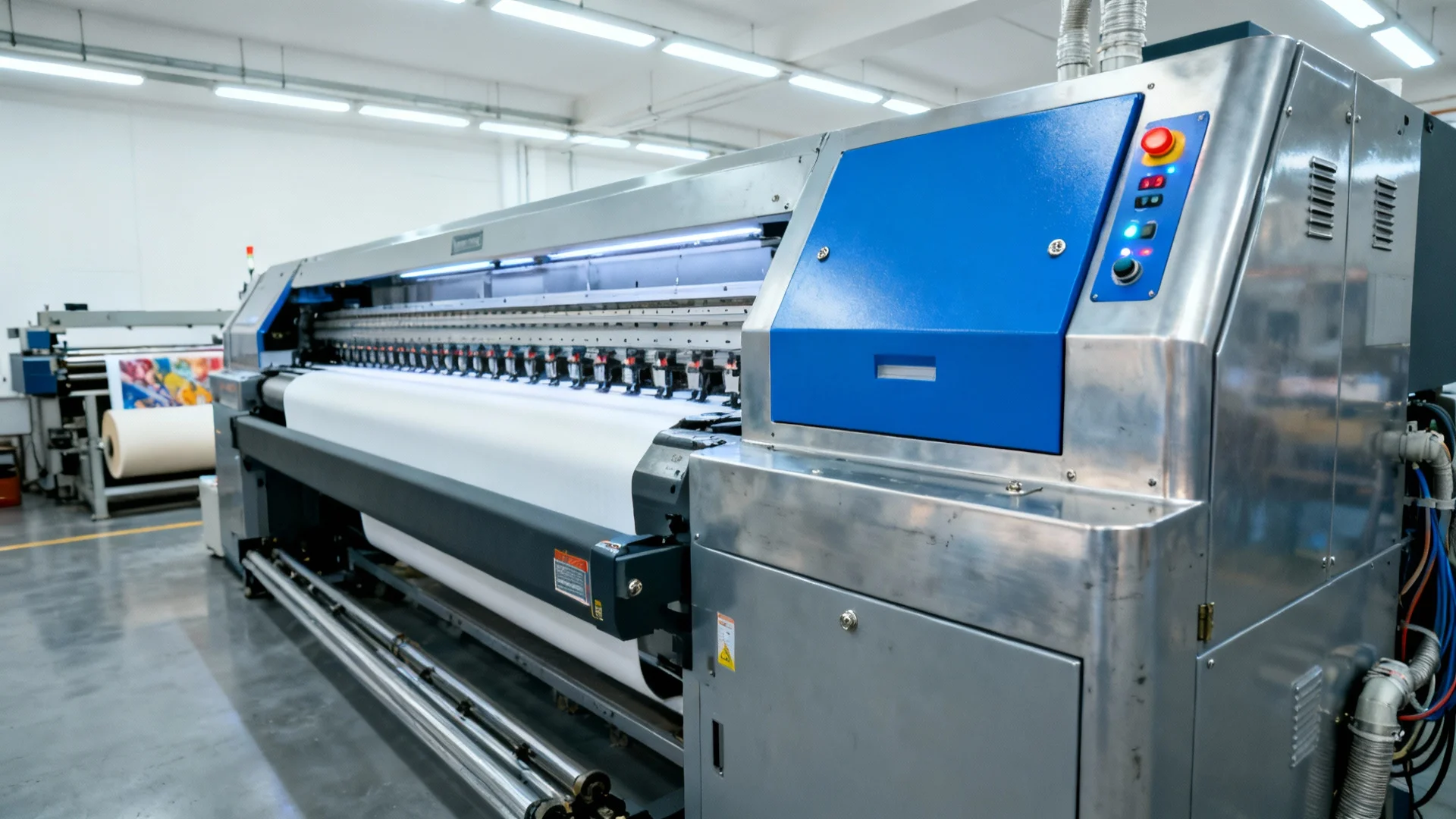
Digital textile printing has undergone a remarkable transformation in recent years, fundamentally altering the production landscape for fashion accessories. Unlike traditional screen printing, which demands labor-intensive plate creation and setup, modern digital printing transfers high-resolution designs directly onto fabric with minimal preparation. This technological evolution has been particularly impactful for scarf manufacturing, where intricate patterns and subtle color gradients require exceptional precision.
The global digital textile printing market is projected to reach USD 4.06 billion by 2029, growing at a compound annual growth rate (CAGR) of 7.32% (Mordor Intelligence, 2025). This rapid expansion underscores the technology's increasing adoption across the industry. Within this sector, scarf printing has emerged as a specialized niche driven by rising demand for customization and shorter production cycles.
"Digital printing has transformed our industry by offering unprecedented flexibility," notes a production manager at a leading European fashion house. "What once required weeks of preparation can now be executed in days, allowing us to respond swiftly to emerging trends and seasonal demands."
Key technological advancements shaping digital scarf printing in 2025 include:
- Ultra-high-definition printheads capable of 1200 dpi resolution
- Eco-friendly, water-based pigment inks that enhance color vibrancy while minimizing environmental impact
- Advanced color management systems ensuring consistent reproduction across production runs
- Integration of AI-driven design tools that optimize patterns for fabric dimensions and drape characteristics
FENNYSUN's approach to these technologies reflects three decades of manufacturing refinement, with particular focus on solving common industry challenges such as color bleeding, pattern distortion, and fabric compatibility issues that continue to plague less experienced producers.
FENNYSUN's 5-Step Digital Printing Process: Engineering Precision in Every Design
FENNYSUN has built its industry reputation on a meticulously developed 5-step production workflow—a proprietary process that transforms digital designs into physical accessories while maintaining rigorous quality control at every stage. For brands entrusting their valuable intellectual property to manufacturing partners, this systematic approach represents a critical competitive advantage.
Step 1: Design Optimization and Fabric Selection
The process commences with a comprehensive analysis of the client's design files and careful selection of appropriate fabrics. FENNYSUN's technical team employs specialized software to examine each design element, identifying potential challenges such as ultra-fine lines or complex color gradients that may require adjustment for optimal printing results.
"Many clients underestimate how fabric characteristics influence print outcomes," explains a senior textile engineer at FENNYSUN. "A silk twill absorbs ink differently than a polyester blend, and we adjust our approach accordingly to maintain design integrity."
Key considerations during this phase include:
- Conversion of RGB design files to CMYK color space using industry-standard ICC profiles
- Resolution verification to ensure minimum 300dpi quality for sharp detail reproduction
- Fabric composition analysis to determine optimal ink adhesion and penetration
- Pre-treatment requirements assessment for different textile types
For sustainable fashion brands, FENNYSUN offers an array of eco-friendly substrate options, including their signature silk-feel polyester that combines luxurious drape with reduced environmental impact—a material that has gained significant traction among clients prioritizing both aesthetics and sustainability in their accessory lines.
Step 2: Pre-Press Preparation and Color Calibration
The second stage represents the technical heart of FENNYSUN's process, where their decades of experience translate into measurable quality advantages. Utilizing advanced color management systems, the production team creates precise color separations and conducts extensive test prints to ensure accurate reproduction of the original design.
This calibration process addresses one of the most significant frustrations in digital scarf printing: achieving consistent color across different fabric types and production runs. FENNYSUN's proprietary color matching system, developed from analyzing thousands of print jobs, has resulted in a comprehensive database of fabric-specific profiles that minimize color variation.
"Color consistency is where many manufacturers fail," observes a quality control specialist with over 15 years in textile production. "We maintain a color standard deviation of less than 2 Delta E units across production runs—significantly below the industry average of 4-5 units."
Technical specifications during pre-press preparation include:
- Ink viscosity testing and adjustment for optimal flow through printheads
- Nozzle check and cleaning protocols to prevent missing dots
- Substrate tension calibration to avoid pattern distortion
- Test strip printing with color targets for quality verification
This rigorous preparation stage typically consumes 30% of the total production timeline, proving essential for reducing costly reworks and ensuring client satisfaction.
Step 3: Precision Digital Printing Execution
With preparations complete, designs move to FENNYSUN's state-of-the-art digital printing facility, equipped with advanced textile printers capable of handling a wide range of fabric types and widths. The company has invested heavily in multi-pass printing technology that allows exceptional control over ink layering—a critical feature for high-end fashion brands demanding depth and vibrancy in their designs.
Production engineers monitor each print run in real-time using sophisticated software that tracks key performance indicators, including:
- Printhead alignment accuracy within 0.1mm tolerance
- Ink deposition rate customized for each fabric type
- Drying temperature profiles optimized for different ink-fabric combinations
- Production speed adjustments to accommodate complex designs
FENNYSUN's printing process incorporates energy-efficient technologies that reduce power consumption by approximately 20% compared to conventional setups. Their commitment to sustainable manufacturing extends to ink selection, utilizing water-based inks free from harmful volatile organic compounds (VOCs)—a feature increasingly valued by environmentally conscious clients.
The printing stage exemplifies the company's ability to balance speed with quality, typically completing production runs of up to 500 units within 48 hours while maintaining the precision required for luxury scarf applications.
Step 4: Post-Printing Treatment and Finishing
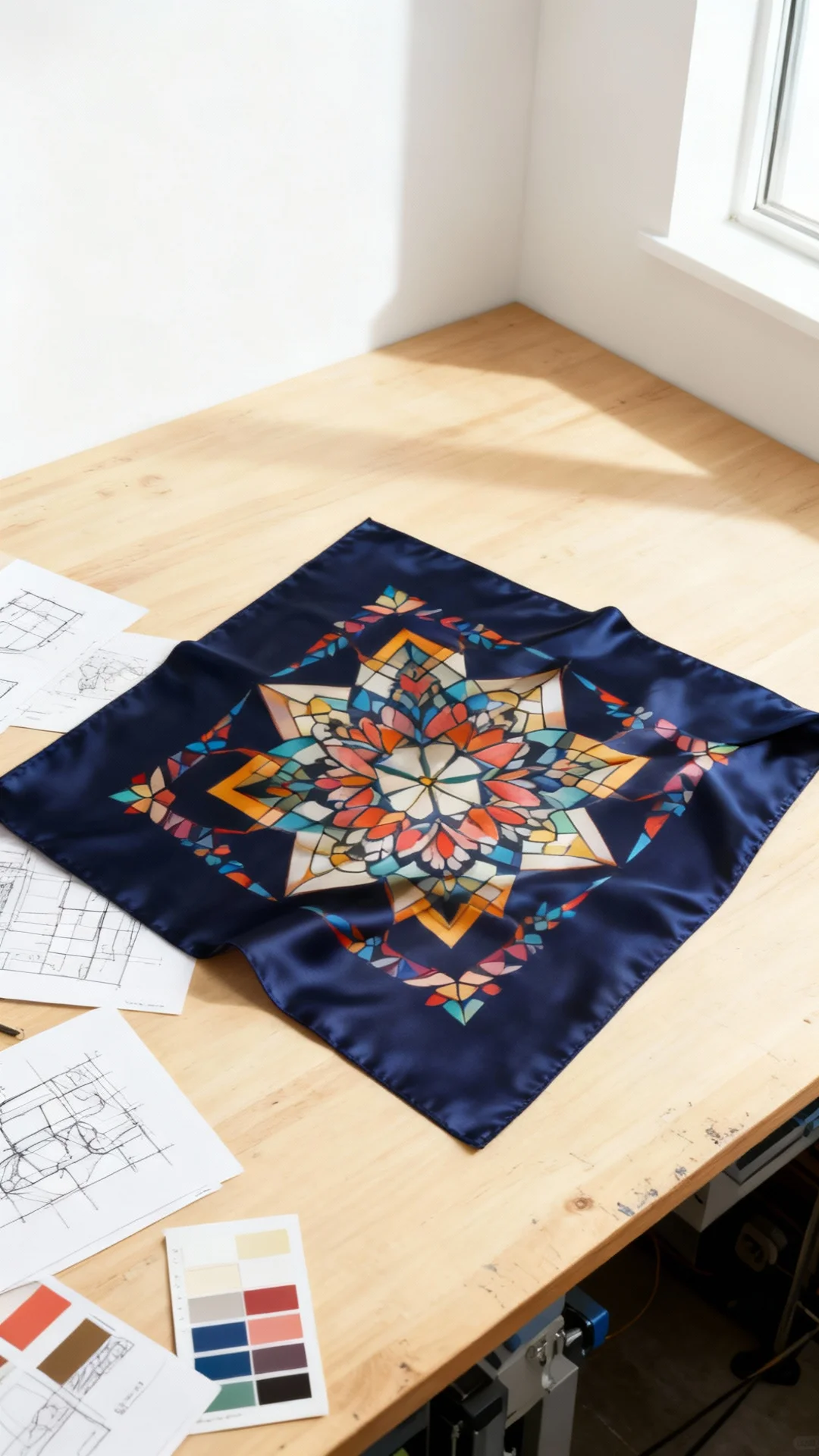
After printing, scarves undergo specialized treatments to enhance color fastness, texture, and durability—a critical stage that distinguishes professional scarf production from standard digital printing services. This phase addresses common issues such as ink bleeding during washing and color fading over time.
FENNYSUN's comprehensive post-printing process includes:
- Heat setting to cure inks and improve color retention
- Gentle washing to remove excess dye and sizing agents
- Stentering to maintain dimensional stability and proper scarf dimensions
- Optional treatments such as water repellency or antimicrobial finishes
For silk scarves, the company employs a proprietary steaming process that sets colors while preserving the fabric's natural luster—a technique developed through years of experimentation with various temperature and humidity combinations.
"Many manufacturers rush the finishing process, but this is where final quality is determined," notes a production supervisor. "Our treatments ensure scarves maintain their appearance through multiple washings and wearings, directly impacting our clients' brand reputation."
This focus on durability has established FENNYSUN as a preferred partner for luxury brands, where product longevity matters as much as initial aesthetic appeal.
Step 5: Quality Control and Precision Cutting
The final stage involves rigorous quality inspection and precise cutting to ensure each scarf meets exact specifications. Trained quality control specialists examine every printed panel using standardized assessment criteria:
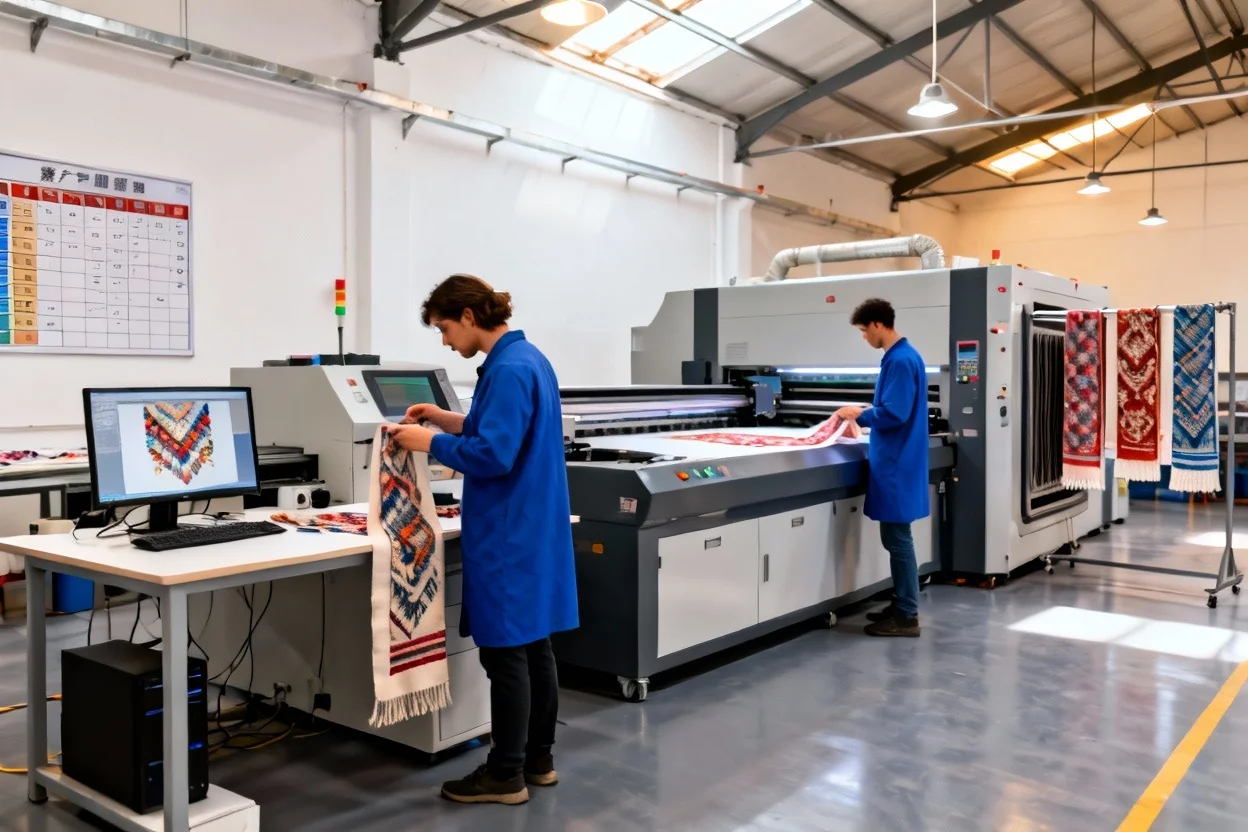
- Color accuracy verification against approved samples using spectrophotometers
- Print quality inspection for defects such as misregistration or ink starvation
- Fabric integrity checks for snags, pulls, or contamination
- Dimension measurement to ensure consistency within +/- 2mm tolerance
Defective panels are flagged for rework or rejection, with the company maintaining a stringent quality standard that accepts no more than 0.5% defect rate—well below the industry average of 2-3%.
Once approved, panels undergo precision cutting using computer-guided systems, ensuring consistent shape and size across production runs. For patterned scarves requiring precise alignment, FENNYSUN utilizes advanced nesting software that optimizes fabric usage while maintaining pattern integrity at the edges.
Completed scarves then undergo final inspection, folding, and packaging according to client specifications, ready for distribution to boutiques and retailers worldwide.
Technical Advantages of FENNYSUN's Digital Printing Approach
FENNYSUN distinguishes itself in the competitive digital scarf printing market not merely through its process, but through the technical advantages derived from decades of specialized experience—advantages that directly address the concerns of fashion brands when selecting manufacturing partners.
One key differentiator is the company's proprietary ink formulation developed specifically for scarf applications. Unlike generic textile inks that often result in stiff hand feel or color bleeding, FENNYSUN's custom-blended inks maintain fabric drape while delivering exceptional color vibrancy and wash fastness.
"We've tested over 40 different ink formulations to find the optimal balance for scarf printing," explains a materials specialist. "The result is a product that feels like a traditional scarf while offering the design flexibility of digital printing."
Another significant advantage lies in their color management capabilities. By continuously investing in spectrophotometric analysis equipment and calibrating regularly against international color standards, FENNYSUN achieves color consistency that minimizes batch-to-batch variation—a critical factor for brands maintaining cohesive product lines across seasons.
Production flexibility represents a third major strength. While many digital printers specialize in either short-run customization or large-scale production, FENNYSUN efficiently handles both extremes, enabling them to support emerging designers needing small initial runs and established brands requiring thousands of units for global distribution.
"Our sweet spot is supporting brands as they grow," notes a client relationship manager. "We've partnered with startups that began with 50-unit test runs and scaled to production volumes exceeding 10,000 units per season—maintaining the same quality standards throughout their growth journey."
Finally, FENNYSUN integrates sustainable practices throughout their production cycle, providing a competitive edge in today's environmentally conscious market. From reduced water consumption (approximately 70% less than traditional screen printing) to energy-efficient drying systems and recyclable packaging options, they've developed a manufacturing model that addresses the sustainability concerns increasingly influencing purchasing decisions at the boutique and luxury retail levels.
Real-World Applications and Client Success Stories
The true measure of any manufacturing process lies in its real-world applications and the success it creates for clients. FENNYSUN's digital printing capabilities have supported diverse scarf projects across the fashion spectrum, from emerging designers launching their first accessory lines to established luxury brands creating limited-edition collections.
One notable project involved a London-based fashion house requiring 300 custom scarves featuring an intricate botanical pattern with over 50 distinct colors. The design included fine details that had challenged previous manufacturing partners, resulting in blurred edges and color bleeding.
Using their 5-step process, FENNYSUN:
- Optimized the digital file to enhance detail definition without compromising printability
- Selected a silk-cotton blend providing optimal ink absorption for gradient transitions
- Implemented specialized color calibration for the unique pigment requirements of botanical greens
- Delivered the complete order within the 10-day window required for a seasonal launch event
The resulting scarves garnered significant media attention, with fashion publications highlighting the "exceptional clarity of botanical details," contributing to an impressive 85% sell-through rate within the first month of release.
Another compelling success story involves a sustainable fashion brand creating eco-friendly scarves with minimal environmental impact. FENNYSUN's approach included:
- Utilizing 100% recycled polyester fabric with silk-like texture
- Implementing waterless pre-treatment processes that reduced water consumption by 90%
- Employing biodegradable pigment inks free from heavy metals
- Carbon offsetting for the entire production and shipping cycle
The resulting collection earned Global Organic Textile Standard (GOTS) certification, becoming a cornerstone of the brand's sustainability-focused marketing and helping attract partnerships with several eco-conscious retailers.
For emerging designers with limited production budgets, FENNYSUN's digital printing capabilities have proven transformative by reducing traditional barriers to entry. A New York-based accessories designer launched her brand with digitally printed scarves produced in runs of just 25 units per design, enabling her to test market response without significant upfront investment.
"Digital printing enabled me to launch with 12 different designs instead of being limited to 2-3 screen-printed options," the designer recalls. "This variety helped me attract my first major retailer, who appreciated the breadth of my collection despite being a new brand."
These case studies demonstrate how FENNYSUN's technical capabilities translate into tangible business advantages for clients, ranging from enhanced product quality to greater creative freedom and market responsiveness.
Industry Challenges and FENNYSUN's Problem-Solving Approach
Despite its numerous advantages, digital scarf printing presents unique challenges that continue to frustrate manufacturers and brands alike. FENNYSUN's decades of experience have positioned them to address these industry-wide issues with innovative solutions that distinguish their services in a crowded marketplace.
One persistent challenge is achieving consistent color across different fabric types—a particular concern for brands offering the same design on multiple materials. FENNYSUN has overcome this obstacle with a sophisticated color management system that accounts for fabric-specific light absorption and reflection properties, ensuring designs maintain consistent appearance whether printed on silk, cotton, or polyester blends.
"Color matching across fabrics used to require extensive sampling and often resulted in compromise," explains a color specialist. "Our system now achieves 95% accuracy on the first attempt, significantly reducing development time and material waste."
Another industry challenge is the limited durability of digitally printed designs compared to traditional screen printing—a critical consideration for accessories that undergo frequent handling. FENNYSUN has developed a proprietary post-printing curing process that creates molecular bonds between inks and fabric fibers, resulting in wash fastness ratings of 4-5 (on a 5-point scale) and significantly improved abrasion resistance.
For brands requiring large-scale production, transitioning from digital sampling to mass manufacturing often threatens quality consistency. FENNYSUN addresses this by combining automated inspection systems with statistical process control, continuously monitoring production parameters and making real-time adjustments to ensure uniformity across thousands of units.
The company has also developed innovative solutions for common design challenges, including:
- Handling extremely fine lines and text that often break up during printing
- Managing large color gamuts that exceed standard CMYK capabilities
- Maintaining pattern integrity across different scarf sizes and shapes
- Creating seamless repeats for infinity scarf designs
Most importantly, FENNYSUN's client-centric approach to problem-solving has elevated them beyond the role of mere manufacturer to that of technical partner invested in their clients' success. The company maintains a dedicated technical support team available for design optimization, material selection, and production planning—resources typically unavailable to brands working with large-scale manufacturers focused solely on volume production.
Choosing the Right Digital Printing Partner: Key Considerations for Fashion Brands
Selecting a digital scarf printing partner represents a critical decision for fashion brands, directly impacting product quality, brand reputation, and operational efficiency. Based on industry best practices and client experiences, several key factors should guide this evaluation process.
Technical capabilities should top the list of considerations, with particular attention to:
- Print resolution capabilities and quality control processes
- Color management systems and consistency guarantees
- Fabric compatibility and specialized treatment options
- Minimum order quantities and production lead times
- Quality assurance protocols and defect rate standards
Brands should request detailed production specifications and sample prints on their chosen fabrics before committing to large orders—a step that reveals much about a manufacturer's technical competence and attention to detail.
Equally important is assessing a manufacturer's experience with similar brands and product categories. Specialized knowledge of scarf construction—including hem treatments, finishing details, and packaging requirements—significantly impacts final product quality and consumer perception.
"Sending a design file to a general textile printer versus a specialist scarf manufacturer often results in dramatically different outcomes," notes a production director at a luxury accessories brand. "The scarf specialist understands the drape requirements, edge treatments, and presentation details that elevate a product from acceptable to exceptional."
Sustainability practices have become increasingly important considerations, with brands evaluating manufacturers based on:
- Ink and material environmental certifications
- Water and energy conservation measures
- Waste reduction and recycling programs
- Carbon footprint and supply chain transparency
- Compliance with ethical manufacturing standards
For brands targeting environmentally conscious consumers, these factors have shifted from "nice-to-have" to essential requirements that directly impact marketability and brand integrity.
Finally, operational considerations including pricing structure, order flexibility, communication protocols, and intellectual property protection should be carefully evaluated. Brands should seek manufacturers offering transparent pricing with no hidden fees, demonstrate flexibility in accommodating rush orders or design modifications, and maintain clear communication channels throughout the production process.
Intellectual property protection is particularly critical in the fashion industry, where design theft can undermine brand exclusivity and market position. Reputable manufacturers should offer clear agreements regarding design ownership, sample destruction after production, and measures to prevent unauthorized reproduction of client designs.
When evaluating potential partners, brands should request and follow up on client references—particularly from companies of similar size and market positioning. This due diligence helps ensure alignment between manufacturer capabilities and brand expectations, ultimately contributing to long-term partnership success.
Conclusion: Transforming Digital Designs into Market Success
The evolution of digital printing technology has fundamentally transformed scarf production, offering fashion brands unprecedented creative freedom and market responsiveness. As this guide has demonstrated, FENNYSUN's 5-step process represents a refined approach to this technology, leveraging decades of manufacturing experience to deliver consistent quality and technical excellence.
For boutique owners, specialty retailers, and fashion brands seeking to differentiate their accessory offerings, partnering with a manufacturer that understands both the technical complexities of digital printing and the aesthetic requirements of luxury scarves is essential. The right manufacturing partner becomes an extension of the brand team, contributing technical expertise that transforms creative vision into marketable products.
The future of digital scarf printing promises even greater innovation, with emerging technologies such as improved pigment formulations, advanced fabric treatments, and enhanced sustainability practices on the horizon. As these developments unfold, manufacturers like FENNYSUN that combine technical expertise with client-centric approaches will continue to lead the industry, empowering fashion brands to push creative boundaries while maintaining the quality and consistency that discerning consumers demand.
In an industry where differentiation is key, custom digital scarf printing represents not just a production method, but a strategic advantage—one that forward-thinking brands are leveraging to capture market share and build lasting customer relationships through unique, high-quality accessories.