In an era where sustainable fashion has evolved from niche trend to business imperative, understanding the complete lifecycle of accessories is essential for industry professionals. With years of hands-on experience in sustainable textile production, I've witnessed how a holistic lifecycle assessment approach can transform both environmental impact and business value. This comprehensive analysis explores the full lifecycle of sustainable scarves—from initial design concepts through end-of-life management—providing actionable insights for boutiques, specialty stores, and fashion brands navigating eco-conscious accessory sourcing.
The Importance of Lifecycle Thinking in Sustainable Scarf Production
The fashion industry's environmental footprint faces increasing scrutiny, with textile production accounting for significant resource consumption and waste generation. Scarves present unique sustainability opportunities thanks to their versatility, material diversity, and potential for longevity when properly designed and maintained.
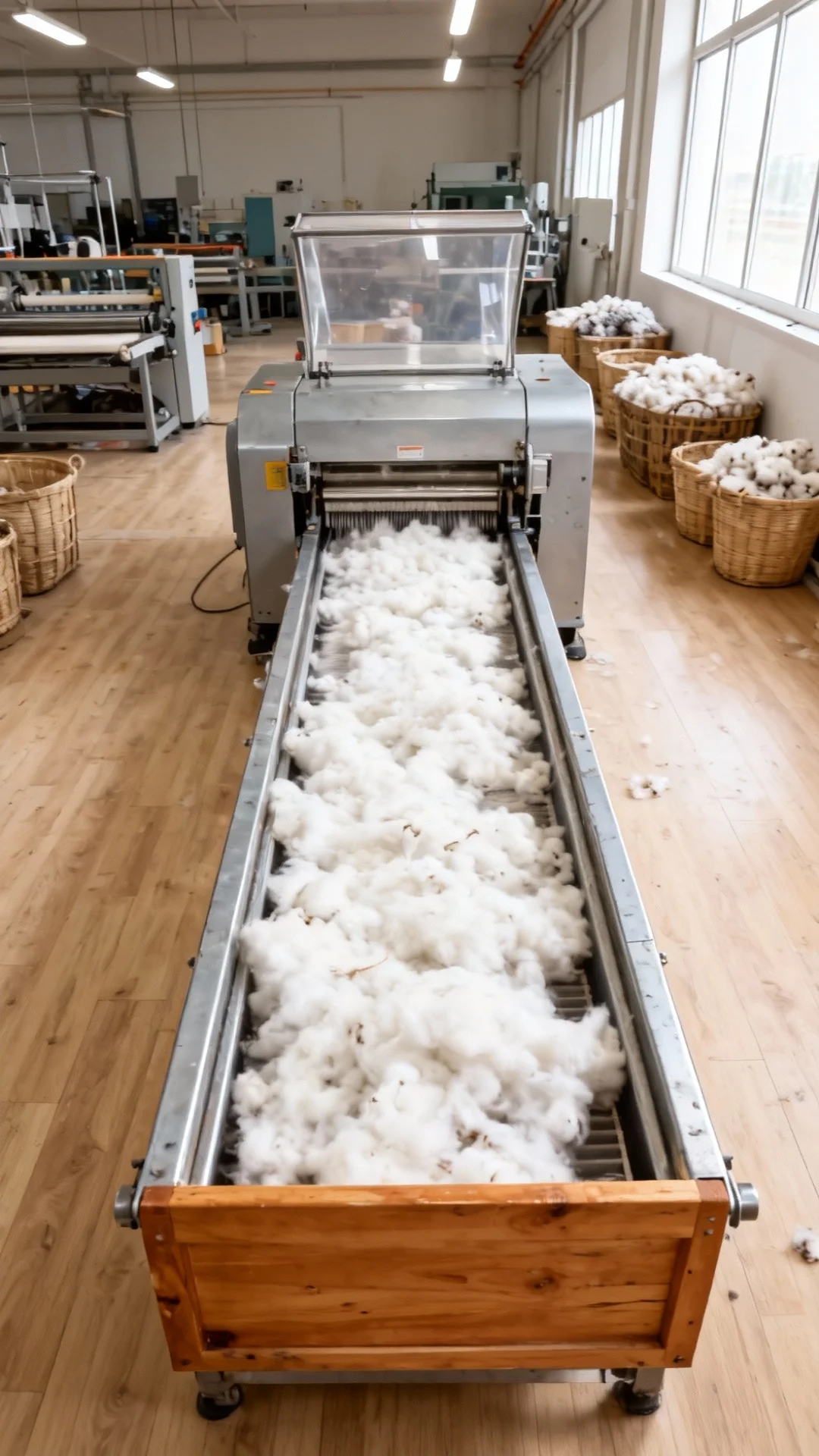
Environmental Impact Across the Value Chain
Recent textile lifecycle assessment (LCA) studies demonstrate that environmental impacts distribute throughout a product's lifecycle: raw material extraction (30-40%), manufacturing processes (20-30%), transportation (10-15%), consumer use (15-20%), and end-of-life disposal (10-15%). For scarves, material selection proves particularly critical. Conventional silk production requires extensive water usage, while synthetic fibers contribute to microplastic pollution throughout their lifecycle.
The Business Case for Lifecycle Assessment
Beyond environmental benefits, comprehensive lifecycle assessment delivers tangible business advantages. 2025 industry reports show brands implementing LCA methodologies have experienced:
- 15-20% reduction in production costs through resource optimization
- 25-30% increase in consumer trust metrics and brand loyalty
- Enhanced regulatory compliance with emerging sustainability legislation
- Improved supply chain transparency and risk management
The Evolving Regulatory Landscape
The regulatory environment for fashion accessories continues to strengthen. The EU's Circular Economy Action Plan and similar global initiatives establish stricter sustainability requirements. These regulations increasingly mandate lifecycle thinking, making LCA expertise not just a competitive advantage but a compliance necessity for market access.
Sustainable Material Selection: The Foundation of Eco-Conscious Scarves
Material selection represents the first critical decision point in creating sustainable scarves. It has profound implications for environmental impact, product performance, and end-of-life options. Forward-thinking manufacturers now approach material choice through a comprehensive framework evaluating environmental footprint, functional properties, ethical sourcing, and circular potential.
Environmental Impact Comparison
Different materials offer vastly different sustainability profiles:
- Organic Cotton: 88% reduction in water usage and 62% lower greenhouse gas emissions compared to conventional cotton, though requiring significant land area
- Recycled Polyester: Diverts plastic waste from landfills and reduces reliance on virgin petroleum, but retains microplastic shedding properties
- Tencel/Lyocell: Closed-loop production process recovers and reuses 95% of solvents and water, with favorable biodegradability characteristics
- Sustainable Silk: Emerging sericulture methods eliminate boiling cocoons and reduce water usage by up to 50% compared to conventional practices
- Wool: Naturally biodegradable with excellent thermal properties, though mulesing practices and methane emissions from sheep remain concerns
Innovative Material Trends for 2025
The sustainable scarf market is embracing exciting material innovations:
- Mylo™ and Mushroom Leather: Mycelium-based materials offering leather-like texture with minimal environmental impact
- Seaweed-Based Textiles: Requiring no freshwater or arable land, these materials sequester carbon during growth
- Piñatex: Byproduct of pineapple harvesting creates durable, leather-like material with low environmental footprint
- Recycled Cashmere: Recovers post-consumer and post-industrial waste to create luxury fibers with 80% lower impact
Material Selection Decision Framework
Industry best practices increasingly utilize a weighted scoring system evaluating:
- Environmental impact (carbon, water, energy, land use)
- Social impact (labor conditions, fair trade certification)
- Functional properties (durability, comfort, aesthetics)
- Circular potential (recyclability, biodegradability, downcycling risks)
- Supply chain transparency and traceability
Case Example: Luxury Scarf Material Transformation
A leading sustainable accessories brand recently transitioned its core scarf collection to a blend of 60% recycled cashmere, 30% organic cotton, and 10% Tencel. This strategic shift reduced the carbon footprint by 45% while maintaining luxury positioning and increasing product lifespan by an estimated 30%. This case demonstrates that sustainability and performance don't have to be mutually exclusive in sustainable scarf production.
Ethical Manufacturing Practices: Ensuring Social Responsibility
While environmental considerations often dominate sustainability discussions, ethical manufacturing practices are equally critical for responsible scarf production. The textile industry has faced well-documented labor condition challenges, making ethical production not just a moral imperative but a reputational necessity for brands in today's transparent marketplace.
Fair Labor Standards Implementation
Leading manufacturers have implemented comprehensive ethical frameworks addressing:
- Living Wage Certification: Ensuring all workers receive compensation sufficient to meet basic needs and support families
- Safe Working Conditions: Regular third-party audits verifying compliance with international safety standards
- Reasonable Working Hours: Limiting overtime and ensuring proper rest periods
- No Child Labor: Strict age verification processes throughout the supply chain
- Worker Representation: Supporting unionization and collective bargaining rights
Traceability and Supply Chain Transparency
Technological advancements have transformed supply chain visibility in ethical scarf manufacturing:
- Blockchain Technology: Provides immutable records of material origins and production processes
- QR Code Integration: Allows consumers and business partners to trace a scarf's journey from farm to finished product
- Supplier Mapping: Documenting and verifying every tier of the supply chain, not just direct suppliers
- Certification Verification: Third-party validation of ethical claims through recognized standards like Fair Trade, GOTS, and SA8000
2025 Ethical Manufacturing Trends
The industry is witnessing several promising developments:
- Worker Ownership Models: Emerging cooperative structures that give manufacturing employees stake in the business
- Proximity Sourcing: Reducing supply chain length by locating production closer to material sources
- Transparent Costing: Providing visibility into how much of a product's price goes to labor compensation
- Mental Health Support: Recognizing and addressing the psychological impacts of manufacturing work environments
Ethical Challenges and Mitigation Strategies
Despite progress, significant challenges remain:
- Complex Supply Chains: Subcontracting practices can obscure labor violations
- Cultural Differences: Interpreting and implementing universal ethical standards across diverse cultural contexts
- Cost Pressures: Ethical production often requires higher investment, creating tension with competitive pricing
- Greenwashing Risks: Overstating ethical credentials without sufficient verification
Implementation Roadmap
Based on industry best practices, successful ethical manufacturing implementation follows this progression:
- Conduct comprehensive supply chain audit and mapping
- Prioritize high-risk areas for immediate improvement
- Establish clear ethical sourcing policies and supplier codes of conduct
- Implement pilot programs with select suppliers to test new approaches
- Gradually scale successful initiatives across the supply chain
- Develop ongoing monitoring and verification systems
- Communicate progress transparently, including challenges and areas for improvement
Design for Sustainability: Extending Product Lifespan
Sustainable design represents a paradigm shift from conventional manufacturing approaches, prioritizing longevity, versatility, and end-of-life considerations from the initial creative concept. In scarf production, thoughtful design decisions can significantly extend product lifespan, reduce environmental impact, and enhance circularity potential.
Timeless Design Principles
Creating scarves with enduring appeal requires:
- Classic Aesthetics: Balancing current trends with timeless elements to avoid rapid obsolescence
- Versatile Styling: Designing for multiple wearing options (headband, belt, bag accessory, etc.) to maximize utility
- Color Selection: Incorporating neutral palettes with strategic accent colors to enhance搭配可能性
- Quality Construction: Attention to detail in stitching, finishing, and reinforcement at stress points
- Size Considerations: Offering dimensions that work across different body types and styling preferences
Material Innovation in Design
Sustainable design increasingly incorporates material innovation:
- Blend Optimization: Combining fibers for enhanced durability, comfort, and environmental performance
- Natural Dyes: Utilizing plant-based, low-impact coloring techniques with minimal chemical inputs
- Texture Development: Creating visual interest through structural techniques rather than resource-intensive processes
- Weight Engineering: Balancing drape characteristics with material efficiency
- Performance Enhancement: Integrating properties like UV protection or moisture management to increase functionality
Circular Design Strategies
The most innovative designers now incorporate circularity from concept:
- Modular Components: Designing scarves with elements that can be replaced or updated
- Disassembly Considerations: Ensuring materials can be easily separated at end-of-life
- Recyclability Planning: Selecting compatible material combinations that facilitate recycling
- Biodegradable Elements: Incorporating components that will safely return to natural systems
- Take-Back Compatibility: Designing with eventual collection and processing in mind
Design for Durability
Specific techniques enhance product longevity:
- Reinforced Edges: Using rolled hems or reinforced stitching to prevent fraying
- Colorfast Treatments: Ensuring dyes resist fading from washing and sunlight exposure
- Care Instructions: Providing clear guidance for proper maintenance to extend lifespan
- Repair Accessibility: Designing in ways that make common repairs straightforward
- Quality Hardware: Selecting durable, non-corrosive fasteners and accessories
Digital Integration in Sustainable Design
Technology is transforming sustainable design processes:
- 3D Prototyping: Reducing material waste from physical samples
- Virtual Fitting: Minimizing the need for multiple size iterations
- Data-Driven Design: Analyzing product lifespan data to inform durability improvements
- Customer Insights: Using digital feedback to understand real-world usage patterns
- Material Database: Accessing environmental impact data to inform material selection
Production Process Optimization: Reducing Environmental Footprint
Beyond material selection, optimizing manufacturing processes represents a significant opportunity to enhance scarf sustainability. The production phase—encompassing spinning, weaving, dyeing, and finishing—typically accounts for 20-30% of a scarf's total environmental impact, making process improvements a high-value target for sustainability initiatives.
Energy Efficiency in Manufacturing
Textile production facilities are implementing numerous energy-saving measures:
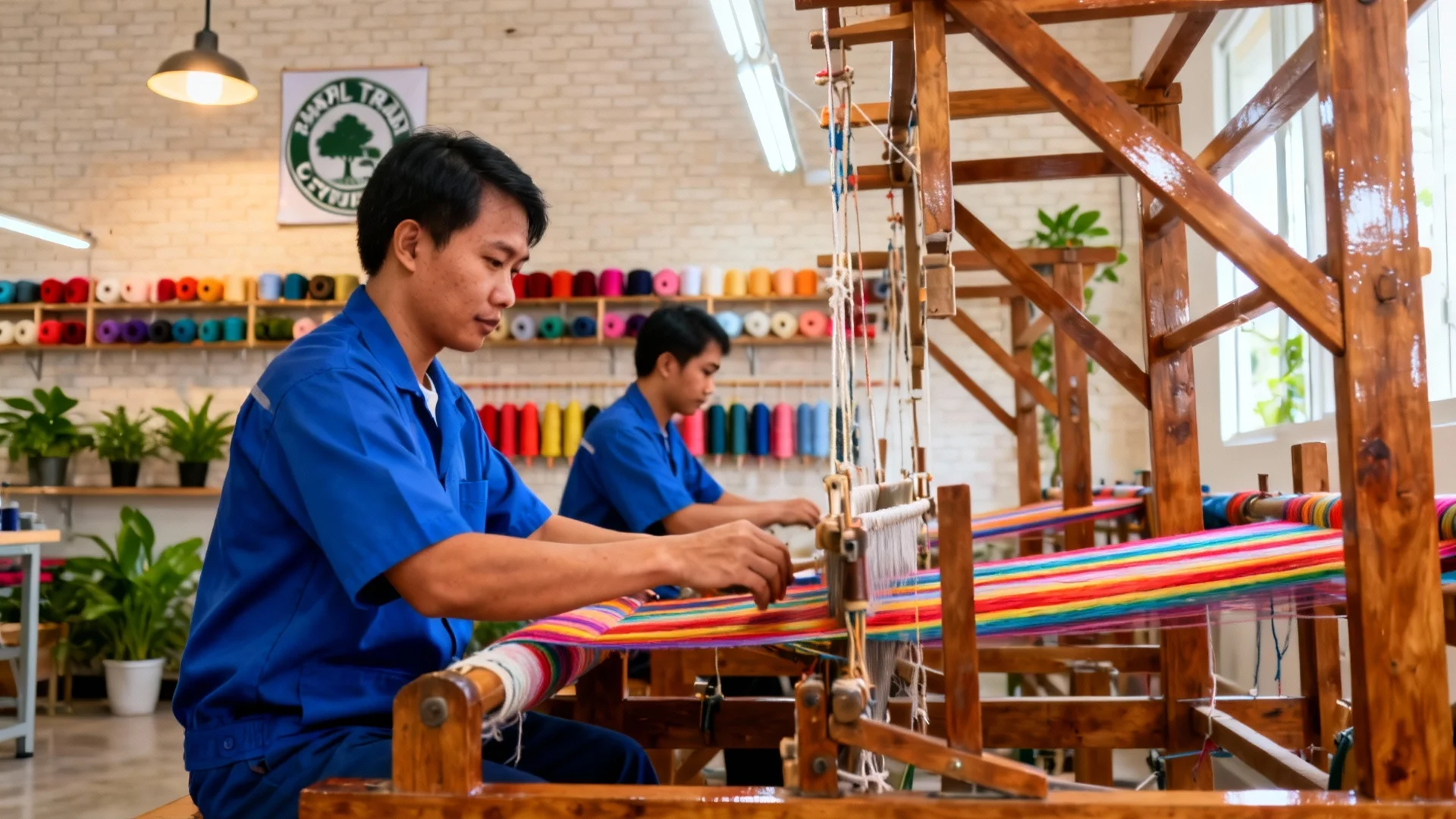
- Renewable Energy Integration: Solar, wind, and biomass energy sources increasingly power production lines
- Energy Management Systems: Smart monitoring and optimization of energy usage across operations
- Heat Recovery: Capturing and reusing waste heat from machinery and processes
- LED Lighting: Upgrading to energy-efficient lighting with motion sensors in production areas
- Equipment Upgrades: Replacing outdated machinery with modern, energy-efficient alternatives
Water Conservation Strategies
Given the water-intensive nature of textile production, innovative approaches include:
- Closed-Loop Systems: Recycling and reusing water within production processes
- Low-Water Dyeing Technologies: New methods that reduce water usage by up to 95% compared to conventional dyeing
- Rainwater Harvesting: Collecting and storing precipitation for non-potable uses
- Greywater Treatment: Processing and reusing wastewater from washing and finishing
- Drought-Resistant Landscaping: Eliminating irrigation needs for facility grounds
Chemical Management and Reduction
The industry is making significant progress in reducing hazardous inputs:
- Non-Toxic Dye Alternatives: Plant-based, natural dyes and low-impact synthetic options
- Biodegradable Auxiliaries: Replacing persistent chemicals with environmentally benign alternatives
- Waterless Printing Technologies: Digital printing methods that eliminate dye bath requirements
- Chemical Management Systems: Tracking and optimizing chemical usage to minimize waste
- Green Chemistry Certification: Adopting frameworks that evaluate chemical safety throughout product lifecycle
Waste Reduction and Management
Innovative approaches to production waste include:
- Zero-Waste Pattern Cutting: Optimizing layout to minimize fabric waste
- Production Scrap Recycling: Capturing and repurposing cutting waste into new products
- Process Optimization: Reducing off-cuts through precision manufacturing techniques
- Byproduct Utilization: Finding secondary markets for production byproducts
- Supplier Waste Collaboration: Working with material suppliers to minimize packaging and transportation waste
2025 Process Innovation Trends
Emerging technologies are transforming sustainable production:
- Digital Printing: Reducing setup waste and enabling on-demand production
- Laser Cutting: Precision technology that minimizes material waste
- 3D Knitting: Producing finished scarves directly from digital designs with minimal waste
- Nanotechnology Applications: Enhancing fabric properties without excessive chemical treatments
- Robotics and Automation: Improving precision and reducing material waste through advanced manufacturing techniques
Implementation Challenges and Solutions
Process optimization faces several hurdles:
- Capital Investment: New technologies require significant upfront investment
- Skill Gaps: Operators need training to effectively utilize new equipment and processes
- Production Disruption: Implementing changes can temporarily affect output and quality
- Supply Chain Coordination: Process changes often require supplier collaboration
- Cost-Benefit Analysis: Balancing short-term investment with long-term savings and environmental benefits
End-of-Life Management: Closing the Loop
The final phase of a scarf's lifecycle—end-of-life management—represents both the greatest challenge and significant opportunity for creating truly sustainable products. Despite best efforts to extend product lifespan, all scarves eventually reach a point where they can no longer fulfill their original purpose, requiring thoughtful strategies for responsible disposal, recycling, or repurposing.
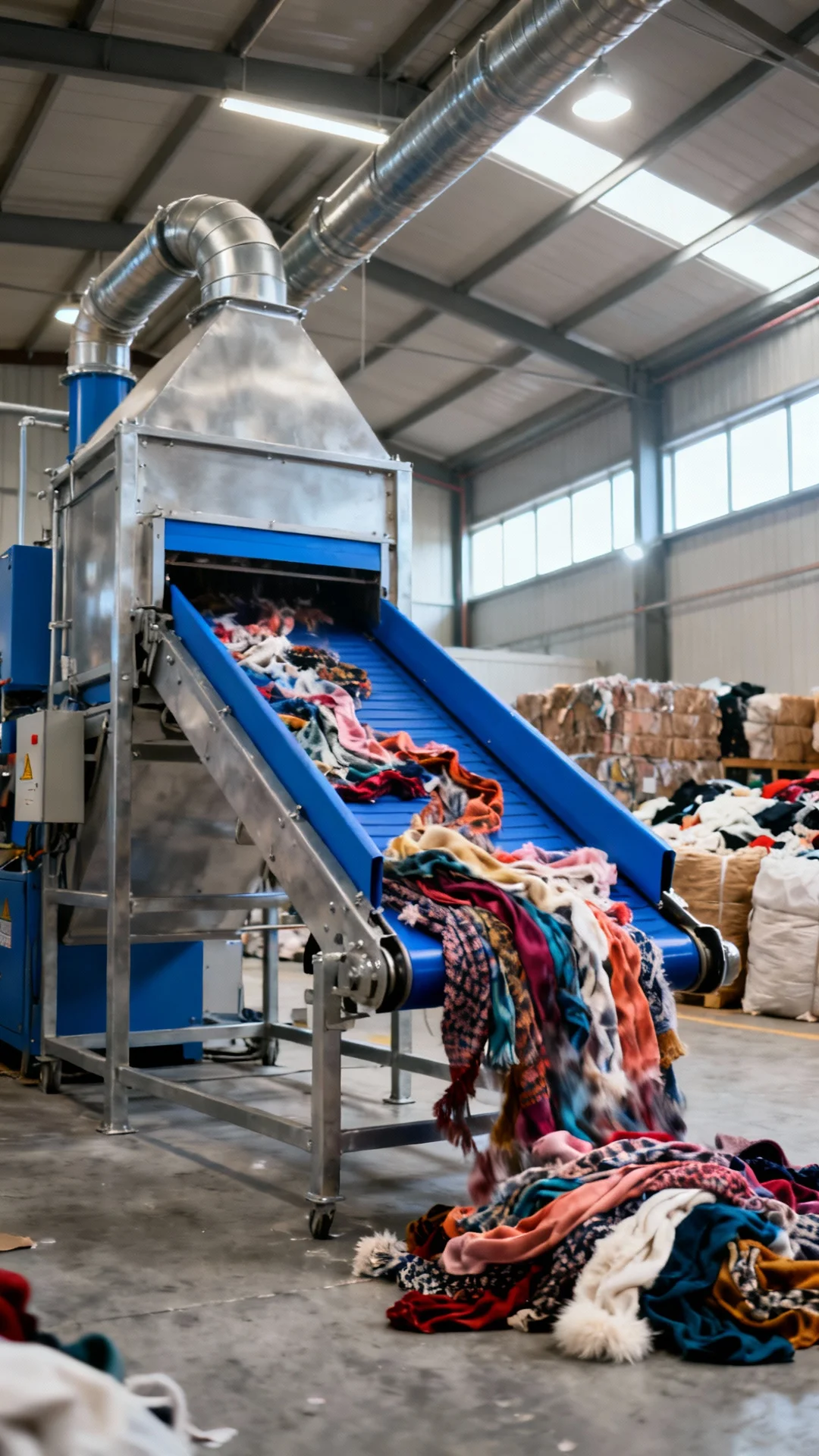
Product Take-Back Systems
Forward-thinking brands are implementing comprehensive collection programs:
- In-Store Collection Bins: Allowing customers to return worn scarves at retail locations
- Mail-In Recycling Programs: Providing prepaid shipping for end-of-life product return
- Partner Collection Networks: Collaborating with dry cleaners and fashion retailers to expand collection points
- Purchase-Triggered Take-Back: Offering incentives for returning old scarves when purchasing new ones
- Corporate Collection Initiatives: Working with businesses to collect uniform or promotional scarves
Recycling Technologies and Processes
Textile recycling continues to advance with several promising approaches:
- Mechanical Recycling: Shredding and reprocessing fibers into lower-quality applications
- Chemical Recycling: Breaking down polymers into basic building blocks for new fiber production
- Fiber-to-Fiber Recycling: Emerging technologies that can recycle blended textiles into new scarf-quality fibers
- Upcycling Programs: Transforming damaged scarves into new products with creative redesign
- Composting Options: For fully natural fiber scarves, industrial composting creates nutrient-rich soil amendment
Circular Business Models
Innovative approaches to product end-of-life include:
- Leasing Programs: Retaining ownership of scarves while renting them to customers
- Resale Platforms: Facilitating secondhand markets for pre-owned scarves
- Remake Services: Offering professional redesign or repair of damaged products
- Material Recovery: Harvesting high-quality fibers from multiple end-of-life scarves for new production
- Digital Product Passports: Creating permanent records of material composition to facilitate future recycling
2025 End-of-Life Management Trends
The industry is moving toward more sophisticated solutions:
- AI Sorting Systems: Advanced technology that can identify and separate different fiber types
- Enzymatic Recycling: Biological processes that break down specific fibers for recovery
- Blockchain Tracking: Following recycled materials through subsequent lifecycle iterations
- Chemical Depolymerization: Breaking down synthetic fibers into reusable monomers
- Regional Recycling Hubs: Concentrating recycling infrastructure to achieve economies of scale
Challenges in End-of-Life Management
Significant obstacles remain to effective circularity:
- Blended Fiber Complexity: Mixed materials make efficient recycling difficult
- Contamination Issues: Chemical treatments and hardware components complicate recycling
- Infrastructure Gaps: Limited textile recycling facilities in many regions
- Economic Viability: Recycled materials often face cost disadvantages compared to virgin alternatives
- Consumer Education: Many customers remain unaware of proper disposal options
Strategic Implementation Framework
Successful end-of-life programs typically follow this development path:
- Conduct waste audit to understand current disposal patterns and challenges
- Set clear circularity goals and metrics for measurement
- Research and select appropriate technology partners for recycling or repurposing
- Develop convenient collection systems with clear consumer communication
- Test processing methods with representative product samples
- Launch pilot program with limited scope to refine processes
- Expand program scale while continuously improving efficiency
- Communicate results transparently, including challenges and areas for improvement
Comparative Analysis and Industry Benchmarks
Understanding how sustainable scarf production practices measure against industry standards and competitor approaches provides valuable context for businesses seeking to improve their environmental and social performance. Benchmarking enables brands to identify improvement opportunities, validate sustainability claims, and communicate progress effectively to stakeholders.
Key Performance Indicators (KPIs)
Effective benchmarking requires measuring these critical metrics:
- Carbon Footprint: Total greenhouse gas emissions per scarf, measured across the full lifecycle
- Water Intensity: Volume of water consumed per unit of production
- Material Efficiency: Percentage of raw materials converted into finished product
- Waste Generation: Amount of waste produced during manufacturing, by weight
- Labor Conditions: Worker compensation relative to living wage standards
- Supply Chain Transparency: Percentage of materials that can be traced to origin
- Product Lifespan: Average duration the scarf remains in active use
- Recyclability Rate: Percentage of the product that can be recycled at end-of-life
Industry Average Performance
Current textile industry benchmarks show significant variation:
- Water Usage: Conventional scarf production uses 200-500 liters per kilogram; sustainable producers achieve 50-150 liters
- Carbon Emissions: Average scarf production generates 5-10 kg CO₂e; leading sustainable brands achieve 2-4 kg CO₂e
- Waste Production: Typical manufacturing generates 15-25% waste, while innovative facilities reduce this to 5-10%
Best-in-Class Performance
Leading sustainable scarf manufacturers demonstrate exceptional results:
- Patagonia Worn Wear Program: Achieves 85% product recovery rate for repair, reuse, or recycling
- Eileen Fisher Renew Program: Reports 40% lower carbon footprint for recycled fiber scarves compared to virgin material production
- Stella McCartney Circular Collection: Maintains 92% traceability across all scarf materials
- Pact Organic: Achieves 98% material efficiency through pattern optimization and zero-waste cutting techniques
Competitive Benchmarking Methodology
Effective sustainability benchmarking follows this process:
- Identify direct competitors and sustainability leaders in the scarf category
- Collect publicly available sustainability data and documentation
- Normalize metrics to account for differences in product size, materials, and production volume
- Conduct mystery shopping to evaluate product durability and quality firsthand
- Analyze