In the competitive fashion accessories market, strategic brand partnerships have become powerful tools for growth and innovation. As consumer demand for unique, sustainable, and personalized products continues to rise, the scarf category presents exceptional opportunities for collaboration between designers, retailers, and manufacturers. This comprehensive guide, drawing on decades of industry expertise and 2025 market insights, explores the intricate process of building successful scarf brand partnerships—from initial concept development through product launch and beyond.
Understanding the Modern Scarf Partnership Landscape
The scarf market has undergone significant transformation in recent years. 2025 industry trends reveal pronounced shifts toward sustainable luxury and bespoke personalization. Market research indicates silk scarves have experienced a 35% surge in demand among luxury retailers, while sustainable materials now influence purchasing decisions for 62% of wholesale buyers. This evolving marketplace demands partnerships that skillfully balance creative vision with commercial viability.
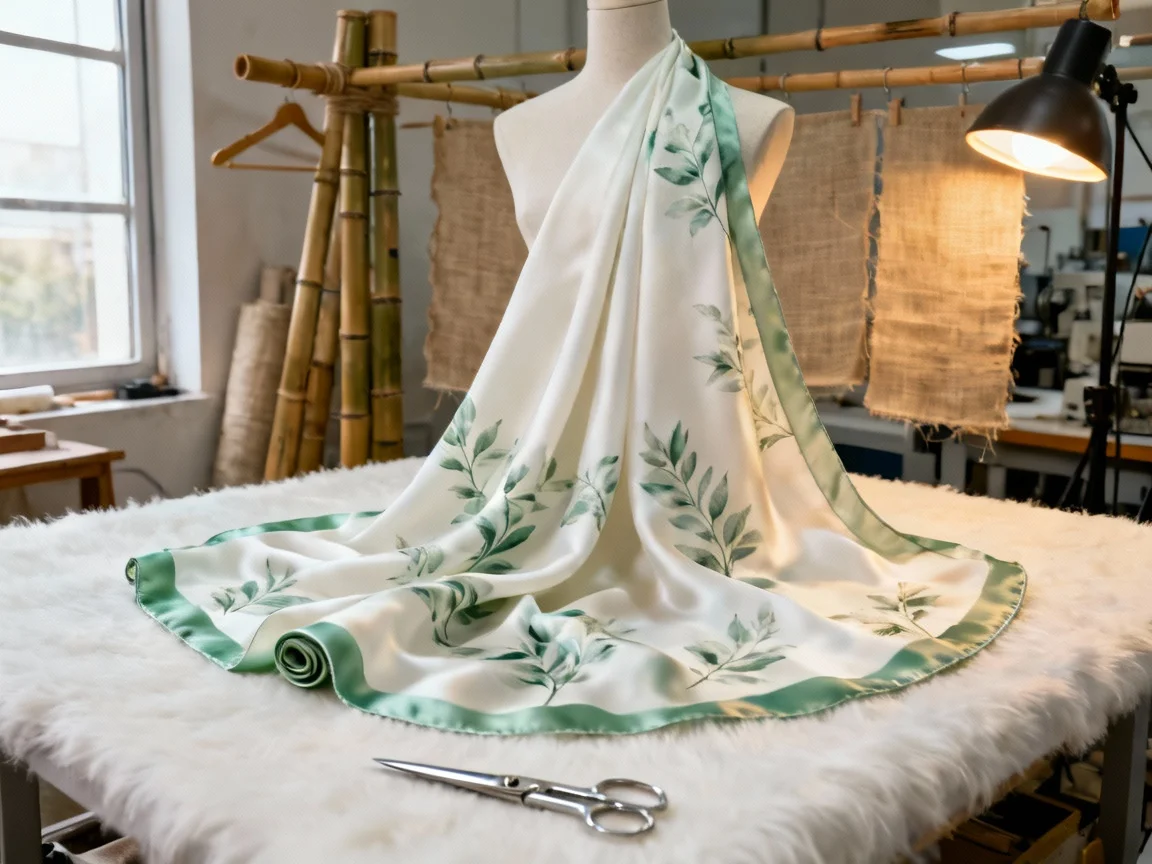
Today's successful scarf brand partnerships rest on three foundational pillars:
- Creative Alignment: Shared aesthetic values and design philosophy
- Operational Synergy: Complementary capabilities across design, production, and distribution
- Sustainability Commitment: Joint dedication to ethical sourcing and manufacturing practices
Industry leaders increasingly recognize that partnerships represent more than transactional relationships—they are strategic alliances driving innovation, expanding market reach, and creating unique value propositions. As noted in the 2025 Brand Collaboration Report, "The most successful scarf partnerships leverage each partner's core strengths while creating something neither could achieve alone."
Strategic Partner Selection: Finding Your Ideal Manufacturing Partner
Selecting the right manufacturing partner represents the critical first step in building a successful scarf brand partnership. This decision demands careful evaluation across multiple dimensions to ensure alignment with your brand's values, quality standards, and business objectives.
Key Evaluation Criteria for Scarf Manufacturers
Production Capabilities Assessment
Begin by thoroughly assessing technical capabilities when evaluating potential manufacturing partners. Leading 2025 manufacturers offer advanced production technologies, including digital printing with resolution up to 1200dpi, creating intricate designs with exceptional color accuracy. Consider whether the manufacturer specializes in your target materials—silk, cashmere, sustainable blends, or performance fabrics—as material expertise directly impacts quality outcomes.
Quality Control Protocols
Establish clear quality benchmarks and verify potential partners have robust quality control processes. Reputable manufacturers implement multi-stage inspection protocols, checking at fabric receipt, pre-production sampling, mid-production monitoring, and final inspection. Request defect rate documentation—industry leaders maintain rates below 0.5% for premium scarf production.
Sustainability Practices
Environmental considerations matter more than ever to consumers and retailers. Evaluate potential partners' sustainability credentials, looking for certifications such as OEKO-TEX® for chemical safety, GOTS for organic textiles, or ISO 14001 for environmental management systems. Progressive manufacturers now offer innovative sustainable options including waterless dyeing, recycled silk, and biodegradable packaging.
Minimum Order Quantities and Pricing Structures
Minimum Order Quantity (MOQ) requirements vary significantly—from 50 units for specialized custom designs to 500+ for mass production. Luxury silk scarf producers typically have higher MOQs due to material costs and production complexity. When evaluating pricing, consider total landed costs including shipping, duties, and additional service fees—not just per-unit costs.
Red Flags to Watch For
Stay alert for potential warning signs during selection:
- Inconsistent communication or delayed responses
- Vague quality commitments or unwillingness to provide detailed specifications
- Limited transparency regarding manufacturing processes or material sourcing
- Unusually low pricing that seems unsustainable against market standards
- Poor references or limited successful partnership portfolio
Due Diligence Process
A comprehensive due diligence process should include:
- Requesting and evaluating product samples across multiple colorways
- Conducting factory audits (in-person or virtual)
- Speaking with existing clients about their experience
- Reviewing production documentation and quality control procedures
- Negotiating clear terms for timelines, revisions, and accountability
The best partnerships grow from relationships built on transparency and mutual understanding of capabilities and limitations. Thorough due diligence upfront reduces risks and builds the foundation for productive long-term collaboration.
The Custom Design Collaboration Process
Developing custom scarf designs through brand partnerships requires a structured yet flexible process that fosters creativity while ensuring alignment with commercial objectives. Successful collaborations establish clear workflows, approval mechanisms, and communication protocols from the start.
Phases of the Design Development Journey
Discovery and Briefing Phase

Collaboration begins with intensive discovery where brand partners share vision, target market insights, and design requirements. This phase typically includes:
- Comprehensive design brief development with brand guidelines, inspiration materials, and technical specifications
- Material selection discussions considering sustainability goals, aesthetic qualities, and functional requirements
- Identification of target price points and margin expectations
- Establishment of key performance indicators for the collaboration
Industry best practice creates a detailed creative brief document that memorializes all these elements as a reference throughout the design process.
Creative Development and Iteration
With the brief established, the design team translates concepts into tangible designs. This iterative phase follows a structured review process:
- Initial concept presentation (8-12 design directions)
- Selection and refinement of 3-5 concepts
- Technical development of final designs including color specifications and print separations
- Digital prototyping and virtual approvals
- Physical sample production and evaluation
Leading manufacturers now use digital design platforms enabling real-time collaboration and visualization, cutting development timelines from the traditional 8-12 weeks to 4-6 weeks for standard designs.
Technical Production Planning
After design approval, the collaboration moves into technical production planning. This critical phase involves:
- Final material sourcing and testing
- Print technique selection (digital, screen, transfer, or jacquard)
- Color matching and lab dip approvals
- Production scheduling and timeline establishment
- Quality control criteria finalization
For complex designs or specialty materials, this phase often includes producing limited pre-production samples for final evaluation before full-scale manufacturing.
Managing the Approval Process Effectively
Clear approval protocols prevent costly delays and maintain design integrity. Best practices include:
- Establishing single points of contact for approvals on both sides
- Setting clear timelines for feedback (typically 48-72 hours for each review stage)
- Documenting all revisions with version control
- Conducting formal sign-off at critical milestones
- Building contingency time for unexpected revisions
Communication tools designed for creative collaborations streamline this process by centralizing feedback, tracking revisions, and maintaining a complete audit trail of the design journey.
Navigating Production and Manufacturing Partnerships
Moving from approved designs to mass production is a complex undertaking requiring meticulous planning, coordination, and proactive problem-solving. Successful scarf brand partnerships establish clear protocols for managing production, addressing challenges early, and ensuring consistent quality across large runs.
Production Planning Essentials
Manufacturing Timeline Development
Creating a detailed production timeline with built-in buffers is critical. A typical custom scarf production schedule includes:
- Material sourcing and preparation: 2-4 weeks
- Pre-production testing: 1 week
- Main production run: 3-6 weeks (depending on volume and complexity)
- Quality inspection and sorting: 3-5 days
- Packaging and shipping preparation: 1-2 weeks
Leading manufacturers use advanced production planning software providing real-time visibility, enabling proactive adjustments when issues arise. For time-sensitive collections, some partners use phased production that prioritizes key designs or colorways.
Order Quantity Management
Effective order quantity management balances several factors:
- Minimum order requirements vs. market demand projections
- Storage and inventory carrying costs
- Cash flow implications of production investments
- Risk mitigation through initial smaller runs
Many successful partnerships use tiered ordering, starting with a core production run, then adding pre-planned reorder opportunities based on initial sales. This manages risk while ensuring inventory for key selling periods.
Quality Control Protocols
Maintaining consistent quality requires multi-stage inspection protocols:
- Incoming material inspection upon factory receipt
- In-line production checks at critical stages
- Final inspection against established standards
- Random sampling for laboratory testing of key metrics (colorfastness, dimensional stability, etc.)
Effective quality control programs include clear acceptance criteria, visual standards, and defect classification systems agreed by both partners before production begins.
Managing Production Challenges
Despite careful planning, production challenges inevitably arise in scarf manufacturing. Common issues include:
- Color variation across production batches
- Material quality inconsistencies
- Production delays due to equipment issues
- Shipping and logistics disruptions
Best-in-class partnerships prepare contingency plans:
- Establishing acceptable color tolerance ranges
- Securing backup material sources for critical components
- Building production buffers for time-sensitive deliveries
- Developing alternative shipping routes and methods
Regular production status meetings—ideally weekly during active manufacturing—enable partners to address emerging issues before they become significant problems.
Private Label Scarf Partnerships: Building Your Brand with Manufacturing Support
Private label scarf partnerships offer brands a streamlined path to market, leveraging manufacturing partners' expertise while maintaining brand identity and control. This model gained significant traction in 2025, with private label scarf programs now representing approximately 35% of all wholesale scarf business.
Structure and Benefits of Private Label Agreements
Private Label Models and Structures
Private label scarf partnerships typically follow one of three models:
- Full-Service Private Label: Manufacturer handles design development, production, and sometimes packaging
- Designer-Driven Private Label: Brand provides designs, manufacturer executes production
- Co-Created Private Label: Collaborative design process using both partners' expertise
The optimal structure depends on the brand's internal capabilities, design resources, and strategic objectives. Emerging brands often start with full-service models before moving to more collaborative approaches as their design teams mature.
Key Benefits for Brands
Private label partnerships offer numerous advantages:
- Reduced capital investment compared to vertical integration
- Access to specialized manufacturing expertise and technology
- Faster time-to-market than establishing in-house production
- Scalability to meet fluctuating demand
- Risk mitigation through shared production costs
Well-structured private label relationships enable brands to focus resources on design direction, marketing, and sales while utilizing manufacturing partners' operational expertise.
Negotiating Win-Win Private Label Agreements
Essential Terms to Address
Comprehensive private label agreements should clearly define:
- Exclusivity provisions and market restrictions
- Quality standards and acceptance criteria
- Pricing structures and volume discounts
- Payment terms and schedules
- Intellectual property ownership
- Minimum order quantities and frequency
- Term and termination provisions
- Confidentiality requirements
Quality responsibility and remedies for non-conforming products require particularly clear definition. Industry best practice includes detailed quality specifications and inspection protocols as appendices to the main agreement.
Balancing Flexibility and Commitment
Successful private label partnerships balance:
- Long-term commitment that justifies investment in specialized tooling or processes
- Flexibility to adapt to market changes and design evolution
- Volume commitments that ensure manufacturing partner profitability
- Openness to product innovation and improvement
Many partnerships start with trial periods and smaller minimum orders before committing to larger production volumes. This allows both parties to demonstrate capabilities and build trust.
Sustainability and Ethical Considerations in Modern Partnerships
Sustainability has evolved from a niche concern to a core requirement in scarf brand partnerships, influencing material selection, manufacturing processes, and end-of-life considerations. Modern consumers and retail partners increasingly demand transparency and tangible commitments to environmental and social responsibility throughout supply chains.
Building Sustainable Partnerships
Material Sourcing Collaboration
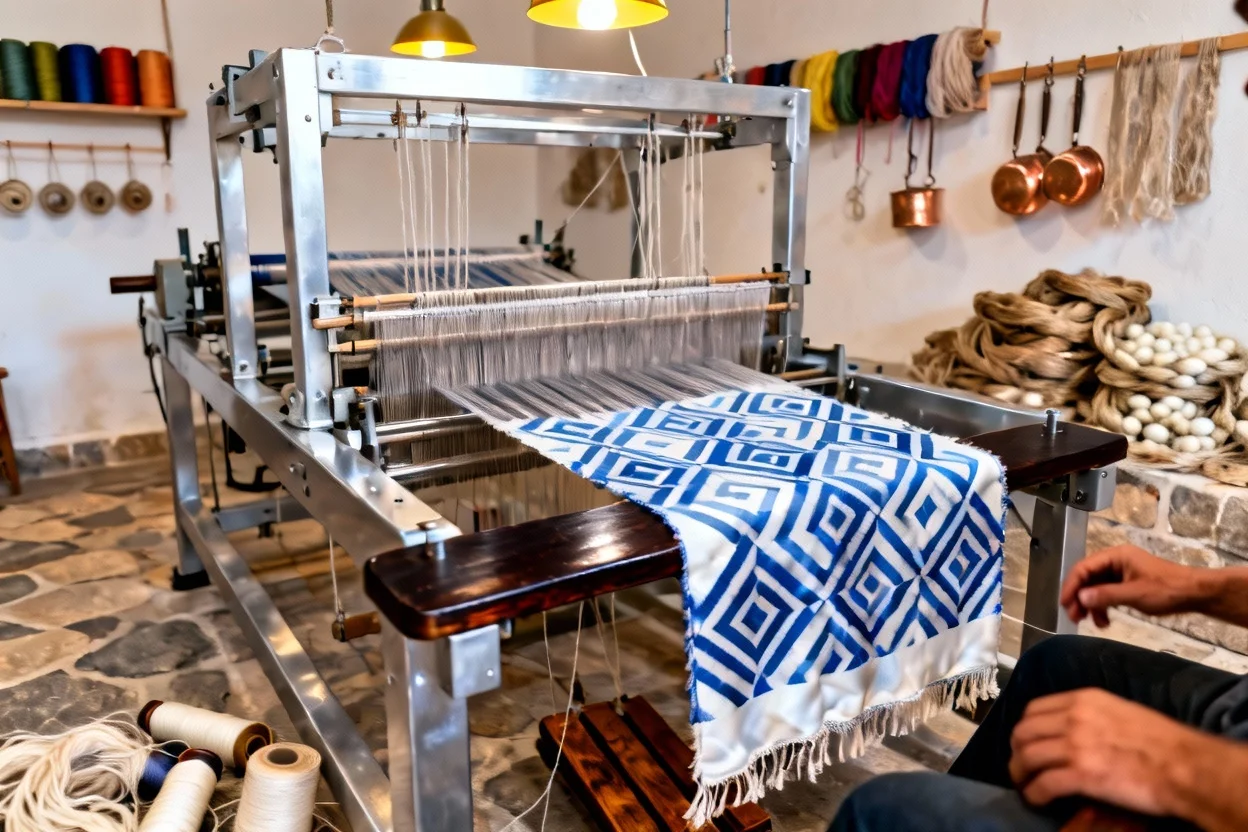
Leading scarf partnerships now collaborate extensively on sustainable material sourcing, exploring innovative options including:
- Recycled silk and polyester made from post-consumer waste
- Organic cotton and natural fibers grown without harmful chemicals
- Tencel™ and other cellulose-based fibers from sustainably managed forests
- Innovative bio-based materials with reduced environmental impact
Progressive partnerships conduct joint lifecycle assessments of potential materials, evaluating environmental impact across extraction, processing, manufacturing, and disposal phases. Some have established joint sustainable material innovation programs to develop proprietary eco-friendly fabrics.
Manufacturing Process Improvements
Sustainable manufacturing partnerships focus on measurable process improvements:
- Water reduction initiatives (some leading facilities have achieved 40-50% water reduction)
- Energy efficiency programs including renewable energy adoption
- Chemical management systems that eliminate hazardous substances
- Waste reduction strategies targeting zero landfill goals
These initiatives reduce environmental impact while often creating operational cost savings benefiting both partners. The Sustainable Textile Partnership Report 2025 documented average cost savings of 18% among manufacturers implementing comprehensive sustainability programs.
Certifications and Transparency
Third-party certifications validate sustainability claims in scarf partnerships. Recognized credentials include:
- Global Organic Textile Standard (GOTS) for organic fibers
- OEKO-TEX® Standard 100 for product safety
- ISO 14001 for environmental management systems
- Fair Trade certification for social responsibility
Beyond certifications, leading partnerships implement transparency initiatives like supply chain mapping, factory audits, and sustainability reporting. Some have developed consumer-facing traceability tools that allow customers to verify origins and sustainability credentials of their scarves.
Communicating Sustainability Initiatives
Effectively communicating sustainability efforts is critical for modern scarf partnerships. Best practices include:
- Developing joint sustainability narratives highlighting collaborative achievements
- Creating shared sustainability goals with measurable targets and timelines
- Producing transparent reporting on progress and challenges
- Developing educational materials for consumers about environmental benefits
- Leveraging digital tools to provide supply chain transparency
Authentic sustainability communication strengthens brand positioning, attracts values-aligned customers, and creates differentiation in crowded markets. As one retail sustainability director noted, "We prioritize partnerships that demonstrate not just sustainability claims but measurable progress and continuous improvement."
Case Studies: Successful Scarf Brand Partnership Models
Analyzing real-world successful scarf brand partnerships provides insights into effective collaboration models, challenges overcome, and best practices. These case studies demonstrate diverse approaches to scarf collaborations, highlighting different structures and success factors.
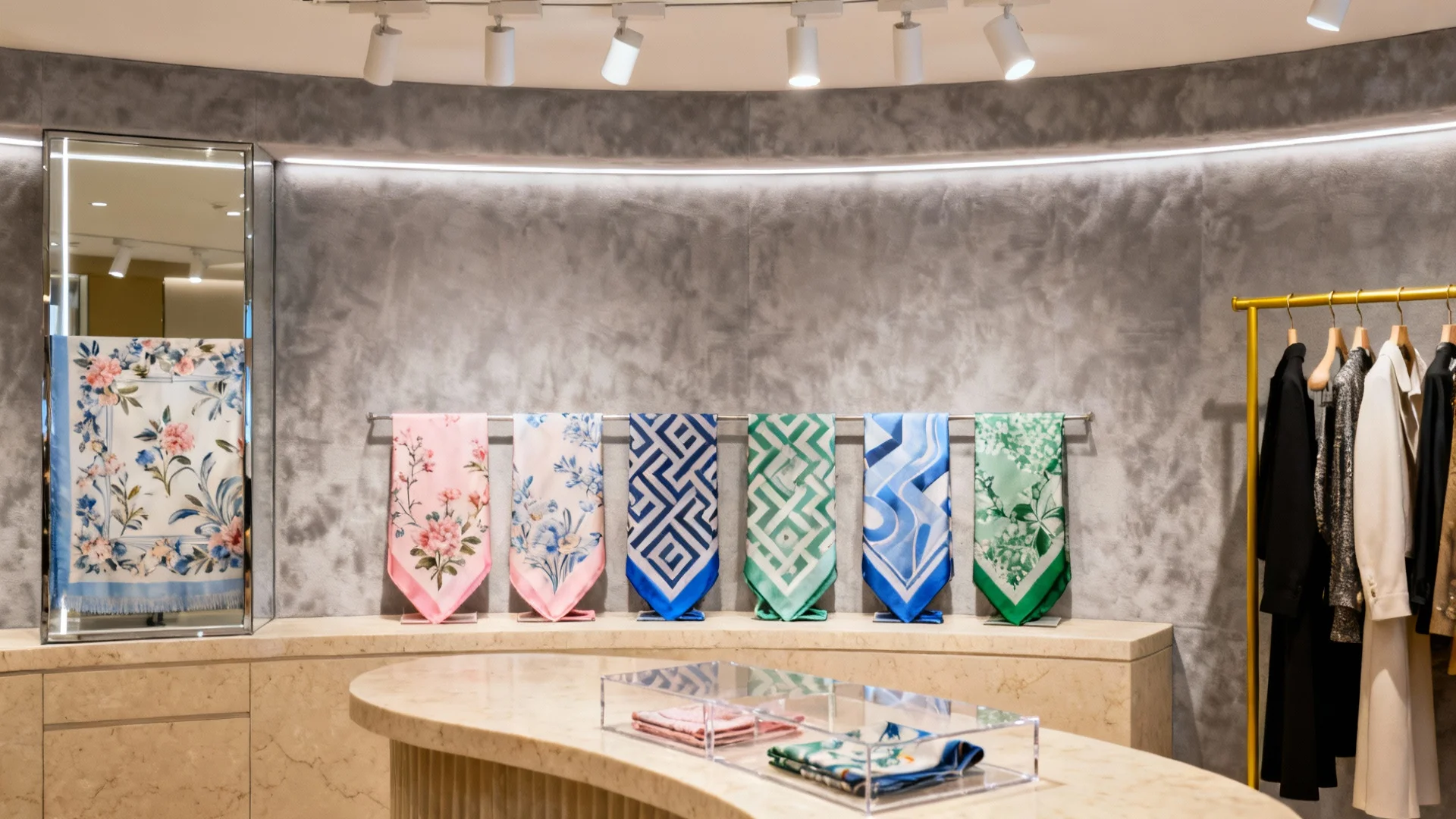
Luxury Designer-Manufacturer Collaboration
The Partnership: High-End Fashion Label x Specialist Silk Producer
A renowned fashion house partnered with an Italian silk manufacturer to create their signature scarf collection, combining the manufacturer's centuries-old weaving techniques with the brand's contemporary design aesthetic.
Key Success Factors:
- Clear division of responsibilities: Brand handled creative direction and marketing, manufacturer managed technical execution and production
- Joint investment in custom looms to achieve unique textures and patterns
- Shared sustainability commitment resulting in a waterless dyeing process
- Long-term strategic alignment with 5-year partnership roadmap
Results:
The collaboration produced a highly successful scarf line generating $12 million in first-year sales with 92% sell-through rates at retail. The partnership has expanded to include seasonal limited editions and exclusive retailer collaborations, demonstrating the scalability of the initial合作 model.
Lessons Learned:
This case demonstrates the value of aligning complementary strengths—creative vision with technical expertise—and investing in specialized capabilities that create unique market positioning. Long-term commitment enabled both partners to make strategic investments that wouldn't have justified short-term projects.
Sustainable Startup Collaboration
The Partnership: Eco-Conscious Startup x Vertically Integrated Manufacturer
A sustainable fashion startup partnered with a manufacturer operating its own textile mills, together creating a transparent supply chain for their organic cotton scarf collection.
Key Success Factors:
- Shared commitment to radical transparency (including supply chain mapping)
- Joint development of proprietary low-impact dyeing techniques
- Flexible production model accommodating small initial runs with scaling capabilities
- Co-created certification standards exceeding industry requirements
Results:
The partnership enabled the startup to launch with minimal upfront investment while maintaining complete control over sustainability standards. Within two years, the scarf collection grew to represent 40% of the brand's revenue. Retail partners cited the transparent supply chain as a key differentiator.
Lessons Learned:
This example shows how startups can use manufacturing partnerships to access capabilities that would be cost-prohibitive to develop independently. Focusing on shared values rather than just production capacity created a foundation for long-term collaboration and mutual growth.
Retailer-Private Label Partnership
The Partnership: National Retail Chain x Global Manufacturing Consortium
A major department store partnered with a manufacturing consortium to develop an exclusive private label scarf collection across multiple price points and material categories.
Key Success Factors:
- Modular partnership structure allowing selective engagement with specialized production facilities
- Centralized design team collaborating with multiple manufacturing partners
- Data-sharing agreement enabling demand forecasting and production optimization
- Tiered quality standards aligned with different retail price points
Results:
The flexible partnership model enabled the retailer to offer over 150 scarf styles across three private label tiers. Combined annual sales exceeded $35 million. The consortium structure allowed rapid scaling of successful designs while minimizing risk on experimental styles.
Lessons Learned:
This case demonstrates the benefits of strategic flexibility in manufacturing partnerships, particularly for retailers needing to balance variety, quality, and cost. Data-driven production planning significantly reduced inventory risks while ensuring availability of top-selling styles.
Navigating Challenges and Conflict Resolution in Partnerships
Even carefully planned scarf brand partnerships face challenges requiring proactive management and effective problem-solving. Successful collaborations establish robust conflict resolution mechanisms and maintain open communication channels to address issues before they become crises.
Common Partnership Challenges and Solutions
Quality Control Issues
Despite rigorous specifications, quality discrepancies can emerge during production. Best practices for resolution include:
- Establishing clear acceptance criteria before production begins
- Implementing statistical process control with defined action thresholds
- Creating graduated response protocols for different quality issues
- Conducting joint root cause analysis for recurring problems
- Developing corrective action plans with clear timelines and accountability
When quality issues arise, addressing them promptly and constructively strengthens partnerships by demonstrating commitment to shared standards and continuous improvement.
Communication Breakdowns
Miscommunication can derail even the most promising partnerships. Preventative measures include:
- Establishing regular communication rhythms (weekly status meetings, daily check-ins during critical production phases)
- Creating shared project management tools with real-time updates
- Documenting all decisions and agreements in writing
- Clarifying communication channels for different types of information
- Conducting quarterly relationship reviews to address evolving needs
Cultivating a culture of transparency and psychological safety enables partners to raise concerns early before they escalate into major issues.
Production Delays
Supply chain disruptions, material shortages, or production issues can threaten delivery timelines. Effective mitigation strategies include:
- Building reasonable buffers into production schedules
- Identifying critical path activities and potential bottlenecks
- Developing contingency plans for high-risk elements
- Maintaining relationships with alternative material suppliers
- Establishing clear escalation protocols for delay notification
When delays occur despite precautions, focusing on solutions rather than blame preserves the partnership while addressing the immediate challenge.
Building Resilience Through Collaborative Problem-Solving
The strongest scarf brand partnerships view challenges as opportunities to strengthen their relationship and improve processes. Collaborative problem-solving techniques include:
- Jointly defining the problem before discussing solutions
- Focusing on interests rather than positions
- Exploring multiple potential solutions before selecting the best approach
- Documenting lessons learned from each challenge
- Implementing process improvements to prevent recurrence
Partnerships that develop strong problem-solving capabilities together often emerge with more efficient processes, stronger relationships, and greater resilience for future challenges.
Conclusion: Building Enduring Scarf Brand Partnerships
Successful scarf brand partnerships represent