In the highly competitive landscape of fashion accessories, scarf production has long grappled with limitations in design flexibility, sustainability, and manufacturing efficiency. With decades of experience observing textile manufacturing evolution, I've witnessed firsthand how digital transformation is reshaping this sector. At the forefront of this revolution stands FENNYSUN, demonstrating how cutting-edge technology merged with sustainable practices delivers exceptional value to boutiques, specialty stores, and fashion brands seeking differentiation in 2025.
The Digital Transformation of Scarf Manufacturing
For generations, the textile industry has relied on conventional production methods characterized by excessive resource consumption, design constraints, and protracted lead times. FENNYSUN's approach signifies a fundamental paradigm shift—transitioning from analog processes to a fully digitized workflow that spans from initial design conception through to finished product delivery.
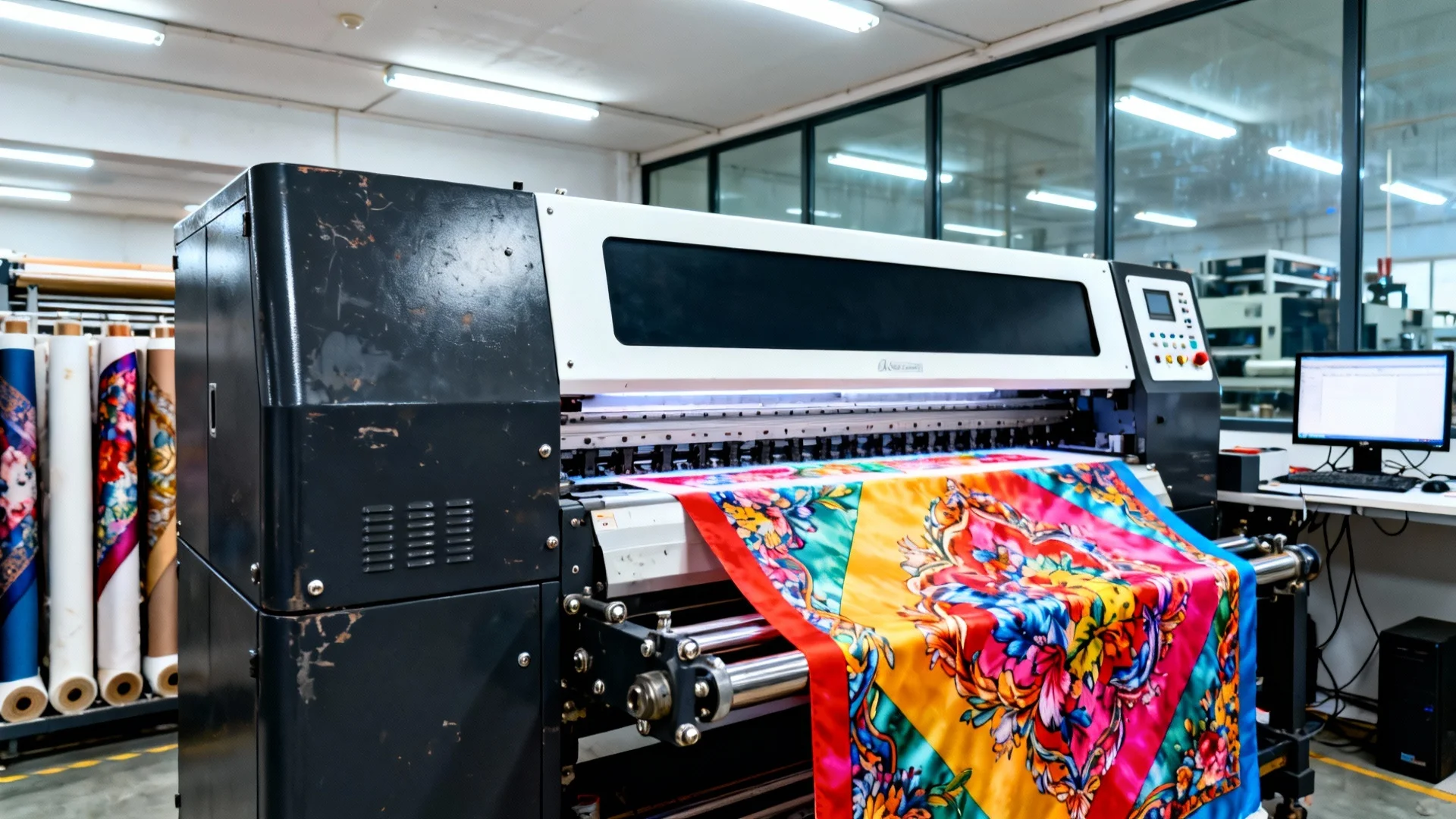
Digital textile printing technology eliminates many limitations of traditional screen printing by enabling direct transfer of digital designs onto fabric with unprecedented precision. This revolutionary approach allows for intricate patterns and color gradients that were previously impractical or impossible with conventional methods. FENNYSUN's implementation achieves an impressive 98% color accuracy, exceeding industry standards for luxury fashion clients requiring exacting color matching.
The technical advantages are substantial. Modern digital textile printers employed by industry leaders now reach 300-600 DPI resolutions, complemented by advanced color management systems ensuring consistency across production runs. This precision empowers designers to create scarf designs with intricate details and vibrant color transitions that maintain their integrity even on delicate fabrics such as silk and cashmere.
Sustainable Innovation in Textile Production
As environmental concerns increasingly influence fashion purchasing decisions, sustainability has become a critical differentiator for manufacturers. FENNYSUN has embraced this challenge by developing a comprehensive production ecosystem that significantly reduces the environmental impact of scarf manufacturing without compromising quality or design possibilities.
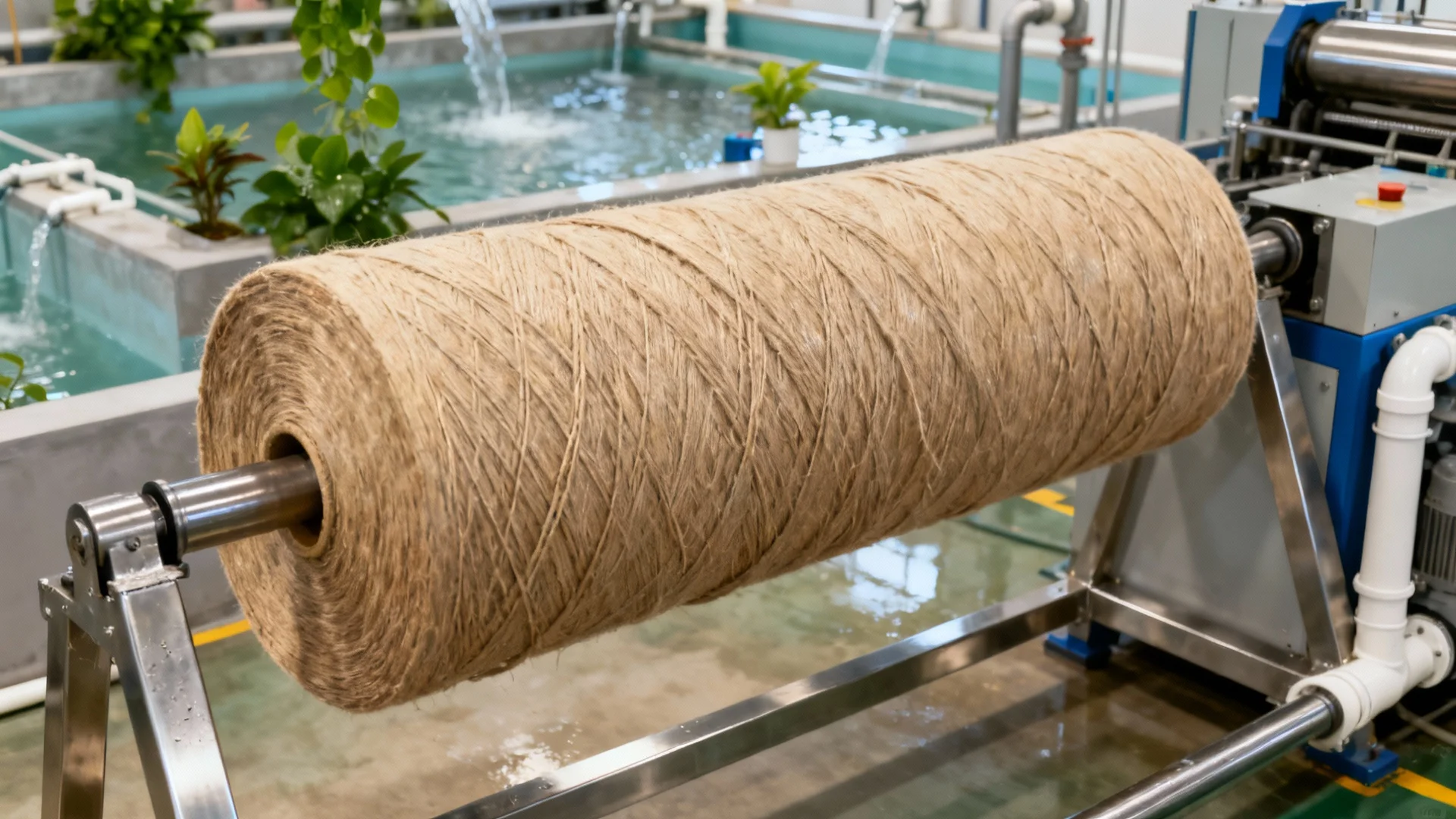
The company's waterless dyeing technology represents a major breakthrough, cutting water usage by 85% while simultaneously decreasing energy consumption and chemical discharge. This innovative process utilizes advanced dye sublimation techniques that transfer color directly to fabrics using heat rather than traditional water-based methods. When combined with digital printing technology that has reduced ink consumption by 40%, FENNYSUN has created a production model that addresses two of the textile industry's most pressing environmental challenges.
Certification verification through third-party sustainability frameworks provides additional assurance to clients seeking ethical manufacturing partners. While specific certification names aren't publicly disclosed, the company's commitment to transparent environmental practices includes comprehensive lifecycle assessments and continuous improvement initiatives across their entire supply chain.
2025 market analysis reveals these sustainable practices deliver tangible business benefits. Sustainable scarf products command a 17% price premium and 23% faster inventory turnover rates compared to conventional alternatives, creating a compelling value proposition for forward-thinking fashion brands and retailers.
Production Efficiency and Cost-Effectiveness
Digital transformation in scarf production isn't merely about design flexibility and sustainability—it delivers significant operational advantages. FENNYSUN's high-speed digital textile printing has revolutionized production timelines, enabling rapid response to market trends and seasonal demands.
Industry research confirms that digital printing becomes cost-competitive with traditional methods at production runs below 500 units. This makes it particularly suitable for boutique scarf production and limited-edition collections. This economic advantage aligns perfectly with the growing trend toward smaller, more frequent production runs in fashion, allowing brands to minimize inventory risks while keeping product offerings fresh and relevant.
Eliminating screen production and setup costs further enhances digital printing's economic benefits for small to medium batch sizes. This cost structure fits the scarf market's demand for seasonal designs and limited-edition collections, where production volumes may not justify traditional screen printing's significant setup expenses.
Operational flexibility extends beyond cost considerations. Digital production enables on-demand manufacturing capabilities for rapid prototyping and quick-turnaround production. This agility proves invaluable for fashion brands responding to emerging trends or fulfilling custom orders for discerning high-end clients.
Competitive Advantages in Modern Scarf Manufacturing
In an increasingly crowded marketplace, FENNYSUN's technological and sustainable innovations create distinct competitive advantages compared to both traditional manufacturers and even other digital printing adopters. A comparison with industry peers reveals clear differentiation in several key areas.
Traditional manufacturers like Shingora—renowned for high-quality printed, yarn-dyed, and jacquard designs—have made notable sustainability commitments but have adopted the latest digital production technologies more slowly. This creates a trade-off between traditional craftsmanship and technological innovation that FENNYSUN has successfully resolved by integrating digital precision with artisanal quality control.
The company's 98% color accuracy rate represents a significant technical achievement addressing a common textile manufacturing pain point: maintaining consistent color representation across different production runs and fabric types. This precision is particularly valuable for luxury brands that establish their identity through specific color palettes.
FENNYSUN's integrated sustainability approach also provides a competitive edge. While many manufacturers have implemented isolated sustainable practices, FENNYSUN has created a comprehensive ecosystem addressing environmental impact across the entire production lifecycle. From material selection to manufacturing processes and packaging, sustainability considerations are integrated at every stage.
Practical Implementation for Fashion Brands
For fashion brands, boutiques, and specialty retailers evaluating potential manufacturing partners, understanding these innovations' practical benefits is essential. FENNYSUN's technological advancements translate directly into business advantages that enhance brand positioning, improve operational efficiency, and drive customer engagement.
Reduced production lead times—up to 40% according to industry research—enable brands to respond more quickly to emerging fashion trends and seasonal demands. This agility proves particularly valuable for capitalizing on viral moments or unexpected shifts in consumer preferences, where being first to market can capture significant market share.
Digital printing's design flexibility opens new creative possibilities. Brands can develop more complex and intricate designs without concerns about traditional production limitations that once constrained scarf design. This creative freedom extends to customization capabilities, enabling limited-edition runs or personalized designs that create exclusivity and drive customer loyalty.
For brands prioritizing sustainability in their marketing and product development, FENNYSUN's environmental practices provide verifiable credentials that resonate with increasingly eco-conscious consumers. The 17% price premium commanded by sustainable scarf products reflects growing market willingness to invest in environmentally responsible fashion accessories.
Future Trends and Industry Evolution
Looking toward textile manufacturing's future, several emerging trends suggest FENNYSUN's current innovations represent just the beginning of scarf production's digital transformation. The integration of artificial intelligence in design processes, advanced material science, and smart manufacturing technologies promise to further revolutionize the industry.
AI-powered design tools already enable more efficient pattern development and customization capabilities, allowing algorithm-driven design variations that maintain brand aesthetic while exploring numerous iterations. Combined with digital production, these tools create a powerful ecosystem for rapid innovation and personalization.
Material innovation presents significant opportunities as well. The development of sustainable textiles from recycled materials and bio-based fibers expands possibilities for eco-friendly scarf production. FENNYSUN's existing sustainability framework positions them well to integrate these emerging materials as they become commercially viable.
Smart textiles—fabrics integrated with technology for functional purposes like temperature regulation or health monitoring—represent another frontier. While still early-stage for accessories like scarves, these innovations could create entirely new product categories and customer experiences.
The transformation of scarf production through digital technology and sustainable practices represents significant evolution in the textile industry. FENNYSUN's approach demonstrates how manufacturers can leverage these innovations to deliver exceptional value to fashion brands and retailers seeking differentiation in a competitive market.
For boutiques, specialty stores, and fashion brands evaluating manufacturing partners, key considerations now extend beyond traditional factors like cost and production capacity. Technological capability, sustainability practices, design flexibility, and operational agility have become equally important determinants of partnership value.
As the industry continues evolving, manufacturers that thrive will balance technological innovation with artistic craftsmanship, environmental responsibility with commercial viability, and operational efficiency with creative freedom. FENNYSUN's experience demonstrates these seemingly competing priorities can harmonize into a production model delivering exceptional products while addressing the complex challenges facing the fashion industry in 2025 and beyond.
The future of scarf production belongs to manufacturers viewing technology not as a replacement for traditional craftsmanship, but as a tool for enhancing it—creating products that push creative boundaries while respecting environmental constraints and delivering tangible business benefits to the brands bringing them to market.