As a leading authority in textile manufacturing with over three decades of specialized experience, FENNYSUN presents this comprehensive guide to scarf material selection. This essential resource helps fashion brands, boutiques, and retailers navigate the complex landscape of textile sourcing. In today's competitive market, informed material choices directly impact product quality, customer satisfaction, and business profitability. This handbook breaks down the properties, production processes, and sourcing considerations of the most prevalent scarf material types to help you make strategic decisions aligned with your brand values and market positioning.
Understanding Scarf Material Classifications
Successful scarf procurement starts with understanding the fundamental differences between material categories. Each fiber type—natural, synthetic, or blended—has distinct characteristics that influence production methods, performance attributes, and market applications.
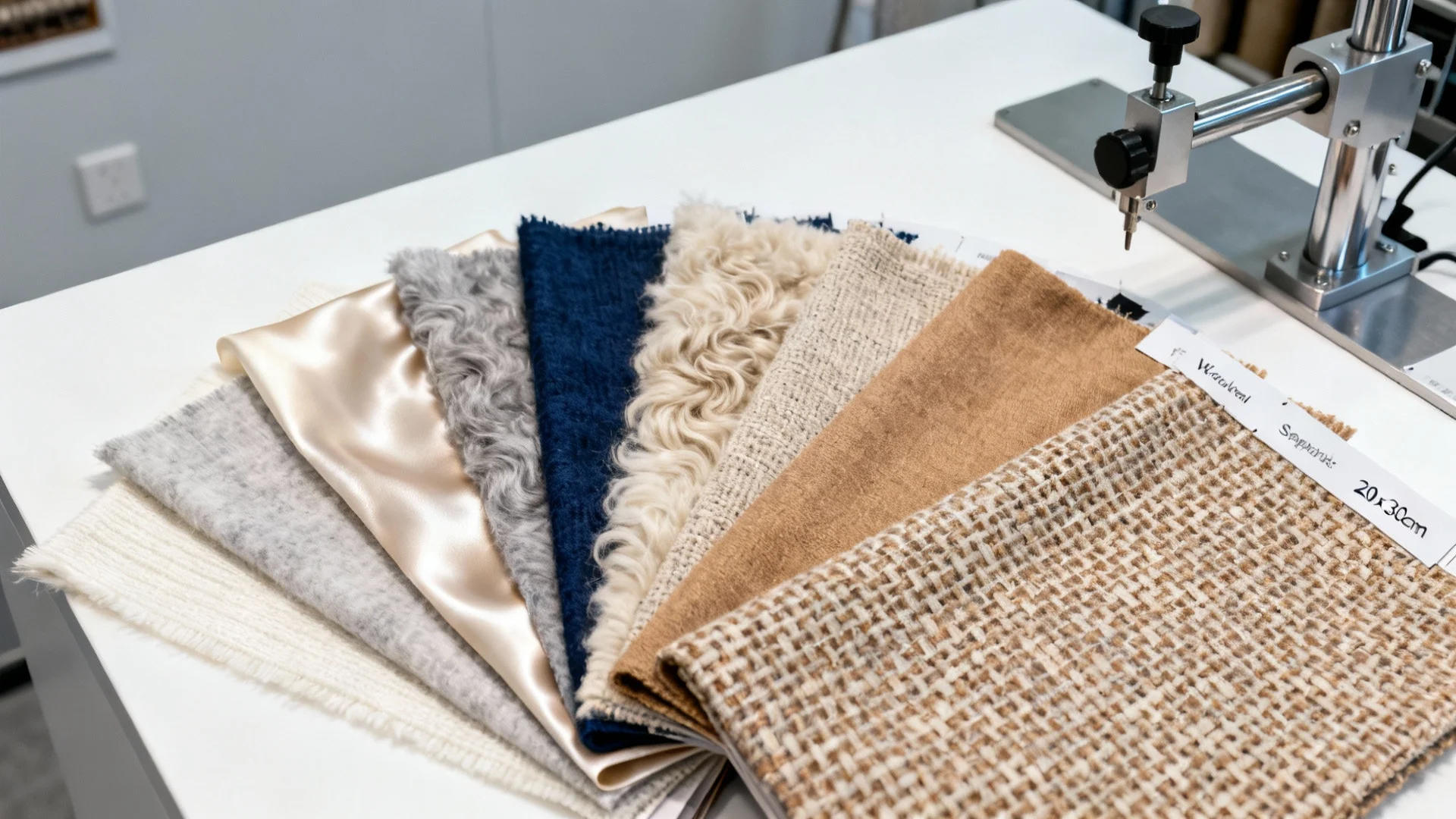
Natural Fibers: Timeless Luxury and Performance
Natural fibers maintain prominence in scarf manufacturing due to their inherent qualities and consumer appeal. The global natural scarf market, valued at over $8.2 billion in 2025, continues to grow as brands emphasize authenticity and sustainability.
Silk: Revered for luxurious drape and luminosity, silk represents the pinnacle of natural fibers in scarf production. Its delicate production process requires carefully controlling temperature and humidity to preserve filament integrity—skills developed through decades of expertise. Silk scarves command premium market positions, typically retailing at 3-5 times the price of cotton alternatives. Italian and Chinese silk production account for approximately 75% of global high-end supply. FENNYSUN's 30-year legacy in silk processing has refined techniques that enhance color absorption and structural stability, addressing common industry challenges with silk's durability limitations.
Wool: Dominating the cold-weather accessory segment with a 52% market share, wool offers exceptional insulation through its natural crimp structure. Manufacturing focuses on fiber alignment and lanolin removal to balance warmth retention with softness. Merino wool, prized for its fine diameter (11-25 microns), sets the standard for luxury wool scarves. Shetland and cashmere blends offer distinctive textural characteristics. Production requires specialized equipment to prevent felting during processing—a challenge experienced manufacturers like FENNYSUN have mastered through proprietary techniques.
Cashmere and Pashmina: These ultra-luxury fibers represent less than 0.5% of global fiber production, contributing to their exclusivity. Cashmere scarves typically contain 80-95% pure cashmere, with remaining percentages composed of wool or silk for structural stability. The dehairing process separates coarse guard hairs from fine undercoat fibers and requires meticulous attention to detail. Each goat produces only 150-200 grams of usable cashmere annually.
Cotton: Valued for breathability and versatility, cotton scarves dominate warm-weather and casual accessory markets. Organic cotton variants have seen 27% year-over-year growth as sustainability becomes paramount for consumers. Production emphasizes yarn strength and uniformity, with combed cotton offering superior smoothness compared to carded varieties. Cotton-silk blends (typically 60-70% cotton with 30-40% silk) have emerged as a popular middle-market option, balancing affordability with enhanced drape.
Synthetic and Blended Fibers: Innovation and Functionality
Synthetic fibers and blends have transformed scarf manufacturing, offering performance characteristics and cost efficiencies natural fibers alone cannot provide.
Polyester and Polyamide Blends: These workhorse fibers constitute approximately 35% of the global scarf market, valued for durability and wrinkle resistance. Advanced microfiber polyester mimics silk's luster at a fraction of the cost. Polyamide (nylon) additions improve tensile strength by 20-30% compared to pure natural fibers. The melt-spinning production process allows precise control over fiber diameter and texture, enabling consistent quality at scale.
Modal and Tencel: These cellulose-based synthetics have gained traction in sustainable fashion, offering 50% higher moisture absorption than cotton with significantly less water usage in production. Modal-wool blends have become particularly popular for transitional-season scarves, providing modal's softness with wool's insulating properties. The solvent-spinning process creates fibers with exceptional uniformity, contributing to consistent dye uptake and colorfastness.
Acrylic and Acrylic Blends: Long valued as a wool alternative, modern acrylic fibers now offer improved softness and reduced pilling through advanced polymerization techniques. Acrylic-cashmere blends (typically 85% acrylic with 15% cashmere) provide an affordable luxury option with 70-80% of the warmth-to-weight ratio of pure cashmere. The bulk continuous filament (BCF) production method creates loftier fibers ideal for chunky knit scarves.
Performance Blends: Technical scarf materials incorporating spandex (2-5% for stretch) and UV-protective fibers have carved a niche in activewear and travel accessories. These high-performance blends often include moisture-wicking properties and quick-dry capabilities, with some formulations offering UPF 50+ sun protection. The specialized extrusion processes for these functional fibers require manufacturing expertise that separates premium producers from commodity manufacturers.
Production Processes: From Fiber to Finished Scarf
Understanding manufacturing processes is critical for evaluating supplier capabilities and product quality. Each material category demands distinct production methodologies and quality control protocols.
Silk Production Excellence
Silk scarf production represents the pinnacle of textile craftsmanship, involving multiple intricate stages requiring specialized expertise. The process begins with filament extraction, where each cocoon yields approximately 300-900 meters of continuous filament. These filaments get carefully twisted together to form yarn—higher twist levels create more durable (though less lustrous) silk.
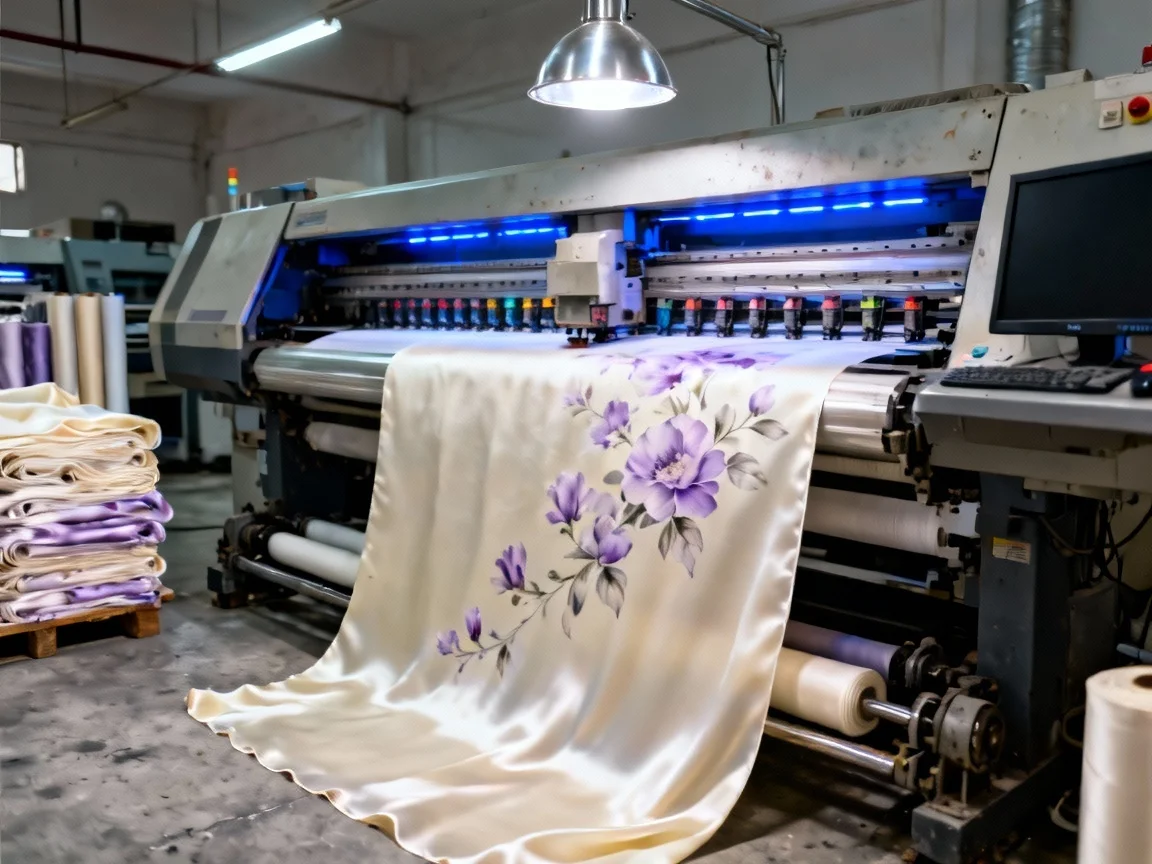
Digital printing technology has revolutionized silk production, allowing intricate designs with exceptional color vibrancy while reducing water consumption by up to 70% compared to traditional screen printing. The most luxurious silk scarves still utilize hand-rolled hems—a hallmark of quality requiring 10-15 minutes per scarf for skilled artisans. FENNYSUN's proprietary digital printing calibration ensures color consistency across production runs, a critical factor for brand identity preservation.
Quality control in silk production focuses on several key metrics:
- Filament length uniformity (measured in meters per gram)
- Colorfastness to light and washing (tested to ISO standards)
- Seam strength and hem consistency
- Freedom from slubs and irregularities in the weave
Wool Manufacturing Mastery
Wool shawl manufacturing emphasizes fiber preparation to maximize insulation properties and softness. The process begins with scouring to remove lanolin and impurities, followed by carding to align fibers. The quality of worsted wool scarves depends heavily on the combing stage, which removes short fibers to produce a smoother, more uniform yarn.
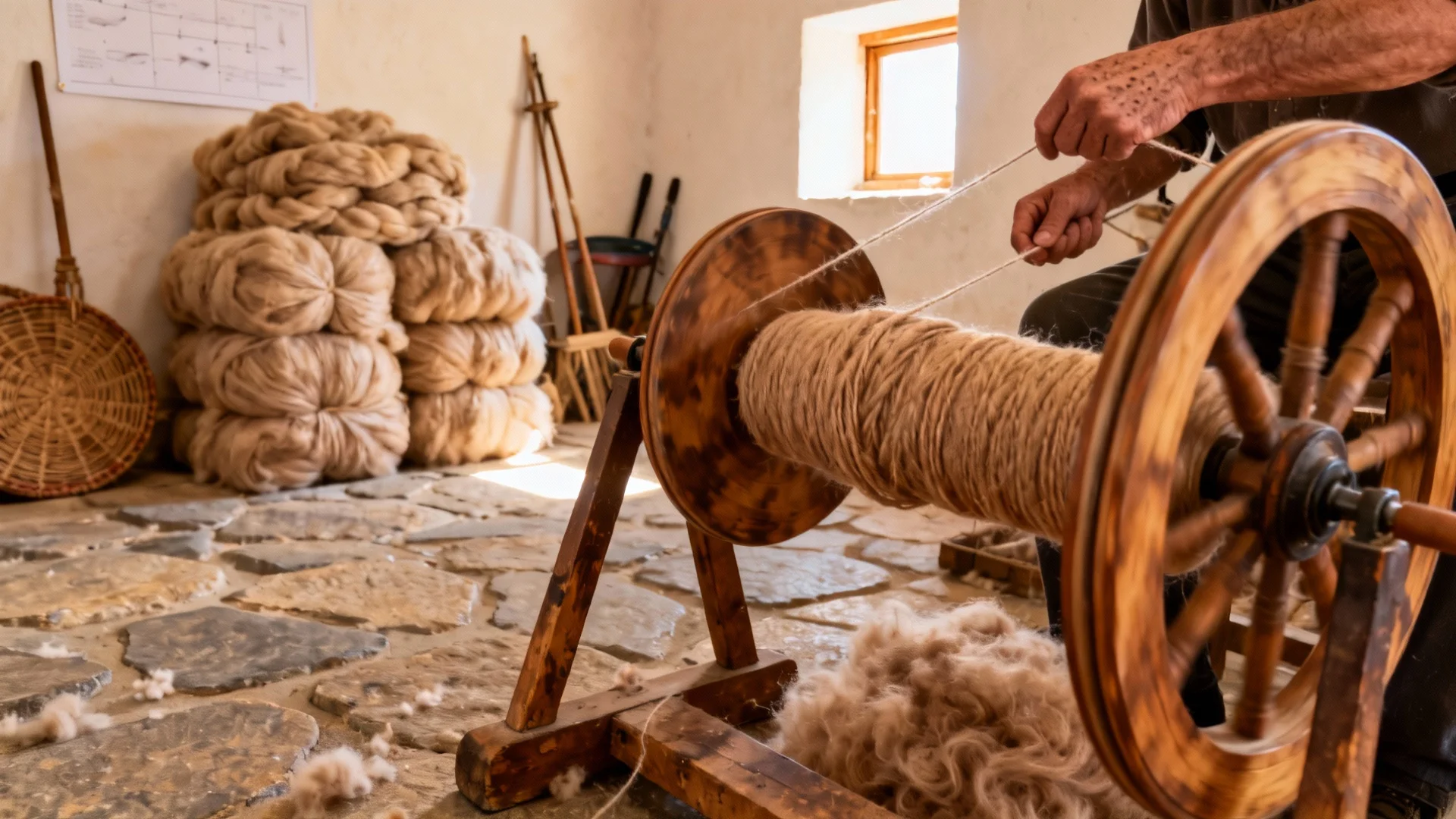
Modern wool processing incorporates eco-friendly practices like low-impact dyeing and biodegradable shrink-resist treatments. The milling process controls felting through mechanical action and heat, determining the final texture—from smooth and sleek to fluffy and textured. Expert manufacturers like FENNYSUN have mastered these variables through proprietary techniques to create distinct tactile experiences from identical raw materials.
For luxury wool scarves, additional quality indicators include:
- Fiber diameter consistency (measured in microns)
- Crimp frequency and uniformity
- Pilling resistance (tested using standardized abrasion methods)
- Thermal conductivity ratings
Synthetic Blend Engineering
Synthetic and blended fiber production leverages technological advancements to create materials with tailored performance characteristics. The extrusion process allows precise control over fiber shape, resulting in materials with specific properties like moisture-wicking (hollow fibers) or enhanced softness (microfibers).
Blend ratio optimization represents a critical skill in synthetic scarf production. A 65/35 polyester/silk blend balances durability with luxury drape. An 80/20 cotton/polyester blend improves wrinkle resistance without sacrificing breathability. Mastering these formulations requires extensive testing and production experience, as fiber interactions can produce unexpected results in texture, drape, and dye absorption.
Key production considerations for synthetic blends include:
- Heat setting parameters to ensure dimensional stability
- Dye migration prevention in multi-component blends
- Bonding agent selection for composite fibers
- Environmental impact mitigation in fiber production
Sustainable Textile Sourcing: 2025 and Beyond
Sustainable textile sourcing has evolved from a marketing advantage to a core business requirement, driven by consumer demand and regulatory pressures. The 2025 landscape demands comprehensive approaches to environmental and social responsibility throughout the supply chain.
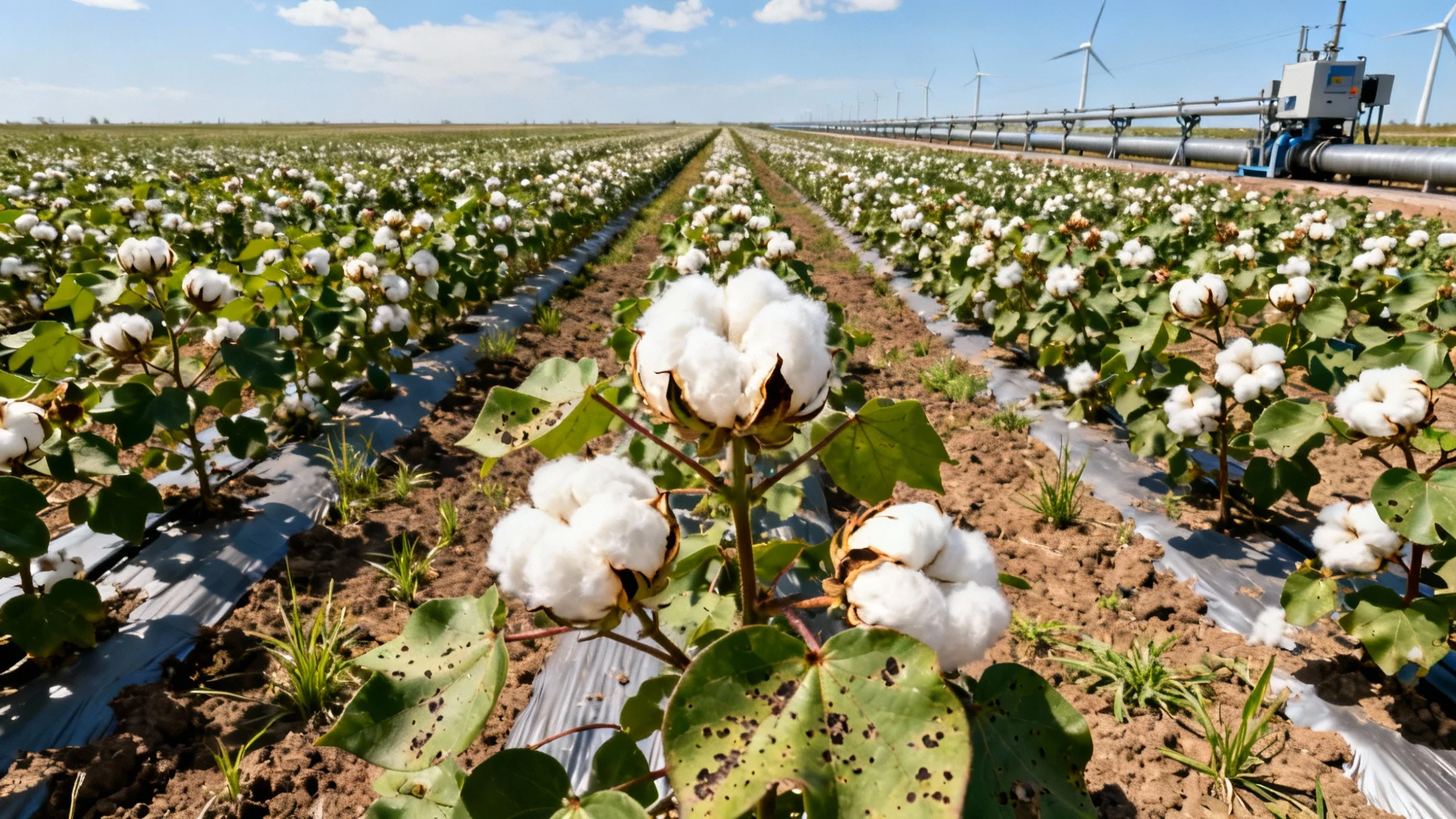
Emerging Sustainability Trends
The textile industry is undergoing rapid transformation with several key trends shaping material sourcing decisions:
Circular Economy Adoption: Leading manufacturers are implementing closed-loop systems, with 45% of major brands committing to using recycled fibers in at least 30% of their products by 2025. This includes post-consumer textile waste recycling and industrial process waste reduction. Innovative technologies now enable fiber-to-fiber recycling of blended textiles.
Transparency Technologies: Blockchain and RFID solutions increasingly provide complete supply chain visibility. These technologies allow brands to verify sustainability claims with unprecedented granularity—from farm-level practices for natural fibers to energy consumption metrics in manufacturing facilities.
Regenerative Agriculture: Beyond sustainable practices, regenerative approaches aim to improve environmental systems. This includes crop rotation techniques for cotton that enhance soil health and grazing management for wool production that increases biodiversity.
Waterless Dyeing: Emerging technologies like air dyeing and digital printing reduce water usage by up to 95% compared to conventional dyeing methods. These innovations not only reduce environmental impact but also improve color consistency and reduce production lead times.
Navigating Certification Standards
The certification landscape continues to evolve, with new standards and revised requirements shaping sourcing decisions for 2025 and beyond. Understanding these certifications is essential for verifying supplier claims and meeting consumer expectations.
OEKO-TEX® 2025 Updates: The revised OEKO-TEX® standards, effective April 1, 2025, introduce stricter limits for BPA (bisphenol A) and PFAS (per- and polyfluoroalkyl substances), with new testing protocols for chemical residues. The updated certification also includes enhanced transparency requirements for leather supply chains, with implications for wool and cashmere sourcing.
GRI Textile Standard: The Global Reporting Initiative's new sector-specific standard, scheduled for release in late 2025, will mandate detailed sustainability disclosures including water usage intensity, carbon footprint by fiber type, and labor practices metrics throughout the supply chain.
Materials Matter Standard: Developed by Textile Exchange and launching in December 2025, this certification establishes comprehensive criteria for sustainable material sourcing, including environmental impact assessments and social responsibility requirements.
When evaluating supplier sustainability credentials, brands should look beyond basic certifications to operational specifics:
- Water and energy consumption per kilogram of finished product
- Waste reduction and recycling programs
- Chemical management protocols
- Worker compensation and welfare programs
- Carbon footprint reduction targets and achievements
Strategic B2B Scarf Sourcing: A Decision Framework
For fashion brands and retailers, scarf material selection involves balancing multiple considerations including brand positioning, target market preferences, seasonal demands, and price points. A systematic approach to material evaluation ensures alignment with business objectives.
Material Selection Decision Matrix
When evaluating scarf materials for your product line, consider these critical factors:
Brand Alignment: Luxury positioning typically demands natural fibers with premium certifications. Fast-fashion concepts may prioritize cost-effective synthetics with on-trend aesthetics. Sustainable brands should verify both material origins and manufacturing processes, as recycled polyester may offer lower environmental impact than conventional cotton in some cases.
Seasonal Considerations: Material selection should align with seasonal performance requirements:
- Spring/Summer: Lightweight silk, cotton, modal, and linen blends (100-180 gsm)
- Fall/Winter: Wool, cashmere, heavier silk blends (200-350+ gsm)
- Transitional: Lightweight wool-cotton blends, cashmere-silk combinations (160-220 gsm)
Price Point Targets: Material costs vary significantly, with implications for wholesale and retail pricing:
- Entry-level: Polyester, cotton-poly blends ($5-15 wholesale)
- Mid-market: Cotton, modal, silk blends ($15-35 wholesale)
- Premium: Pure silk, merino wool ($35-80 wholesale)
- Luxury: Cashmere, pashmina, silk-satin blends ($80-200+ wholesale)
Minimum Order Quantities: Material selection often influences production MOQs, with specialized fibers typically requiring higher minimums:
- Synthetic blends: 500-1000 units per design
- Cotton and basic silk: 300-500 units per design
- Premium silk and wool: 200-300 units per design
- Cashmere and luxury blends: 100-200 units per design
Supplier Evaluation Criteria
Selecting the right manufacturing partner is equally important as material choice. When evaluating scarf suppliers, consider these key factors beyond material expertise:
Technical Capabilities: Assess equipment sophistication, printing technologies, and customization capabilities. Digital printing offers greater design flexibility with lower minimums, while traditional screen printing may be more cost-effective for high-volume basic designs. Advanced manufacturers offer both capabilities, with in-house design teams to assist with material-specific optimization.
Quality Control Systems: Inquire about quality assurance protocols throughout production, including:
- Incoming raw material inspection
- In-process quality checks
- Finished product testing
- Defect rate tracking and improvement programs
Production Lead Times: Material type significantly impacts production timelines:
- Synthetic blends: 3-4 weeks
- Cotton and basic silk: 4-6 weeks
- Premium silk and wool: 6-8 weeks
- Cashmere and luxury blends: 8-12 weeks
Ethical Manufacturing Verification: Beyond certifications, request specific information about:
- Factory audit reports (preferably by third parties)
- Worker safety protocols
- Wage structure and benefits
- Environmental management systems
Case Study: Optimal Material Selection
Consider this scenario: A sustainable mid-market brand launching a seasonal scarf collection with price points of $45-85 retail. The optimal material strategy might include:
- Core collection: Organic cotton-modal blend (60% cotton, 40% modal) with OEKO-TEX certification
- Premium offering: Recycled cashmere-polyester blend (70% recycled cashmere, 30% recycled polyester)
- Limited edition: Peace silk (Ahimsa silk) with natural dyeing processes
This approach balances sustainability credentials with price accessibility, while offering material diversity to appeal to different customer preferences.
Industry Insights: Scarf Material Trends 2025 and Beyond
The scarf market continues to evolve with changing consumer preferences, technological innovations, and sustainability imperatives. Staying informed about emerging developments ensures competitive advantage in product development and sourcing.
Dominant Material Trends
Market data indicates several significant shifts in material preferences:
Silk Resurgence: After several years of decline, silk scarves are experiencing renewed popularity as versatile accessories that transition from day to evening wear. The 2025 market reflects growing demand for smaller-format silk scarves (50x50cm and 60x60cm) for hair and bag accessories, complementing traditional larger sizes. Digital printing advancements have expanded design possibilities, with photo-realistic prints and gradient effects driving consumer interest.
Sustainable Blends: The fastest-growing segment involves innovative fiber combinations that enhance sustainability without sacrificing performance. Standout developments include:
- Seaweed-based fibers blended with organic cotton
- Mylo™ (mushroom mycelium leather) accents on wool scarves
- Recycled cashmere blended with post-consumer textile waste
- Orange peel fiber composites with cotton for textural interest
Functional Innovations: Technical scarf materials are gaining traction beyond traditional activewear, with smart textile integrations including:
- UV-protective treatments on summer scarves (UPF 50+)
- Conductive thread integration for wearable technology
- Temperature-regulating fibers incorporating phase-change materials
- Antimicrobial treatments for extended wear freshness
Future Material Developments
Looking beyond 2025, several emerging technologies promise to transform scarf materials:
- Lab-grown silk proteins produced through microbial fermentation
- Carbon-negative textile production using algae-based dyes
- Self-cleaning fabric treatments utilizing photocatalytic technology
- 3D-knitted scarf structures with zero-waste production
Selecting the Right Manufacturing Partner
The choice of manufacturing partner ultimately determines whether material potential translates into actual product quality. Experienced manufacturers bring valuable expertise to material selection and optimization.
FENNYSUN's 30-year specialization in printed scarf production exemplifies the kind of manufacturing expertise that benefits brand partners. With integrated design, production, and quality control capabilities, specialized manufacturers can provide guidance on material selection, design optimization for specific fibers, and production efficiency—ultimately delivering better value and quality consistency.
When evaluating potential manufacturing partners, consider:
- Material specialization and technical capabilities
- Quality control systems and defect rates
- Minimum order quantities across material types
- Design and development support services
- Compliance with sustainability standards
- Production lead times and flexibility
- Communication responsiveness and transparency
Conclusion: Strategic Material Selection for Scarf Success
The scarf material landscape offers diverse possibilities, each with distinct advantages, limitations, and sourcing considerations. By systematically evaluating fiber characteristics, production processes, sustainability credentials, and supplier capabilities, fashion brands can develop scarf collections that resonate with target consumers while meeting business objectives.
The most successful scarf lines balance aesthetic appeal with functional performance, align material choices with brand values, and leverage manufacturing expertise to maximize quality and sustainability. As the market continues to evolve, staying informed about material innovations and sustainability developments ensures competitive advantage in this dynamic accessory category.
For brands seeking to navigate the complex landscape of scarf material sourcing, partnering with experienced manufacturers who can provide technical guidance and quality assurance represents a strategic investment in product success. With the right materials and manufacturing partners, scarves can become powerful brand ambassadors that combine style, functionality, and sustainability—driving customer loyalty and business growth.