As sustainability transforms consumer expectations across the fashion industry, scarf manufacturers face increasing pressure to implement ethical manufacturing practices that align with environmental responsibilities while meeting market demands. This comprehensive guide offers practical strategies for integrating sustainability into scarf production—an industry sector where material choices and production processes significantly impact both ecological footprint and brand value.
The imperative for ethical transformation has never been clearer: the textile industry contributes nearly 10% of global carbon emissions, while sustainable products now capture 17% market share and grow 2.7 times faster than conventional alternatives. For scarf producers specifically, consumer surveys indicate 73% of shoppers will pay premium prices for sustainably manufactured accessories, with Gen Z consumers showing particular preference for brands demonstrating ethical supply chain practices.
Understanding Ethical Manufacturing in the Scarf Industry
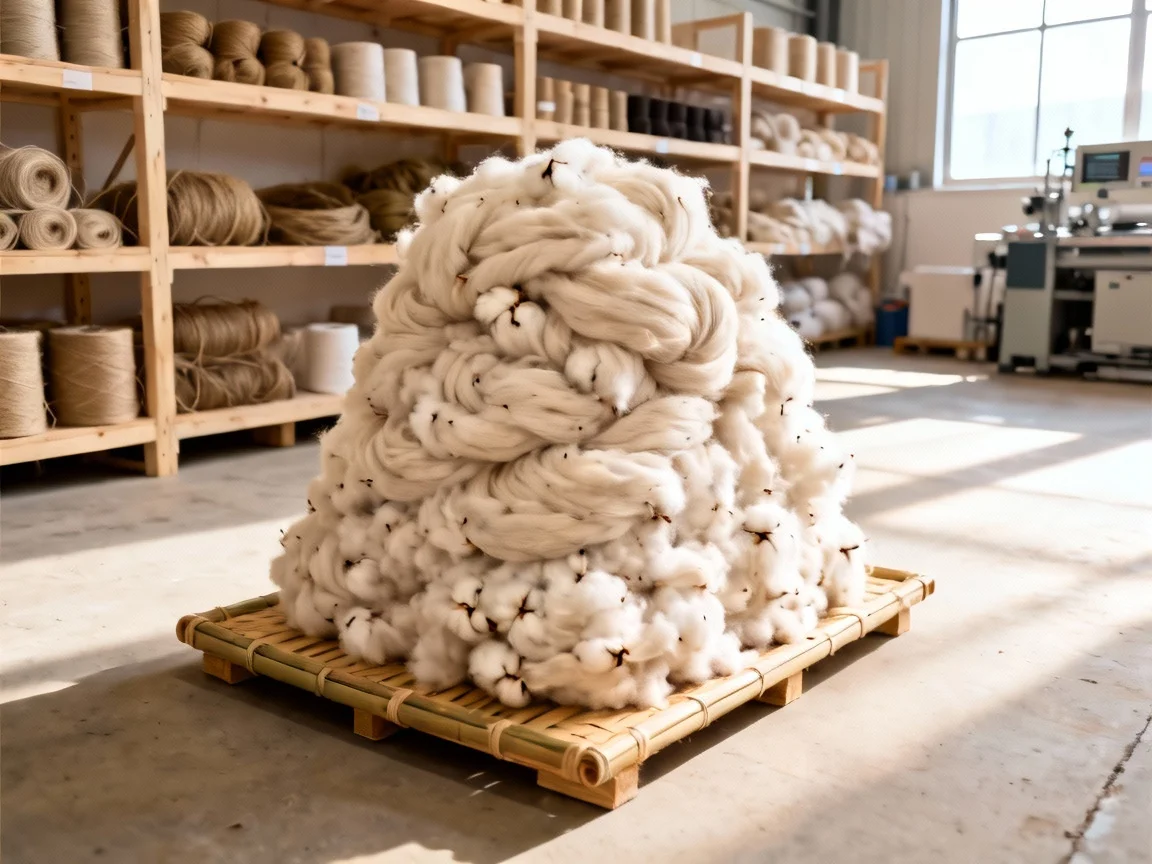
Ethical manufacturing encompasses environmental stewardship, social responsibility, and economic viability across the entire production cycle. In scarf production, this requires a holistic approach addressing material sourcing, manufacturing processes, labor conditions, and end-of-life considerations. Unlike fast fashion garments where sustainability often focuses on volume reduction, scarves offer unique opportunities for ethical innovation due to their material diversity and production flexibility.
Current market analysis reveals a significant disconnect: 65% of Gen Z consumers prioritize sustainable brands, yet only a fraction of scarf producers have implemented comprehensive ethical practices. This gap creates substantial competitive advantage for early adopters while posing risks for those slow to adapt to evolving regulatory requirements and consumer expectations.
Core Ethical Principles for Scarf Production
Three foundational pillars support ethical scarf manufacturing:
Environmental Sustainability minimizes resource consumption and emissions throughout production. For scarf manufacturers, this means addressing water usage in dyeing processes—a critical concern as conventional textile dyeing accounts for 20% of global industrial water pollution. Innovations like waterless dyeing techniques and natural pigment extraction can reduce water usage by up to 95% compared to traditional methods.
Social Responsibility ensures fair labor practices across the supply chain, including safe working conditions, living wages, and reasonable hours for all workers involved in scarf production, from fiber farmers to artisans. Certification programs like Fair Trade provide frameworks for implementing these standards, while transparency initiatives enable consumers to verify ethical claims.
Economic Viability balances ethical commitments with business sustainability. While initial investments in sustainable practices may increase production costs by 10-15%, market data shows consumers will pay 17-32% premiums for certified ethical scarves, creating potential for higher profit margins despite increased overhead.
Industry-Specific Ethical Challenges
Scarf production presents unique ethical challenges compared to other textile products. The diversity of materials—from delicate silks to durable wools—requires specialized sustainability approaches. Conventional silk production involves sericulture practices that raise animal welfare concerns, while wool processing often uses harsh chemicals impacting both worker health and environmental quality.
Finishing processes that give scarves their distinctive textures create another significant challenge. Many traditional techniques rely on toxic chemicals or excessive energy consumption, creating barriers to ethical production that require technical innovation and investment in alternative methods.
The seasonal nature of scarf demand can lead to overproduction and waste, particularly for fashion-forward designs with limited market lifespan. Implementing circular economy principles—such as take-back programs or upcycling initiatives—addresses this challenge while creating new value streams for manufacturers.
Sustainable Materials Selection for Scarves
The foundation of ethical scarf manufacturing lies in thoughtful material selection. With the global market for sustainable fibers projected to reach 23% of total production by 2025, scarf producers have an expanding range of eco-friendly scarf materials that balance performance, aesthetics, and environmental impact.
Evaluating Eco-Friendly Fiber Options
Organic Cotton represents one of the most established sustainable choices, requiring 88% less water and 62% less energy than conventional cotton while eliminating harmful pesticides. For scarf producers, organic cotton offers versatility across seasonal lines, from lightweight summer styles to heavier winter wraps, with GOTS certification providing consumer assurance of ethical sourcing.
Recycled Polyester transforms post-consumer plastic bottles into durable, versatile fibers suitable for a wide range of scarf styles. The production process reduces energy consumption by 70% compared to virgin polyester manufacturing while diverting waste from landfills. Innovations in recycling technology have improved fiber quality, allowing recycled polyester to compete with conventional materials in both performance and aesthetics.
Bamboo Lyocell combines sustainability with luxury appeal, offering a silky texture ideal for high-end scarves. The closed-loop production process recovers and reuses 99% of solvents, while bamboo's rapid growth requires no irrigation or pesticides. Forward-thinking brands have successfully positioned bamboo scarves as premium ethical alternatives, demonstrating market acceptance of this innovative material.
Hemp provides exceptional durability with minimal environmental impact, requiring no pesticides and improving soil health through natural growth cycles. While traditionally associated with casual styles, modern processing techniques have refined hemp fibers into softer textures suitable for fashion scarves. Progressive brands leverage its sustainability story to attract eco-conscious consumers seeking both style and substance.
Emerging Materials on the Horizon
Looking toward 2025 and beyond, several innovative materials show promise for sustainable scarf production:
Mycelium Textiles grown from fungal networks offer leather-like textures with completely biodegradable properties. While currently limited to small-batch production, scalability improvements suggest mycelium could become viable for mainstream scarf manufacturing within the next 3-5 years.
Seaweed-Based Fibers require no land, freshwater, or fertilizers to grow, absorbing carbon dioxide as they mature. Early applications show potential for lightweight, moisture-wicking scarves ideal for warm-weather collections.
Recycled Silk addresses ethical concerns in conventional sericulture by repurposing waste silk from garment production into new scarf materials. This approach reduces the environmental impact of silk production while maintaining the luxurious qualities consumers value.
Material Certification Standards
Navigating the complex landscape of sustainability certifications is essential for credible ethical scarf manufacturing claims. For scarf producers, three certification programs stand out as particularly relevant:
OEKO-TEX 2025 introduces stricter requirements for textile production, including expanded restrictions on BPA and PFAS chemicals, enhanced supply chain transparency measures, and new biodegradability verification protocols. The updated standards, effective April 2025, represent the most comprehensive certification framework for scarf manufacturers committed to chemical safety.
GOTS (Global Organic Textile Standard) covers the entire production chain for organic fibers, ensuring environmental and social responsibility from harvesting through manufacturing. For scarf producers using organic cotton, wool, or other natural fibers, GOTS certification provides comprehensive validation of sustainable practices.
Fair Trade certification focuses specifically on social responsibility, guaranteeing fair compensation and safe working conditions for farmers and artisans. This certification carries particular weight for scarves produced in developing countries, where labor practices often face greater scrutiny from ethical consumers.
Implementing Sustainable Production Processes
Transitioning from conventional to ethical manufacturing requires reevaluating every stage of scarf production, from fiber preparation to finishing techniques. While initial investments in sustainable processes may present challenges, manufacturers report operational savings of 5-10% within 2-3 years through reduced resource consumption and waste management costs.
Sustainable Dyeing and Printing Techniques
Dyeing represents one of the most environmentally impactful stages of scarf production, making it a logical starting point for sustainability initiatives. Several innovative approaches have proven effective for scarf manufacturers:
Low-Impact Dyeing utilizes natural pigments and reduced chemical inputs to minimize water pollution. Progressive companies have successfully implemented these techniques for their recycled polyester scarves, achieving vibrant colorfast results while reducing water usage by 70% compared to conventional dyeing.
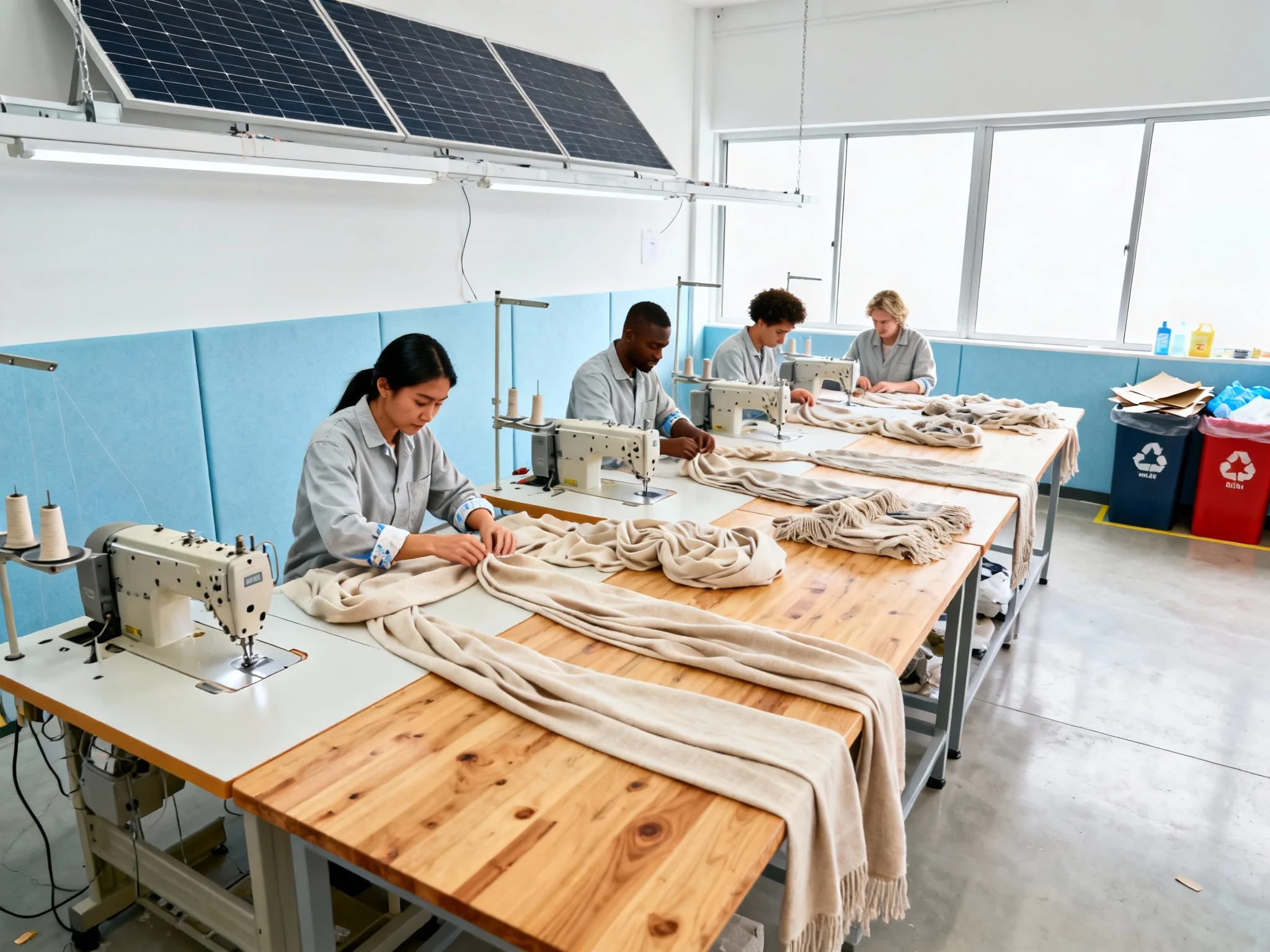
Digital Printing eliminates the need for water-intensive dye baths and chemical fixatives, allowing precise color application with minimal waste. This technique works particularly well for small-batch scarf production, enabling customization without the environmental costs of traditional printing methods.
Natural Dye Extraction from plants, insects, and minerals offers completely biodegradable coloring options. While limited color range and batch consistency challenges exist, natural dyes appeal to niche markets willing to pay premium prices for artisanal scarves with authentic sustainability credentials.
Waste Reduction Strategies
Scarf production generates significant waste at multiple stages, from fiber preparation through cutting and finishing. Implementing circular economy principles can transform waste streams into valuable resources:
Pattern Optimization Software minimizes fabric waste during cutting by calculating the most efficient layout for scarf patterns. Advanced algorithms reduce material waste by 15-20% compared to manual layout methods, with particular benefits for geometric designs and standard-sized scarf production.
Textile Waste Upcycling transforms production scraps into new accessories or decorative elements. Some manufacturers have developed innovative techniques for combining small fabric remnants into patchwork scarves, creating unique products while diverting waste from landfills.
Zero-Waste Design approaches create scarves with minimal material waste through thoughtful pattern engineering. These techniques often result in distinctive, asymmetric designs that become brand signatures while embodying sustainability principles.
Energy and Water Conservation
Textile production is notoriously resource-intensive, but targeted interventions can significantly reduce environmental impact:
Renewable Energy Integration for manufacturing facilities reduces carbon footprints while protecting against energy price volatility. Solar panel installations have become particularly viable for scarf producers in regions with high sunlight exposure, with payback periods typically ranging from 3-5 years.
Water Recycling Systems capture and treat wastewater from dyeing and finishing processes, allowing reuse in non-critical applications. Closed-loop systems reduce overall water consumption by 50-80%, depending on production volume and processes.
Energy-Efficient Machinery reduces power consumption while often improving production quality and consistency. Modern looms and knitting machines designed for sustainability lower energy usage by 30% compared to equipment manufactured before 2010.
Building Ethical Supply Chains
Creating truly ethical scarf production requires transparency and responsibility across complex global supply chains. From fiber sourcing to final distribution, each stage presents opportunities for ethical improvement and potential risks to brand reputation if mismanaged.
Supply Chain Mapping and Transparency
The foundation of ethical supply chain management lies in comprehensive mapping and documentation. For scarf producers, this process involves identifying all suppliers, from fiber farmers to transportation providers, and establishing clear sustainability criteria for each relationship.
Blockchain Technology has emerged as a powerful tool for supply chain transparency, allowing consumers to trace a scarf's journey from raw material to finished product. By recording key sustainability metrics at each production stage on an immutable ledger, manufacturers provide verifiable evidence of ethical practices that build consumer trust.
Supplier Code of Conduct establishes clear expectations for environmental and social responsibility throughout the supply chain. Effective codes address specific concerns relevant to scarf production, including chemical management, water usage, and labor conditions, with regular audits ensuring compliance.
Ethical Sourcing Practices
Sourcing represents a critical leverage point for ethical scarf production, with material origins significantly impacting overall sustainability performance:
Local Sourcing reduces carbon emissions from transportation while supporting regional economies. For scarf producers, this might mean prioritizing fiber suppliers within 500 miles of manufacturing facilities, or partnering with local artisans for hand-finishing techniques that add value without excessive environmental costs.
Long-Term Supplier Relationships foster collaboration on sustainability initiatives, creating opportunities for joint innovation in materials and processes. Manufacturers report that suppliers who have worked with them for 5+ years are 37% more likely to adopt requested sustainability measures than newer partners.
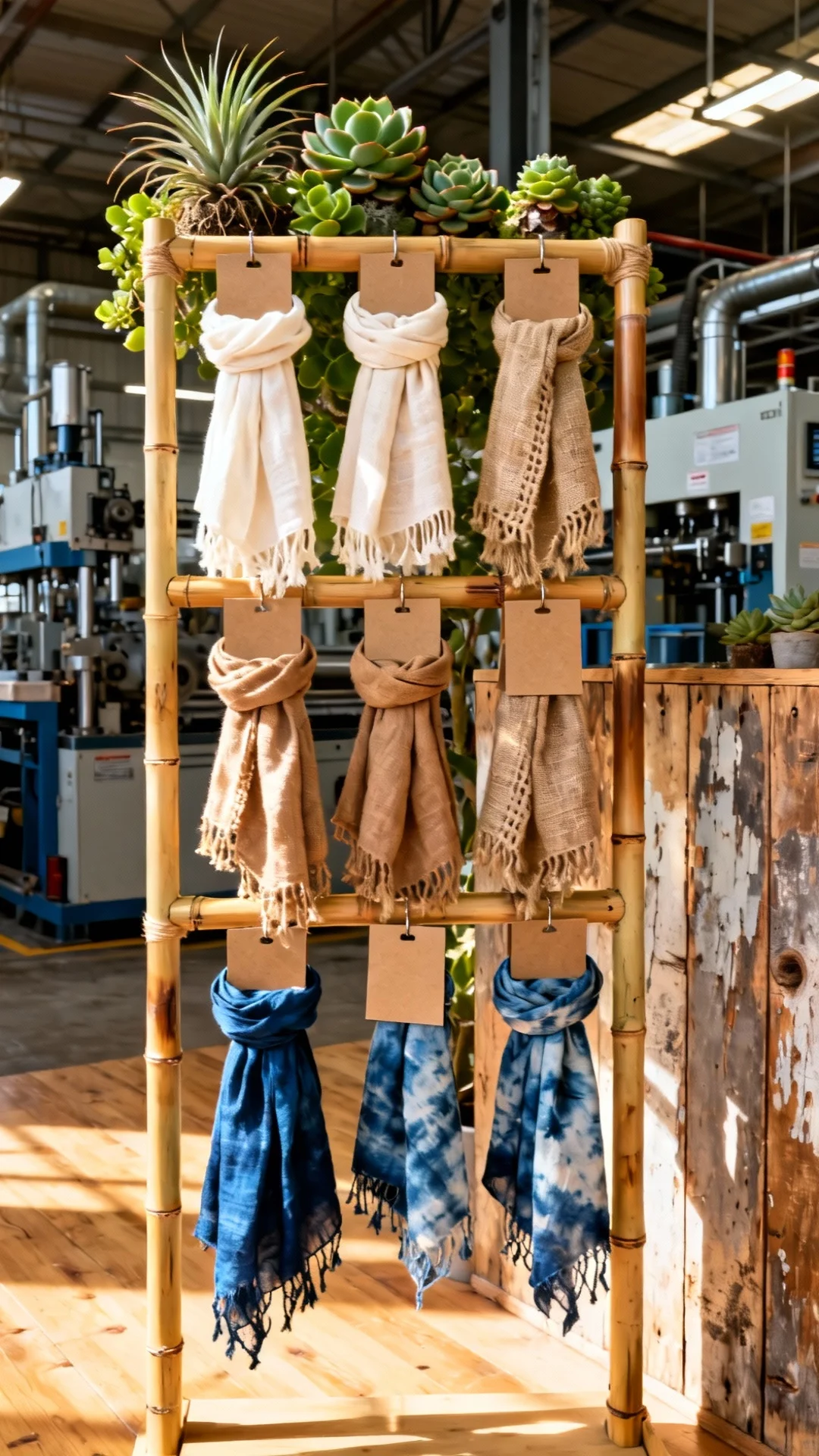
Multi-Criteria Supplier Evaluation goes beyond price to assess environmental and social performance. Effective evaluation systems weight factors like certification status, waste reduction initiatives, and labor practices alongside traditional considerations, ensuring ethical alignment throughout the supply chain.
Transparency and Traceability
In an era of increasing consumer skepticism, transparent communication about supply chain practices has become essential for ethical scarf brands. Several approaches have proven effective in building credibility:
QR Code Technology enables consumers to access detailed information about a scarf's production journey by scanning a code on the product tag. Leading ethical brands provide comprehensive transparency, including supplier locations, certification verification, and environmental impact metrics.
Transparency Reports published annually by manufacturers document progress toward sustainability goals and identify areas for improvement. These reports should include specific, measurable metrics rather than vague sustainability claims, with third-party verification adding credibility.
Storytelling Campaigns humanize the production process by highlighting the artisans and farmers behind ethical scarves. Authentic narratives about sustainable practices resonate more effectively with consumers than generic marketing claims, creating emotional connections that support brand loyalty.
Cost-Benefit Analysis and ROI
While implementing ethical manufacturing practices requires upfront investment, comprehensive analysis reveals compelling financial justification for sustainability initiatives in scarf production. Manufacturers who have transitioned to ethical practices report not only improved environmental and social performance but also enhanced market positioning and long-term profitability.
Initial Investment Requirements
Transition costs vary significantly based on production scale, existing infrastructure, and target sustainability standards. Small-scale scarf producers can implement basic ethical measures with investments of $10,000-$50,000, while larger manufacturers may need to allocate $500,000 or more for comprehensive sustainability upgrades.
Key investment areas include:
- Equipment upgrades for waterless dyeing or digital printing: $50,000-$200,000
- Certification fees for OEKO-TEX, GOTS, or Fair Trade: $5,000-$15,000 annually
- Staff training on sustainable practices: $2,000-$10,000
- Waste management systems: $10,000-$50,000
- Supply chain restructuring: $20,000-$100,000
Operational Cost Implications
While initial investments are substantial, sustainable manufacturing often leads to lower operational costs over time:
Resource Efficiency measures typically generate the fastest returns. Water recycling systems reduce utility bills by 30-50% in dyeing operations, while energy-efficient machinery cuts electricity costs by 15-25%. Manufacturers report average payback periods of 2-4 years for these investments.
Waste Reduction directly impacts material costs, which represent 40-60% of total production expenses for scarves. Pattern optimization and zero-waste design techniques reduce fabric consumption by 10-20%, with corresponding savings on material purchases.
Labor Productivity often improves with ethical practices, as fair compensation and safe working conditions reduce turnover and increase employee engagement. Manufacturers implementing living wage policies report 25-35% reductions in recruitment and training costs due to improved retention.
Market-Based Returns
The strongest financial case for ethical scarf manufacturing comes from market demand and pricing power:
Premium Pricing for sustainable scarves ranges from 17-32% above conventional alternatives, with certification status and transparent supply chains justifying higher price points. Consumer willingness to pay these premiums increases with product visibility—eco-friendly scarves displayed with sustainability information sell at premium rates 65% of the time, compared to 38% for unmarked sustainable products.
Market Growth in the ethical accessories segment outpaces overall market expansion by significant margins. While the global scarf market grows at 4-5% annually, sustainable scarf sales are increasing at 12-15% per year, with particularly strong growth in online channels and specialty boutiques.
Brand Differentiation in a crowded market creates competitive advantage and customer loyalty. Ethical scarf brands report customer retention rates 20-30% higher than conventional competitors, with lower customer acquisition costs due to strong word-of-mouth marketing.
Certification and Compliance
Navigating the complex landscape of sustainability certifications is essential for scarf producers committed to ethical manufacturing. With consumer skepticism of greenwashing on the rise, credible certification provides third-party validation that builds trust and supports premium pricing strategies.
Key Certification Programs for Scarf Producers
Several certification programs are particularly relevant for scarf manufacturers, each with distinct focus areas and requirements:
OEKO-TEX Standard 100 focuses on product safety, testing for harmful substances in textiles. The 2025 update introduces stricter limits for BPA and PFAS chemicals, expanded transparency requirements, and new biodegradability testing protocols. For scarf producers, compliance involves material testing, documentation review, and periodic audits, with certification costs scaling based on production volume.
Global Organic Textile Standard (GOTS) covers the entire supply chain for organic textiles, from fiber production through manufacturing. GOTS certification requires at least 70% organic fibers (increasing to 95% for the highest certification level) and adherence to strict environmental and social criteria. For scarf producers using organic cotton, wool, or other natural fibers, GOTS provides comprehensive validation of sustainable practices.
Fair Trade certification emphasizes social responsibility, ensuring fair compensation and safe working conditions throughout the supply chain. This certification is particularly valuable for scarves produced in developing countries, where labor practices face heightened scrutiny. Fair Trade requires minimum price guarantees for farmers and artisans, community development investments, and democratic workplace structures.
Implementation Roadmap for Certification
Achieving certification requires careful planning and phased implementation:
Gap Analysis (1-2 months) involves comparing current practices against certification requirements to identify areas needing improvement. For many scarf producers, this process reveals opportunities for sustainability enhancements beyond the certification requirements themselves.
Corrective Action Planning (2-3 months) prioritizes improvements based on cost, difficulty, and certification impact. Quick wins like material substitutions can demonstrate progress while larger investments like equipment upgrades are planned and budgeted.
Documentation Development (ongoing) creates the paper trail required for certification, including supplier agreements, production records, and test results. Digital systems for tracking and reporting simplify compliance and audit preparation.
Pre-Audit Preparation (1 month) involves internal reviews to ensure readiness for certification audits. Many producers find mock audits valuable for identifying documentation gaps or process inconsistencies before official certification visits.
Certification Maintenance (ongoing) requires regular monitoring, documentation updates, and periodic recertification to maintain compliance as standards evolve. The OEKO-TEX 2025 updates serve as a reminder that certification is not a one-time achievement but an ongoing commitment to ethical practices.
By implementing the strategies outlined in this guide, scarf producers can successfully transition to ethical manufacturing practices that benefit the environment, support fair labor conditions, and create long-term business value. The road to sustainability requires commitment and investment, but the market trends, consumer preferences, and operational efficiencies make ethical scarf production not just a responsible choice, but a strategically sound business decision for the future of the industry.