In today's competitive luxury fashion accessories market, digital textile printing has emerged as a transformative technology, enabling scarf manufacturers to harmonize artistic expression with industrial efficiency. Drawing from extensive experience in textile production and technology implementation, this guide examines how digital printing has revolutionized scarf manufacturing—particularly for high-end silk products demanding both precision and creative freedom.
Whether you're a boutique owner evaluating production partners, a fashion brand exploring customization options, or an entrepreneur entering the luxury accessories market, this comprehensive overview will help you make informed decisions about implementing digital printing technology in your scarf production workflow.
Understanding Digital Textile Printing Technology for Scarves
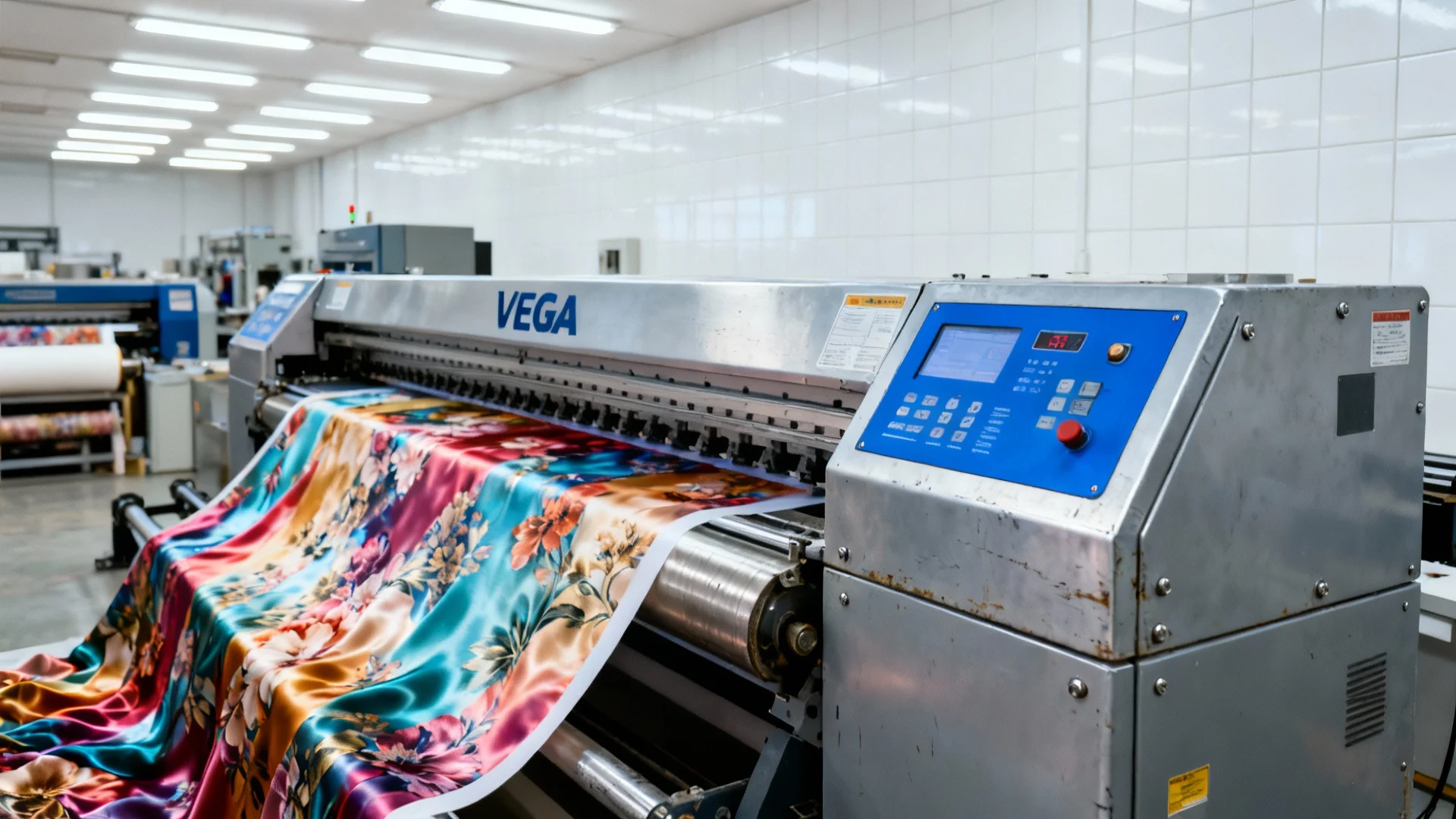
Digital textile printing represents a significant departure from traditional methods like screen printing, offering unprecedented flexibility and quality for scarf production. By utilizing specialized inkjet printers to apply colorants directly onto fabric, this technology eliminates many limitations of conventional processes while introducing new creative possibilities.
Core Advantages for Scarf Production
Several key benefits drive the growing adoption of digital printing in scarf manufacturing:
Unparalleled Design Freedom and Complexity
Digital systems excel at reproducing intricate patterns with unlimited color gradients—a critical advantage for luxury scarves where design intricacy often defines value. Unlike screen printing, which requires a separate screen for each color, digital technology can reproduce millions of colors in a single pass. This capability enables photorealistic images and complex artistic compositions that would be impractical or impossible with traditional methods.
On-Demand Production Capabilities
The fashion industry is rapidly shifting toward just-in-time manufacturing models, and digital printing aligns perfectly with this trend. Leading producers now offer minimum order quantities as low as 10-20 pieces for custom designs, significantly reducing inventory risks. One prominent Italian fashion house documented a 40% reduction in pre-season inventory while simultaneously increasing design variety by 150% in the first year after implementing digital printing technology.
Sustainability Improvements
Environmental considerations have become paramount in textile production. Digital printing typically consumes 70-90% less water than traditional screen printing and generates minimal waste since there's no need for color mixing or screen preparation. Industry research confirms the carbon footprint of digitally printed scarves can be up to 35% lower than conventionally produced alternatives, especially when utilizing water-based pigment inks and sustainable fabric pretreatments.
Enhanced Production Efficiency
Modern digital textile printers have overcome early speed limitations. Advanced models now produce up to 100 square meters per hour—sufficient for commercial scarf production volumes. By eliminating screen preparation steps, lead times are reduced from weeks to days. Premium suppliers now advertise 7-day turnaround for custom digital orders, compared to 4-6 weeks for traditional methods.
Technology Fundamentals
Understanding the technical foundation of digital textile printing helps appreciate its capabilities and limitations in scarf production:
Printer Technology
Two primary configurations dominate scarf production:
- Piezoelectric Inkjet Printers: The most common technology, using microscopic nozzles that vibrate to eject precise ink droplets. These systems offer exceptional color accuracy and compatibility with a wide range of ink types.
- Single-Pass Printers: Emerging as the preferred choice for high-volume production, these systems feature stationary printheads spanning the fabric width, enabling continuous production without the mechanical movement of traditional printers.
Resolution Requirements
Scarf printing demands higher resolution than many textile applications due to the viewing distance and luxury nature of the product. Industry standards recommend 100-150 dpi (dots per inch) for optimal results, though some high-end productions utilize 200 dpi for exceptional detail. This exceeds the resolution typically used for home textiles (60-80 dpi) or apparel (80-100 dpi).
Color Management Systems
Professional digital printing relies on sophisticated color management to ensure consistency across production runs and between different printers. Implementing ICC (International Color Consortium) profiles specific to silk substrates and ink combinations has become standard practice. Leading facilities invest in spectrophotometers for precise color measurement and calibration, ensuring color accuracy throughout production.
The Digital Scarf Printing Production Process
The journey from digital design to finished scarf involves several carefully controlled stages, each critical to the final product quality. Based on industry best practices observed across premium production facilities, here's a detailed breakdown of the workflow:
Pre-Production Preparation
Fabric Selection and Preparation
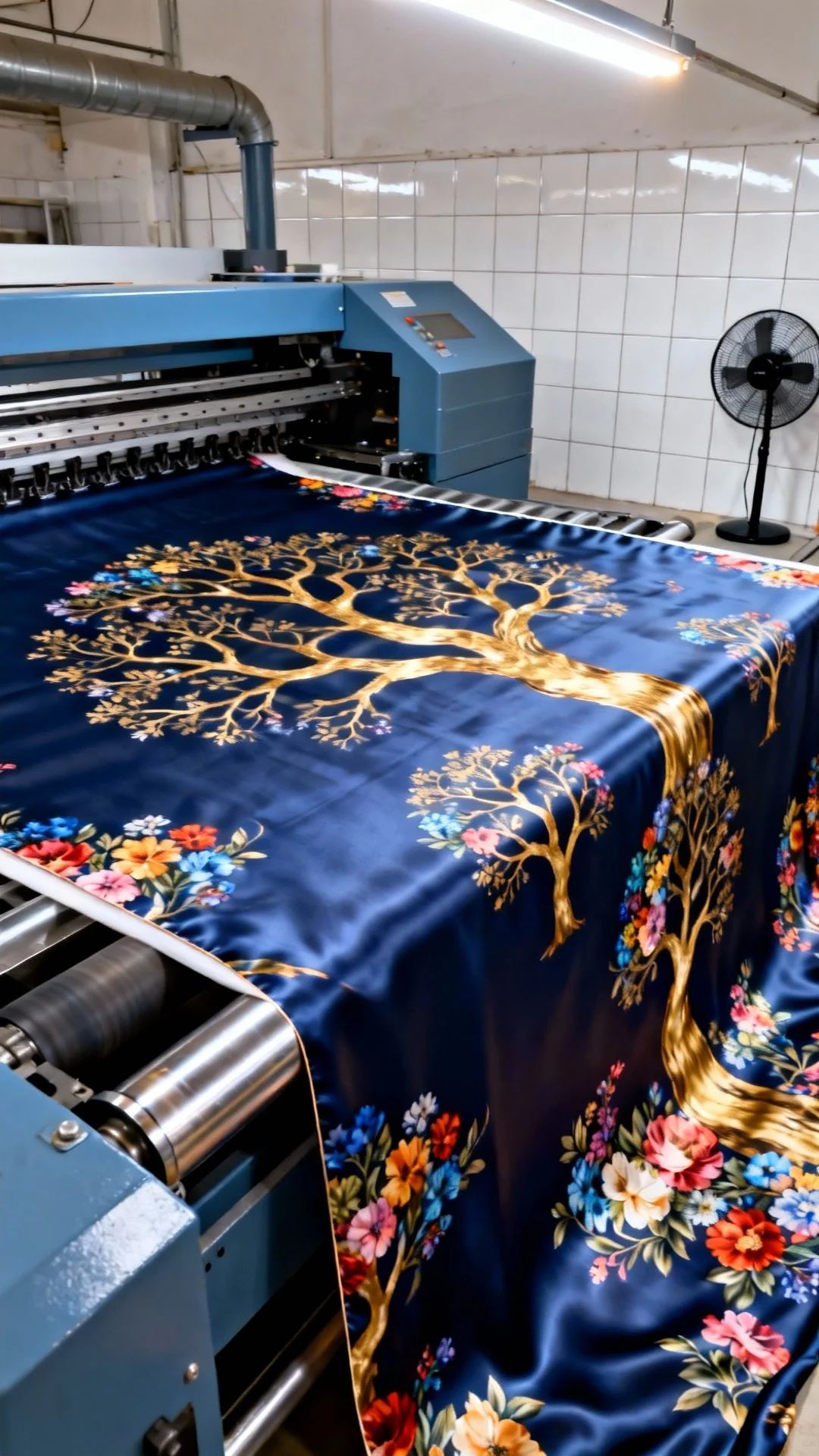
The foundation of any high-quality scarf is the silk itself. For digital printing, mulberry silk in weights ranging from 16-30 momme is preferred, with 19-22 momme representing the sweet spot for balance between drape, durability, and printability. The fabric preparation process includes:
- Degumming: Removal of sericin (natural silk gum) to ensure uniform ink absorption
- Pretreatment: Application of a specialized solution containing binders and surfactants to optimize ink adhesion and color development
- Calendering: Precision ironing to create a smooth surface, critical for achieving sharp print details
Each step requires careful control—over-treatment can compromise silk's natural luster, while insufficient preparation leads to poor color fastness and bleeding.
Design Preparation
Digital printing places specific requirements on artwork files:
- File Format: Vector formats (AI, EPS) work best for line art and logos, while high-resolution raster images (TIFF, PSD) suit photographic or painterly designs
- Color Mode: Designs must be prepared in CMYK color space rather than RGB, as this matches the printing process
- Scale and Resolution: Files should be created at actual print size with minimum 100 dpi resolution
- Color Separation: Handled automatically by RIP (Raster Image Processor) software, but designers should be aware of potential color limitations, particularly with fluorescent or metallic shades
Leading suppliers often provide detailed design guidelines. For example, maintaining a minimum 3mm margin around all edges and avoiding text smaller than 8pt ensures optimal readability in the finished product.
Printing Execution
Printer Setup and Calibration
Before production begins, operators perform several critical calibration steps:
- Nozzle Check: Verification that all printhead nozzles function properly to prevent missing dots
- Color Calibration: Using color targets to ensure consistency with approved standards
- Substrate Testing: Running test prints on the actual production fabric to confirm ink absorption and color development
These preparations typically take 30-60 minutes for each production run but are essential for quality control.
Printing Parameters
Optimal settings vary by printer model, ink type, and fabric characteristics, but industry benchmarks include:
- Droplet Size: 8-20 picoliters for standard printing, with some systems offering variable droplet technology for smoother gradients
- Print Speed: 2-5 meters per minute for multi-pass printers, up to 50 meters per minute for advanced single-pass systems
- Ink Coverage: Typically 15-30% for scarf designs, though this varies dramatically with design complexity
During production, environmental conditions are closely monitored. Temperature (20-24°C) and relative humidity (55-65%) significantly impact ink drying and color development.
Post-Printing Processes
The steps following printing are crucial for achieving the final scarf's appearance, hand feel, and durability:
Drying/Curing
- Pigment Inks: Require heat curing at 150-160°C for 2-3 minutes to bond pigments to fibers
- Reactive Inks: Typically steamed at 102-105°C for 8-12 minutes to fix colors, followed by washing
Washing and Finishing
- Washing: Removes excess dye, chemicals, and unfixed pigments—critical for colorfastness
- Softening: Application of silicone-based softeners to restore hand feel affected by printing processes
- Final Setting: Precision steaming to set the fabric structure and ensure dimensional stability
Quality Inspection
Premium producers implement multi-stage inspection protocols:
- Visual Inspection: Checking for color consistency, missing details, and printing defects under standardized lighting
- Color Measurement: Using spectrophotometers to verify color accuracy against approved standards (typically Delta E < 1.5 for luxury applications)
- Fastness Testing: Sample testing for wash fastness (minimum 4-5 on AATCC scale), light fastness (minimum 5 on ISO scale), and rub fastness
These post-printing processes typically account for 30-40% of total production time but are essential for delivering luxury-quality scarves.
Ink Technology for Digital Scarf Printing
The selection of ink systems profoundly impacts the visual appearance, performance characteristics, and environmental footprint of digitally printed scarves. Understanding the available options enables informed decision-making based on specific requirements.
Ink Types and Their Applications
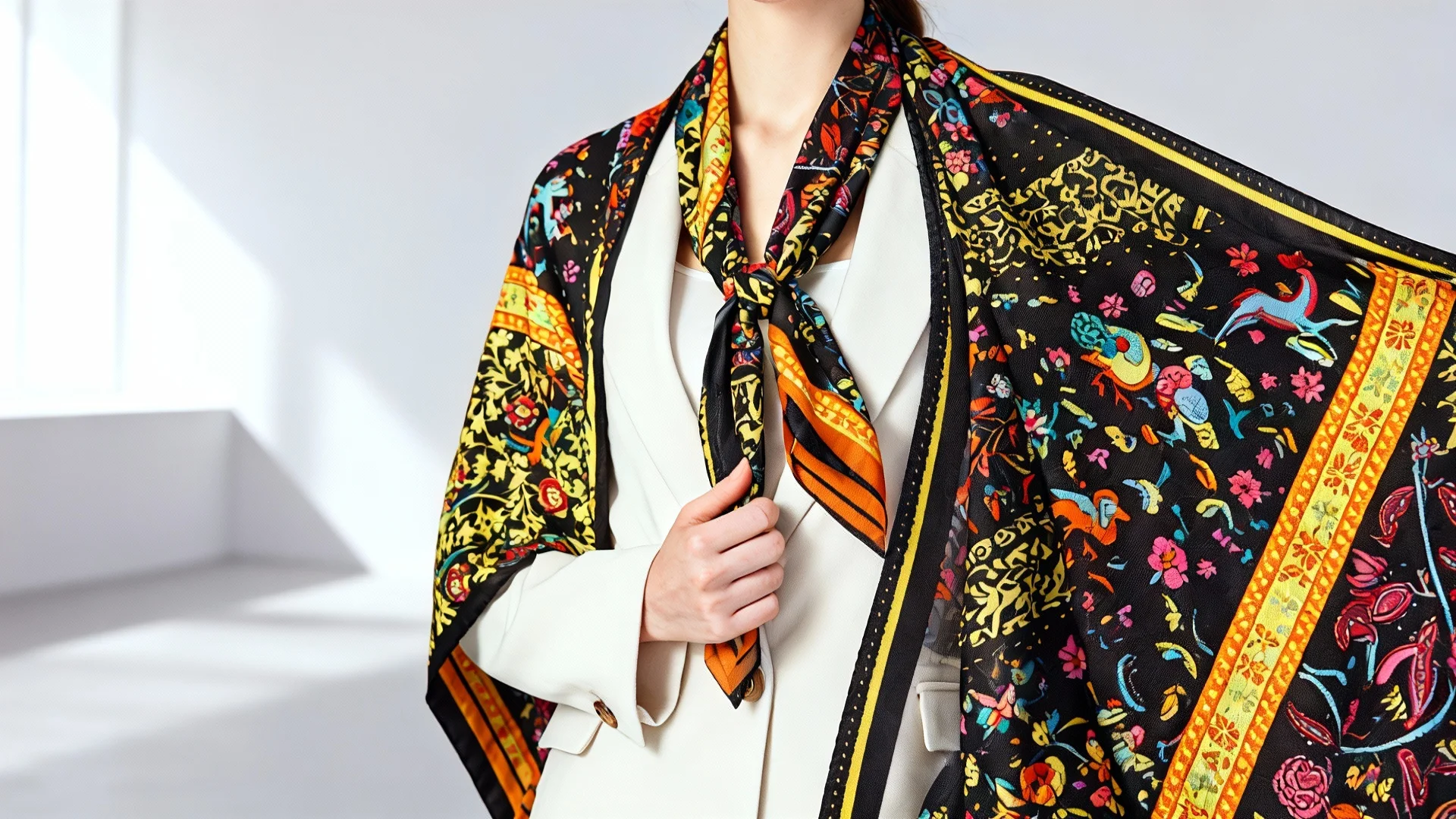
Several ink chemistries work for digital textile printing, each with distinct advantages and limitations for scarf production:
Reactive Dyes
Reactive inks form chemical bonds with cellulose fibers, making them the traditional choice for cotton and viscose. For silk applications:
- Advantages: Excellent color vibrancy, good wash fastness, wide color gamut
- Disadvantages: Requires post-steaming and washing, can slightly stiffen silk hand feel
- Best For: Bold, colorful designs where colorfastness is prioritized over ultimate softness
Acid Dyes
Formulated specifically for protein fibers like silk and wool:
- Advantages: Superior color penetration, excellent light fastness, maintains silk's natural hand feel
- Disadvantages: More limited color range, higher cost compared to other options
- Best For: Premium silk scarves where maintaining the natural fabric characteristics is essential
Pigment Inks
Contain colored particles bound to the fabric surface by polymers:
- Advantages: No post-wash required, excellent light fastness, widest color range including opaque whites
- Disadvantages: Can slightly reduce fabric drape, may require special pretreatment for silk
- Best For: Designs with high contrast elements, white or light colors on dark backgrounds
Disperse Dyes
Primarily used for polyester but occasionally employed for silk/polyester blends:
- Advantages: Exceptional color brilliance, good wash fastness
- Disadvantages: Limited compatibility with pure silk, requires high-temperature curing
- Best For: Scarves with silk/polyester blends or when targeting specific performance characteristics
Sustainable Ink Innovations
The industry actively develops more environmentally friendly ink options, driving scarf digital printing technology forward:
Water-Based Formulations
Nearly all digital textile inks are now water-based, replacing earlier solvent-based systems that posed environmental and health concerns. Leading manufacturers report water-based inks now represent over 95% of the digital textile market.
Eco-Passport Certification
OEKO-TEX® ECO PASSPORT certification has become a benchmark for sustainable inks, verifying that formulations contain no harmful substances and meet strict environmental criteria. Major ink producers have achieved this certification for their primary formulations.
Bio-Based Inks
Emerging developments include inks incorporating renewable materials:
- Pigment Carriers: Plant-based binders derived from starches and natural resins
- Colorants: Natural pigments from sources like indigo, turmeric, and madder root, though these currently offer limited color range compared to synthetic alternatives
Energy Reduction
Innovations in curing technology have reduced energy requirements. New pigment formulations cure at 130°C compared to 160°C just five years ago, reducing energy consumption by approximately 20%.
Equipment and Software for Digital Scarf Production
Successfully implementing digital scarf printing requires careful selection of both hardware and software systems that align with production requirements and quality standards.
Printer Selection Considerations
Investing in digital printing equipment represents a significant decision with long-term implications for production capabilities and operating costs. Key factors include:
Production Volume Requirements
- Entry-Level Systems: Suitable for small batches and prototyping, with approximate output capacity of 500-1,000 scarves per month
- Mid-Range Production: Balancing speed and quality for medium-volume production, capable of 2,000-5,000 scarves monthly
- Industrial Systems: Designed for high-volume production with capacities exceeding 10,000 scarves per month
Technology Features
- Variable Droplet Technology: Allows printers to deposit different sized ink droplets (typically 4-20 picoliters) within a single image, improving detail and gradation smoothness
- Multi-Head Configuration: Systems with 8-16 printheads enable faster production and support for extended color gamuts
- Automatic Maintenance: Features like automated nozzle checking and cleaning reduce downtime and maintenance requirements
2025 Technology Trends
The latest generation of printers incorporates several advancements particularly relevant to scarf production:
- Improved Resolution: 1200dpi printheads becoming standard, enabling finer details for intricate scarf designs
- Faster Production: Single-pass technology now achieving speeds up to 50 meters per minute for certain applications
- Reduced Energy Consumption: New dryer designs cutting energy usage by 30% compared to systems from just three years ago
Design Software and Workflow Tools
Effective digital printing relies on specialized software to prepare designs and control the printing process:
Design Creation Software
- Adobe Creative Suite: Industry standard with Photoshop for raster images and Illustrator for vector designs
- Adobe Textile Designer: Plugin offering specialized tools for repeating patterns and textile-specific effects
- CAD systems: For technical designs requiring precise measurements and repeat alignment
Color Management Tools
- X-Rite i1Pro: Hardware color measurement system for creating accurate ICC profiles
- ColorGate Productionserver: Advanced RIP software with sophisticated color management capabilities
- EFI Fiery Pro Server: Popular RIP solution offering color management and production optimization
Emerging AI Applications in Scarf Printing Automation
While specific case studies remain limited, AI is beginning to impact scarf design and production:
- Pattern Generation: Tools can generate custom scarf patterns based on text descriptions and style references
- Color Recommendation: AI systems analyzing market trends to suggest color palettes likely to perform well
- Production Optimization: Latest digital presses incorporate AI-powered layout optimization to minimize fabric waste
Essential Supporting Equipment
Beyond the printer itself, several auxiliary systems contribute to successful digital scarf production:
Pre-Treatment Equipment
- Precision Spraying Systems: For uniform application of fabric pretreatments
- Drying Ovens: To prepare treated fabrics for printing
Finishing Equipment
- Continuous Steamers: For curing reactive and acid dyes
- Washing Lines: Critical for removing excess dye and chemicals with reactive ink systems
- Calendering Machines: To restore fabric smoothness and luster after printing
Quality Control Tools
- Spectrophotometers: For precise color measurement and matching
- Light Booths: Standardized lighting for visual inspection
- Wash Testing Equipment: To verify colorfastness before full production
Quality Control and Standards
Maintaining consistent quality is paramount in luxury scarf production, where customers expect flawless execution and enduring performance. Digital printing offers unique quality control advantages but also presents specific challenges that require systematic management.
Quality Control Framework
Establishing a comprehensive quality control system involves multiple checkpoints throughout the production process:
Pre-Production Verification
- Design File Review: Checking for resolution, color mode, and proper formatting
- Fabric Inspection: Examination for defects, consistency, and proper preparation
- Ink Testing: Verification of ink batch quality and compatibility with substrate
In-Process Monitoring
- First Article Inspection: Detailed examination of the first printed piece in each production run
- Continuous Sampling: Regular inspection of randomly selected pieces during production
- Color Monitoring: Periodic verification of color consistency using spectrophotometric measurements
Post-Production Testing
- Visual Inspection: 100% examination of finished scarves under standardized lighting conditions
- Performance Testing: Selected samples undergo rigorous testing for:
- Colorfastness to washing, light, and rubbing
- Dimensional stability
- Hand feel assessment
- Print durability
By implementing these digital printing innovations and quality control measures, manufacturers can consistently produce high-quality digitally printed scarves that meet the exacting standards of the luxury fashion market while maintaining operational efficiency and sustainability.
The integration of digital textile printing into scarf production represents not just a technological upgrade but a fundamental shift in how luxury accessories can be designed, produced, and brought to market—ultimately offering unprecedented opportunities for creativity, customization, and responsiveness to market demands.