In today's competitive luxury fashion landscape, understanding the intricate manufacturing journey behind artisanal scarves provides boutiques, specialty retailers, and fashion brands with the expertise to identify exceptional suppliers. As a textile production specialist with years of industry experience, I've witnessed how successful partnerships are forged through transparency, technical proficiency, and shared commitment to uncompromising quality. This authoritative guide dissects the complete luxury scarf creation process—from meticulous raw material selection to rigorous final inspection—offering invaluable insights for supplier evaluation and commercial due diligence in the luxury textile production sector.
The Foundation of Luxury: Raw Material Selection and Ethical Sourcing
Exceptional scarves are born from meticulous raw material selection—a process that directly influences quality, tactile experience, and drape characteristics. Today's premier manufacturers skillfully balance time-honored standards with innovative sustainable practices that resonate with environmentally conscious luxury consumers.
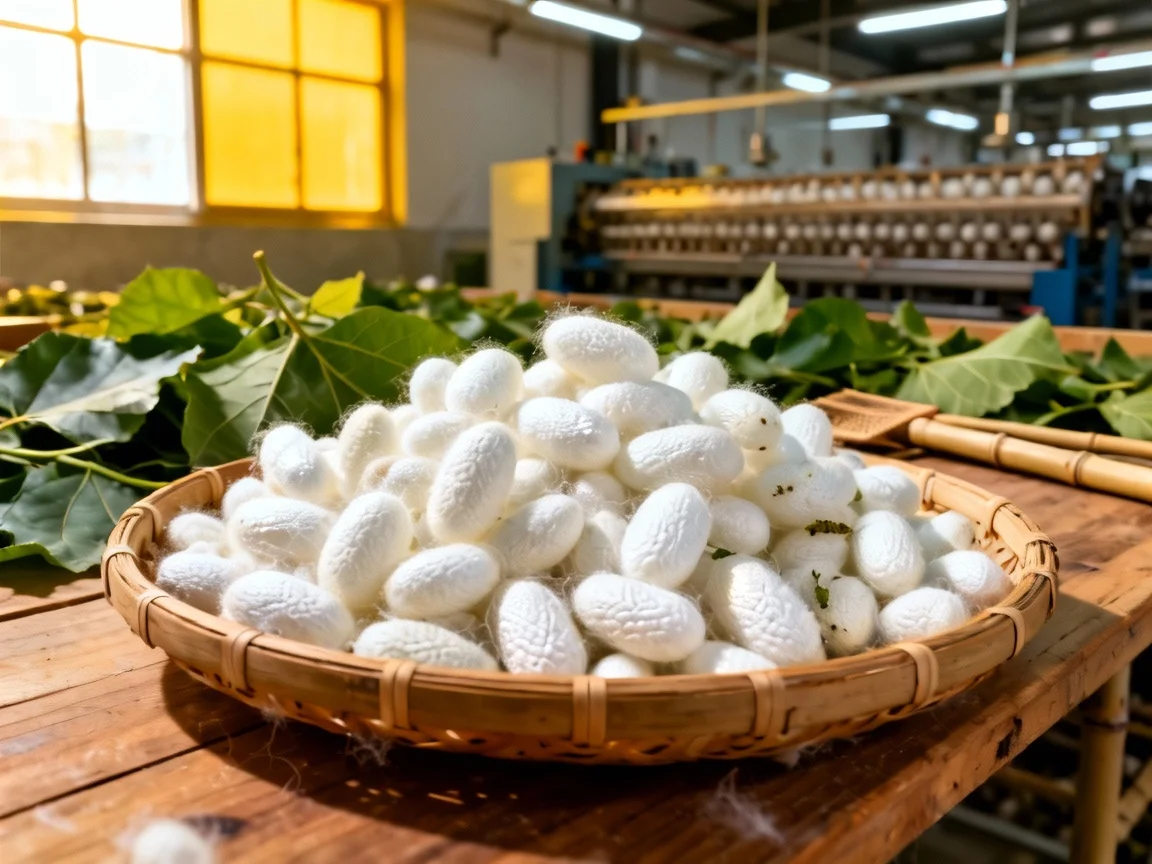
Silk: The Epitome of Luxury
For silk scarves, fiber provenance significantly impacts the final product's character. The finest mulberry silk—renowned for its uniform thread diameter and exceptional luster—originates primarily from sericulture regions in China, India, and Italy. These areas boast generations of silk cultivation expertise, ensuring the production of superior cocoons. When evaluating silk suppliers, industry professionals should examine fiber denier count (a critical measure of fineness) and ethical sourcing practices, including fair labor conditions and eco-friendly farming methods that minimize environmental impact.
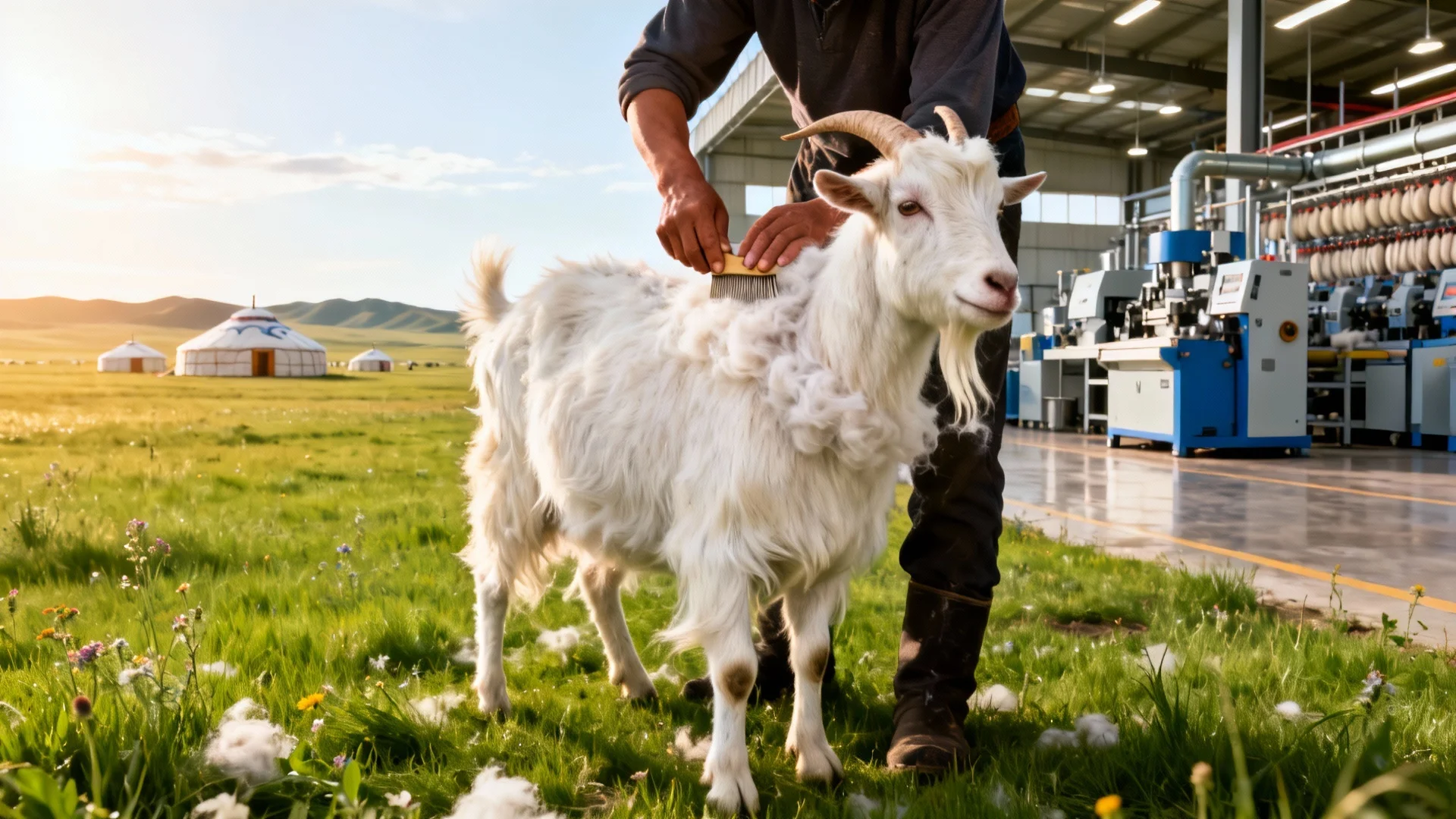
Cashmere: The Fiber of Kings
Cashmere presents distinct sourcing considerations that separate ordinary from extraordinary. The highest quality cashmere fibers (measuring 14-16 microns in diameter) derive predominantly from goat underbellies in the harsh climates of Mongolia, Tibet, and Nepal. These extreme temperature variations stimulate the growth of the ultra-soft undercoat that defines premium cashmere. Reputable manufacturers often establish direct partnerships with herders' cooperatives, ensuring fair compensation and implementing sustainable grazing practices that prevent overgrazing and desertification—critical factors for both ethical sourcing and long-term fiber quality preservation.
Wool and Alternative Luxury Fibers
Wool—particularly merino and alpaca—offers additional dimensions to luxury scarf production. Australian merino wool, celebrated for its exceptional softness and breathability, and Peruvian alpaca wool, valued for its warmth and hypoallergenic properties, require meticulous selection based on fiber length, crimp, and diameter. The growing demand for sustainable luxury has catalyzed innovations such as recycled cashmere and wool blends that maintain premium quality while reducing environmental footprint—a consideration that has become increasingly important in supplier evaluations.
The Sustainability Imperative
Sustainability has emerged as a defining factor in raw material selection for luxury scarves. Industry reports indicate that over 68% of high-end fashion brands now prioritize suppliers with transparent sourcing and environmental stewardship credentials. This paradigm shift has introduced innovative materials such as Tencel™ lyocell (derived from sustainably harvested wood pulp) and Piñatex™ (a pineapple leaf fiber alternative), which address environmental concerns while offering distinctive aesthetic and tactile qualities for discerning consumers seeking both luxury and responsibility.
Rigorous Material Testing Protocols
Distinguished manufacturers implement comprehensive quality control measures at the sourcing stage, including fiber strength testing, impurity analysis, and color consistency verification. These rigorous protocols ensure only materials meeting exacting specifications proceed to production, minimizing waste and guaranteeing batch consistency—essential factors for maintaining the integrity of luxury scarf collections.
The Transformation Process: From Fiber to Exquisite Fabric
After selecting and approving raw materials, they undergo a series of transformative processes to become the luxurious fabrics that form the foundation of premium scarves. This journey represents a delicate balance between traditional craftsmanship and cutting-edge technology—often the differentiating factor between ordinary and extraordinary manufacturers.
Silk Preparation: The Degumming Process
For silk scarves, degumming represents the first critical transformation. This precise procedure removes sericin—the gummy protein coating raw silk fibers—to reveal the fiber's natural luster and supple texture. Optimal degumming requires maintaining a precise pH level of 8.77 in the treatment bath, with temperature carefully controlled between 95-100°C for 45-60 minutes. This process typically removes 20-28% of silk's original weight (primarily sericin). Leading manufacturers increasingly utilize enzymatic degumming agents (derived from papain or other proteases) for enhanced precision and reduced environmental impact compared to traditional alkaline methods. The selection of degumming agent and process parameters significantly influences silk's final hand feel and dye receptivity, making this stage a key differentiator in luxury production.
Yarn Formation: Reeling and Throwing
Post-degumming, silk fibers undergo reeling and throwing processes to form yarns of varying thickness and twist characteristics. The throwing process—twisting multiple filaments together—determines yarn strength, elasticity, and surface texture. Luxury scarf manufacturers employ sophisticated doubling and twisting techniques to create yarns with specific performance characteristics. For instance, crepe de chine scarves utilize highly twisted yarns to achieve their distinctive crinkled texture, while satin scarves employ lower twist yarns to maximize luster and smoothness.
Weaving: The Alchemy of Texture and Pattern
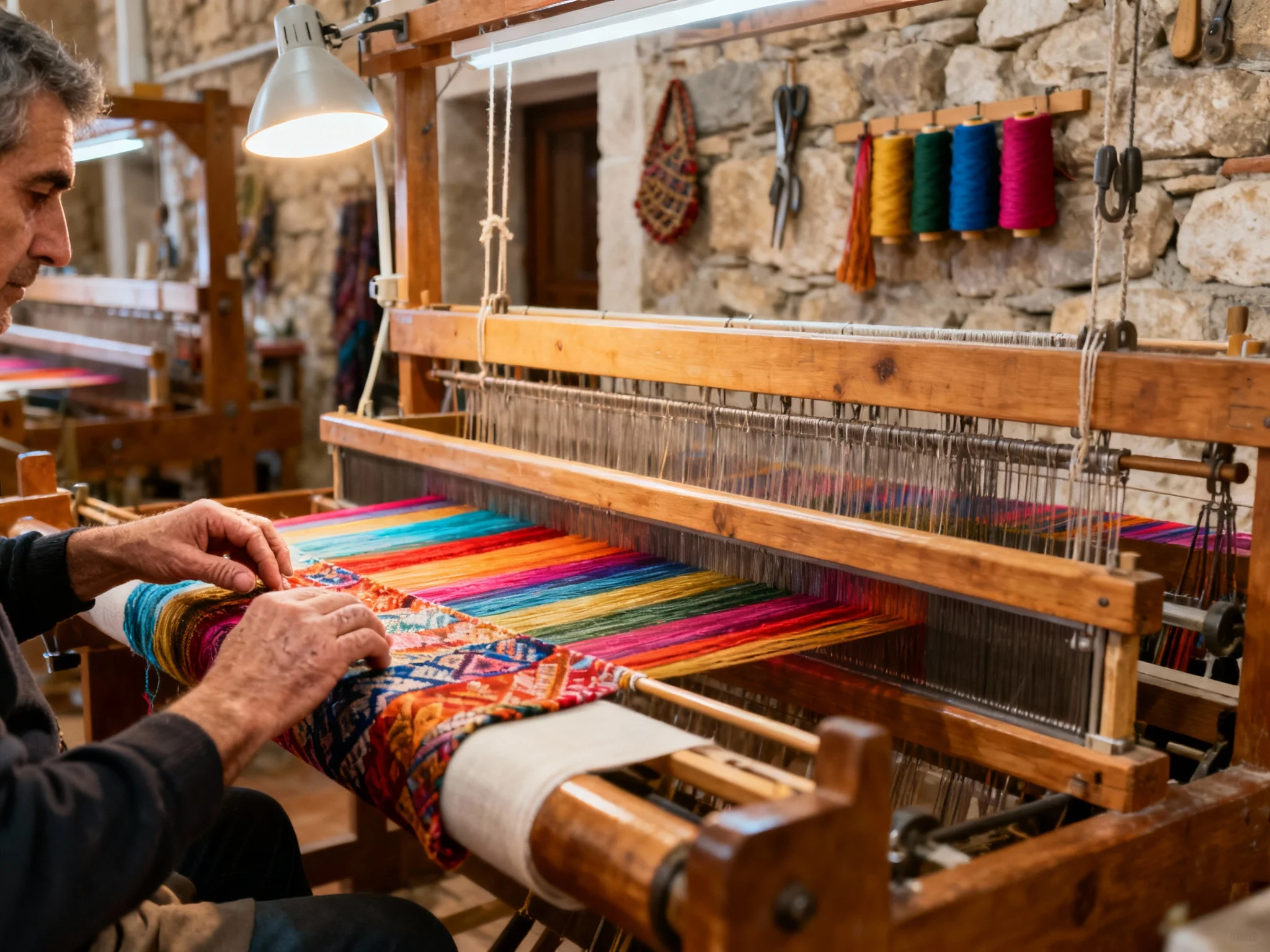
Weaving represents perhaps the most visually striking transformation in scarf production. Elite manufacturers employ an array of techniques, each yielding distinct aesthetic and functional properties:
Jacquard Weaving: Utilizes computerized looms with thousands of individually controlled warp threads to create scarves featuring intricate designs and subtle texture variations that delight the senses.
Twill Weaving: Produces the characteristic diagonal pattern associated with many high-end scarves, offering enhanced durability and superior drape qualities essential for luxury accessories.
Handloom Weaving: Practiced by select manufacturers for exceptional pieces—a supremely labor-intensive process requiring skilled artisans up to 16 hours to complete a single scarf. While mechanized looms offer greater efficiency and pattern consistency, handwoven scarves command premium prices due to their unique character and the exceptional skill required to produce them.
Wool and Cashmere Transformation
Wool and cashmere scarves require additional specialized transformation steps: carding, combing, and spinning. Carding aligns fibers into a continuous web, while combing removes shorter fibers and further aligns remaining ones for smoother, finer yarns. Spinning—whether performed on traditional wheels or modern ring spinning machines—determines yarn thickness, twist, and strength. Luxury manufacturers often utilize worsted spinning for premium wool scarves, creating smooth, tightly twisted yarns with minimal fuzziness for a refined finish and enhanced durability.
Dyeing Innovations and Sustainable Practices
Dyeing represents another critical transformation stage, with significant advancements in sustainable practices reshaping the industry. Traditional dyeing methods (consuming up to 100 liters of water per kilogram of fabric) are increasingly replaced by waterless technologies like AirDye® or ColorZen®—innovations that reduce water usage by up to 95%. These technologies minimize environmental impact while improving color fastness and reducing chemical consumption compared to conventional methods. For luxury scarves, manufacturers may employ artisanal dyeing techniques such as hand painting or tie-dyeing to create unique, one-of-a-kind pieces that command exceptional market prices.
Design and Printing: The Artistic Transformation
Transforming plain fabric into finished luxury scarves involves a sophisticated interplay of artistic vision and technical execution. In an industry where design innovation drives market differentiation, printing and pattern application serve as showcases for manufacturers' technical prowess and creative capabilities.
Design Development: From Concept to Reality
The design journey typically commences with digital renderings created using specialized textile design software such as Adobe Illustrator or fashion-specific CAD systems. For luxury scarves, designers must harmonize aesthetic elements with technical constraints related to printing processes and fabric characteristics. A compelling design on paper may require strategic adjustments for optimal reproduction on silk or cashmere, considering factors such as color bleed, pattern repeat, and scale. Many high-end manufacturers maintain in-house design teams or collaborate with renowned fashion designers and artists to create exclusive collections with premium market positioning.
Digital Printing: Precision and Possibility
Digital printing technology has revolutionized scarf production, offering unprecedented design flexibility and efficiency. State-of-the-art digital textile printers utilize piezo-electric print heads that deposit minuscule ink droplets (1-2 picoliters) to create intricate designs with exceptional color gradations. These advanced systems can reproduce up to 16 million colors—far exceeding the capabilities of traditional screen printing methods. For silk scarves, digital printing provides precise color placement without water-intensive pre-treatment, reducing environmental impact while enhancing color accuracy. This technology also enables cost-effective small-batch production, supporting emerging trends toward limited-edition releases and personalized luxury products.
Traditional Printing Techniques: Timeless Craftsmanship
Despite the advantages of digital printing, traditional techniques such as screen printing and roller printing maintain their relevance in luxury scarf production. Skilled artisans using screen printing can achieve unique textural effects and color intensities that digital methods cannot replicate. French luxury manufacturers, in particular, employ specialized screen printing with metallic pigments and raised paste applications to create scarves with distinctive tactile qualities that appeal to connoisseurs. Roller printing remains efficient for large-scale production of classic patterns, offering consistent quality and economies of scale for timeless designs that form the backbone of many luxury collections.
Ink and Dye Selection: The Science of Color
Ink and dye choices significantly impact a finished scarf's appearance, longevity, and functionality. Luxury manufacturers prioritize high-quality, lightfast pigments that resist fading despite sunlight exposure and repeated cleaning. Acid dyes deliver exceptional color vibrancy and washfastness for silk scarves, while natural dyes derived from plants, insects, and minerals appeal to eco-conscious consumers willing to invest in sustainable luxury. Dye fixation—whether through steaming, heat setting, or chemical treatment—requires precise control of temperature, humidity, and duration to ensure optimal color retention while minimizing environmental impact.
Post-Printing Processes: Setting the Standard
After printing, scarves undergo steaming or curing to set dyes, followed by thorough washing to remove excess colorants or chemicals. This critical washing stage ensures stable colors that won't bleed during consumer use or subsequent cleaning. Some manufacturers employ specialized washing techniques like enzyme washing for cashmere scarves to enhance softness and create distinctive worn-in textures prized by luxury consumers. These post-printing processes represent essential quality control checkpoints that separate premium manufacturers from their competitors.
Craftsmanship and Finishing: The Final Touches of Excellence
Transforming printed fabric into finished luxury scarves involves artisanal processes that elevate products from mere textiles to wearable art. These finishing techniques—often requiring years of specialized training to master—create some of the most visible quality indicators in the luxury scarf market.
Hand-Rolled Hemming: The Hallmark of Luxury
Hand-rolled hemming stands as the most iconic finishing technique for luxury silk scarves. This labor-intensive process involves rolling scarf edges between thumb and forefinger while stitching with fine silk thread, creating a delicate, flexible border that preserves the fabric's natural drape. Master artisans produce approximately 1-2 meters of hand-rolled hem per hour, making this technique a significant cost factor for high-end scarves. Thread selection (typically 602 silk thread for luxury applications) and stitch density (often exceeding 10 stitches per centimeter) directly impact hem durability and aesthetic appeal. Industry professionals examining hand-rolled hems should look for consistent tension, uniform stitch size, and invisible corner knotting—hallmarks of exceptional craftsmanship that distinguish truly luxurious products.
Specialized Finishing Treatments
Beyond hemming, luxury scarves may receive specialized finishing treatments to enhance their aesthetic and functional properties. Cashmere or wool scarves often undergo fulling—a controlled felting process using heat, moisture, and mechanical action—to create denser, softer fabric with improved insulation properties. Fulling requires meticulous monitoring to achieve the desired texture without compromising structural integrity or dimensional stability. Some manufacturers employ traditional techniques like stone washing with river pebbles to create unique texture variations, adding artisanal character to finished products that appeals to discerning consumers.
Precision Pressing and Steaming
Steaming and pressing finalize a scarf's dimensions and appearance. Luxury manufacturers utilize specialized steam presses with precise temperature and pressure controls, ensuring scarves retain their intended shape without developing unwanted shine or press marks. Craftspeople often employ hand steaming for delicate silk scarves, using fine mist and delicate pressing to preserve the fabric's natural luster and drape. The pressing process also provides an opportunity to inspect for imperfections, ensuring only flawless pieces proceed to final quality control evaluation.
Edge Treatments: Design Differentiation
Edge treatments beyond hand-rolled hems offer additional design differentiation for luxury scarves. Fringing—ranging from delicate baby fringes to bold decorative tassels—requires precise cutting and knotting for uniformity and durability. Particularly intricate designs may incorporate hand embroidery or appliqué techniques, adding dimensional elements that transform scarves into true statement pieces. These artisanal details enhance both visual appeal and perceived value, supporting the premium pricing structure of luxury accessories.
Final Inspection and Presentation
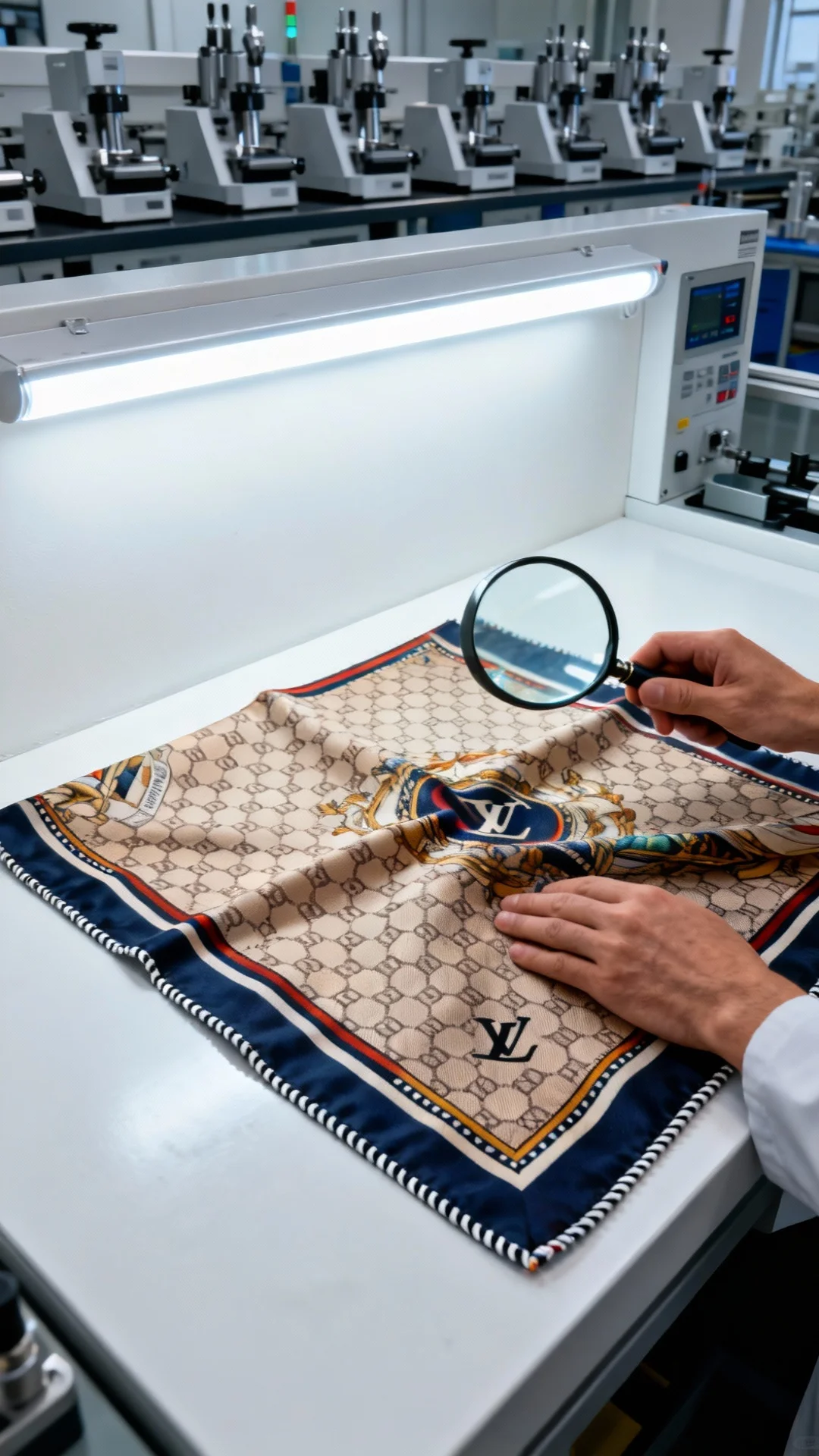
Final finishing stages include meticulous inspection and presentation preparation. Each scarf undergoes thorough examination under controlled lighting conditions, with trained inspectors checking for fabric flaws, printing irregularities, stitching problems, and construction defects. Detected imperfections are either repaired by skilled craftspeople or—in the case of luxury production—the entire piece may be rejected to maintain uncompromising quality standards. After inspection, scarves are folded using specialized techniques that minimize creasing while showcasing their designs, often with acid-free tissue paper and luxury packaging that reinforces brand positioning and perceived value.
Quality Control and Assurance: Maintaining Uncompromising Luxury Standards
Rigorous quality control throughout the manufacturing process ensures finished scarves meet the exacting standards of the luxury market. This comprehensive quality assurance framework spans from raw material inspection to final product evaluation, systematically identifying and addressing issues before they reach discerning consumers.
Incoming Material Inspection
Quality control begins with incoming material inspection, where each batch of raw silk, cashmere, or wool undergoes thorough testing to verify specification compliance. Silk testing includes fiber strength analysis using specialized tensile testing equipment that measures the force required to break a single filament. Premium silk for luxury scarves typically exhibits 3.5-4.5 grams per denier breaking strength—ensuring durability without compromising softness. Microscopic examination identifies fiber impurities or irregularities, while colorimetric analysis verifies consistency across dye lots. Manufacturers employing AQL (Acceptable Quality Level) sampling plans at this stage set exceptionally strict limits—often AQL 1.0 or lower—for material defects, reflecting the uncompromising standards of the luxury market.
In-Process Quality Control
In-process quality control occurs at critical production stages, identifying and correcting issues before they affect subsequent processes. During weaving, automated inspection systems equipped with high-resolution cameras detect defects like broken threads, tension variations, or pattern misalignments in real-time, enabling immediate loom adjustments. For printed scarves, spectrophotometer color verification ensures production run consistency, with delta E values (color difference measurements) typically maintained below 1.0 for luxury applications. These proactive in-process checks improve final product quality while reducing waste by preventing defective materials from progressing through additional production stages.
Comprehensive Final Inspection
Final quality inspection represents the last opportunity to ensure scarves meet brand standards before reaching consumers. This exhaustive examination includes visual inspection under standardized lighting, dimensional measurement for consistency, and functional testing for properties like colorfastness and seam strength. Luxury manufacturers often implement double or triple inspection protocols, with multiple quality control specialists examining each scarf to minimize the risk of defect escape. Inspection criteria encompass numerous parameters:
- Print quality: Absence of misregistration, color bleeding, or streaking
- Stitching quality: Uniform tension, appropriate stitch density, secure knotting
- Dimensional stability: Compliance with specified dimensions within ±2% tolerance
- Color consistency: Adherence to approved color standards under various lighting conditions
- Hand feel: Consistency with established softness and drape standards
- Finish quality: Absence of press marks, shine, or handling artifacts
Specialized Performance Testing
Premium scarf manufacturers may employ specialized testing beyond visual inspection to validate performance claims. Martindale abrasion testing evaluates wear resistance, with superior scarves typically exceeding 50,000 rubs before showing signs of pilling or fiber breakage. Colorfastness testing—including wash fastness (ISO 105-C06) and light fastness (ISO 105-B02)—ensures vibrant colors endure despite prolonged use and environmental exposure. These objective test results provide valuable data for brands evaluating manufacturing partners, offering a quantitative basis for quality comparison.
Documentation and Traceability
Quality control documentation significantly impacts brand perception and consumer trust. Reputable manufacturers maintain comprehensive quality records for each production batch, including material test results, in-process inspection data, and final quality reports. These documents support traceability for quality issues and demonstrate the transparency valued by discerning luxury consumers. Leading manufacturers increasingly implement blockchain technology to create immutable production journey records, providing unprecedented visibility into product origins and quality assurance processes for both brands and consumers seeking authenticity and ethical production verification.
Conclusion: The Pursuit of Excellence in Luxury Scarf Manufacturing
The creation of luxury scarves represents a harmonious blend of artistry and technical precision, where traditional craftsmanship meets innovative technology. From the meticulous selection of premium raw materials to the implementation of rigorous quality control protocols, every stage of the manufacturing process contributes to the final product's exceptional quality and value.
For industry professionals seeking to identify superior suppliers, understanding this comprehensive production journey provides the expertise necessary to make informed decisions. By evaluating a manufacturer's approach to sustainable sourcing, technical innovation, artisanal craftsmanship, and quality assurance, brands can forge partnerships that align with their commitment to excellence.
In an increasingly competitive luxury market, the ability to recognize and appreciate the nuances of high-end scarf techniques and manufacturing processes represents a significant competitive advantage. The manufacturers who consistently deliver exceptional quality understand that true luxury lies not in marketing claims, but in the meticulous attention to detail evident in every stitch, every print, and every finished piece that bears their name.
As consumer demand for transparency and authenticity continues to grow, manufacturers who embrace both traditional artisanal methods and responsible innovation will lead the industry, creating scarves that represent not just fashion accessories, but wearable works of art that stand the test of time. FENNYSUN exemplifies this commitment to excellence, embodying the perfect fusion of heritage craftsmanship and forward-thinking innovation in luxury scarf production.