As a seasoned industry professional with years of experience in luxury textile production, I've witnessed firsthand the meticulous craftsmanship that transforms raw fibers into exquisite cashmere scarves. The global luxury scarf market is projected to reach $7.2 billion by 2032, growing at a CAGR of 5.5%, with cashmere and silk remaining the most coveted materials. This guide takes you through the complete journey of cashmere scarf production, highlighting the precision, sustainability considerations, and quality standards that define luxury manufacturing in 2025.
The Foundation of Luxury: Raw Material Selection
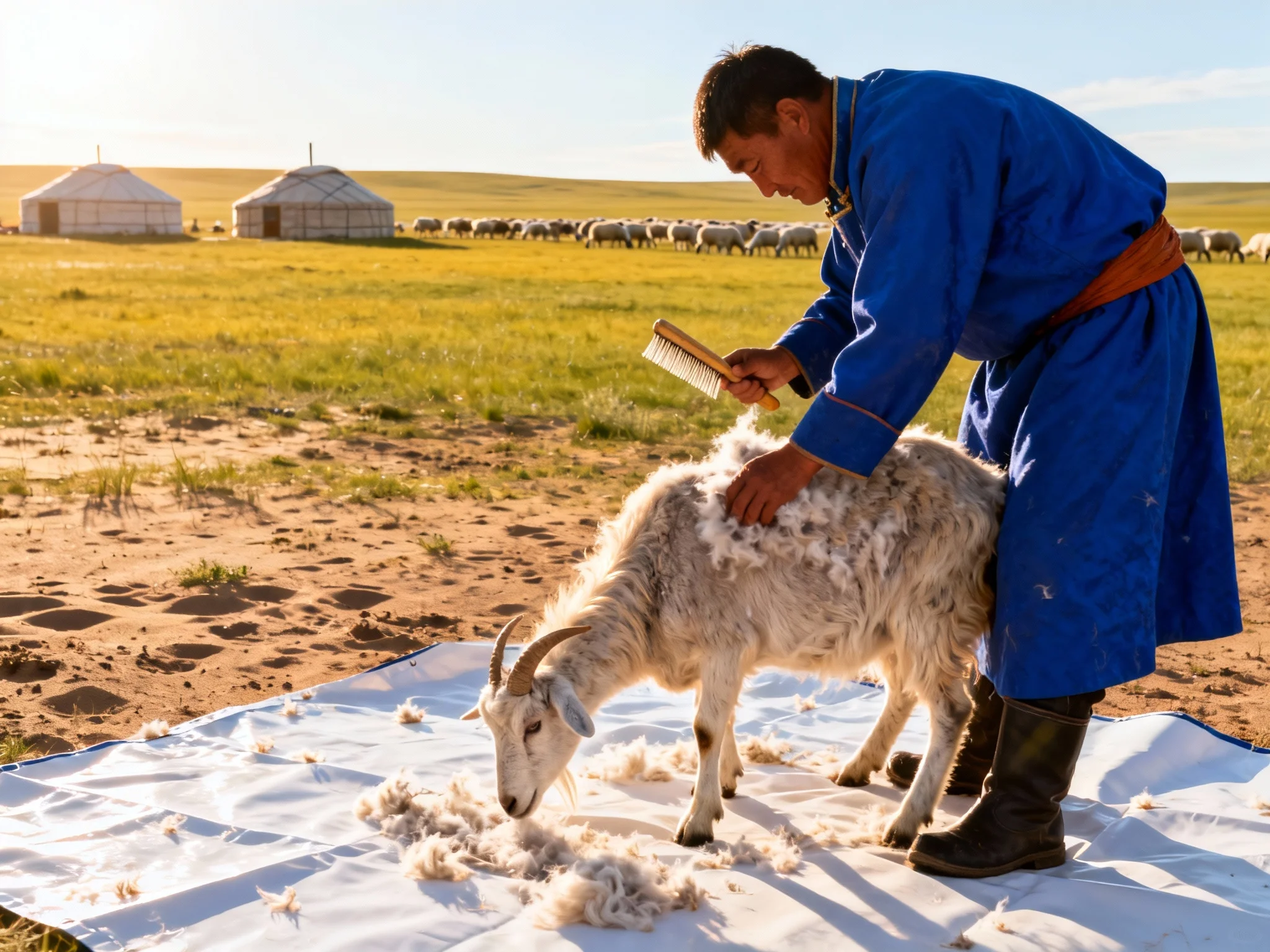
Exceptional cashmere scarf production begins with meticulous material selection. Premium cashmere originates from the undercoat of cashmere goats, primarily sourced from Mongolia, China, and Iran. The gold standard for luxury cashmere requires fibers with diameters between 14-16 microns—finer than human hair—creating the fabric's legendary softness and warmth.
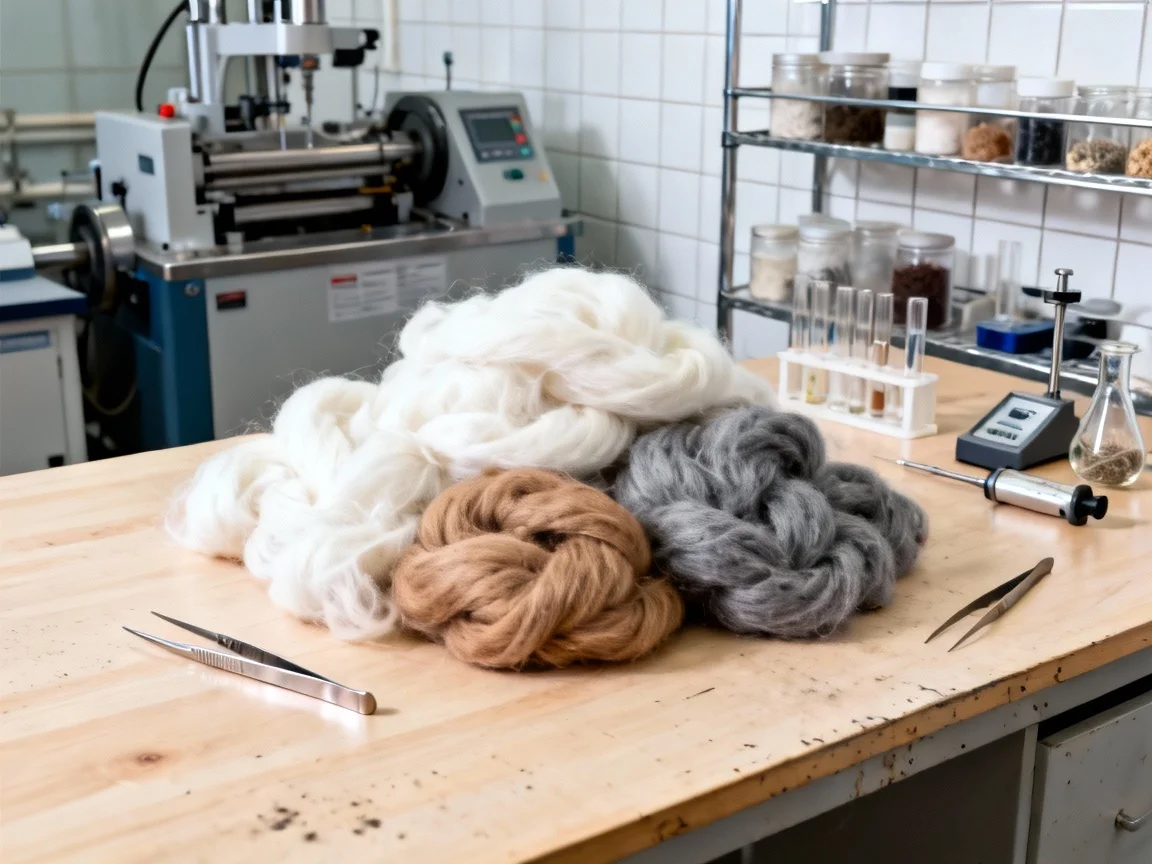
When evaluating raw cashmere, industry professionals assess four key characteristics:
- Fiber diameter: Finer fibers produce softer, more luxurious fabrics with superior drape
- Length: Longer fibers (38-40mm) enhance durability and significantly reduce pilling
- Color: Natural shades range from white to brown to gray, with white offering the most versatility for dyeing
- Cleanliness: Freedom from vegetable matter and other impurities ensures consistent quality
Sustainable sourcing has become paramount in 2025. Leading manufacturers implement traceability programs that track fibers from individual herder communities, ensuring ethical treatment of animals and guaranteeing consistent quality. Responsible producers maintain generational relationships with herders, ensuring fair compensation and environmentally sound grazing practices that preserve fragile ecosystems.
Cashmere Processing: From Fiber to Yarn
Once raw cashmere arrives at the processing facility, it undergoes a series of transformative steps requiring both technical expertise and artistic sensibility.
Sorting and Grading
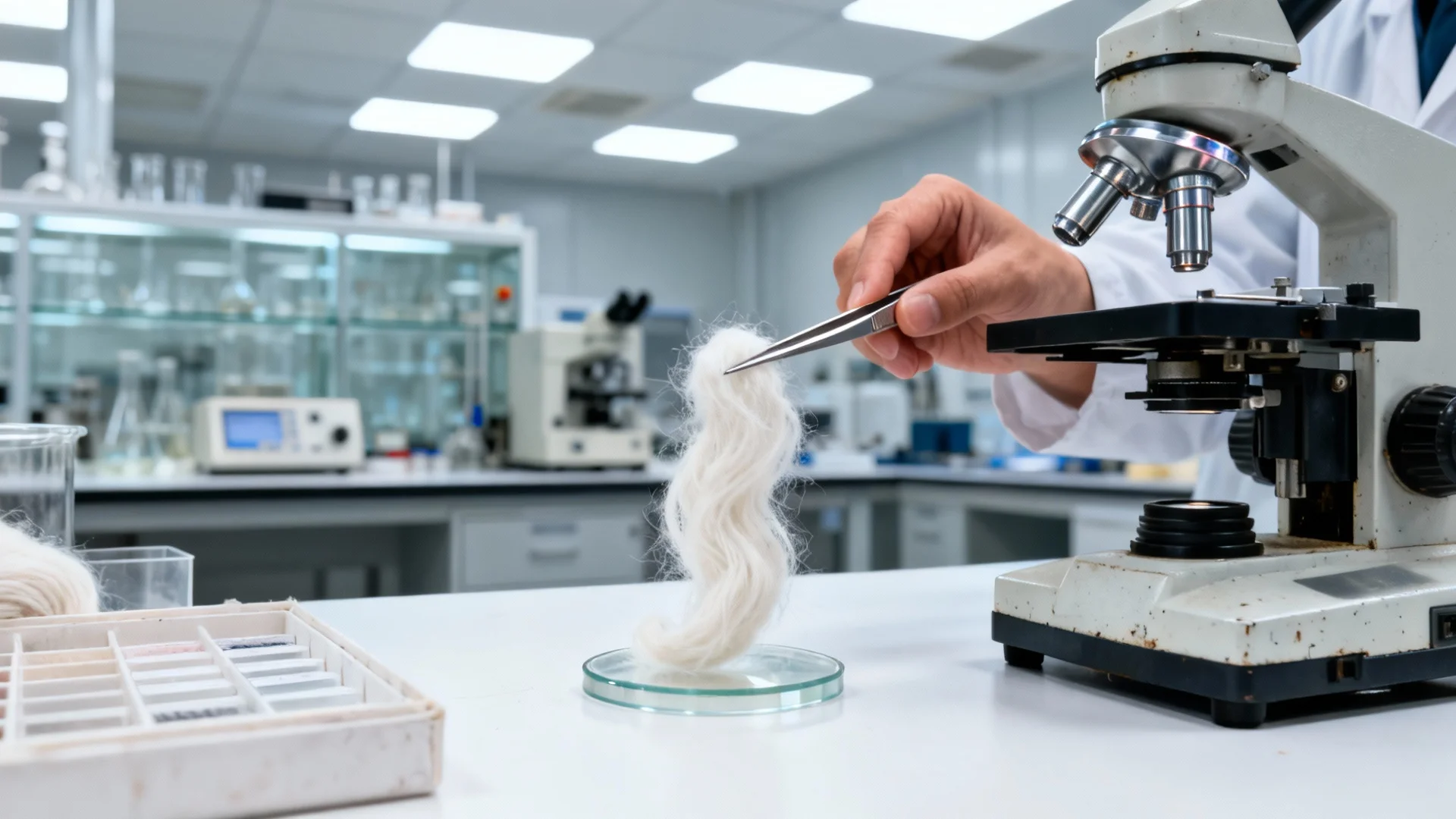
The journey begins with experienced graders who sort fibers by hand based on fineness, length, and color. This labor-intensive process ensures only the highest quality fibers proceed to production. Each batch undergoes rigorous testing with advanced laser technology to verify fiber diameter and length, ensuring compliance with international standards before moving to subsequent stages.
Washing and Dehairing
Sorted fibers undergo gentle washing with biodegradable detergents to remove dirt, grease, and natural oils. This delicate process maintains fiber integrity while preparing cashmere for further refinement. After washing, specialized machinery meticulously removes coarse guard hairs through dehairing, leaving only the precious downy undercoat fibers that define premium cashmere.
Carding and Spinning
Carding aligns fibers into a continuous web, which is then drawn into slivers—loosely twisted ropes of fiber. These slivers undergo multiple drawing processes to reduce thickness and improve uniformity before finally being spun into yarn. Spinning parameters can be precisely adjusted to create different yarn characteristics, from fine threads for lightweight, elegant scarves to thicker, textured yarns for winter styles requiring enhanced warmth.
Manufacturing Techniques: Crafting the Perfect Scarf
Transforming yarn into a finished scarf involves several production methods, each offering distinct aesthetic and functional qualities that cater to different market segments and seasonal demands.
Weaving
Weaving remains the most common method for cashmere scarves, with two primary techniques dominating luxury production:
- Plain weave: Creates lightweight, breathable fabric with excellent drape and fluid movement
- Twill weave: Produces distinctive diagonal patterns with enhanced durability and subtle texture
Modern computerized looms ensure unparalleled precision and consistency, while some luxury manufacturers preserve traditional handweaving techniques for limited-edition pieces that command premium prices. The choice of weave directly impacts the scarf's appearance, weight, drape, and performance characteristics.
Knitting
Knitted cashmere scarves offer exceptional elasticity and warmth retention. Circular knitting machines produce seamless tubes that are later cut and finished, while flat knitting allows for more complex patterns and shaping capabilities. Gauge—the number of stitches per inch—determines the final fabric density and weight, with finer gauges creating more delicate textures.
Dyeing and Printing
Luxury cashmere scarves utilize sophisticated coloring techniques to achieve vibrant, long-lasting hues:
- Stock dyeing: Yarn is dyed before weaving, ensuring deep, uniform color penetration and excellent colorfastness
- Piece dyeing: Finished fabric is dyed, allowing greater color consistency across production runs and facilitating color matching
- Digital printing: 2025 has seen increased adoption of advanced digital printing technologies that enable intricate designs with exceptional color vibrancy while reducing water consumption by up to 30% compared to traditional methods—a significant sustainability advancement
Quality Control and Standards
Maintaining exceptional quality requires rigorous testing throughout production, with specialized focus on ensuring each scarf meets the exacting standards that define luxury cashmere products.
International Standards Compliance
Reputable manufacturers adhere to strict international standards, including ISO 5162 for cashmere fiber quality and OEKO-TEX® certification for harmful substance testing. These certifications provide independent verification that products meet globally recognized quality and safety criteria, offering consumers and brands assurance of responsible production practices.
Performance Testing
Each scarf undergoes comprehensive testing protocols for:
- Color fastness to light, washing, and perspiration
- Pilling resistance under various wear conditions
- Seam strength and durability
- Dimensional stability after washing
Advanced testing equipment simulates years of wear to ensure long-term durability. Luxury manufacturers typically exceed industry minimum requirements by 50% or more, establishing higher thresholds for quality that differentiate premium products in competitive markets.
Final Inspection
Before packaging, quality control specialists conduct meticulous inspections of each scarf, examining:
- Uniform stitching and flawless finishing details
- Consistent coloration across the entire surface
- Freedom from any defects or irregularities
- Proper alignment of patterns and motifs
This meticulous attention to detail ensures only flawless products reach the market, maintaining brand reputation and customer satisfaction.
Sustainable Practices in Modern Production
The luxury scarf industry has wholeheartedly embraced sustainability as a core value, implementing innovative practices throughout the supply chain that address environmental concerns while maintaining product integrity.
Responsible Sourcing
Leading manufacturers prioritize sustainable grazing practices that prevent desertification in cashmere-producing regions. This includes implementing rotational grazing systems, water conservation measures, and supporting local communities through fair trade initiatives that ensure equitable distribution of economic benefits.
Water Conservation
2025 production facilities utilize state-of-the-art closed-loop water systems that recycle up to 95% of water used in processing. Advanced filtration technologies enable multiple water reuse cycles, significantly reducing overall consumption and minimizing environmental impact while maintaining strict quality standards.
Energy Efficiency
Many modern production facilities operate on renewable energy sources, with solar and wind energy accounting for an increasing percentage of total energy usage. Heat recovery systems capture and reuse energy from manufacturing processes, further reducing carbon footprints and operating costs simultaneously.
Waste Reduction
The industry has made significant strides in waste reduction through:
- Cutting patterns optimized with computer algorithms to minimize fabric waste
- Innovative recycling programs that transform production offcuts into new yarns
- Packaging solutions utilizing minimal, recyclable, or biodegradable materials that maintain luxury presentation while reducing environmental impact
Digital Innovation in Cashmere Production
Technological advancements continue transforming cashmere scarf manufacturing, creating new possibilities for customization, efficiency, and sustainability while maintaining the artisanal quality that defines luxury products.
Digital Design and Prototyping
Computer-aided design (CAD) systems enable precise pattern development and virtual prototyping, reducing the need for physical samples and significantly shortening development timelines. 3D modeling allows designers to visualize finished products in realistic detail before production begins, facilitating better decision-making and reducing development costs.
Smart Manufacturing
Leading facilities have embraced Industry 4.0 principles, with interconnected machinery collecting and analyzing production data in real time. This digital transformation enables predictive maintenance, continuous quality monitoring, and process optimization, ensuring consistent quality while maximizing efficiency and reducing waste throughout the manufacturing cycle.
Customization Capabilities
Digital printing technologies have revolutionized customization possibilities, allowing small-batch production of unique designs with minimal setup costs. This paradigm shift has opened new opportunities for brands to offer personalized scarves featuring custom artwork, monograms, or limited-edition collaborations that create exclusivity and drive customer engagement.
Finishing and Packaging: The Final Touches
Production concludes with critical finishing steps that elevate scarves to luxury status, ensuring they meet the exacting standards expected by discerning consumers.
Washing and Blocking
After manufacturing, scarves undergo a final washing process designed to relax fibers and enhance softness. They are then carefully blocked—stretched to precise dimensions and air-dried under controlled conditions—to ensure consistent size and shape across the entire production run.
Quality Assurance
Each scarf undergoes multiple quality checks, including:
- Detailed visual inspection for any flaws or imperfections
- Precise measurement verification against specifications
- Rigorous testing of color fastness and durability
- Sensory assessment of softness and hand feel
These comprehensive checks ensure that only products meeting the highest standards proceed to packaging.
Packaging
Luxury cashmere scarves deserve exquisite packaging that reflects their premium status while embracing sustainability principles. Many brands now use recycled paper, biodegradable tissue, and minimal branding that communicates elegance without excess. Some premium manufacturers offer reusable storage bags made from organic cotton or recycled materials to protect scarves when not in use, adding value while reinforcing sustainability commitments.
Selecting the Right Production Partner
For fashion brands and retailers sourcing cashmere scarves, choosing the right production partner is a critical decision that impacts product quality, brand reputation, and operational efficiency. Key considerations include:
Manufacturing Capabilities
Evaluate the manufacturer's technical capabilities, including available production methods, minimum order quantities, and customization options. Advanced facilities with diverse capabilities offer greater flexibility and innovation potential, enabling brands to respond quickly to market trends and consumer demands.
Quality Control Systems
Inquire thoroughly about quality control protocols throughout production. Reputable manufacturers implement comprehensive testing at every stage, from raw material inspection to final product approval, with documented processes and quality metrics that ensure consistency and reliability.
Sustainability Practices
Assess the manufacturer's commitment to sustainability through environmental policies, certification status, and transparency in sourcing and production practices. Look for partners with measurable sustainability goals and a demonstrated commitment to continuous improvement in environmental performance.
Ethical Standards
Ensure production partners maintain high ethical standards regarding labor practices, animal welfare, and community engagement. Certifications from recognized organizations provide independent verification of these practices and help mitigate reputational risks associated with supply chain management.
Conclusion: The Future of Cashmere Scarf Production
Cashmere scarf production continues to evolve through a delicate balance of tradition and innovation. The industry's growing sustainability commitment drives ongoing improvements in water and energy efficiency, waste reduction, and responsible sourcing practices that preserve resources for future generations.
Technological advancements enhance quality and customization capabilities while maintaining cashmere's intrinsic luxury and artisanal appeal. For brands and consumers alike, understanding the journey from raw material to finished product fosters greater appreciation for the craftsmanship, expertise, and resources invested in each luxury scarf.
As the sustainable luxury market continues to expand, manufacturers prioritizing transparency, quality, and environmental stewardship will lead the industry forward, ensuring cashmere remains a timeless symbol of elegance for generations to come. When selecting cashmere scarves for your collection, consider the production practices behind each piece—choosing manufacturers committed to excellence in both product and process invests in pieces that offer exceptional quality, timeless style, and responsible luxury that resonates with today's discerning consumers.