In the competitive landscape of luxury accessories, maintaining consistent quality in scarf manufacturing demands a systematic, rigorous approach to quality assurance. As industry practitioners with years of textile production and quality management experience, we understand that exceptional scarf quality emerges not from chance but from meticulously designed quality control frameworks. This article outlines the comprehensive 7-step quality assurance protocol that distinguishes premium scarf manufacturers in 2025, integrating the latest industry standards, technological advancements, and sustainable practices to deliver products that meet the exacting demands of discerning clients worldwide.
The Critical Importance of Structured Quality Assurance in Scarf Manufacturing
The textile industry has undergone significant evolution in quality standards, with OEKO-TEX® 2025 regulations raising the bar for product safety and environmental responsibility. Today's boutiques and specialty stores face increasing pressure to deliver both exceptional quality and ethical production practices, making a robust quality assurance protocol not merely a competitive advantage but an absolute necessity.
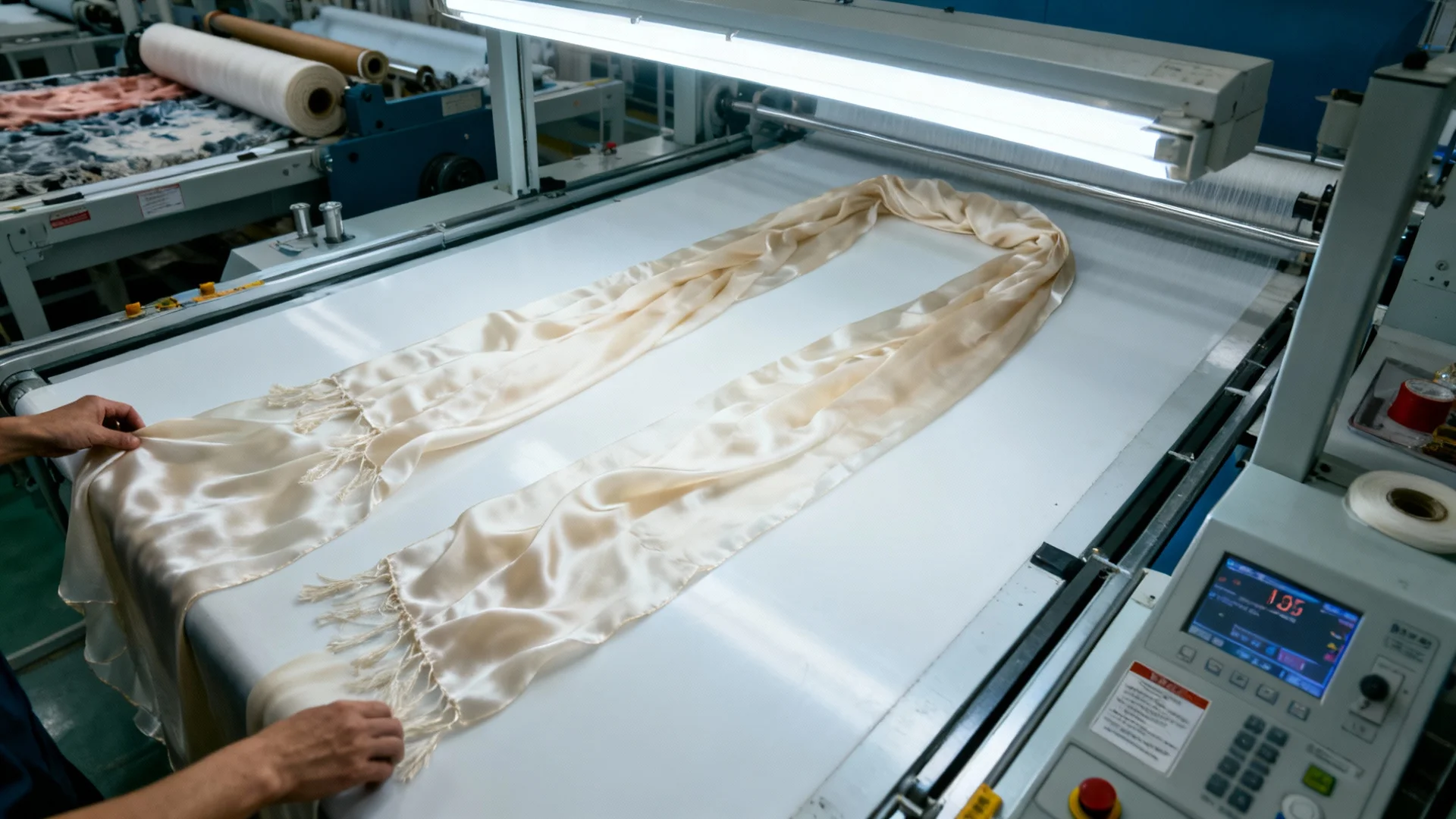
Quality control in scarf manufacturing presents unique challenges due to the diverse range of materials—from delicate silks to durable wools—and intricate production processes involved. Unlike many garment categories, scarves serve both functional and decorative purposes, requiring meticulous attention to every production detail. A single flaw in a scarf is far more visible than in most garments, directly impacting perceived value and brand reputation.
The commercial implications of quality control extend beyond product satisfaction. For fashion brands sourcing scarves, inconsistent quality causes increased returns, damaged customer relationships, and reduced profitability. Industry research demonstrates that implementing a structured quality assurance protocol can reduce defect rates by up to 40% while simultaneously improving production efficiency—a compelling business case for prioritizing quality at every manufacturing stage.
The 7-Step Quality Assurance Protocol
Step 1: Raw Material Authentication and Selection
The foundation of premium scarf manufacturing lies in the careful selection and authentication of raw materials. This critical first step establishes the baseline for all subsequent quality parameters. In 2025, this process combines traditional expertise with cutting-edge technological verification methods.
For luxury scarves, material authentication begins with verifying fiber origin and quality. Whether evaluating cashmere from Mongolia, silk from Italy, or sustainable blends from innovative textile developers, premium manufacturers employ both laboratory testing and expert assessment. Each material batch undergoes rigorous analysis to confirm fiber length, strength, purity, and consistency—factors that directly influence the final product's feel, durability, and appearance.
Sustainability credentials have become equally important in material selection. With OEKO-TEX® 2025 regulations, manufacturers must provide comprehensive documentation of materials' environmental impact, including water usage, chemical inputs, and ethical sourcing practices. This documentation requires third-party verification to ensure supply chain transparency.
The material selection process also involves anticipating how different fibers will behave during production and throughout the product's lifecycle. For example, a cashmere-silk blend requires different handling than a wool-acrylic combination. These considerations must integrate into the quality plan from the outset. By establishing strict material standards and authentication protocols, manufacturers create the essential foundation for consistent quality.
Step 2: Pre-Production Planning and Process Validation
Before cutting a single piece of fabric, premium scarf manufacturers invest significant resources in pre-production planning and process validation. This step optimizes manufacturing parameters for each specific material and design, minimizing waste and maximizing consistency.
The pre-production phase commences with creating detailed technical specifications for each scarf design. These include precise measurements, material requirements, color standards, and construction details—all documented in a comprehensive quality control plan. Special attention identifies potential production challenges, such as how intricate patterns will align during printing or how delicate fabrics will withstand cutting and sewing processes.
Process validation involves testing production parameters on sample materials before full-scale manufacturing. This may involve test batches to determine optimal tension settings for knitting machines, ideal dye concentrations for specific fibers, or precise heat settings for setting prints. Each process parameter is documented and validated against quality standards, with adjustments made based on test results.
Modern manufacturers increasingly utilize digital tools during pre-production planning. Computer-aided design (CAD) software visualizes how patterns translate to different fabric types, while material information databases provide instant access to processing guidelines for hundreds of fiber combinations. These digital tools enable more precise planning and reduce quality issues during production.
The pre-production planning phase also develops detailed inspection criteria for each manufacturing stage. Defining what constitutes an acceptable product at each checkpoint ensures consistent quality assessment throughout production.
Step 3: In-Process Quality Monitoring
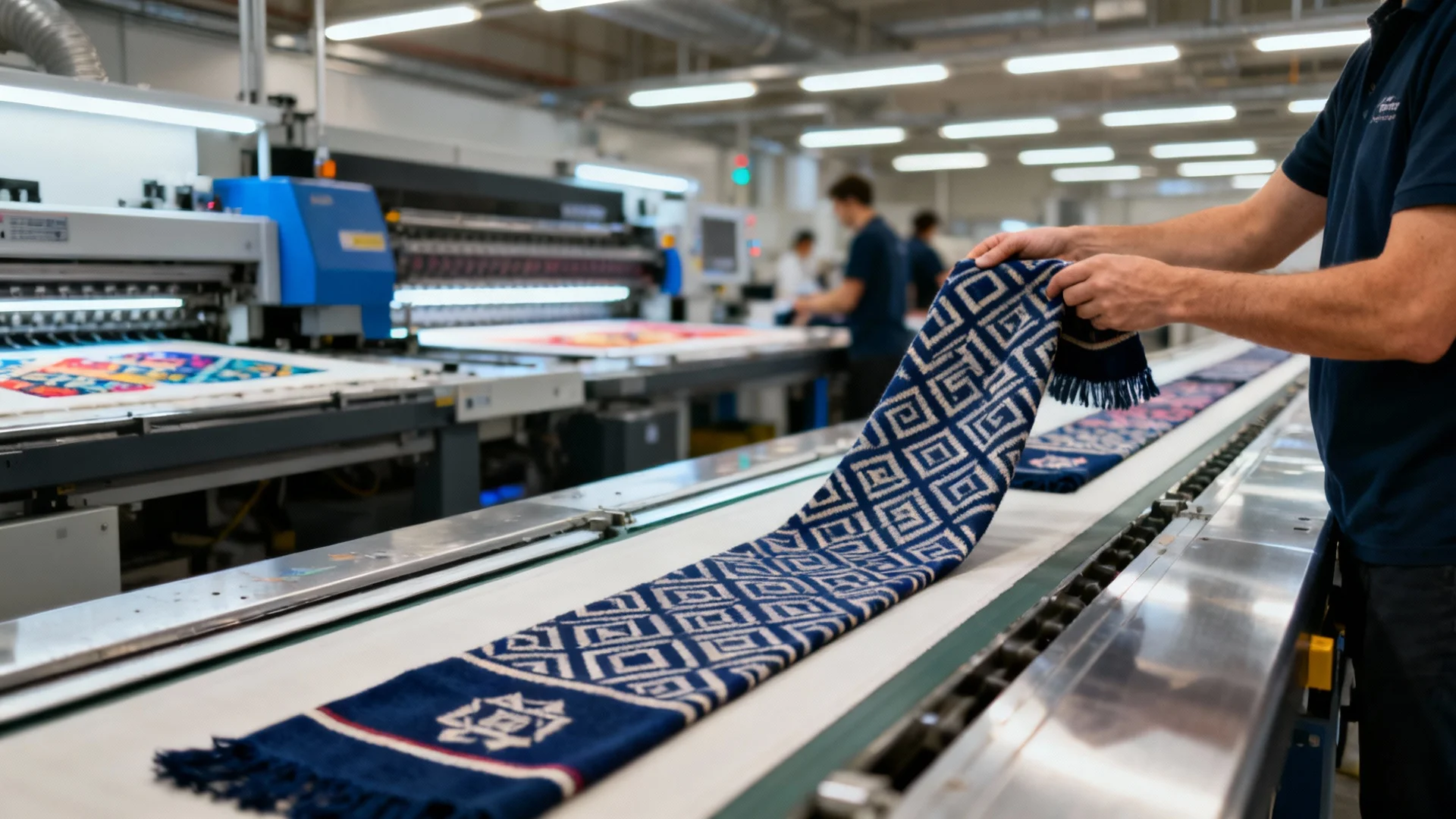
In-process quality monitoring represents the most dynamic phase of scarf manufacturing quality control, requiring constant vigilance and rapid response to emerging issues. This step involves systematic inspection at critical points throughout production, ensuring quality standards are maintained from fabric preparation through finishing.
Modern manufacturing facilities employ both automated monitoring systems and skilled quality inspectors. For example, computerized knitting machines may include sensors that detect tension variations or yarn breaks, immediately alerting operators to potential issues. Printing processes often incorporate automated color detection systems that compare each printed section to color standards, flagging even minor deviations.
Human inspectors remain essential for evaluating quality aspects requiring subjective assessment, such as fabric hand feel or pattern visual harmony. These inspectors follow standardized sampling protocols, examining a statistically significant number of units at each production stage. For critical operations like dyeing, inspectors may check every piece to ensure consistent coloration.
In-process monitoring also involves regular calibration of production equipment to maintain precision. Cutting machines, sewing stations, and finishing equipment are calibrated on strict schedules, with verification procedures ensuring accuracy. This proactive maintenance prevents quality drift and ensures consistent results throughout production runs.
Most importantly, in-process quality monitoring establishes feedback loops enabling continuous improvement. Data from inspections is analyzed to identify trends—recurring defects or equipment performance issues. This information drives refinements in production processes, updates to training programs, or modifications to material specifications—creating a cycle of constant quality enhancement.
Step 4: Specialized Testing for Scarf-Specific Quality Parameters
Premium scarves require specialized testing beyond general textile quality assessments. This step focuses on the unique performance characteristics expected of luxury accessories, with targeted testing protocols verifying each scarf meets specific quality benchmarks for durability, appearance, and functionality.
Colorfastness testing ranks among the most critical assessments for scarves, which are frequently exposed to various environmental conditions and contact with other garments. Multiple tests evaluate how colors withstand light exposure, washing, perspiration, and dry cleaning. The AATCC 61 test method assesses colorfastness to laundering, while AATCC 16 evaluates resistance to light—both essential for scarves intended to be worn season after season.
Dimensional stability testing ensures scarves maintain their shape and size through normal use and care. Samples undergo simulated washing and drying cycles, with measurements taken before and after to detect shrinkage or distortion. For luxury scarves, acceptable dimensional change typically remains limited to 2% or less in any direction.
Pilling resistance represents another important quality parameter, particularly for wool and cashmere scarves. The Martindale abrasion test subjects fabric samples to controlled friction, after which trained inspectors evaluate pill formation. Premium scarves must demonstrate minimal pilling to maintain their luxurious appearance over time.
For scarves with printed designs, additional testing verifies print adhesion, pattern alignment, and resolution. This may include rub tests to ensure prints don't transfer to other fabrics and visual inspections under standardized lighting to assess pattern registration and clarity.
All specialized test results are documented and compared against established quality standards. Only scarves meeting or exceeding these standards proceed to final production stages.
Step 5: Finishing and Detailing Inspection
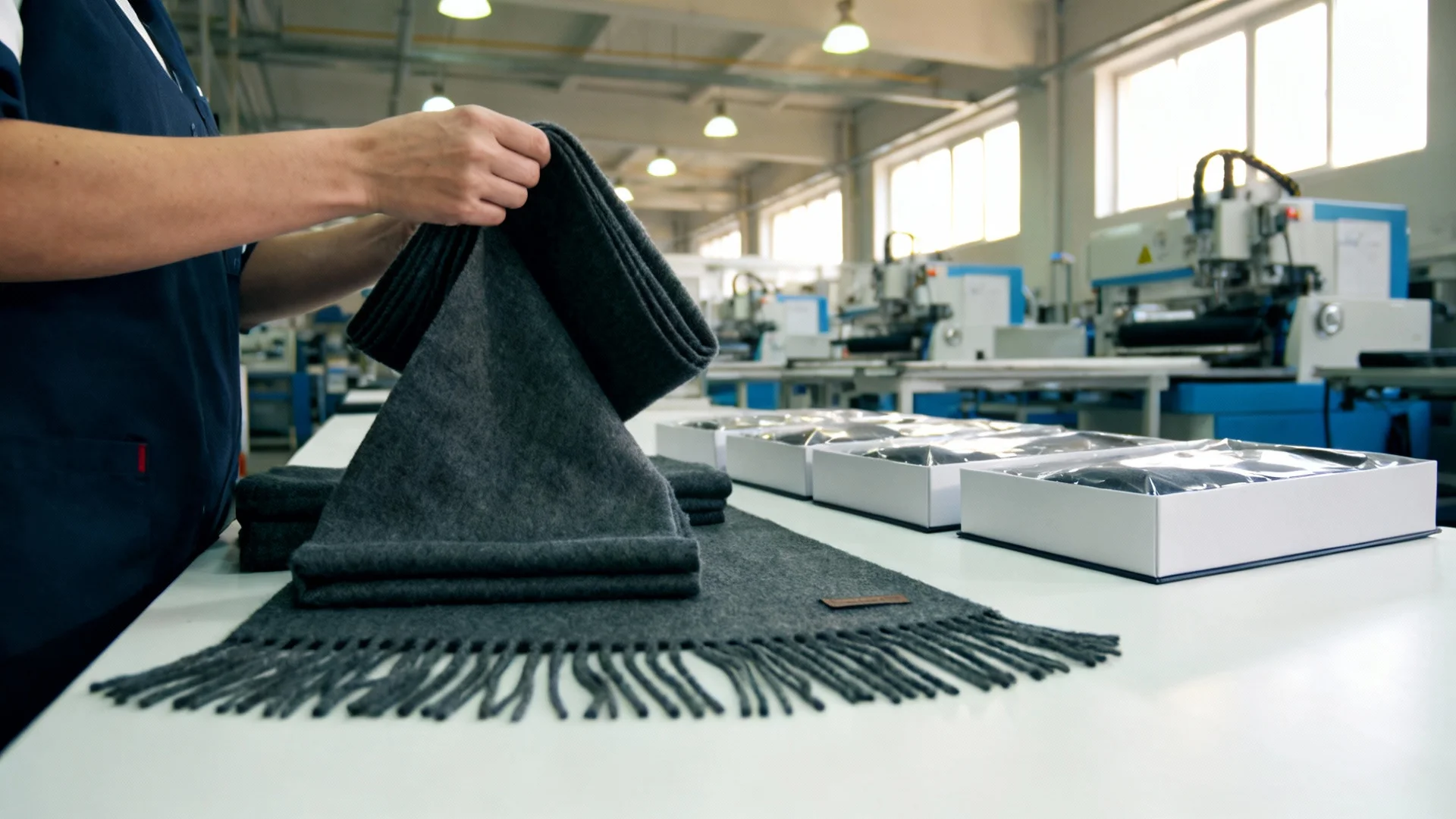
The finishing process represents the final opportunity to ensure scarves meet premium quality standards before packaging. This step involves meticulous inspection of all details contributing to a scarf's appearance, functionality, and perceived value.
Finishing inspection begins with comprehensive visual examination under controlled lighting. Each scarf is carefully laid out and inspected for visible defects: loose threads, uneven stitching, snags, or discoloration. Special attention is given to details like hemmed edges, which must be perfectly straight and consistently folded. For scarves with fringe or tassels, inspectors verify all elements are uniform in length and securely attached.
Functional details also undergo thorough inspection. If a scarf includes fasteners, buttons, or other hardware, these components are tested for secure attachment and functionality. Even minor details like care labels are inspected to ensure proper positioning, secure attachment, and accurate information.
Tactile qualities receive evaluation during finishing inspection. Trained inspectors assess each piece's hand feel, ensuring it meets the expected standard for its material composition. This sensory evaluation complements objective testing by verifying the scarf delivers the luxurious tactile experience customers expect from a premium accessory.
Scarves requiring repairs are carefully set aside for rework, with detailed documentation of issues informing process improvements. Scarves passing finishing inspection proceed to final packaging, each piece carefully folded or rolled to maintain appearance during storage and shipping.
Step 6: Packaging and Presentation Quality Control
For premium scarves, packaging extends the product experience itself, requiring the same quality attention as manufacturing. This step ensures packaging protects the scarf during transit while presenting it in a manner that reflects its premium status.
Packaging materials are selected based on both protective qualities and brand presentation. Luxury scarves may be wrapped in acid-free tissue paper to prevent color transfer and maintain fabric integrity, then placed in rigid boxes or protective sleeves. These packaging materials must meet the same sustainability standards as the scarves themselves, with many manufacturers now using recycled or biodegradable options without compromising presentation quality.
The packaging process includes specific quality control checkpoints to ensure consistency. Scarves must be folded or rolled uniformly, with brand labels or tags positioned precisely. Clear care and handling instructions may be included, with inspectors verifying accuracy and proper placement.
Protection during shipping represents a critical packaging quality control consideration. Inspectors evaluate how well packaging withstands simulated shipping conditions: compression, vibration, and temperature changes. This testing ensures scarves arrive at their destination in pristine condition, regardless of transportation method.
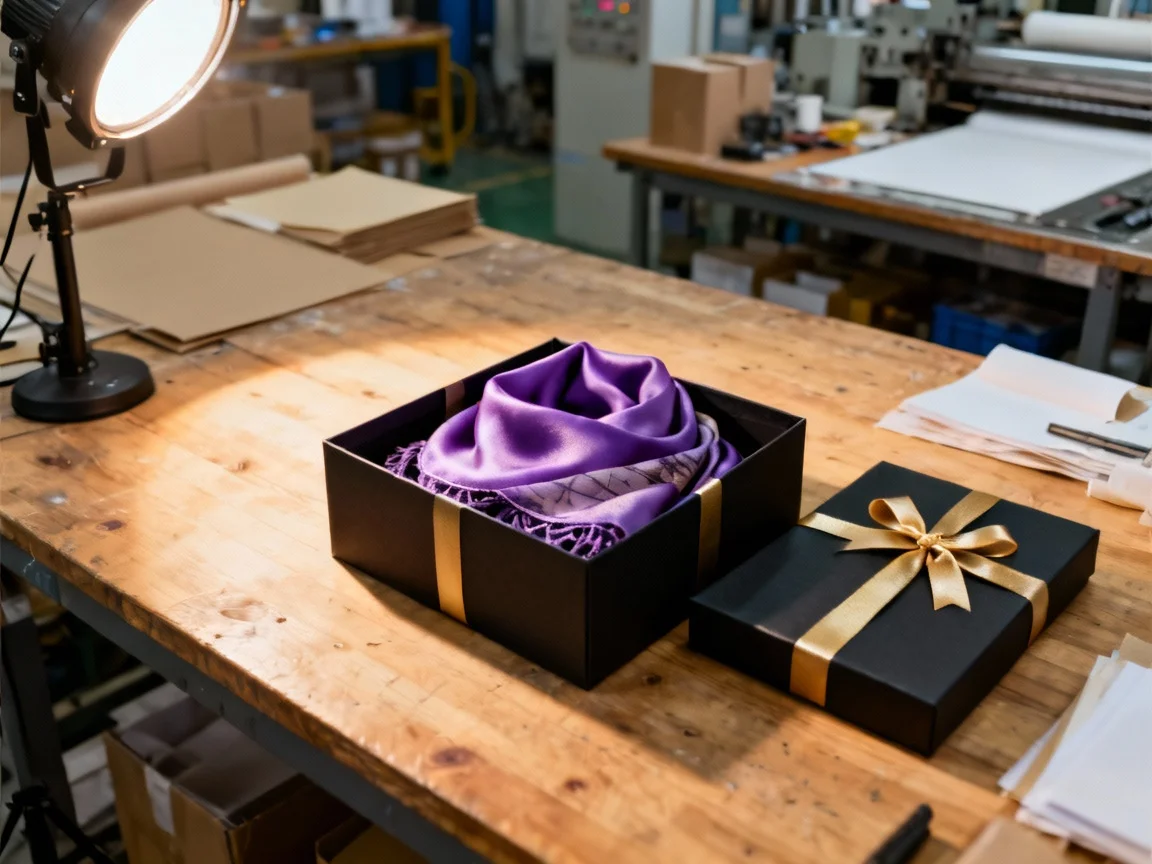
The unboxing experience also falls under packaging quality control. Premium manufacturers recognize that a customer's first impression often occurs when opening the package, and attention to details like tissue paper quality, ribbon placement, and branding elements contributes to overall quality and luxury perception.
Step 7: Final Quality Audit and Certification
The final step in the quality assurance protocol represents the ultimate verification that each scarf meets established premium quality standards. This comprehensive audit ensures consistency across the entire production run and provides documentation for internal quality tracking and external certification requirements.
The final quality audit begins with statistical sampling of finished scarves from the production run. Sample size depends on production volume, with larger runs requiring larger samples for statistical validity. Each sampled scarf undergoes complete inspection, with every quality parameter evaluated against established standards.
Auditors use standardized checklists covering all scarf quality aspects: material characteristics, construction quality, finishing details, and packaging. Deviations from standards are documented, with each defect's severity classified by predefined criteria. This classification determines whether individual scarves meet acceptable quality levels and whether the production run meets quality targets overall.
For manufacturers pursuing certification from organizations like OEKO-TEX® or GOTS (Global Organic Textile Standard), the final quality audit verifies all certification requirements are met. Documentation is compiled and submitted to certifying bodies, with samples sometimes sent for independent testing to confirm compliance.
Final quality audit results are analyzed to identify trends and improvement opportunities. This data-driven approach ensures quality control remains dynamic, with continuous refinement of standards and procedures based on actual production experience.
Scarves passing the final quality audit receive certification tags or labels indicating compliance with quality standards. These certifications provide tangible proof of quality to retailers and consumers, reinforcing the value of premium manufacturing practices.
Implementing the 7-Step Protocol: Best Practices for Manufacturers
Successfully implementing a comprehensive quality assurance protocol requires more than procedures—it demands organizational commitment to quality at every level. Based on industry best practices and lessons from leading manufacturers, several key principles contribute to effective scarf production quality management.
Leadership commitment proves essential for maintaining rigorous quality standards. When management prioritizes quality over production speed or cost-cutting, this commitment filters through the entire organization. Many premium manufacturers appoint dedicated quality directors who report directly to senior management, ensuring quality considerations receive appropriate attention at all levels.
Employee training programs play a critical role in consistent quality. Every production team member should receive comprehensive training on quality standards, inspection procedures, and defect recognition. This training should be ongoing, with regular refreshers keeping everyone current on evolving standards and techniques. Cross-training employees for multiple quality inspection roles increases flexibility and ensures consistent application of standards throughout production.
Documentation systems form the foundation of effective quality management. Detailed records should be maintained at every production stage: material specifications, process parameters, inspection results, and corrective actions. These records provide a complete quality history for each production run, enabling traceability and root cause analysis when issues arise. Modern manufacturers increasingly use digital quality management systems to streamline documentation and provide real-time quality data to decision-makers.
Supplier quality management extends the protocol beyond manufacturing facilities to include material suppliers and component vendors. Premium scarf manufacturers establish rigorous supplier qualification standards, conducting regular audits to ensure quality and sustainability compliance. Collaborative relationships with key suppliers often lead to joint quality improvement initiatives benefiting both parties.
Continuous improvement processes ensure the quality assurance protocol remains effective and relevant. Regular quality data review identifies recurring issues that are addressed through process modifications, equipment upgrades, or additional training. Many manufacturers implement structured improvement methodologies like Six Sigma or Kaizen, giving employees tools to proactively identify and resolve quality issues.
By embracing these best practices, manufacturers transform quality assurance from a compliance requirement to a strategic advantage that enhances brand reputation, customer satisfaction, and business growth.
Conclusion: The Business Case for Quality Assurance in Premium Scarf Manufacturing
In an increasingly competitive marketplace, rigorous quality assurance represents a powerful differentiator for premium scarf manufacturers. The 7-step approach outlined provides a comprehensive framework for delivering consistent quality while producing the exceptional products discerning customers demand.
The business benefits of robust quality control extend beyond product consistency. Manufacturers implementing these protocols typically experience reduced waste, as quality issues are identified and addressed before significant resources are invested in defective products. This waste reduction directly improves profitability while supporting sustainability goals by minimizing material usage and production energy consumption.
Quality assurance also protects brand reputation. In the age of social media and online reviews, a single quality issue can quickly escalate into a public relations challenge. Preventing defects before products reach customers maintains the premium image that justifies higher price points and fosters customer loyalty.
For business-to-business relationships between manufacturers and retailers, comprehensive quality assurance provides the transparency and reliability buyers value. Detailed quality documentation gives retailers confidence in the products they stock, reducing returns and strengthening long-term partnerships. In an industry where trust matters most, quality control demonstrates a manufacturer's commitment to excellence.
As textile manufacturing evolves, quality assurance protocols must adapt to incorporate new materials, technologies, and customer expectations. The most successful manufacturers will view quality control not as static procedures but as a dynamic process evolving with industry advancements and changing market demands.
Ultimately, investments in quality assurance pay dividends across the entire business ecosystem—benefiting manufacturers through improved efficiency and reputation, retailers through reduced risk and satisfied customers, and consumers through access to exceptional products that deliver on their quality and luxury promises.
---
Related Resources:
- [Scarf Material Selection Guide]
- [Textile Quality Testing Methods]
- [Sustainable Manufacturing Practices]
- [Premium Scarf Production Standards]
- [OEKO-TEX Certification Process]