In the dynamic landscape of fashion accessories, scarf manufacturing is undergoing a profound technological metamorphosis. With over a decade of hands-on experience in textile production, I've witnessed emerging technologies revolutionize every facet of scarf creation—from initial design concepts to manufacturing processes and global distribution networks. The year 2023 marked a pivotal inflection point as experimental innovations transitioned into mainstream production tools, fundamentally redefining industry operations.
For boutique proprietors, specialty retailers, and established fashion brands, comprehending these technological shifts isn't merely advantageous—it's imperative for maintaining competitive edge. Today's discerning consumers demand exceptional design and quality, complemented by enhanced customization options, accelerated delivery timelines, and authentic sustainability commitments. The technological advancements transforming scarf manufacturing directly address these evolving demands while unlocking unprecedented opportunities for differentiation and operational efficiency.
The Digital Revolution Transforming Scarf Production
The textile industry's digital transformation has reached an inflection point, with cutting-edge digital tools now integrated throughout the scarf manufacturing lifecycle. This paradigm shift represents more than a simple analog-to-digital conversion—it entails a comprehensive reimagining of how scarves are designed, produced, and brought to market.
Digital Printing: Redefining Possibilities in Scarf Design
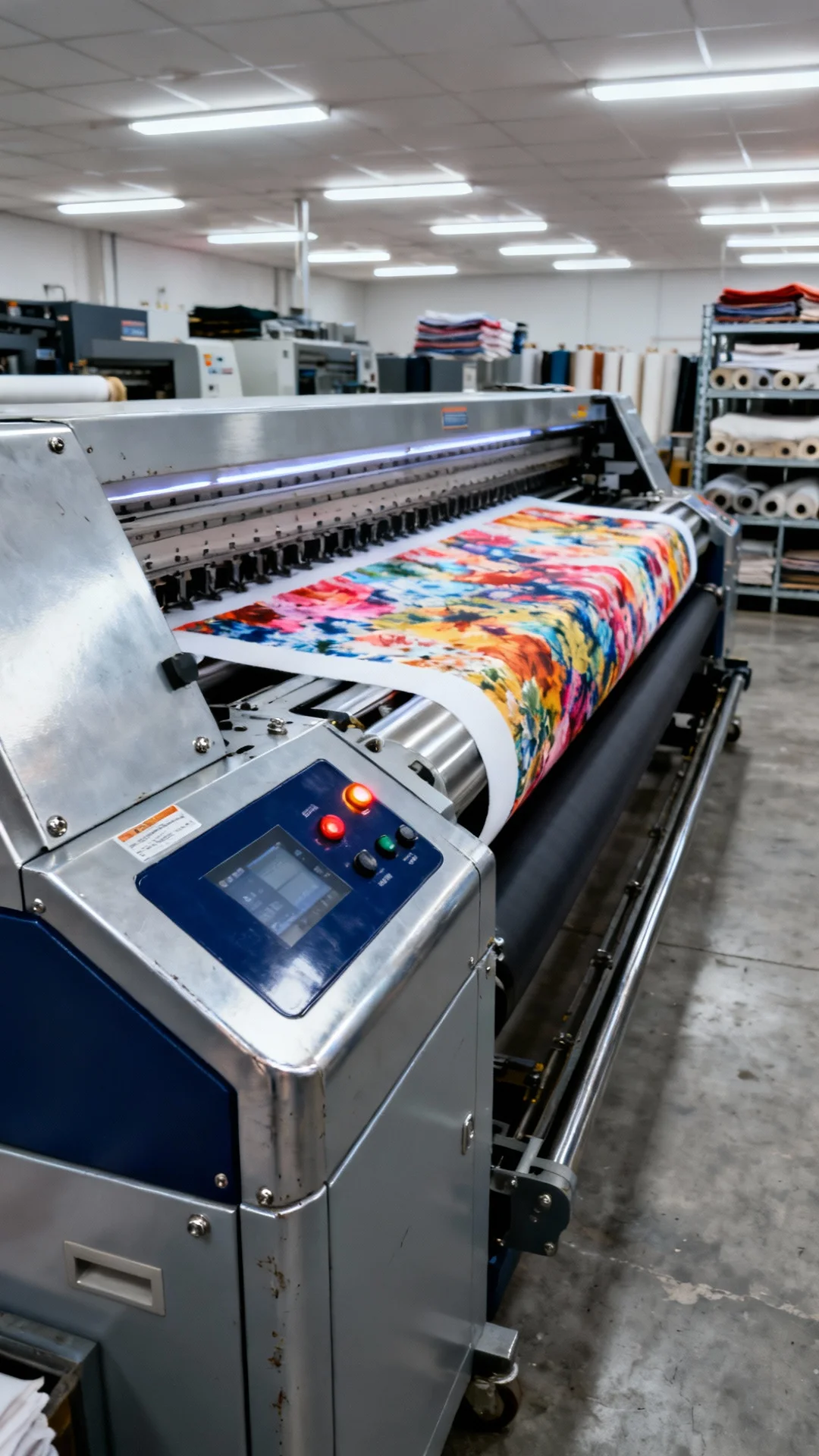
Digital textile printing stands at the forefront of this revolution, evolving from a niche experimental technique to an indispensable production method. Unlike conventional screen printing, which requires substantial upfront investment in equipment and setup and is most economically viable for large production runs, digital printing offers unparalleled flexibility and operational efficiency. This technological advancement is particularly transformative for scarf manufacturing, where intricate designs and small-batch customization are increasingly becoming competitive differentiators.
The technical advantages for scarf production are substantial and measurable. State-of-the-art digital printers now achieve resolutions up to 1440 dpi, capturing nuanced details that were previously either impossible to reproduce or prohibitively expensive with traditional methods. By eliminating the need for physical screens, digital printing reduces setup costs by 50-70% and makes production runs as small as 10-20 pieces economically feasible—ideal for limited-edition collections, seasonal offerings, or personalized designs.
From an operational perspective, digital printing has revolutionized production timelines. What once required weeks can now be accomplished in days, with design modifications implemented in hours rather than days. This accelerated workflow enables manufacturers to respond with agility to emerging fashion trends, mitigate overstock risks through more precise production planning, and capitalize on sudden shifts in consumer demand.
The environmental benefits are equally compelling. Industry research indicates that digital printing consumes approximately 95% less water than traditional rotary printing methods—a significant advantage in regions facing water scarcity and an increasingly important selling point for environmentally conscious consumers. Additionally, digital printing minimizes textile waste through precise color matching and reduced testing requirements, further enhancing its sustainability credentials.
AI-Driven Design and Production Optimization
Artificial intelligence has made significant inroads into textile manufacturing, delivering tangible benefits across both design and production processes. Global AI adoption in textile operations grew by 49% in 2023 alone, driven by compelling efficiency gains and quality improvements.
Within scarf manufacturing specifically, AI algorithms analyze vast datasets including market trends, consumer preferences, and historical sales performance to identify patterns and predict which designs are likely to resonate with target audiences. This data-driven approach enables designers to develop more commercially viable collections and significantly reduces the inherent uncertainty in fashion forecasting, a traditionally challenging aspect of the industry.
Production processes have also experienced substantial enhancements through AI integration. Machine learning systems continuously adjust printing parameters in real time based on fabric type, environmental conditions, and ink viscosity, ensuring consistent quality across production runs. Predictive maintenance applications leverage sensor data from manufacturing equipment to identify potential issues before they result in downtime, reducing production interruptions by approximately 35% according to industry benchmarks.
Sustainable Manufacturing: From Compliance to Competitive Advantage
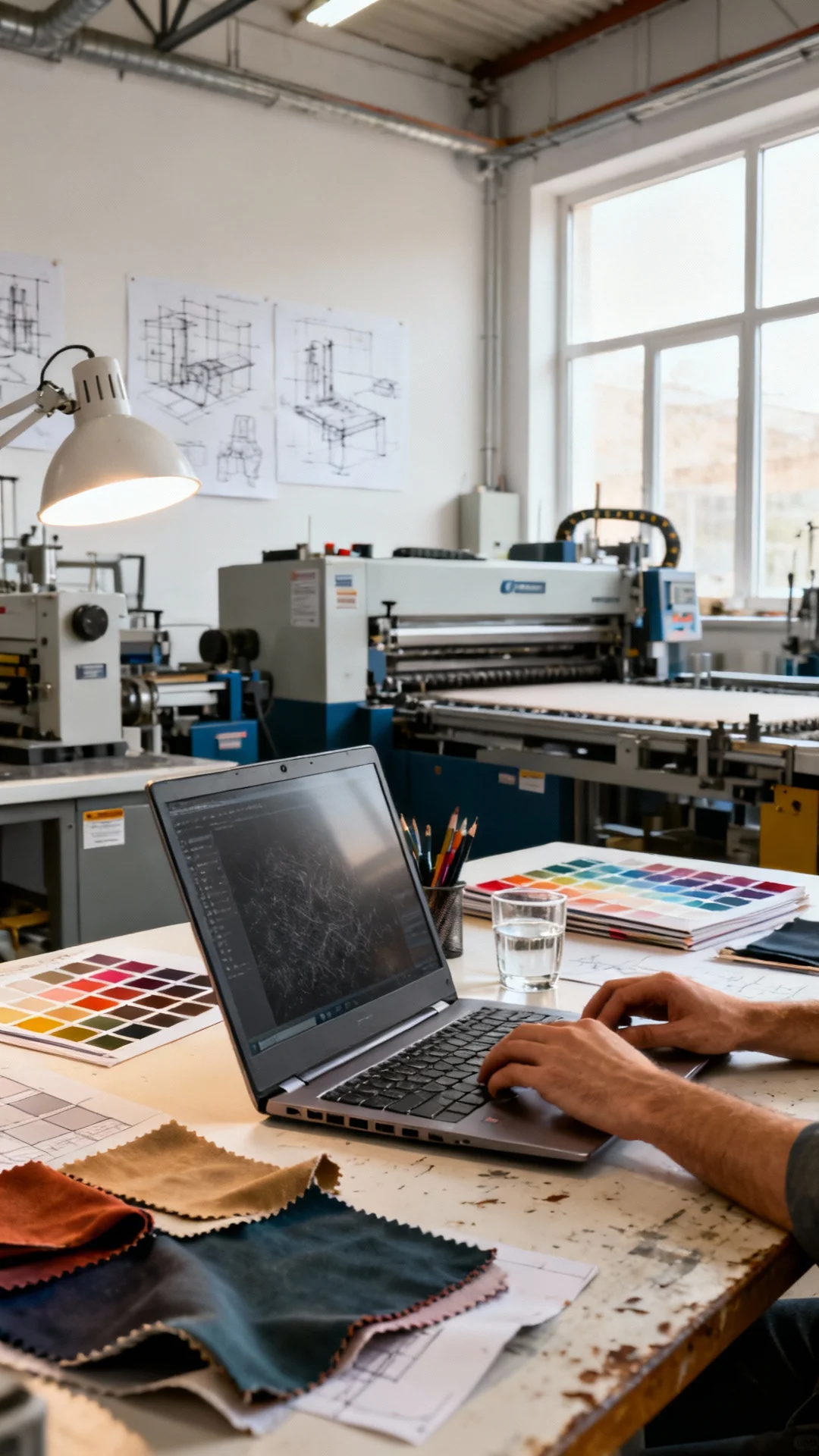
Sustainability has evolved from a regulatory compliance requirement to a critical competitive differentiator, with forward-thinking scarf manufacturers leading this industry transformation. Textile Exchange's 2023 Materials Market Report documents the accelerating adoption of sustainable materials and processes, driven by escalating consumer demand and pressing environmental imperatives.
Implementing Circular Economy Principles
Leading scarf manufacturers are increasingly embracing circular economy principles, designing products with their entire lifecycle in mind from conception through end-of-use. This holistic approach encompasses several strategic initiatives that deliver both environmental and business benefits:
Material innovation represents a cornerstone of this strategy, with recycled polyester emerging as a viable and increasingly high-quality alternative to virgin materials. Each recycled polyester scarf effectively diverts 6-8 plastic bottles from landfills, providing brands with compelling sustainability narratives that resonate with eco-conscious consumers. Concurrently, advancements in natural fiber processing have significantly reduced water and chemical usage, with pioneering manufacturers achieving up to 85% water reduction through innovative dyeing techniques and closed-loop systems.
Waste reduction has become a priority throughout the production process, with computer-aided cutting systems optimizing pattern placement to minimize fabric waste, typically reducing material consumption by 10-15%. Progressive manufacturers have implemented closed-loop water systems that recycle up to 95% of production water, further mitigating environmental impact while enhancing operational efficiency.
Transparency and Traceability: Building Consumer Trust
Escalating consumer demand for supply chain transparency has driven substantial investments in traceability technologies within the textile sector. Blockchain-based systems now enable brands to provide customers with unprecedented visibility into a scarf's provenance and production journey—from raw material sourcing to finished product, including fiber origins, manufacturing facility locations, and verified environmental impact metrics.
QR codes integrated into product tags or packaging allow consumers to access this comprehensive information with a simple smartphone scan, fostering trust and enabling brands to communicate authentic sustainability stories. Five years ago, this level of supply chain transparency was virtually nonexistent; today, educated consumers increasingly expect and prioritize this level of openness when making purchasing decisions.
Smart Textiles: Functional Innovations Transforming Scarf Utility
The integration of technology directly into textile fibers—creating "smart textiles"—represents one of the most innovative and promising frontiers in scarf manufacturing. While still in early stages of adoption, these technological advancements are transforming scarves from purely aesthetic accessories into functional, interactive products that deliver enhanced utility and value.
Thermoregulatory Fabrics: Optimizing Comfort Across Environments
Advanced fiber technologies now enable scarves to actively regulate temperature, providing warmth in cold conditions while maintaining breathability during warmer weather. Phase Change Materials (PCMs) embedded within the textile fibers absorb excess body heat when temperatures rise and release stored heat when temperatures drop, creating a stable microclimate around the wearer.
These technical fabrics have gained significant traction in luxury outdoor and travel collections, where functional performance enhances perceived value. Typically, these thermoregulatory textiles maintain optimal comfort across a temperature range of 15-20°F, extending the seasonal utility of the accessory and enhancing its practical appeal.
Antimicrobial and Self-Cleaning Technologies
Post-pandemic hygiene considerations have accelerated the adoption of antimicrobial treatments in scarf production. Silver-ion technology integrated into textile fibers inhibits bacterial growth, reducing odor development and extending the interval between necessary washings. This delivers practical benefits to consumers while simultaneously reducing water and energy consumption associated with laundering.
Innovative manufacturers have advanced further, developing self-cleaning fabrics that utilize photocatalytic materials to break down organic matter when exposed to sunlight. While currently positioned at the premium end of the market due to production costs, these technologies offer a glimpse into a future where accessories require less maintenance while maintaining a fresh appearance over extended periods.
Strategic Implementation Roadmap for Fashion Industry Professionals
Boutique owners and fashion brands seeking to leverage these technological innovations require a structured, strategic approach to implementation. The transition to advanced manufacturing technologies need not be overwhelming—many successful adopters have implemented a phased approach, beginning with high-impact areas that align with their specific business objectives.
Evaluating Technology Investments: A Data-Driven Approach
When considering new manufacturing technologies, decision-makers should prioritize investments with clear, measurable return-on-investment rather than pursuing innovation for its own sake. Digital textile production, for instance, offers quantifiable benefits: reduced setup costs, accelerated production timelines, and minimized material waste. For brands operating with multiple small collections annually, the ability to respond rapidly to trend shifts and reduce overstock through precise production planning directly impacts the bottom line.
Critical considerations when evaluating technology investments include:
- Production volume requirements and economies of scale
- Lead time reductions and associated inventory management improvements
- Customization capabilities and market differentiation potential
- Sustainability benefits and marketing opportunities
- Staff training requirements and potential operational disruption
Strategic Partnership Development
Smaller brands without capital for significant equipment investment can still access advanced manufacturing capabilities through strategic partnerships with forward-thinking production facilities. Many textile producers now offer digital printing services with low minimum order quantities, enabling small brands to leverage cutting-edge technology without substantial upfront investment.
When selecting manufacturing partners, brands should prioritize those demonstrating proven commitment to technological advancement and sustainability principles. Conducting facility visits, verifying industry certifications, and requesting samples of tech-enabled products are essential due diligence steps to ensure alignment with brand values and quality standards.
Workforce Development and Knowledge Transfer
Successful implementation of new technologies necessitates comprehensive training for both design and production teams. Even with outsourced production, designers must understand the capabilities and limitations of new manufacturing technologies to fully leverage their potential. Reputable technology providers typically offer comprehensive client training programs to ensure effective collaboration and optimal utilization of available features.
Sales and marketing teams also require specialized knowledge to effectively communicate the benefits of tech-enhanced products to customers. Whether emphasizing sustainability credentials, customization options, or functional innovations, staff need accurate, compelling narratives that connect technical features to tangible customer benefits.
Future Horizons: Emerging Technologies Reshaping Scarf Manufacturing
Looking beyond 2023, several emerging technologies promise to further revolutionize scarf production. While these innovations are currently in early stages of development or adoption, they warrant attention from industry professionals planning for future competitive advantage.
Digital Twins and Virtual Prototyping
Digital twin technology—creating precise virtual replicas of physical products and production processes—is beginning to transform textile manufacturing. Developing detailed digital models of scarves and production lines enables manufacturers to optimize designs, test performance characteristics, and simulate production scenarios before committing to physical production. Industry projections suggest this technology could reduce development cycles by 30-40% and significantly minimize prototype waste.
Augmented Reality: Enhancing Design and Customer Experience
Augmented reality (AR) tools are emerging as valuable assets for both design development and customer engagement. Designers can utilize AR technology to visualize patterns on various scarf shapes and materials in real time, accelerating the design iteration process. For consumers, AR virtual "try-on" experiences enhance the online shopping experience and reduce return rates.
Nanotechnology Applications in Textile Enhancement
Nanotechnology offers exciting possibilities for textile enhancement, from improved durability to entirely new functional capabilities. Nanocoatings can imbue scarves with water-repellent and stain-resistant properties without compromising breathability or drape. Looking further ahead, nanofiber technology may eventually enable scarves with integrated electronic features such as subtle illumination or health monitoring sensors, creating entirely new product categories and market opportunities.
Conclusion: Embracing Technological Evolution in Scarf Manufacturing
The technological transformation sweeping through scarf manufacturing represents a fundamental shift in industry capabilities and priorities. From digital printing enabling unprecedented design freedom and efficiency to sustainability innovations addressing critical environmental concerns, these technologies are redefining what's possible in scarf creation and customer experience.
For fashion brands and boutique owners, the strategic imperative is clear: technological adaptation is no longer optional—it is essential for maintaining competitive relevance. Successful brands will adopt a selective approach to innovation, implementing technologies that deliver tangible improvements in design capabilities, operational efficiency, sustainability performance, and customer value.
The pace of technological advancement shows no signs of deceleration. Industry leaders will cultivate organizational cultures of continuous learning and adaptation. By staying informed about emerging technologies, evaluating opportunities through a strategic lens, and focusing on delivering authentic customer benefits, brands can position themselves at the forefront of this exciting evolution in scarf manufacturing.
Moving forward, the convergence of technology and traditional craftsmanship will give rise to a new era of scarf design and production—one that honors textile traditions while embracing digital possibilities. Consumers will benefit from more innovative, sustainable, and personalized accessories, while brands will discover new avenues for differentiation, deeper customer connections, and the development of resilient, future-ready businesses.
In this dynamic landscape, scarf production innovation and advanced manufacturing technologies will continue to redefine industry standards, creating opportunities for those willing to adapt and innovate. The integration of textile technology trends into core business strategies will separate industry leaders from followers in the increasingly competitive global marketplace for fashion accessories.