In today's competitive fashion accessories market, discerning buyers and boutique owners recognize that true quality extends far beyond aesthetic appeal. With over three decades of expertise in textile manufacturing, I've witnessed firsthand how premium scarf production demands unwavering commitment to excellence at every stage. Fennysun has established itself as an industry leader by seamlessly integrating traditional craftsmanship with cutting-edge technology and rigorous quality control protocols that not only meet but anticipate the latest global standards.
The textile industry has undergone significant evolution in quality standards, particularly with the introduction of OEKO-TEX® 2025 regulations that impose stricter limits on harmful substances and enhanced transparency requirements. These advancements reflect the growing consumer consciousness and demand for products that satisfy aesthetic, ethical, and safety benchmarks simultaneously. For businesses engaged in scarf sourcing, a comprehensive understanding of these standards and identification of manufacturers who consistently meet or exceed them is paramount to maintaining brand reputation and fostering customer trust.
The Foundation of Premium Scarf Production: Material Selection
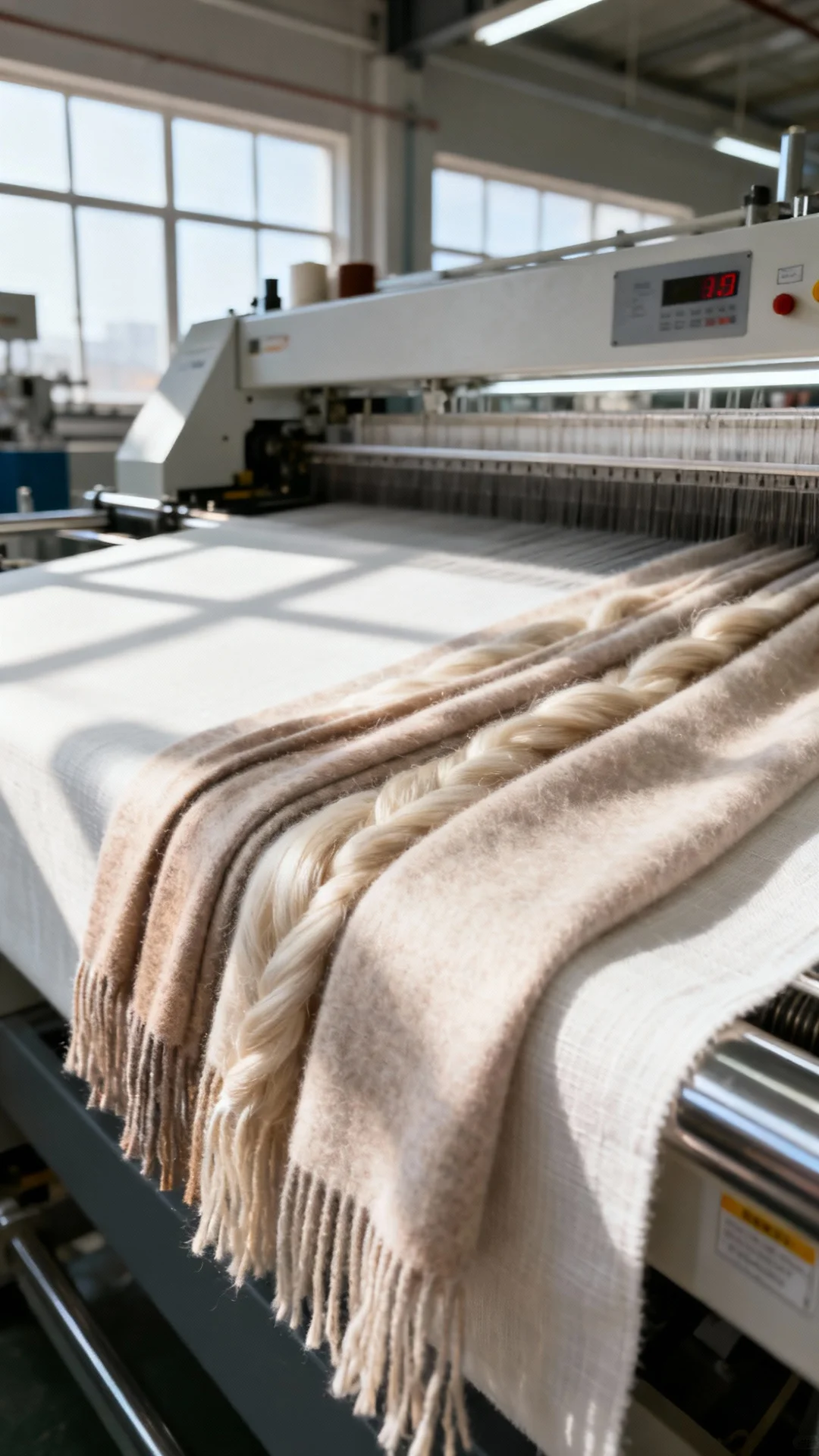
At the core of Fennysun's manufacturing philosophy lies an uncompromising approach to material selection. The brand's commitment to excellence initiates with the sourcing of only the finest natural fibers—including premium cashmere, Grade A mulberry silk, and high-grade merino wool. This dedication to superior raw materials establishes a fundamental distinction in the final product that discerning customers can both perceive visually and appreciate tactilely.
The textile industry universally acknowledges that material quality directly influences durability, comfort, and overall performance characteristics. Fennysun's rigorous selection process incorporates multiple assessment layers: verifying fiber origin and certifications, followed by comprehensive laboratory testing for tensile strength, colorfastness, and texture consistency. This meticulous attention to detail ensures that only materials meeting the most exacting standards proceed to production.
Sustainability has emerged as an integral component of material selection in contemporary textile manufacturing. Fennysun aligns with the Textile Exchange's Materials Matter Standard, emphasizing responsible sourcing practices and minimized environmental impact throughout the supply chain. By prioritizing sustainable materials, the brand not only complies with evolving regulatory requirements but also addresses the growing market demand for eco-conscious fashion accessories.
The distinction between mass-market and premium scarf materials becomes readily apparent under magnification. Premium cashmere, for instance, exhibits finer, more uniform fibers that contribute to superior softness and insulation properties. Fennysun's material experts possess the discerning knowledge to select materials that maintain their integrity through the production process and deliver exceptional performance throughout the product's lifecycle.
Manufacturing Excellence: Harmonizing Tradition with Innovation
Fennysun's proprietary six-stage manufacturing process represents an innovative integration of traditional craftsmanship with state-of-the-art technology. This comprehensive system ensures consistent quality while enabling the precision and customization demanded by today's dynamic fashion market.
The initial stage focuses on meticulous material preparation and inspection. Each fiber batch undergoes rigorous testing against established quality parameters. This critical preliminary step prevents substandard materials from entering production and establishes the foundation for consistent quality outcomes. Following preparation, materials progress through specialized spinning and weaving processes that transform raw fibers into luxurious fabrics with precisely engineered texture, weight, and drape characteristics.
Digital printing technology has revolutionized scarf production, and Fennysun has made substantial investments in state-of-the-art equipment that delivers exceptional color accuracy and detail resolution. This technological advancement enables the reproduction of intricate designs and vibrant color palettes while reducing water consumption compared to traditional printing methods—a significant sustainability advantage. The precision of digital printing ensures each scarf meets exact design specifications, maintaining consistency across production runs and minimizing waste.
The manufacturing process culminates with careful finishing treatments and a final quality inspection that examines every aspect of the product. This comprehensive approach guarantees that each Fennysun scarf meets the brand's exacting standards for appearance, tactile quality, and performance. By integrating time-honored techniques with cutting-edge technology, Fennysun has developed a manufacturing system that delivers the best of both traditional craftsmanship and modern innovation.
Comprehensive Quality Control: From Raw Material to Finished Product
Fennysun's quality control system embodies the principle that excellence must be monitored and maintained at every stage of production. This multi-layered approach initiates with incoming material inspection, continues through each manufacturing process, and culminates in rigorous final assessment before distribution approval—a testament to the brand's commitment to scarf quality control.
Initial material inspection verifies fiber content, weave quality, and absence of defects through both visual assessment and laboratory testing protocols. This stage ensures that only materials meeting Fennysun's stringent criteria proceed to production, thereby preventing downstream quality issues. During manufacturing, in-process inspections at critical control points identify and address potential issues before they impact the final product.
Fennysun's quality management system incorporates statistical process control methodologies to monitor production variables and maintain consistency. This data-driven approach enables real-time adjustments and continuous improvement initiatives, keeping manufacturing processes within optimal parameters. By analyzing production data, the quality control team can identify emerging trends, predict potential issues, and implement proactive preventive measures.
The final inspection represents the last line of defense in Fennysun's quality control process. Each scarf undergoes detailed examination by trained inspectors who assess stitching precision, print quality, color consistency, and overall appearance. This meticulous attention to detail ensures that only products meeting the most exacting standards reach customers.
Adhering to Global Standards: OEKO-TEX® and Beyond
In an increasingly regulated and transparent textile industry, adherence to recognized quality standards has become essential for manufacturers and brands alike. Fennysun's commitment to manufacturing excellence is exemplified through its alignment with leading industry standards, including the updated OEKO-TEX® 2025 regulations that establish new benchmarks for textile safety and sustainability.
The OEKO-TEX® certification system stands as a globally recognized benchmark for textile safety, requiring products to meet strict limits on harmful substances and undergo comprehensive testing. The 2025 updates introduce enhanced transparency and traceability requirements throughout the supply chain, reflecting the industry's evolving approach to responsible manufacturing practices.
Beyond product safety certifications, Fennysun maintains alignment with ISO standards addressing quality management (ISO 9001), environmental management (ISO 14001), and occupational health and safety (ISO 45001). These comprehensive standards ensure that operations meet international best practices across multiple dimensions of corporate responsibility.
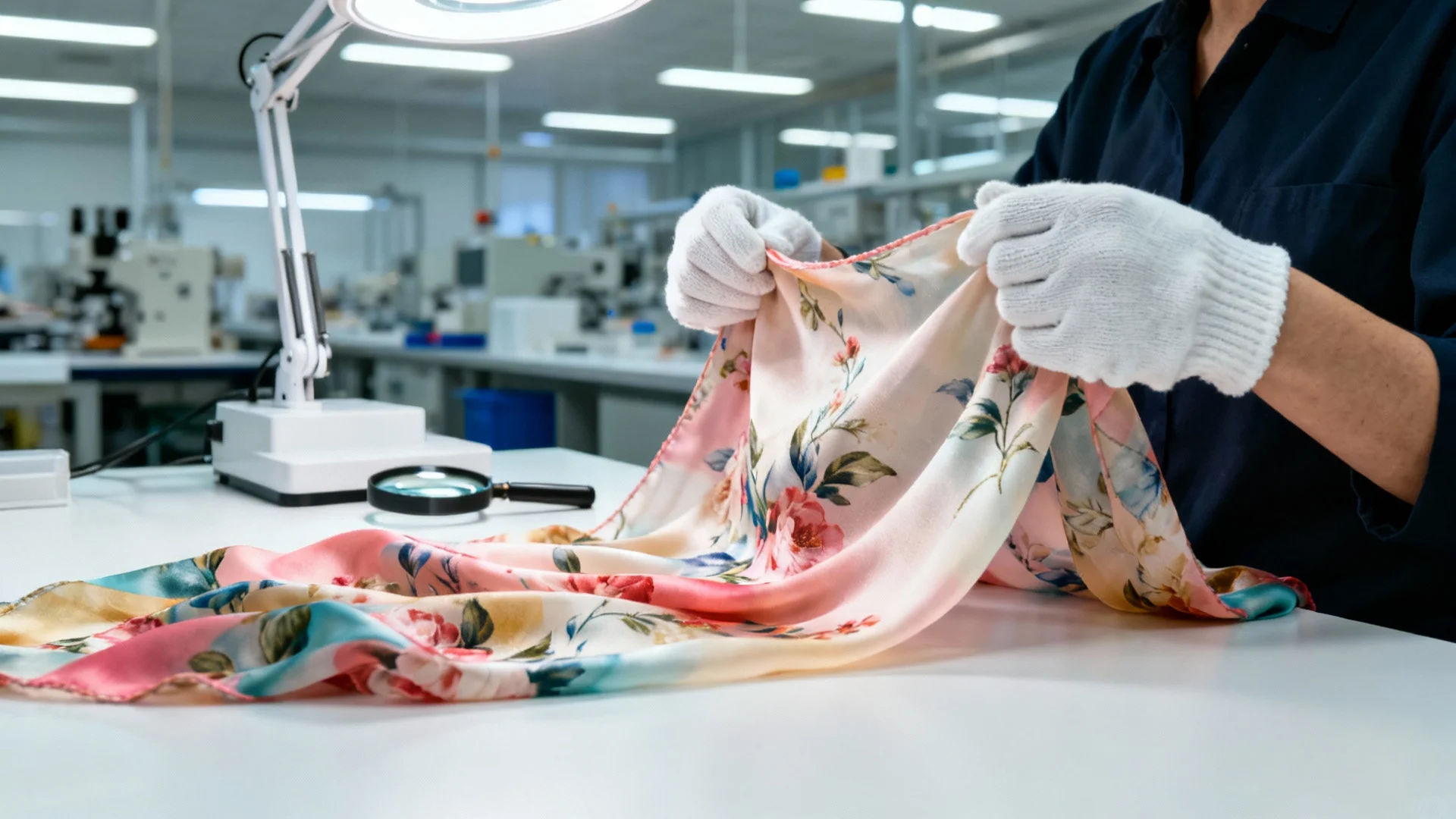
These certifications offer practical benefits beyond regulatory compliance. For businesses sourcing scarves, partnering with certified manufacturers provides assurance that products meet rigorous quality and safety standards. This not only protects consumers but also mitigates risk for retailers and brands while supporting long-term business sustainability.
Quality Control in Action: Case Studies and Applications
The true measure of a quality control system lies in its real-world application and results. Fennysun's commitment to excellence has been tested and validated through numerous client partnerships and challenging production scenarios, consistently delivering outcomes that exceed industry standards for manufacturing excellence in scarves.
One notable example involves a custom order for a high-end fashion label requiring intricate digital prints on silk twill scarves. The project demanded exceptional color accuracy and detail reproduction to preserve the integrity of the designer's vision. Through precise color calibration, advanced digital printing techniques, and rigorous quality checks at each stage, Fennysun delivered a final product that not only met but exceeded the client's expectations.
Another challenging application involved developing lightweight yet warm winter scarves utilizing sustainable materials. The project required balancing multiple performance characteristics: warmth-to-weight ratio, breathability, and durability. Fennysun's material scientists and manufacturing experts collaborated to develop a proprietary blend and construction method that achieved the desired performance specifications while maintaining the brand's signature luxurious hand feel.
These case studies demonstrate Fennysun's ability to apply its quality control systems and manufacturing expertise to meet diverse client requirements. The brand's flexible production approach, combined with its unwavering commitment to quality, makes it a valuable partner for businesses seeking distinctive, high-quality scarves that stand out in the marketplace.
Selecting a Premium Scarf Manufacturer: Essential Considerations
Businesses seeking scarf manufacturers that prioritize quality and manufacturing excellence should evaluate several critical factors. These considerations extend beyond initial cost to encompass long-term value, reliability, and alignment with brand values.
Certifications and compliance serve as tangible indicators of a manufacturer's commitment to quality. Prospective partners should verify current certifications from recognized bodies such as OEKO-TEX® and ISO, ensuring they cover all relevant facilities and processes. The transparent sharing of certification information and audit results demonstrates confidence in quality systems.
Production capabilities and technological investments are equally important. Manufacturers utilizing advanced technologies—such as digital printing and automated quality inspection systems—are better positioned to deliver consistent quality and meet tight tolerances. Fennysun's strategic investment in state-of-the-art equipment reflects its commitment to maintaining a competitive edge in both quality and production capabilities.
Quality control processes should be comprehensive, documented, and verifiable. Prospective partners should seek detailed information about a manufacturer's quality management system, including inspection points, testing protocols, and defect handling procedures. A robust system incorporates preventive measures, in-process monitoring, and corrective action protocols to drive continuous improvement.
Sustainability practices have become increasingly important in manufacturer selection. Businesses should evaluate a manufacturer's approach to sustainable sourcing, waste reduction, energy efficiency, and social responsibility. Fennysun's alignment with the Global Responsible Textile Standard (GRTS) demonstrates a comprehensive commitment to sustainability across all operations.
Finally, the ability to maintain consistent quality across large production runs and adapt to changing requirements represents a critical competitive advantage. Manufacturers with well-documented processes, thoroughly trained personnel, and effective quality management systems are better equipped to maintain consistency and handle the complexities of fashion production cycles.
Conclusion: The Fennysun Difference in Scarf Manufacturing
Evolving textile industry quality standards and increasingly discerning consumer expectations are driving new levels of excellence in scarf manufacturing. Fennysun's comprehensive approach to quality control, material selection, and manufacturing processes positions the brand at the forefront of this evolution, delivering products that meet rigorous standards while maintaining the aesthetic and tactile qualities expected of luxury accessories.
Fennysun's comprehensive systems and processes—from material selection through production and final inspection—reflect a holistic understanding of textile manufacturing quality. By integrating traditional craftsmanship with modern technology and adhering to global standards, the brand has established a reputation for reliability and excellence that resonates with businesses seeking premium scarf partners.
For boutique owners, specialty retailers, and fashion brands, selecting the right scarf manufacturer directly impacts brand reputation, customer satisfaction, and long-term success. The ability to consistently deliver high-quality products that meet or exceed evolving safety, ethical, and performance standards has become a critical marketplace differentiator.
Fennysun's commitment to manufacturing excellence goes beyond minimum requirements to pursue continuous improvement and innovation. This proactive approach ensures the brand remains at the industry forefront, anticipating and responding to emerging trends and challenges.
In an industry characterized by dramatic quality variation between manufacturers, Fennysun's unwavering commitment to excellence provides a reliable foundation for businesses seeking exceptional scarves that combine beauty, performance, and responsible manufacturing practices. By prioritizing quality at every stage, Fennysun has established itself as a trusted partner for discerning businesses worldwide, embodying the very essence of textile quality standards and premium scarf production.</think># Textile Quality Standards and Manufacturing Excellence: The Fennysun Scarf Advantage
In today's competitive fashion accessories market, discerning buyers and boutique owners recognize that true quality extends far beyond aesthetic appeal. With over three decades of expertise in textile manufacturing, I've witnessed firsthand how premium scarf production demands unwavering commitment to excellence at every stage. Fennysun has established itself as an industry leader by seamlessly integrating traditional craftsmanship with cutting-edge technology and rigorous quality control protocols that not only meet but anticipate the latest global standards.
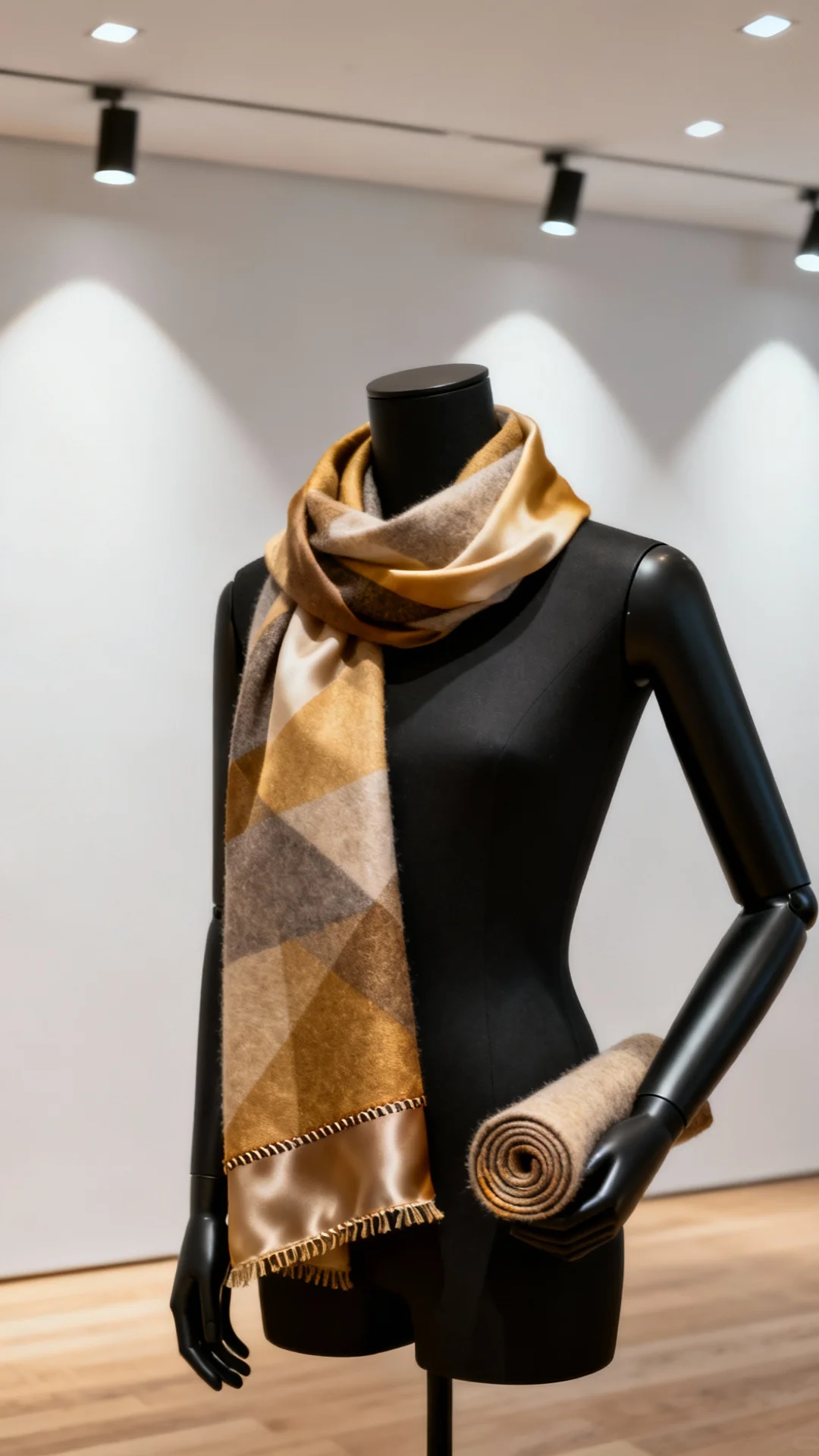
The textile industry has undergone significant evolution in quality standards, particularly with the introduction of OEKO-TEX® 2025 regulations that impose stricter limits on harmful substances and enhanced transparency requirements. These advancements reflect the growing consumer consciousness and demand for products that satisfy aesthetic, ethical, and safety benchmarks simultaneously. For businesses engaged in scarf sourcing, a comprehensive understanding of these standards and identification of manufacturers who consistently meet or exceed them is paramount to maintaining brand reputation and fostering customer trust.
The Foundation of Premium Scarf Production: Material Selection
At the core of Fennysun's manufacturing philosophy lies an uncompromising approach to material selection. The brand's commitment to excellence initiates with the sourcing of only the finest natural fibers—including premium cashmere, Grade A mulberry silk, and high-grade merino wool. This dedication to superior raw materials establishes a fundamental distinction in the final product that discerning customers can both perceive visually and appreciate tactilely.
The textile industry universally acknowledges that material quality directly influences durability, comfort, and overall performance characteristics. Fennysun's rigorous selection process incorporates multiple assessment layers: verifying fiber origin and certifications, followed by comprehensive laboratory testing for tensile strength, colorfastness, and texture consistency. This meticulous attention to detail ensures that only materials meeting the most exacting standards proceed to production.
Sustainability has emerged as an integral component of material selection in contemporary textile manufacturing. Fennysun aligns with the Textile Exchange's Materials Matter Standard, emphasizing responsible sourcing practices and minimized environmental impact throughout the supply chain. By prioritizing sustainable materials, the brand not only complies with evolving regulatory requirements but also addresses the growing market demand for eco-conscious fashion accessories.
The distinction between mass-market and premium scarf materials becomes readily apparent under magnification. Premium cashmere, for instance, exhibits finer, more uniform fibers that contribute to superior softness and insulation properties. Fennysun's material experts possess the discerning knowledge to select materials that maintain their integrity through the production process and deliver exceptional performance throughout the product's lifecycle.
Manufacturing Excellence: Harmonizing Tradition with Innovation
Fennysun's proprietary six-stage manufacturing process represents an innovative integration of traditional craftsmanship with state-of-the-art technology. This comprehensive system ensures consistent quality while enabling the precision and customization demanded by today's dynamic fashion market.
The initial stage focuses on meticulous material preparation and inspection. Each fiber batch undergoes rigorous testing against established quality parameters. This critical preliminary step prevents substandard materials from entering production and establishes the foundation for consistent quality outcomes. Following preparation, materials progress through specialized spinning and weaving processes that transform raw fibers into luxurious fabrics with precisely engineered texture, weight, and drape characteristics.
Digital printing technology has revolutionized scarf production, and Fennysun has made substantial investments in state-of-the-art equipment that delivers exceptional color accuracy and detail resolution. This technological advancement enables the reproduction of intricate designs and vibrant color palettes while reducing water consumption compared to traditional printing methods—a significant sustainability advantage. The precision of digital printing ensures each scarf meets exact design specifications, maintaining consistency across production runs and minimizing waste.
The manufacturing process culminates with careful finishing treatments and a final quality inspection that examines every aspect of the product. This comprehensive approach guarantees that each Fennysun scarf meets the brand's exacting standards for appearance, tactile quality, and performance. By integrating time-honored techniques with cutting-edge technology, Fennysun has developed a manufacturing system that delivers the best of both traditional craftsmanship and modern innovation.
Comprehensive Quality Control: From Raw Material to Finished Product
Fennysun's quality control system embodies the principle that excellence must be monitored and maintained at every stage of production. This multi-layered approach initiates with incoming material inspection, continues through each manufacturing process, and culminates in rigorous final assessment before distribution approval—a testament to the brand's commitment to scarf quality control.
Initial material inspection verifies fiber content, weave quality, and absence of defects through both visual assessment and laboratory testing protocols. This stage ensures that only materials meeting Fennysun's stringent criteria proceed to production, thereby preventing downstream quality issues. During manufacturing, in-process inspections at critical control points identify and address potential issues before they impact the final product.
Fennysun's quality management system incorporates statistical process control methodologies to monitor production variables and maintain consistency. This data-driven approach enables real-time adjustments and continuous improvement initiatives, keeping manufacturing processes within optimal parameters. By analyzing production data, the quality control team can identify emerging trends, predict potential issues, and implement proactive preventive measures.
The final inspection represents the last line of defense in Fennysun's quality control process. Each scarf undergoes detailed examination by trained inspectors who assess stitching precision, print quality, color consistency, and overall appearance. This meticulous attention to detail ensures that only products meeting the most exacting standards reach customers.
Adhering to Global Standards: OEKO-TEX® and Beyond
In an increasingly regulated and transparent textile industry, adherence to recognized quality standards has become essential for manufacturers and brands alike. Fennysun's commitment to manufacturing excellence is exemplified through its alignment with leading industry standards, including the updated OEKO-TEX® 2025 regulations that establish new benchmarks for textile safety and sustainability.
The OEKO-TEX® certification system stands as a globally recognized benchmark for textile safety, requiring products to meet strict limits on harmful substances and undergo comprehensive testing. The 2025 updates introduce enhanced transparency and traceability requirements throughout the supply chain, reflecting the industry's evolving approach to responsible manufacturing practices.
Beyond product safety certifications, Fennysun maintains alignment with ISO standards addressing quality management (ISO 9001), environmental management (ISO 14001), and occupational health and safety (ISO 45001). These comprehensive standards ensure that operations meet international best practices across multiple dimensions of corporate responsibility.
These certifications offer practical benefits beyond regulatory compliance. For businesses sourcing scarves, partnering with certified manufacturers provides assurance that products meet rigorous quality and safety standards. This not only protects consumers but also mitigates risk for retailers and brands while supporting long-term business sustainability.
Quality Control in Action: Case Studies and Applications
The true measure of a quality control system lies in its real-world application and results. Fennysun's commitment to excellence has been tested and validated through numerous client partnerships and challenging production scenarios, consistently delivering outcomes that exceed industry standards for manufacturing excellence in scarves.
One notable example involves a custom order for a high-end fashion label requiring intricate digital prints on silk twill scarves. The project demanded exceptional color accuracy and detail reproduction to preserve the integrity of the designer's vision. Through precise color calibration, advanced digital printing techniques, and rigorous quality checks at each stage, Fennysun delivered a final product that not only met but exceeded the client's expectations.
Another challenging application involved developing lightweight yet warm winter scarves utilizing sustainable materials. The project required balancing multiple performance characteristics: warmth-to-weight ratio, breathability, and durability. Fennysun's material scientists and manufacturing experts collaborated to develop a proprietary blend and construction method that achieved the desired performance specifications while maintaining the brand's signature luxurious hand feel.
These case studies demonstrate Fennysun's ability to apply its quality control systems and manufacturing expertise to meet diverse client requirements. The brand's flexible production approach, combined with its unwavering commitment to quality, makes it a valuable partner for businesses seeking distinctive, high-quality scarves that stand out in the marketplace.
Selecting a Premium Scarf Manufacturer: Essential Considerations
Businesses seeking scarf manufacturers that prioritize quality and manufacturing excellence should evaluate several critical factors. These considerations extend beyond initial cost to encompass long-term value, reliability, and alignment with brand values.
Certifications and compliance serve as tangible indicators of a manufacturer's commitment to quality. Prospective partners should verify current certifications from recognized bodies such as OEKO-TEX® and ISO, ensuring they cover all relevant facilities and processes. The transparent sharing of certification information and audit results