In the rapidly evolving fashion accessories industry, scarf manufacturers face pivotal decisions regarding production methodologies that directly impact product quality, operational efficiency, and environmental sustainability. As we advance toward 2026, the technological divide between conventional manufacturing and cutting-edge textile automation continues to widen, yet many scarf brands remain uncertain about which approach best aligns with their strategic objectives.
Leveraging extensive industry expertise in working with fashion accessories manufacturers, this analysis provides an objective comparison between automated and traditional scarf production methods. By examining critical performance metrics, implementation considerations, and real-world applications, we aim to assist boutique owners, specialty retailers, and fashion brands in formulating informed manufacturing strategies tailored to their unique business needs.
The Evolving Landscape of Scarf Manufacturing
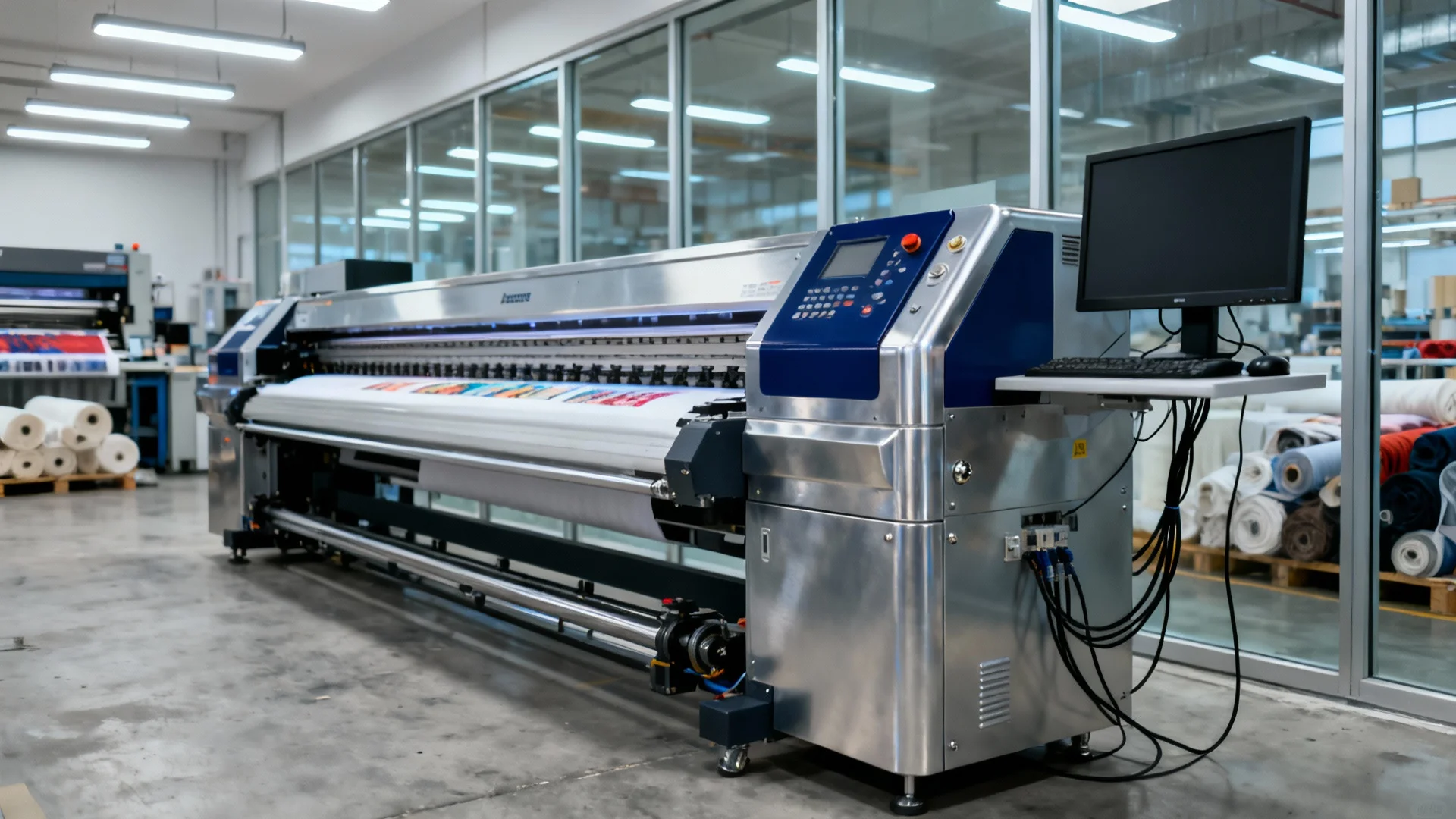
The global scarf market is undergoing significant transformation, driven by shifting consumer expectations and technological innovations. Industry reports indicate growing demand for both mass-produced accessories and artisanal creations, resulting in a complex manufacturing ecosystem where neither automation nor traditional methods hold complete dominance.
Traditional scarf production, reliant on manual craftsmanship and time-honored techniques, maintains substantial value for luxury and craft-focused brands. Conversely, automated systems are gaining momentum among mid-to-large scale producers seeking enhanced consistency and efficiency. Industry 4.0 technologies—including AI-driven quality control, IoT-enabled production monitoring, and digital printing automation—have blurred traditional boundaries, giving rise to hybrid models that integrate the strengths of both approaches.
Market Drivers Reshaping Manufacturing Paradigms
Several influential factors are compelling scarf manufacturers to reevaluate their production processes:
- Consumer Demand Volatility: The acceleration of fast fashion cycles necessitates shorter production runs and rapid turnaround times, challenging traditional manufacturing's inherent flexibility limitations.
- Quality Expectations: Contemporary consumers demand consistent quality across color reproduction, pattern alignment, and finishing details—a challenge that modern manufacturing must address.
- Sustainability Pressures: Increasing regulatory requirements and consumer preferences are driving the adoption of environmentally responsible production methods throughout the textile industry.
- Labor Market Dynamics: Shifting availability and costs of skilled textile workers are disrupting traditional production models, creating opportunities for automation solutions.
These market forces are particularly relevant for scarf producers, whose products often feature intricate patterns, delicate materials, and precise finishing requirements that have historically demanded skilled artisans.
Technological Foundations: How Automation Transforms Scarf Production
Textile automation encompasses a range of technologies specifically designed to address scarf production challenges while introducing new capabilities. Unlike traditional manufacturing's linear progression from design to cutting to sewing, automated systems integrate intelligent technologies across the entire production workflow.
Core Technologies in Automated Scarf Production
Digital Design and Pattern Preparation
Modern automated systems initiate production with computer-aided design (CAD) software for precise pattern creation and modification. These digital patterns seamlessly integrate with production equipment, eliminating physical pattern pieces and reducing setup times by up to 70% compared to traditional methods. Advanced systems employ AI algorithms to optimize pattern placement and minimize fabric waste—a critical advantage for high-end scarves crafted from luxurious materials.
Precision Cutting Systems
Automated cutting tables featuring oscillating blades or laser technology represent a substantial advancement over manual cutting processes. Leading manufacturers' systems incorporate integrated photocells for perfect alignment across fabric widths and handle multiple layers with consistent precision. For scarf production, this translates to uniform dimensions across production runs and the ability to work with delicate fabrics that would prove challenging to cut manually.
Digital Printing Integration
By 2025, automated digital printing had emerged as the most transformative technology in scarf production. Modern digital textile printers deliver complex patterns with precise color matching while reducing setup times from hours to minutes. Industry data reveals that automated digital printing systems achieve production speeds up to 50 meters per minute with minimal operator intervention, maintaining color consistency within Delta E values below 1.5—performance levels that traditional screen printing cannot consistently achieve.
Automated Finishing Processes
Specialized automation solutions address scarf-specific finishing requirements, including fringe cutting, hemming, and edge treatment. These systems ensure uniform fringe length, consistent hemming widths, and precise alignment of pattern elements across production runs. For instance, advanced fringing machines utilize computer vision to align cutting blades with printed patterns, preserving design integrity even with complex motifs.
IoT-Enabled Production Monitoring
Smart textile factory technologies enable real-time monitoring of production metrics, with continuous tracking of machine performance, material usage, and quality control parameters. Sensors integrated into production equipment detect issues such as thread breaks or tension variations before they compromise product quality, reducing waste and rework. For scarf manufacturers, this enhanced process visibility facilitates consistent quality across batches—a critical factor when collaborating with retailers and brand partners.
Comparative Analysis: Key Performance Metrics

To provide a meaningful comparison between automated and traditional manufacturing approaches for scarf production, we analyzed key performance indicators, drawing insights from industry data and practical experience with manufacturing facilities of various scales.
Production Efficiency and Capacity
Automated systems demonstrate clear superiority over traditional methods in production speed and scalability. Modern automated scarf production lines achieve output rates up to 300% higher than traditional manual methods for products of comparable complexity. A Textile Machinery Manufacturers Association study found that digital printing automation alone can reduce production lead times from weeks to days for small-to-medium runs.
Traditional manufacturing, while slower, offers distinct advantages for extremely small batches and one-of-a-kind pieces. Artisanal methods excel when producing highly intricate designs that would require extensive programming and setup in automated systems.
Quality Control and Consistency
The precision of automated systems translates to superior consistency across production runs. Statistical process control data indicates that automated scarf production typically achieves 98-99% first-pass yield rates, compared to 85-90% for manual production. This difference is particularly significant for patterned scarves, where automated alignment systems maintain pattern registration within 0.5mm tolerance—far exceeding what can be consistently achieved manually.
Traditional methods, however, provide greater artistic variation and handmade character valued by certain luxury brands. Skilled artisans often handle delicate materials with more nuance than current automated systems, though this capability gap continues to narrow with advancing robotic production systems.
Cost Structure and Investment Requirements
The economic comparison between automated and traditional manufacturing involves both capital expenditure and ongoing operational costs:
Initial Investment
- Automated production line (basic): $150,000-$300,000
- Automated production line (advanced with digital printing): $500,000-$1,000,000
- Traditional workshop setup: $50,000-$150,000
Operational Costs
- Labor: 30-50% lower for automated systems
- Material waste: 15-25% reduction with automation
- Energy: 10-15% higher for automated facilities
- Maintenance: 20-30% higher for automated equipment
Industry benchmarks suggest that automated systems typically achieve payback within 2-3 years for scarf producers with annual production volumes exceeding 50,000 units. Smaller producers may find the investment threshold challenging, though modular automation solutions now enable incremental implementation.
Sustainability and Environmental Impact
Modern textile automation offers significant environmental advantages over traditional manufacturing methods, aligning with the growing consumer demand for sustainable fashion practices:
Water Usage
- Automated digital printing: 70-90% reduction compared to traditional screen printing
- Automated dyeing systems: 30-50% water savings through precise chemical dosing and closed-loop systems
Energy Consumption
- Modern automated facilities: 15-20% higher energy use per unit than traditional workshops
- However, higher throughput often results in lower energy consumption per unit produced
Material Waste
- Automated cutting systems: 10-15% material savings through optimized pattern placement
- Quality control systems: 5-10% reduction in defective products requiring disposal
These sustainability benefits grow increasingly important for scarf producers as eco-conscious brands and consumers reward environmentally responsible production with price premiums and stronger market positioning.
Implementation Considerations for Scarf Producers
Adopting automation requires careful assessment of production needs, available resources, and long-term business goals. Based on industry best practices, successful implementation follows a structured approach addressing both technical and organizational factors.
Assessing Readiness for Automation
Before investing in automated systems, scarf producers should evaluate:
- Production Volume Stability: Automation provides greatest value with consistent production runs
- Design Complexity and Variability: Highly variable designs may require more flexible systems
- Skill Availability: Technical expertise is needed for system operation and maintenance
- Space Requirements: Automated equipment often demands specific facility conditions
- Growth Projections: Scalability needs should guide investment decisions
For many small-to-medium producers, a phased approach represents the optimal strategy, automating specific production stages while maintaining traditional methods for others to balance efficiency, flexibility, and investment risk.
Addressing Common Implementation Challenges
Industry experience highlights several recurring challenges when transitioning to automated production:
Technical Integration
Connecting diverse systems (design software, cutting equipment, printing systems) requires careful planning. Best practice involves selecting compatible platforms or investing in middleware solutions that enable seamless data flow between components.
Workforce Transition
Automation typically transforms workforce requirements rather than eliminating jobs entirely. Successful transitions involve retraining programs that develop technical skills while preserving valuable craft knowledge.
Change Management
Resistance to technological change can derail implementation efforts. Clear communication, early engagement of production teams, and visible leadership support are critical success factors.
Return on Investment Timeline
While automation offers compelling long-term economics, the upfront investment requires realistic financial planning. Industry benchmarks suggest typical payback periods of 2-4 years for scarf producers, depending on production volume and product mix.
Case Example: Hybrid Manufacturing Approach
A mid-sized European scarf manufacturer exemplifies successful implementation through its adoption of a hybrid production model. The company implemented automated digital printing and cutting systems while maintaining manual finishing processes for high-end lines. This strategic approach yielded:
- 40% increase in overall production capacity
- 25% reduction in material waste
- 30% improvement in time-to-market for new designs
- Preservation of artisanal finishing techniques for premium products
This case demonstrates how automation can complement rather than replace traditional craftsmanship, creating a production ecosystem that leverages the strengths of both approaches.
Future Trends and Strategic Recommendations
As textile automation continues to evolve, several emerging trends will shape manufacturing decisions for scarf producers. Understanding these developments helps businesses position themselves for long-term success in an increasingly competitive marketplace.
Key Technological Developments
AI-Driven Design and Production
Artificial intelligence advancements are enabling more sophisticated pattern generation, material optimization, and production scheduling. AI systems can analyze market trends to suggest popular design elements, optimize pattern placement for material efficiency, and predict maintenance needs before equipment failures occur.
Digital Thread Integration
The "digital thread" concept connects design, production, and supply chain data to provide unprecedented visibility and control. For scarf producers, this means tracking individual products from design concept through delivery, enabling greater customization and provenance verification.
Sustainable Automation
Environmental considerations are driving innovation in energy-efficient automation, closed-loop material systems, and biodegradable dye applications. These developments position automation as a key enabler of sustainable manufacturing rather than simply an efficiency play.
Strategic Recommendations for Different Producer Types
Based on production volume, product focus, and market positioning, different automation strategies yield optimal results:
Boutique Producers (Under 10,000 units annually)
- Focus: Manual production with targeted automation for repetitive tasks
- Recommendations:
- Implement digital design and pattern preparation software
- Consider automated cutting for standardized base shapes
- Explore print-on-demand partnerships for small batch production
Mid-Scale Producers (10,000-100,000 units annually)
- Focus: Selective automation of production bottlenecks
- Recommendations:
- Invest in digital printing automation
- Implement automated cutting systems
- Consider robotic assistance for material handling
- Develop hybrid models preserving craftsmanship for premium lines
Large-Scale Producers (Over 100,000 units annually)
- Focus: Integrated automation with data-driven optimization
- Recommendations:
- Implement fully connected production systems
- Deploy AI-driven quality control across all stages
- Develop predictive maintenance programs for equipment
- Invest in advanced material handling and logistics automation
Preparing for the Future of Scarf Manufacturing
Regardless of current scale or automation level, all scarf producers should:
- Develop Digital Capabilities: Invest in design software and data management systems that enable future automation
- Build Technical Expertise: Develop workforce skills in digital textile production and maintenance
- Establish Sustainability Metrics: Implement measurement systems for resource usage and environmental impact
- Cultivate Flexible Production Models: Design facilities and processes to adapt to changing technology and market demands
- Foster Technology Partnerships: Collaborate with equipment suppliers, software providers, and industry consortia to stay current with advancements
Conclusion: Making Informed Manufacturing Decisions
The choice between textile automation and traditional manufacturing for scarf production is not binary but requires finding the optimal balance for specific business needs, product characteristics, and market positioning. As automation technologies evolve and become more accessible, successful scarf producers will strategically integrate these tools while preserving the craftsmanship and design integrity that differentiate their products.
For many producers, a phased automation approach represents the ideal strategy, starting with bottleneck processes that offer the clearest return on investment to minimize risk while building technical capabilities and operational experience for future expansion.
Ultimately, any manufacturing approach should consistently deliver high-quality products that meet market demands while operating efficiently and sustainably. By understanding textile automation's capabilities, limitations, and implementation considerations, scarf producers can make informed decisions that position their businesses for success in an increasingly competitive and technologically driven industry.
As the textile manufacturing landscape continues to evolve, those who view automation as a tool to enhance rather than replace craftsmanship will likely emerge as leaders, preserving the artistry of scarf production while leveraging technology to meet the demands of modern consumers and markets.