In today's rapidly evolving textile manufacturing landscape, operational efficiency and quality control serve as critical differentiators between industry leaders and followers. With decades of experience optimizing textile production processes, I've witnessed firsthand how strategic automation implementation can revolutionize manufacturing operations. This comprehensive case study examines how FENNYSUN, a prominent fashion accessories manufacturer, successfully enhanced production efficiency by 40% through the strategic integration of textile automation, AI-driven systems, and smart manufacturing principles.
The Textile Manufacturing Paradigm Shift: From Conventional to Intelligent Production
Historically, the textile industry has been heavily reliant on manual labor, resulting in inherent inefficiencies, quality inconsistencies, and elevated operational costs. Over the past decade, however, technological advancements have catalyzed a profound transformation within the sector. Industry analytics indicate that textile manufacturers implementing comprehensive automation solutions typically achieve efficiency improvements ranging from 30-45%, with industry leaders surpassing these benchmarks through strategic implementation.
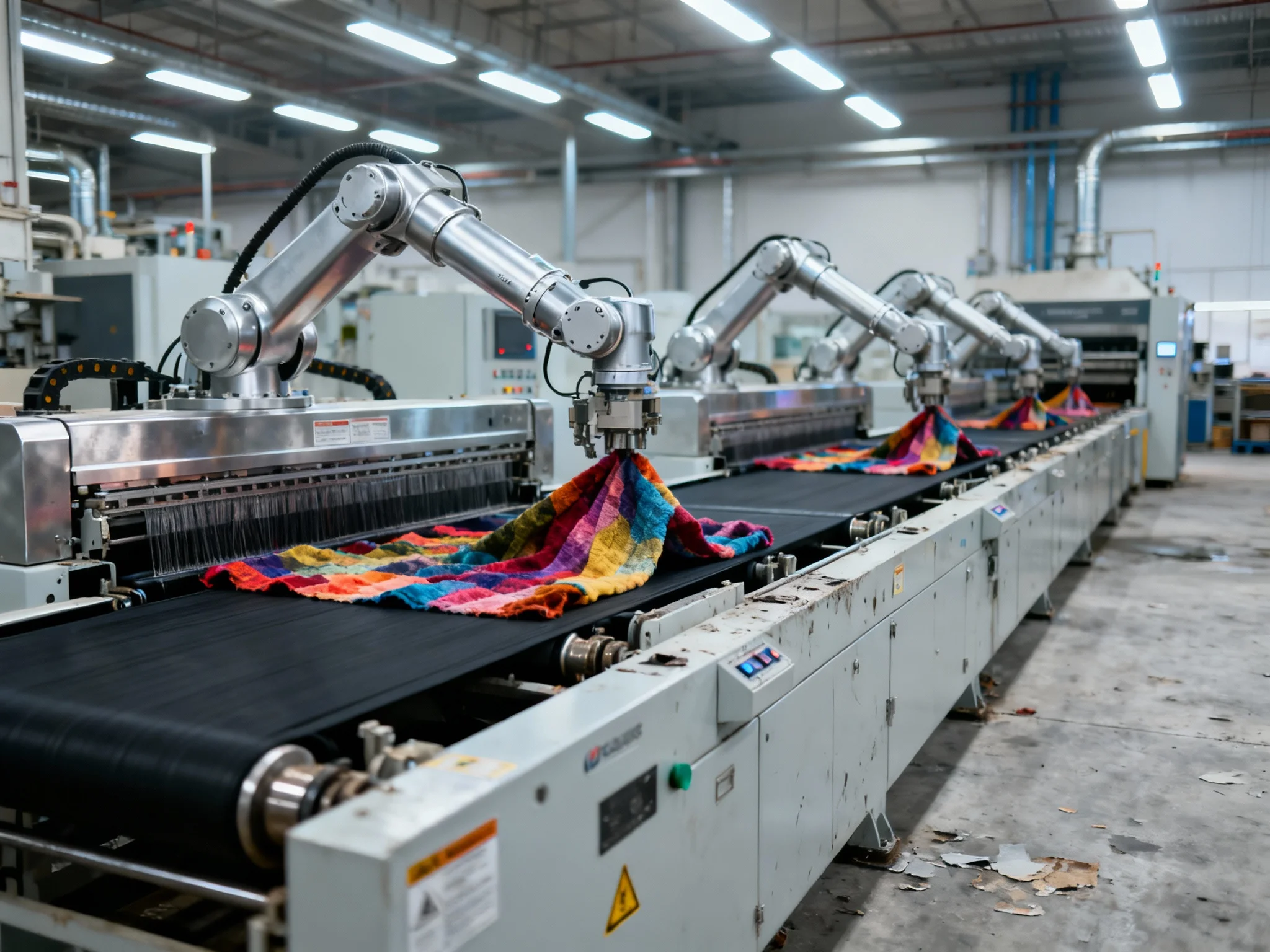
FENNYSUN embarked on its automation journey to address pressing industry challenges: escalating labor costs, increasing consumer demand for sustainable products, heightened quality expectations, and the need for enhanced production flexibility to rapidly respond to evolving fashion trends. Like many forward-thinking manufacturers, the company recognized that traditional production methods would be insufficient to maintain competitiveness in an increasingly global marketplace.
FENNYSUN's Strategic Automation Framework: A Comprehensive Business Approach
What distinguished FENNYSUN's automation initiative was its holistic strategy, meticulously aligned with overarching business objectives. Rather than implementing isolated automated processes, the company pursued an integrated approach, connecting multiple technologies across its entire production workflow. This methodology maximized efficiency gains while minimizing operational disruption during the transition period.
The Integrated Technology Ecosystem
At the core of FENNYSUN's automation strategy resided an advanced technology ecosystem that interconnected all production stages through a centralized digital platform. This sophisticated infrastructure included:
- IoT-enabled production machinery: Smart equipment integrated with sensors for real-time operational data collection
- AI-powered analytics engine: Advanced algorithms processing production data to identify inefficiencies and optimize workflows
- Robotic material handling systems: Automated guided vehicles and robotic arms facilitating seamless material transportation
- Digital twin technology: Virtual production line replicas enabling simulation and optimization before physical implementation
- Cloud-based production management system: Centralized platform providing comprehensive visibility and control over all manufacturing processes
Phased Implementation Methodology
Recognizing the complexity of full-scale automation, FENNYSUN adopted a systematic phased implementation approach, enabling iterative learning and adjustments:
- Strategic pilot projects: Initial deployment of automation technologies in selected production lines to validate functionality and establish performance benchmarks
- Comprehensive performance evaluation: Detailed analysis of pilot results to identify optimization opportunities and refine implementation strategies
- Controlled scaling: Gradual expansion of validated automation solutions to additional production lines, ensuring consistent performance
- Continuous improvement cycle: Ongoing refinement of automated systems based on performance metrics and evolving business requirements
This methodical approach minimized implementation risks while simultaneously building internal expertise in managing sophisticated automated systems.
Transformative Automation Technologies and Their Measurable Impact
FENNYSUN strategically focused on several technology domains, each contributing significantly to the overall efficiency improvement:
AI-Powered Quality Control Systems
Among the most impactful implementations was the deployment of AI-powered quality control systems. Traditional manual inspection processes were plagued by human error and inconsistency, resulting in quality issues and production delays.
The new system leverages advanced computer vision and machine learning algorithms to inspect products at multiple production stages. High-resolution cameras capture detailed textile images, which AI algorithms analyze to identify defects, color inconsistencies, and other quality parameters with exceptional precision.
Quantifiable results: This technology reduced quality control errors by approximately 75% and decreased inspection time by 60%. The early detection of defects minimized material waste and rework requirements, substantially contributing to overall operational efficiency.
Robotic Production Systems
FENNYSUN implemented state-of-the-art robotic systems for labor-intensive processes including material handling, precision cutting, and automated sewing. These systems demonstrated exceptional performance in repetitive tasks requiring high precision and consistent quality output.
Robotic cutting systems utilizing advanced CAD software and precision tools optimized material utilization while ensuring uniform quality standards. Specialized robotic sewing stations handled specific stitching patterns with greater speed and accuracy than traditional manual operations.
Quantifiable results: Implementation of robotic production systems reduced labor costs by 35% in targeted processes and increased production velocity by an average of 45%. Optimized cutting patterns additionally reduced material waste by 20%, further enhancing overall operational efficiency.
IoT-Enabled Predictive Maintenance
Traditional maintenance practices at FENNYSUN were predominantly reactive – repairs were typically performed after equipment failure or when performance degradation became evident, resulting in unplanned downtime and efficiency losses.
The company implemented an IoT-enabled predictive maintenance system, installing sensors on critical equipment to monitor temperature, vibration, and energy consumption in real-time. Advanced AI algorithms analyzed this operational data to identify early warning signs of potential equipment failure.
Quantifiable results: The predictive maintenance system reduced unplanned downtime by 55% and extended equipment lifespan by approximately 30%. Maintenance costs decreased by 25% through optimized scheduling and reduced inventory requirements for replacement parts.
Smart Inventory Management System
Effective inventory management represents a critical success factor in textile manufacturing. Excessive inventory ties up capital and increases storage costs, while insufficient inventory causes production delays. FENNYSUN implemented an intelligent inventory management system utilizing AI algorithms to optimize inventory levels based on production schedules, supplier lead times, and demand forecasts.
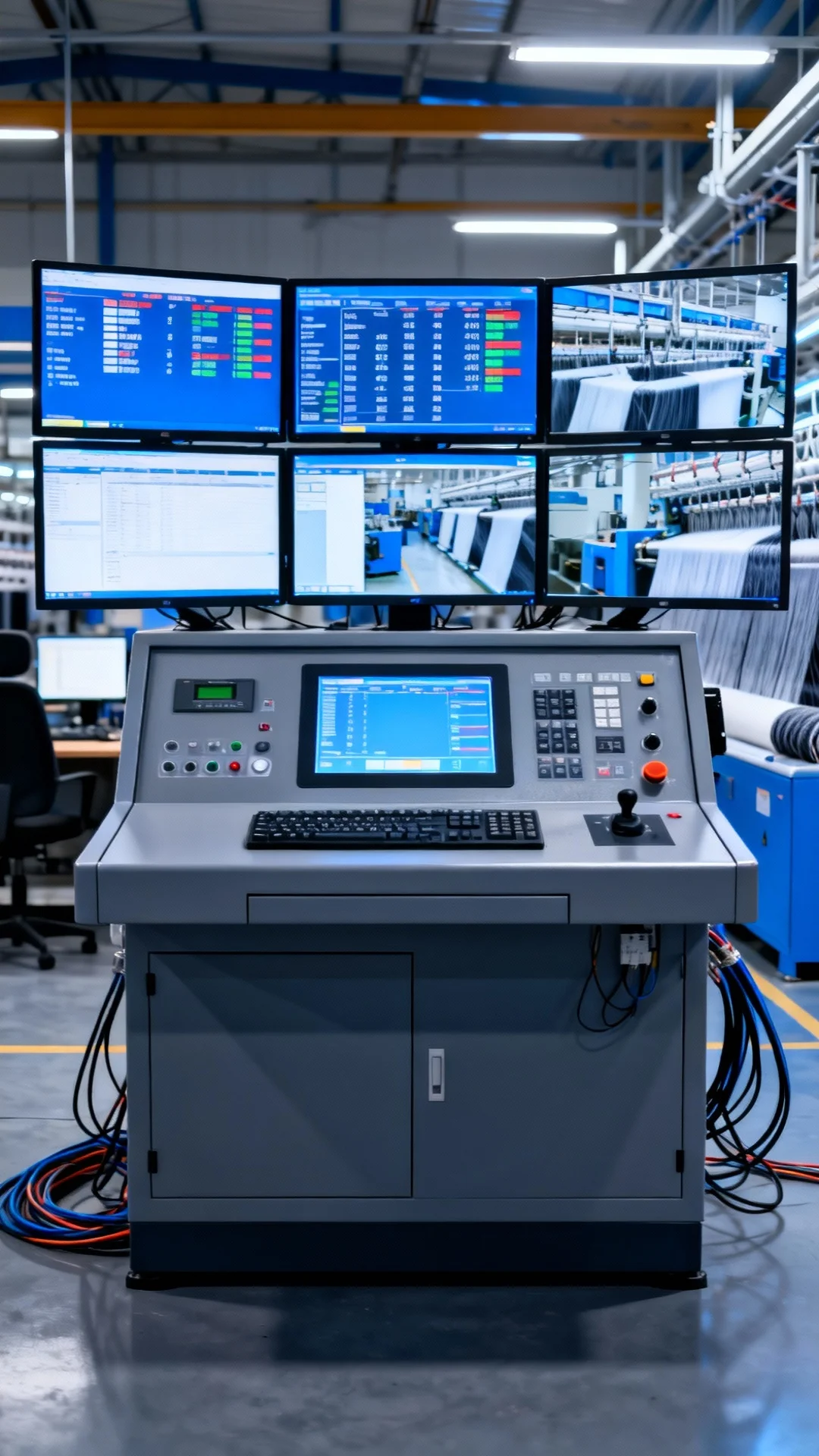
RFID technology enabled precise tracking of raw materials and finished products throughout the production process and supply chain. This real-time visibility facilitated more accurate demand forecasting and inventory planning.
Quantifiable results: The smart inventory management system reduced holding costs by 30% and eliminated production delays caused by material shortages. Enhanced demand forecasting accuracy improved order fulfillment rates by 15%.
Quantifying the 40% Efficiency Improvement: Methodology and Metrics
FENNYSUN employed multiple performance metrics to accurately measure its 40% efficiency improvement:
- Overall Equipment Effectiveness (OEE): Comprehensive metric evaluating equipment availability, performance, and quality output
- Production throughput: Measurement of manufacturing output rate
- Labor productivity: Assessment of output per labor hour
- Material utilization: Percentage of raw materials successfully converted into finished products
- Energy efficiency: Energy consumption per production unit
By meticulously tracking these metrics before and after automation implementation, FENNYSUN was able to quantify the specific impact of each technology and the cumulative efficiency improvement.
The 40% improvement represents the average across all production lines, with certain processes achieving efficiency gains exceeding 50%. This remarkable result stemmed from the synergistic interaction of multiple automation technologies rather than isolated improvements in individual processes.
Implementation Challenges and Strategic Solutions: Lessons from the Automation Journey
FENNYSUN encountered several challenges during its automation implementation and developed effective strategies to overcome these obstacles:
Workforce Transition Management
Significant employee concerns regarding job security and the lack of experience with new technologies created initial resistance to change.
Strategic solution: FENNYSUN implemented a comprehensive workforce development program:
- Specialized training programs for operating and maintaining automated systems
- Career transition support for employees whose roles were affected by automation
- Creation of new positions focused on managing and optimizing automated production processes
This proactive approach addressed employee concerns while building the internal expertise required to maximize the benefits of automation.
Technological Integration Complexity
The integration of multiple automation technologies into a cohesive system presented greater complexity than initially anticipated. Compatibility issues and data silos initially impeded information flow between processes.
Strategic solution: The company invested in a unified digital platform serving as the central nervous system of the automated production environment. This architecture enabled seamless data exchange between systems and provided a singular control point for monitoring all manufacturing processes.
Capital Investment Justification
The substantial upfront costs associated with automation represented a significant financial investment. Despite clear long-term benefits, justifying this expenditure required careful planning and ROI analysis.
Strategic solution: FENNYSUN developed a detailed financial model projecting return on investment based on conservative efficiency improvement estimates. The phased implementation approach validated ROI through initial pilot projects before committing to full-scale deployment.
Sustainability Dividends: An Unexpected but Welcome Outcome
Beyond operational efficiency improvements, FENNYSUN's automation initiative delivered substantial sustainability benefits, reinforcing the company's commitment to eco-friendly manufacturing practices:

- Reduced energy consumption: Implementation of automated systems resulted in a 25% reduction in energy usage per production unit
- Material waste minimization: Precision cutting and optimization technologies reduced textile waste by 20%
- Water conservation: Automated dyeing and finishing processes decreased water consumption by 30%
- Carbon footprint reduction: The comprehensive automation initiative reduced the company's overall carbon footprint by 15%
These environmental benefits simultaneously reduced the company's environmental impact and enhanced its brand reputation in an increasingly eco-conscious market.
Industry Implications: Key Insights for Textile Manufacturers
FENNYSUN's automation journey offers valuable insights for other textile manufacturers considering similar transformations:
- Strategic alignment: Automation should be implemented as part of a comprehensive business strategy rather than as isolated technological upgrades
- Phased implementation: A gradual, iterative approach minimizes risk while enabling continuous learning and adjustment
- Workforce empowerment: Employee training and development are critical success factors for automation implementation
- Data integration: Seamless data flow between systems maximizes the benefits of automation
- Metrics-driven approach: Clear performance metrics ensure that expected automation benefits are actually achieved and measured
The textile industry stands at a critical technological inflection point where automation increasingly determines competitive advantage. FENNYSUN's success demonstrates that strategic automation implementation can deliver significant efficiency improvements while simultaneously enhancing product quality, sustainability, and customer satisfaction.
Conclusion: The Future Landscape of Textile Automation
FENNYSUN's achievement of 40% production efficiency improvement through textile automation establishes a new industry benchmark for operational excellence. By strategically integrating AI, robotics, IoT, and smart manufacturing principles, the company transformed its production processes and achieved remarkable operational results.
As textile manufacturers face increasing pressure to improve efficiency, reduce costs, and meet sustainability targets, automation will play an increasingly pivotal role in determining market leadership. The technologies implemented by FENNYSUN represent just the beginning of the textile automation journey. Emerging innovations such as advanced collaborative robotics, enhanced digital twins, and AI-driven supply chain optimization promise even greater efficiency gains in the years ahead.
For fashion brands seeking manufacturing partners, FENNYSUN's successful automation initiative demonstrates a commitment to operational excellence, product quality, and environmental sustainability – factors that are becoming increasingly important in purchasing decisions. By embracing automation, FENNYSUN has positioned itself as an industry leader capable of meeting the evolving demands of the fashion accessory market.
While the textile automation journey presents challenges, FENNYSUN's experience clearly demonstrates that the benefits substantially outweigh the costs for companies willing to make the investment and navigate the transformation process strategically. As the industry continues to evolve, automation will undoubtedly shape the future of textile manufacturing, with early adopters likely to gain significant competitive advantages.</think># Textile Automation Excellence: How FENNYSUN Achieved 40% Production Efficiency Through Smart Manufacturing Integration
In today's rapidly evolving textile manufacturing landscape, operational efficiency and quality control serve as critical differentiators between industry leaders and followers. With decades of experience optimizing textile production processes, I've witnessed firsthand how strategic automation implementation can revolutionize manufacturing operations. This comprehensive case study examines how FENNYSUN, a prominent fashion accessories manufacturer, successfully enhanced production efficiency by 40% through the strategic integration of textile automation, AI-driven systems, and smart manufacturing principles.
The Textile Manufacturing Paradigm Shift: From Conventional to Intelligent Production
Historically, the textile industry has been heavily reliant on manual labor, resulting in inherent inefficiencies, quality inconsistencies, and elevated operational costs. Over the past decade, however, technological advancements have catalyzed a profound transformation within the sector. Industry analytics indicate that textile manufacturers implementing comprehensive automation solutions typically achieve efficiency improvements ranging from 30-45%, with industry leaders surpassing these benchmarks through strategic implementation.
FENNYSUN embarked on its automation journey to address pressing industry challenges: escalating labor costs, increasing consumer demand for sustainable products, heightened quality expectations, and the need for enhanced production flexibility to rapidly respond to evolving fashion trends. Like many forward-thinking manufacturers, the company recognized that traditional production methods would be insufficient to maintain competitiveness in an increasingly global marketplace.
FENNYSUN's Strategic Automation Framework: A Comprehensive Business Approach
What distinguished FENNYSUN's automation initiative was its holistic strategy, meticulously aligned with overarching business objectives. Rather than implementing isolated automated processes, the company pursued an integrated approach, connecting multiple technologies across its entire production workflow. This methodology maximized efficiency gains while minimizing operational disruption during the transition period.
The Integrated Technology Ecosystem
At the core of FENNYSUN's automation strategy resided an advanced technology ecosystem that interconnected all production stages through a centralized digital platform. This sophisticated infrastructure included:
- IoT-enabled production machinery: Smart equipment integrated with sensors for real-time operational data collection
- AI-powered analytics engine: Advanced algorithms processing production data to identify inefficiencies and optimize workflows
- Robotic material handling systems: Automated guided vehicles and robotic arms facilitating seamless material transportation
- Digital twin technology: Virtual production line replicas enabling simulation and optimization before physical implementation
- Cloud-based production management system: Centralized platform providing comprehensive visibility and control over all manufacturing processes
Phased Implementation Methodology
Recognizing the complexity of full-scale automation, FENNYSUN adopted a systematic phased implementation approach, enabling iterative learning and adjustments:
- Strategic pilot projects: Initial deployment of automation technologies in selected production lines to validate functionality and establish performance benchmarks
- Comprehensive performance evaluation: Detailed analysis of pilot results to identify optimization opportunities and refine implementation strategies
- Controlled scaling: Gradual expansion of validated automation solutions to additional production lines, ensuring consistent performance
- Continuous improvement cycle: Ongoing refinement of automated systems based on performance metrics and evolving business requirements
This methodical approach minimized implementation risks while simultaneously building internal expertise in managing sophisticated automated systems.
Transformative Automation Technologies and Their Measurable Impact
FENNYSUN strategically focused on several technology domains, each contributing significantly to the overall efficiency improvement:
AI-Powered Quality Control Systems
Among the most impactful implementations was the deployment of AI-powered quality control systems. Traditional manual inspection processes were plagued by human error and inconsistency, resulting in quality issues and production delays.
The new system leverages advanced computer vision and machine learning algorithms to inspect products at multiple production stages. High-resolution cameras capture detailed textile images, which AI algorithms analyze to identify defects, color inconsistencies, and other quality parameters with exceptional precision.
Quantifiable results: This technology reduced quality control errors by approximately 75% and decreased inspection time by 60%. The early detection of defects minimized material waste and rework requirements, substantially contributing to overall operational efficiency.
Robotic Production Systems
FENNYSUN implemented state-of-the-art robotic systems for labor-intensive processes including material handling, precision cutting, and automated sewing. These systems demonstrated exceptional performance in repetitive tasks requiring high precision and consistent quality output.
Robotic cutting systems utilizing advanced CAD software and precision tools optimized material utilization while ensuring uniform quality standards. Specialized robotic sewing stations handled specific stitching patterns with greater speed and accuracy than traditional manual operations.
Quantifiable results: Implementation of robotic production systems reduced labor costs by 35% in targeted processes and increased production velocity by an average of 45%. Optimized cutting patterns additionally reduced material waste by 20%, further enhancing overall operational efficiency.
IoT-Enabled Predictive Maintenance
Traditional maintenance practices at FENNYSUN were predominantly reactive – repairs were typically performed after equipment failure or when performance degradation became evident, resulting in unplanned downtime and efficiency losses.
The company implemented an IoT-enabled predictive maintenance system, installing sensors on critical equipment to monitor temperature, vibration, and energy consumption in real-time. Advanced AI algorithms analyzed this operational data to identify early warning signs of potential equipment failure.
Quantifiable results: The predictive maintenance system reduced unplanned downtime by 55% and extended equipment lifespan by approximately 30%. Maintenance costs decreased by 25% through optimized scheduling and reduced inventory requirements for replacement parts.
Smart Inventory Management System
Effective inventory management represents a critical success factor in textile manufacturing. Excessive inventory ties up capital and increases storage costs, while insufficient inventory causes production delays. FENNYSUN implemented an intelligent inventory management system utilizing AI algorithms to optimize inventory levels based on production schedules, supplier lead times, and demand forecasts.
RFID technology enabled precise tracking of raw materials and finished products throughout the production process and supply chain. This real-time visibility facilitated more accurate demand forecasting and inventory planning.
Quantifiable results: The smart inventory management system reduced holding costs by 30% and eliminated production delays caused by material shortages. Enhanced demand forecasting accuracy improved order fulfillment rates by 15%.
Quantifying the 40% Efficiency Improvement: Methodology and Metrics
FENNYSUN employed multiple performance metrics to accurately measure its 40% efficiency improvement:
- Overall Equipment Effectiveness (OEE): Comprehensive metric evaluating equipment availability, performance, and quality output
- Production throughput: Measurement of manufacturing output rate
- Labor productivity: Assessment of output per labor hour
- Material utilization: Percentage of raw materials successfully converted into finished products
- Energy efficiency: Energy consumption per production unit
By meticulously tracking these metrics before and after automation implementation, FENNYSUN was able to quantify the specific impact of each technology and the cumulative efficiency improvement.
The 40% improvement represents the average across all production lines, with certain processes achieving efficiency gains exceeding 50%. This remarkable result stemmed from the synergistic interaction of multiple automation technologies rather than isolated improvements in individual processes.
Implementation Challenges and Strategic Solutions: Lessons from the Automation Journey
FENNYSUN encountered several challenges during its automation implementation and developed effective strategies to overcome these obstacles:
Workforce Transition Management
Significant employee concerns regarding job security and the lack of experience with new technologies created initial resistance to change.
Strategic solution: FENNYSUN implemented a comprehensive workforce development program:
- Specialized training programs for operating and maintaining automated systems
- Career transition support for employees whose roles were affected by automation
- Creation of new positions focused on managing and optimizing automated production processes
This proactive approach addressed employee concerns while building the internal expertise required to maximize the benefits of automation.
Technological Integration Complexity
The integration of multiple automation technologies into a cohesive system presented greater complexity than initially anticipated. Compatibility issues and data silos initially impeded information flow between processes.
Strategic solution: The company invested in a unified digital platform serving as the central nervous system of the automated production environment. This architecture enabled seamless data exchange between systems and provided a singular control point for monitoring all manufacturing processes.
Capital Investment Justification
The substantial upfront costs associated with automation represented a significant financial investment. Despite clear long-term benefits, justifying this expenditure required careful planning and ROI analysis.
Strategic solution: FENNYSUN developed a detailed financial model projecting return on investment based on conservative efficiency improvement estimates. The phased implementation approach validated ROI through initial pilot projects before committing to full-scale deployment.
Sustainability Dividends: An Unexpected but Welcome Outcome
Beyond operational efficiency improvements