As a textile industry professional with over 15 years of experience in material science and performance testing, I've witnessed firsthand how technical textiles have transformed the fashion accessories landscape. Today's competitive market pressures boutiques and fashion brands to source materials that deliver both exceptional quality and sustainable credentials. This guide explores how FENNYSUN's advanced textiles stand out through rigorous performance testing methodologies and innovative material engineering, providing retail partners with a clear competitive advantage.
The Evolution of Technical Textiles in Fashion Accessories
The fashion accessories industry has undergone a remarkable transformation over the past decade, driven by textile technology advancements and shifting consumer expectations. Technical textiles, once confined to industrial applications, now serve as essential components in high-end fashion, offering unprecedented performance characteristics and sustainability benefits. Industry reports project the global performance fabrics market will reach $98.4 billion by 2030, with fashion applications claiming an increasingly significant share of this growth trajectory.
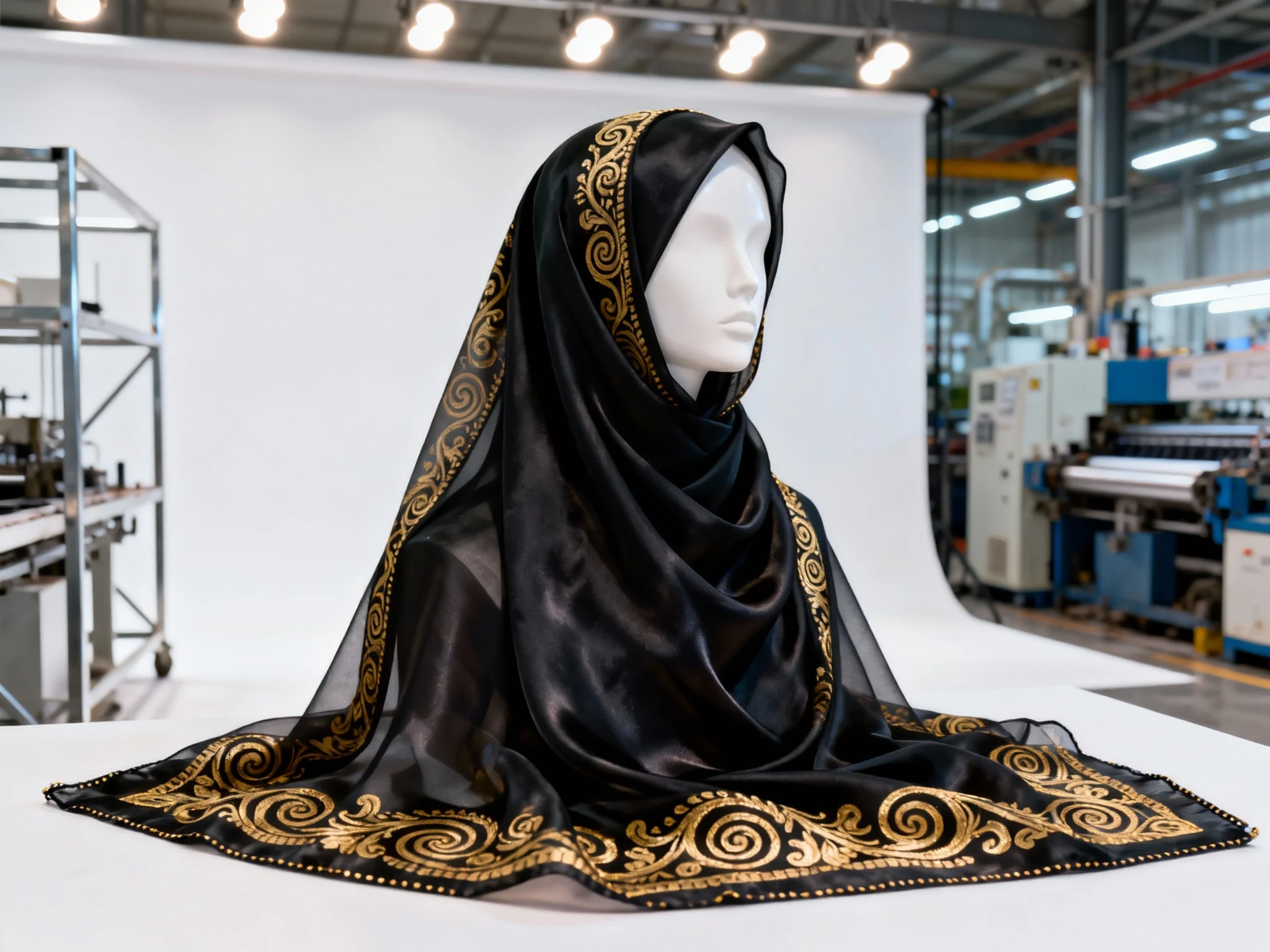
FENNYSUN's evolution mirrors this industry transformation. Founded in 1995 as a traditional textile manufacturer, the company strategically pivoted to become a technology-driven producer specializing in digital printing applications and advanced material development. This transition wasn't merely a response to market trends but a proactive commitment to redefining industry standards for quality and sustainability in textile production.
Understanding Textile Performance Testing Methodologies
To appreciate what distinguishes advanced textiles from conventional materials, one must first understand the rigorous testing protocols that validate performance claims. The textile industry employs a comprehensive battery of tests evaluating everything from physical durability to environmental impact. These methodologies have grown increasingly sophisticated, incorporating digital measurement tools and accelerated aging processes to simulate real-world conditions accurately.
Key Performance Indicators for Fashion Textiles
When evaluating advanced scarf materials and other fashion textiles, several critical performance indicators emerge as particularly relevant for retail applications:
- Colorfastness: The fabric's ability to retain its color under various conditions, including exposure to light, washing, and perspiration. Standardized test methods quantify color change on a rating scale, typically from 1 (poor) to 5 (excellent).
- Abrasion resistance: The fabric's capacity to withstand wear from friction, crucial for accessories like scarves that experience frequent handling. The Martindale test measures the number of rub cycles before visible wear occurs.
- Tensile strength: The maximum force a fabric can withstand before breaking, indicating durability and longevity. Specialized equipment applies controlled tension to fabric samples for precise measurement.
- Dimensional stability: The fabric's ability to maintain its shape and size after washing and drying, preventing shrinkage or distortion that would compromise appearance.
- Sustainability metrics: Environmental impact assessments considering factors like water usage, energy consumption, and carbon footprint throughout the product lifecycle.
Advanced Testing Technologies
The textile testing landscape has evolved significantly with digital technologies. Computerized color matching systems ensure precise color reproduction, while advanced spectroscopy provides detailed analysis of fiber composition and dye penetration. These technological advancements enable more accurate, consistent, and comprehensive evaluation of textile performance characteristics.
For fashion brands and retailers, understanding these testing methodologies isn't an academic exercise—it's a critical component of quality control and brand reputation management. Partnering with manufacturers that prioritize rigorous testing ensures you're offering products that consistently meet consumer expectations for both performance and sustainability.
FENNYSUN's Innovative Approach to Textile Development
What truly distinguishes FENNYSUN in the competitive technical textiles landscape is their holistic approach to material innovation. Rather than focusing solely on isolated performance metrics, the company has developed an integrated system combining advanced manufacturing processes with sustainable material sourcing and precision engineering.
The Six-Stage Manufacturing Process
FENNYSUN's textile excellence centers on their proprietary six-stage manufacturing process, which integrates traditional craftsmanship with cutting-edge technology:

- Material selection and preparation: Rigorous screening of raw materials based on performance characteristics and environmental impact ensures only the highest quality sustainable fibers proceed to production.
- Advanced fiber treatment: Specialized processes enhance fiber strength, durability, and texture while maintaining eco-friendly standards. This stage includes FENNYSUN's innovative closed-loop systems for bamboo viscose processing, which recapture and reuse water and chemicals.
- Precision weaving/knitting: Computer-controlled machinery ensures consistent fabric structure, crucial for maintaining performance characteristics across production runs.
- Digital printing application: State-of-the-art digital printing technology delivers exceptional color vibrancy and detail while minimizing resource consumption compared to traditional printing methods.
- Performance enhancement treatments: Eco-friendly finishes improve durability, water resistance, and other functional properties without compromising the fabric's natural characteristics.
- Quality control and testing: Comprehensive evaluation at multiple stages, including final performance testing that ensures each batch meets FENNYSUN's exacting standards.
This systematic approach guarantees that every textile produced by FENNYSUN delivers consistent performance and quality—a critical advantage for retail partners who cannot afford variability in their product offerings.
Digital Printing Technology as a Performance Enabler
FENNYSUN's specialization in digital printing technology represents more than an aesthetic choice—it's a performance advantage that delivers tangible benefits:
- Enhanced color retention: Digital printing processes penetrate dye more evenly and deeply into fibers, resulting in superior colorfastness compared to traditional methods.
- Reduced material waste: Precisely applying only necessary amounts of dye and chemicals minimizes resource consumption and environmental impact.
- Design versatility without performance compromise: Creating intricate patterns without weakening the fabric's structural integrity.
These technological advantages translate directly to benefits for retail partners, including reduced returns due to color fading, more sustainable product offerings, and greater design flexibility.
Sustainable Fibers: Balancing Performance and Environmental Responsibility
In today's market, sustainability has evolved from a niche concern to a core requirement for fashion brands and their retail partners. FENNYSUN's approach to sustainable textiles demonstrates that environmental responsibility doesn't require sacrificing performance—in fact, the two can reinforce each other.
Innovative Material Sourcing
Beyond traditional sustainable options like organic cotton, FENNYSUN has pioneered alternative fibers with lower environmental footprints. Their bamboo viscose stands out in particular, processed through closed-loop systems that dramatically reduce water consumption compared to conventional viscose production.
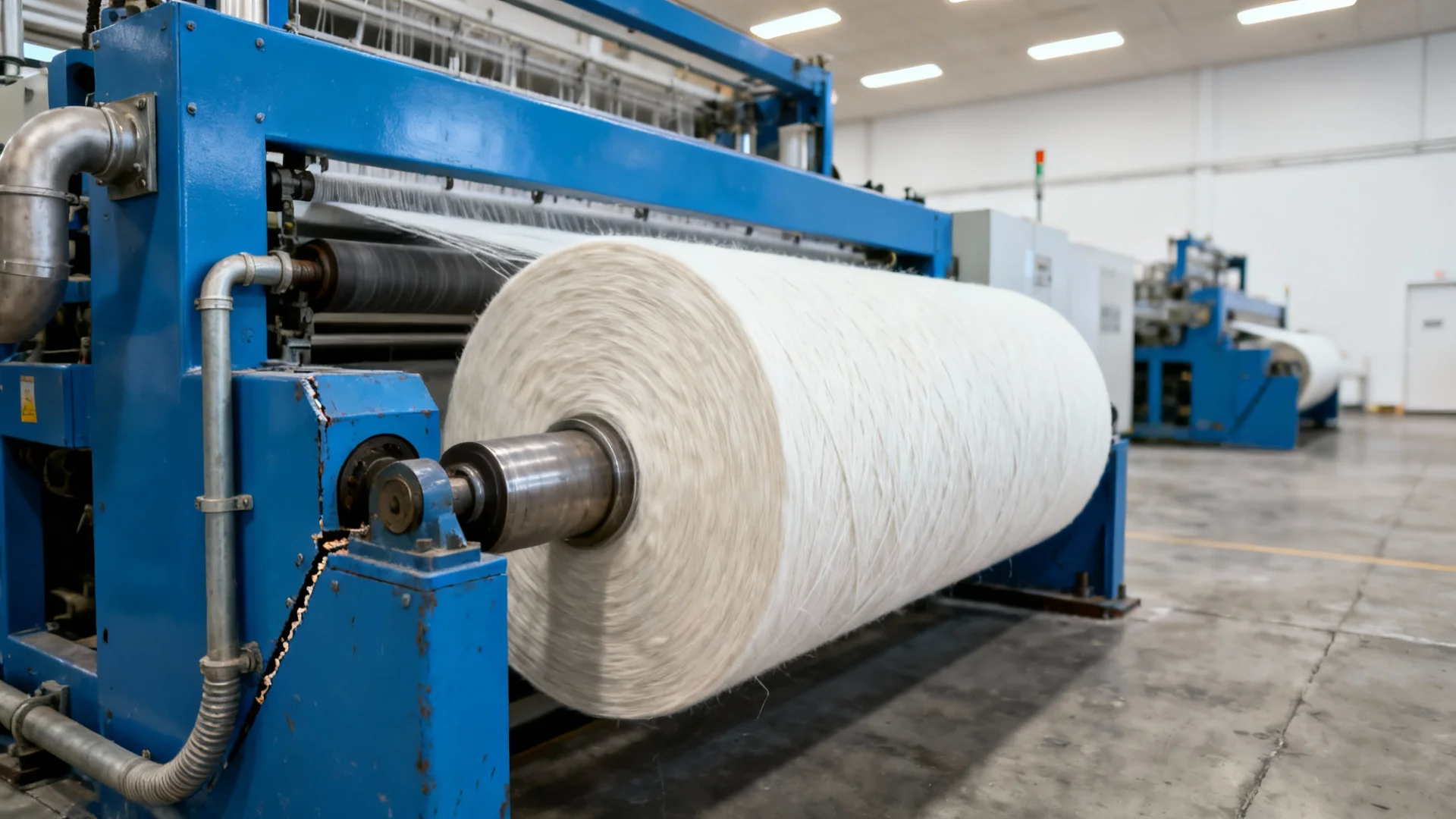
This commitment to innovative sourcing extends beyond materials to include comprehensive lifecycle analysis. Each potential fiber undergoes rigorous assessment of environmental impact from cultivation through manufacturing, ensuring sustainability claims are backed by measurable data rather than marketing rhetoric.
The Environmental Performance Connection
What makes FENNYSUN's sustainable fibers particularly compelling is how they integrate environmental benefits with enhanced performance characteristics:
- Natural antimicrobial properties: Certain sustainable fibers inherently resist bacteria and odors, reducing the need for chemical treatments.
- Superior moisture management: Many eco-friendly fibers, including FENNYSUN's bamboo viscose, provide exceptional breathability and moisture-wicking properties that enhance end consumer comfort.
- Durability by design: High-quality sustainable fibers and optimized manufacturing processes create textiles that maintain performance characteristics longer, reducing replacement needs.
These attributes address a key insight in modern textile performance: environmental sustainability and durability are increasingly interconnected. A truly sustainable textile must perform well enough to have a long functional life, minimizing the environmental impact of replacement and disposal.
Case Studies: Real-World Performance Validation
While specific client details remain confidential, examining FENNYSUN's approach to performance challenges through case study examples provides valuable insights into their textile capabilities and commitment to innovation.
Carbon Footprint Reduction Initiative
One notable case study demonstrates FENNYSUN's systematic approach to reducing textile production's environmental impact without compromising performance. Implementing their six-stage manufacturing process and closed-loop systems achieved significant carbon emission reductions while simultaneously improving fabric durability and colorfastness.
The results speak volumes: carbon footprint decreased substantially while textile performance metrics actually improved. This outcome—better environmental performance alongside enhanced material quality—exemplifies FENNYSUN's innovative approach to textile development.
Digital Printing Technology for Luxury Retailers
Another compelling example comes from FENNYSUN's application of advanced digital printing technology for a luxury retail partner. The challenge involved creating intricate designs on delicate fabrics while maintaining structural integrity and performance characteristics.
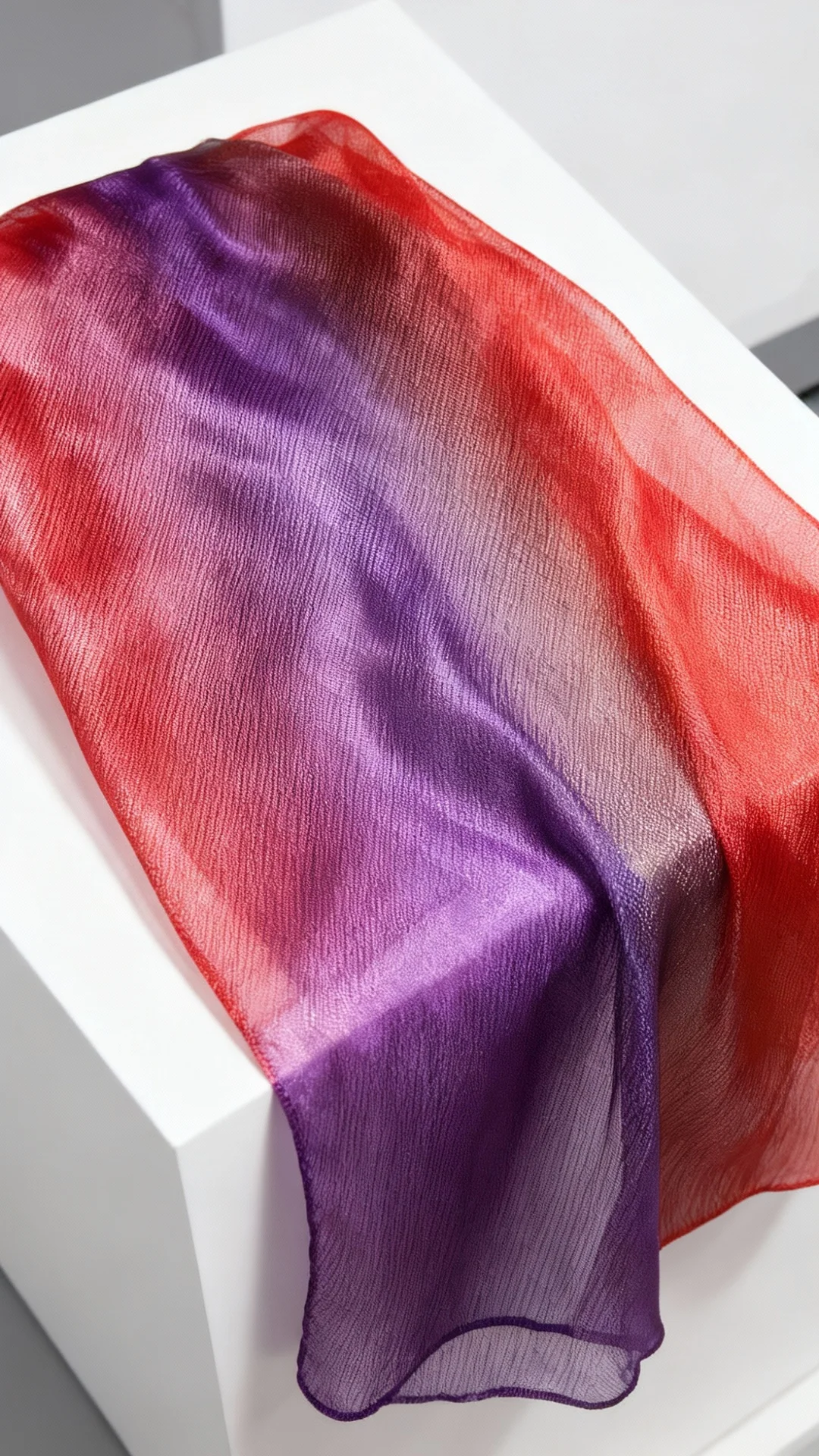
Leveraging precision digital printing capabilities, FENNYSUN delivered a solution that:
- Maintained the fabric's breathability and drape characteristics
- Achieved exceptional color accuracy and retention
- Reduced production lead times significantly
- Minimized material waste compared to traditional printing methods
This project's success underscores how FENNYSUN's technological investments create direct value for retail partners and their customers. Delivering complex designs without sacrificing performance opens new possibilities for fashion accessories that are both visually striking and functionally superior.
Practical Considerations for Retail Partners
For boutiques, specialty stores, and fashion brands evaluating textile suppliers, material performance characteristics directly impact business outcomes. Understanding how to assess and leverage these characteristics is crucial for informed sourcing decisions.
Key Evaluation Criteria
When evaluating advanced textiles for fashion accessories, retail partners should consider critical factors beyond basic aesthetics:
- Performance-to-value ratio: Assessing whether the textile's performance characteristics justify its cost, considering both initial investment and long-term durability.
- Alignment with brand values: Ensuring the textile's sustainability credentials and manufacturing ethics align with brand positioning and customer expectations.
- Consistency across production runs: Verifying performance characteristics remain consistent across multiple production batches, crucial for maintaining brand reputation.
- Design flexibility: Evaluating how well the textile accommodates design requirements while maintaining performance attributes.
- End consumer satisfaction drivers: Understanding which performance characteristics matter most to the target customer demographic, whether durability, comfort, or sustainability.
Questions to Ask Potential Suppliers
When engaging with textile suppliers like FENNYSUN, retail partners should ask specific questions revealing the true performance capabilities of materials:
- What specific performance testing protocols do you implement for your textiles?
- Can you provide comparative data showing how your textiles perform against industry benchmarks?
- How do you balance performance requirements with sustainability goals?
- What quality control measures ensure consistency across production runs?
- How do your manufacturing processes enhance the performance characteristics of your textiles?
These questions go beyond surface-level claims to uncover the substance behind supplier performance assertions, helping retail partners make informed decisions aligning with business objectives and customer expectations.
Conclusion: The Future of Textile Innovation
As the fashion industry continues to evolve, advanced textiles will play an increasingly important role in product differentiation and consumer satisfaction. Consumer expectations for both performance and sustainability are rising, creating new challenges and opportunities for retailers and their textile partners.
FENNYSUN's approach to textile development—integrating advanced manufacturing technology, sustainable material sourcing, and rigorous performance testing—represents a forward-looking model for the industry. By focusing on the intersection of innovation, performance, and environmental responsibility, the company has positioned itself at the forefront of textile technology for fashion accessories.
For retail partners, the implications are clear: textiles used in fashion accessories are no longer merely a medium for design expression but a critical component of product value, brand differentiation, and customer satisfaction. Prioritizing advanced textiles that excel in both performance testing and sustainability metrics positions retailers for success in an increasingly competitive marketplace.
The future belongs to textile solutions that don't merely meet expectations but redefine what's possible—delivering exceptional performance while minimizing environmental impact, creating value for retailers, consumers, and the planet alike. As textile innovation continues to accelerate, companies like FENNYSUN are leading the way toward a more sustainable and performance-driven industry future.