In today's competitive fashion accessories market, selecting the right technical textiles has become a critical differentiator for boutique owners, specialty retailers, and fashion brands creating high-quality scarves. Consumer demand for both performance and sustainability continues to rise, making it more important than ever to understand the material properties that define superior scarf products. This guide draws from industry expertise and the latest 2025 textile innovations to provide a comprehensive framework for evaluating technical textiles in scarf manufacturing.
The Evolution of Technical Textiles in Scarf Manufacturing
Technical textiles have transformed from niche industrial applications to essential components of luxury and performance scarves. Unlike conventional fabrics valued primarily for aesthetics, technical textiles are engineered to deliver specific functional properties while maintaining design versatility. The global technical textiles market is projected to reach $324.83 billion by 2030, with the fashion segment experiencing particularly strong growth due to innovations in sustainable fibers and smart textile integration.
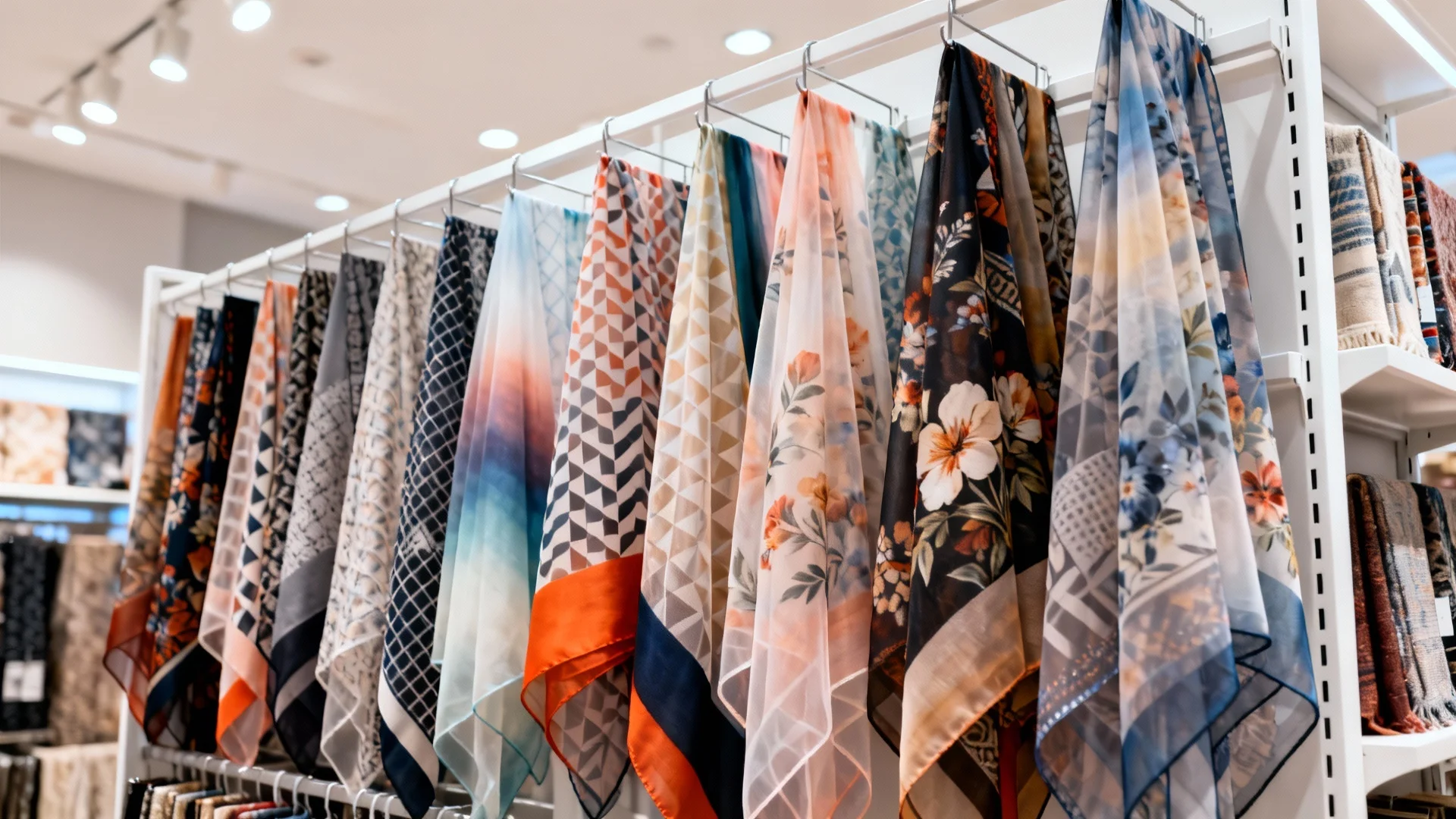
The scarf manufacturing sector sits at the intersection of traditional craftsmanship and cutting-edge material science. Modern scarf materials must balance multiple attributes: durability, comfort, aesthetic appeal, and increasingly, environmental responsibility. From moisture-wicking performance fabrics to biodegradable sustainable alternatives, today's options offer more possibilities than ever before. Industry forecasts indicate 2025-2030 will see accelerated adoption of technical textiles in accessories, driven by consumer demand for multifunctional, eco-conscious products.
Key Material Properties for High-Performance Scarves
When evaluating technical textiles for scarf production, several critical performance parameters distinguish superior materials from conventional options. These properties determine the functional capabilities of the final product, along with its market positioning, price point, and environmental impact.
Thermal Regulation and Breathability
Thermal performance remains a primary consideration for seasonal scarves. Technical textiles offer precise control over insulation properties. Wool blends, particularly those incorporating merino wool, provide exceptional warmth-to-weight ratios and maintain insulation even when damp. For transitional weather, advanced synthetic blends with hollow-core fibers create air pockets that regulate temperature while reducing bulk. Industry testing standards like ASTM D3785 establish benchmarks for thermal resistance in woven scarf fabrics, with premium technical textiles typically exceeding minimum requirements by 30-40%.
Breathability ensures comfort across varying temperatures. Measured by air permeability and moisture vapor transmission rate, it's a key comfort factor for scarves. High-performance options often use micro-porous membranes or structured weaves that allow air circulation while retaining warmth. Technical innovations in 2025 have led to hybrid fabrics that adjust breathability based on ambient conditions—a feature particularly valued in luxury scarf collections.
Durability and Functional Performance
A scarf's longevity depends on tensile strength, abrasion resistance, and pilling resistance. Technical textiles engineered for durability incorporate high-tenacity fibers like nylon or polyester blends, often reinforced with specialized coatings. Martindale abrasion testing shows premium technical fabrics can withstand 50,000+ rubs compared to 20,000-30,000 for conventional materials, significantly extending product lifespan.
Consumers increasingly demand functional properties like UV protection (UPF ratings), water resistance, and anti-microbial treatments. Technical scarf materials now integrate these features without compromising aesthetics or comfort. For example, advanced finishes create water-repellent scarves that maintain a luxurious drape, addressing consumer needs for versatility across weather conditions.
Sustainability Metrics
Environmental impact has become a key performance indicator for technical textiles. Brands and retailers now prioritize materials that balance performance with ecological responsibility. Sustainable technical textiles encompass both raw material selection and manufacturing processes, with lifecycle assessment (LCA) emerging as the gold standard for evaluation.
Recycled polyester (rPET) and regenerated cellulose fibers now offer performance characteristics comparable to virgin materials while reducing environmental footprint. Industry data shows rPET scarves can reduce carbon emissions by up to 70% compared to conventional polyester production. Innovations in 2025 have expanded sustainable options to include bio-based technical fibers derived from agricultural waste, providing biodegradable alternatives without sacrificing durability.
Certifications such as Global Recycled Standard (GRS), OEKO-TEX® Standard 100, and Cradle to Cradle™ provide verification frameworks for sustainable claims, giving retailers and consumers transparency in material selection.
Comparative Analysis of Advanced Scarf Materials
Modern scarf manufacturers access a diverse range of technical textiles, each with distinct properties suited to specific applications and market segments. Understanding the performance characteristics of leading materials enables informed selection based on brand positioning, functional requirements, and sustainability goals.
Natural Fiber-Based Technical Textiles
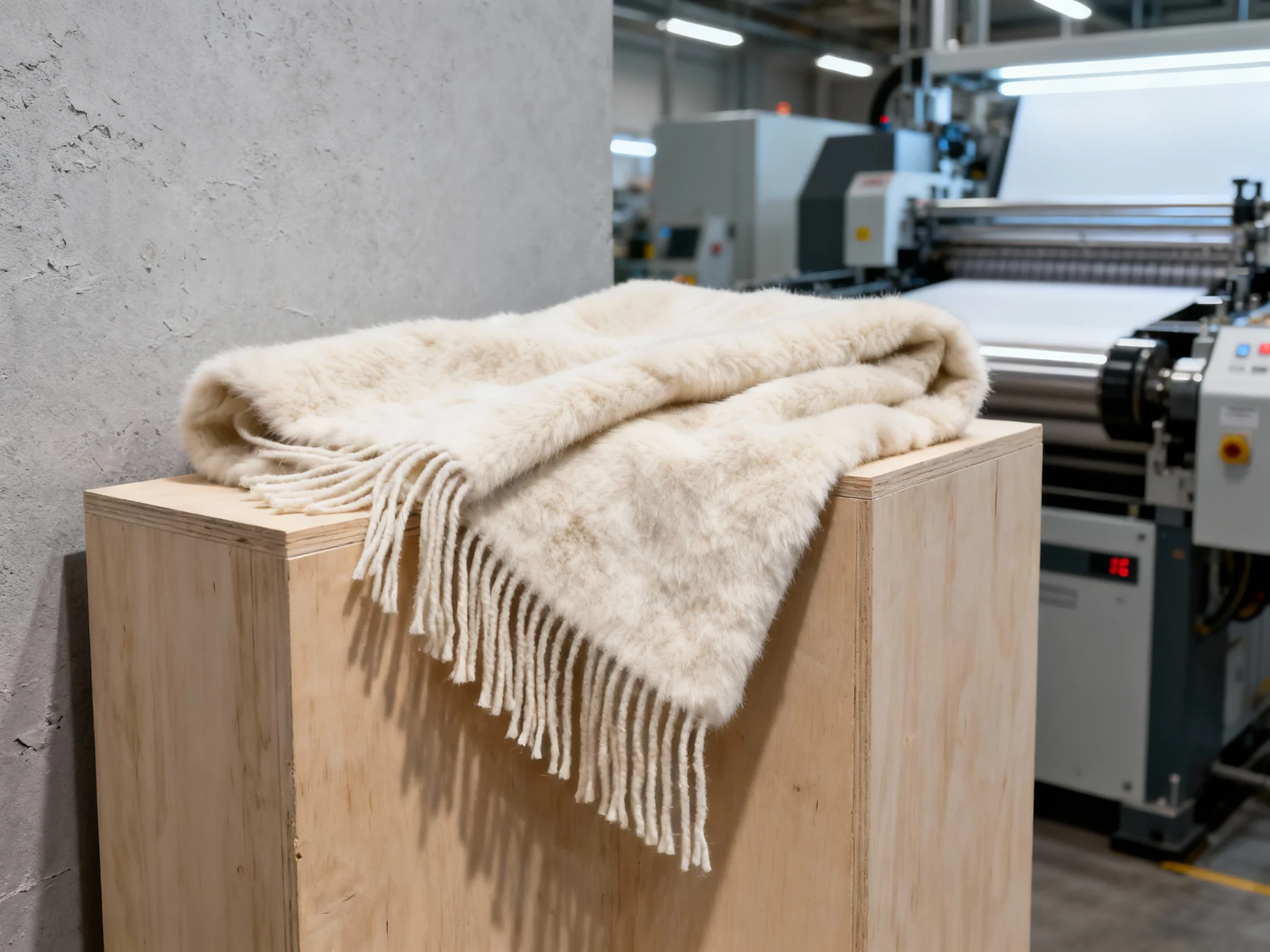
Merino Wool Blends continue to dominate the premium scarf market, valued for exceptional warmth, moisture management, and natural elasticity. Technical advancements have produced ultra-fine merino fibers (17-19 microns) that maintain insulation properties while offering a silky handfeel previously associated only with silk. Blending with 15-20% nylon increases tensile strength by 40% without compromising comfort, making these fabrics ideal for luxury cold-weather scarves.
Sustainable Silk Variants have evolved beyond conventional mulberry silk to include peace silk and recycled silk options. Technical processing techniques now enhance silk's natural properties, creating scarves with improved wrinkle resistance and color retention. Peace silk—produced without harming silkworms—has gained traction among ethical brands, commanding price premiums of 20-30% in specialty markets.
Organic Cotton Technical Fabrics have advanced significantly. Structured weaves now create lightweight yet durable scarves suitable for transitional seasons. Innovations in cotton processing have resulted in technical variants with moisture-wicking capabilities approaching those of synthetic performance fabrics. These appeal to eco-conscious consumers seeking natural alternatives.
Synthetic and Recycled Technical Textiles
Recycled Polyester (rPET) has emerged as a workhorse material for performance scarves, offering exceptional durability, quick-drying properties, and versatility in dyeing and printing. The latest rPET formulations include textured fibers that mimic the drape of natural materials, addressing previous limitations in aesthetic appeal. Environmental benefits include reduced reliance on petroleum resources and diversion of plastic waste from landfills, with some manufacturers achieving up to 95% post-consumer recycled content.
Polypropylene Technical Textiles remain valued for lightweight insulation and moisture resistance, finding application in active-lifestyle scarves and travel accessories. Recent developments in fiber technology have improved polypropylene's comfort profile, reducing the traditional "plastic" handfeel while maintaining performance advantages of quick drying and thermal efficiency.
Advanced Acrylic Blends now offer wool-like properties with enhanced durability and colorfastness. Blending with 30-40% natural fibers creates scarves with the aesthetic appeal of natural materials combined with the practical benefits of synthetic performance, including resistance to stretching and pilling.
Hybrid and Innovative Technical Textiles
Smart Textile Composites represent the cutting edge of scarf material innovation, incorporating conductive fibers and responsive materials. While still in limited production, these technical textiles offer temperature regulation capabilities and interactive features. They target tech-forward fashion segments and performance-oriented consumers.
Bio-Based Technical Fibers derived from renewable resources such as seaweed, bamboo, and agricultural by-products are gaining momentum. These sustainable alternatives to conventional and recycled synthetics often feature inherent antimicrobial properties and biodegradability. They address end-of-life environmental concerns while providing unique aesthetic characteristics.
2025 Technical Textile Trends Shaping Scarf Manufacturing
The scarf manufacturing industry stands at the intersection of traditional craftsmanship and material innovation. Emerging technical textile trends are reshaping product development and consumer expectations. Understanding these directional shifts helps brands and retailers anticipate market demands and differentiate offerings in an increasingly competitive landscape.
Sustainability as Performance
Integration of sustainability into core performance metrics represents the most significant trend in technical textiles for 2025. Environmental considerations have evolved from niche selling points to primary decision factors. Consumers now evaluate scarves based on ecological footprint alongside traditional quality indicators.
Key manifestations of this trend include expanded availability of circular technical textiles designed for recyclability, biodegradable performance fibers, and transparent supply chain documentation. Manufacturers are responding with innovations like self-degrading technical fibers and modular scarf designs that facilitate material recovery and reuse.
Digital Integration and Customization
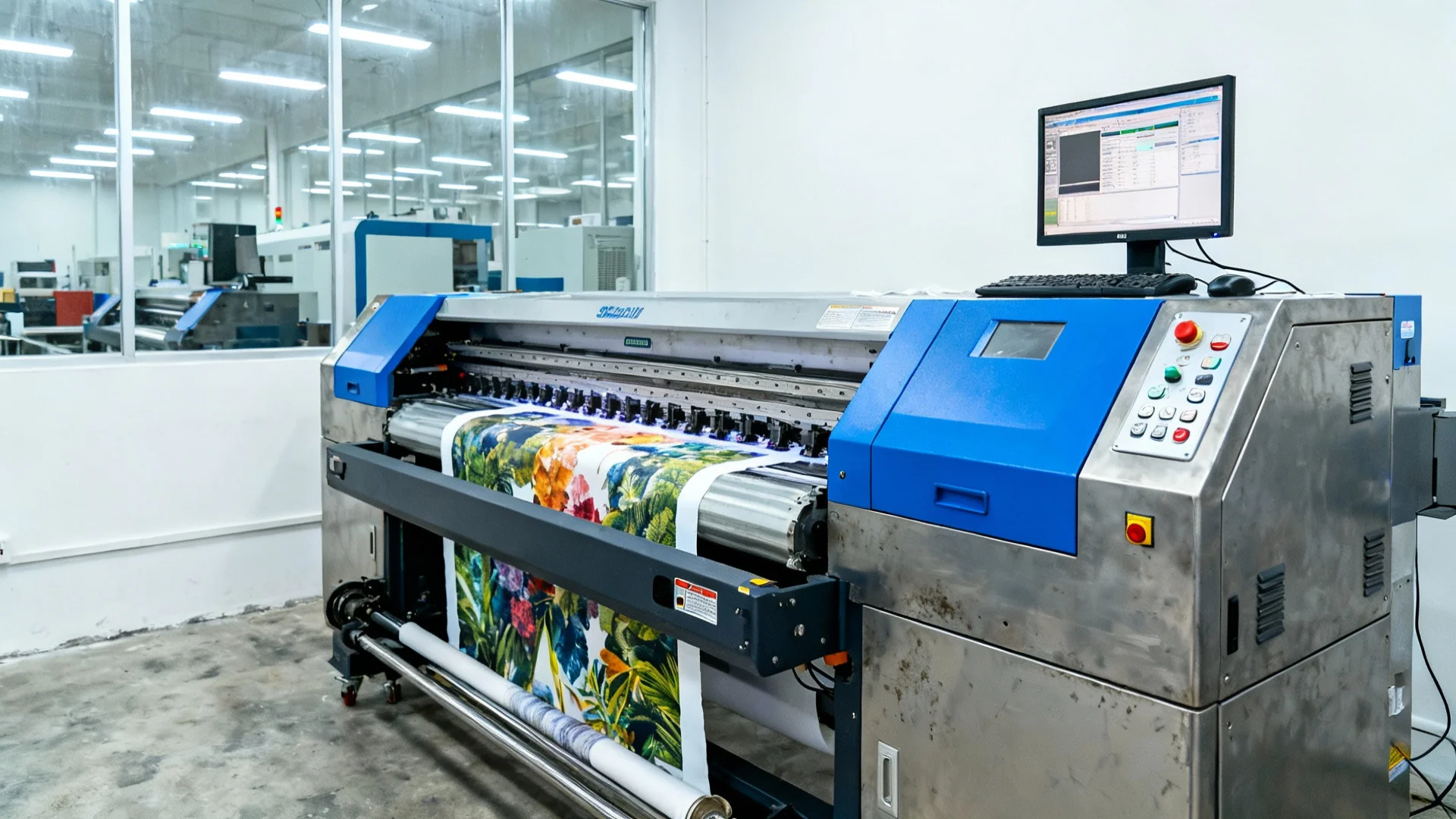
Technical textile advancements have enabled unprecedented levels of customization in scarf production. This ranges from digital printing on demand to programmable material properties. Digital textile printing technologies now offer photo-realistic imagery with exceptional colorfastness on technical substrates while maintaining performance characteristics.
The trend toward mass customization is supported by technical textiles that accommodate variable production runs without sacrificing quality or efficiency. This allows for smaller batch sizes, reduced waste, and greater design flexibility. Brands can now offer personalized scarf options at accessible price points.
Multifunctional Design
Consumers increasingly demand accessories that transition seamlessly between contexts. This drives demand for technical textiles that deliver multiple performance benefits. The 2025 scarf market reflects this trend through materials engineered to provide versatility across seasons, activities, and styling scenarios.
Technical innovations enabling this trend include reversible performance fabrics, temperature-regulating textiles, and convertible designs that transform between scarf, wrap, and other accessory configurations. These multifunctional capabilities extend product value while addressing consumer desires for practical luxury and reduced consumption.
Technical Textile Selection Framework for Retailers
Selecting optimal technical textiles for scarf offerings requires systematic evaluation balancing performance requirements, aesthetic considerations, sustainability goals, and market positioning. The following framework provides retailers and brand buyers with a structured approach to material selection, ensuring alignment with both business objectives and consumer expectations.
Application-Based Material Matching
The first step in technical textile selection involves defining the scarf's intended application and performance requirements. This application-based approach ensures material properties align with end-use scenarios, preventing over-engineering or performance compromises.
Seasonal Considerations drive fundamental material selection, with insulation value, breathability, and weight as primary criteria. Winter scarves prioritize thermal performance and wind resistance, favoring technical wool blends and heavyweight technical textiles. Transitional season offerings benefit from medium-weight technical fabrics with balanced insulation and breathability, such as cotton-synthetic blends and lightweight wool variants. Summer and travel scarves emphasize lightweight construction, moisture management, and UV protection, making advanced cellulose-based textiles and performance synthetics appropriate choices.
End-User Profiling identifies specific needs and preferences of the target consumer segment. Luxury consumers prioritize premium natural fibers and artisanal production methods, with technical enhancements that maintain traditional aesthetics while improving durability and comfort. Active lifestyle customers value performance attributes including moisture management, quick-drying properties, and packability, responding well to technical synthetic blends and innovative hybrid materials. Eco-conscious consumers prioritize sustainability credentials alongside performance, favoring recycled technical textiles and bio-based alternatives with verified environmental certifications.
Quality Assessment and Performance Verification
Technical textile quality extends beyond subjective handfeel to measurable performance characteristics determining durability, functionality, and consumer satisfaction. Retailers should establish clear quality benchmarks and verification processes to ensure material consistency and performance claims.
Standardized Testing Protocols provide objective performance data for comparison across material options. Key tests include:
- ASTM D3785 for woven scarf fabrics, evaluating dimensional stability, seam strength, and colorfastness
- ISO 11092 for thermal resistance and moisture vapor transmission
- Martindale abrasion testing to assess durability and pilling resistance
- Colorfastness testing under ISO 105 standards for light, washing, and rubbing
Supplier Qualification ensures consistent material quality and ethical production practices. Retailers should verify manufacturers' quality management systems, technical capabilities, and sustainability credentials through site visits, third-party audits, and certification verification. Establishing clear quality specifications and acceptance criteria prevents delivery of substandard materials and supports consistent product quality across production runs.
Sustainability Evaluation Matrix
Incorporating sustainability into technical textile selection requires comprehensive evaluation extending beyond surface-level claims to address the full material lifecycle. This holistic approach ensures environmental and social considerations are weighted alongside performance and cost factors.
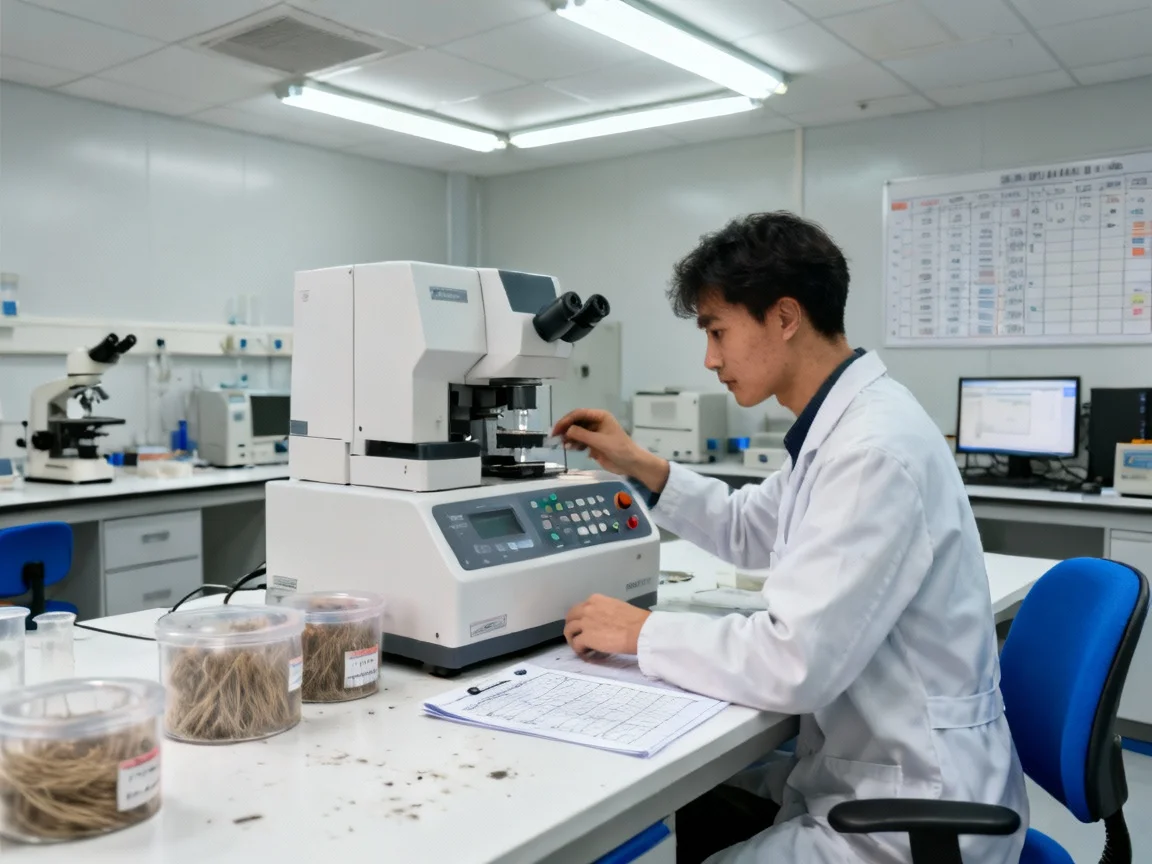
Material Composition Analysis identifies the environmental profile of technical textiles through fiber origin and processing methods. Key considerations include raw material sourcing, use of renewable vs. non-renewable resources, recycled or bio-based content percentages, chemical inputs, and potential for biodegradation or recycling at end-of-life.
Manufacturing Process Assessment evaluates the environmental footprint of textile production, including energy and water usage, waste generation, and emissions. Manufacturers implementing closed-loop water systems, renewable energy, and waste reduction programs offer more sustainable technical textile options, often verified through certifications such as ISO 14001 or specific eco-labels.
Transparency and Traceability have become essential components of sustainable technical textile selection. They enable retailers to verify sustainability claims and communicate authentically with consumers. Blockchain technology and digital product passports increasingly provide end-to-end supply chain visibility, documenting material origins, processing steps, and environmental impacts throughout the textile lifecycle.
Implementation Strategies and Case Studies
Successfully integrating advanced technical textiles into scarf offerings requires strategic implementation addressing design adaptation, consumer education, and market positioning. Real-world case studies demonstrate effective approaches to technical textile adoption, highlighting both challenges and best practices.
Technical Textile Integration in Luxury Scarf Collections
Luxury brands face the unique challenge of balancing technical performance enhancements with traditional craftsmanship and aesthetic expectations. Leading luxury retailers have successfully navigated this tension by positioning technical textiles as enablers of enhanced luxury rather than compromises of traditional quality.
One prominent example involves a heritage brand's introduction of technical cashmere scarves featuring nanotechnology-based stain resistance and water repellency. By maintaining the appearance and handfeel of traditional cashmere while adding practical performance benefits, the brand expanded the scarf's utility and appeal without diluting its luxury positioning. Consumer education focused on the invisible technical enhancements and preservation of artisanal production methods, resulting in strong market reception and premium pricing support.
Another case study demonstrates integration of recycled technical textiles into a luxury accessories line through strategic storytelling and transparent communication. Highlighting environmental benefits alongside performance attributes attracted eco-conscious luxury consumers willing to pay price premiums for sustainable technical innovations. This approach led to a 35% increase in scarf category sales and expanded technical textile applications across other accessory categories.
Performance-Driven Technical Textile Applications
Active lifestyle brands and outdoor retailers have leveraged technical textiles to create scarf offerings delivering functional benefits for specific activities and environments. These performance-driven applications prioritize technical specifications while addressing style considerations to expand market appeal beyond traditional performance consumers.
A notable implementation involves a technical apparel brand's introduction of climate-adaptive scarves utilizing phase-change materials. These technical textiles regulate temperature by absorbing and releasing heat in response to environmental conditions, providing comfort across varying activity levels and weather scenarios. The brand's marketing emphasized both performance metrics and versatile styling options, successfully bridging the gap between technical outdoor gear and everyday fashion accessories.
Another successful application comes from a travel accessories retailer that developed lightweight, packable scarves using advanced microfiber technical textiles. These scarves incorporate multiple performance features including UV protection, moisture-wicking properties, and quick-drying capabilities, addressing specific travel consumer needs. The technical textile selection enabled a compact design weighing less than 50 grams while maintaining sufficient warmth for air-conditioned environments and transitional weather, resonating strongly with frequent travelers and urban commuters.
Future Directions in Technical Scarf Textiles
The technical textiles landscape continues to evolve at an accelerated pace, driven by material science innovations, sustainability imperatives, and changing consumer expectations. Retailers and brands that anticipate these developments will be positioned to capture emerging opportunities and differentiate their scarf offerings in increasingly competitive markets.
Emerging Material Innovations
Several promising technical textile developments are poised to impact scarf manufacturing in the near term, offering new possibilities for performance, sustainability, and aesthetic expression.
Biofabrication and Lab-Grown Fibers represent the cutting edge of sustainable technical textile innovation, producing protein-based fibers without reliance on traditional agriculture or animal products. These lab-grown alternatives aim to match or exceed the performance characteristics of conventional technical textiles while dramatically reducing environmental impact. Early commercial applications show promise for luxury scarf applications, with several high-profile brands announcing development partnerships with biofabrication startups.
Nanotechnology Enhancements continue to expand the functional capabilities of technical scarf textiles, enabling precise engineering of surface properties and performance characteristics. Self-cleaning treatments, enhanced thermal regulation, and conductive properties for smart accessories are among the emerging applications, with commercialization pathways advancing rapidly. These nanoscale modifications maintain the inherent properties of base materials while adding targeted functionality, creating technical textiles with unprecedented performance combinations.
Advanced Recycling Technologies are addressing previous limitations in textile-to-textile recycling, enabling closed-loop systems for technical scarf materials. Chemical recycling processes break down existing textiles into their constituent molecules, allowing regeneration into new high-performance fibers without quality degradation. These technologies promise to transform post-consumer and post-industrial waste into valuable technical textile feedstocks, further enhancing the sustainability of scarf manufacturing.
Industry Transformation Drivers
Several macro trends are reshaping the technical textiles landscape for scarves and accessories, creating both challenges and opportunities for retailers and manufacturers.
Circular Economy Mandates are increasingly influencing material selection and product design, with regulatory pressures and consumer expectations driving adoption of circular business models. Technical textile manufacturers are responding with modular designs, recyclable constructions, and take-back programs that facilitate material recovery and reuse. This transition requires rethinking traditional scarf design and production processes but offers significant long-term benefits in resource efficiency and market differentiation.
Digitalization and Material Science Convergence is accelerating technical textile innovation cycles, enabling more precise engineering of fiber properties and performance characteristics. Computational modeling allows predictive performance testing of technical textiles before physical production, reducing development time and enabling more targeted innovation. This digital transformation supports the development of application-specific technical textiles tailored to precise performance requirements and aesthetic objectives.
Consumer-Centric Innovation is shifting development priorities toward materials that deliver authentic benefits and transparent sourcing. Technical textile innovations increasingly focus on tangible consumer experiences rather than purely technical specifications. This human-centered approach has driven advancements in comfort properties, sensory characteristics, and aesthetic versatility of technical scarf materials, expanding their appeal across consumer segments.
By understanding these material properties, evaluation frameworks, and emerging trends, retailers and brands can make informed decisions that elevate their scarf offerings through the strategic application of technical textiles. The integration of performance, sustainability, and aesthetic considerations positions scarf collections for success in the evolving fashion accessories marketplace.