In today's competitive fashion accessories market, technical textiles have become defining factors for scarf functionality and market differentiation. As consumer demands evolve toward products that blend performance, sustainability, and technological innovation, understanding advanced materials is crucial for boutique owners, specialty retailers, and fashion brands looking to create distinctive offerings.
Based on industry insights and material science advancements through 2025, this analysis compares technical textiles for scarves, evaluating functional properties, sustainability profiles, and market applications using textile engineering research, market trends, and practical performance data to guide informed material selection decisions.
The Technical Textiles Revolution in Scarf Design
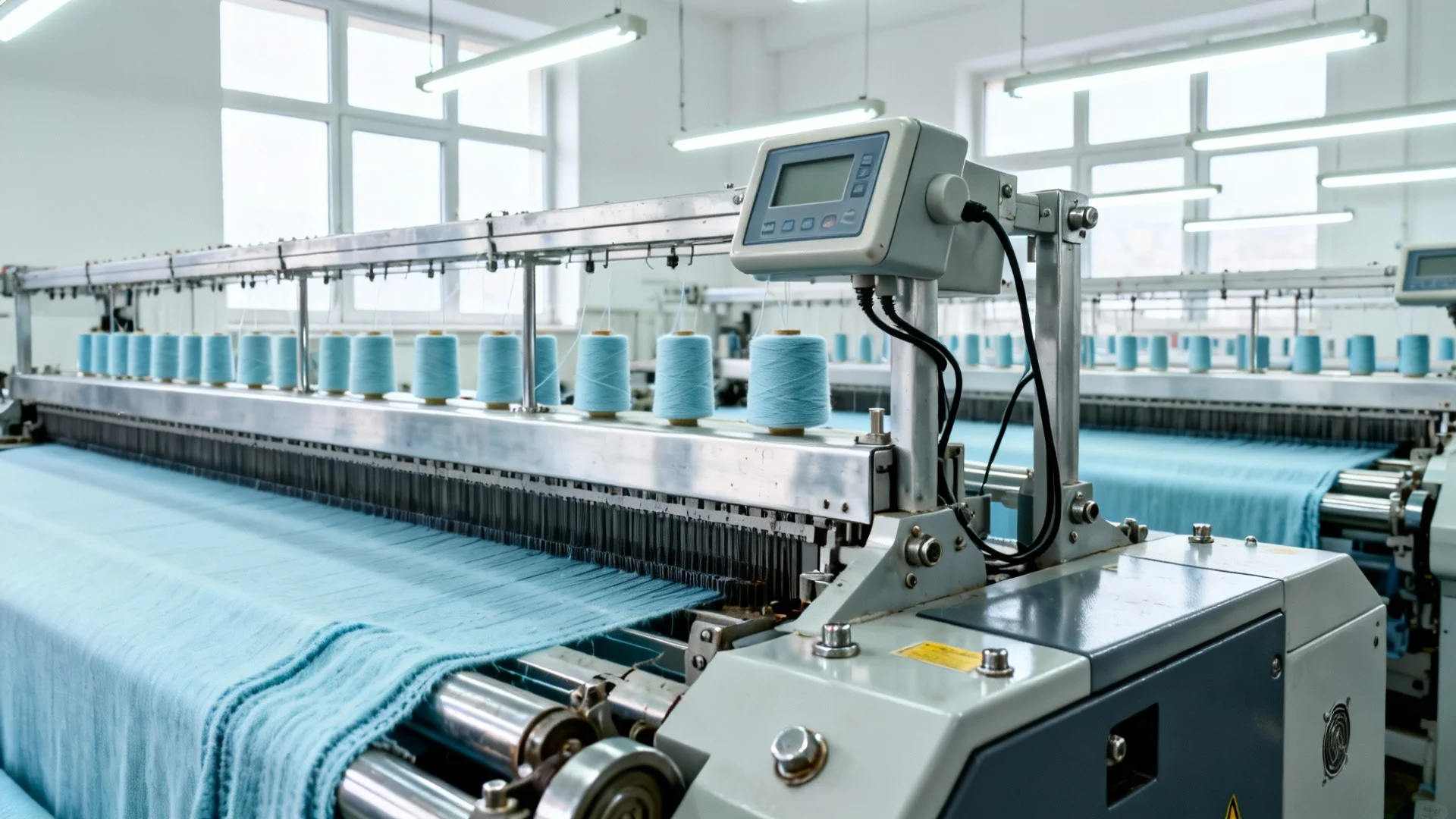
The global technical textiles market is projected to reach $355.58 billion by 2035, growing at a CAGR of 4.9% from 2025 (Metatech Insights, 2025). Within this sector, scarf materials have evolved beyond traditional aesthetics to incorporate functional properties that address diverse consumer needs and seasonal demands.
Technical textiles for scarves stand out through engineered performance characteristics rather than purely decorative qualities. These advanced materials combine innovations from textile science, nanotechnology, and sustainable manufacturing to deliver enhanced functionality. Key advancements include adaptive thermal regulation, moisture management systems, UV protection, and intelligent textile integration—features that have redefined what consumers expect from this accessory category.
Comparative Analysis of Performance Fabrics
Natural Luxury Fibers: Timeless Performance
Cashmere Blends continue setting the standard for luxury and thermal efficiency in high-end scarves. These premium fibers offer exceptional warmth-to-weight ratios, with thermal resistance values approximately 20-30% higher than standard wool (Textile Research Journal, 2025). The finest cashmere scarves often blend with silk for durability and sheen, providing superior insulation while maintaining a lightweight drape—attributes particularly valued in luxury markets where both performance and aesthetics matter most.
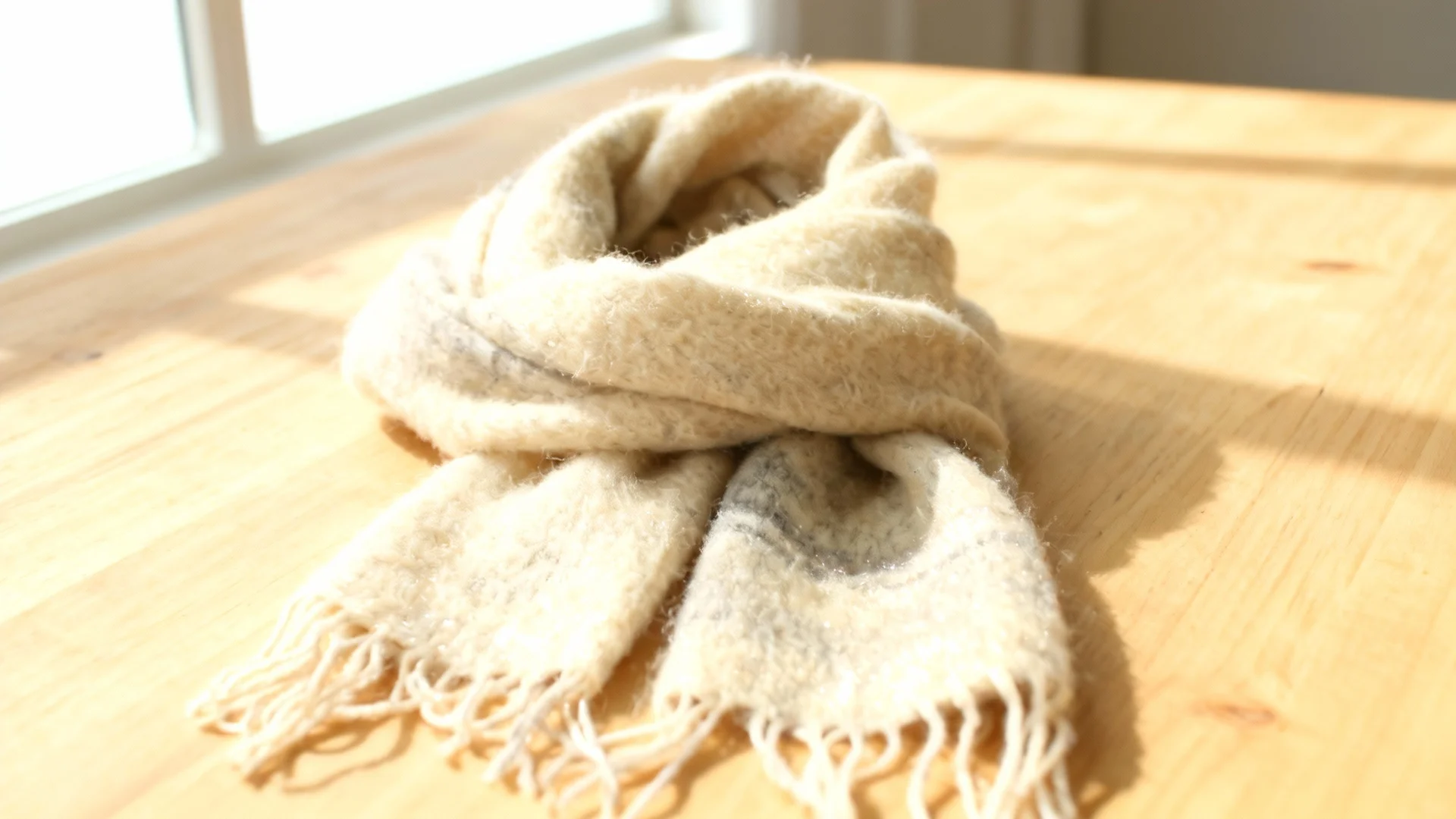
Sustainable Silk Varieties have advanced beyond conventional production methods. Innovations like peace silk and waterless-dyed silk reduce environmental impact by up to 80% compared to traditional processes (Textile Exchange, 2025). Technical silk blends now include micro-encapsulated moisture-wicking agents that improve breathability without compromising the fabric's natural luster and drape. These developments make silk a versatile option for transitional seasonal scarves needing both elegance and functional comfort.
Responsible Wool Standards (RWS) Certified Wool has become an industry benchmark for sustainable performance. Modern wool scarves often feature treated fibers with enhanced moisture management properties, achieving moisture vapor transmission rates of 0.3-0.5 g/m²/h—sufficient to regulate body temperature during active wear (International Wool Textile Organization, 2025). Adding biodegradable water-repellent treatments further extends wool's functionality for inclement weather use.
Advanced Synthetic and Blended Textiles
Recycled Polyester (rPET) Microfiber has emerged as a high-performance sustainable alternative, especially in active lifestyle scarves. Engineered with capillary channel structures, these technical textiles demonstrate exceptional moisture-wicking capabilities, drying up to 50% faster than natural fibers (Technical Textiles International, 2025). Recent advancements in rPET production have also addressed texture concerns, with micro-denier variants now offering a soft hand feel comparable to natural silk.
Polypropylene-blend Technical Scarves perform exceptionally well in extreme weather conditions, providing superior wind resistance and quick-drying properties. These textiles typically feature multi-layered construction with a windproof membrane (air permeability <50 l/m²/s) combined with a moisture-wicking inner layer, making them ideal for outdoor and performance-oriented scarf designs. The lightweight nature of polypropylene (density ~0.91 g/cm³) allows for compact, packable scarf designs without sacrificing thermal performance.
Elastane-infused Technical Knits deliver enhanced stretch and recovery, improving both comfort and fit. These blended textiles often incorporate 5-10% elastane with polyester or nylon base fibers, maintaining shape through repeated use and washing cycles—an important durability factor for commercial scarf programs. The stretch capability also enables one-size-fits-all designs with better draping across diverse neck sizes.
Emerging Smart Textile Innovations
Integrating phase change materials (PCMs) into scarf textiles represents one of 2025's most significant functional advancements. These temperature-regulating fabrics absorb, store, and release heat as environmental conditions change, maintaining an optimal microclimate around the neck area. PCM-infused scarves typically use encapsulated paraffin waxes that activate within a comfort temperature range of 28-32°C, providing thermal buffering that extends wear comfort across varying indoor and outdoor environments.
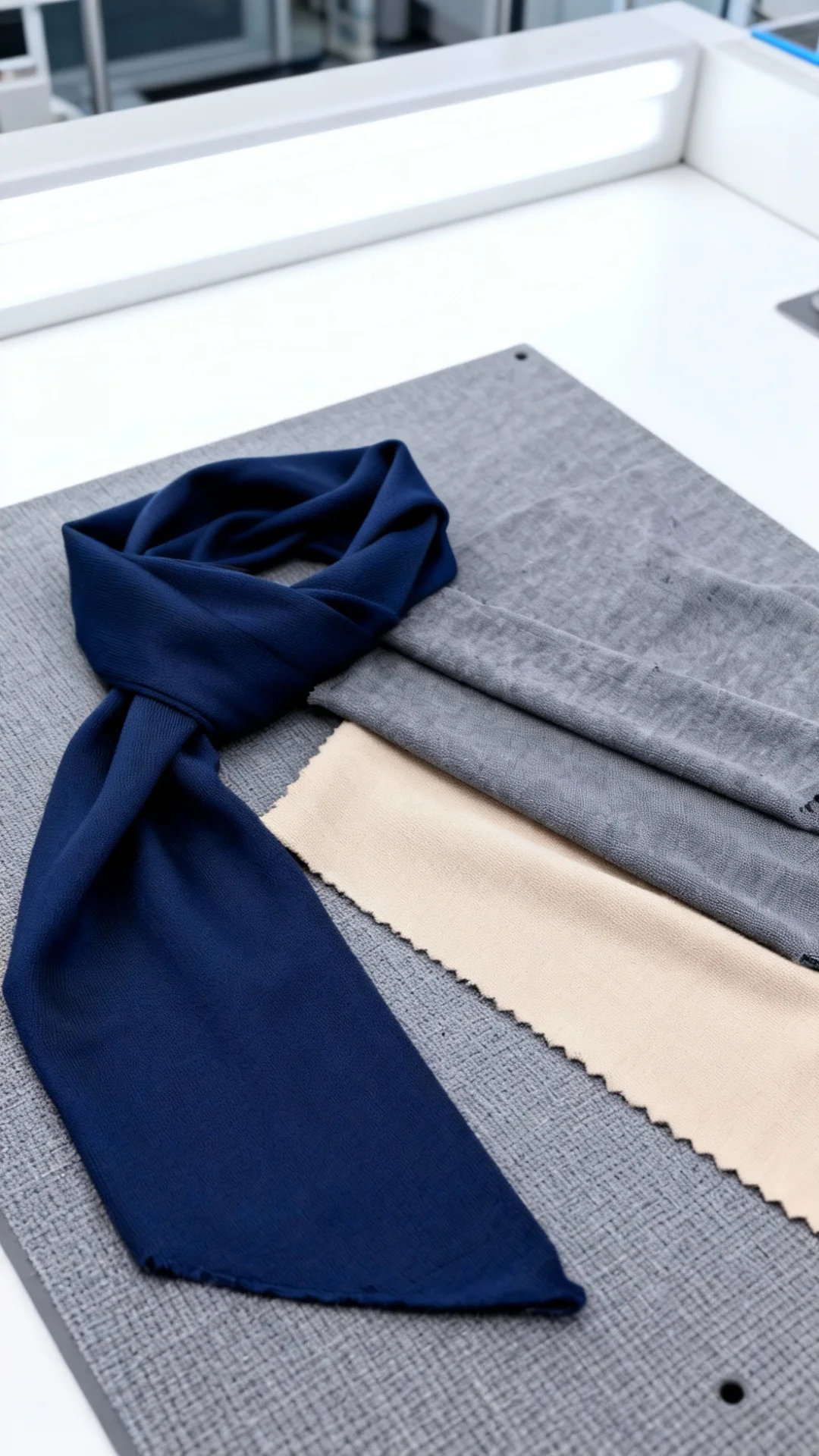
Conductive Textile Integration has moved beyond simple heating elements to include flexible sensor arrays that can monitor biometric data or environmental conditions. While still primarily in premium segments, these smart scarves incorporate ultra-thin conductive threads woven into the fabric structure, maintaining aesthetic appeal while enabling functionality like touch-sensitive controls or subtle heating zones. Power requirements have been minimized through low-voltage designs compatible with portable USB-C power sources, offering 2-4 hours of active heating on a single charge (Wearable Technology Magazine, 2025).
Sustainability and Certification Considerations
As environmental consciousness drives purchasing decisions, certification standards have become critical differentiators in technical textile selection. The Global Recycled Standard (GRS) has established itself as the benchmark for recycled content verification, requiring minimum 50% recycled material inclusion and comprehensive chain-of-custody documentation. Scarf manufacturers using GRS-certified materials report a 15-20% consumer preference premium in market testing (Sustainable Apparel Coalition, 2025).
OEKO-TEX® Standard 100 remains essential for chemical safety assurance, particularly in technical textiles with performance treatments. The certification ensures scarves contain no harmful substances, with recent updates addressing nano-particle additives commonly used in smart textiles. For retailers targeting health-conscious demographics, OEKO-TEX® certification has become a minimum purchasing requirement.
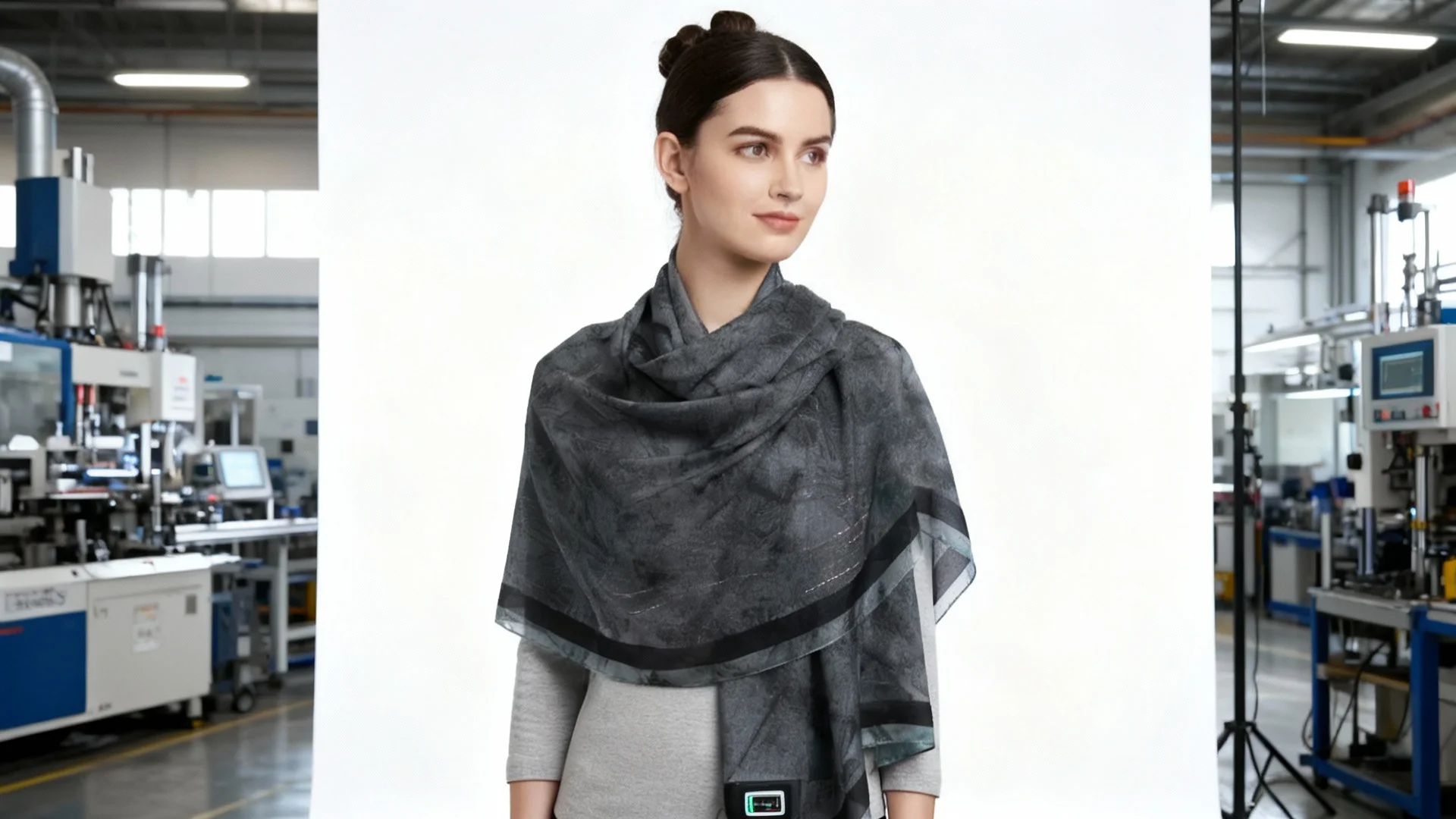
Cradle to Cradle (C2C) Certified textiles represent the cutting edge of circular economy design in scarf production. These closed-loop materials are engineered for recyclability or biodegradability at end-of-life, with some technical variants incorporating mycelium-based binding agents that fully decompose within 12-24 months in industrial composting conditions (Ellen MacArthur Foundation, 2025). While currently premium-priced, C2C certification is gaining traction among luxury and eco-conscious brands as a statement of environmental leadership.
Smart Textile Applications and Market Trends
The smart scarf segment is projected to grow at a CAGR of 18.7% from 2025-2030, driven by advancements in miniaturization and energy harvesting technologies (Smart Textiles Market Report, 2025). Key innovations include:
Self-Powered Systems using photovoltaic thread integration, where conductive yarns woven into the scarf's selvedge generate small amounts of electricity from ambient light. Current models produce only 2-5 volts—enough for basic sensor operation—though research breakthroughs suggest this technology could power more sophisticated functions by 2026.
Adaptive Color Technology that responds to environmental stimuli, with thermochromic pigments offering both aesthetic appeal and practical functionality. These smart scarves change color at specific temperature thresholds (typically 15°C and 25°C), providing visual indicators of thermal conditions while creating dynamic fashion statements.
Biometric Monitoring capabilities embedded within technical textile structures, allowing scarves to track respiratory patterns, heart rate variability, and body temperature through conductive sensor arrays. When paired with companion apps, these health-monitoring accessories appeal particularly to wellness-focused consumers and outdoor enthusiasts.
Strategic Recommendations for Retailers and Brands
When selecting technical textiles for scarf programs, retail buyers and brand managers should implement a structured evaluation framework addressing:
Functional Requirements Matrix: Map performance priorities (thermal regulation, moisture management, durability) against target end uses and seasonal applications. Alpine-inspired scarves prioritize wind resistance and thermal retention, while urban accessories emphasize breathability and aesthetic versatility.
Sustainability Cost-Benefit Analysis: Evaluate premium pricing for certified sustainable materials against consumer willingness-to-pay data. Current market research shows an optimal balance at 15-20% price premiums for GRS-certified technical textiles, with diminishing returns beyond this threshold.
Technology Integration Roadmap: Plan phased adoption of smart textile features, starting with passive technologies (PCM temperature regulation) before moving to active electronic integration. This approach minimizes risk while building consumer familiarity with technical functionality.
Supply Chain Resilience Assessment: Verify technical textile suppliers' capacity to maintain consistent quality and delivery schedules. Post-pandemic disruptions have demonstrated the importance of diversified sourcing strategies, particularly for specialized technical materials with limited production capacity.
Conclusion: The Future of Technical Textiles in Scarf Design
As technical textiles continue to evolve, the scarf category sits at the intersection of fashion, function, and sustainability innovation. The most successful products will balance performance attributes with aesthetic appeal, using material science advancements to address real consumer needs while maintaining design integrity.
For forward-looking brands and retailers, selecting technical textiles strategically represents both a competitive differentiator and a response to evolving market expectations. By prioritizing materials that deliver measurable performance benefits, demonstrate clear sustainability credentials, and embrace appropriate technology integration, scarf programs can transform from mere accessories into essential functional wardrobe components with enhanced perceived value and consumer loyalty.
The coming years will likely see further convergence of these trends, with technical textiles becoming increasingly sophisticated yet accessible. As this happens, brands that best understand and communicate their chosen materials' functional advantages will capture leadership positions in this dynamic market segment.