In today's rapidly evolving fashion landscape, sustainable textile sourcing has transitioned from a niche concern to a business imperative. Consumer demand for eco-conscious products continues to rise—the sustainable clothing market is projected to grow from $3.9 billion in 2025 to $9.4 billion by 2034 at a 10.3% CAGR. Fashion brands and retailers are reevaluating their supply chains from fiber to finished product. This comprehensive guide explores best practices for sustainable textile sourcing specifically tailored to scarf production, addressing unique challenges and opportunities in this specialized segment of the fashion industry.
Drawing on over three decades of industry experience working with luxury scarf manufacturers, this resource provides actionable insights for boutiques, specialty stores, and fashion brands seeking to align sourcing practices with environmental stewardship and ethical principles. The following sections break down the sustainable sourcing process into manageable components, from material selection to supplier evaluation, offering practical guidance on implementing responsible practices without compromising quality or aesthetic appeal.
Understanding Sustainable Textile Sourcing in Scarf Production
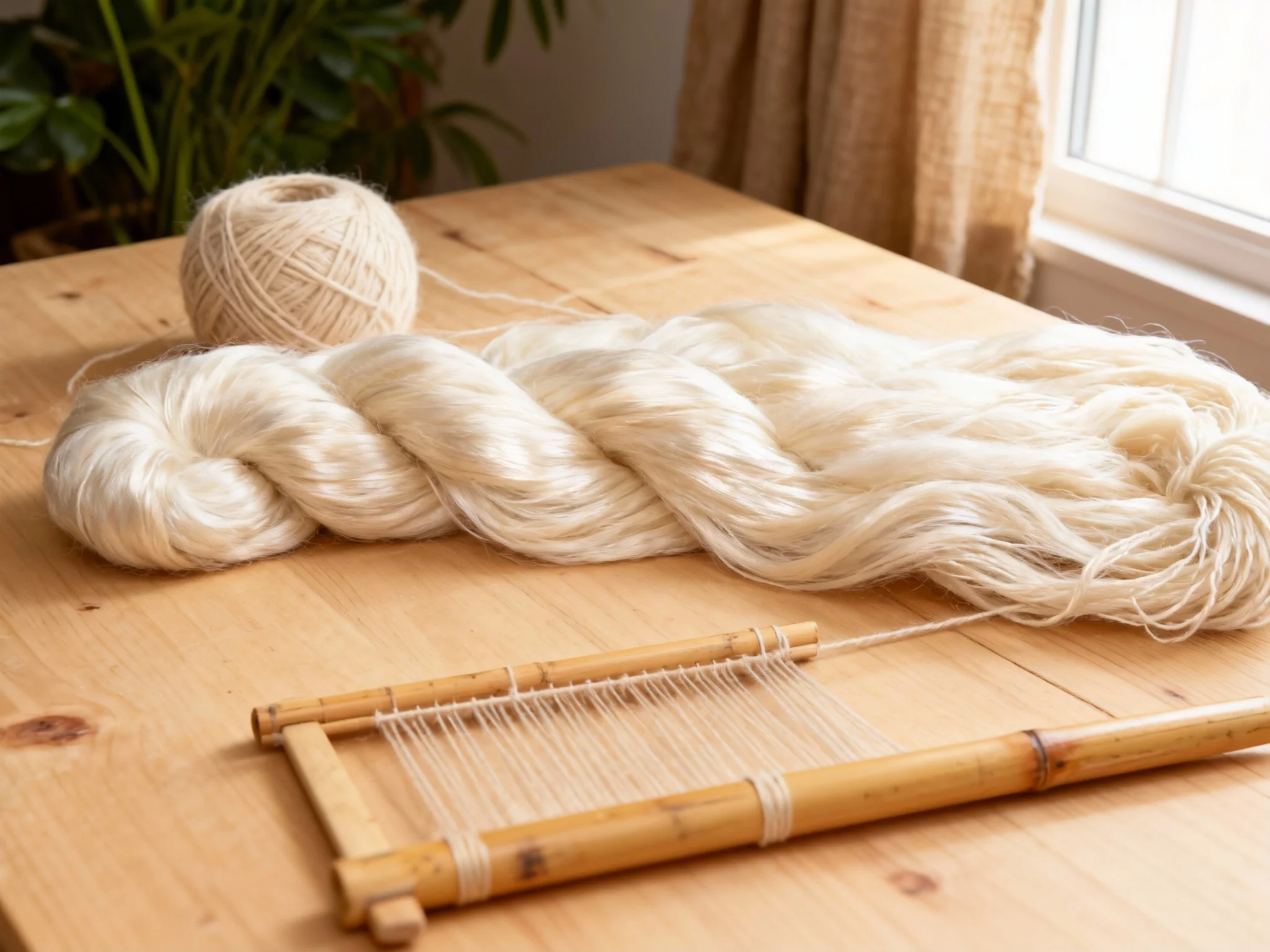
Sustainable textile sourcing encompasses the entire lifecycle of materials used in scarf manufacturing, including raw material cultivation, processing, dyeing, and transportation. Unlike fast fashion items, luxury scarves—often crafted from natural fibers like silk and wool—present unique sustainability opportunities through their potential for longevity, versatility, and biodegradability. These benefits must be balanced against the resource-intensive nature of traditional production methods.
The global sustainable fabrics market reached $32.74 billion in 2024, reflecting a significant industry shift toward environmentally responsible materials. Multiple factors drive this growth: increasing regulatory pressure (including the EU's CSRD and ESPR directives coming into force in 2025), consumer willingness to pay premium prices for sustainable products, and growing recognition of textile production's environmental footprint. For scarf manufacturers, this means both challenges and opportunities—the need to adapt to new standards while differentiating through sustainability credentials.
Key sustainability considerations in scarf production include water usage, chemical inputs, carbon emissions, and social impacts throughout the supply chain. The scarf manufacturing process typically involves several resource-intensive stages: fiber production, spinning, weaving or printing, dyeing, and finishing. Each stage presents opportunities for optimization, from selecting organic or recycled fibers to implementing waterless dyeing technologies and energy-efficient production methods.
Sustainable Material Selection for Scarves: Silk, Wool, and Beyond
The foundation of sustainable scarf production lies in thoughtful material selection. Natural fibers like silk and wool offer inherent sustainability advantages through biodegradability, though their environmental profiles vary significantly based on cultivation and processing methods. Understanding these nuances is essential for making informed sourcing decisions that align with ecological goals and product quality requirements.
Silk Scarf Production and Sustainability
Silk, prized for its luxurious drape and luster in high-end scarf production, presents a complex sustainability picture. Conventional sericulture requires significant water inputs—estimated at thousands of liters per kilogram of raw silk—and often involves chemical treatments. Innovations in sustainable silk production are changing this landscape. Recent studies indicate sustainably produced silk generates lower carbon emissions than cotton, wool, and polyester per tonne of fabric. Natural silk biodegrades completely within 1–5 years under appropriate conditions.
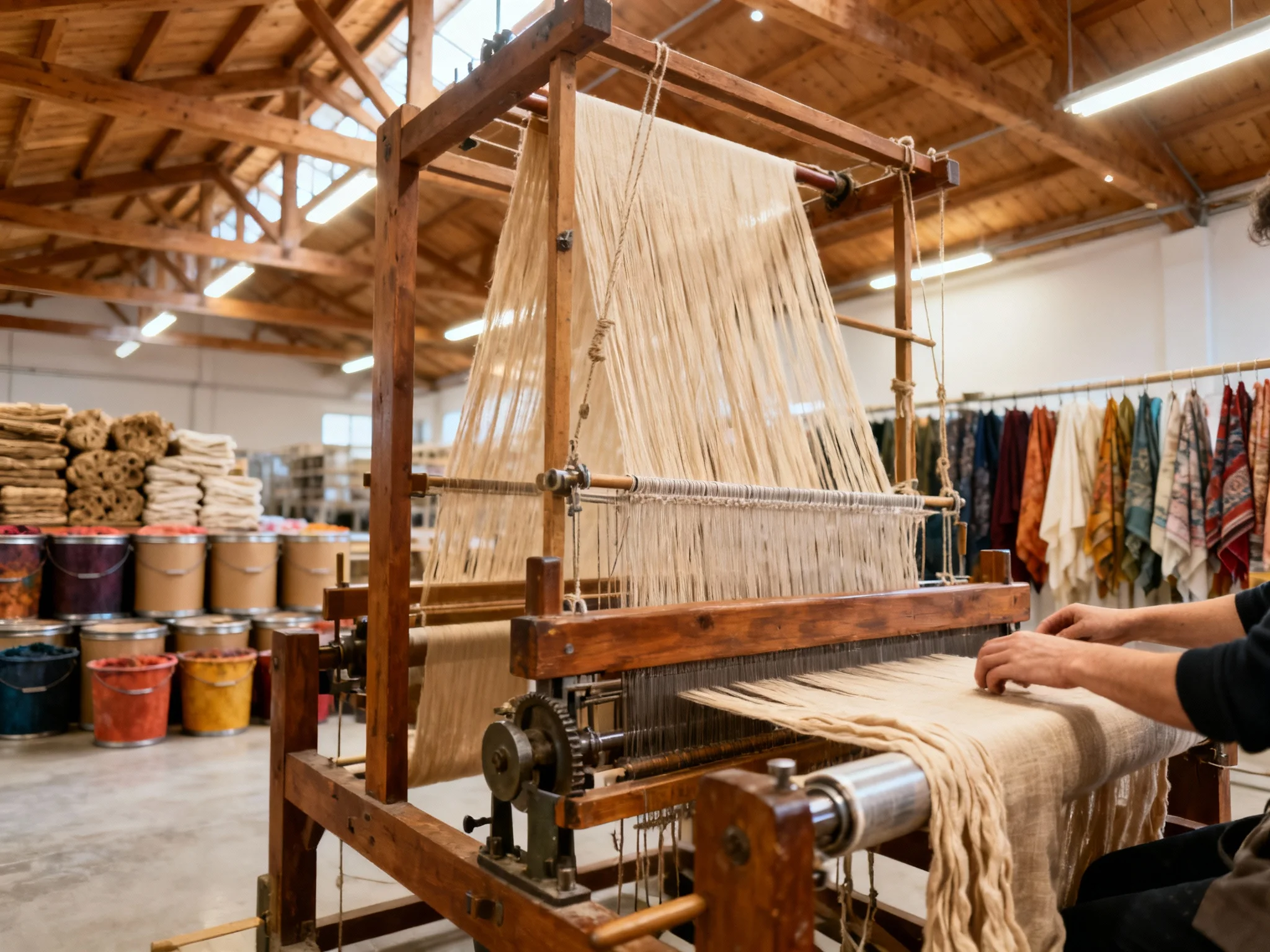
Key considerations for sustainable silk sourcing include:
- Organic sericulture practices that eliminate pesticide use
- Water-efficient reeling processes
- Non-toxic degumming agents
- Fair trade certification ensuring ethical labor practices
Wool Shawl Manufacturing Considerations
Wool, valued for its insulating properties and durability in shawl manufacturing, offers excellent longevity—a quality that enhances its sustainability credentials through extended product lifespan. Conventional wool production can contribute to land degradation, water pollution from sheep waste, and methane emissions from livestock, however. Sustainable wool sourcing focuses on:
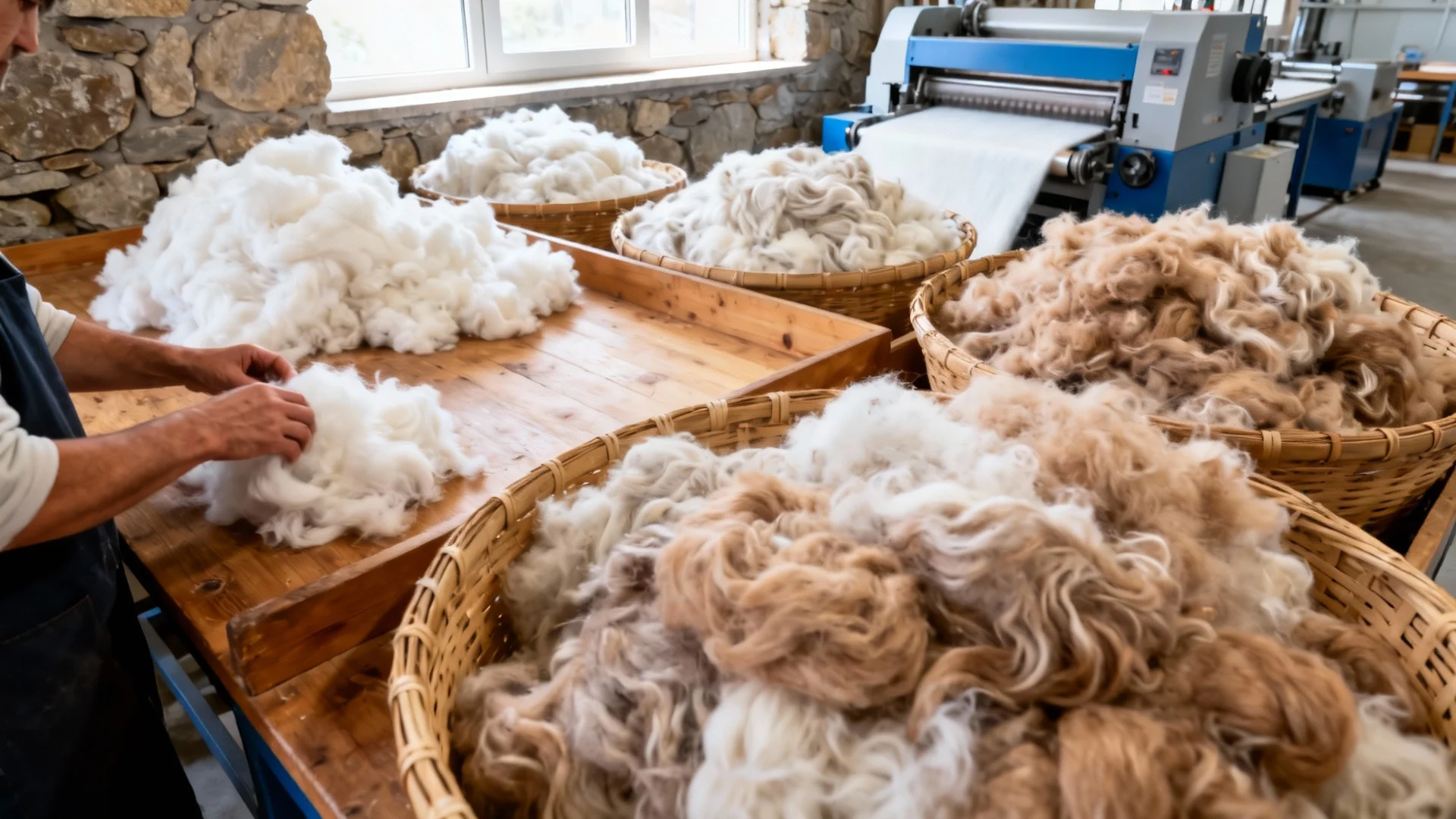
- Regenerative grazing practices that improve soil health
- Organic certification to ensure no synthetic pesticides or fertilizers
- Traceability systems from farm to finished product
- Animal welfare standards including humane shearing practices
Recent environmental impact assessments indicate sustainably produced wool can reduce water usage by up to 50% compared to conventional production methods while sequestering carbon through improved pasture management.
Innovative Sustainable Fibers
Beyond traditional materials, a new generation of sustainable fibers is emerging for scarf production:
- Recycled Fibers: Post-consumer textile waste repurposed into new yarns, reducing landfill waste and resource consumption
- Lyocell/Tencel: Produced from sustainably harvested wood pulp using closed-loop solvent systems that recycle 99% of chemicals
- Piñatex: Pineapple leaf fiber byproduct of fruit production, providing additional income stream for farmers
- Mylo: Mushroom mycelium-based leather alternative requiring minimal water and no pesticides
Each material presents unique advantages and considerations requiring alignment with brand values, product requirements, and target market expectations. Recycled polyester offers excellent water conservation benefits but may not meet the luxury positioning of high-end scarf brands seeking natural fiber credentials, for example.
Environmental Impact Comparison: Silk vs. Wool
A detailed comparison of silk and wool reveals nuanced environmental trade-offs that should inform sustainable sourcing decisions. Both fibers can be produced sustainably, but their impacts differ across key environmental indicators:
Water Usage
Silk production historically required extensive water inputs, particularly during the sericulture and reeling stages. Innovative techniques have significantly reduced consumption in sustainable operations, though. Recent data suggests water-efficient silk production uses approximately 2,500–4,000 liters per kilogram, comparing favorably to 8,000–10,000 liters for conventional wool production. These figures continue to improve as water recycling systems become more widespread in textile processing facilities.
Carbon Footprint
Sustainably produced silk generally exhibits a lower carbon footprint than wool, with estimates ranging from 5–8 kg CO₂e per kilogram for silk versus 15–20 kg CO₂e for conventional wool. These figures can vary dramatically based on production methods, transportation distances, and energy sources, however. Regenerative wool farming practices that sequester carbon in soil can potentially offset these emissions, creating carbon-negative production systems in some cases.
Land Use Efficiency
Wool production typically requires extensive grazing land, which can lead to deforestation and soil degradation when mismanaged. Silk requires mulberry tree cultivation, which can provide carbon sequestration benefits and support biodiversity when integrated into agroforestry systems. Intensive mulberry monocultures can deplete soil nutrients and require chemical inputs, underscoring the importance of organic certification.
Chemical Inputs
Both fibers may involve chemical processing, but the types and quantities differ significantly. Silk production traditionally uses chemicals in degumming and dyeing, while wool often requires insecticides, pesticides for pasture management, and harsh cleaning agents. Sustainable production methods for both materials prioritize non-toxic alternatives, with organic certifications verifying the absence of harmful substances.
When selecting between silk and wool for sustainable scarf production, brands must consider environmental factors alongside product performance requirements, consumer preferences, and price points. Many sustainable scarf manufacturers are exploring blended approaches, combining the best properties of different fibers while maximizing sustainability benefits.
Sustainable Production Processes: From Dyeing to Digital Printing
Material selection represents just the first step in sustainable scarf production. The manufacturing processes employed—particularly dyeing and printing—significantly impact a product's overall environmental footprint. Conventional textile dyeing is notoriously resource-intensive, consuming vast quantities of water and releasing toxic chemicals into waterways. Innovative approaches are transforming this aspect of production, offering both environmental and economic benefits through resource efficiency.
Eco-Friendly Dyeing Technologies
The textile industry is embracing several promising developments in sustainable dyeing:
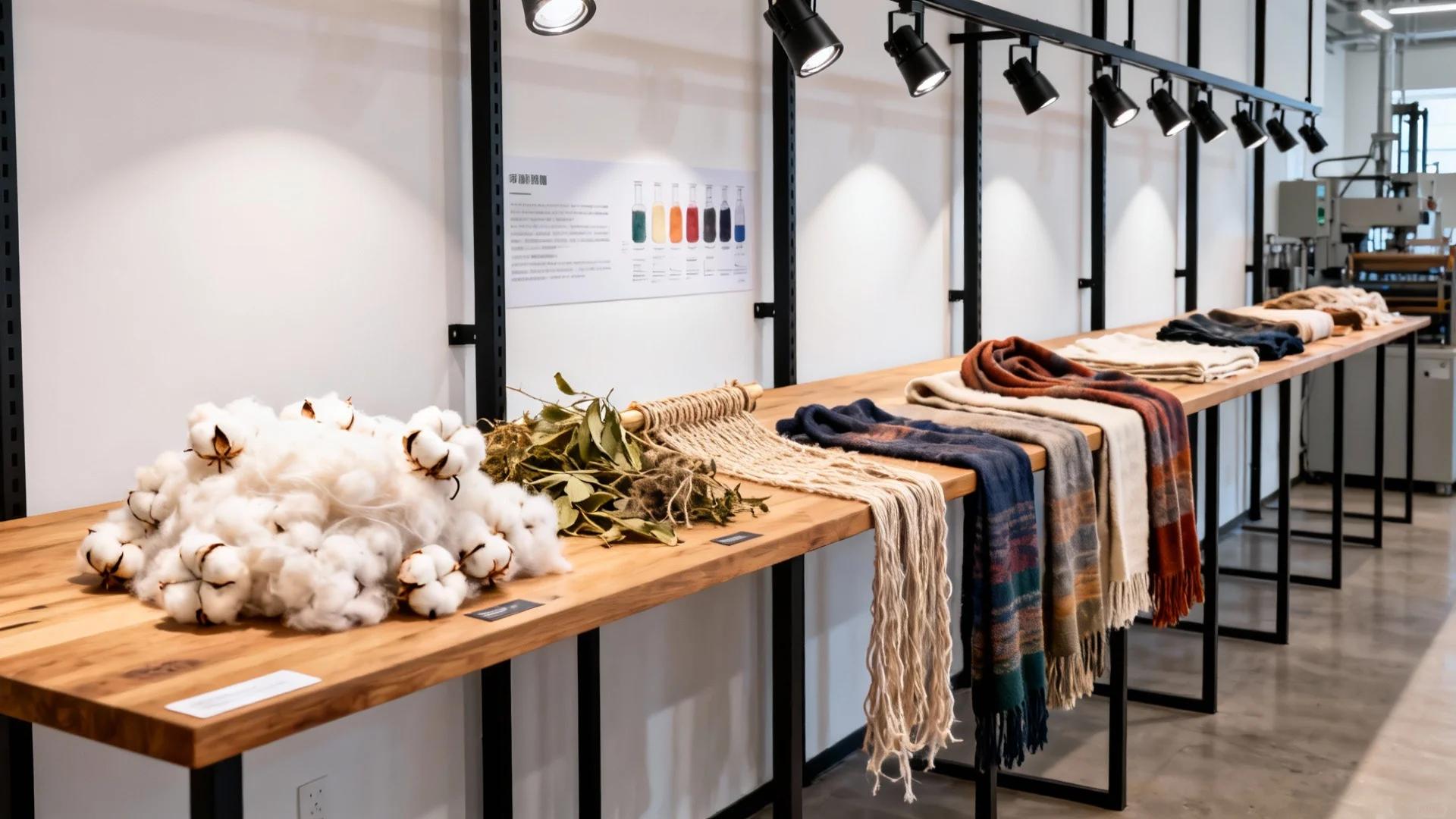
- Natural Dye Extraction: Plant-based dyes derived from renewable sources like indigo, turmeric, and madder root, often requiring less water and energy than synthetic alternatives
- Low-Impact Synthetic Dyes: Formulated to minimize toxic heavy metals and reduce water pollution while maintaining colorfastness
- Waterless Dyeing Systems: Technologies like DyeCoo's CO₂ dyeing that eliminate water use entirely, reducing consumption by up to 100% compared to conventional methods
- Eutectic Solvent Dyeing: A circular approach using optimized solvent systems that can be recycled through five or more dyeing cycles, significantly reducing chemical inputs
These innovations address environmental concerns while responding to regulatory pressures. The updated OEKO-TEX® regulations implemented in April 2025 introduce stricter limits on BPA, PFAS, and other harmful substances in textiles while expanding testing requirements for dyeing auxiliaries.
Digital Printing for Waste Reduction
Digital printing technology offers substantial sustainability advantages for scarf production by minimizing waste at multiple stages:
- Precision Ink Application: Reduces dye consumption by up to 50% compared to traditional screen printing
- Elimination of Screen Production Waste: Digital systems eliminate the need for physical screens, reducing material waste and setup time
- On-Demand Production: Enables shorter runs and just-in-time manufacturing, reducing inventory waste and storage requirements
- Water Conservation: Some digital printing processes use up to 95% less water than conventional methods
Manufacturers like FENNYSUN have leveraged advanced digital printing workflows to transform scarf manufacturing, achieving significant reductions in resource consumption while maintaining intricate designs and color vibrancy that distinguish premium scarves.
Energy-Efficient Production
Beyond dyeing and printing, overall energy management plays a critical role in sustainable scarf production. Implementing renewable energy sources, optimizing production scheduling to minimize machine idle time, and investing in energy-efficient equipment can collectively reduce carbon emissions by 30–50%. Facilities that implement comprehensive energy management systems often see rapid return on investment through reduced utility costs.
Supplier Assessment and Ethical Sourcing Frameworks
Sustainable scarf production extends beyond materials and manufacturing processes to encompass the entire supply chain. Selecting suppliers committed to ethical and environmental principles is essential for ensuring the integrity of sustainability claims and mitigating reputational risks. A robust supplier assessment framework addresses multiple dimensions of responsibility, from environmental practices to labor conditions and corporate governance.
Triple Bottom Line Assessment
Leading textile brands are increasingly adopting Triple Bottom Line (TBL) assessment models that evaluate suppliers across environmental, social, and economic criteria:
- Environmental Criteria: Carbon and water footprint, waste management practices, chemical usage, and compliance with environmental regulations
- Social Criteria: Labor standards, fair wages, health and safety conditions, child labor prevention, and community engagement
- Economic Criteria: Financial stability, payment terms, innovation capacity, and long-term partnership potential
Recent studies highlight the effectiveness of integrated assessment frameworks in driving meaningful supply chain improvements. A 2025 analysis of textile suppliers found those evaluated using TBL approaches demonstrated 28% lower environmental impacts and 42% higher worker satisfaction scores compared to industry averages.
Industry-Specific Certification Systems
Several certification systems provide valuable guidance for sustainable textile sourcing:
- Global Organic Textile Standard (GOTS): Covers the entire supply chain from fiber to finished product, requiring minimum 70% organic content and strict environmental and social criteria
- OEKO-TEX® Standard 100: Focuses on chemical safety, testing textiles for harmful substances and ensuring consumer safety
- Higg Materials Sustainability Index (MSI): Developed by the Sustainable Apparel Coalition to compare the environmental impacts of different materials
- Fair Trade Certified: Ensures fair compensation and safe working conditions for farmers and workers throughout the supply chain
When evaluating scarf suppliers, brands should look for complementary certifications that address different aspects of sustainability. Combining GOTS certification for organic materials with Fair Trade certification for ethical labor practices creates a more comprehensive sustainability profile, for example.
Practical Implementation Tools
Implementing an effective supplier assessment program requires both clear criteria and practical tools:
- Self-Assessment Questionnaires: Initial screening tool to identify potential partners and highlight areas for deeper investigation
- On-Site Audits: In-person evaluations to verify claims and observe practices firsthand
- Performance Scorecards: Regular evaluation of ongoing supplier performance against established metrics
- Collaborative Improvement Plans: Structured approaches to address identified gaps through joint problem-solving
- Technology Platforms: Digital solutions for supply chain mapping, traceability, and performance monitoring
These tools enable brands to move beyond compliance-focused auditing toward collaborative relationships that drive continuous improvement. Leading manufacturers are increasingly transparent about their supplier assessment processes, recognizing supply chain integrity has become a key differentiator in the sustainable fashion market.
Navigating Challenges in Sustainable Scarf Sourcing
While the transition to sustainable textile sourcing offers significant benefits, it also presents unique challenges requiring strategic navigation. Understanding these obstacles and developing proactive solutions is essential for building resilient, ethical supply chains that deliver both environmental and business value.
Supply Chain Complexity and Traceability
The global nature of textile production creates significant traceability challenges, as materials often pass through multiple stages and geographic locations before reaching the final manufacturer. This complexity can obscure environmental and social impacts, making it difficult to verify sustainability claims.
Key strategies for enhancing traceability include:
- Implementing blockchain technology for immutable record-keeping
- Developing direct relationships with fiber producers and processors
- Investing in digital supply chain management platforms
- Prioritizing shorter supply chains through regional sourcing when possible
Recent innovations in supply chain transparency have yielded promising results. A 2025 industry survey found brands implementing advanced traceability systems reduced instances of non-compliant materials by 63% while improving overall supply chain efficiency.
Cost Considerations and ROI
Sustainable materials and production methods often involve higher upfront costs, creating financial barriers to adoption. This perspective must account for both short-term investments and long-term returns, however:
- Total Cost of Ownership Analysis: Considering not just purchase price but also factors like waste reduction, energy savings, and consumer willingness to pay premium prices
- Phased Implementation Approach: Prioritizing high-impact sustainability measures that deliver quick ROI
- Collaborative Cost Reduction: Working with suppliers to identify joint efficiency improvements
- Consumer Value Proposition: Leveraging sustainability as a market differentiator to command price premiums
Market data supports this strategic approach. Sustainable clothing market projections indicate 10.3% annual growth through 2034, significantly outpacing conventional fashion segments. Consumer surveys consistently show willingness to pay 10–20% more for products with verified sustainability credentials, particularly in the luxury scarf category.
Regulatory Compliance and Green Claims
The evolving regulatory landscape presents both challenges and opportunities for sustainable scarf manufacturers. Key developments include:
- EU Corporate Sustainability Reporting Directive (CSRD): Mandating detailed sustainability reporting for companies operating in the EU
- Ecodesign for Sustainable Products Regulation (ESPR): Setting minimum environmental performance standards for textiles
- Green Claims Directive: Prohibiting misleading environmental marketing claims and requiring substantiation
These regulations demand greater transparency and accountability but also create a level playing field for brands committed to genuine sustainability. Compliance requires robust data collection systems and third-party verification of environmental claims.
Balancing Tradition and Innovation
In heritage textile-producing regions, sustainable innovation must often work in harmony with traditional craftsmanship. This delicate balance requires:
- Respecting artisanal knowledge while introducing modern sustainability techniques
- Investing in training programs that preserve traditional skills alongside new methods
- Creating market opportunities that value both cultural heritage and environmental responsibility
- Developing hybrid approaches that combine the best of traditional and innovative practices
This balanced approach not only preserves cultural traditions but often yields superior sustainability outcomes by drawing on time-tested ecological wisdom while incorporating modern technological advances.
Case Studies and Practical Applications in Sustainable Scarf Production
Real-world examples of successful sustainable scarf production provide valuable insights and inspiration for brands seeking to implement ethical sourcing practices. These case studies demonstrate that environmental responsibility and business success can go hand in hand, offering practical models for various production scales and market segments.
Luxury Sustainable Scarf Manufacturing
One notable example comes from a leading European scarf brand that transformed its production process through comprehensive sustainability measures. By implementing digital printing technology, the company reduced water consumption by 95% and chemical usage by 72% while maintaining the intricate designs that defined its brand identity. Concurrently, the brand established direct relationships with organic silk producers in Southeast Asia, implementing fair trade practices that increased farmer incomes by 35% while ensuring organic certification.
The results included:
- 40% reduction in overall production costs through resource efficiency
- 28% increase in retail prices supported by sustainability storytelling
- 65% improvement in supply chain transparency
- Enhanced brand loyalty among eco-conscious consumers
This case demonstrates the transformative potential of integrating sustainability across all aspects of scarf production, from material sourcing to manufacturing processes.
Mid-Market Innovation with Recycled Materials
A mid-sized scarf manufacturer serving boutique retailers implemented a different approach, focusing on recycled materials and circular design principles. By developing a closed-loop system that collects and recycles customer returns and production waste, the company created a new product line using 100% recycled fibers.
Key achievements included:
- 82% reduction in textile waste sent to landfill
- Development of a new revenue stream through waste collection program
- Certification as a B Corp, validating comprehensive sustainability practices
- Access to new market segments focused on circular fashion
This example illustrates how sustainability can drive innovation and market differentiation even for companies with more limited resources than luxury brands.
Small-Scale Artisanal Production
At the smaller end of the spectrum, a cooperative of artisan weavers in South America demonstrates how traditional techniques can align with modern sustainability principles. By reviving natural dyeing methods using locally sourced plants and implementing organic wool production, the group created a premium scarf line that commands international prices while preserving cultural heritage.
Notable outcomes:
- Creation of stable employment for 45 artisans in rural communities
- Development of drought-resistant dye gardens requiring minimal irrigation
- Carbon-negative production through agroforestry practices
- Direct-to-consumer sales model eliminating supply chain intermediaries
This case highlights the important role of traditional knowledge in sustainable textile production and demonstrates the market value of authentic craftsmanship paired with environmental stewardship.
FENNYSUN's Sustainable Production Approach
In the competitive landscape of scarf manufacturing, FENNYSUN has distinguished itself through strategic investments in sustainable technology and materials. The company's 30 years of industry experience has positioned it to implement comprehensive sustainability measures across its production processes. By combining traditional craftsmanship with innovative techniques, FENNYSUN exemplifies how established manufacturers can evolve toward more sustainable practices while maintaining product quality and market position.
The company's sustainable sourcing strategy encompasses:
- Rigorous supplier assessment protocols ensuring environmental and social responsibility
- Investment in digital printing technologies reducing resource consumption
- Development of innovative fiber blends that optimize sustainability without compromising performance
- Implementation of comprehensive traceability systems providing transparency to consumers
FENNYSUN's approach demonstrates that sustainable transformation is achievable within existing manufacturing frameworks, offering a practical model for established players in the scarf production industry.
Conclusion: The Future of Sustainable Scarf Production
As consumer demand for sustainable products continues to accelerate and regulatory pressures intensify, sustainable textile sourcing will only grow in importance for scarf manufacturers. The best practices outlined in this guide—from thoughtful material selection and innovative production processes to robust supplier assessment and transparent supply chain management—provide a roadmap for navigating this evolving landscape.
The case studies presented demonstrate that sustainability is not merely a cost center but an opportunity for innovation, market differentiation, and enhanced profitability. By embracing sustainable textile sourcing, scarf manufacturers can reduce environmental impacts while creating products that resonate with the values of today