As the fashion industry undergoes a profound sustainability transformation, understanding the environmental implications of accessory manufacturing has become imperative for brands and retailers alike. The scarf, a ubiquitous wardrobe essential with global appeal, presents a compelling case study in reimagining traditional production paradigms through eco-friendly innovation. This comprehensive analysis examines the environmental impact of conventional versus sustainable scarf manufacturing methods, offering actionable insights for fashion businesses navigating the complex intersection of ecological responsibility and commercial viability.
The Environmental Toll of Conventional Scarf Manufacturing
Traditional scarf production embodies the resource-intensive practices that have earned the fashion industry its reputation as one of the world's most environmentally damaging sectors. From fiber cultivation to finishing processes, conventional manufacturing creates a cascade of ecological challenges that brands can no longer disregard in an era of heightened consumer awareness.
Fiber Sourcing: The Hidden Environmental Cost
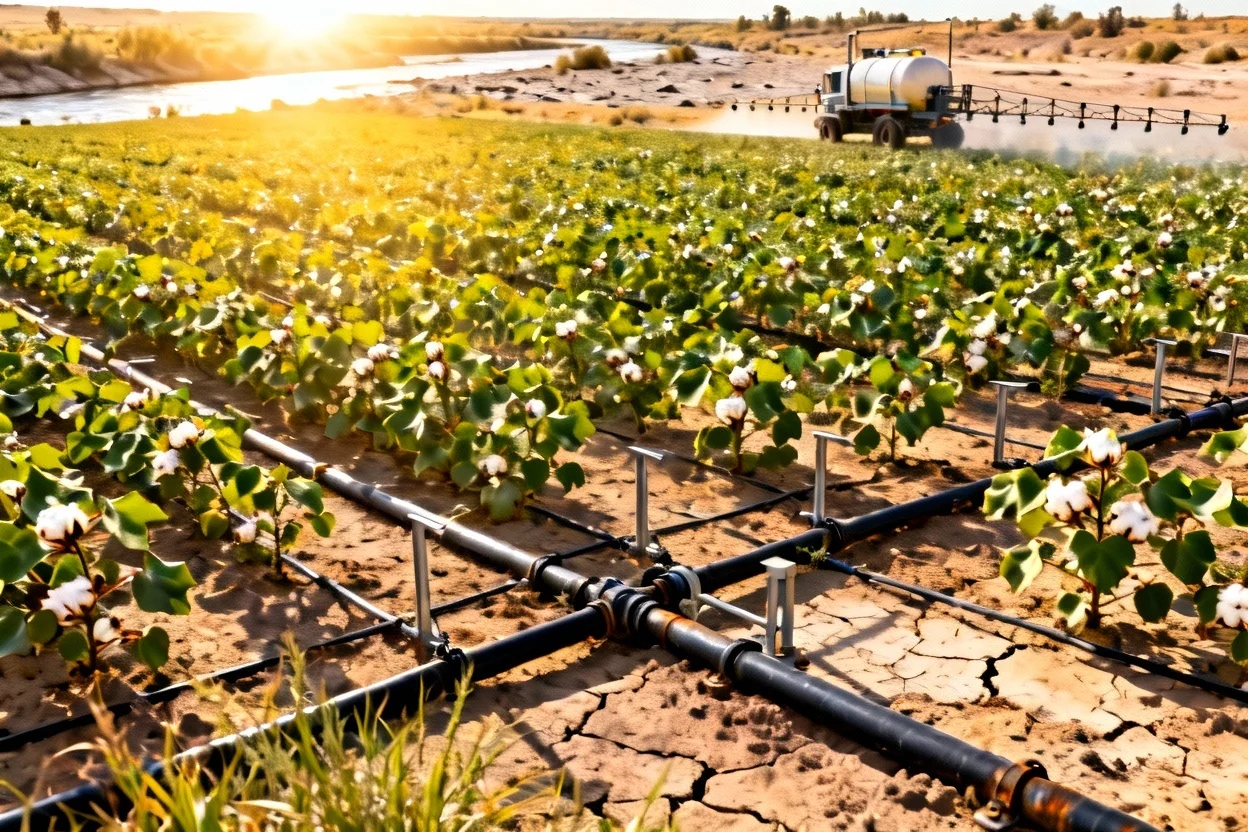
The environmental impact begins with material selection. Conventional cotton, a staple in scarf production, requires approximately 2,700 liters of water to produce a single kilogram—equivalent to what one person drinks over 2.5 years. Beyond water consumption, conventional cotton cultivation utilizes an array of harmful pesticides and insecticides, with an estimated 24% of global insecticide use concentrated in this sector alone. These chemicals not only degrade soil health but also contaminate waterways, affecting aquatic ecosystems and human communities downstream.
Synthetic materials present an alternative set of challenges. Polyester scarves, popular for their durability and affordability, contribute to microplastic pollution throughout their lifecycle. Research indicates that a single 5-kilogram load of laundry containing synthetic textiles can release over 700,000 microplastic fibers, many of which pass through wastewater treatment facilities into oceans and water systems.
Dyeing and Finishing: The Most Polluting Stages
The dyeing and printing processes represent the most environmentally damaging aspects of conventional scarf production. These stages typically consume up to 200 liters of water per kilogram of fabric and introduce a cocktail of toxic synthetic dyes and chemicals. The World Bank estimates that textile dyeing and treatment account for approximately 20% of global industrial water pollution, with many facilities discharging untreated wastewater containing heavy metals, azo dyes, and hazardous substances directly into local ecosystems.
Energy-intensive manufacturing processes further exacerbate the carbon footprint, while global supply chains compound environmental impact through transportation emissions and quality control challenges that often result in product waste. Compounding these environmental concerns, traditional manufacturing frequently overlooks ethical labor practices, with reports documenting poor working conditions and inadequate wages across various production hubs—creating a dual exploitation of both environmental and human resources.
The Rise of Sustainable Scarf Production: Materials and Methods
Driven by consumer demand, regulatory pressure, and genuine corporate responsibility, sustainable scarf production has evolved from niche experiment to commercial necessity. 2025 market trends indicate a definitive shift toward manufacturing processes that prioritize environmental stewardship without compromising quality or aesthetic appeal—a transformation supported by innovations in materials science and production technology.
Revolutionary Material Alternatives
At the forefront of this sustainability revolution lies material innovation. Recycled polyester, created from post-consumer plastic bottles, has emerged as a viable alternative to virgin polyester, diverting waste from landfills while requiring up to 70% less energy during production. The environmental benefits are substantial: each kilogram of recycled polyester prevents approximately 6 kilograms of CO₂ emissions compared to conventional production methods.
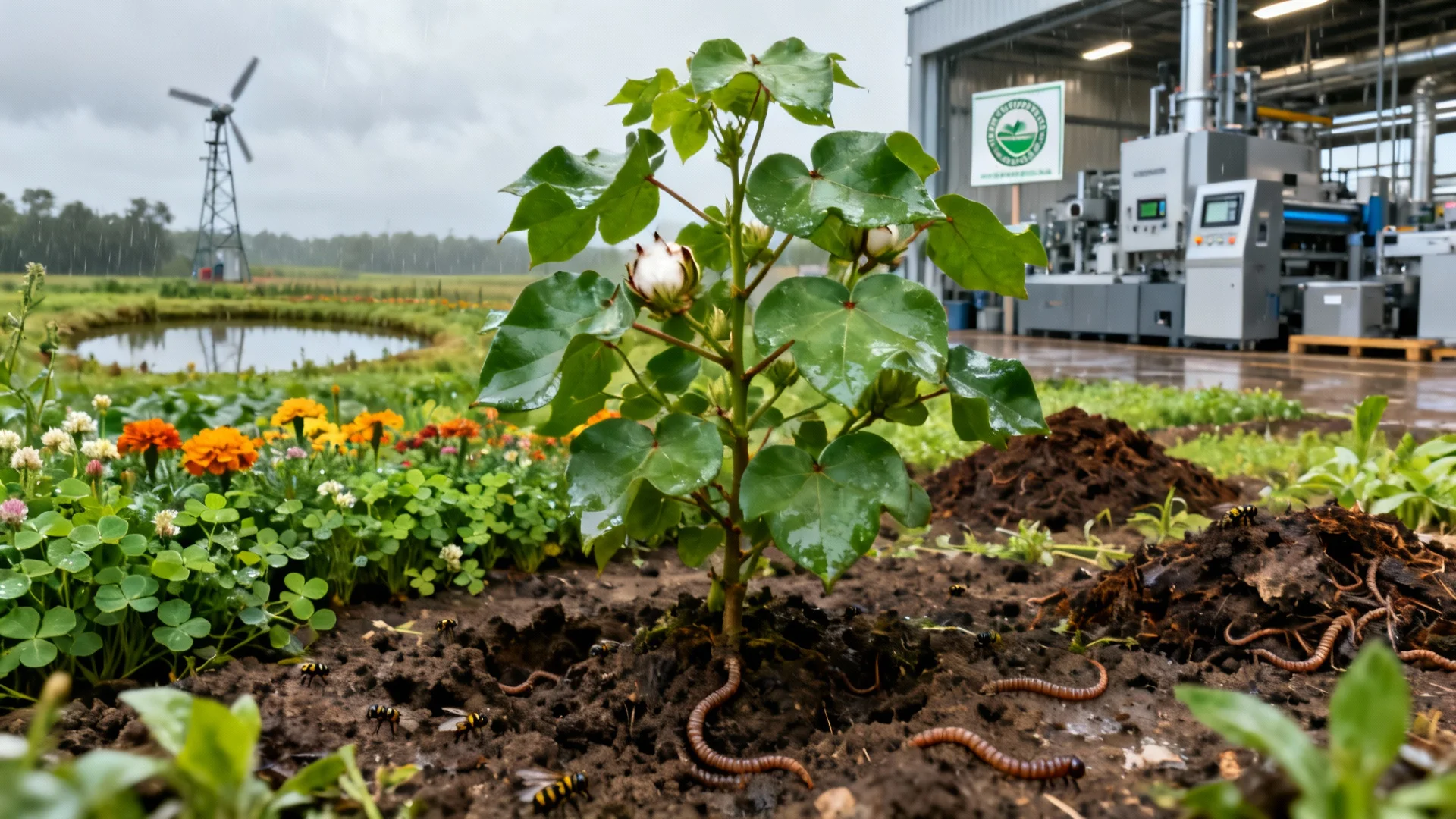
Organic cotton represents another crucial advancement, eliminating harmful pesticides while reducing water consumption by up to 91% compared to conventional cultivation. This dramatic reduction is achieved through rainwater harvesting, crop rotation, and natural pest management techniques that simultaneously improve soil health and biodiversity.
Innovative natural materials are expanding the sustainable toolkit further. Organic bamboo, valued for its rapid growth and minimal resource requirements, requires no pesticides and absorbs five times more carbon dioxide than equivalent trees. Tencel™ and other lyocell fibers offer biodegradable alternatives produced through closed-loop systems that recycle over 99% of water and solvents used in manufacturing. The luxury segment has embraced peace silk, which allows silkworms to complete their natural metamorphosis before silk harvesting, addressing ethical concerns associated with traditional silk production methods.
Technological Innovations in Sustainable Production
Waterless dyeing technologies represent a paradigm shift in scarf manufacturing, reducing water usage by up to 95% compared to conventional methods while minimizing harmful chemical release. Air dyeing, for instance, uses compressed air to force dye into fabric fibers, eliminating the need for water baths entirely. Similarly, digital printing techniques enable precise color application with minimal waste, reducing dye consumption by approximately 30% while offering greater design flexibility.
These technological advancements are increasingly supported by recognized certification standards that provide credibility and transparency. The Global Organic Textile Standard (GOTS) has emerged as the premier certification for organic textiles, establishing strict environmental and social criteria throughout the supply chain. GOTS certification ensures scarves meet rigorous standards for organic fiber content, environmentally responsible processing, and ethical labor practices—credentials that have become essential for consumer communication and market differentiation.
Quantitative Comparison: Environmental Impact Metrics
A data-driven analysis reveals stark differences in environmental impact between traditional and sustainable scarf production methods across key sustainability metrics. These quantifiable disparities not only demonstrate the viability of sustainable alternatives but also underscore the business case for adoption in an increasingly eco-conscious marketplace.
Carbon Footprint Reduction
Carbon footprint analysis demonstrates significant environmental benefits from sustainable production methods. Lifecycle assessment studies indicate that a conventional cotton scarf generates approximately 5-7 kg of CO₂ equivalents during production, while an organic cotton scarf produced with renewable energy sources can reduce this by 40-60%. The disparity becomes even more pronounced when comparing synthetic scarves: recycled polyester scarves cut carbon emissions by up to 73% compared to their virgin polyester counterparts, according to the Ellen MacArthur Foundation's textile circularity research.
Water Conservation Breakthroughs
Water consumption presents perhaps the most dramatic contrast between conventional and sustainable approaches. Traditional scarf manufacturing consumes an average of 1,500-2,000 liters per scarf across all production stages from fiber cultivation to finishing. In contrast, scarves produced using water-efficient processes and sustainable materials require as little as 100-200 liters per unit—a reduction of up to 90%.
Innovations driving these reductions include air-dyeing technology, which eliminates water usage in the dyeing process entirely, and closed-loop water systems that capture, filter, and recirculate water throughout production facilities. These technologies prove particularly impactful in dyeing and finishing stages that traditionally account for 80-90% of a scarf's total water footprint.
Waste Minimization Strategies
Waste generation represents another critical area of difference. Conventional production creates substantial textile waste at multiple stages, with cutting and finishing operations typically producing waste equivalent to 15-20% of total fabric usage. Sustainable production addresses this through pattern optimization, zero-waste design techniques, and recycling programs that capture and repurpose production scraps.
Leading sustainable manufacturers have achieved near-zero waste production by implementing computer-aided pattern design that maximizes fabric utilization, often achieving 95% or higher material efficiency. Additionally, innovative approaches such as upcycling production waste into complementary accessories or filler materials for other products further minimize environmental impact while creating additional revenue streams.
Chemical Reduction and Worker Safety
Chemical usage presents significant concerns for both environmental and human health in traditional production. Conventional dyeing processes can involve over 2,000 different chemicals, including heavy metals, formaldehyde, and carcinogenic substances linked to various health issues among textile workers.
Sustainable production drastically reduces chemical reliance through natural dyes derived from plants, insects, and minerals; low-impact coloring agents that meet stringent toxicity standards; and GOTS-approved chemical formulations that prioritize biodegradability and reduced aquatic toxicity. These safer alternatives not only reduce environmental contamination but also improve factory working conditions, addressing the often-overlooked social component of sustainability.
2025 Sustainable Scarf Production: Emerging Trends and Innovations
The sustainable scarf market continues to evolve rapidly, with 2025 trends reflecting an industry maturing in its integration of environmental considerations with functional and design requirements. These innovations signal a fundamental shift toward production systems that work in harmony with natural resources rather than depleting them.
Advanced Material Innovations
Material innovation remains the cornerstone of sustainable scarf production advancement, with several promising developments gaining commercial traction. Beyond established options like recycled polyester and organic cotton, emerging materials are pushing sustainability boundaries further:
Mylo™ and other mushroom-based textiles have expanded beyond apparel into accessories, offering leather-like qualities with minimal environmental impact. These materials require no arable land, use negligible water, and biodegrade naturally at end-of-life. Seaweed-based textiles represent another breakthrough, requiring no freshwater or pesticides while sequestering carbon during growth. Production facilities can cultivate seaweed directly in ocean environments or controlled tanks, avoiding competition with food crops for land resources.
Biofabrication techniques are also transforming material possibilities. Lab-grown cellulose fibers produced through microbial fermentation offer consistent quality with dramatically reduced resource requirements. These bioengineered materials can be designed with specific performance characteristics, potentially eliminating the need for chemical treatments to achieve desired textures or durability.
Digital Technology Integration
Digital transformation is revolutionizing sustainable scarf production through precision manufacturing and resource optimization:
Advanced digital printing technologies now achieve water savings of up to 95% compared to traditional screen printing while offering superior color accuracy and design complexity. These systems utilize pigmented inks that require minimal water for cleanup and can be precisely applied to reduce waste.
Artificial intelligence applications are optimizing production processes through predictive modeling of dye absorption, material performance, and energy requirements. Machine learning algorithms analyze production data to identify efficiency opportunities, such as adjusting dye bath temperatures or cycle times to minimize resource consumption while maintaining quality standards.
Laser cutting technology has evolved to reduce textile waste by enabling intricate, precision patterns that maximize fabric utilization. These systems can also create unique textural effects without chemical treatments, further enhancing sustainability credentials.
Circular Economy Implementation
Circularity concepts are integrating more deeply into scarf production processes, moving beyond simple recycling to encompass entire product lifecycles:
Take-back programs have become increasingly sophisticated, with brands developing systems to collect, sort, and process used scarves for recycling into new materials. Some companies have established closed-loop systems where old scarves become feedstock for new production, creating material circularity that dramatically reduces virgin resource requirements.
Modular design approaches are gaining popularity, with scarves constructed in components that can be easily disassembled for repair or repurposing. This design philosophy extends product lifespans while allowing for style updates through replaceable elements.
The luxury segment, in particular, has embraced circular business models, leveraging the durability and timeless design of high-quality scarves to implement repair services, resale platforms, and rental programs. These initiatives not only extend product lifespans but also create new revenue streams and deepen customer relationships.
Transparency and Traceability
Consumer demand for transparency has driven significant advancements in supply chain visibility:
Blockchain technology is creating immutable records of a scarf's journey from fiber to finished product, enabling consumers to verify sustainability claims through digital platforms. These systems document material origins, production processes, and certification compliance in real time.
QR codes embedded in scarf labels provide instant access to detailed environmental impact data, certification information, manufacturing facility conditions, and care instructions that maximize longevity. This level of transparency has transitioned from a marketing advantage to a basic consumer expectation, particularly among younger demographics.
Strategic Implementation Framework for Fashion Businesses
Transitioning to sustainable scarf production requires a strategic approach that balances environmental goals with business practicality, ensuring initiatives deliver both ecological benefits and commercial value. Based on successful industry implementations, fashion businesses can adopt several key strategies to reduce environmental footprint while maintaining product quality and meeting market demands.
Material Transition Strategy
Material selection forms the foundation of sustainable scarf production and warrants a comprehensive lifecycle perspective. Rather than simply substituting one fiber for another, brands should conduct thorough assessments of each material's environmental impact across its entire lifecycle—from cultivation or extraction through production, use, and disposal.
A practical approach involves implementing material transitions gradually:
- Blend Introduction: Begin with blends combining conventional and eco-friendly fibers (e.g., 30% organic cotton/70% conventional cotton) to manage costs while introducing sustainability benefits.
- Product Line Prioritization: Target high-visibility or best-selling scarf lines for initial sustainable material adoption to maximize impact and marketing value.
- Supplier Development: Collaborate with suppliers to develop capabilities in sustainable material processing, providing technical support or shared investment in necessary equipment.
- Consumer Education: Develop transparent communication about material benefits to justify potential price differentials and build market demand for sustainable options.
This phased implementation allows for manageable adjustment periods while building internal expertise and supplier relationships necessary for full transition.
Production Process Optimization
Manufacturing process optimization offers significant sustainability gains without requiring complete facility overhauls:
Water Conservation: Installing water recycling systems can reduce water consumption by 50-80% by treating and reusing wastewater from dyeing and finishing processes. Simple measures like low-flow faucets, spray nozzles, and sensor-controlled water usage also yield meaningful savings with minimal investment.
Energy Efficiency: Upgrading to energy-efficient lighting, machinery, and HVAC systems reduces carbon emissions while lowering operational costs. Renewable energy integration—whether through on-site generation or power purchase agreements—can further decarbonize production.
Waste Reduction: Implementing lean manufacturing principles minimizes textile waste by optimizing pattern layouts, standardizing cutting processes, and reducing cutting scraps. Software solutions for pattern optimization can increase material utilization by 5-15%, directly impacting bottom-line costs while reducing environmental impact.
Chemical Management: Conducting a chemical inventory and hazard assessment identifies opportunities to replace toxic substances with safer alternatives. Implementing closed-loop chemical recovery systems captures and reuses solvents and dye chemicals, reducing both costs and environmental release.
For businesses unable to invest in new equipment, process adjustments like extending dye bath lifespans, reducing rinse cycles, and optimizing loading capacities still yield meaningful environmental improvements with minimal capital expenditure.
Certification and Compliance Strategy
Certification provides a valuable framework for sustainable scarf production, guiding businesses through best practices while enhancing marketability. A strategic approach to certification involves:
Priority Identification: Assess which certifications best align with brand values, customer expectations, and market positioning. GOTS certification offers comprehensive coverage for organic textiles, while OEKO-TEX® focuses specifically on chemical safety. Fair Trade certification addresses ethical labor practices, while Cradle to Cradle® emphasizes circular design principles.
Incremental Pursuit: Pursue certification incrementally, starting with key product lines before expanding company-wide. This phased approach allows for manageable implementation while building internal expertise in sustainable practices.
Integration with Quality Assurance: Embed certification requirements into existing quality management systems to ensure ongoing compliance and avoid creating parallel processes.
Stakeholder Communication: Develop compelling narratives around certification achievements, translating technical requirements into consumer-friendly language that highlights tangible benefits to both people and planet.
Supply Chain Collaboration
Supplier collaboration proves essential for implementing sustainable scarf production at scale. Successful approaches include:
Long-term Partnership Development: Shift from transactional supplier relationships to strategic partnerships focused on shared sustainability goals. These relationships enable joint innovation while providing stability for both parties.
Capacity Building: Provide suppliers with technical assistance, training programs, and financial support to implement sustainable practices. This might include funding for equipment upgrades, training on water conservation techniques, or support in navigating certification requirements.
Collaborative Problem-Solving: Establish joint development projects focused on specific sustainability challenges, such as reducing water usage in dyeing or developing innovative material blends. These collaborative efforts often yield solutions that benefit multiple partners across the supply chain.
Supply Chain Mapping: Develop comprehensive visibility into multi-tiered supply chains to identify environmental impact hotspots and improvement opportunities. This mapping exercise often reveals unexpected opportunities for sustainability gains in earlier production stages.
The Business Case for Sustainable Scarf Production
Beyond environmental stewardship, sustainable scarf production offers compelling business advantages that position fashion brands for long-term success in an increasingly eco-conscious marketplace. The economic rationale for sustainability continues to strengthen as consumer preferences evolve, regulatory pressures increase, and operational efficiencies improve.
Consumer Demand and Market Opportunity
Consumer demand for sustainable scarves has reached unprecedented levels, creating substantial market opportunity for forward-thinking brands. Market research indicates that 67% of consumers now consider environmental factors when making fashion purchasing decisions, with 58% reporting they would pay premium prices for sustainably produced items.
This demand translates directly to commercial performance:
- Sustainable fashion is projected to grow 10-15% annually through 2030, significantly outpacing the broader fashion market's 2-3% growth rate.
- Brands prioritizing sustainable scarf production report price premiums of 10-30% for certified sustainable products compared to conventional alternatives.
- Customer loyalty metrics show significant improvement among consumers purchasing sustainable scarves, with repeat purchase rates 20-35% higher than for conventional products.
The scarf category particularly benefits from its position as an accessible luxury item where consumers are often willing to invest in higher-quality, more sustainable options that offer versatility and longevity.
Operational Efficiency and Cost Savings
Sustainable production methods frequently deliver substantial operational efficiencies and cost savings that improve bottom-line performance:
Water and energy conservation measures typically generate return on investment within 1-3 years through reduced utility expenses. For example, water recycling systems can reduce water bills by 50-80% while minimizing wastewater treatment costs and potential regulatory penalties.
Waste reduction strategies directly impact material costs—a critical factor since fabric represents 30-40% of total scarf production expenses. By optimizing pattern layouts and reducing cutting waste from 15% to 5%, a manufacturer producing 100,000 scarves annually could save approximately $50,000-$150,000 in material costs depending on fabric type and price point.
Sustainable manufacturing processes often require less chemical input, further reducing variable costs while minimizing exposure to petroleum-based input price volatility. Additionally, as scale increases and technology advances, the cost premium for sustainable scarf production continues to shrink, with some eco-friendly materials and processes now achieving price parity with conventional alternatives.
Risk Mitigation and Regulatory Compliance
Proactively implementing sustainable scarf production methods helps brands mitigate multiple business risks while positioning for emerging regulatory requirements:
Governments worldwide are implementing stricter environmental standards for textile production, including the European Union's Circular Economy Action Plan, France's Anti-Waste for a Circular Economy Act, and China's Environmental Protection Tax. These regulations increasingly target textile production's water pollution, carbon emissions, and waste generation, with non-compliance potentially resulting in fines, production restrictions, or market access limitations.
Sustainable practices also reduce exposure to reputational risks from environmental incidents, which have become increasingly damaging in the age of social media and consumer activism. A single pollution incident or labor violation in the supply chain can result in social media backlash, consumer boycotts, and retail partner pressure that far outweigh any short-term cost savings from unsustainable practices.
By implementing sustainable production methods ahead of regulatory requirements, brands can avoid costly retrofits while positioning themselves as industry leaders rather than compliance followers.
Competitive Differentiation
In an increasingly crowded marketplace, sustainability has become a powerful differentiator for scarf brands:
Sustainable production offers numerous storytelling opportunities—from innovative material origins to transparent manufacturing processes—that create emotional connections with consumers. These narratives help brands stand out in a market saturated with conventional offerings.
Retailers