In an era where environmental consciousness drives both consumer choices and industry innovation, sustainable textile practices have emerged as a critical differentiator for fashion brands and accessories manufacturers worldwide. The global scarf market, valued at approximately $26.22 billion in 2025 and projected to grow at an 8.32% compound annual growth rate through 2032, is undergoing a profound transformation as sustainability evolves from a niche concern to a mainstream business requirement. For boutiques, specialty retailers, and fashion brands evaluating manufacturing partners, understanding the latest advancements in sustainable scarf production is essential for making informed sourcing decisions and meeting the rapidly evolving expectations of environmentally conscious customers.
The Sustainability Imperative in Modern Scarf Manufacturing
The fashion accessories sector faces increasing pressure to address its environmental footprint across the entire product lifecycle. Historically, scarf production has involved resource-intensive processes and significant waste generation, contributing to water pollution, excessive resource consumption, and textile waste accumulation. These challenges have prompted industry leaders to adopt more responsible approaches throughout their supply chains.
As consumer awareness grows—with 35% of B2B buyers specifically researching sustainable manufacturing practices when evaluating suppliers—demonstrating genuine environmental commitment has become a key competitive advantage. Sustainable scarf production encompasses multiple interconnected dimensions: material selection, dyeing processes, printing technologies, and ethical labor practices. Each环节 presents distinct opportunities for reducing environmental impact while maintaining, and often enhancing, product quality and aesthetic appeal. Industry reports consistently show that brands incorporating sustainable practices experience increased customer loyalty and market share, with eco-friendly products often commanding premium pricing and stronger margins in today's competitive landscape.
Eco-Friendly Scarf Materials: The Foundation of Sustainable Production
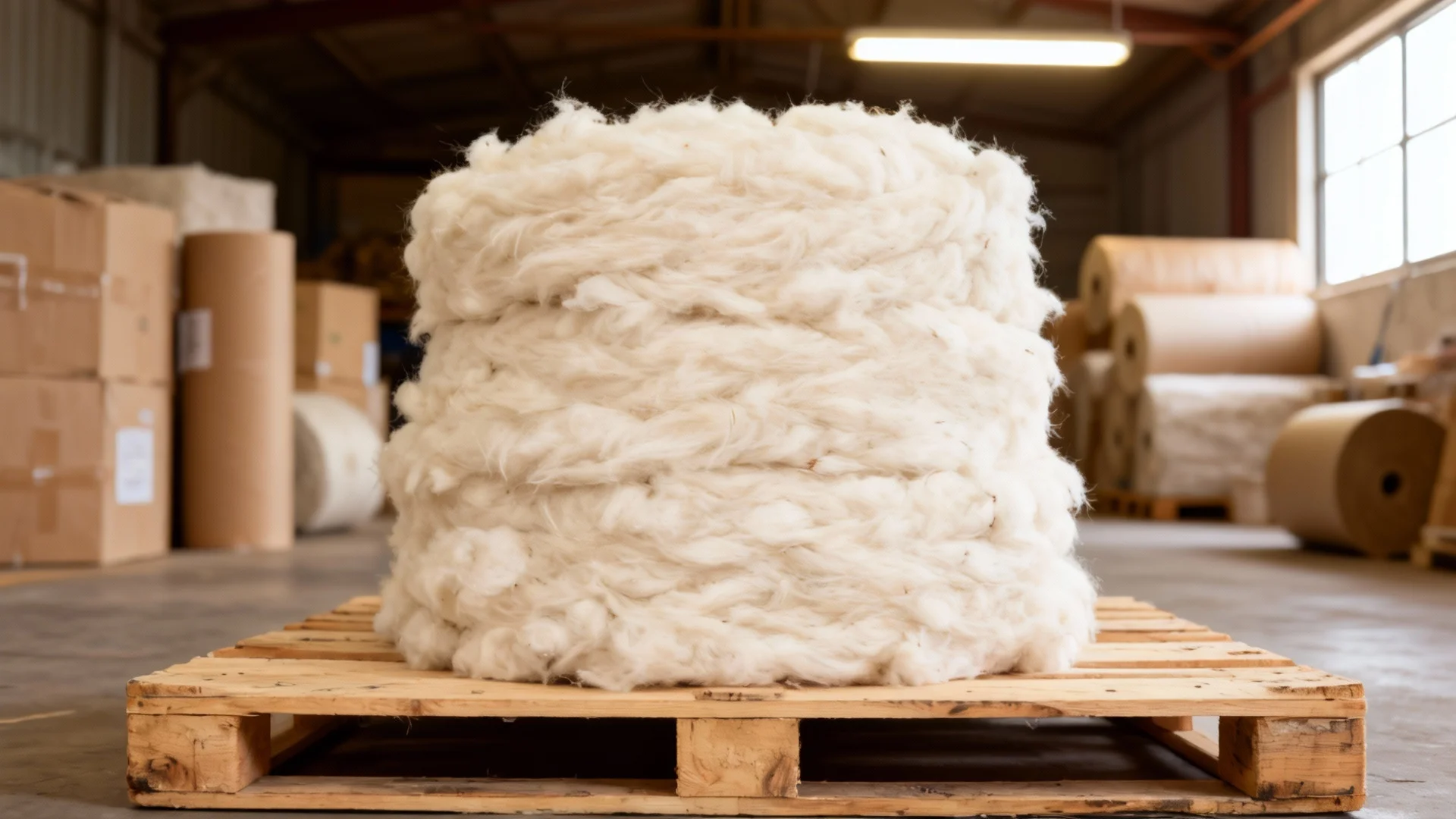
Material selection represents the first critical decision point in sustainable scarf production, with significant implications for environmental impact throughout the product lifecycle. Progressive manufacturers are moving beyond conventional fabrics to embrace innovative, eco-friendly alternatives that reduce resource consumption and minimize waste generation.
Organic natural fibers form the cornerstone of sustainable scarf materials. The Global Organic Textile Standard (GOTS) certification has emerged as the preeminent benchmark for responsible sourcing, ensuring textiles contain at least 70% organic natural fibers with strict environmental and social criteria governing production from raw material harvesting through manufacturing. This comprehensive standard addresses both ecological concerns and labor conditions, ensuring fair wages and safe working environments throughout the supply chain.
Innovative fiber technologies are rapidly expanding possibilities for sustainable scarf production. Recycled polyester, created from post-consumer plastic bottles, offers a lower-impact alternative to virgin polyester while maintaining comparable durability and performance characteristics. Similarly, Tencel™ and other lyocell fibers provide biodegradable options with significantly lower water consumption compared to conventional cotton production—often requiring up to 95% less water during manufacturing.
Leading manufacturers are also exploring unconventional sustainable materials, including bamboo fiber, hemp, and even pineapple leaf fiber (Piñatex®). Each material offers unique aesthetic qualities alongside specific environmental benefits. These innovative materials not only reduce reliance on non-renewable resources but also provide opportunities for product differentiation in an increasingly crowded market, allowing brands to tell compelling sustainability stories through their material choices.
Revolutionizing Dyeing Processes: From Pollution to Preservation
Dyeing represents one of the most resource-intensive and environmentally challenging stages of scarf production. Traditional methods require vast quantities of water—often hundreds of liters per kilogram of fabric—and frequently utilize potentially hazardous chemicals. The industry is responding with innovative approaches that dramatically reduce environmental impact while maintaining color vibrancy and fastness.
Waterless dyeing technologies have emerged as transformative innovations, eliminating the need for excessive water usage in the coloring process. These systems utilize supercritical carbon dioxide or other advanced methods to infuse color directly into fibers, reducing water consumption by up to 95% compared to conventional dyeing. While initial investment costs may be higher, long-term savings in water and chemical usage, along with regulatory compliance benefits, make these systems increasingly economically viable for forward-thinking manufacturers.
For manufacturers utilizing water-based dyeing, closed-loop systems are becoming the new industry standard. These sophisticated recycling systems treat and reuse wastewater, significantly reducing both water consumption and pollution. Case studies from textile facilities implementing zero liquid discharge (ZLD) systems demonstrate that water reuse rates of 90% or higher are achievable, with corresponding reductions in operational costs and environmental impact.
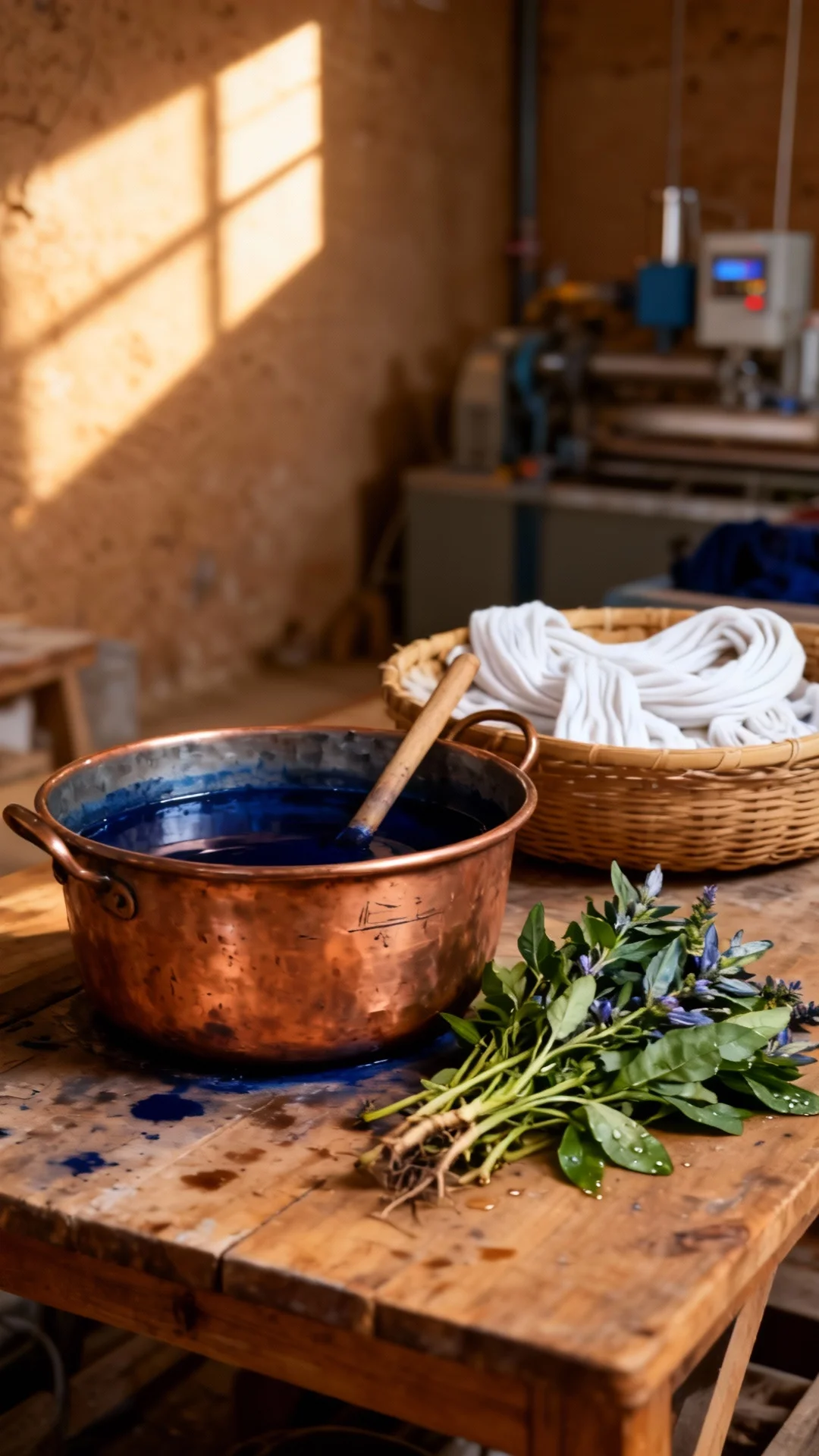
Natural dye alternatives are gaining significant traction for brands seeking to minimize chemical usage. Derived from plants, minerals, and even insects, these dyes offer unique color palettes while reducing reliance on synthetic chemicals. Recent advances in natural dye extraction and application techniques have effectively addressed historical challenges with color fastness and consistency, making these options increasingly viable for commercial production. From indigo and turmeric to cochineal and madder root, natural dyes provide both environmental benefits and distinctive aesthetic characteristics that appeal to discerning consumers.
Digital Printing: Precision, Personalization, and Environmental Advantages
Digital textile printing has revolutionized scarf production, offering significant environmental advantages alongside unprecedented creative flexibility. This technology enables precise application of color and pattern, reducing waste while expanding design possibilities for brands and designers.
The water savings associated with digital printing are substantial, with industry data indicating reductions of 60-95% compared to traditional screen printing methods. Unlike conventional approaches requiring water-intensive setup and cleaning processes, digital systems apply ink directly to fabric with minimal waste. This efficiency not only reduces environmental impact but also lowers production costs and shortens lead times—a triple benefit for manufacturers and brands alike.
Energy consumption is another area where digital printing outperforms traditional methods, with some systems showing 40-50% lower energy requirements. Eliminating screen production and associated chemicals further reduces the environmental footprint of scarf manufacturing, supporting broader sustainability goals across the supply chain.
Digital printing also enables on-demand production models, a key factor in reducing textile waste throughout the industry. By allowing manufacturers to produce smaller batches economically, this technology helps align supply with actual demand, minimizing overproduction and associated environmental consequences. For fashion brands, this translates to reduced inventory costs, improved sustainability credentials, and greater responsiveness to rapidly changing market trends and consumer preferences.
Ethical Scarf Manufacturing: Social Responsibility in Sustainable Production
Sustainable scarf production extends beyond environmental considerations to include ethical labor practices and social responsibility throughout the supply chain. Today's consumers and business partners increasingly expect transparency and fair treatment of workers at all stages of manufacturing.
Third-party certifications provide valuable frameworks for ensuring ethical production standards. In addition to GOTS, standards such as Fair Trade Certified™ and SA8000 establish comprehensive criteria for fair wages, safe working conditions, and ethical business practices. These certifications give brands and consumers confidence that products are manufactured with respect for human rights and dignity, complementing environmental sustainability efforts.
Traceability technologies are significantly enhancing transparency in scarf production, allowing brands to track products from raw material sourcing through manufacturing and distribution. Blockchain platforms and digital passport systems provide immutable records of production processes, enabling verification of sustainability claims and ethical practices throughout the supply chain.
Investment in worker welfare programs demonstrates commitment to ethical manufacturing beyond minimum compliance requirements. These initiatives may include comprehensive health and safety training, educational opportunities, and community development projects that create lasting benefits for workers and their families. Such programs not only improve lives but also contribute to higher quality products and build more resilient, collaborative supply chains.
Implementing Sustainable Practices: A Strategic Roadmap for Manufacturers
Transitioning to sustainable scarf production requires strategic planning and targeted investment, but the long-term benefits include reduced environmental impact, improved brand reputation, and enhanced operational efficiency. Manufacturers can take several practical steps to implement more sustainable practices while maintaining profitability.
Conducting a comprehensive sustainability audit represents an essential first step, identifying priority areas for improvement across materials, processes, and supply chain management. This assessment should consider both environmental and social impacts, establishing baseline metrics and setting realistic, measurable goals for continuous improvement.
Prioritizing technology upgrades delivers significant sustainability gains. Investing in digital printing equipment, water recycling systems, and energy-efficient manufacturing technologies may require capital expenditure but typically generates positive returns through reduced resource consumption and operational costs over time.
Collaborating with sustainable suppliers creates opportunities for innovation and continuous improvement. By working closely with material providers, dye houses, and other supply chain partners, manufacturers can develop more sustainable products and processes that benefit the entire industry ecosystem.
Engaging with recognized certification programs provides structure for sustainability efforts while validating progress to customers and stakeholders. Pursuing standards such as GOTS demonstrates serious commitment to sustainable practices and provides independent verification of claims, enhancing brand credibility in the marketplace.
The Future of Sustainable Scarf Production
The trajectory of sustainable scarf production points toward increasing integration of environmental and social considerations throughout the value chain. Emerging trends suggest several key developments that will shape the industry in coming years.
Circular economy principles are gaining significant momentum as manufacturers explore innovative ways to design products for longevity, reuse, and recycling. Take-back programs, where post-consumer scarves are collected and repurposed into new products, are emerging as effective mechanisms to close the loop and reduce textile waste. Designing for disassembly and material recovery is becoming standard practice among sustainability leaders.
Advanced materials science will continue driving innovation in sustainable scarf production. Ongoing research into bio-based fibers, biodegradable dyes, and other eco-friendly materials promises to further reduce environmental impact while maintaining or improving product quality and performance characteristics. These innovations will likely blur the boundaries between conventional and sustainable options, making eco-friendly choices the default rather than the exception.
Consumer demand for transparency is likely to intensify, driven by increased awareness of fashion's environmental and social impacts. This will push manufacturers to implement more robust traceability systems and communicate their sustainability efforts more effectively, with digital technologies enabling unprecedented supply chain visibility.
Technological integration will accelerate sustainability gains across all aspects of scarf production. Digital tools optimize production processes, reduce waste, and enable more efficient supply chain management. From AI-driven demand forecasting to IoT-enabled resource management, technology will play an increasingly central role in achieving sustainability goals while maintaining commercial viability.
Conclusion: Sustainable Practices as a Strategic Competitive Advantage
Sustainable textile practices are fundamentally transforming scarf production, creating unprecedented opportunities for environmental leadership, product innovation, and market differentiation. By adopting eco-friendly materials, implementing revolutionary dyeing and printing technologies, and embracing ethical manufacturing principles, scarf manufacturers can position themselves for long-term success in an increasingly sustainability-conscious market.
The transition to more sustainable practices requires commitment, investment, and collaboration across the supply chain, but the benefits extend far beyond environmental stewardship to include operational efficiencies, improved brand reputation, and enhanced customer loyalty. As sustainability becomes an increasingly important factor in purchasing decisions—for both consumers and B2B buyers—manufacturers prioritizing these practices will gain significant competitive advantage in the marketplace.
For boutiques, specialty stores, and fashion brands seeking scarf suppliers, sustainability credentials are rapidly becoming a key selection criterion. Partnering with manufacturers that demonstrate genuine commitment to reducing environmental impact and ensuring ethical production allows retailers to meet consumer demand for responsible products while contributing to a more sustainable fashion industry.
The future of scarf production lies in harmonizing creative expression with environmental responsibility. Through continued innovation and widespread adoption of sustainable practices, manufacturers can create beautiful, desirable products that minimize environmental impact and maximize positive social outcomes. In doing so, they will not only meet the needs of today's conscious consumers but also help ensure the long-term viability of the fashion industry and the planet we all share.