As sustainability transforms purchasing decisions across the fashion industry, understanding sustainable scarf production has become essential for brands and retailers. Based on extensive industry experience collaborating with boutique owners, specialty stores, and fashion brands worldwide, this guide explores the evolving landscape of eco-friendly scarf manufacturing—from material selection to ethical production practices shaping the market in 2025.
The Evolution of Sustainable Scarf Production
The scarf manufacturing industry stands at an environmental crossroads. Traditional production methods contribute significantly to textile waste and resource depletion, with conventional scarf production generating approximately 20% of global wastewater and 10% of carbon emissions. These concerning figures have driven both consumer demand and manufacturing innovation toward more sustainable alternatives.
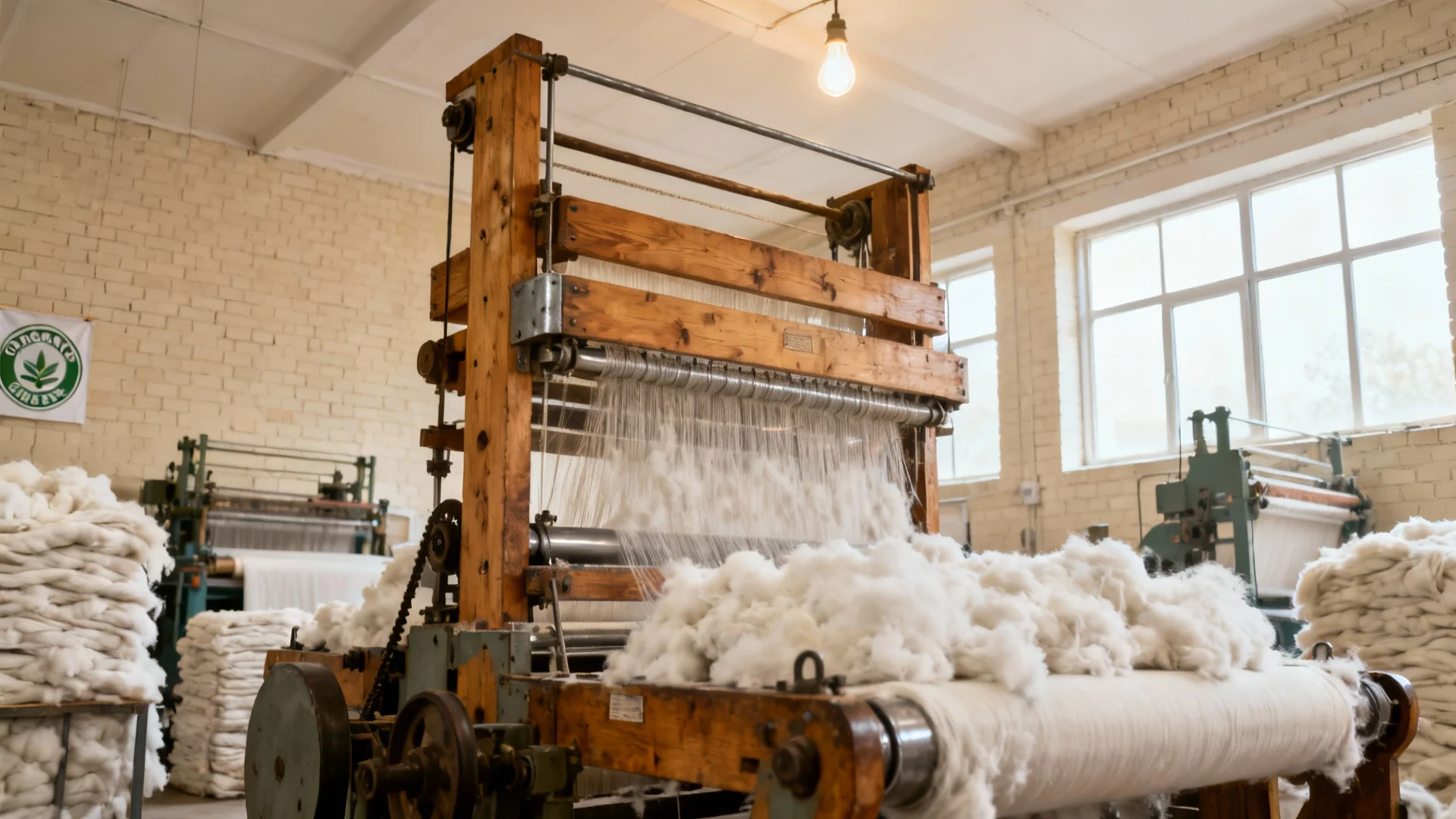
In 2025, the sustainable scarf market represents a dynamic融合 of heritage craftsmanship and cutting-edge technology. Consumer preferences have shifted dramatically, with 73% of fashion retailers reporting increased demand for transparently produced accessories (Sustainable Manufacturing Report 2025). This shift has given rise to three defining trends: the resurgence of luxury natural fibers with verified eco-credentials, the integration of functional elements like UV protection and convertible designs, and the implementation of circular production models that minimize waste throughout the supply chain.
Sustainable Material Selection: Balancing Quality and Environmental Impact
The foundation of sustainable scarf production lies in material selection—a decision that impacts environmental footprint, product quality, and consumer perception. The 2025 market offers diverse options for eco-conscious manufacturers, each with distinct advantages depending on product positioning and target audience.
Organic and Regenerative Fibers continue to dominate the sustainable scarf market, with GOTS-certified organic cotton showing 35% year-over-year growth in adoption (Sustainable Fabrics Retailers Report 2025). These fibers require significantly less water and eliminate harmful pesticides compared to conventional alternatives. Similarly, regenerative wool programs have gained traction, with participating farms reporting 40% improvements in soil health while producing premium fibers with natural insulating properties.
Innovative Recycled Materials have evolved beyond basic recycled polyester to include sophisticated blends incorporating post-consumer textile waste. Advanced recycling technologies now transform discarded garments into high-quality yarns suitable for luxury scarf production. Industry leaders report recycled silk blends—combining waste silk with sustainable cellulose fibers—have achieved comparable quality metrics to virgin silk at 30% lower environmental impact.
Bio-based and Laboratory-Grown Fibers represent the cutting edge of sustainable material innovation in 2025. Mycelium-based textiles, derived from fungal networks, offer leather-like textures with minimal resource requirements. Lab-grown silk eliminates the ethical concerns associated with conventional sericulture. While these materials currently command premium pricing, they are projected to become more accessible as production scales.
When evaluating sustainable materials, industry best practices recommend comprehensive lifecycle assessment that considers not only raw material sourcing but also processing requirements, transportation impacts, and end-of-life biodegradability. A balanced approach typically involves material blends that optimize sustainability without compromising performance or aesthetics.
Ethical Manufacturing Processes: From Fiber to Finished Product
Sustainable scarf production extends beyond material selection to encompass the entire manufacturing lifecycle. The most progressive manufacturers have adopted closed-loop systems that minimize waste, reduce energy consumption, and ensure fair labor practices throughout production.
Low-Impact Dyeing and Printing Technologies have advanced significantly, with digital printing emerging as a leader in sustainable color application. This technology reduces water usage by up to 95% compared to traditional screen printing while minimizing chemical waste through precise pigment application. Natural dyeing processes utilizing plant-based colorants like indigo, turmeric, and madder root have also seen renewed interest—particularly in artisanal and luxury segments where unique color variations are valued.
Energy-Efficient Production Facilities now incorporate renewable energy sources, with solar-powered manufacturing units becoming increasingly common in regions with suitable climate conditions. Energy management systems optimize consumption patterns, reducing carbon footprints by an average of 28% compared to conventional facilities (Sustainable Manufacturing in 2025 Report). These systems often integrate with water recycling infrastructure, further minimizing environmental impact.
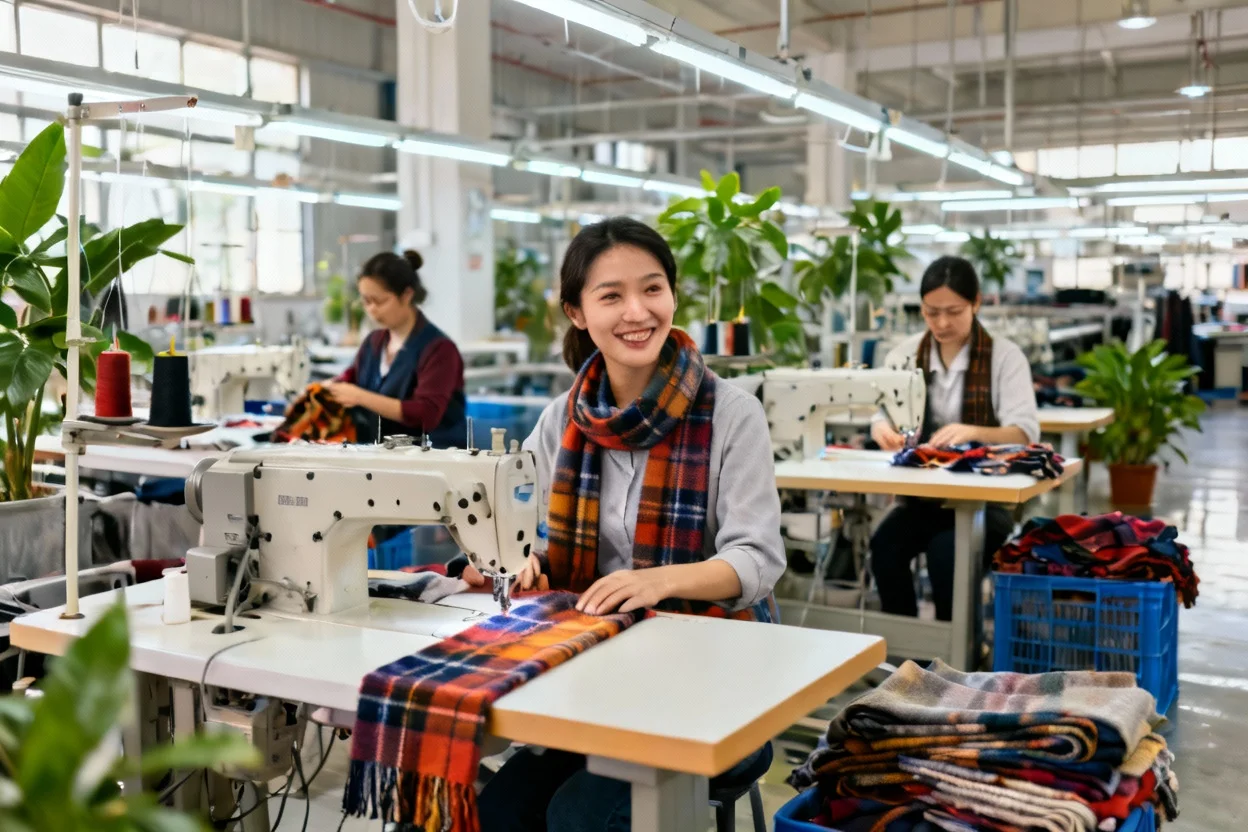
Ethical Labor Practices remain a cornerstone of sustainable production. Certification programs like Fair Trade ensure safe working conditions and fair compensation throughout the supply chain. Leading manufacturers have implemented transparency initiatives allowing customers to trace products from fiber sourcing to finished goods through blockchain technology. This transparency has become a key differentiator in the B2B scarf market, with 68% of retailers prioritizing suppliers with verifiable ethical credentials (2025 Scarf Trends Report).
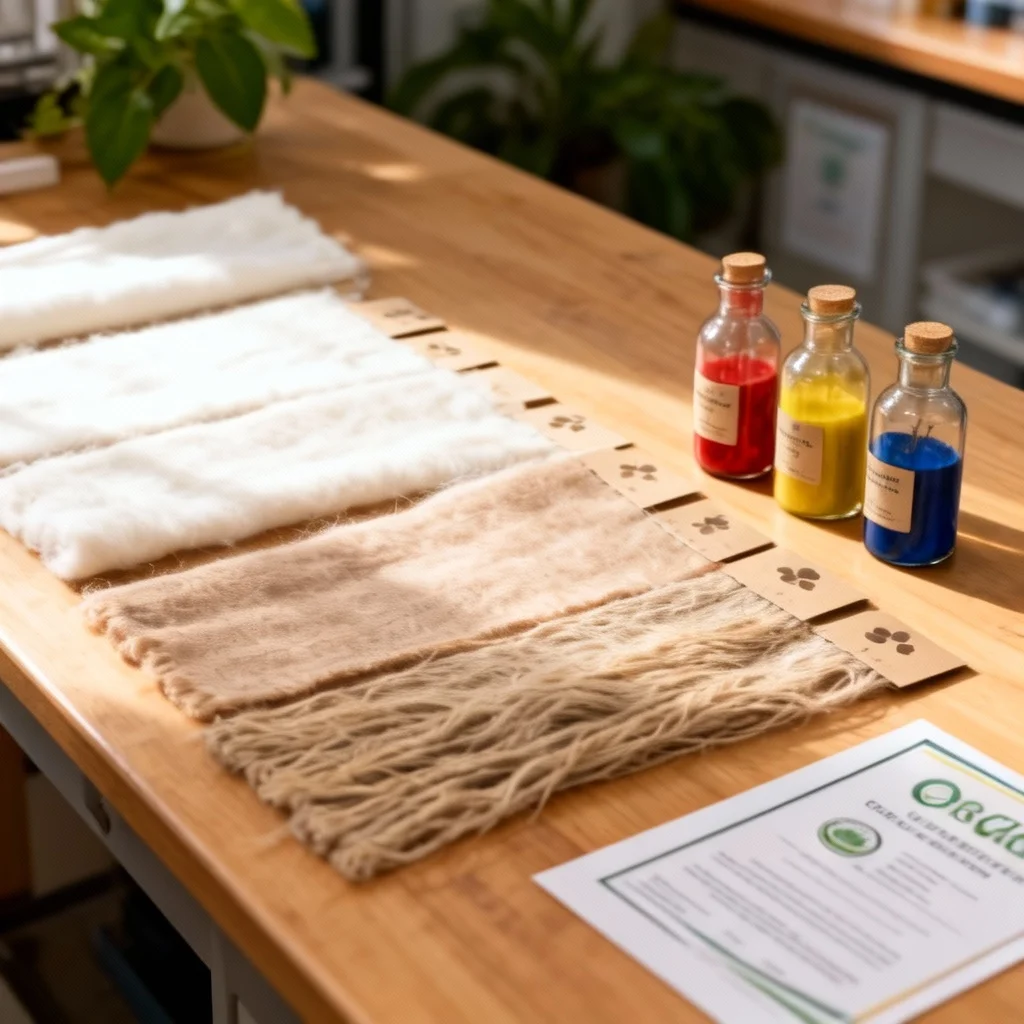
Implementing these practices requires significant investment but delivers measurable returns, including improved brand reputation, customer loyalty, and operational efficiency. Industry case studies demonstrate manufacturers embracing comprehensive sustainability programs have experienced 15-20% higher customer retention rates compared to conventional competitors.
Quality Control and Certification in Sustainable Scarf Production
Maintaining consistent quality while adhering to sustainable principles presents unique challenges requiring specialized quality control protocols and third-party verification.
Sustainability Certification Standards provide essential frameworks for both manufacturers and buyers navigating eco-friendly production. The Global Organic Textile Standard (GOTS) remains the most recognized certification, covering the entire supply chain from fiber production to finished garment. OEKO-TEX® certification ensures products are free from harmful substances, while Fair Trade certification verifies ethical labor practices. For luxury segments, the Sustainable Luxury Council offers additional certification focusing on both environmental and social impact metrics.
Quality Assurance Protocols for sustainable scarves must address traditional quality factors alongside sustainability-specific considerations. This includes testing for colorfastness using eco-friendly dyes, verifying material composition claims through laboratory analysis, and assessing durability to promote product longevity. Innovative testing methods now also evaluate biodegradability and compostability for end-of-life assessment.
Traceability Systems have become essential quality control tools, allowing manufacturers to identify and address issues at specific production stages. Digital platforms integrated with IoT technology provide real-time monitoring of production parameters, ensuring consistency while reducing waste from defects. These systems also enable transparent communication with buyers increasingly demanding visibility into manufacturing processes.
Investing in robust quality control and certification ensures compliance with sustainability commitments while enhancing marketability and price positioning. Certified sustainable scarves typically command 10-30% price premiums in the retail market, reflecting consumer willingness to invest in responsibly produced accessories.
Case Studies: Sustainable Scarf Production in Practice
Real-world applications of sustainable scarf production principles demonstrate both challenges and opportunities in implementing eco-friendly manufacturing at scale.
Luxury Silk Reimagined: A leading Italian manufacturer specializing in silk scarves implemented a comprehensive sustainability program including transitioning to 100% peace silk (allowing silkworms to complete their lifecycle), implementing waterless dyeing technology, and establishing a take-back program for end-of-life products. Within three years, the company reduced water consumption by 62%, eliminated hazardous chemical use, and saw a 40% increase in wholesale orders from sustainability-focused retailers. Their case demonstrates how traditional craftsmanship can be preserved while embracing innovative sustainability solutions.
Circular Economy Model: A mid-market scarf brand based in Portugal developed a closed-loop production system utilizing 85% recycled materials, including post-consumer textile waste and ocean plastic. By designing products for disassembly and implementing a recycling program for customer returns, the company achieved a 92% waste diversion rate from landfills. Their success led to partnerships with major fashion retailers seeking circular economy solutions, resulting in 200% revenue growth over two years.
Digital Printing Revolution: A large-scale manufacturer in China invested in state-of-the-art digital printing technology, reducing water usage by 90% and chemical waste by 85% compared to traditional rotary printing methods. The precision of digital printing also reduced fabric waste by enabling on-demand production runs, minimizing overstock. This technological transition improved the company's environmental footprint while increasing production flexibility, allowing them to offer custom designs with shorter lead times—a significant competitive advantage in the fast-paced fashion accessory market.
These case studies share common elements contributing to success: clear sustainability goals integrated into business strategy, investment in appropriate technology and training, transparent communication of practices and outcomes, and collaboration across the supply chain. They demonstrate sustainable production is not merely a marketing strategy but a viable business model delivering both environmental and financial returns.
Future Trends and Innovations in Sustainable Scarf Production
The sustainable scarf manufacturing landscape continues to evolve rapidly, driven by technological innovation, shifting consumer expectations, and increasing regulatory pressure. Looking ahead to 2025 and beyond, several key trends are poised to shape the industry.
Material Innovation will continue at an accelerated pace, with research focusing on developing high-performance fibers with minimal environmental impact. Lab-grown textiles are expected to become more commercially viable, with production costs projected to decrease by 50% over the next three years. Additionally, biofabrication techniques using microorganisms to produce textile fibers show promise for reducing land and water requirements compared to traditional agriculture-based materials.
Smart Manufacturing Technologies will enable greater precision and efficiency in sustainable production. Artificial intelligence applications for predictive maintenance and process optimization can reduce energy consumption by an estimated 15-20%. Digital twin technology—creating virtual replicas of production processes—allows for testing and refinement of sustainability improvements without disrupting actual manufacturing operations.
Circular Business Models will move beyond material recycling to encompass product design, take-back programs, and innovative service offerings. Rental and subscription models for high-end scarves are gaining traction, extending product lifecycles while providing consumers with access to luxury items at lower price points. Digital ID technologies, such as blockchain-enabled tags, will enable comprehensive product traceability throughout their entire lifecycle, including secondhand markets.
Climate Positive Production will emerge as the next frontier, with manufacturers aiming not just for carbon neutrality but for net carbon reduction. This involves implementing carbon capture technologies in production facilities, investing in reforestation projects, and developing innovative materials that actively sequester carbon during their lifecycle.
For fashion brands and retailers, staying ahead of these trends requires ongoing education, strategic partnerships with innovative suppliers, and flexibility in product development and sourcing strategies. The manufacturers best positioned for success will view sustainability not as a static compliance requirement but as a dynamic opportunity for innovation and market differentiation.
Implementing Sustainable Scarf Production: Practical Considerations for Brands
Transitioning to sustainable scarf production requires careful planning, investment, and collaboration across the supply chain. For brands and retailers looking to implement these practices, a strategic approach is essential to balance environmental goals with commercial viability.
Supplier Evaluation and Selection represents the foundation of any sustainable scarf program. Brands should develop comprehensive assessment criteria addressing environmental practices, labor conditions, material sourcing, and transparency. On-site audits, while resource-intensive, provide the most accurate picture of actual operations. Third-party certification can serve as an initial screening tool but should be supplemented with direct verification. Developing long-term partnerships with a limited number of suppliers encourages shared investment in sustainability initiatives and process improvement.
Cost Considerations and Pricing Strategy must account for the higher initial costs typically associated with sustainable production. While eco-friendly materials and ethical manufacturing processes often have higher price points, they also offer opportunities for premium positioning. Brands should communicate the value proposition of sustainable scarves clearly to consumers, emphasizing quality, durability, and environmental benefits rather than focusing solely on price. Many successful sustainable brands have implemented "value-based pricing" models that reflect the true cost of responsible production while remaining accessible to their target market.
Consumer Education and Marketing play critical roles in driving adoption of sustainable scarves. Brands should develop transparent communication strategies that clearly explain sustainability practices without resorting to "greenwashing" or exaggerated claims. Storytelling around material sourcing, manufacturing processes, and artisan partnerships helps create emotional connections with consumers. Educational content highlighting the environmental impact of conventional production methods can help consumers understand the value of sustainable alternatives.
Measurement and Continuous Improvement are essential for maintaining credibility and driving ongoing progress. Brands should establish clear sustainability metrics—such as carbon footprint per product, water usage, and waste diversion rates—and track these over time. Regular lifecycle assessments can identify areas for improvement, while customer feedback provides insights into evolving preferences and concerns. Public reporting of progress, including both achievements and challenges, demonstrates commitment to transparency and builds trust with stakeholders.
Implementing sustainable scarf production is not a one-time project but a continuous journey requiring ongoing investment, innovation, and adaptation. By approaching it as a core business strategy rather than a marketing initiative, brands can create long-term value for both their business and the environment.
Conclusion: The Strategic Imperative of Sustainable Scarf Production
As the fashion industry continues its transformation toward greater sustainability, scarf manufacturers and retailers face both significant challenges and unprecedented opportunities. Evidence from market trends, consumer behavior, and industry case studies makes clear that sustainable production is no longer an optional differentiator but a strategic imperative for long-term success.
The transition to eco-friendly manufacturing processes requires fundamental shifts in material sourcing, production technologies, quality control systems, and business models. It demands investment in research, technology, and workforce development, as well as a willingness to reevaluate established practices. However, the returns on this investment are substantial: enhanced brand reputation, increased customer loyalty, access to growing market segments, improved operational efficiency, and reduced regulatory risk.
For fashion brands and retailers, the key to successful sustainable scarf programs lies in approaching sustainability comprehensively rather than as a fragmented set of initiatives. This means integrating environmental and social considerations into every aspect of product development, from initial design through end-of-life management. It requires collaboration across the supply chain, transparency in communication, and a commitment to continuous improvement rather than perfection.
As consumer awareness continues to grow and regulatory frameworks evolve, the sustainable scarf manufacturers of 2025 will be those that have embraced this transformation not as a burden but as an opportunity to innovate, differentiate, and build more resilient businesses. By aligning production practices with the principles of environmental stewardship and social responsibility, they can create products that satisfy not just the aesthetic desires of consumers but their ethical concerns as well.
The future of scarf production is undeniably sustainable. The brands that recognize this reality and act decisively will be the ones that thrive in the rapidly evolving fashion landscape, creating value for their businesses, their customers, and the planet.