In an era where environmental consciousness drives purchasing decisions, the fashion accessory industry faces increasing pressure to balance sustainability with quality and aesthetic appeal. The scarf segment, in particular, has seen remarkable innovation in eco-friendly materials that promise reduced environmental impact without compromising on performance. This analysis explores the leading sustainable fabrics transforming scarf production, offering industry professionals actionable insights for material selection that aligns with ethical commitments, market demands, and quality standards.
The Evolving Landscape of Sustainable Scarf Production
The global shift toward circular fashion has fundamentally transformed material sourcing for accessories, with scarf manufacturers now prioritizing fibers that minimize environmental impact throughout the entire product lifecycle. Industry projections indicate 27% annual growth for the sustainable scarf segment through 2028, fueled by consumer demand for transparency and brands' climate commitments. This expansion has diversified the eco-friendly material palette beyond traditional organic cotton to include innovative recycled and bio-based alternatives.
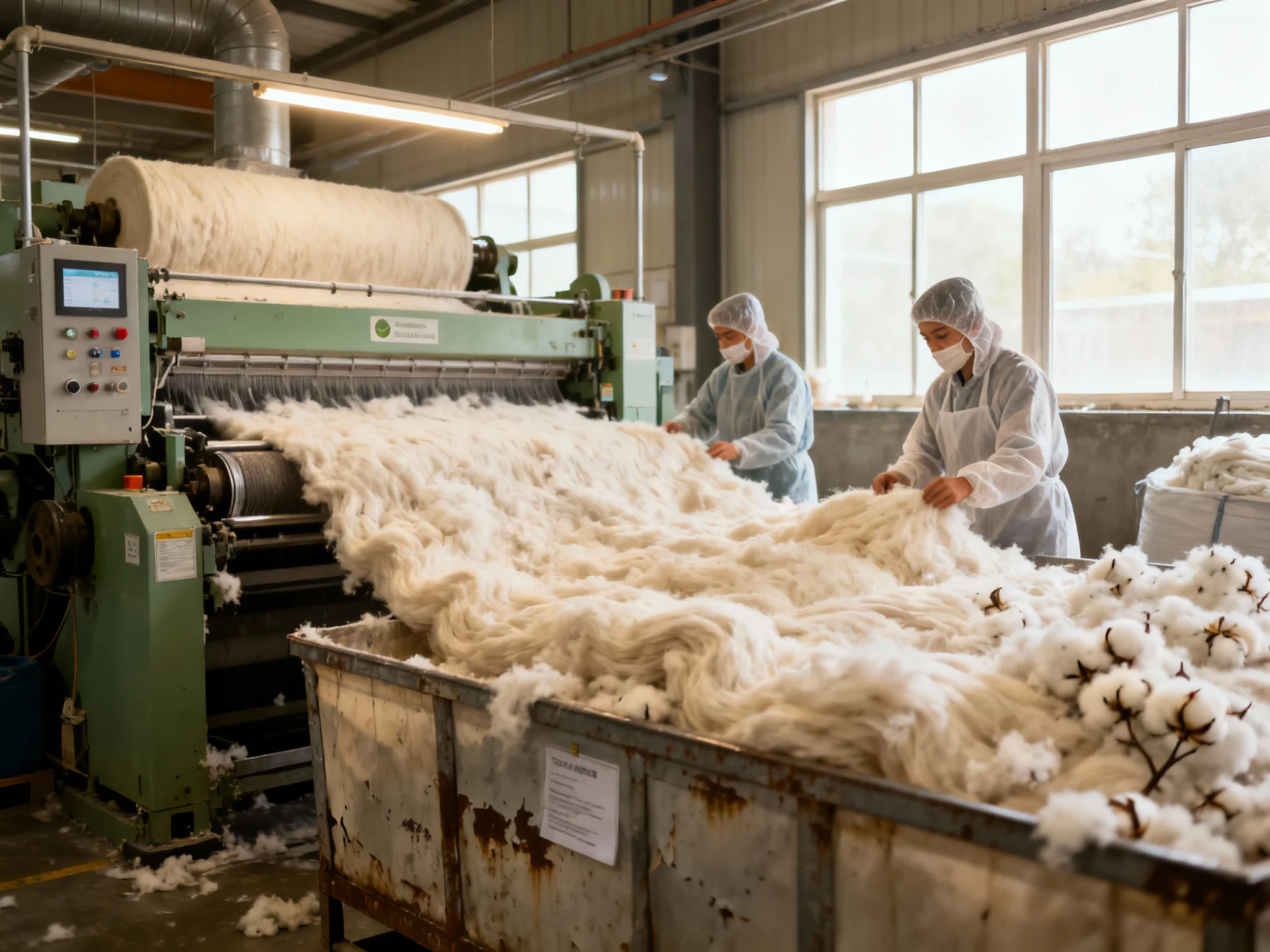
Key developments shaping sustainable scarf materials in 2025 include the widespread adoption of waterless dyeing technologies, which reduce water consumption by up to 95% compared to conventional methods. Plant-based fibers with enhanced performance characteristics have emerged alongside evolving certification standards, with GOTS 7.0 introducing stricter requirements for social responsibility and chemical usage—effectively differentiating truly sustainable products from greenwashed alternatives.
Understanding each sustainable material's unique properties is essential for creating scarves that meet both environmental and quality standards. The ideal eco-friendly scarf material balances durability, aesthetics, comfort, and ecological footprint while aligning with target market preferences and price points.
Comparative Analysis of Leading Sustainable Scarf Materials
Organic Cotton
Organic cotton remains a cornerstone of sustainable scarf production, valued for its versatility and consumer familiarity. GOTS-certified organic cotton has established itself as the industry benchmark, requiring 95% organic fiber content and adherence to strict environmental and social criteria. Compared to conventional cotton, organic varieties reduce water usage by approximately 88% and eliminate pesticide exposure—directly addressing major concerns in traditional textile production.
For scarf applications, organic cotton offers excellent breathability and softness, making it suitable for lightweight, all-season styles. Its natural absorbency allows for vibrant dyeing with minimal chemical additives, though it typically requires more water than some synthetic alternatives during production. With proper care, organic cotton scarves maintain good durability but may wrinkle more than blended options.
Market data shows organic cotton scarves command a 15-20% price premium over conventional versions while delivering stronger customer loyalty and repeat purchases. Brands like Pact have successfully built their scarf lines around GOTS-certified organic cotton, emphasizing its versatility in both casual and semi-formal designs.
Recycled Wool
Recycled wool has emerged as a leading sustainable alternative for cold-weather scarves, addressing both textile waste and animal welfare concerns. By diverting post-consumer and post-industrial wool waste from landfills, recycled wool reduces the carbon footprint of scarf production by an estimated 45% compared to virgin wool. The material retains wool's natural insulating properties while offering improved affordability and reduced environmental impact.
In performance testing, recycled wool scarves demonstrate comparable warmth retention to virgin wool, though they may have slightly reduced durability depending on fiber length and processing methods. Innovations in sorting and cleaning technologies have significantly improved recycled wool fiber quality, with some manufacturers now achieving nearly indistinguishable performance from new materials. Brands like Organic Basics have leveraged these advancements to create ribbed recycled wool scarves that balance sustainability with premium feel.
The market for recycled wool accessories continues to expand as consumer awareness grows. Retailers report recycled wool scarves typically sell at 10-15% below virgin wool prices while maintaining similar profit margins due to lower material costs.
Tencel/Lyocell
Tencel—Lenzing's branded lyocell fiber—has gained prominence in sustainable scarf production, offering exceptional softness and an eco-friendly manufacturing process. The closed-loop production system recovers and reuses over 99% of solvents and water, setting a high standard for resource efficiency. Tencel's cellulose-based fibers provide natural drape and breathability, making it particularly suitable for lightweight, flowing scarf designs.
Performance-wise, Tencel scarves excel in moisture management and feature natural temperature regulation properties that adapt to different climates. The fiber's smooth surface resists pilling and maintains a luxurious appearance over time—characteristics that have made Tencel a favorite for high-end sustainable brands creating elegant, versatile scarves that transition seamlessly from day to evening wear.
While typically commanding a higher price point than organic cotton, Tencel's durability and premium aesthetic justify the investment for many consumers. The material also blends well with other sustainable fibers, offering opportunities for performance enhancement and texture variation in scarf designs.
Hemp
Hemp represents one of the most environmentally beneficial materials for scarf production, requiring minimal water, no pesticides, and actually enriching soil during growth. Its long fibers create strong, durable textiles with natural antimicrobial properties, making hemp scarves both eco-friendly and practical for everyday use.
Hemp scarves offer unique texture and excellent longevity, often softening with each wash while maintaining structural integrity. The material's natural UV resistance makes it particularly suitable for lightweight summer scarves and travel accessories. Traditionally associated with casual styles, modern processing techniques have refined hemp's texture, allowing it to compete with more established sustainable fibers in higher-end markets.
The hemp textile market has experienced significant growth as innovations in processing have reduced the material's characteristic stiffness. Brands incorporating hemp scarves report strong appeal among environmentally conscious consumers willing to pay premium prices for its exceptional sustainability credentials. Hemp's versatility also allows creative blending with other fibers like organic cotton or Tencel to achieve specific performance characteristics.
Recycled Polyester
Recycled polyester has transformed the performance scarf segment, offering a sustainable alternative for active and outdoor-oriented designs. By repurposing plastic bottles and textile waste, recycled polyester diverts significant waste from landfills while reducing reliance on fossil fuels, with production requiring up to 70% less energy than virgin polyester.
For scarf applications, recycled polyester provides exceptional durability, wrinkle resistance, and moisture-wicking properties. Its inherent quick-drying nature makes it ideal for travel scarves and performance accessories, while advancements in texturing have improved its tactile qualities beyond the synthetic feel of early iterations.
Brands like Patagonia have demonstrated recycled polyester's viability in technical scarf designs, often incorporating additional sustainable features like waterless dyeing and minimal packaging. The material's price competitiveness compared to natural fibers makes it accessible to a broad market segment, though some eco-conscious consumers still prefer natural alternatives despite its recycling benefits.
Manufacturing Innovations Enhancing Sustainability
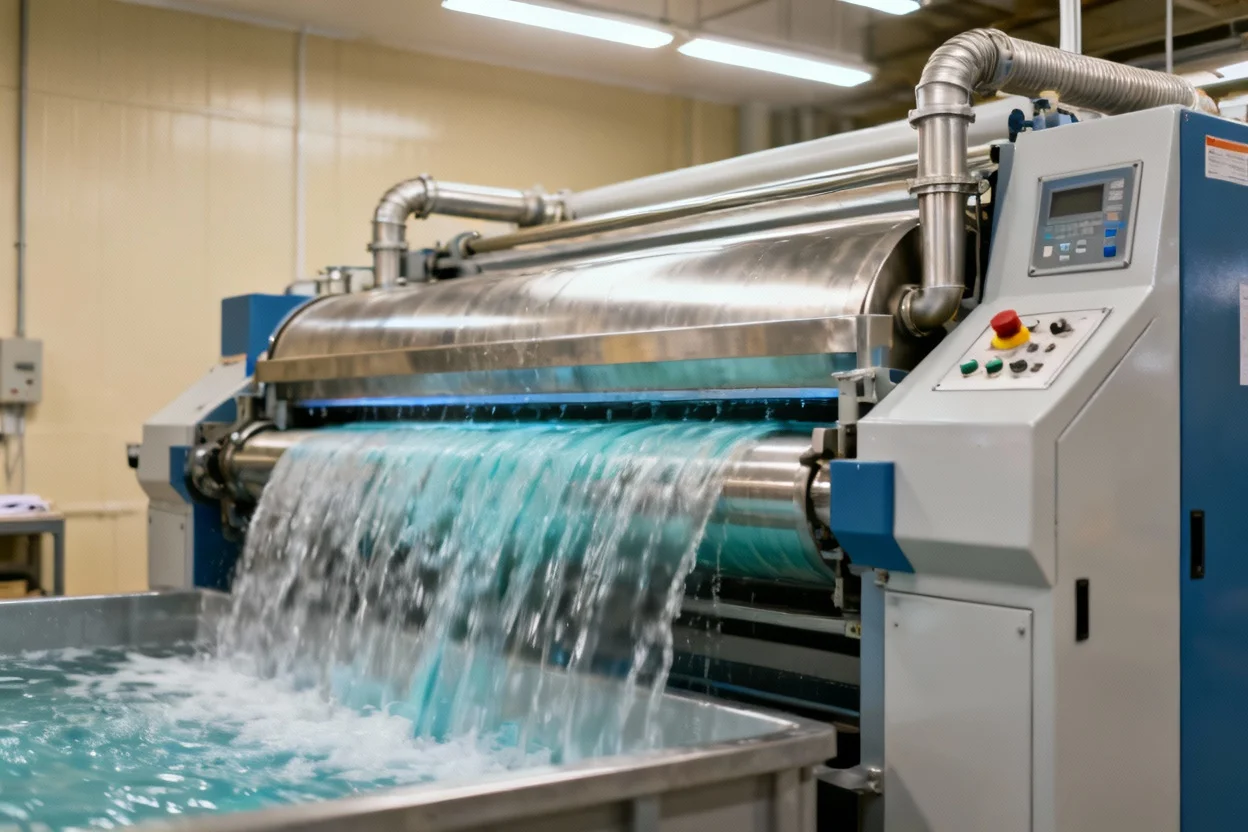
Innovations in production technologies have significantly advanced the sustainable scarf market by complementing eco-friendly materials. Waterless dyeing processes represent one of the most impactful developments, gaining widespread adoption since 2024. These techniques—including digital printing and supercritical CO2 dyeing—eliminate water usage in the coloring process while reducing chemical consumption by up to 80%.
Digital printing technologies have particularly transformed scarf production, allowing precise color application with minimal waste. This approach not only reduces environmental impact but also enables greater design flexibility and supports shorter production runs, further reducing waste through on-demand manufacturing models. Brands implementing waterless dyeing report not just environmental benefits but operational efficiencies as well, including reduced water treatment costs and faster production cycles.
Bio-based binders and finishes represent another notable innovation, enhancing natural fibers' performance without compromising sustainability. These advancements have improved organic cotton's wrinkle resistance, hemp's stretch recovery, and recycled wool's moisture management—addressing traditional limitations of sustainable materials.
Certification and Transparency Considerations
As sustainable scarf materials proliferate, certifications have become essential tools for brands to verify claims and build consumer trust. The Global Organic Textile Standard (GOTS) remains the most comprehensive certification, covering the entire supply chain from fiber production to finished garment. The recently updated GOTS 7.0 standard, implemented in 2025, strengthened requirements for chemical usage and social compliance.
Other relevant certifications include OEKO-TEX for chemical safety, Fair Trade for ethical labor practices, and the Recycled Claim Standard (RCS) for recycled content verification. For scarf manufacturers and retailers, understanding the appropriate certification for each material type is crucial for effectively communicating sustainability credentials.
Transparency has emerged as a key differentiator, with leading brands implementing blockchain technology and QR codes to provide customers with detailed information about a scarf's material origins, production processes, and environmental impact. This openness builds trust while educating consumers about the complexities of sustainable textile production.
Selection Guidelines for Retailers and Brands
Choosing the optimal sustainable material for scarf collections requires balancing multiple factors, including target market preferences, seasonal requirements, price points, and environmental goals. Luxury retailers focusing on cold-weather accessories should consider recycled wool and blends with Tencel, which offer the best combination of sustainability, performance, and perceived value—supporting premium pricing while delivering the warmth and durability customers expect in high-end winter scarves.
Fast-casual brands may find greater success with organic cotton and recycled polyester blends, which offer versatility across seasons and price points while supporting higher production volumes and maintaining acceptable sustainability credentials. Eco-focused niche brands should consider hemp and 100% recycled fibers, which provide powerful storytelling opportunities and differentiation in a crowded market.
Regardless of material selection, brands should prioritize transparency and education. Clear labeling of material contents, certification logos, and care instructions helps customers make informed decisions and properly maintain sustainable scarves, extending product lifespan. In-store and online educational content about material benefits reinforces brand values while building deeper customer connections.
Future Trends and Developments
The sustainable scarf material landscape continues to evolve, with several emerging trends shaping the market in coming years. Mylo™ and other mushroom-based leather alternatives are making inroads into structured scarf designs, offering unique textures and biodegradable end-of-life options that appeal particularly to fashion-forward, limited-edition scarf collections targeting early adopters.
Carbon-negative textiles represent another significant trend, actively removing carbon dioxide from the atmosphere through production processes or material characteristics. Still in early stages, these materials could eventually become the gold standard for sustainable scarves, offering environmental benefits beyond mere reduction of impact.
Advancements in textile recycling technologies promise to improve scarf production circularity, with emerging chemical recycling methods capable of breaking down blended fibers into their component parts. This addresses a major limitation in current recycling systems and could eventually enable closed-loop systems for scarf production, where end-of-life products continuously recycle into new accessories.
As these innovations mature, the distinction between natural and synthetic sustainable materials blurs, with hybrid approaches now offering optimized performance and environmental benefits. For brands and retailers, staying informed about these developments is key to maintaining competitive advantage in the rapidly evolving sustainable accessories market.
The most successful sustainable scarf collections will likely combine proven materials like organic cotton and recycled wool with strategic innovations addressing specific customer needs and preferences. Balancing environmental responsibility with quality, comfort, and style allows brands to create accessories that satisfy both conscience and desire, driving the fashion industry toward a more sustainable future.