In today's rapidly evolving fashion landscape, sustainable practices have transitioned from optional differentiators to essential business requirements. As a seasoned industry professional with extensive experience in textile manufacturing and sustainable fashion consulting, I've witnessed firsthand how material selection directly impacts both environmental footprint and brand reputation. With the global textile industry contributing approximately 10% of global carbon emissions and producing over 92 million tons of textile waste annually, conscious material choices are more critical than ever before.
This analysis examines the top 7 sustainable fabrics for scarf production in 2025, providing fashion brands, boutiques, and specialty stores with data-driven insights to make informed sourcing decisions. Based on the latest industry reports and certification standards—including updated OEKO-TEX® 2025 regulations—this guide evaluates each material's environmental impact, performance characteristics, certification requirements, and ideal applications. Whether prioritizing water conservation, carbon footprint reduction, or ethical labor practices, understanding these sustainable options is key to meeting consumer demand for transparency—a demand that has driven a 50% surge in organic cotton use and a projected 25% rise in recycled fibers by 2030.
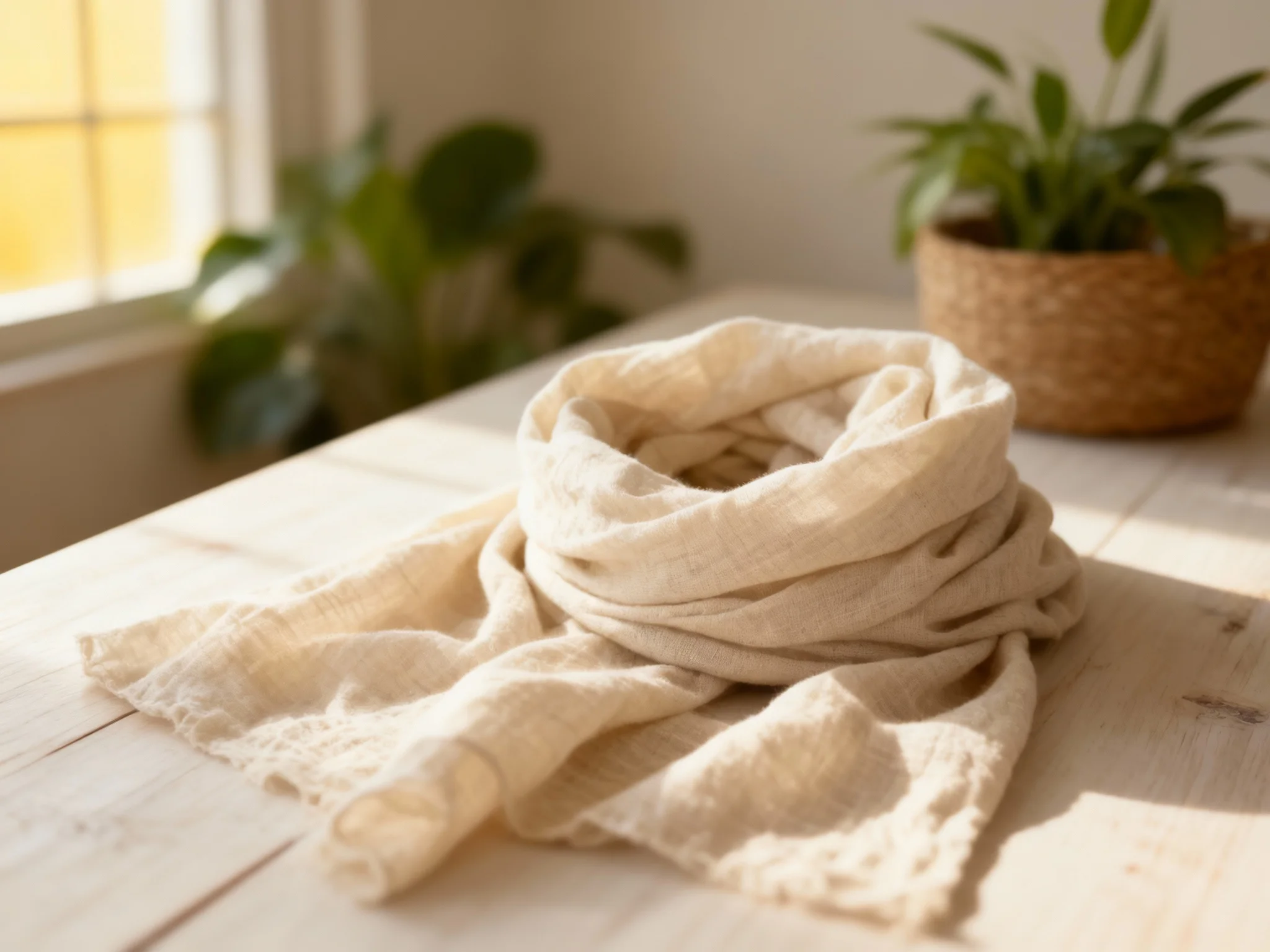
The Business Case for Sustainable Scarf Materials
The shift toward sustainable materials in fashion accessories isn't merely an environmental consideration—it represents a sound business strategy. Consumer demand for transparent, eco-friendly products has reached unprecedented levels, with market research indicating sustainability-focused consumers will pay 10-20% more for products aligning with their values. For scarf manufacturers and retailers, this translates directly to increased customer loyalty and market differentiation.
Beyond consumer appeal, sustainable materials often offer unexpected operational benefits. Many eco-friendly fabrics require less water and energy during manufacturing, reducing long-term production costs. Adopting circular economy principles—like using recycled inputs—not only cuts waste but insulates businesses from volatile raw material prices. Industry leaders report integrating sustainability into supply chains has improved operational efficiency by 15-20% while reducing regulatory compliance risks.
The regulatory landscape is actively evolving to support sustainable practices. Updated OEKO-TEX® 2025 regulations, implemented in January 2025, introduce stricter limits on BPA, enhance organic cotton certification through OEKO-TEX® ORGANIC COTTON, and increase transparency requirements throughout the supply chain. These changes reflect the growing importance of material safety and environmental responsibility in global textile trade. For international businesses, adhering to these updated standards is becoming a market access requirement rather than an optional credential.
Perhaps most compelling is the risk mitigation aspect of sustainable material sourcing. The fashion industry faces increasing scrutiny for its environmental impact, contributing approximately 10% of global carbon emissions. Proactive adoption of eco-friendly materials positions companies favorably with regulators, consumers, and investors. Businesses that fail to adapt may face reputational damage, regulatory penalties, or market exclusion as sustainability becomes an industry baseline rather than a competitive advantage.
Top 7 Sustainable Scarf Materials for 2025
The sustainable textile landscape offers diverse options for scarf production, each with unique environmental benefits, performance characteristics, and applications. Based on 2025 market trends, certification updates, and industry adoption rates, these seven materials represent the most viable choices for ethical scarf manufacturing.
1. Organic Cotton
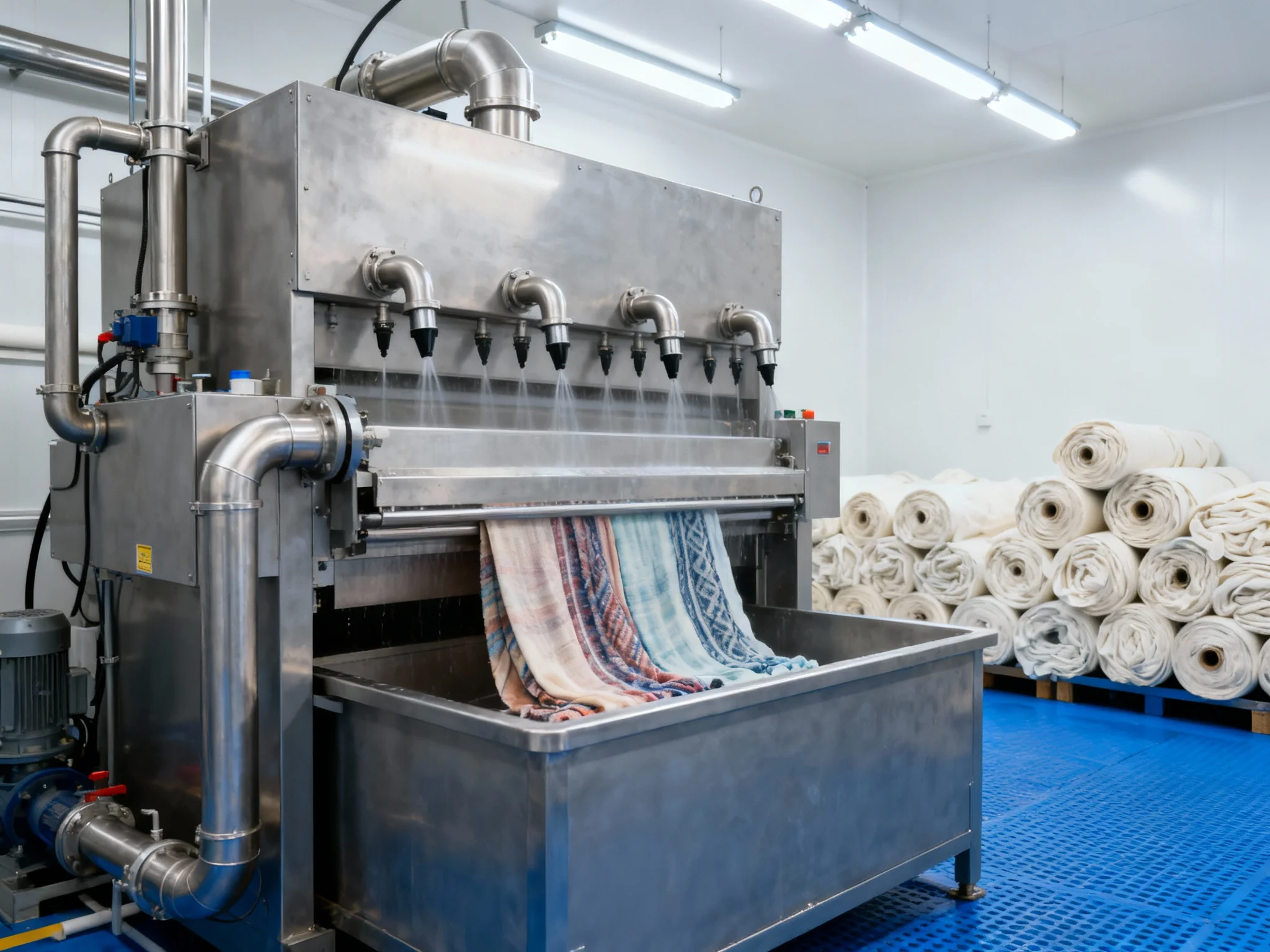
Organic cotton has become a cornerstone of sustainable fashion, with global usage surging 50% in recent years. Grown without synthetic pesticides or fertilizers, this natural fiber reduces water consumption by up to 91% compared to conventional cotton production, addressing one of the fashion industry's most pressing environmental concerns. For scarf manufacturers, organic cotton offers versatility across seasonal collections, providing breathability for summer designs while maintaining sufficient warmth for transitional weather pieces.
The certification landscape for organic cotton has strengthened significantly. The 2025 introduction of OEKO-TEX® ORGANIC COTTON certification complements existing standards like GOTS (Global Organic Textile Standard), ensuring environmentally responsible cultivation and ethical labor practices throughout the supply chain. Retailers should verify certification status when sourcing organic cotton scarves, as consumer awareness of these labels has grown substantially—63% of surveyed shoppers report actively seeking out GOTS-certified products.
Organic cotton scarves appeal particularly to brands emphasizing natural aesthetics and comfort. The fiber's soft handfeel and dye absorption properties allow for vibrant prints and patterns while maintaining a premium tactile experience. Price points typically range 20-30% higher than conventional cotton alternatives, positioning organic cotton scarves in the mid-to-premium market segment. Successful applications include lightweight summer scarves, bandanas, and decorative square scarves where drape and print clarity matter most.
2. Recycled Polyester
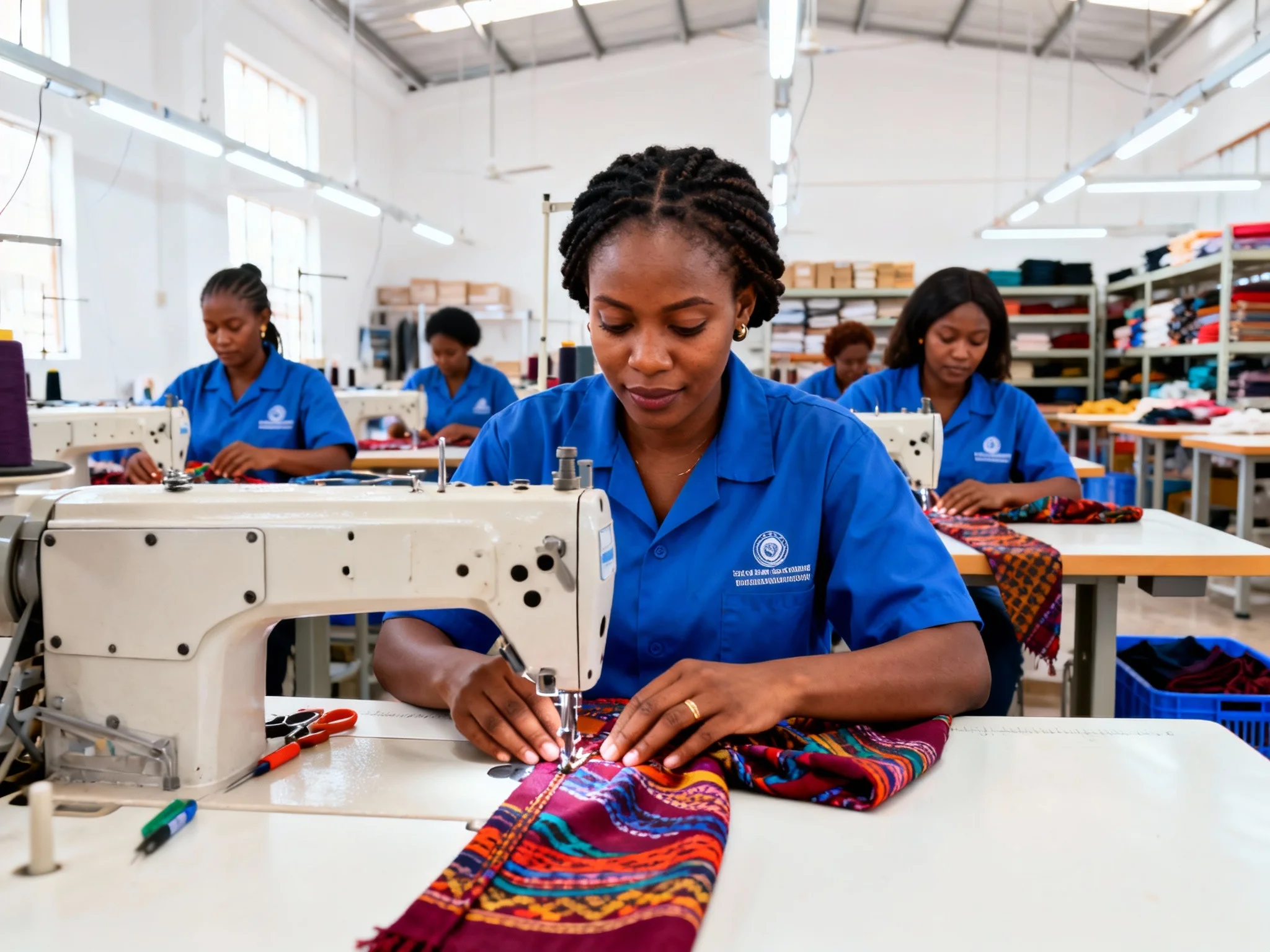
Recycled polyester (rPET) has revolutionized sustainable textile production by transforming plastic bottles and post-consumer textile waste into high-performance fabric suitable for scarf manufacturing. This innovative material diverts approximately 7.3 bottles from landfills for every kilogram produced, addressing the growing plastic pollution crisis while reducing reliance on virgin petroleum inputs. Environmentally, recycled polyester production consumes 79% less energy and emits 32% fewer greenhouse gases than conventional polyester manufacturing.
The performance characteristics of recycled polyester make it particularly suitable for scarf production, offering excellent durability, wrinkle resistance, and color retention—properties that translate to long-lasting, low-maintenance accessories. Recycled polyester can mimic the drape and texture of silk or the warmth of wool, giving designers versatile options for seasonal collections. For winter scarf designs, recycled polyester can be blended with natural fibers to enhance warmth without sacrificing sustainability credentials.
Certification standards for recycled polyester have evolved to meet growing market demand for transparency. The Global Recycled Standard (GRS) now requires comprehensive tracking of recycled content from collection to finished product, with certification available for materials containing 20% or more recycled inputs. Retailers should verify GRS certification when sourcing recycled polyester scarves, as this label has become a trusted indicator of environmental responsibility for educated consumers.
Recycled polyester scarves have found particular success in active lifestyle brands and contemporary fashion lines targeting eco-conscious millennial and Gen Z consumers. The material's price point is competitive with conventional polyester, typically only 5-10% higher, making it accessible for mid-market brands. Notable applications include lightweight travel scarves, performance-oriented infinity scarves, and reversible designs that maximize versatility and value perception.
3. Tencel/Lyocell
Tencel, a branded form of Lyocell, represents the pinnacle of sustainable cellulose fiber production, combining exceptional environmental performance with premium aesthetic qualities ideal for luxury scarf manufacturing. Produced using a closed-loop process that recovers and reuses 99% of solvents and water, Tencel manufacturing sets new standards for resource efficiency—the fiber uses 95% less water than conventional cotton and is biodegradable under industrial composting conditions.
Tencel's unique fiber structure creates scarves with exceptional drape, breathability, and moisture-wicking properties. The material's smooth surface reflects light beautifully, giving Tencel scarves a subtle luster reminiscent of silk at a more accessible price point. The fiber's inherent strength when wet makes it suitable for delicate weaving techniques, allowing for intricate patterns and lightweight constructions that maintain structural integrity. Tencel also exhibits excellent dye affinity, producing vibrant, long-lasting colors with minimal chemical input.
Tencel scarves bridge the gap between eco-responsibility and luxury aesthetics in the sustainable accessories market. The material's premium positioning is supported by its performance characteristics and production process, typically commanding price points 30-40% higher than conventional rayon alternatives. Certification through the EU Ecolabel or FSC (Forest Stewardship Council) ensures responsible sourcing of wood pulp from sustainably managed forests, providing additional assurance to environmentally conscious consumers.
Design applications for Tencel scarves lean toward sophisticated, minimalist aesthetics that highlight the fiber's natural beauty. The material excels in lightweight, semi-sheer constructions ideal for spring and summer collections, while also working well in heavier twill weaves for transitional weather accessories. Tencel blends particularly well with other sustainable fibers—paired with organic cotton for enhanced structure or with recycled polyester for improved durability. Luxury brands have embraced Tencel for its ability to convey premium quality while maintaining authentic sustainability credentials.
4. Sustainable Wool
Sustainable wool represents a traditional material reimagined through modern environmental and ethical standards, offering scarf manufacturers a natural, biodegradable option with exceptional performance properties. When sourced from certified sustainable farms adhering to rigorous animal welfare and land management practices, wool provides a renewable resource that captures carbon throughout its lifecycle. The fiber's natural crimp creates insulating air pockets, resulting in scarves that offer superior warmth without excessive weight—a characteristic that has maintained wool's popularity in cold-weather accessories for centuries.
The certification landscape for sustainable wool has expanded to address consumer concerns about animal welfare and environmental impact. The Responsible Wool Standard (RWS), developed by Textile Exchange, now covers over 50 million sheep globally, ensuring humane treatment of animals and environmentally responsible grazing practices. For scarf manufacturers, RWS certification provides a marketable credential that appeals to ethically conscious consumers—72% of surveyed shoppers indicate they would pay more for products guaranteed to come from humanely treated animals.
Sustainable wool scarves occupy a premium position in the accessories market, with price points reflecting both the quality of the raw material and the stringent certification requirements. The fiber's natural lanolin content provides inherent water resistance and stain repellency, enhancing the functionality and longevity of wool scarves. For luxury applications, ultra-fine Merino wool can produce scarves so lightweight they fold to fit in a pocket, while coarser wools create distinctive textured accessories with excellent thermal properties.
Design trends for sustainable wool scarves emphasize natural textures and earthy color palettes that highlight the fiber's organic beauty. Chunky cable-knit designs, classic herringbone weaves, and oversized blanket scarves have proven particularly popular as consumers seek both style and functionality. Sustainable wool also blends exceptionally well with other eco-friendly fibers, pairing with recycled cashmere for luxury winter scarves or with organic cotton for transitional weather accessories balancing warmth and breathability.
5. Linen
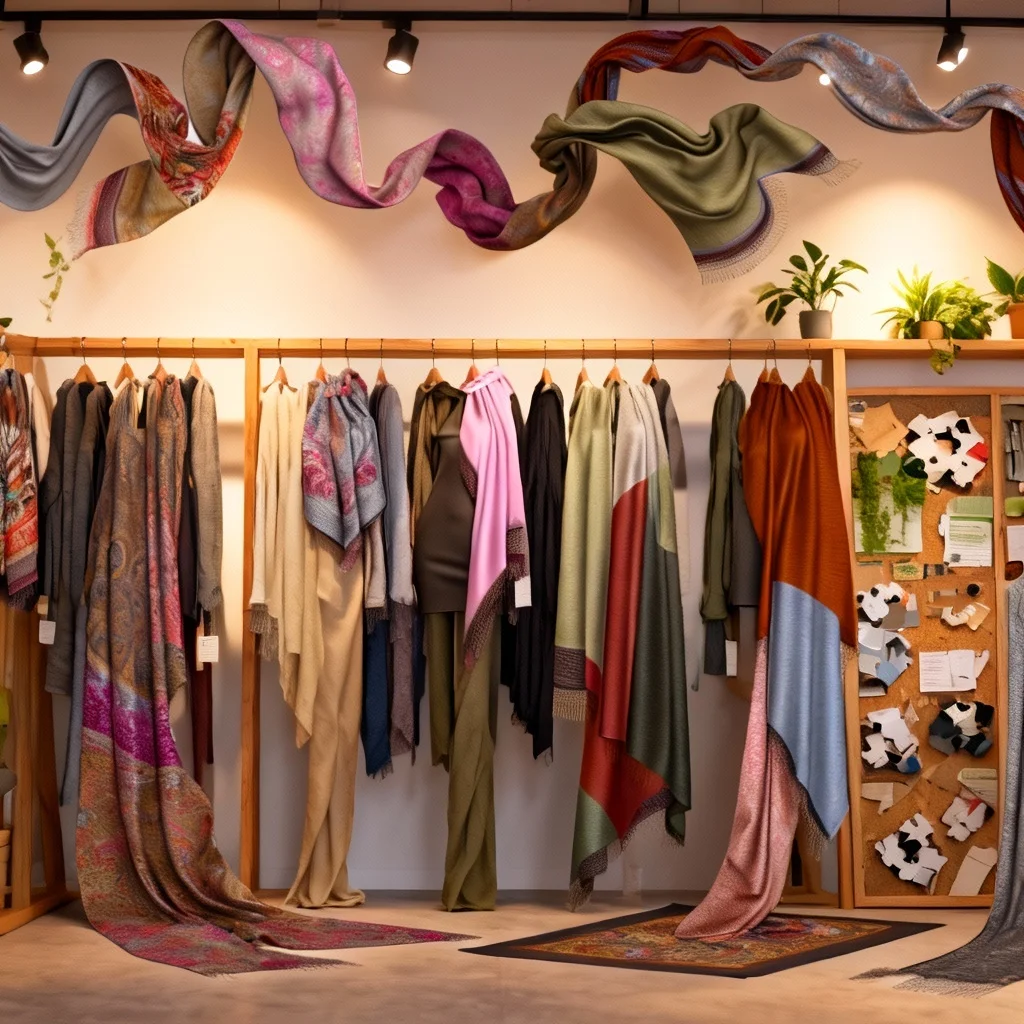
Linen, one of the oldest textile fibers known to humanity, has experienced a contemporary resurgence as sustainability becomes a primary concern in fashion accessory design. Derived from the flax plant, linen requires minimal water and no pesticides to grow, making it inherently more environmentally friendly than conventional cotton. The fiber's production cycle sequesters carbon from the atmosphere, with flax fields capturing approximately 2.7 tons of CO2 per hectare during cultivation. From seed to finished product, linen maintains exceptional environmental credentials that resonate with eco-conscious consumers and brands alike.
The distinctive characteristics of linen make it particularly suitable for warm-weather scarf designs. The fiber's natural breathability and moisture-wicking properties keep wearers cool in hot climates, while its crisp texture creates structured silhouettes that hold shape beautifully in draped accessories. Linen scarves develop a unique patina with wear, as each wash softens the fabric while maintaining its distinctive character—appealing to consumers seeking authentic, artisanal products with individual character.
Certification options for linen have expanded to meet growing market demand for transparency. The European Flax® certification guarantees flax grown and processed in Europe according to strict environmental and social standards, including zero irrigation and GMO-free cultivation. For scarf manufacturers targeting premium markets, the Masters of Linen™ certification represents the highest standard, ensuring traceability from field to finished product and adherence to rigorous sustainability criteria throughout the supply chain.
Linen scarves occupy a distinct position in the accessories market, appealing to brands with minimalist aesthetics and consumers who value natural materials with provenance. Price points typically range mid-to-premium, reflecting the labor-intensive harvesting and processing methods required to produce fine linen suitable for scarf production. Design applications include oversized summer shawls, structured square scarves, and lightweight headscarves where the fiber's natural texture and drape create visual interest without excessive ornamentation.
6. Hemp
Hemp represents one of the most environmentally beneficial textile fibers available for scarf production, offering exceptional sustainability credentials combined with unique aesthetic qualities. This versatile crop requires minimal water, no pesticides, and actually enriches soil through natural phytoremediation processes, representing a regenerative agricultural practice rather than merely a sustainable one. Hemp cultivation sequesters carbon at rates up to four times higher than forestry and requires 50% less water than organic cotton per kilogram of fiber produced. From seed to finished product, hemp embodies circular economy principles, with every part of the plant utilized for food, fiber, or fuel.
The performance characteristics of hemp fiber create distinctive scarves with exceptional durability and texture. The fiber's natural strength and resistance to microbial growth result in accessories that maintain appearance and structural integrity through years of wear. Hemp scarves offer excellent thermal regulation properties, providing warmth in cool weather while remaining breathable in milder conditions—versatility that extends seasonal relevance for retailers. The fiber's natural antimicrobial properties also make hemp scarves appealing for consumers with sensitive skin or allergies.
Certification standards for hemp textiles have evolved to address growing market demand for transparency. USDA Organic certification ensures hemp cultivation without synthetic inputs, while the Hemp Authority Certification Program provides comprehensive verification of sustainable practices throughout the supply chain. For international markets, the EU Organic logo guarantees compliance with strict environmental and social standards that resonate with educated consumers across Europe and North America.
Hemp scarves appeal particularly to brands with outdoor, bohemian, or artisanal positioning, as the fiber's distinctive texture and natural appearance align with these brand aesthetics. Price points typically position hemp scarves in the mid-to-premium segment, reflecting both production challenges and perceived value among sustainability-focused consumers. Design applications range from rustic, textured winter scarves to lightweight, gauzy summer wraps, with natural undyed options highlighting hemp's beautiful natural hue while more vibrant offerings showcase excellent dye absorption properties.
7. Recycled Silk
Recycled silk represents a sustainable evolution of a luxury textile tradition, transforming post-consumer waste and manufacturing byproducts into exquisite scarves with significantly reduced environmental impact. This innovative approach addresses silk's historical sustainability challenges—including water-intensive sericulture and chemical-heavy processing—by giving new life to existing silk fibers. Recycled silk production reduces water consumption by up to 95% compared to conventional silk manufacturing while diverting textile waste from landfills and incineration.
The tactile qualities of recycled silk make it particularly suited for luxury scarf production, maintaining silk's characteristic luster, drape, and softness while developing a unique texture distinguishing it from virgin silk alternatives. Recycled silk can be blended with other sustainable fibers to enhance durability or modify performance characteristics, pairing well with Tencel for improved strength or with recycled wool for enhanced warmth in winter designs. The material's ability to hold intricate patterns and vibrant colors makes it a favorite among designers creating statement scarves and artistic accessories.
Certification for recycled silk continues to develop, with the Global Recycled Standard (GRS) currently serving as the most recognized credential for tracking recycled content and manufacturing practices. Progressive brands are implementing transparent traceability systems documenting the journey of recycled silk from collection to finished product, providing consumers with unprecedented visibility into sustainability claims. For luxury retailers, third-party certification combined with detailed storytelling effectively justifies the premium price point associated with recycled silk scarves.
Recycled silk scarves occupy the high-end segment of the accessories market, typically pricing 15-20% below comparable virgin silk products while maintaining strong profit margins. The material appeals particularly to luxury consumers seeking authentic sustainability without compromising quality or aesthetics. Design applications include elegant evening wraps, collector's edition printed scarves, and heirloom-quality accessories marketed as sustainable alternatives to traditional luxury options. Successful recycled silk scarf collections often emphasize artisanal production methods and limited-edition status to enhance exclusivity and desirability among discerning consumers.
Comparative Analysis: Selecting the Right Material for Your Brand
Choosing the optimal sustainable material for your scarf collection requires balancing multiple factors, including environmental impact, performance characteristics, target market positioning, and price strategy. The following framework synthesizes key considerations to guide material selection based on specific brand priorities and customer profiles.
Environmental Impact Assessment
Comprehensive lifecycle analysis reveals distinct environmental strengths for each material when evaluating sustainability credentials:
Water Conservation: Hemp and linen lead in water efficiency, requiring minimal irrigation throughout cultivation. Hemp requires approximately 2,722 liters per kilogram of fiber compared to 20,000 liters for conventional cotton—an 86% reduction. For brands emphasizing water stewardship in arid regions or drought-conscious markets, these natural fibers offer compelling environmental narratives.
Carbon Footprint: Recycled polyester demonstrates the lowest carbon emissions among synthetic options, with 32% lower footprint than conventional polyester. Among natural fibers, recycled silk achieves approximately 87% reduction in CO2 emissions compared to virgin silk production. Brands targeting carbon-neutrality goals should prioritize these recycled options while considering overall supply chain emissions beyond raw materials.
Chemical Usage: Organic cotton and hemp cultivated without pesticides offer significant advantages for brands focused on toxic chemical reduction. GOTS certification ensures strict limits on residual chemicals, with 2025 standards further reducing allowable thresholds for heavy metals and hazardous substances. For health-conscious consumers and baby accessory lines, these certifications provide critical assurance.
Waste Reduction: Recycled polyester and recycled silk excel in circular economy metrics by diverting existing waste streams. Recycled polyester typically contains 100% post-consumer content, while recycled silk transforms manufacturing scraps and post-consumer garments into new luxury textiles. Brands emphasizing zero-waste principles should highlight these closed-loop systems in marketing narratives.
Performance Characteristics by Application
Material selection should align with functional requirements and seasonal applications:
Warmth-to-Weight Ratio: Sustainable wool and recycled silk blends offer superior warmth with minimal bulk, making them ideal for winter scarves without compromising style. Recycled wool typically provides 30% better insulation than comparable synthetic blends while maintaining breathability.
Drape and Aesthetic Qualities: Tencel/Lyocell and recycled silk deliver exceptional drape characteristics that enhance the fluid movement of scarves. These materials excel in designs where fabric flow and silhouette are primary aesthetic considerations, particularly for evening and formal accessories.
Durability and Maintenance: Recycled polyester and hemp stand out for longevity and ease of care, making them suitable for everyday accessories and travel scarves. These materials resist wrinkling, maintain shape through repeated wear, and often require minimal special treatment during laundering.
Seasonal Adaptability: Linen and organic cotton offer superior breathability for warm-weather scarves, while sustainable wool and heavier recycled polyester blends provide optimal thermal properties for cold climates. Tencel and recycled silk demonstrate versatility across seasons, adapting well to both lightweight summer constructions and layered winter designs.
Implementation Strategies for Sustainable Scarf Production
Successfully integrating sustainable materials into scarf production requires more than material selection alone—it demands comprehensive strategy development across design, sourcing, manufacturing, and marketing. The following implementation framework addresses key considerations for brands transitioning to eco-friendly scarf production.
Sourcing and Supply Chain Management
Establishing transparent, ethical supply chains is foundational to sustainable scarf production. Brands should prioritize suppliers with verified certification credentials and documented environmental management systems. Building direct relationships with fiber producers and processors enhances transparency while often improving cost efficiency over time.
For international sourcing, proximity to raw materials reduces carbon footprint associated with transportation. European brands may benefit from regional flax production for linen scarves, while North American companies might find hemp sourcing advantages closer to home. Regardless of geography, mapping the entire supply chain from fiber production