In an era where the fashion industry faces increasing scrutiny for its environmental impact—contributing up to 10% of global carbon emissions and 15% of water pollution—sustainable manufacturing has evolved from a niche concern to a business imperative. With over a decade of experience in textile production, I've witnessed forward-thinking companies redefine luxury through eco-conscious practices. FENNYSUN's journey in sustainable scarf manufacturing demonstrates how environmental responsibility and artistic excellence can not only coexist but thrive together.
The global scarf market is projected to reach $7.2 billion by 2033, growing at a 5.5% compound annual growth rate. Today's consumers increasingly demand products that align with their ethical values without compromising on quality or design. This analysis examines FENNYSUN's comprehensive approach to sustainable scarf manufacturing, offering valuable insights into practical eco-friendly implementations that have established the company as an industry leader in responsible fashion.
The Sustainable Manufacturing Framework at FENNYSUN
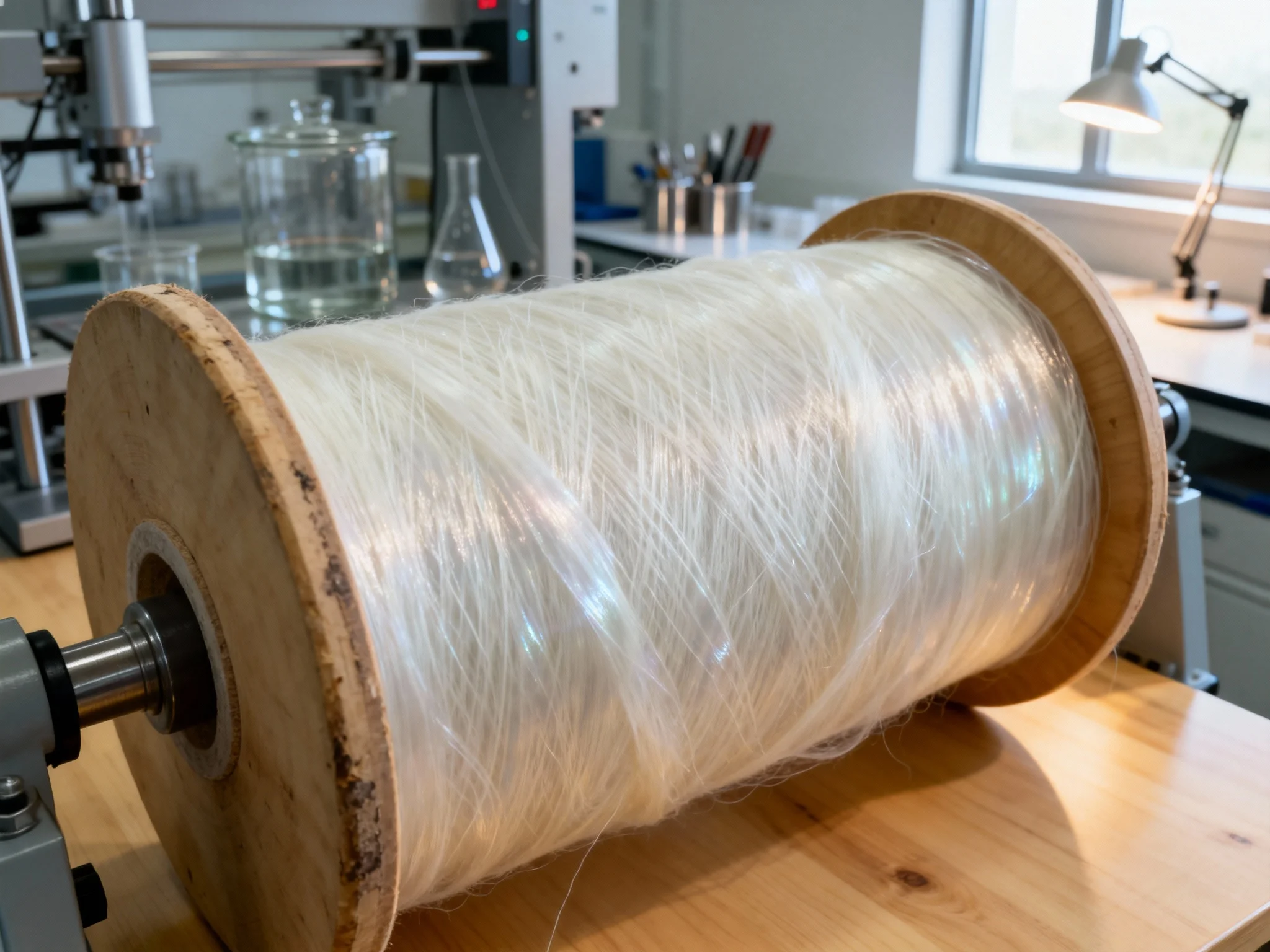
FENNYSUN has built its sustainability commitment on a holistic framework encompassing every production stage—from raw material selection to finished product distribution. This integrated approach recognizes that true environmental responsibility requires fundamental rethinking of manufacturing processes rather than isolated green initiatives.
Material selection sits at the core of this framework. FENNYSUN's latest collection utilizes sustainable fibers that significantly reduce environmental impact while maintaining the luxury quality customers expect. A cornerstone of this approach is certified sustainable silk sourced from Global Organic Textile Standard (GOTS) suppliers—a substantial advancement over conventional silk production, which typically demands vast quantities of water and pesticides. By prioritizing organic silk, FENNYSUN directly addresses one of the most resource-intensive aspects of scarf manufacturing.
The collection also features innovative recycled fiber blends, diverting textile waste from landfills while reducing demand for virgin resources. As sustainable textile practices gain traction across the industry, eco-friendly scarf production methods like these are growing in popularity among environmentally conscious consumers and businesses alike.
Material Innovation: Balancing Luxury and Sustainability
Exceptional sustainable fashion products begin with superior materials. FENNYSUN has embraced this principle by curating eco-friendly fabrics that meet both rigorous environmental standards and exacting aesthetic requirements. The company's material innovation approach demonstrates a nuanced understanding of sustainability that transcends mere greenwashing to deliver tangible environmental benefits.
FENNYSUN's sustainable silk directly addresses the significant environmental concerns associated with conventional sericulture. Traditional silk production involves intensive mulberry cultivation, often reliant on chemical fertilizers and pesticides, while its degumming process typically employs harsh chemicals. In contrast, FENNYSUN's sustainable silk utilizes biodegradable enzymes for gentler degumming, substantially reducing water pollution and chemical usage.
Beyond silk, FENNYSUN has explored alternative fibers with lower environmental footprints, including bamboo viscose processed through closed-loop systems that recapture and reuse solvents. The collection also features Tencel™ derived from sustainably harvested wood pulp using environmentally responsible production methods. These materials not only reduce environmental impact but also add unique textural qualities to the scarf designs.
Material innovation extends to yarn production as well. Some styles incorporate recycled polyester made from post-consumer plastic bottles. Each recycled polyester scarf diverts approximately 6-8 plastic bottles from landfills, contributing to waste reduction while maintaining the durability and versatility that make polyester a popular textile choice.
Production Processes: Minimizing Environmental Impact
While sustainable materials form the foundation of FENNYSUN's eco-friendly approach, the company has also innovated throughout its production processes to minimize environmental impact at every manufacturing stage. These improvements demonstrate that fashion sustainability requires meticulous attention to every detail of the production cycle.
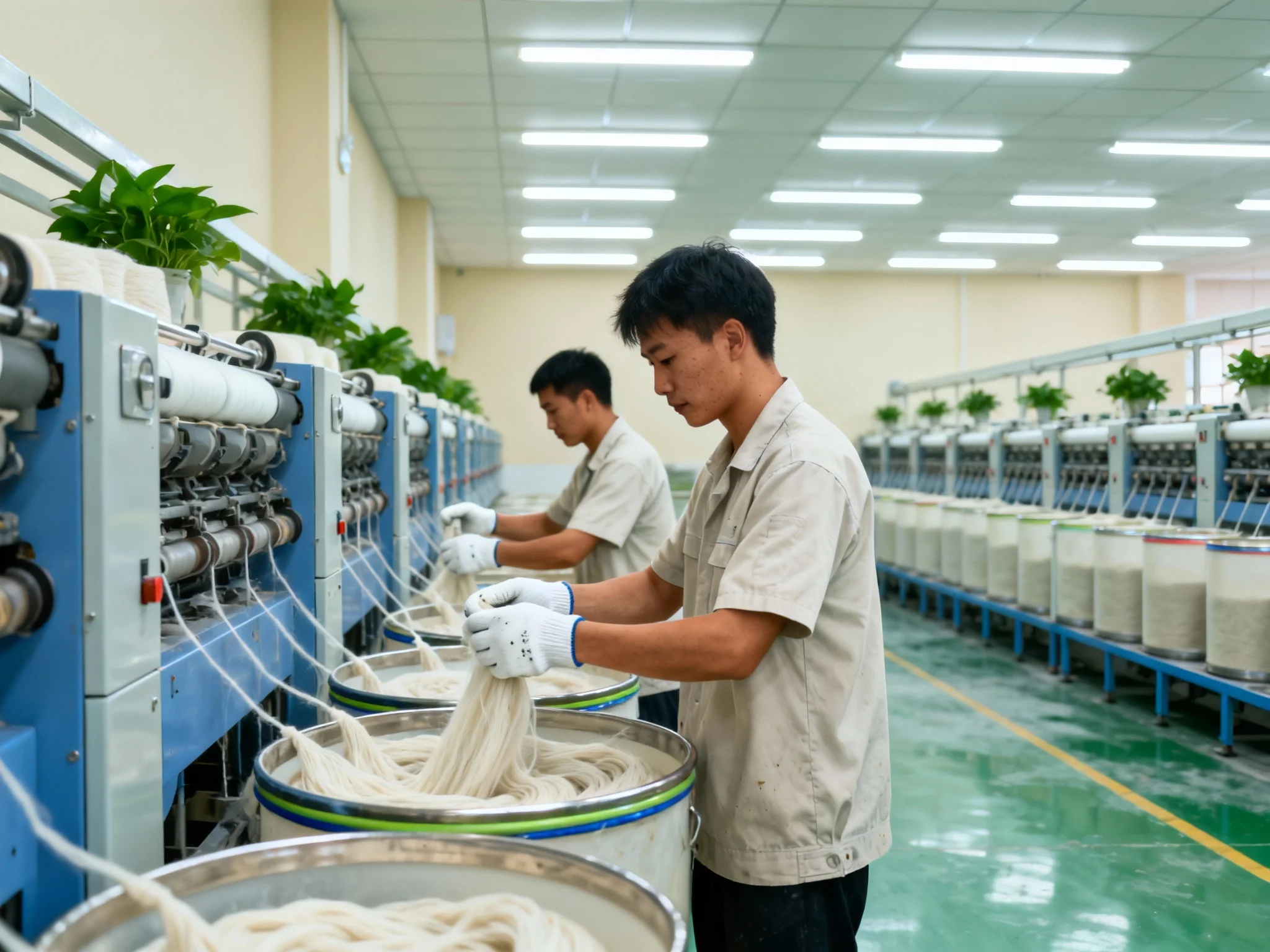
Water conservation represents a major focus of FENNYSUN's production optimization efforts. The textile industry is notoriously water-intensive, with conventional dyeing processes consuming up to 200 liters per kilogram of fabric. FENNYSUN has implemented advanced water-saving technologies, including state-of-the-art dyeing equipment that recirculates and filters process water. While FENNYSUN's specific water savings metrics aren't publicly available, industry benchmarks indicate these technologies can reduce water usage by 30-50% compared to conventional methods.
Energy efficiency forms another critical component of production process improvements. FENNYSUN has invested in energy-efficient machinery and optimized production scheduling to minimize consumption. The manufacturing facility utilizes natural lighting where possible and has installed LED lighting throughout, reducing lighting electricity usage by approximately 70% compared to traditional systems.
FENNYSUN's waste reduction measures extend beyond material selection to include production process optimization. Pattern nesting techniques minimize fabric waste during cutting, while offcuts and scraps are collected and repurposed for smaller accessories or sent to recycling programs. This comprehensive waste management approach addresses the pressing issue of textile waste, which accounts for approximately 92 million tons globally each year.
Dyeing and Printing: Innovations in Color Application
Dyeing and printing represent some of the most environmentally challenging aspects of textile production, typically involving toxic chemicals and large volumes of water. FENNYSUN has embraced innovative color application approaches that significantly reduce environmental impact while maintaining the vibrant colors and intricate designs that distinguish their scarves.
While FENNYSUN doesn't publicly share specific dyeing process details, the company has aligned with industry-leading sustainable dyeing practices that are transforming the textile sector. These include the use of low-impact dyes that meet strict environmental standards for heavy metal content and biodegradability. Unlike conventional dyes that release toxic substances into waterways, these eco-friendly alternatives break down more readily and require fewer harsh application chemicals.
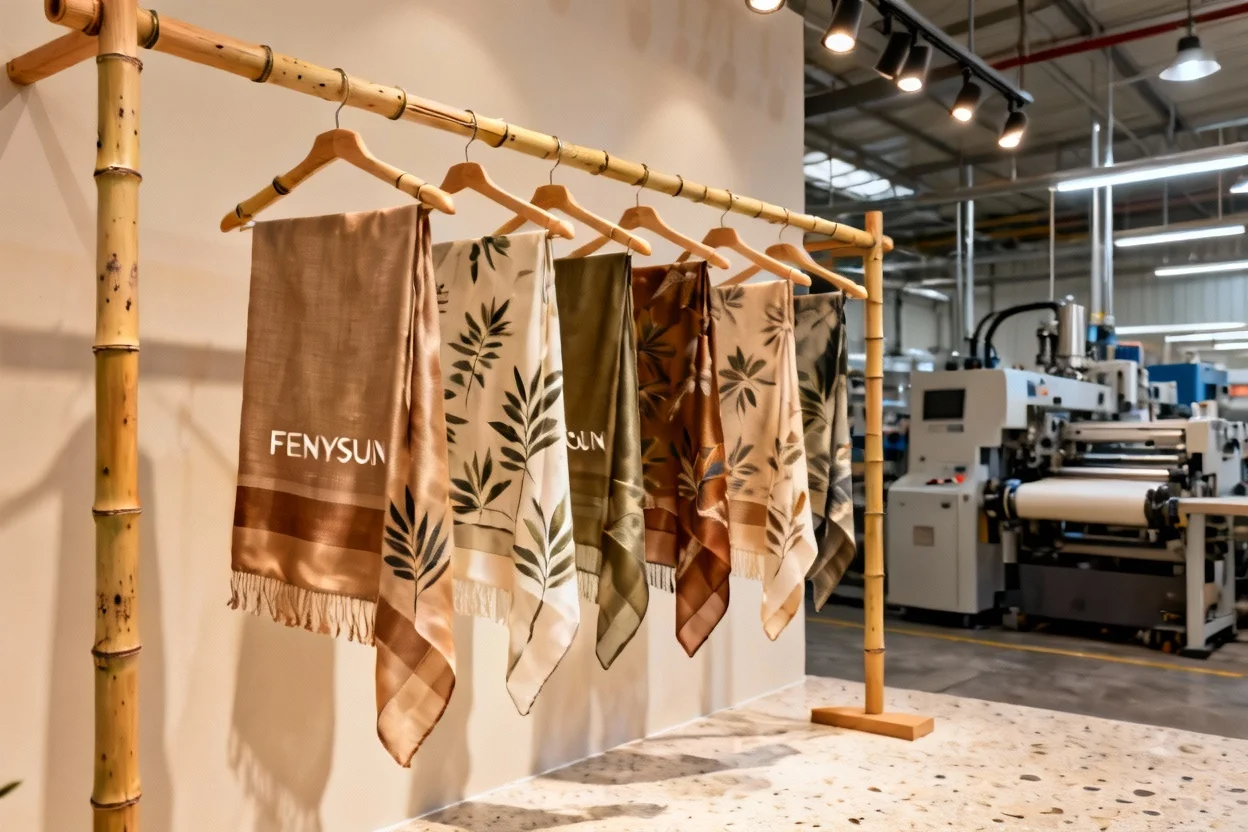
Digital printing technology has emerged as a key sustainability innovation in FENNYSUN's scarf production. This technology eliminates water-intensive color mixing and reduces dye usage by precisely applying color only where needed. Additionally, digital printing minimizes waste through on-demand production capabilities, reducing overstock and the associated environmental impact of unsold inventory.
Natural dye exploration represents another area of innovation for the company. Derived from plants, minerals, and other renewable sources, natural dyes have been used for centuries, and modern advancements have addressed historical limitations such as color fastness and range. FENNYSUN combines traditional techniques with contemporary textile science to create unique color palettes that tell stories of sustainable craftsmanship.
Ethical Production and Social Responsibility
Sustainable fashion extends beyond environmental considerations to encompass the social impact of production. FENNYSUN recognizes that truly ethical scarf manufacturing must address both environmental and human elements, ensuring fair treatment of workers throughout the supply chain.
The company's ethical production commitment is evident in its supplier selection criteria, which prioritize manufacturers adhering to strict labor standards. This includes compliance with local labor laws covering working hours, minimum wage, and workplace safety, as well as voluntary certifications demonstrating exceeding basic requirements. Through enhanced supply chain transparency, FENNYSUN assures customers that products are not only environmentally responsible but also ethically produced.
FENNYSUN has implemented initiatives supporting the communities involved in its production processes, including partnerships with artisan groups that preserve traditional craftsmanship techniques. These partnerships provide sustainable livelihoods while maintaining cultural heritage, enhancing product uniqueness while contributing to the economic empowerment of marginalized communities.
Employee welfare within FENNYSUN's own facilities represents another critical aspect of the company's ethical approach. The company has invested in creating safe, healthy working environments with appropriate ventilation, lighting, and ergonomic equipment. Training programs and skill development opportunities demonstrate a commitment to employee growth and well-being that extends beyond basic compliance requirements.
Market Impact and Customer Response
Growing consumer demand for sustainable fashion has created significant market opportunities for eco-friendly-focused brands like FENNYSUN. Sustainability increasingly influences purchasing decisions, particularly among millennial and Gen Z consumers, and FENNYSUN's commitment to environmental responsibility has positioned the company for success in this rapidly evolving market.
Industry reports confirm that sustainable fashion has moved beyond niche status to become a mainstream trend driving market growth. The scarf market specifically shows increased interest in products that offer both style versatility and environmental benefits. FENNYSUN's sustainable silk scarves perfectly align with this trend, offering consumers a versatile accessory that transitions seamlessly from professional settings to casual outings while reflecting personal values.
FENNYSUN's designs emphasize multifunctional nature—many styles can function as tops, hair accessories, or bag embellishments. This adds value by extending each piece's utility, enhancing customer satisfaction while contributing to sustainability by promoting the "buy less, choose well" philosophy. This approach encourages investment in high-quality, versatile pieces over numerous disposable accessories.
While specific sales data for FENNYSUN's sustainable collection isn't publicly available, overall market growth suggests strong consumer response to eco-friendly accessories. The global sustainable fashion market is projected to grow at a 10.4% CAGR from 2023 to 2030, significantly outpacing the broader fashion industry. Within this segment, accessories like scarves represent accessible entry points for consumers looking to adopt more sustainable fashion practices.
Future Directions and Continuous Improvement
Sustainable manufacturing represents a journey rather than a destination, and FENNYSUN recognizes the importance of continuous improvement and innovation in environmental practices. The company's commitment to sustainable scarf manufacturing extends beyond current achievements to include proactive addressing of future challenges and opportunities.
FENNYSUN continues to develop its sustainable material offerings as textile technology advances, evaluating new eco-friendly fibers and blends with improved performance characteristics and reduced environmental impact. This ongoing research and development ensure FENNYSUN remains at the forefront of innovation in sustainable textile practices.
Circular economy principles represent another key focus area, aiming to eliminate waste by designing products with their entire lifecycle in mind. Initiatives include exploring end-of-life scarf take-back programs, developing specific material recycling processes, and creating products that can be easily disassembled and repurposed. While still in early stages, these initiatives reflect FENNYSUN's long-term vision for a more sustainable fashion ecosystem.
Technology will continue to play a crucial role in FENNYSUN's sustainability journey, with ongoing investments in advanced water purification systems and energy-efficient production equipment to further reduce manufacturing environmental impact. Digital supply chain transparency and material traceability solutions will enhance the company's ability to verify sustainability claims and identify areas for improvement.
Collaboration offers another important avenue for future sustainability advancements. By partnering with suppliers, industry organizations, and research institutions, FENNYSUN can contribute to and benefit from collective knowledge sharing and innovation in sustainable textile production. These partnerships accelerate progress toward shared environmental goals that no single company could achieve independently.
Conclusion: Setting New Standards in Sustainable Scarf Manufacturing
FENNYSUN's eco-friendly scarf production journey demonstrates how traditional textile manufacturing can be reimagined through a sustainability lens, setting new industry standards for scarf production. By integrating sustainable materials, innovative production processes, and ethical labor practices, the company has proven that environmental responsibility and luxury craftsmanship are not mutually exclusive—they can reinforce each other.

The significance of FENNYSUN's approach extends beyond environmental benefits alone. In an industry often criticized for its social and environmental impact, the company's sustainable practices represent a broader shift toward more responsible business models. This transition responds to consumer demand while recognizing fashion's responsibility to address pressing global challenges, including climate change, resource depletion, and social inequality.
For fashion brands and boutiques seeking to align their offerings with sustainability values, FENNYSUN's case provides valuable implementation insights. The company demonstrates how to implement meaningful environmental practices without compromising on quality or design, with a holistic approach spanning materials, production, dyeing, and social responsibility that serves as a model for comprehensive sustainability strategy rather than isolated initiatives.
As consumer awareness grows and regulatory pressures increase, sustainable manufacturing practices pioneered by companies like FENNYSUN will become increasingly important for long-term business viability. By embracing this transition early, FENNYSUN has positioned itself as an industry leader well-equipped to navigate the evolving landscape of sustainable fashion.
Ultimately, FENNYSUN's journey exemplifies how businesses can drive positive change through intentional design and manufacturing decisions, creating value for customers and stakeholders while contributing to the movement toward a more sustainable and equitable fashion industry.