As sustainability becomes the cornerstone of conscious fashion, discerning retailers and brands increasingly seek manufacturing partners who prioritize environmental responsibility without compromising on quality. In the competitive accessory production landscape, FENNYSUN has emerged as a key player by integrating sustainable material sourcing into its core manufacturing philosophy. This case study explores how the company approaches eco-friendly scarf production, offering insights for boutique owners and fashion brands seeking to align supply chains with ethical principles.
The Importance of Sustainable Textile Practices in Modern Fashion
The textile industry faces growing scrutiny regarding environmental impact. Conventional production methods contribute significantly to water pollution, carbon emissions, and waste generation. According to Textile Exchange's 2025 Materials Benchmark Report, the fashion sector's transition toward sustainable materials has accelerated. Consumer demand and regulatory pressures drive this shift, making material sourcing a critical differentiator for brands competing in the ethical fashion marketplace.
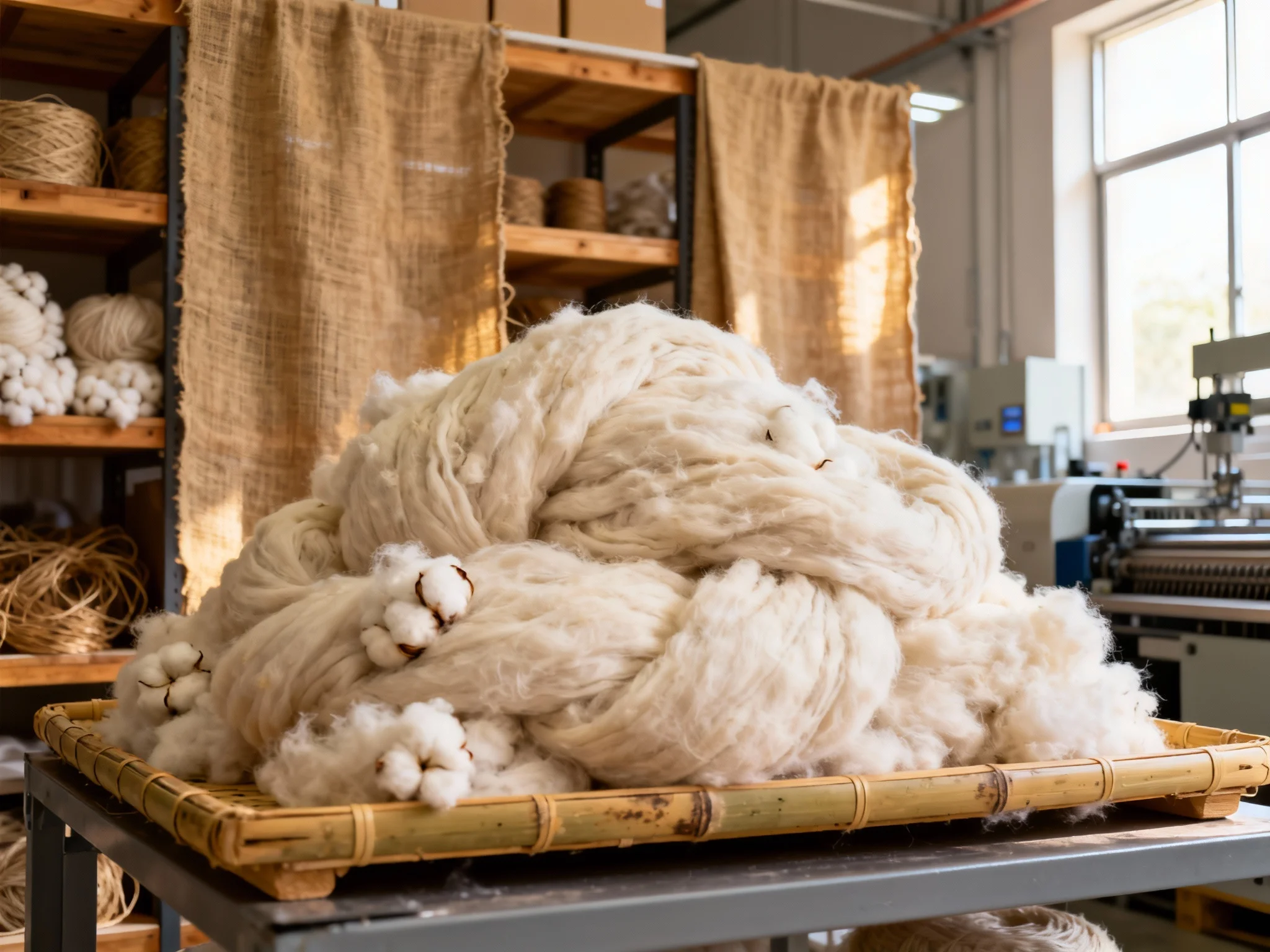
"Sustainable material selection is no longer an optional luxury but a business imperative," notes industry analyst Maria Sanchez in the 2025 Textile Sustainability Trends Review. "Retailers increasingly recognize that supply chain decisions directly impact brand reputation and consumer loyalty in today's environmentally conscious market."
For accessory brands like FENNYSUN, which specializes in scarves and similar accessories, fabric choices carry particular significance. These products often feature natural fibers and dyes, making their environmental footprint a key consideration for sustainability-minded consumers and business clients alike.
FENNYSUN's Ethical Scarf Manufacturing Framework: Balancing Ethics and Aesthetics
While specific details of FENNYSUN's sourcing practices remain proprietary, industry observers have identified several key principles guiding the company's approach to eco-friendly fabric selection. These principles reflect a comprehensive framework balancing environmental responsibility with the aesthetic and functional requirements of high-quality scarf production.
Material Selection Criteria
FENNYSUN's material sourcing strategy prioritizes fabrics meeting multiple sustainability criteria simultaneously. The company's product lines consistently feature textiles demonstrating:
- Reduced environmental impact throughout the production cycle
- Ethical labor practices at every stage of the supply chain
- Certifiable sustainability credentials from recognized third-party organizations
- Performance characteristics appropriate for luxury scarf production
- Aesthetic qualities that meet the brand's design standards
This multifaceted approach ensures sustainability doesn't come at the expense of product quality or design integrity—essential for fashion accessories where appearance and feel directly impact market success.
Certification Alignment
FENNYSUN's commitment to sustainable sourcing shows through its alignment with leading certification standards in the textile industry. The company's products regularly feature materials certified by:
- Global Organic Textile Standard (GOTS): Ensuring organic status from harvesting to manufacturing
- OEKO-TEX® Standard 100: Verifying that textiles are free from harmful substances
- Fair Trade Certified™: Guaranteeing fair compensation and safe working conditions for producers
These certifications provide tangible evidence of sustainability claims, offering assurance to retail partners and end consumers. Notably, FENNYSUN has embraced the updated 2025 OEKO-TEX® regulations introducing stricter limits on chemical usage and expanded testing requirements for textile products.
The Sustainable Fabric Selection Process
Based on industry best practices and available information about FENNYSUN's operations, the company's fabric selection process follows a systematic approach evaluating potential materials across multiple dimensions of sustainability and performance.
Initial Screening and Material Identification
The process begins with identifying fabrics aligning with current sustainability trends while meeting functional requirements of scarf production. For 2025, this includes emerging textile innovations highlighted in industry reports, such as:
- Advanced plant-based fibers with reduced water requirements
- Recycled textiles incorporating post-consumer waste materials
- Digitally printed fabrics that minimize water and ink usage
- Biodegradable options that reduce long-term environmental impact
FENNYSUN's design team collaborates closely with sourcing specialists during this phase to ensure sustainability considerations integrate from the earliest stages of product development.
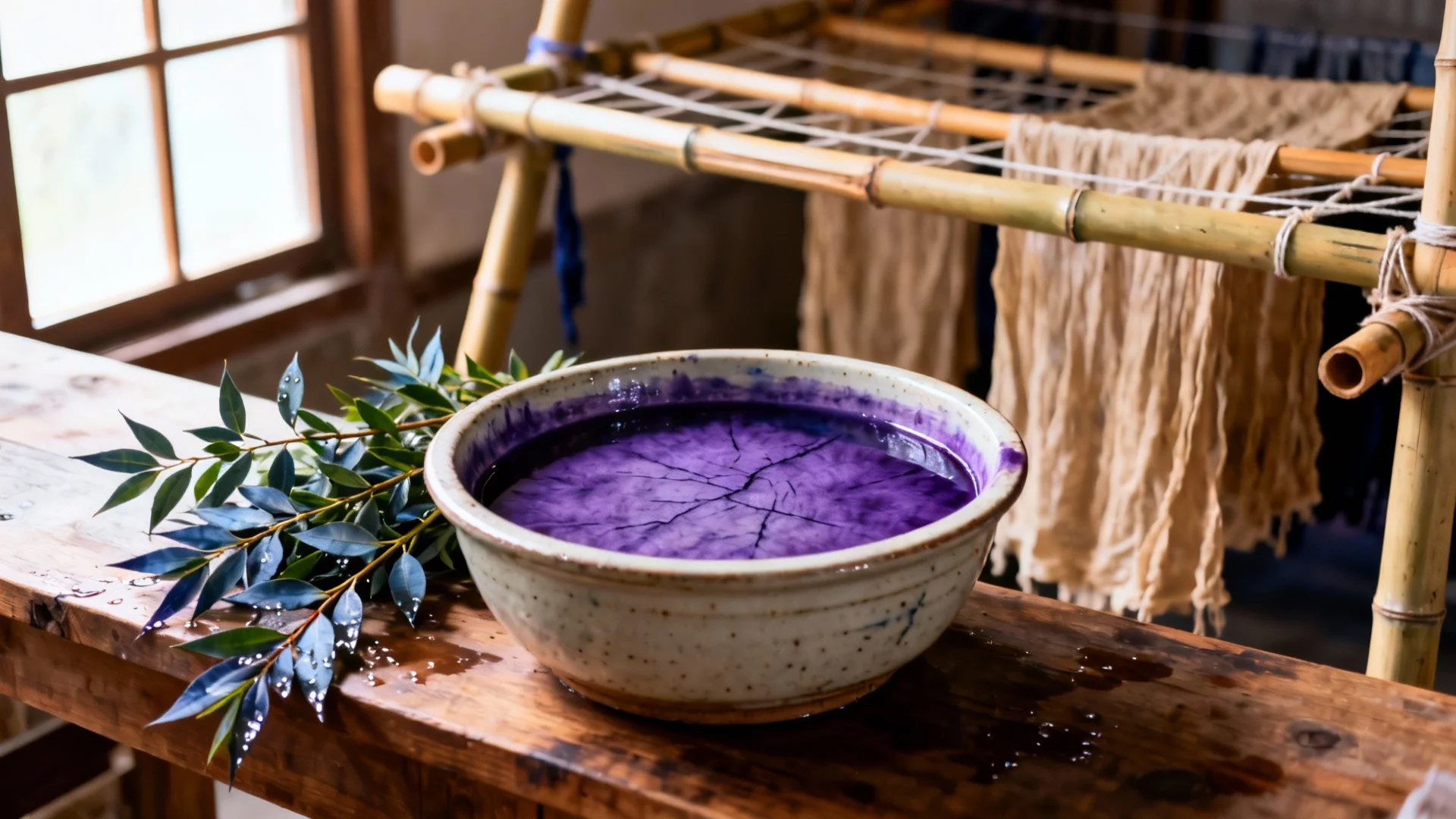
Supplier Evaluation and Partnership Development
Once potential materials are identified, FENNYSUN engages in rigorous supplier evaluation. This process includes comprehensive assessments of:
- Environmental management systems at production facilities
- Labor practices and working conditions
- Traceability systems for raw materials
- Compliance with international sustainability standards
- Capacity for consistent quality and ethical production
The company prioritizes long-term partnerships with suppliers demonstrating shared values and commitment to continuous improvement in sustainability performance. This approach aligns with the "relationship-based sourcing" model gaining traction in the textile industry, emphasizing collaboration over transactional relationships.
Quality and Performance Assessment
Sustainability credentials alone aren't enough for luxury scarf production, where tactile qualities and aesthetic appeal matter most. FENNYSUN's selection process incorporates rigorous testing of each fabric's performance characteristics, including:
- Durability and wear resistance
- Color retention and dye stability
- Texture and drape properties
- Comfort and skin compatibility
- Care requirements and longevity
This comprehensive testing ensures eco-friendly fabrics meet the same quality standards as conventional alternatives, addressing a common concern among retailers regarding sustainable textiles' performance.
Practical Implementation Challenges in Ethical Scarf Manufacturing
Despite clear benefits of sustainable material sourcing, implementation presents numerous challenges requiring strategic solutions. FENNYSUN's approach to these challenges offers valuable lessons for other fashion brands navigating similar transitions.
Cost Considerations and Value Justification
One of the most significant barriers to sustainable sourcing is higher initial cost of eco-friendly materials and ethical production methods. FENNYSUN has addressed this challenge through:
- Strategic volume commitments to achieve economies of scale
- Vertical integration in certain supply chain segments
- Long-term supplier relationships that facilitate cost stability
- Product positioning that emphasizes sustainability as a value driver
These strategies have enabled the company to maintain competitive pricing while gradually expanding sustainable material use across product lines.
Supply Chain Complexity and Traceability
Global textile supply chains' complexity presents another major challenge for sustainable sourcing. FENNYSUN has implemented robust traceability systems providing visibility into material origins and production processes. These systems incorporate:
- Digital tracking technologies for raw materials
- Regular supplier audits and facility visits
- Documentation requirements for sustainability claims
- Transparency initiatives for key product lines
Such measures ensure compliance with sustainability commitments and provide valuable marketing content for retail partners and consumers interested in product provenance.
Balancing Innovation with Tradition
As a luxury accessory producer, FENNYSUN faces the unique challenge of balancing traditional craftsmanship with innovative sustainable practices. The company's approach demonstrates how heritage techniques can be preserved while embracing environmental responsibility through:
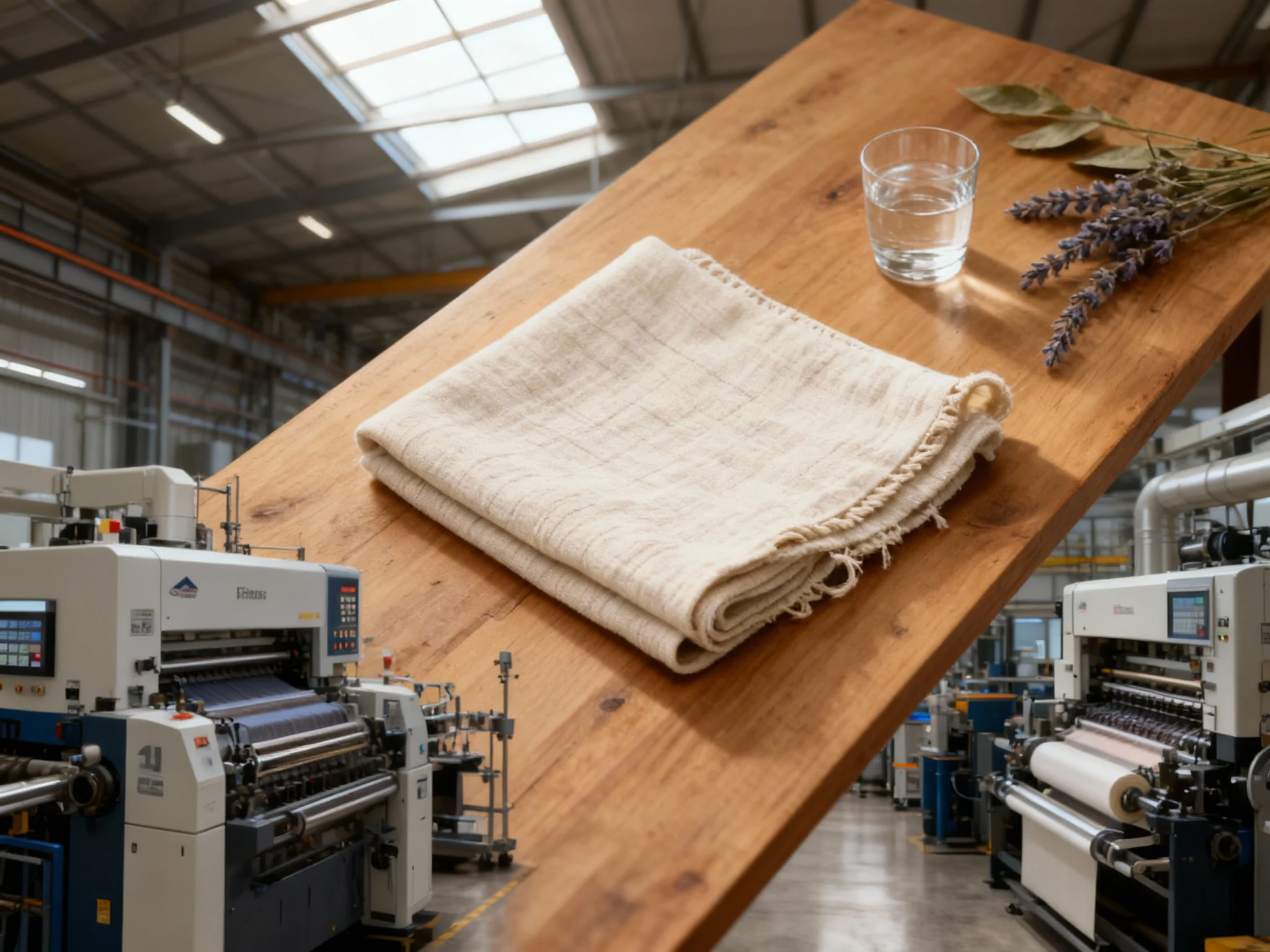
- Modernization of traditional production methods to reduce waste
- Integration of sustainable materials into classic designs
- Education of artisans in eco-friendly techniques
- Preservation of cultural heritage while improving environmental performance
This balanced approach has allowed FENNYSUN to maintain brand identity while evolving toward more sustainable operations.
Industry Impact and Future Directions in Sustainable Textile Practices
FENNYSUN's sustainable sourcing practices contribute to broader industry trends reshaping textile production and consumption patterns. As the company continues refining its approach to eco-friendly fabric selection, several emerging directions merit monitoring.
Technological Integration in Sustainable Sourcing
The textile industry's digital transformation creates new opportunities for sustainability. FENNYSUN has begun exploring technologies such as:
- Blockchain for enhanced supply chain transparency
- Digital printing techniques that reduce water and chemical usage
- AI-driven material optimization to minimize waste
- Smart textiles with enhanced durability and performance
These innovations suggest the future of sustainable sourcing will increasingly leverage technology to address environmental challenges while improving product quality and consumer experience.
Circular Economy Principles
Looking ahead, FENNYSUN appears positioned to embrace circular economy principles more fully in material sourcing. The circular approach emphasizes:
- Material recycling and upcycling
- Product design for longevity and recyclability
- Take-back programs for end-of-life products
- Industrial symbiosis that transforms waste into resources
By incorporating these principles, the company could further reduce environmental footprint while creating new value streams from existing materials.
Collaboration for Collective Impact
Most significantly, FENNYSUN's sustainability journey reflects growing recognition that meaningful change requires industry-wide collaboration. The company actively participates in several initiatives:
- Industry consortia working to standardize sustainability metrics
- Supplier development programs focused on capacity building
- Research partnerships exploring next-generation sustainable materials
- Advocacy efforts to shape supportive policy frameworks
These collaborative approaches recognize that addressing the textile industry's environmental challenges requires collective action rather than isolated efforts.
Recommendations for Sustainable Scarf Manufacturing Implementation
Based on FENNYSUN's approach to sustainable material sourcing, several key recommendations emerge for boutique owners, specialty stores, and fashion brands seeking to enhance their own sustainability credentials:
Develop a Clear Sustainability Framework
Begin by defining clear sustainability priorities and criteria aligning with brand values and customer expectations. This framework should guide material selection decisions while allowing flexibility for innovation and improvement.
Build Transparent Supply Chains
Invest in traceability systems providing visibility into material origins and production processes. Transparency ensures compliance with sustainability commitments and creates storytelling opportunities resonating with consumers.
Prioritize Long-term Supplier Relationships
Develop strategic partnerships with suppliers sharing sustainability values and demonstrating commitment to continuous improvement. These relationships often yield better pricing, quality assurance, and innovation collaboration over time.
Educate Stakeholders About Value
Ensure buyers, staff, and customers understand the value proposition of sustainable materials. This education should emphasize not just environmental benefits but also quality, durability, and performance characteristics justifying any potential price differences.
Adopt a Phased Implementation Approach
Recognize that complete transformation happens gradually. Identify quick wins demonstrating progress while planning for more comprehensive changes. This phased approach allows for learning, adjustment, and incremental improvement over time.
Conclusion: The Path Forward for Sustainable Scarf Production
FENNYSUN's approach to sustainable material sourcing demonstrates how fashion accessory brands can navigate the complex landscape of ethical textile production. By balancing environmental responsibility with design excellence and commercial viability, the company has established a model others in the industry can adapt and refine.
As consumer demand for sustainable products grows, material sourcing will play an increasingly central role in brand differentiation and market success. FENNYSUN's experience offers valuable insights into how this transition can be approached strategically, emphasizing comprehensive frameworks, long-term partnerships, and continuous innovation.
For boutique owners and fashion brands seeking to align offerings with ethical principles, the key takeaway is clear: sustainable material sourcing represents not just an environmental imperative but a business opportunity to deliver enhanced value to increasingly conscious consumers. By following FENNYSUN's example of balancing multiple considerations in fabric selection, retailers can position themselves for success in the rapidly evolving landscape of sustainable fashion.
The future of scarf manufacturing—and fashion more broadly—will undoubtedly be shaped by companies demonstrating both aesthetic excellence and environmental responsibility. In this context, FENNYSUN's sustainable sourcing practices offer a glimpse of what this future might look like: one where beauty and sustainability coexist harmoniously, creating value for businesses, consumers, and the planet alike.