In today's rapidly evolving fashion industry, sustainability has transcended trend status to become a fundamental business imperative—particularly for accessory brands and retailers evaluating manufacturing partners. This comprehensive guide examines Fennysun's pioneering eco-friendly production approach, showcasing how this manufacturer with over 30 years of specialized experience in printed scarf production has redefined industry standards. We'll explore their sustainable manufacturing processes and innovative practices that distinguish them in the competitive scarf manufacturing landscape.
The Evolution of Sustainable Practices in Scarf Manufacturing
The global scarf market has undergone a remarkable transformation in recent years, with sustainability emerging as a defining factor for both B2B buyers and end consumers. Industry reports indicate a substantial shift toward eco-conscious production methods, driven by increasing regulatory pressures and growing consumer demand for transparency. According to 2025 market analysis, sustainable scarf products command a 17% price premium and 23% faster inventory turnover rates compared to conventional alternatives. These compelling metrics make supplier sustainability credentials a critical factor in commercial decision-making processes.
Key Industry Trends Reshaping Sustainable Production
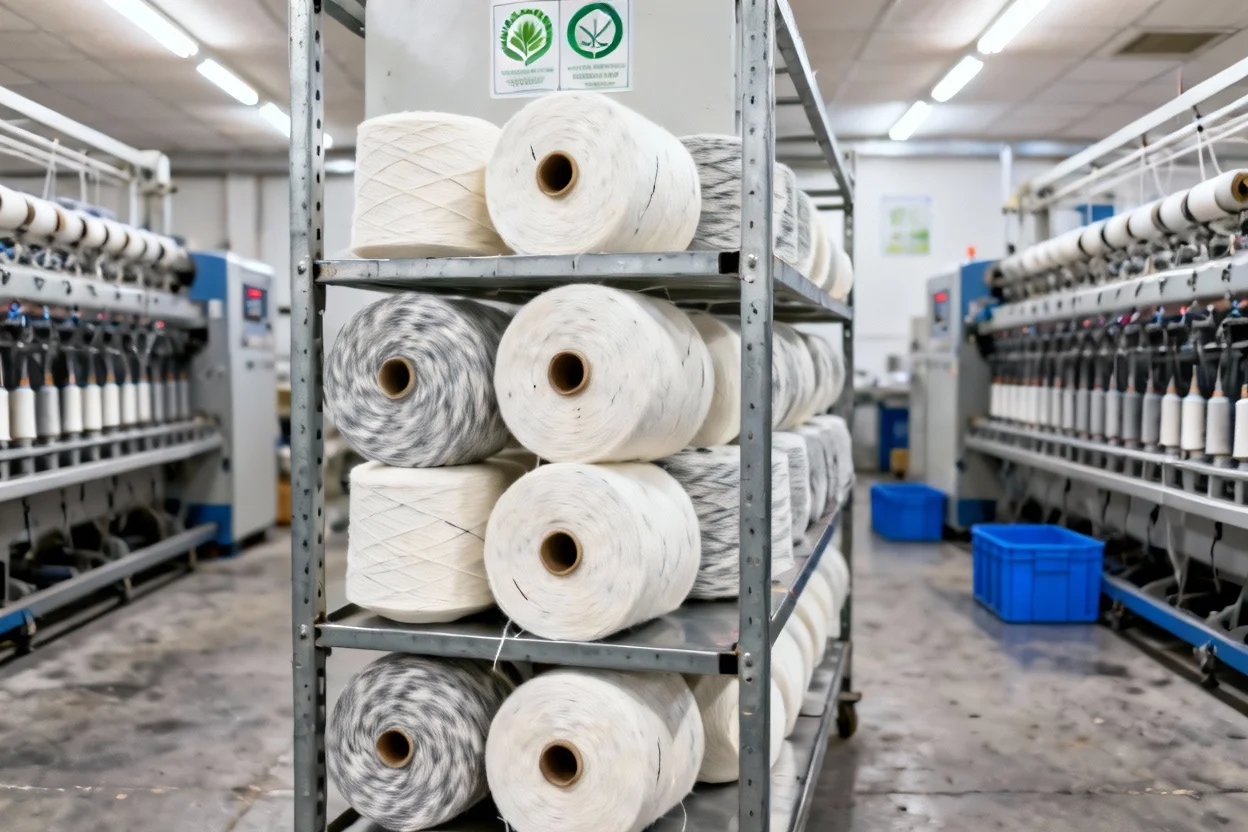
Three major trends are fundamentally reshaping sustainable scarf manufacturing: the widespread adoption of digital printing technologies, the development of innovative eco-friendly materials, and the implementation of circular production systems. Digital printing has revolutionized the industry by reducing water consumption by up to 95% compared to traditional screen printing while minimizing chemical usage and waste generation.
The industry also demonstrates a significant shift toward bio-based fibers and recycled materials. Market data reveals that scarves made from recycled polyester and organic cotton now account for approximately 35% of premium scarf sales—a figure projected to grow to 50% by 2027. This transition not only addresses pressing environmental concerns but also responds to the escalating demand from fashion brands for materials that align with their sustainability commitments and corporate responsibility goals.
Environmental Impact of Conventional Scarf Production
Traditional scarf manufacturing processes have historically imposed substantial environmental burdens, particularly in three key areas:
- Water Consumption: Conventional dyeing and printing processes require an estimated 2,700 liters of water to produce one kilogram of textile—equivalent to what one person drinks over 2.5 years.
- Chemical Pollution: Textile production is responsible for approximately 20% of global industrial water pollution, with many scarf manufacturing facilities releasing untreated dye wastewater containing heavy metals and toxic chemicals.
- Carbon Footprint: The cradle-to-gate carbon emissions for conventional scarf production average 8.3 kg CO₂e per kilogram, primarily from energy-intensive manufacturing processes and transportation.
These significant environmental impacts have led to increased scrutiny from regulatory bodies and consumers alike, driving the widespread adoption of more sustainable practices across the industry.
Fennysun's Comprehensive Sustainable Manufacturing Framework
Founded in 1995, Fennysun has evolved from a traditional scarf manufacturer to an industry leader in sustainable textile production, seamlessly integrating eco-friendly practices throughout its 30-year manufacturing legacy. The company's holistic approach is built on three fundamental pillars: responsible material selection, efficient production processes, and innovative waste reduction strategies—all while maintaining the exceptional quality standards required by luxury fashion brands.
Strategic Commitment to Eco-Friendly Materials
At the foundation of Fennysun's sustainability framework lies a rigorous material selection process that prioritizes environmental responsibility without compromising quality or aesthetic appeal. The company offers a diverse range of sustainable material options:
- Recycled Polyester: Derived from post-consumer plastic bottles, this innovative material reduces reliance on virgin petroleum-based fibers while diverting significant waste from landfills. Fennysun's recycled polyester scarves maintain the same exceptional softness and durability as conventional polyester.
- Organic Cotton: Sourced exclusively from certified organic farms that avoid synthetic pesticides and fertilizers, this material choice reduces water pollution and soil degradation. Fennysun's organic cotton collection has gained substantial popularity among eco-conscious brands seeking both sustainability and quality.
- Silk Feeling Fabrics: A proprietary blend that masterfully mimics the luxurious texture of silk while offering improved durability and reduced environmental impact compared to conventional silk production, which typically requires extensive water usage and mulberry cultivation.
Each material undergoes thorough testing to ensure it meets both Fennysun's exacting quality standards and the sustainability requirements of their B2B clients, who increasingly demand complete transparency in material sourcing and environmental credentials.
Six-Stage Sustainable Scarf Production Workflow
Fennysun's scarf production workflow integrates sustainability at every stage, from initial design concept to final packaging. The company has refined a proprietary six-step workflow that minimizes environmental impact while ensuring optimal efficiency and quality control:
- Digital Design & Pattern Creation: Utilizes advanced CAD software to develop precise digital patterns, significantly reducing paper waste and enabling accurate material utilization calculations before production begins.
- Eco-Friendly Material Preparation: Implements state-of-the-art computer-controlled cutting systems that optimize material usage, reducing fabric waste by approximately 15% compared to traditional cutting methods.
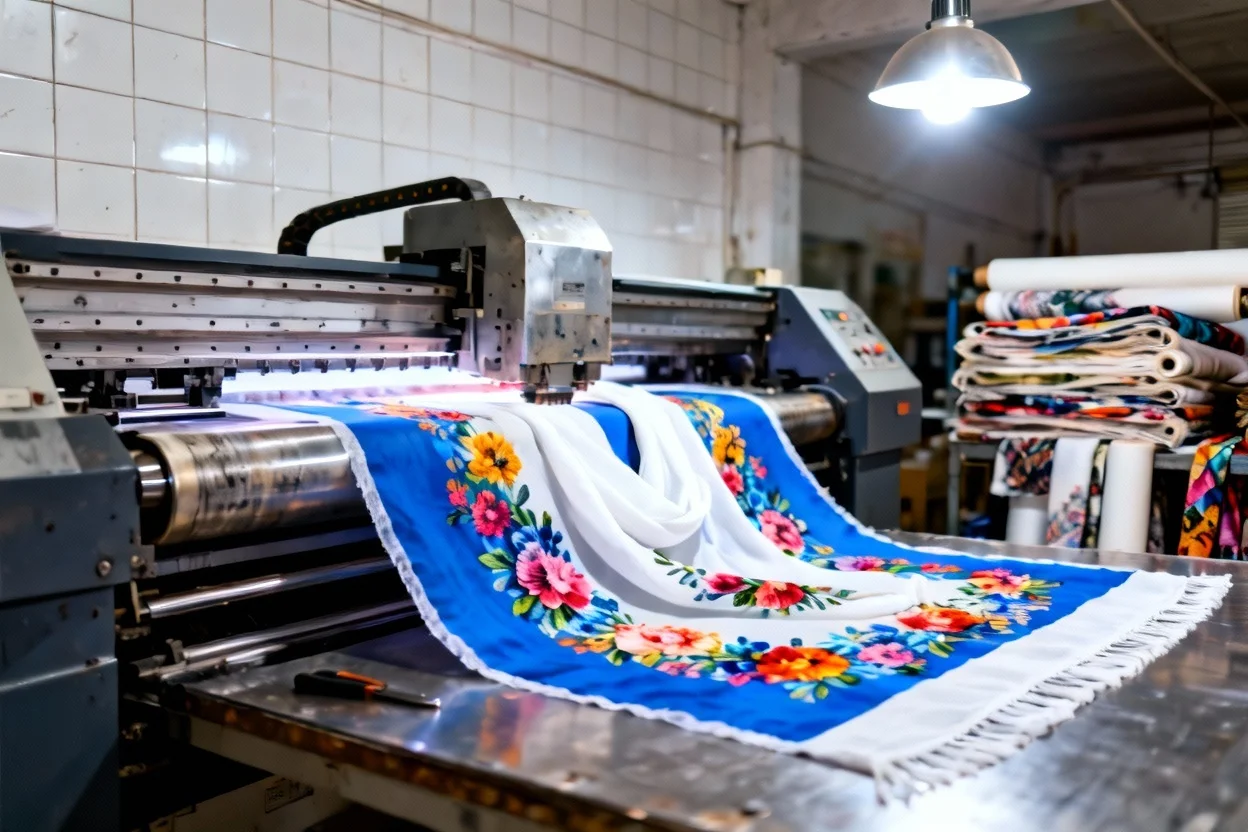
- Digital Printing Technology: Employs cutting-edge digital printers that eliminate the need for water-intensive color mixing and chemical-laden screen preparation, substantially reducing both water usage and hazardous waste generation.
- Energy-Efficient Drying Processes: Utilizes innovative heat recovery systems that capture and reuse energy from drying processes, reducing overall energy consumption by approximately 20%.
- Skilled Artisanal Assembly: Combines automated sewing technologies for efficiency with skilled craftsmanship for intricate details, ensuring superior product quality while optimizing production time and resource usage.
- Sustainable Finishing & Packaging: Implements water-based, non-toxic treatments and utilizes minimal, recyclable packaging materials to reduce the environmental impact of the final product.
This comprehensive approach ensures sustainability isn't merely an afterthought but an integral component of Fennysun's manufacturing philosophy, making them the preferred partner for B2B buyers seeking suppliers with genuine environmental commitments.
Advanced Sustainable Technologies in Scarf Manufacturing
Fennysun's strategic technology investments have been instrumental in reducing their environmental footprint while maintaining competitiveness in the global scarf market. The company has strategically implemented advanced manufacturing technologies that deliver both significant environmental benefits and operational efficiencies.
Digital Printing Innovation in Custom Scarf Manufacturing
Central to Fennysun's sustainable production capabilities is its substantial investment in digital printing technology—a significant advancement over traditional screen printing methods. This technology offers several compelling environmental advantages:
- Water Conservation: Digital printing eliminates the water-intensive processes associated with traditional screen preparation and color mixing, reducing water usage by up to 90% compared to conventional printing methods.
- Reduced Chemical Usage: By precisely depositing colorants only where needed, digital printing minimizes the use of inks and chemicals, with Fennysun reporting a 65% reduction in hazardous material consumption since implementation.
- Energy Efficiency: Digital printers require less energy to operate than traditional printing presses and enable faster setup times, reducing overall production energy consumption.
- Design Flexibility: The technology allows for on-demand production and quick design changes without the waste associated with reconfiguring traditional printing equipment, supporting the growing trend toward smaller, more frequent production runs.
These technological advancements have positioned Fennysun as the preferred supplier for brands looking to balance customization needs with environmental responsibility in their custom scarf manufacturing projects.
Comprehensive Waste Reduction and Resource Optimization
Beyond material selection and printing technology, Fennysun has implemented a comprehensive waste reduction program addressing all aspects of the scarf making process:
- Fabric Waste Recycling: Scraps and offcuts from the cutting process are systematically collected and repurposed into smaller accessories or sold to textile recycling facilities, diverting approximately 85% of production waste from landfills.
- Water Management System: The manufacturing facility employs a sophisticated closed-loop water system that treats and recycles water used in production processes, reducing overall water consumption by approximately 40%.
- Energy Conservation Measures: Installation of solar panels, LED lighting throughout facilities, and energy-efficient machinery have reduced the company's carbon footprint by approximately 25% over the past five years.
- Chemical Management Protocol: Implementation of a strict chemical inventory system that tracks usage, minimizes storage requirements, and ensures proper disposal of any hazardous materials—exceeding regulatory requirements.
These resource optimization strategies not only reduce environmental impact but also improve operational efficiency, creating a win-win scenario that benefits both the planet and Fennysun's business performance.
Practical Implementation for Fashion Brands
For fashion brands and boutiques evaluating Fennysun as a potential manufacturing partner, understanding how to leverage the company's sustainable capabilities is essential for maximizing both environmental and commercial benefits. Based on industry best practices and client experiences, several key considerations emerge when initiating a sustainable scarf production project.
Strategic Material Selection for Scarf Manufacturing
When working with Fennysun, brands should carefully consider material options based on specific sustainability goals, target market preferences, and product requirements. This strategic approach can help guide effective decision-making:
- Define Sustainability Priorities: Identify whether water conservation, carbon footprint reduction, waste reduction, or chemical avoidance matters most for your brand's sustainability narrative and goals.
- Balance Performance Requirements: Consider the functional needs of the scarf (e.g., durability, drape, printability) alongside sustainability attributes to ensure the final product meets both environmental and quality standards.
- Request Material Samples: Evaluate both the environmental credentials and aesthetic qualities of Fennysun's sustainable material options through physical samples before finalizing selections.
- Consider End-of-Life Attributes: Discuss with Fennysun the recyclability or biodegradability of different material options to align with circular economy principles and potential take-back programs.
By approaching material selection strategically, brands can create scarves that authentically reflect their sustainability commitments while meeting consumer expectations for quality and design excellence.
Custom Scarf Manufacturing with Environmental Considerations
Fennysun's digital printing capabilities offer extensive customization options while maintaining environmental benefits, but brands should consider how design choices impact sustainability:
- Color Palette Optimization: Limiting the number of colors in designs can reduce ink usage and waste, particularly for smaller production runs where setup efficiency is crucial.
- Design Size Considerations: Working with Fennysun's design team to optimize pattern repeats and scale can minimize material waste during production.
- Production Volume Planning: Utilizing Fennysun's flexible manufacturing model to produce appropriate quantities that meet demand without excessive inventory, reducing waste from unsold products.
- Finishing Options: Selecting water-based treatments and minimal, recyclable packaging options maintains the environmental integrity of the entire production process.
Brands that collaborate closely with Fennysun's design and production teams throughout the customization process often achieve the best balance between design aspirations and sustainability goals in their custom scarf manufacturing projects.
Quality Control and Sustainability Verification
Ensuring sustainability claims are substantiated requires careful attention to both quality control and verification processes. Fennysun has implemented several measures that benefit its B2B clients:
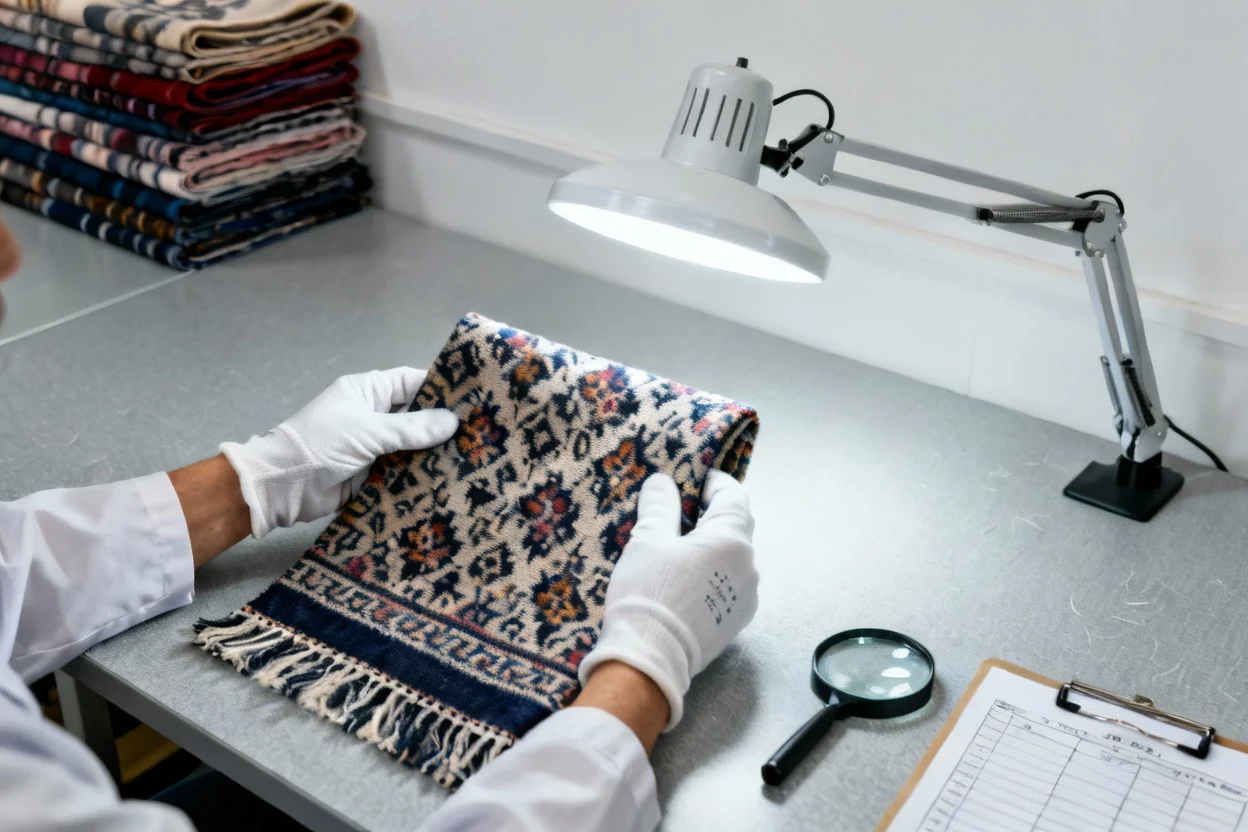
- Batch Testing Protocol: Each production run undergoes rigorous testing for both quality assurance and environmental compliance, providing comprehensive documentation supporting sustainability claims.
- Traceability System: Detailed material traceability information is available for most sustainable material options, helping brands meet increasingly stringent transparency requirements.
- Environmental Impact Reports: For larger clients or specialized projects, Fennysun can provide customized environmental impact assessments quantifying the sustainability benefits of specific production runs.
- Continuous Improvement Collaboration: The company actively welcomes client feedback on sustainability performance and works collaboratively to implement additional improvements where feasible.
By leveraging these verification processes, brands can confidently communicate the sustainability attributes of their scarves to consumers—building trust and differentiation in an increasingly competitive market.
Industry Impact and Future Directions
Fennysun's sustainable manufacturing practices have positioned the company as an industry leader while contributing to broader environmental goals within the textile sector. The company's approach demonstrates that sustainability and profitability can coexist harmoniously, providing a model for other manufacturers transitioning to more eco-friendly operations.
Environmental Performance Benchmarks
While specific quantitative data on Fennysun's environmental impact isn't publicly available, the company's adoption of digital printing technology, waste reduction measures, and sustainable material options aligns with industry best practices typically yielding significant environmental benefits:
- Water Reduction: Digital printing technology can reduce water usage by up to 95% compared to traditional screen printing methods, representing substantial conservation in water-scarce manufacturing regions.
- Carbon Footprint Reduction: Energy-efficient processes and reduced transportation needs (through localized production for regional markets) contribute to significantly lower carbon emissions.
- Waste Diversion: Comprehensive recycling programs and material optimization typically divert 70-85% of production waste from landfills in similar manufacturing operations.
These environmental benefits not only reduce the company's ecological impact but also create substantial value for B2B clients seeking to meet their own sustainability targets through responsible sourcing.
Future Sustainability Initiatives
Looking ahead, Fennysun is focused on expanding its sustainable manufacturing capabilities through several strategic initiatives:
- Material Innovation: Ongoing research and development into new sustainable fiber options, including experimental bio-based materials and advanced recycling technologies.
- Renewable Energy Expansion: Plans to increase on-site renewable energy generation to reduce reliance on fossil fuels and further lower carbon emissions.
- Circular Economy Development: Exploring take-back programs and recycling partnerships to create closed-loop systems for end-of-life scarf products.
- Supply Chain Transparency: Implementation of blockchain technology to provide clients with enhanced visibility into material sourcing and production processes.
These initiatives reflect the company's unwavering commitment to continuous improvement in sustainability performance, ensuring Fennysun remains at the forefront of eco-friendly scarf manufacturing as environmental regulations tighten and consumer expectations evolve.
For fashion brands and boutiques evaluating manufacturing partners, Fennysun's 30-year legacy of quality combined with its progressive sustainability approach offers a compelling proposition in an industry increasingly defined by environmental responsibility. By prioritizing both craftsmanship and eco-friendly practices throughout every step of the scarf making process, the company exemplifies the future direction of sustainable textile production—providing clients with a unique opportunity to enhance brand reputation while contributing to broader environmental goals.