In today's rapidly evolving fashion landscape, sustainability has transitioned from a niche concern to a core business imperative. As boutiques, specialty stores, and fashion brands increasingly prioritize ethical sourcing, establishing robust criteria for evaluating sustainable scarf manufacturers has become essential. This guide provides a comprehensive framework for identifying and selecting truly ethical suppliers that align with environmental values and business objectives, drawing on years of industry experience with textile producers across global supply chains.
The sustainable textiles market is experiencing unprecedented growth, with eco-fibers showing 23% year-over-year expansion and biodegradable textiles projected to capture 10% market share by 2030. This growth is driven by shifting consumer preferences—2025 surveys indicate 68% of luxury accessory buyers now consider sustainability credentials when making purchasing decisions, with 42% willing to pay premium prices for verified ethical products. However, this expanding market has also given rise to greenwashing concerns, making rigorous supplier evaluation critical for maintaining brand integrity and consumer trust.
Essential Evaluation Criteria for Sustainable Scarf Manufacturers
Material Sourcing and Environmental Impact
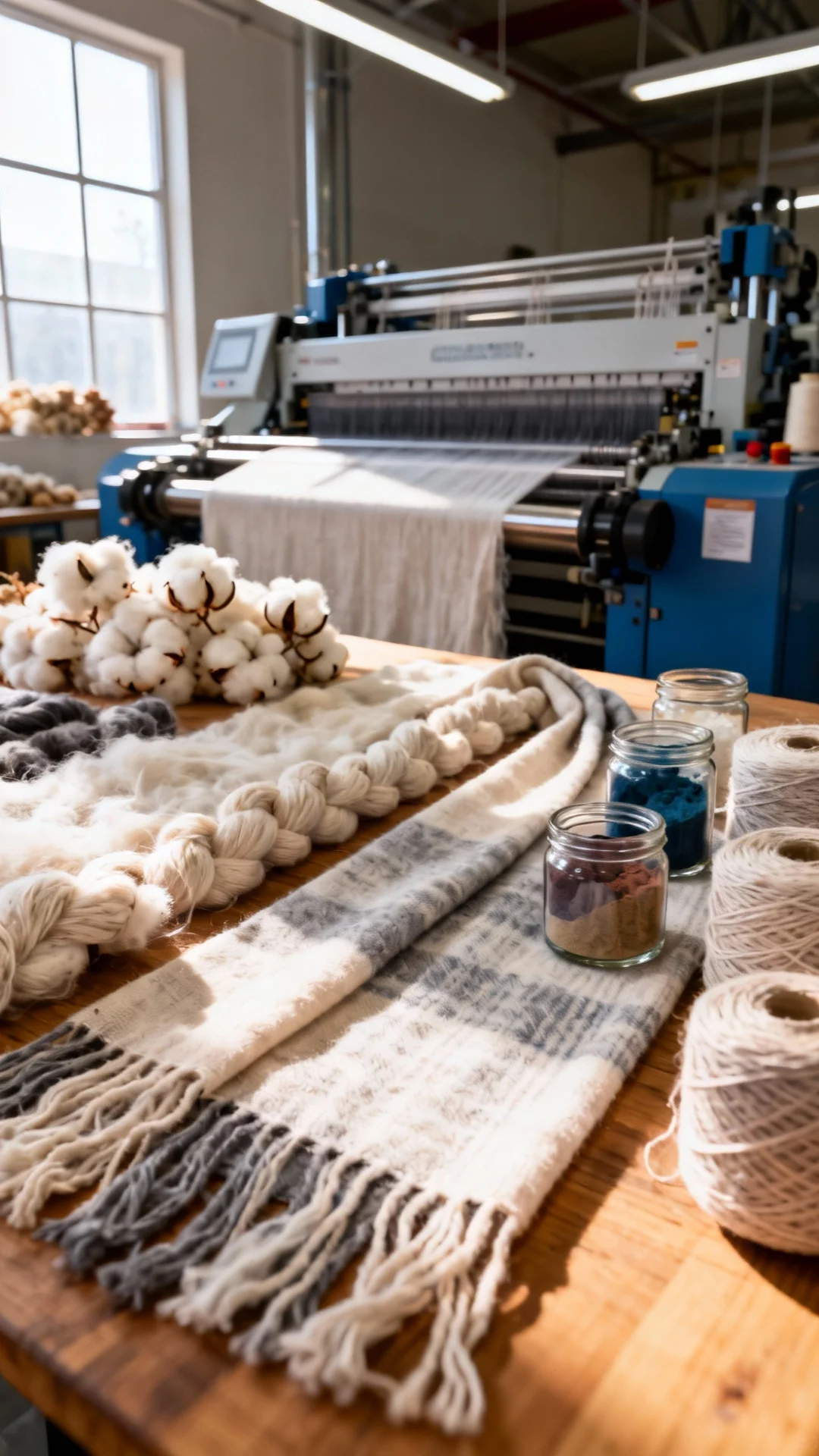
The foundation of sustainable scarf production lies in responsible material selection and sourcing practices. Begin evaluating manufacturers by examining their material portfolio and each fiber type's environmental footprint. Leading sustainable manufacturers typically provide transparent breakdowns of material origins, including certification documentation for organic or recycled inputs.
Key environmental metrics to compare include:
- Water consumption per kilogram of material (organic cotton requires 88% less water than conventional cotton)
- Carbon footprint across the material lifecycle
- Chemical usage and adherence to restricted substance lists
- Waste generation and recycling rates
- Renewable energy usage in material processing
Innovative manufacturers increasingly utilize next-generation sustainable materials like Tencel™ lyocell, Piñatex™ pineapple fiber, and recycled ocean plastic polyester. These eco-friendly scarf materials often deliver superior environmental profiles while maintaining or exceeding the quality and performance of traditional fibers. For instance, manufacturers using 100% recycled polyester reduce reliance on virgin petroleum-based materials and divert plastic waste from landfills and oceans.

When assessing material sustainability, look beyond marketing claims to verify third-party certifications. The Global Organic Textile Standard (GOTS) certification ensures textiles meet strict environmental and social criteria throughout production. Similarly, the Global Recycled Standard (GRS) verifies recycled content claims, including chain of custody documentation.
Ethical Production Practices and Social Responsibility
True sustainability encompasses both environmental and social dimensions. Evaluating a manufacturer's commitment to ethical scarf manufacturing requires examining labor practices, workplace conditions, and community impact across their supply chain.
Critical social responsibility indicators include:
- Fair wage policies and adherence to living wage standards
- Working hour regulations and overtime practices
- Health and safety protocols in manufacturing facilities
- Worker representation and collective bargaining rights
- Community development initiatives and local sourcing percentages
Certifications like Fair Trade, Fair Wear Foundation, and Social Accountability 8000 (SA8000) provide independent verification of ethical labor practices. However, these should be complemented with direct factory audits and transparent reporting. Reputable manufacturers welcome client visits to production facilities or provide comprehensive third-party audit reports upon request.
Industry best practices increasingly include profit-sharing models, skills development programs, and gender equality initiatives. Some manufacturers have implemented literacy programs for workers' families or established healthcare clinics accessible to entire communities—initiatives that demonstrate long-term commitment to social sustainability beyond minimum compliance requirements.
Production Processes and Technological Innovation
The manufacturing process significantly impacts a scarf's overall sustainability profile. Forward-thinking manufacturers invest in technologies and processes that minimize resource consumption while maintaining product quality.
Key production sustainability factors:
- Energy efficiency measures and renewable energy adoption
- Water recycling and closed-loop systems implementation
- Digital printing technologies that reduce water and ink usage by up to 95% compared to traditional methods
- Waste reduction strategies and zero-waste pattern cutting
- Chemical management systems and non-toxic dyeing processes
Innovative production techniques like air dyeing, which uses compressed air instead of water to apply color, can reduce water consumption by 95% and energy usage by 70%. Laser cutting technology minimizes fabric waste while enabling precise designs. When comparing manufacturers, inquire about specific technologies implemented and their measurable impacts on resource reduction.
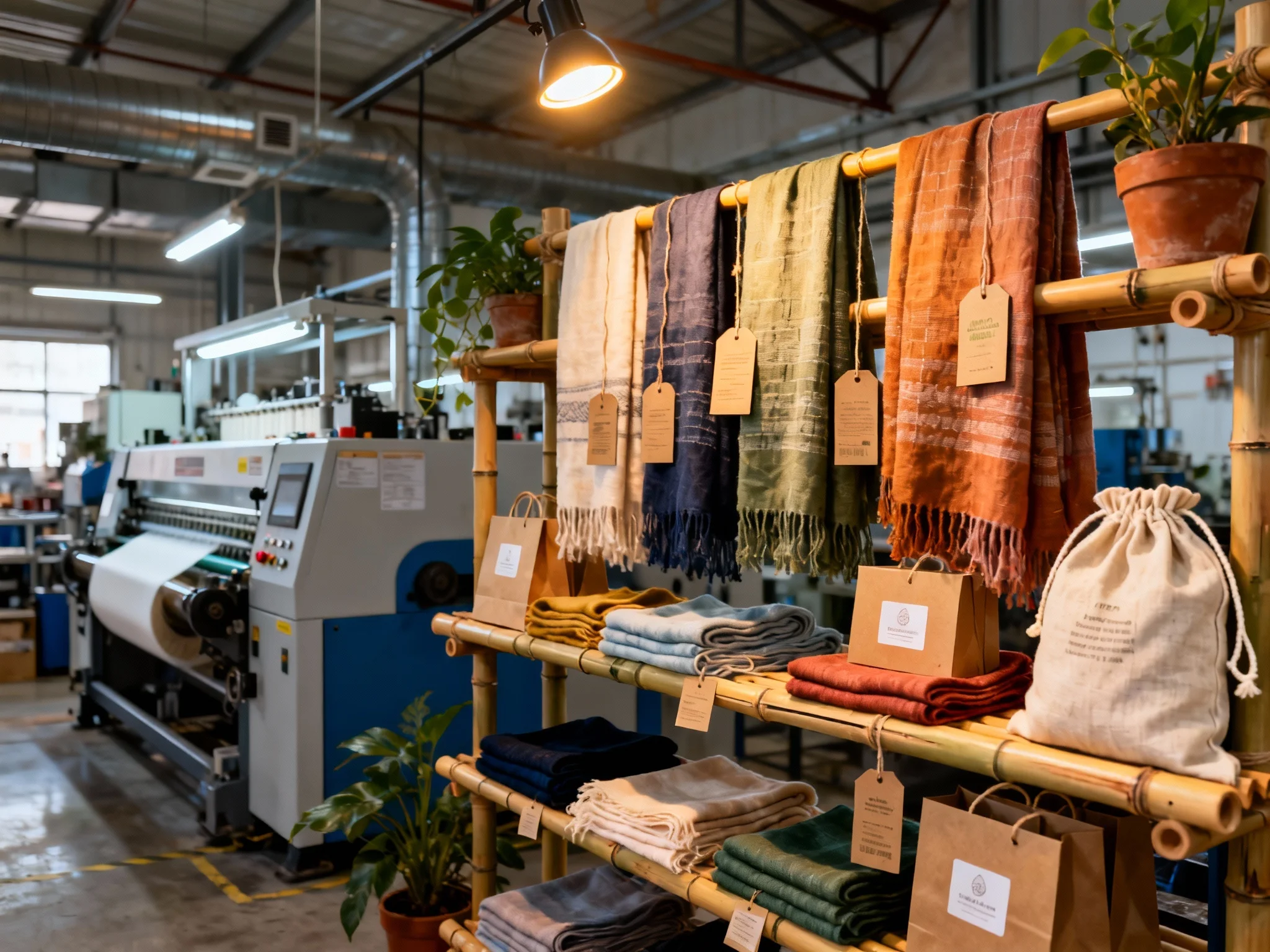
Industry 4.0 technologies also enhance sustainable production. Smart manufacturing systems with real-time monitoring optimize resource usage, reduce defects, and enable more efficient production planning—all contributing to better sustainability performance in sustainable scarf production.
Certification Standards and Transparency
In an industry plagued by greenwashing concerns, credible certifications serve as essential trust signals and verification tools. A comprehensive certification portfolio demonstrates a manufacturer's commitment to meeting established sustainability standards across multiple dimensions.
Core certifications to prioritize:
- GOTS (Global Organic Textile Standard): Covers the entire processing chain for organic textiles, including ecological and social criteria
- OEKO-TEX® Standard 100: Ensures products are free from harmful substances
- Bluesign®: Focuses on resource efficiency and consumer safety throughout production
- Fair Trade Certified™: Verifies fair compensation and safe working conditions
- Cradle to Cradle Certified™: Evaluates products across five categories: material health, material reutilization, renewable energy use, water stewardship, and social fairness
Beyond certifications, transparency has become a defining characteristic of sustainable manufacturers. Leading suppliers provide detailed sustainability reports, material traceability maps, and even blockchain-enabled supply chain visibility tools. This openness allows brands to confidently communicate their products' sustainability credentials to discerning consumers.
When evaluating certification claims, verify each certification's scope and validity. Some manufacturers may hold certifications for only part of their operations or product lines, so ensure the specific scarf styles and materials you intend to source are fully covered.
Quality Assurance and Longevity
Sustainability and quality are inherently connected—truly sustainable products must offer durability and longevity to maximize lifecycle value and minimize replacement rates. A poorly constructed scarf, even with sustainable materials, represents a net environmental loss if it quickly deteriorates and requires replacement.
Quality assessment criteria:
- Construction techniques and stitch density
- Colorfastness to washing and light exposure
- Pilling resistance and overall durability testing
- Quality control processes and defect rates
- Product warranty or guarantee policies
Manufacturers committed to quality sustainability implement rigorous testing protocols throughout production. This includes fabric strength testing, colorfastness evaluations, and wear simulation trials to ensure products maintain integrity through extended use. Some manufacturers even provide detailed care instructions designed to maximize product lifespan, further enhancing sustainability credentials.
When comparing quality, consider total cost of ownership rather than just upfront pricing. A slightly higher-priced scarf that maintains appearance and functionality for multiple seasons may offer better long-term value and lower environmental impact than a cheaper alternative with a shorter lifespan.
Practical Implementation Framework
Supplier Pre-Qualification Questionnaire
Before engaging in detailed discussions with potential manufacturers, utilize a standardized pre-qualification questionnaire to efficiently assess initial alignment with your sustainability criteria. This tool eliminates unsuitable suppliers early and focuses resources on promising candidates.
Essential questionnaire components:
- Company overview and sustainability mission statement
- Material sourcing policies and certification holdings
- Manufacturing processes and facility locations
- Environmental management systems and targets
- Social responsibility programs and labor practices
- Quality control procedures and testing capabilities
- Minimum order quantities and production lead times
- Customization capabilities for sustainable materials and designs
Well-designed questionnaires request specific, quantifiable information rather than vague generalities. For example, instead of asking "Do you use sustainable materials?", ask "What percentage of your materials are certified organic or recycled, and what certifications do they hold?" This approach yields comparable data across suppliers and enables objective evaluation.
On-Site Audit Process
For manufacturers passing initial screening, conduct on-site audits to verify claims and assess real-world sustainability practices. While virtual audits became common during the pandemic, in-person visits provide the most comprehensive understanding of operations and culture.
Key audit focus areas:
- Facility conditions and worker safety protocols
- Material storage and handling practices
- Production process observations and efficiency measures
- Waste management and recycling systems
- Energy and water conservation initiatives
- Worker interactions and labor conditions
- Documentation review for certifications and compliance
Consider engaging third-party auditors specializing in textile sustainability for objectivity and comprehensive assessment. Alternatively, develop an internal audit checklist based on priority criteria, incorporating elements from recognized frameworks like the Sustainable Apparel Coalition's Higg Index.
During audits, look for evidence of continuous improvement beyond baseline compliance. Manufacturers genuinely committed to sustainability will have documented sustainability goals, progress tracking systems, and employee training programs focused on environmental and social responsibility.
Comparative Analysis Template
After gathering information through questionnaires and audits, organize data in a structured comparison template to facilitate objective evaluation and decision-making. This visual framework allows at-a-glance assessment of how each manufacturer performs across priority criteria.
Sample comparison categories with weighted scoring:
- Material sustainability (25% weight)
- Environmental production practices (20% weight)
- Social responsibility and labor practices (20% weight)
- Quality and durability (15% weight)
- Transparency and certification (10% weight)
- Cost competitiveness (5% weight)
- Innovation capacity (5% weight)
Assign numerical ratings (1-5) to each manufacturer for each category, multiply by category weight, and calculate total scores. While quantitative scoring provides useful comparative data, complement it with qualitative assessment and business judgment. The highest-scoring manufacturer may not always be the best fit if significant misalignments exist with brand values or specific product requirements.
Emerging Trends and Future Considerations
Circular Economy and Take-Back Programs
As sustainability evolves from linear to circular models, forward-thinking manufacturers are implementing take-back programs and closed-loop systems for end-of-life scarves. These initiatives allow products to be recycled into new materials or repurposed into other accessories, preventing textile waste from reaching landfills.
When evaluating manufacturers, ask about their circular economy capabilities, including:
- Take-back or collection programs for used scarves
- Recycling or upcycling processes for post-consumer products
- Design for disassembly principles that facilitate recycling
- Use of biodegradable materials for end-of-life scenarios
Manufacturers embracing circularity often provide innovative solutions like recycling old scarves into pillow stuffing or converting them into new yarns for limited-edition "second life" collections. These programs reduce environmental impact while creating compelling marketing narratives and customer engagement opportunities.
Carbon Footprint Reduction and Climate Positive Manufacturing
The textile industry faces increasing pressure to address carbon emissions, with more manufacturers committing to science-based targets and carbon neutrality goals. Leading sustainable scarf producers are going beyond carbon neutrality to pursue climate positive manufacturing, where operations remove more carbon from the atmosphere than they emit.
Climate action indicators to evaluate:
- Carbon footprint measurements for scarf production
- Renewable energy adoption percentages
- Carbon offset projects and their additionality
- Climate action plans aligned with the Paris Agreement
- Progress toward science-based targets
Manufacturers serious about carbon reduction complete comprehensive greenhouse gas inventories covering Scope 1, 2, and potentially Scope 3 emissions. They demonstrate clear reduction pathways rather than relying solely on offsets to achieve climate goals.
As consumer awareness of climate issues grows, communicating your scarves' carbon footprint and climate initiatives becomes increasingly important. Partnering with manufacturers prioritizing carbon reduction provides environmental benefits and marketing opportunities for sustainable accessory lines.
Digitalization and Supply Chain Transparency
Digital technologies are transforming supply chain transparency in textiles, enabling unprecedented visibility into production processes and material origins. Blockchain platforms allow immutable tracking of materials from farm to finished product, providing consumers with verifiable sustainability credentials.
Digital transparency tools to look for:
- Blockchain-based traceability systems
- QR codes linking to product sustainability profiles
- Digital product passports with lifecycle information
- Real-time production monitoring capabilities
- Environmental impact calculators for custom designs
Manufacturers investing in these technologies demonstrate commitment to radical transparency and consumer empowerment. When evaluating digital tools, assess accessibility, accuracy, and user-friendliness for both internal teams and consumer-facing applications.
Digitalization also enables more efficient communication and collaboration between brands and manufacturers, reducing errors, streamlining approvals, and shortening production lead times. These operational benefits combined with enhanced transparency make technologically advanced manufacturers valuable partners for sustainable scarf production.
Conclusion and Implementation Roadmap
Selecting the right sustainable scarf manufacturer requires balanced evaluation of environmental impact, social responsibility, quality, and business alignment. Using the comprehensive criteria framework outlined in this guide, boutiques, specialty stores, and fashion brands can make informed sourcing decisions that support sustainability goals and commercial success.
The implementation process should proceed through several distinct phases:
- Define your sustainability priorities and minimum requirements—determine which criteria are non-negotiable versus desirable, and establish clear benchmarks for each.
- Develop your supplier assessment tools—create customized versions of the pre-qualification questionnaire, audit checklist, and comparison template based on your specific needs.
- Conduct initial supplier screening—use questionnaires to identify manufacturers meeting baseline requirements and eliminate those misaligned with your sustainability vision.
- Perform in-depth evaluations and audits—for promising candidates, conduct detailed assessments including on-site visits, certification verification, and reference checks.
- Make your selection and establish monitoring protocols—choose manufacturers balancing sustainability performance, quality, and business considerations, and implement ongoing monitoring for continued compliance.
- Collaborate for continuous improvement—work with selected manufacturers to identify opportunities for further sustainability enhancements and innovation.
As the sustainable textiles market evolves, maintaining strong manufacturer relationships and staying informed about emerging materials and practices remains essential. Successful sustainable sourcing strategies view manufacturers as long-term partners rather than transactional suppliers, fostering collaboration and shared commitment to environmental and social progress.
By implementing rigorous evaluation criteria and prioritizing genuine sustainability performance over marketing claims, fashion businesses can reduce environmental impact while building consumer trust, differentiating brands in crowded markets, and contributing to positive change throughout the textile industry. The criteria and framework provided offer a roadmap for navigating sustainable scarf manufacturing and making choices aligning with ethical values and business objectives in 2025 and beyond.</think># Sustainable Scarf Manufacturers: A Comprehensive Guide to Selecting Ethical Suppliers
In today's rapidly evolving fashion landscape, sustainability has transitioned from a niche concern to a core business imperative. As boutiques, specialty stores, and fashion brands increasingly prioritize ethical sourcing, establishing robust criteria for evaluating sustainable scarf manufacturers has become essential. This guide provides a comprehensive framework for identifying and selecting truly ethical suppliers that align with environmental values and business objectives, drawing on years of industry experience with textile producers across global supply chains.
The sustainable textiles market is experiencing unprecedented growth, with eco-fibers showing 23% year-over-year expansion and biodegradable textiles projected to capture 10% market share by 2030. This growth is driven by shifting consumer preferences—2025 surveys indicate 68% of luxury accessory buyers now consider sustainability credentials when making purchasing decisions, with 42% willing to pay premium prices for verified ethical products. However, this expanding market has also given rise to greenwashing concerns, making rigorous supplier evaluation critical for maintaining brand integrity and consumer trust.
Essential Evaluation Criteria for Sustainable Scarf Manufacturers
Material Sourcing and Environmental Impact
The foundation of sustainable scarf production lies in responsible material selection and sourcing practices. Begin evaluating manufacturers by examining their material portfolio and each fiber type's environmental footprint. Leading sustainable manufacturers typically provide transparent breakdowns of material origins, including certification documentation for organic or recycled inputs.
Key environmental metrics to compare include:
- Water consumption per kilogram of material (organic cotton requires 88% less water than conventional cotton)
- Carbon footprint across the material lifecycle
- Chemical usage and adherence to restricted substance lists
- Waste generation and recycling rates
- Renewable energy usage in material processing
Innovative manufacturers increasingly utilize next-generation sustainable materials like Tencel™ lyocell, Piñatex™ pineapple fiber, and recycled ocean plastic polyester. These eco-friendly scarf materials often deliver superior environmental profiles while maintaining or exceeding the quality and performance of traditional fibers. For instance, manufacturers using 100% recycled polyester reduce reliance on virgin petroleum-based materials and divert plastic waste from landfills and oceans.
When assessing material sustainability, look beyond marketing claims to verify third-party certifications. The Global Organic Textile Standard (GOTS) certification ensures textiles meet strict environmental and social criteria throughout production. Similarly, the Global Recycled Standard (GRS) verifies recycled content claims, including chain of custody documentation.
Ethical Production Practices and Social Responsibility
True sustainability encompasses both environmental and social dimensions. Evaluating a manufacturer's commitment to ethical scarf manufacturing requires examining labor practices, workplace conditions, and community impact across their supply chain.
Critical social responsibility indicators include:
- Fair wage policies and adherence to living wage standards
- Working hour regulations and overtime practices
- Health and safety protocols in manufacturing facilities
- Worker representation and collective bargaining rights
- Community development initiatives and local sourcing percentages
Certifications like Fair Trade, Fair Wear Foundation, and Social Accountability 8000 (SA8000) provide independent verification of ethical labor practices. However, these should be complemented with direct factory audits and transparent reporting. Reputable manufacturers welcome client visits to production facilities or provide comprehensive third-party audit reports upon request.
Industry best practices increasingly include profit-sharing models, skills development programs, and gender equality initiatives. Some manufacturers have implemented literacy programs for workers' families or established healthcare clinics accessible to entire communities—initiatives that demonstrate long-term commitment to social sustainability beyond minimum compliance requirements.
Production Processes and Technological Innovation
The manufacturing process significantly impacts a scarf's overall sustainability profile. Forward-thinking manufacturers invest in technologies and processes that minimize resource consumption while maintaining product quality.
Key production sustainability factors:
- Energy efficiency measures and renewable energy adoption
- Water recycling and closed-loop systems implementation
- Digital printing technologies that reduce water and ink usage by up to 95% compared to traditional methods
- Waste reduction strategies and zero-waste pattern cutting
- Chemical management systems and non-toxic dyeing processes
Innovative production techniques like air dyeing, which uses compressed air instead of water to apply color, can reduce water consumption by 95% and energy usage by 70%. Laser cutting technology minimizes fabric waste while enabling precise designs. When comparing manufacturers, inquire about specific technologies implemented and their measurable impacts on resource reduction.
Industry 4.0 technologies also enhance sustainable production. Smart manufacturing systems with real-time monitoring optimize resource usage, reduce defects, and enable more efficient production planning—all contributing to better sustainability performance in sustainable scarf production.
Certification Standards and Transparency
In an industry plagued by greenwashing concerns, credible certifications serve as essential trust signals and verification tools. A comprehensive certification portfolio demonstrates a manufacturer's commitment to meeting established sustainability standards across multiple dimensions.
Core certifications to prioritize:
- GOTS (Global Organic Textile Standard): Covers the entire processing chain for organic textiles, including ecological and social criteria
- OEKO-TEX® Standard 100: Ensures products are free from harmful substances
- Bluesign®: Focuses on resource efficiency and consumer safety throughout production
- Fair Trade Certified™: Verifies fair compensation and safe working conditions
- Cradle to Cradle Certified™: Evaluates products across five categories: material health, material reutilization, renewable energy use, water stewardship, and social fairness
Beyond certifications, transparency has become a defining characteristic of sustainable manufacturers.