In the evolving landscape of luxury fashion, traditional craftsmanship and environmental responsibility intersect as both challenge and opportunity. As a seasoned industry practitioner with years of textile manufacturing experience, I've witnessed the dramatic transformation of luxury scarf production—an evolution that now honors artisanal heritage while embracing innovative sustainability practices. The 2025 market reflects this pivotal shift, with industry reports indicating 68% of fashion brands have increased their use of eco-friendly materials, directly responding to consumer demand for products that satisfy both luxury expectations and environmental values.
The Sustainability Imperative in Luxury Scarf Production
The luxury scarf segment faces a distinctive challenge. Unlike fast fashion accessories designed for temporary trends, luxury scarves position themselves as investment pieces—crafted to endure both stylistically and physically. This inherent quality orientation naturally aligns with sustainability principles. Yet traditional production processes for luxury textiles often carry significant environmental costs. Conventional dyeing methods, for instance, can consume up to 200 liters of water per kilogram of fabric, while chemical treatments and energy-intensive production further expand the industry's ecological footprint.
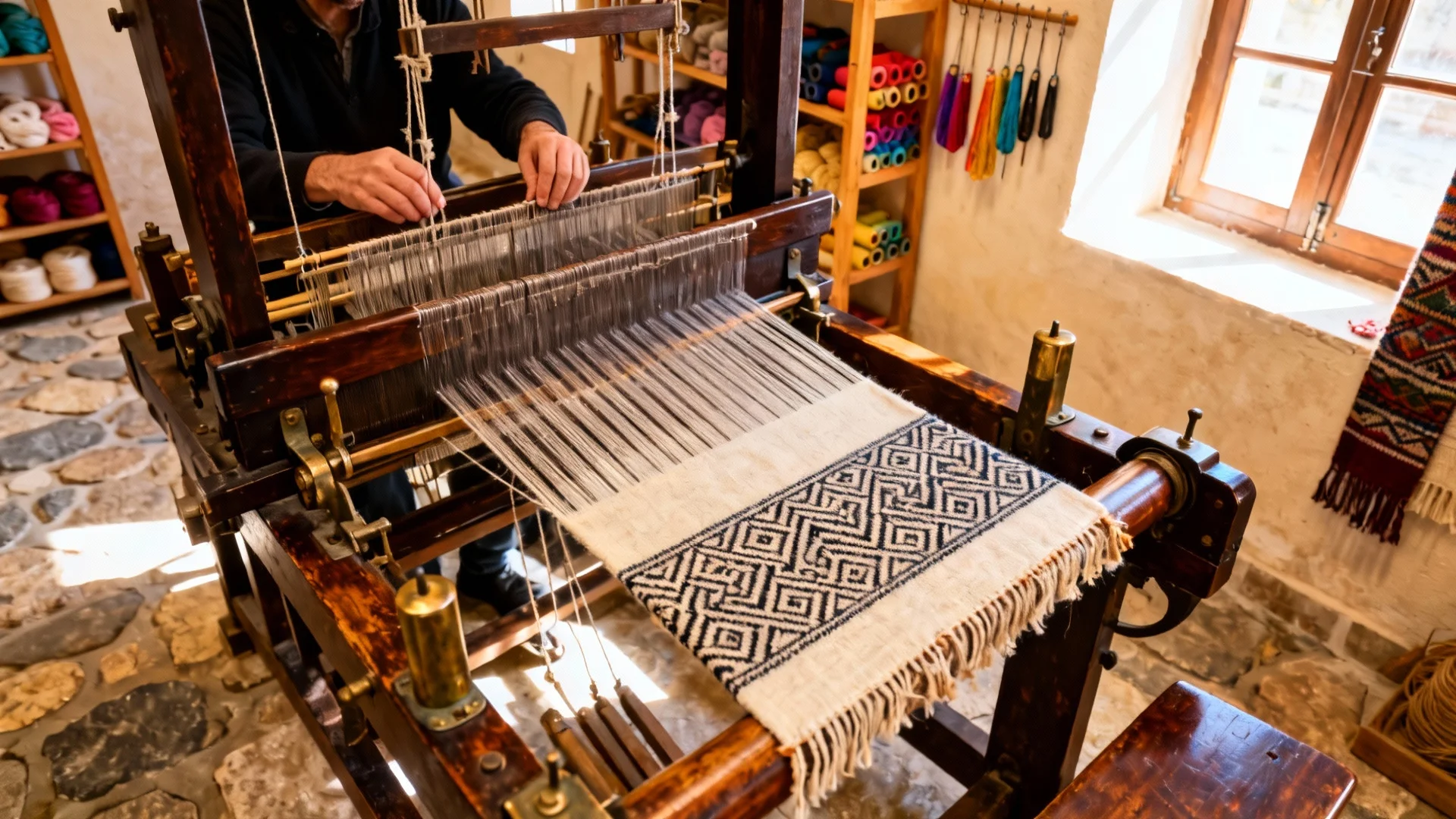
Today's luxury consumers—particularly influential Gen Z and millennial demographics—refuse to compromise on their values. Research confirms that 66% of global consumers now prefer brands with strong sustainability credentials, a preference that intensifies in the luxury sector where purchases often reflect deeper brand alignment. Manufacturers have responded by reimagining every production stage, from raw material sourcing to end-of-life considerations, all without sacrificing the quality and craftsmanship that define luxury.
Material Innovation: Reimagining Luxury Textiles
Material selection forms the foundation of sustainable scarf manufacturing. The industry is undergoing a significant transition from conventional fibers to responsible alternatives that maintain or enhance luxury qualities. Organic silk has emerged as a preferred option, cultivated without harmful pesticides and using less water while offering the same exceptional luster and drape as conventional silk. Similarly, recycled cashmere provides the exceptional softness and warmth associated with luxury scarves while diverting textile waste from landfills.
Innovative bio-based materials are gaining traction in luxury textile production. Brewed Protein™ fiber, developed through advanced fermentation processes, offers a viable alternative to animal-derived proteins, as demonstrated in recent high-profile luxury collaborations. These materials reduce reliance on resource-intensive agriculture and often introduce enhanced properties like improved moisture-wicking or biodegradability that add functional value to finished products.
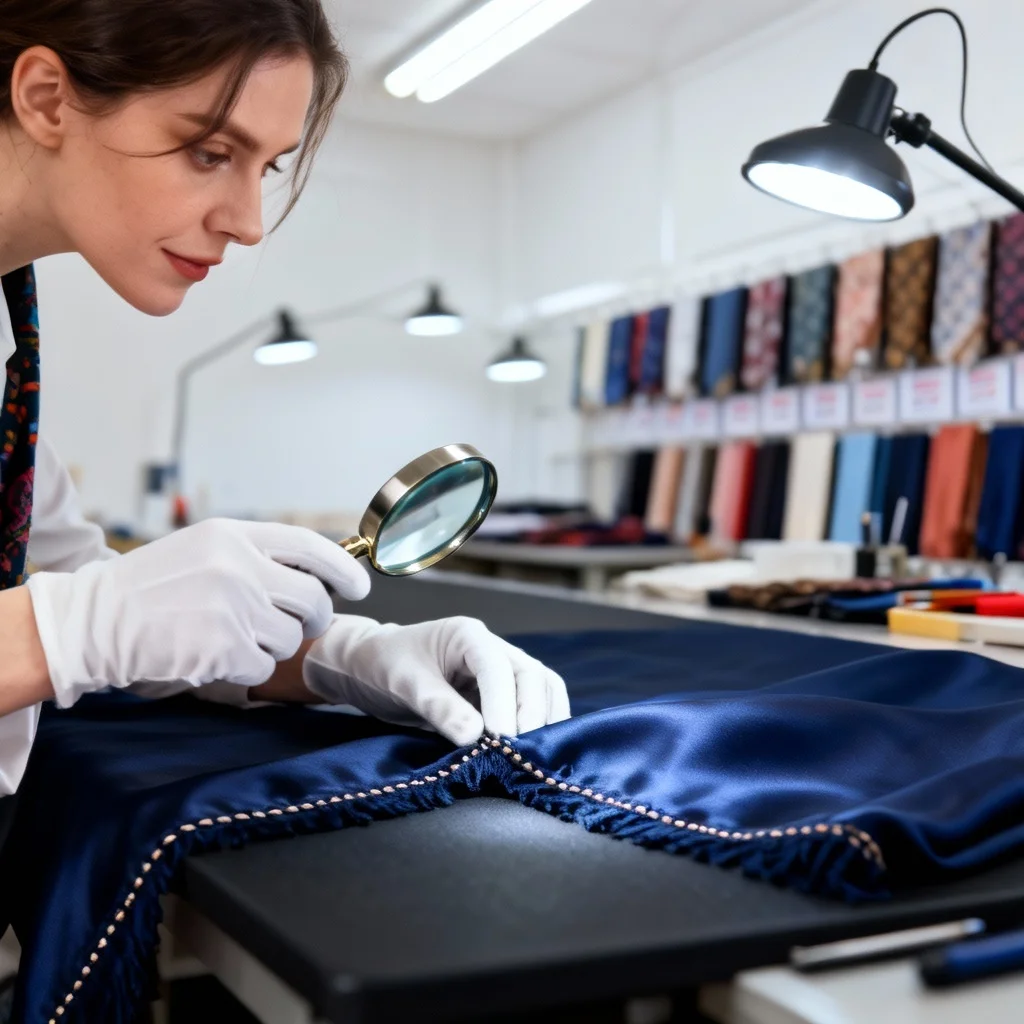
Leading manufacturers are implementing comprehensive material traceability systems that allow consumers to verify the origins and environmental credentials of their scarves. This transparency has become a hallmark of authentic sustainability in luxury, replacing vague eco-friendly claims with verifiable supply chain information that reinforces premium scarf quality control.
Technological Innovations Transforming Production Processes
Some of the most significant advancements in sustainable luxury scarf manufacturing are occurring within production technologies, effectively bridging traditional craftsmanship with environmental responsibility. Digital printing has emerged as a game-changer, reducing water consumption by up to 95% compared to traditional screen printing while minimizing chemical usage. This technology not only lessens environmental impact but also enables greater design flexibility and precision, supporting the customization trends that luxury consumers increasingly demand.
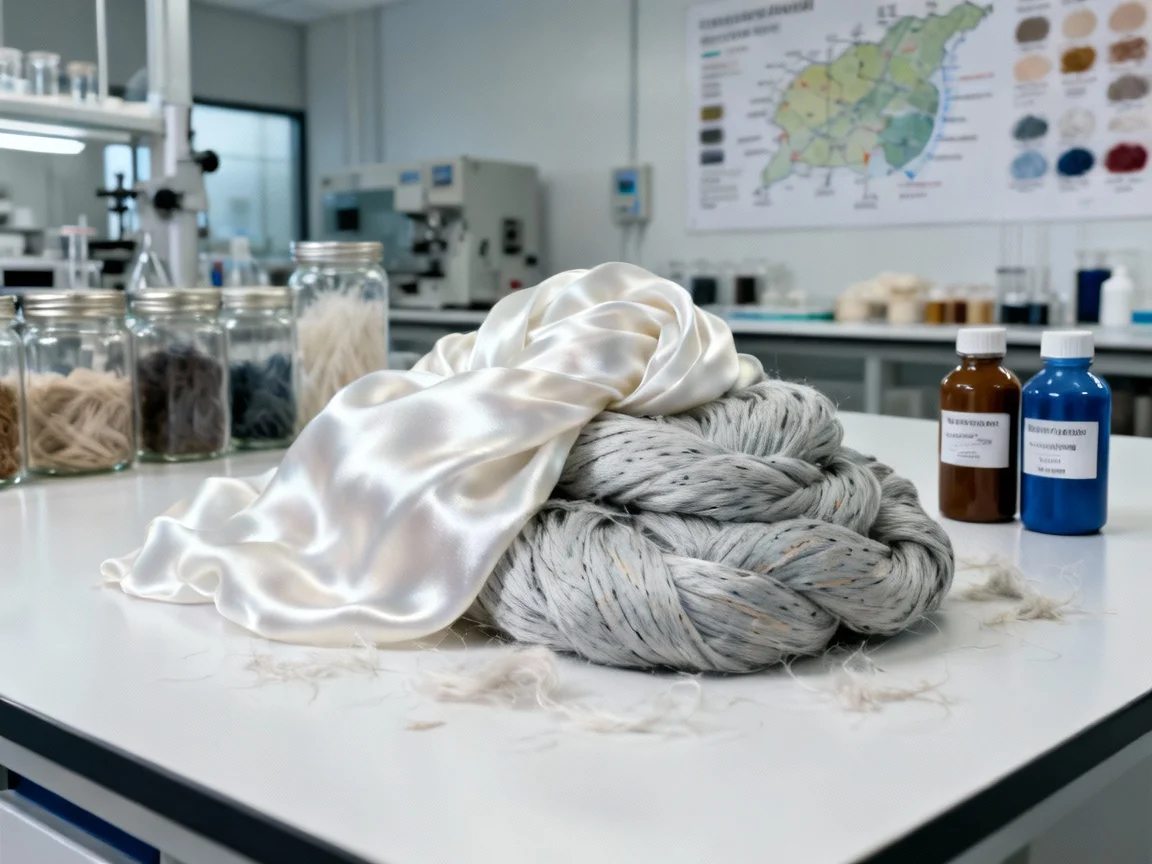
Waterless dyeing technologies represent another critical innovation. Systems like Alchemie Technology's Endeavour and Deven Supercriticals' SUPRAUNO® utilize carbon dioxide under supercritical conditions to infuse color directly into fibers without water, eliminating wastewater discharge entirely. While implementation requires substantial investment, long-term benefits include both environmental stewardship and operational efficiencies through reduced water treatment and energy costs.
These technological advancements are complemented by process optimizations throughout manufacturing. Laser cutting reduces fabric waste through precise pattern placement, while computerized knitting machines minimize yarn consumption. Even traditional handcrafting techniques are being re-evaluated and refined, with artisanal workshops now implementing energy-efficient lighting and waste reduction protocols that honor craft heritage while embracing modern sustainability standards.
Certification and Standards: Building Trust Through Verification
In an industry where "greenwashing" remains a concern, third-party certifications have become essential for establishing credibility and transparency in luxury textile production. The Global Organic Textile Standard (GOTS) stands as the most recognized certification, requiring products to contain at least 70% organic fibers and meet stringent environmental and social criteria throughout the supply chain. From toxic chemical restrictions to fair labor practices, GOTS certification provides consumers with independently verified assurance that sustainability claims are legitimate.
Other certifications address specific production aspects: OEKO-TEX® ensures textiles are free from harmful substances, while Fair Trade certifications verify ethical labor practices and equitable compensation for producers. For luxury scarf manufacturers, these certifications serve dual purposes—providing operational frameworks for genuine sustainability improvements while communicating these commitments effectively to discerning consumers.
Progressive brands are transcending minimum certification requirements by developing comprehensive sustainability frameworks that integrate circular economy principles. This holistic approach considers the entire product lifecycle, from design for durability to end-of-life solutions, reflecting a deeper commitment to environmental stewardship that resonates with luxury consumers seeking authentic responsible practices.
Balancing Tradition and Innovation in Artisanal Scarf Manufacturing
One of the most delicate challenges in sustainable luxury scarf manufacturing involves preserving traditional craftsmanship while embracing innovation. Many luxury scarf techniques—hand-rolled hems, intricate jacquard weaves, artisanal printing methods—have been refined over generations and contribute significantly to a product's value and appeal. These techniques cannot simply be discarded in the name of sustainability; instead, they must be reimagined and preserved through an environmentally conscious lens.
Manufacturers are addressing this challenge by integrating traditional techniques with sustainable materials. Hand-weaving remains valued for its precision and texture but now increasingly utilizes organic or recycled fibers. Natural dyeing processes, largely replaced by synthetic alternatives for consistency and cost, are experiencing a revival using plant-based pigments and eco-friendly mordants, creating unique color variations that become selling points rather than limitations.
Artisanal workshops are discovering that sustainability can enhance craftsmanship rather than compromise it. Small-batch production reduces waste and energy consumption while allowing greater attention to detail and quality control. Local sourcing minimizes carbon footprints from transportation while supporting regional craft communities. These approaches not only reduce environmental impact but also strengthen the storytelling aspect of luxury scarves, creating deeper connections between consumers and the skilled artisans behind their products.
Case Studies: Leading the Way in Sustainable Luxury Textile Production
Both established luxury houses and innovative manufacturers are leading the transition to sustainable practices, demonstrating that environmental responsibility and luxury quality can coexist—and even enhance one another. Chanel's recently announced Nevold project exemplifies this approach, creating a circular economy platform that integrates recycling, material development, and commercialization of next-generation sustainable textiles across the luxury sector. This initiative recognizes that meaningful sustainability requires industry-wide collaboration rather than isolated efforts.
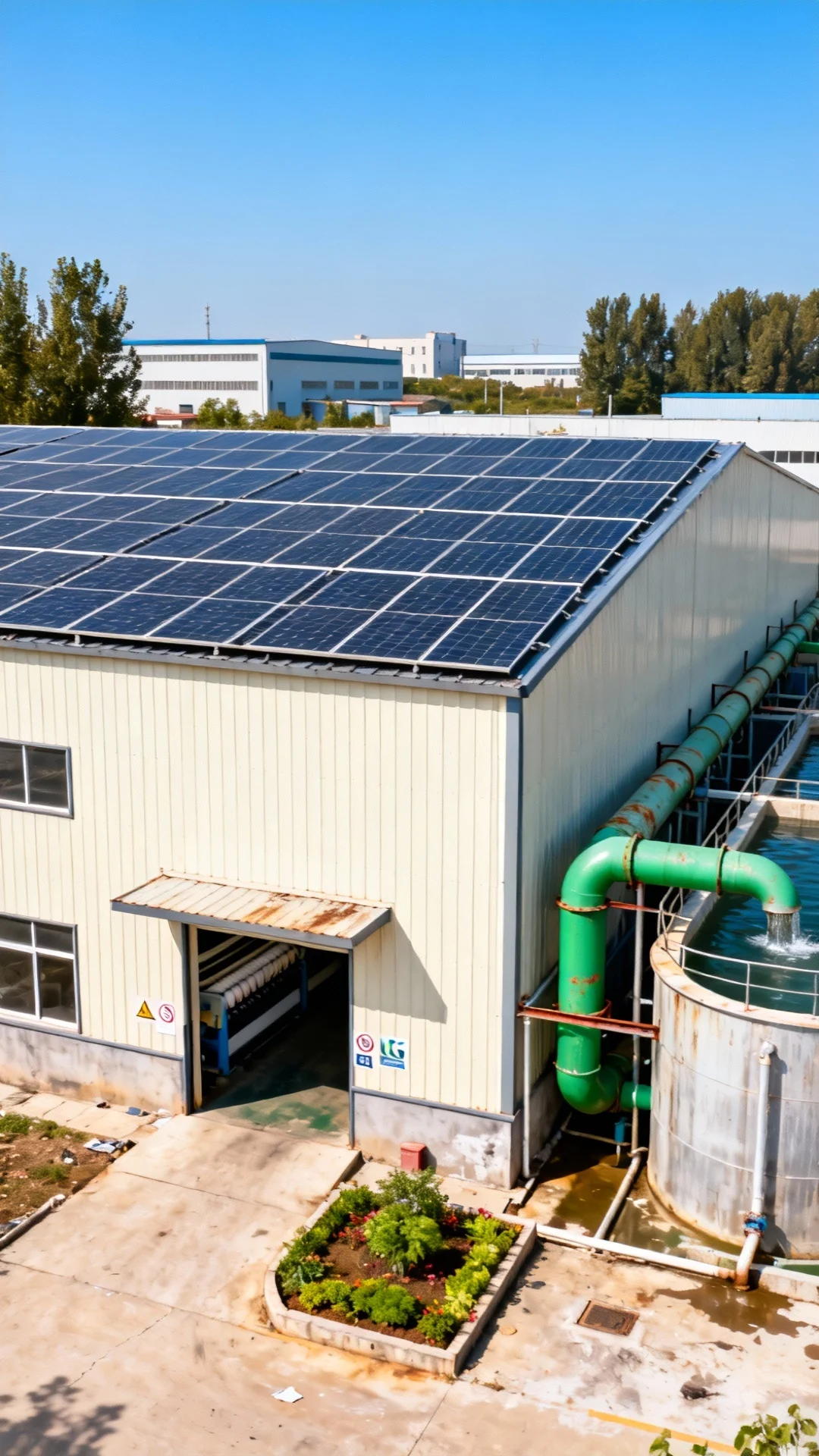
Kering Group, parent company of luxury brands including Gucci and Saint Laurent, has implemented comprehensive upcycling and recycling programs that transform textile waste into new luxury products. By investing in research and development of recycling technologies specifically tailored to luxury fibers, Kering addresses the unique challenges of maintaining quality standards while closing material loops in high-end scarf techniques.
At the manufacturing level, companies like FENNYSUN have embraced digital printing technologies that reduce pre-consumer waste by an average of 42% while maintaining the precision and vibrancy required for luxury scarf designs. This practical application demonstrates how technological innovation can deliver both environmental and commercial benefits, making sustainability economically viable rather than merely a cost center.
These case studies share a common approach: treating sustainability not as a marketing tool but as a fundamental rethinking of luxury production. By prioritizing material innovation, process optimization, and circular thinking, these industry leaders are defining a new standard for responsible luxury that balances tradition with environmental stewardship.
The Consumer Perspective: Demand Driving Transformation
Ultimately, evolving consumer expectations are propelling the transformation toward sustainable luxury scarf manufacturing, fundamentally reshaping market dynamics. Today's luxury consumers are more informed, discerning, and values-driven, viewing purchasing decisions as expressions of personal values rather than merely status symbols. Research across major luxury markets reveals environmental sustainability has become a key consideration, with a significant percentage of consumers willing to pay premium prices for products demonstrating authentic commitment to responsible practices.
This shift in consumer mindset is particularly evident among younger luxury buyers. Gen Z consumers prioritize sustainability alongside quality and exclusivity, conducting thorough research into brand practices before purchasing. They engage more readily with brands that demonstrate transparency in supply chains and measurable progress toward environmental goals, while showing less tolerance for greenwashing or superficial sustainability claims.
Market reports project robust growth for sustainable luxury accessories, with the scarf segment outpacing broader fashion categories. This growth is fueled not only by ethical considerations but also by the recognition that sustainable practices often correlate with superior quality and craftsmanship. Consumers increasingly understand that the attention to detail required for sustainable production—from careful material selection to meticulous manufacturing processes—directly contributes to the durability, comfort, and aesthetic appeal of luxury scarves.
Challenges and Opportunities in High-End Scarf Techniques
Despite significant progress, fully sustainable luxury scarf manufacturing faces ongoing challenges requiring continued innovation and collaboration. The high cost of implementing new technologies and sustainable materials remains a barrier, affecting smaller manufacturers and artisanal workshops with limited resources most acutely. The lack of standardized sustainability metrics across the industry compounds this financial challenge, making it difficult to compare practices or communicate progress effectively to consumers.
Infrastructure limitations also pose significant hurdles, particularly for textile recycling. While technological solutions exist for recycling certain fibers, infrastructure for large-scale collection, sorting, and processing of post-consumer textile waste remains underdeveloped in many regions. This gap hinders the implementation of truly circular systems where end-of-life scarves can be transformed into new products rather than discarded as waste.
Looking ahead, these challenges represent significant opportunities for innovation and leadership. Developing more affordable sustainable technologies, establishing industry-wide sustainability standards, and creating global textile recycling networks will not only drive environmental progress but also unlock new market opportunities. Manufacturers that successfully overcome these barriers will position themselves as leaders in the evolving luxury landscape, appealing to the growing segment of values-driven consumers while contributing to the broader movement toward a more sustainable fashion industry.
Conclusion: The Future of Premium Scarf Quality Control
The intersection of tradition and sustainability in luxury scarf manufacturing represents not just a passing trend but a fundamental industry reorientation toward more responsible practices. As consumer expectations evolve and environmental concerns grow more urgent, sustainability is transitioning from a competitive advantage to a basic requirement for luxury brands and manufacturers.
The path forward requires balancing honoring craftsmanship and heritage with embracing innovations for environmental stewardship. Every aspect of manufacturing must be reevaluated through a sustainability lens, from material selection and production processes to certification and circular economy initiatives. This comprehensive approach not only reduces environmental impact but also enhances product quality, strengthens brand reputation, and creates deeper connections with discerning consumers.
As a seasoned industry practitioner, I've observed how this challenging transformation ultimately enriches the luxury scarf category by aligning its inherent qualities—craftsmanship, durability, timeless appeal—with contemporary consumers' environmental values. Manufacturers leading this charge aren't sacrificing luxury for sustainability; instead, they're redefining luxury to include environmental responsibility as an essential component of quality and exclusivity.
In doing so, they ensure the art of luxury scarf making can pass to future generations—not merely as a museum-preserved tradition, but as a living craft that continues to evolve, adapt, and thrive in harmony with the natural world. Today's sustainable luxury scarves are more than accessories; they're tangible expressions of how tradition and innovation can create a more responsible and beautiful future for fashion.