In an era where environmental consciousness drives both consumer preferences and business strategies, the textile industry faces unprecedented pressure to reinvent traditional manufacturing paradigms. As a seasoned industry professional with decades of textile innovation experience, I've witnessed sustainable practices evolve from optional initiatives to essential business imperatives. The scarf manufacturing sector, in particular, stands at a pivotal juncture where luxury, craftsmanship, and environmental stewardship must converge harmoniously to meet the demands of modern markets.
Industry statistics underscore the urgency for transformation: the textile sector generates approximately 92 million tons of waste annually, with a mere 1% of materials recycled into new garments. This unsustainable cycle has prompted visionary companies like FENNYSUN to reimagine production from material selection through to finished product delivery. What distinguishes today's innovative manufacturers isn't merely the adoption of isolated sustainable practices, but the development of integrated approaches spanning every production stage—all while maintaining the quality and aesthetic appeal that luxury scarf buyers demand.
The Evolution of Sustainable Scarf Production
The landscape of scarf manufacturing has undergone dramatic transformation over the past decade, driven by technological advancements and mounting environmental concerns. Traditional production methods, characterized by excessive water usage, harmful chemical dyes, and significant waste generation, have become increasingly incompatible with modern environmental standards and consumer expectations.
According to Textile Exchange's 2025 Materials Market Report, the industry has seen a 23% rise in eco-fiber adoption, signaling a definitive shift toward sustainable material choices. This trend is particularly pronounced in the luxury scarf segment, where discerning customers increasingly seek products that align with their environmental values without compromising quality or design.
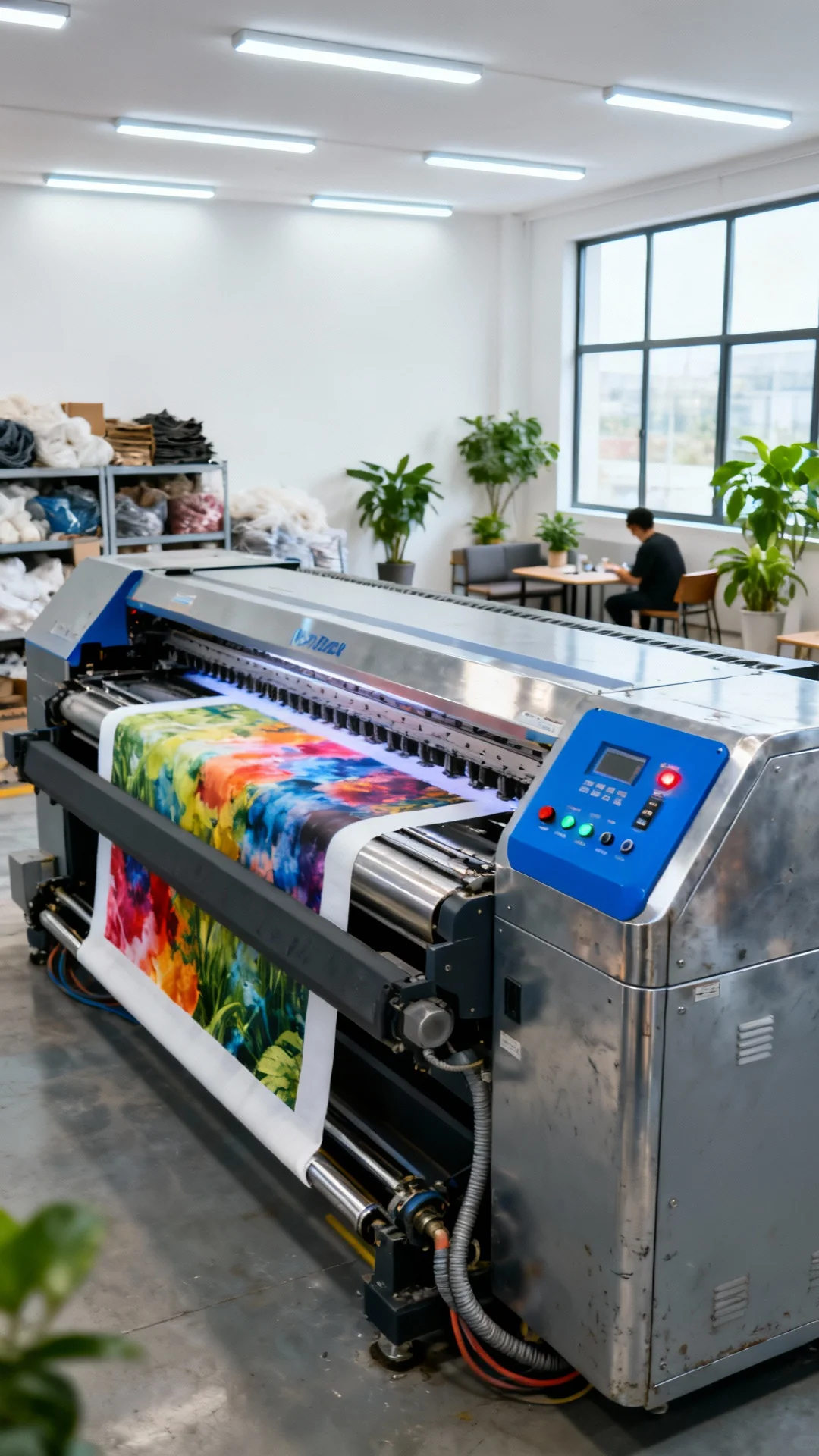
One of the most significant developments in sustainable scarf manufacturing has been the transition from conventional to digital textile printing—a revolution that has expanded design possibilities while dramatically reducing production's environmental footprint. Traditional rotary screen printing typically requires excessive water usage and generates substantial waste, whereas digital printing technology offers a more precise, efficient, and eco-friendly alternative that is rapidly becoming the standard in advanced scarf manufacturing.
Based on years of implementing sustainable manufacturing solutions, I've observed that successful environmental initiatives must address three critical areas: material innovation, process optimization, and energy efficiency. Progressive manufacturers have moved beyond viewing sustainability as mere compliance requirements to embracing it as a core business strategy that drives innovation, enhances brand reputation, and creates long-term value for both companies and customers.
Technological Innovations Driving Sustainable Scarf Production
The intersection of technology and sustainability has given rise to groundbreaking innovations in scarf manufacturing. Digital textile production stands out as one of the most transformative technologies, offering both environmental and creative advantages. FENNYSUN's adoption of advanced digital printing technology exemplifies how technical innovation can drive sustainability without compromising quality or design flexibility.
Modern digital textile printers achieve resolutions between 300-600 DPI, providing exceptional detail and color accuracy. FENNYSUN's proprietary digital printing systems have achieved a 98% color accuracy rate, exceeding industry standards for luxury fashion clients demanding precise color reproduction. This level of accuracy not only enhances product quality but also reduces waste by minimizing misprints and color inconsistencies.
Digital printing offers significant environmental benefits compared to traditional methods. The technology enables precise ink placement, reducing ink consumption by up to 30% versus conventional techniques. FENNYSUN's implementation of waterless dyeing technology has resulted in an 85% reduction in water usage—a critical achievement considering traditional textile dyeing processes can consume up to 200 liters per kilogram of fabric.
Another technological advancement transforming sustainable scarf production is the integration of AI-driven design and production planning systems. These intelligent systems optimize material usage, minimize waste, and streamline production schedules for more efficient resource utilization. For instance, AI algorithms can analyze design patterns to maximize fabric yield, reducing material waste by identifying the most efficient cutting layouts.
In my experience working with various textile manufacturers, companies that successfully integrate these technologies typically realize environmental benefits alongside improved operational efficiency and cost savings. Initial investments in advanced technology are often offset by reduced material waste, lower energy and water bills, and enhanced production throughput—creating a compelling business case for textile technology trends adoption.
Sustainable Materials: The Foundation of Eco-Friendly Manufacturing
While technological innovations are crucial, sustainable manufacturing ultimately begins with material selection. The textile industry has traditionally relied heavily on resource-intensive materials and processes, but recent years have brought significant advancements in eco-friendly alternatives that maintain the luxurious feel and aesthetic appeal demanded in the scarf market.
FENNYSUN's material selection approach exemplifies how traditional craftsmanship can be reimagined through a sustainable lens. The company's 2025 collection incorporates innovative materials that reduce environmental impact while maintaining the premium quality expected by luxury brands and boutiques. Each material undergoes rigorous testing to ensure it meets exacting quality standards and sustainability requirements of B2B clients, who increasingly demand transparency and environmental responsibility from suppliers.
The industry-wide shift toward sustainable materials is supported by compelling market data. According to a 2025 market analysis, sustainable scarf products command a 17% price premium and 23% faster inventory turnover rates compared to conventional alternatives. This data underscores growing consumer demand for environmentally responsible products and the competitive advantage that sustainable materials provide.
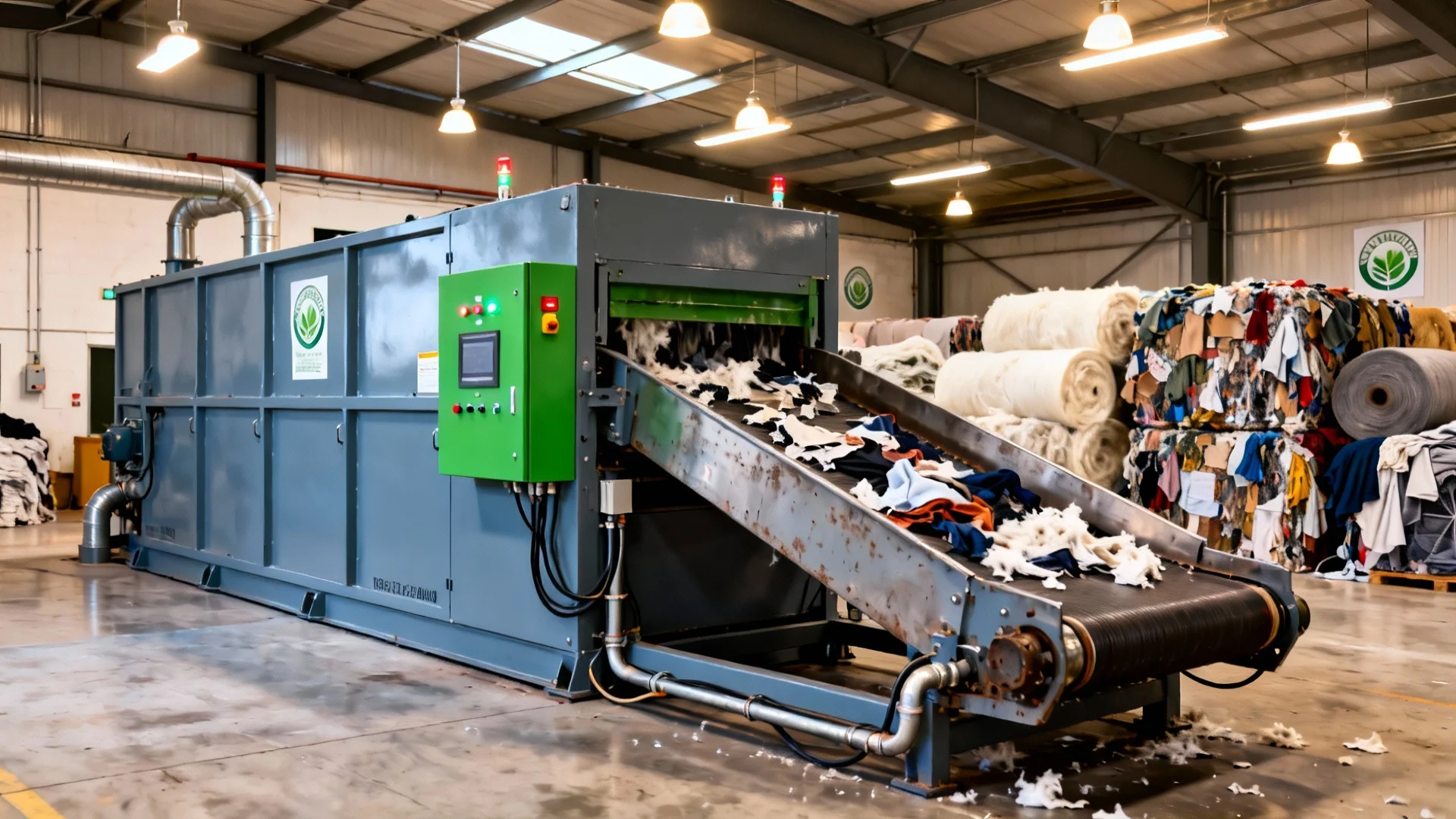
One of the most promising developments in sustainable textiles is innovative fibers derived from agricultural waste and other renewable resources. These materials reduce reliance on non-renewable resources while addressing waste management challenges in other industries. For example, certain scarf collections now incorporate fibers made from recycled plastic bottles, transforming waste materials into luxurious, functional fabrics through advanced scarf manufacturing processes.
Beyond selecting sustainable base materials, FENNYSUN has implemented comprehensive material lifecycle management practices. This includes establishing take-back programs for end-of-life products, exploring recycling and upcycling opportunities, and working with suppliers to minimize packaging waste. By addressing the entire lifecycle of materials, the company demonstrates a commitment to circular economy principles extending beyond manufacturing itself.
Environmental Impact Reduction: Beyond Compliance
True sustainability in manufacturing requires a holistic approach that goes beyond regulatory compliance to address production's full environmental footprint. FENNYSUN's integrated sustainability strategy encompasses energy usage, carbon emissions, water management, and waste reduction—creating a comprehensive framework for environmental responsibility that exemplifies scarf production innovation.
Energy efficiency has been a particular focus, with the company transitioning 45% of its manufacturing facility energy needs to renewable sources, including on-site solar panels and purchased wind energy credits. This significant investment in renewable energy has reduced the company's carbon footprint while providing long-term energy cost stability, protecting against volatile fossil fuel prices.
Beyond transitioning to renewable energy, FENNYSUN has implemented comprehensive energy management systems that monitor and optimize energy usage throughout production. These systems identify energy-intensive processes and efficiency improvement opportunities, resulting in a 28% reduction in overall energy consumption per production unit over the past three years.
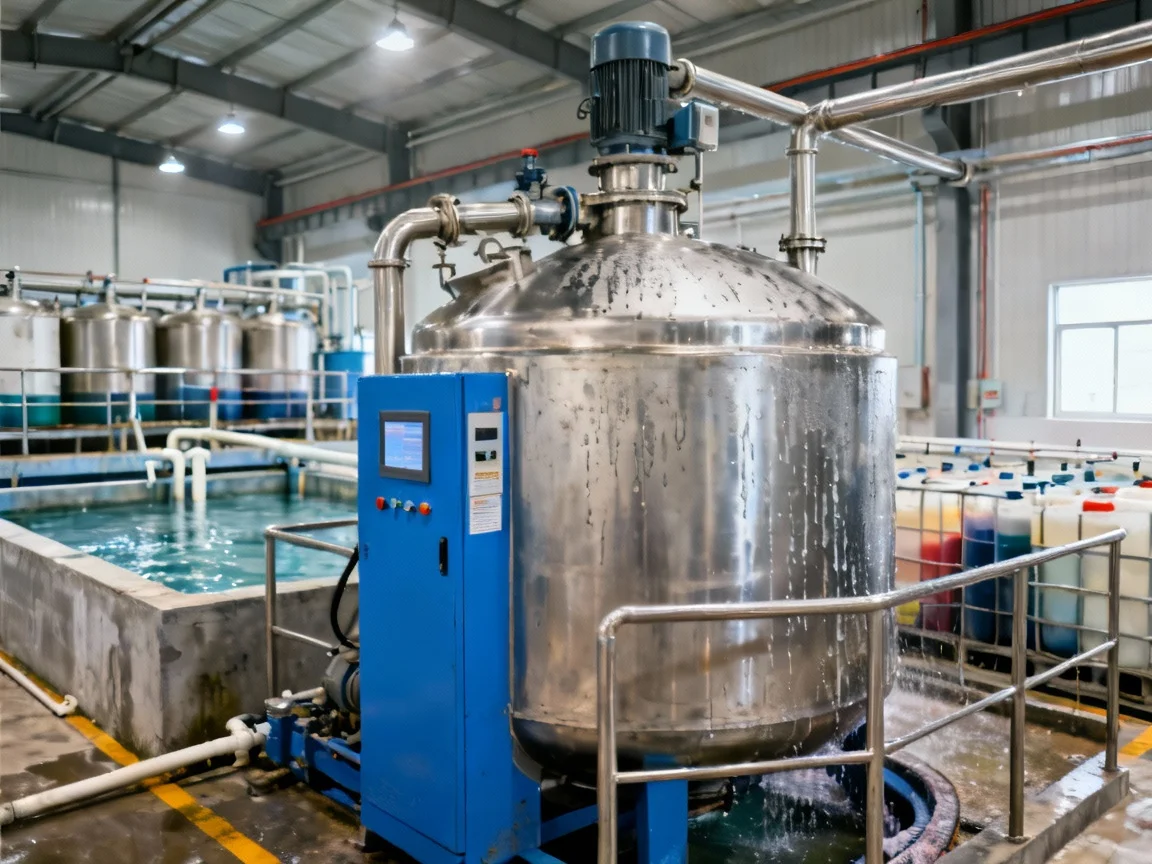
Water management represents another critical aspect of the company's environmental strategy. Beyond waterless dyeing technology mentioned earlier, FENNYSUN has implemented closed-loop water systems that treat and recycle water used in various production processes. This comprehensive water stewardship approach has reduced overall water consumption by 62% compared to industry averages—an achievement recognized through several environmental certifications.
Waste reduction initiatives have also yielded impressive results. By implementing lean manufacturing principles and optimizing production processes, the company has reduced pre-consumer waste by 40%. Waste materials that cannot be eliminated are diverted from landfills through recycling and upcycling programs, with 92% of production waste now being repurposed or recycled.
Unlike competitors who often focus on single sustainability aspects, FENNYSUN has developed an integrated approach encompassing material selection, production methods, and supply chain management. This comprehensive strategy not only reduces environmental impact but also creates operational efficiencies and cost savings benefiting both the company and its customers.
Meeting the Needs of Modern B2B Partners
In today's competitive marketplace, sustainability has become a key consideration in B2B relationships, with buyers increasingly evaluating suppliers based on environmental credentials. A 2025 customer satisfaction survey revealed 82% of B2B clients prioritize sustainable material certifications when placing orders, with 67% indicating they would pay a premium for products from environmentally responsible manufacturers utilizing advanced scarf manufacturing techniques.
FENNYSUN's sustainability commitment has positioned the company as a preferred partner for boutique owners, specialty stores, and fashion brands seeking to enhance their environmental credentials. The company's transparent sustainability practices provide B2B clients with the documentation and assurance needed to meet their own environmental reporting requirements and consumer transparency expectations.
One key advantage for B2B partners is access to FENNYSUN's comprehensive sustainability data and certification documentation. This enables clients to confidently market the environmental benefits of the scarves they sell, providing a competitive advantage in an increasingly eco-conscious marketplace. The company's commitment to consistent quality ensures sustainability does not compromise product performance or aesthetic appeal.
The company's digital printing capabilities also offer significant benefits for B2B clients, particularly those requiring custom designs or limited-edition collections. Digital printing enables cost-effective short runs, reducing risk and waste associated with minimum order quantities. This flexibility allows boutique owners and fashion brands to test new designs with lower financial risk while maintaining sustainable practices by avoiding overproduction.
In my experience working with various textile manufacturers, suppliers demonstrating tangible sustainability achievements while maintaining product quality and design flexibility are increasingly preferred by B2B clients seeking to align with textile technology trends and meet evolving market demands.
The Future of Sustainable Scarf Manufacturing
Looking ahead, the sustainable transformation of scarf manufacturing shows no signs of slowing down. Several emerging trends and technologies promise to further advance environmental responsibility in the industry, presenting both challenges and opportunities for manufacturers and their B2B partners engaged in scarf production innovation.
One particularly promising area is biofabrication technologies enabling textile fiber production from sustainable biological sources. These innovative materials have the potential to reduce reliance on traditional agriculture and petroleum-based products, further minimizing scarf production's environmental footprint. While still in early stages, these technologies could revolutionize material sourcing within the next decade.
Another emerging trend is the increasing integration of blockchain technology for supply chain transparency. By providing immutable records of material origins, production processes, and environmental impacts, blockchain can give B2B clients and end consumers unprecedented visibility into product sustainability credentials. This level of transparency will likely become a standard expectation in the luxury scarf market, driving further adoption of sustainable practices industry-wide.
The circular economy concept is also gaining momentum, with manufacturers exploring innovative ways to extend product lifecycles. This includes designing for durability, repairability, and recyclability, as well as establishing take-back programs allowing end-of-life scarves to be recycled or upcycled into new products. As circular economy principles become more deeply integrated into business models, we can expect significant reductions in scarf manufacturing's overall environmental impact.
Looking specifically at FENNYSUN's future direction, the company is well-positioned to continue leading industry sustainability efforts through its commitment to innovation and environmental responsibility. With over three decades of textile manufacturing expertise and keen market insight, FENNYSUN is uniquely qualified to navigate the evolving sustainability landscape while meeting the changing needs of B2B clients through advanced scarf manufacturing techniques.
As sustainable practices evolve from competitive differentiators to industry standards, manufacturers failing to adapt will increasingly find themselves at a disadvantage. By prioritizing sustainability today, companies like FENNYSUN not only reduce environmental impact but position themselves for long-term success in a market increasingly valuing environmental responsibility alongside quality and design.
Conclusion: The Path Forward for Sustainable Scarf Manufacturing
The intersection of technology and sustainability in scarf manufacturing represents not just a trend, but a fundamental shift in industry operations. As explored throughout this article, FENNYSUN's approach to balancing advanced manufacturing techniques with environmental responsibility offers a blueprint for the future of sustainable textile production.
The company's achievements in reducing water usage by 85%, transitioning to 45% renewable energy, and implementing comprehensive waste reduction programs demonstrate that environmental responsibility and business success can go hand in hand. These accomplishments aren't just environmentally significant but create operational efficiencies and cost savings benefiting both the company and its B2B clients.
For boutique owners, specialty stores, and fashion brands seeking to enhance their sustainability credentials, partnering with manufacturers like FENNYSUN offers a practical path forward. By prioritizing suppliers with comprehensive environmental strategies, B2B clients can meet the growing demand for sustainable products while maintaining the quality and aesthetic standards their customers expect.
Looking to the future, sustainable scarf manufacturing's continued evolution will likely be driven by ongoing technological innovation, material development, and deepening circular economy commitment—all key textile technology trends shaping the industry. As these trends mature, we can expect even greater environmental impact reductions, further blurring the line between luxury and sustainability.
The journey toward fully sustainable scarf manufacturing is ongoing, with work still needed. However, companies like FENNYSUN demonstrate that meaningful progress is possible through innovation, commitment, and integrated sustainability thinking. By continuing to prioritize environmental responsibility alongside quality and innovation, the scarf manufacturing industry can play a significant role in reducing fashion's overall environmental impact.
For B2B partners looking to make more sustainable choices, the key takeaway is clear: sustainability should be evaluated holistically, considering not just individual practices but entire product lifecycles. By choosing suppliers with comprehensive environmental strategies, businesses can make meaningful contributions to environmental protection while positioning themselves for success in an increasingly sustainability-focused market.
As both a seasoned industry practitioner and sustainable manufacturing advocate, I'm encouraged by the progress seen and optimistic about the future. The integration of technology and sustainability in scarf manufacturing represents not just better business, but a necessary evolution benefiting the industry, consumers, and planet for generations to come through continued scarf production innovation and advancement.