In today's environmentally conscious market, the fashion industry faces mounting pressure to reinvent traditional production models. With over two decades of textile manufacturing experience, I've witnessed how strategic collaborations between manufacturers and retailers can drive meaningful change while maintaining commercial viability. This case study examines our journey creating an eco-friendly scarf collection for a global retailer—a testament to how sustainability and profitability can coexist through thoughtful innovation and process optimization.
The Partnership Challenge: Aligning Vision and Values
Our collaboration began when a major international retailer approached our manufacturing team with a clear mandate: develop a scarf collection that reduces environmental impact by 50% compared to their previous lines while preserving the brand's signature aesthetic quality and meeting competitive price points. This request reflects a broader industry shift—research from theroundup.org indicates 68% of fashion brands now prioritize sustainable materials in production, driven by both consumer demand and regulatory pressures.

The initial challenge centered on aligning our manufacturing capabilities with the retailer's sustainability goals. Through collaborative workshops, we identified three critical objectives:
- Source materials with verified environmental credentials
- Implement production technologies that minimize resource consumption
- Create a scalable model that could be replicated across future collections
What emerged was a partnership built on transparency and shared risk. Rather than operating as a standard vendor-client relationship, we established joint sustainability targets and agreed on key performance indicators that measure success beyond traditional metrics like cost and delivery time.
Material Innovation: Rethinking Textile Foundations
The cornerstone of any sustainable fashion product lies in its materials. Our research revealed conventional scarf production relies heavily on resource-intensive fabrics and chemical treatments. Working closely with the retailer's design team, we conducted a comprehensive lifecycle analysis of potential materials, evaluating water usage, carbon footprint, and end-of-life biodegradability.
The resulting material palette represented a significant departure from industry norms:
- Recycled polyester derived from post-consumer plastic bottles, reducing reliance on virgin petroleum-based materials while diverting waste from landfills
- Organic cotton certified by the Global Organic Textile Standard (GOTS), ensuring no harmful pesticides or synthetic fertilizers entered the production chain
- Bamboo lyocell processed using closed-loop technology that recovers and reuses 98% of the solvents involved in manufacturing
Particularly innovative was our approach to blending these materials for specific performance characteristics. For winter styles, we developed a proprietary blend of recycled cashmere and organic wool that maintained warmth while reducing raw material consumption by 35%. For spring-summer collections, a lightweight bamboo-cotton blend offered superior breathability with 50% less water usage than conventional rayon.
Material selection also involved careful consideration of certification standards. We prioritized suppliers with recognized credentials such as OEKO-TEX® for chemical safety and Fair Trade certification to ensure ethical labor practices throughout the supply chain.
Production Revolution: Digital Printing as a Sustainability Driver
Traditional scarf production, particularly for custom designs, has long been associated with significant waste—from excess dye runoff to fabric scraps and inefficient color matching processes. To address this, we proposed a complete overhaul of the printing process, implementing state-of-the-art digital textile printing technology despite the initial capital investment required.
The results justified the expense. Digital printing offered three critical sustainability advantages:
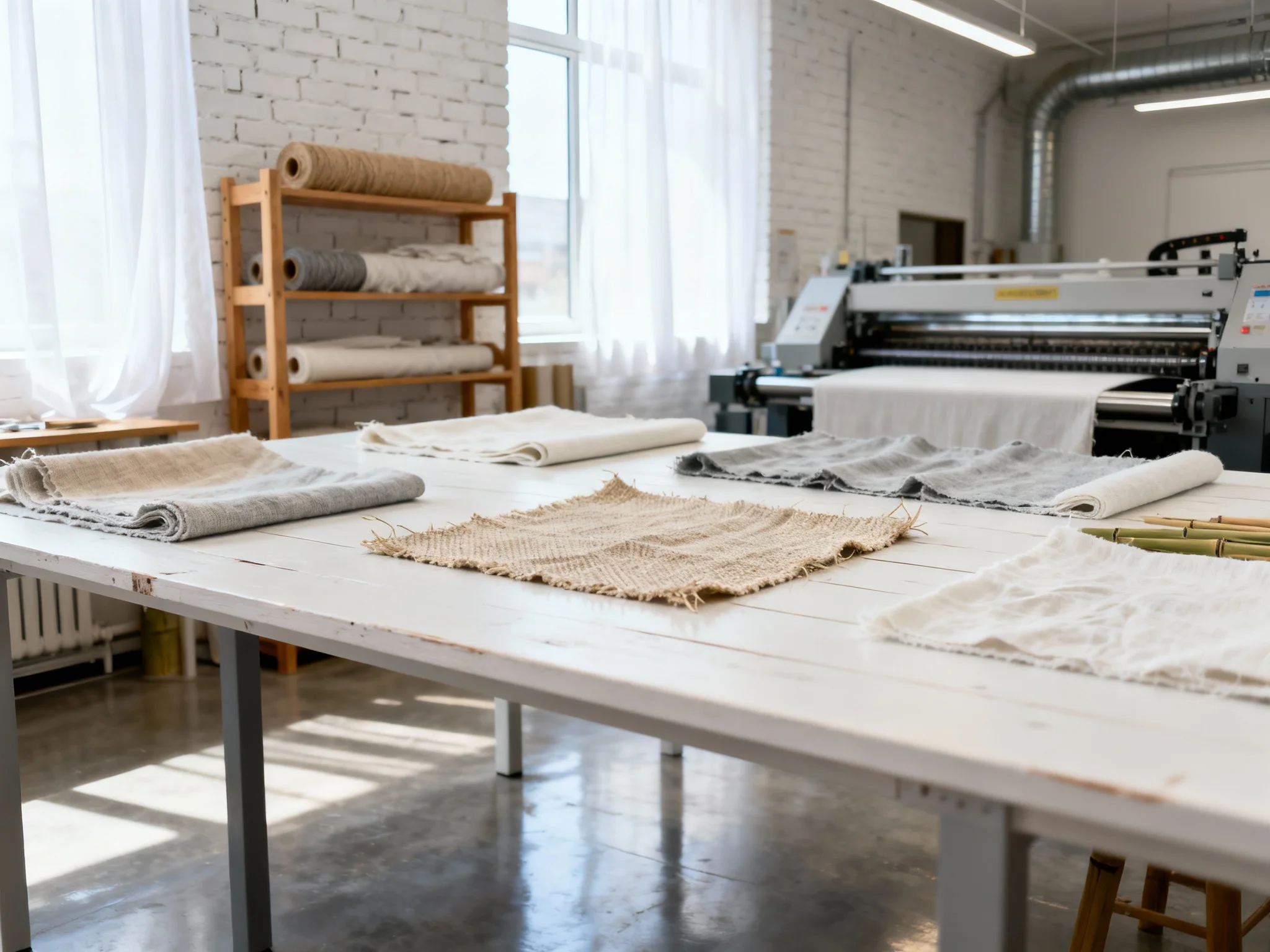
- Water reduction: Eliminating traditional screen preparation and multiple washing steps reduced water consumption by 70% compared to conventional rotary printing—a savings of approximately 50-60 liters per linear meter of fabric, according to industry data from Stitchi's 2025 textile report.
- Ink efficiency: Precision application minimized ink usage by 30%, while enabling the use of eco-friendly, water-based pigment inks free from heavy metals and harmful volatile organic compounds (VOCs).
- Waste reduction: Digital workflow allowed for on-demand production runs, reducing minimum order quantities by 50% and virtually eliminating excess inventory waste.
Technological implementation wasn't without challenges. We invested in specialized training for our production team and worked closely with ink suppliers to develop custom color formulations that met the retailer's exacting standards. The digital transformation also enabled greater design flexibility, allowing the retailer to offer more pattern variations without corresponding increases in environmental impact—a key competitive advantage in today's fast-changing fashion landscape.
Process Optimization: From Design to Delivery
Sustainability considerations extended beyond materials and printing to encompass the entire production lifecycle. We implemented a comprehensive process optimization strategy with measurable targets:
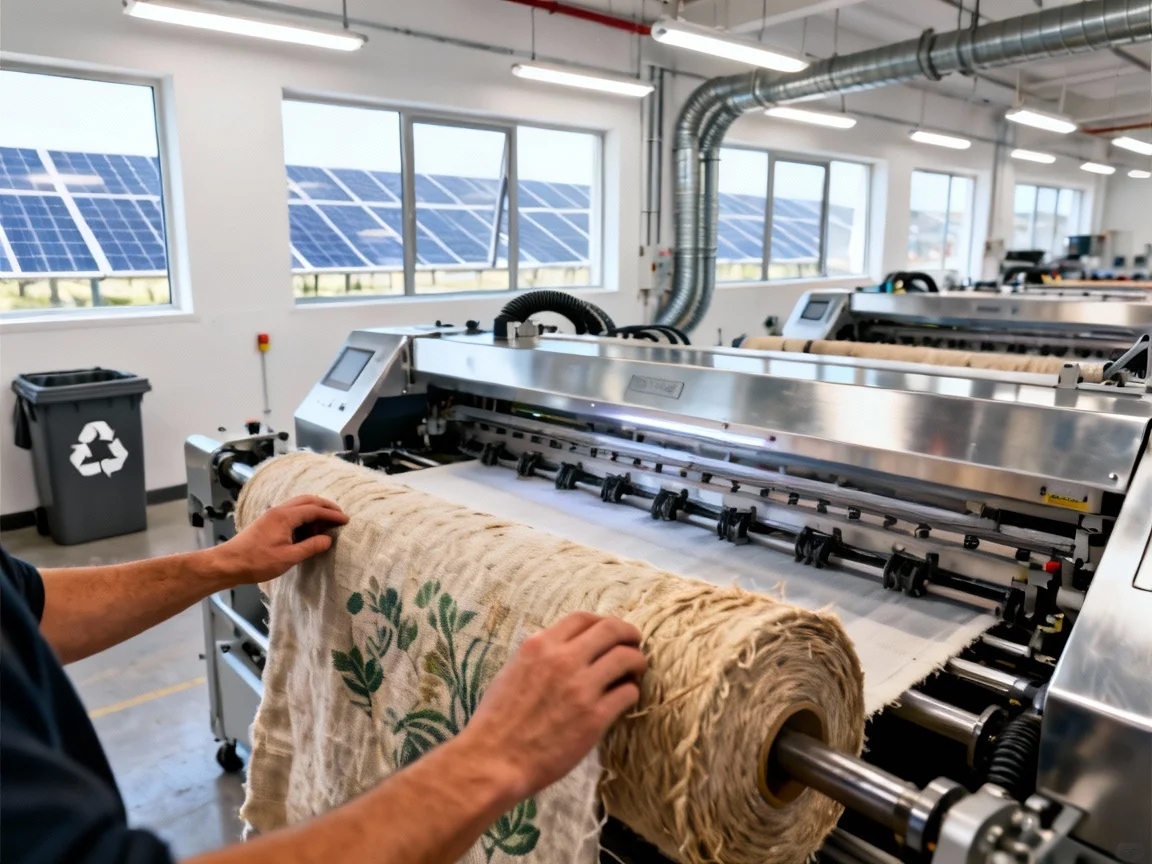
Design Phase:
- Digital prototyping reduced sample waste by 85% compared to traditional physical sampling
- Collaborative design software enabled real-time feedback between our technical team and the retailer's creative department, reducing revision cycles by 40%
Production Phase:
- Energy-efficient manufacturing facilities powered by 30% renewable energy sources
- Lean production principles minimized fabric waste to less than 5% of total material usage
- Water recycling systems captured and treated 90% of process water for reuse in non-critical applications
Logistics and Delivery:
- Consolidated shipping reduced carbon emissions by 25% compared to previous distribution models
- Minimal, recyclable packaging made from 100% post-consumer recycled materials
- Digital product information reduced paper documentation by 100%
Most significantly, we implemented a traceability system that allows the retailer and end consumers to verify the sustainability claims of each product through a QR code system. This transparency not only builds trust but also provides valuable data insights that inform future sustainability improvements.
Results and Impact: Measuring Success Beyond Sales
The eco-friendly scarf collection launched in autumn 2024 across 30 countries, exceeding initial sales projections by 15% and becoming the retailer's fastest-selling accessory line of the season. But the true measure of success lies in the sustainability achievements:
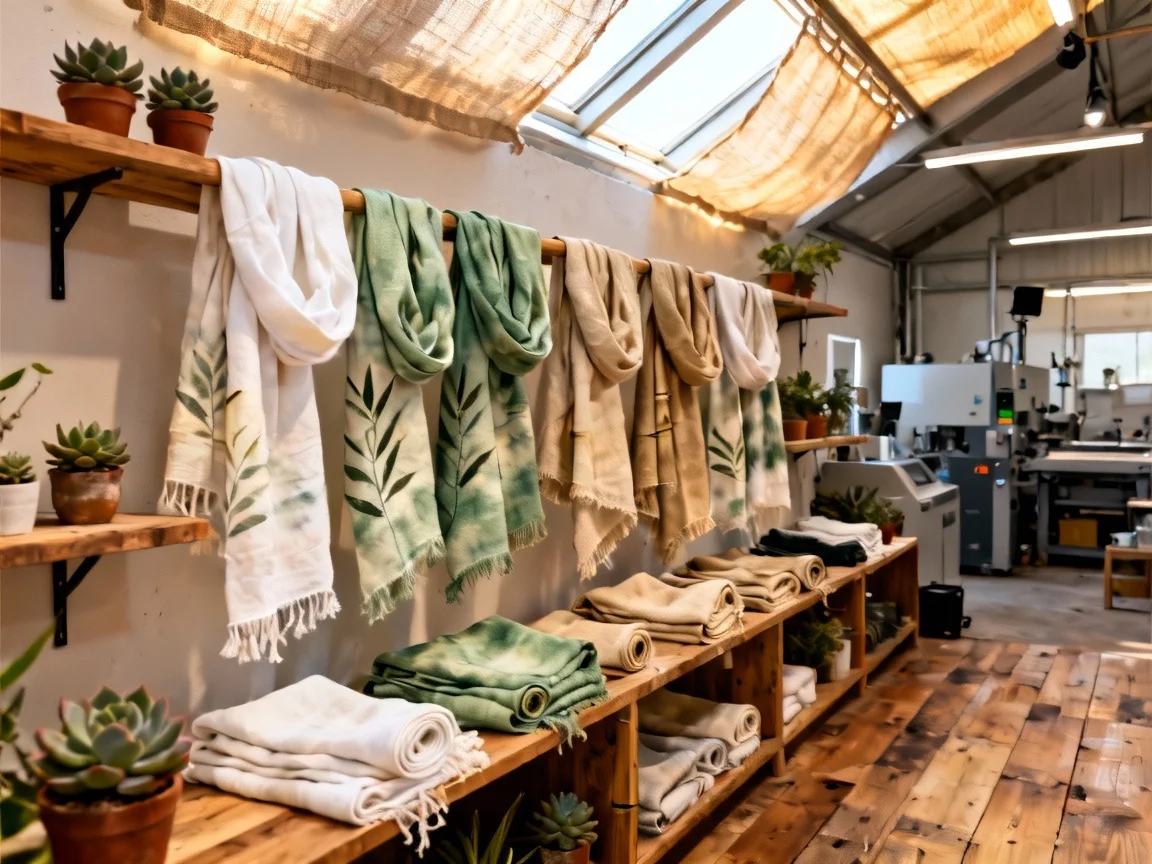
- Environmental impact: 45% reduction in carbon footprint per unit compared to the retailer's previous scarf collection
- Resource efficiency: 60% reduction in water usage and 35% reduction in energy consumption during production
- Circularity: 100% of production waste was diverted from landfills through recycling or repurposing initiatives
- Market reception: Consumer research indicated 72% of purchasers cited sustainability as a key buying factor, with 81% expressing willingness to pay a premium for eco-friendly products
The partnership also yielded intangible benefits extending beyond the initial collection. The collaborative approach established a new working model the retailer has since applied to other product categories, while our manufacturing team gained valuable insights informing sustainability improvements across our entire operation.
Most rewarding was the industry recognition the project received, including a nomination for the 2025 Sustainable Fashion Awards in the Partnership Excellence category. This external validation helped both organizations strengthen their positions as leaders in sustainable fashion innovation.
Lessons Learned: Keys to Successful Sustainable Partnerships
Based on this experience and decades of industry practice, several critical factors emerged as essential for successful sustainable fashion partnerships:
1. Shared vision with measurable goals
The partnership succeeded because both parties committed to specific, quantifiable sustainability targets rather than vague environmental aspirations. We established clear metrics from the outset and conducted quarterly reviews to assess progress and make necessary adjustments.
2. Transparency across the supply chain
Open communication about challenges as well as successes created trust and enabled collaborative problem-solving. The retailer invested in sustainable technologies, while we were transparent about cost implications and implementation timelines.
3. Innovation with practicality
We balanced ambitious sustainability goals with commercial realities, implementing technologies and processes that delivered both environmental benefits and operational efficiencies. This pragmatic approach ensured the project remained viable long-term.
4. Flexibility and willingness to adapt
When certain sustainable materials proved difficult to source at scale, we worked together to find alternatives rather than compromising on core environmental principles. This flexibility was crucial to maintaining project momentum.
5. Long-term perspective
Both parties viewed the collaboration as the beginning of an ongoing sustainability journey rather than a one-time project. This mindset encouraged investment in foundational technologies and processes that deliver benefits beyond the initial collection.
Future Directions: Scaling Sustainable Practices
The success of this partnership has paved the way for broader adoption of sustainable practices across both organizations. We're currently exploring several exciting developments:
- Material innovation: Research into mycelium-based textiles and other biofabrication technologies that could further reduce environmental impact
- Circular systems: Development of take-back programs that would allow end-of-life scarves to be recycled into new products
- Digital integration: Expansion of the traceability system to provide consumers with real-time data on the environmental impact of their purchases
- Education initiatives: Joint sustainability workshops for other brands and manufacturers looking to implement similar practices
As sustainable fashion evolves from niche concern to mainstream expectation, partnerships like this will become increasingly important. By combining the creative vision of retailers with the technical expertise of manufacturers, we can drive meaningful change benefiting businesses, consumers, and the planet itself.
The eco-friendly scarf collection represents more than just a successful product launch—it demonstrates a new way of doing business prioritizing people and the planet alongside profit. In an industry often criticized for its environmental footprint, this collaborative approach offers a blueprint for a more sustainable future.
For fashion brands and retailers considering similar sustainability initiatives, the key takeaway is clear: meaningful environmental progress requires partnerships built on shared values, transparency, and a willingness to invest in long-term solutions. When manufacturers and retailers work together toward a common sustainability vision, the results can be both environmentally transformative and commercially successful.
[Custom Scarf Design Process]: #
[Sustainable Textile Manufacturing]: #
[Digital Printing Technology in Fashion]: #
[Global Retailer Collaboration Strategies]: #
[Eco-Friendly Material Sourcing]: #