In today's rapidly evolving luxury fashion landscape, sustainable fabric sourcing has transcended from a niche consideration to a fundamental business necessity. With decades of experience in luxury accessory production, I've witnessed firsthand how material selection directly influences product quality, brand reputation, and long-term customer loyalty. The 2025 luxury market demands an elegant coexistence of sustainability and luxury—a challenge requiring a sophisticated, comprehensive approach to fabric sourcing that never compromises on either front.
This authoritative guide synthesizes cutting-edge industry standards, emerging market trends, and practical implementation insights to help fashion brands navigate sustainable material procurement specifically for luxury scarves. Whether evaluating cashmere suppliers in Mongolia's pristine steppes or silk producers in Italy's historic textile regions, the strategic principles outlined here will empower you to make informed decisions that align seamlessly with both ethical values and commercial objectives.
The Evolving Landscape of Sustainable Luxury Scarf Materials
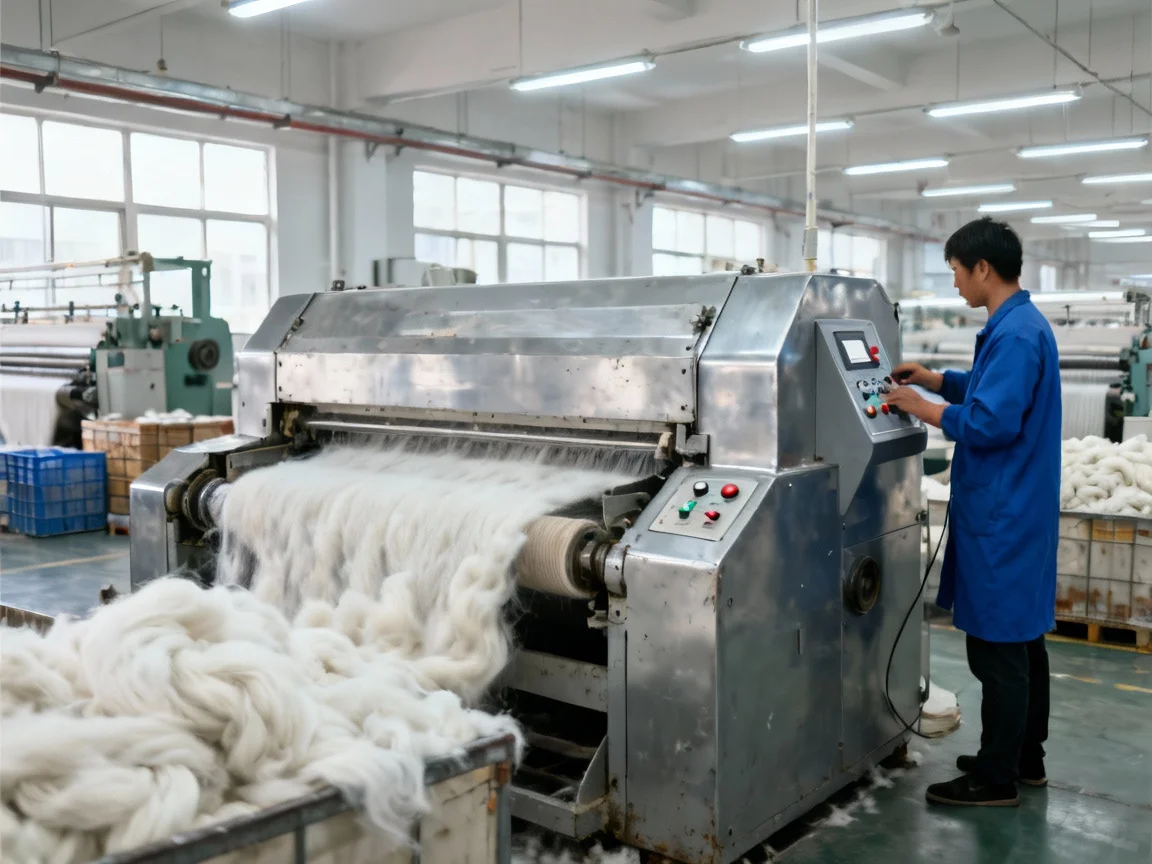
The luxury scarf market is undergoing a profound transformation, driven by shifting consumer expectations and increasing regulatory pressures. According to 2025 industry intelligence reports, sustainable materials now command a 35% price premium in the luxury accessory segment, with 68% of high-net-worth consumers citing ethical sourcing as a decisive purchasing factor. This paradigm shift has prompted forward-thinking brands to reevaluate their supply chains from fiber to finished product, with particular focus on traditional luxury fibers like cashmere and silk that form the foundation of premium scarf production.
Cashmere—long revered as the "golden fiber" for its unparalleled softness and insulating properties—presents unique sustainability challenges that demand innovative solutions. The global cashmere industry has historically struggled with overgrazing practices, contributing significantly to desertification in key producing regions including Mongolia and Inner Mongolia. However, 2025 marks a pivotal turning point, with widespread implementation of revised certification standards directly addressing these environmental concerns while simultaneously improving animal welfare conditions and herder livelihoods.
Silk, another cornerstone of luxury scarf production with a heritage spanning millennia, faces its own distinct sustainability hurdles related to water-intensive cultivation, chemical inputs, and labor practices. Traditional sericulture requires substantial water resources and frequently involves pesticides in mulberry cultivation. Fortunately, recent innovations in sustainable silk production offer promising alternatives that significantly reduce environmental impact without compromising the fiber's renowned natural luster, drape, and tactile qualities so prized in luxury accessories.
These converging trends have given rise to what industry analysts now term "conscious luxury"—a market segment projected to grow at 12% annually through 2030. This remarkable growth trajectory is fueled by discerning consumers who refuse to compromise on either quality or sustainability, demanding complete transparency from fiber origin to finished product. For luxury scarf manufacturers, this represents both a significant challenge and an opportunity to differentiate through authentic sustainable practices.
Sustainable Cashmere Sourcing: Standards and Implementation Strategies
The cashmere sourcing landscape is being fundamentally reshaped by rigorous new certification standards addressing environmental stewardship, animal welfare, and social equity concerns. The most significant industry development is the mandatory implementation of The Good Cashmere Standard 2.0, taking full effect in 2025 as a substantial enhancement over previous certification frameworks. This revised standard introduces stricter criteria for land management, requiring participating farms to implement sophisticated rotational grazing systems that allow pastures to regenerate naturally, thereby addressing the critical issue of desertification.
Equally transformative is the widespread adoption of ISO 22786:2025, which establishes comprehensive animal welfare requirements for cashmere goat breeding and management. This landmark standard covers all aspects of goat care from housing and reproduction to healthcare and fiber collection, with specific provisions for minimizing stress during shearing operations. Certified farms must demonstrate consistent compliance through independent third-party audits conducted regularly throughout the production cycle, ensuring accountability and continuous improvement.
For luxury brands engaged in cashmere scarf production, these evolving standards translate into tangible sourcing practices that can be systematically verified and compellingly communicated to consumers. When evaluating potential cashmere suppliers, industry best practices recommend focusing on several key performance indicators:
Fiber Quality Metrics: Premium sustainable cashmere should demonstrate consistent fiber diameter (ideally 14-16 microns), optimal length (minimum 34mm), and superior strength characteristics. These quantifiable attributes not only ensure the exceptional softness and durability that define luxury scarves but also serve as indirect indicators of healthy animals and proper shearing techniques.
Environmental Management Systems: Leading cashmere suppliers now implement comprehensive environmental management systems that meticulously track and actively reduce water usage, energy consumption, and greenhouse gas emissions. Savvy brands should prioritize suppliers who provide detailed environmental impact assessments and transparent continuous improvement plans with measurable reduction targets.
Herder Welfare Programs: Ethical cashmere sourcing extends beyond animal welfare to encompass fair compensation and safe working conditions for the herding communities who form the backbone of the industry. Progressive suppliers establish direct, long-term relationships with herding cooperatives, often providing specialized training, healthcare access, and education support that creates lasting positive impact.
Traceability Technologies: The most advanced cashmere supply chains now utilize blockchain technology to provide complete traceability from individual herding cooperatives to finished products. This unprecedented transparency allows brands to verify sustainability claims with absolute certainty while creating compelling origin stories that resonate with conscious consumers seeking authentic luxury experiences.
Early adopters of these comprehensive sustainable sourcing practices have documented measurable benefits across environmental and social dimensions. Brands reporting to the Sustainable Fibre Alliance have achieved average reductions of 23% in water usage, 18% decreases in carbon footprints, and 30% improvements in herder incomes. These outcomes conclusively demonstrate that sustainability and profitability can not only coexist but actually reinforce one another in luxury cashmere production when approached strategically.
Ethical Silk Production: Innovations and Implementation Roadmap
The silk industry is undergoing a quiet revolution as progressive producers and visionary brands collaborate to address longstanding sustainability challenges. Central to this transformation is the emergence of circular silk production systems, which aim to eliminate waste and minimize environmental impact throughout the fiber's entire lifecycle. These recent advancements are fundamentally redefining ethical silk sourcing for luxury scarf production in 2025 and beyond.
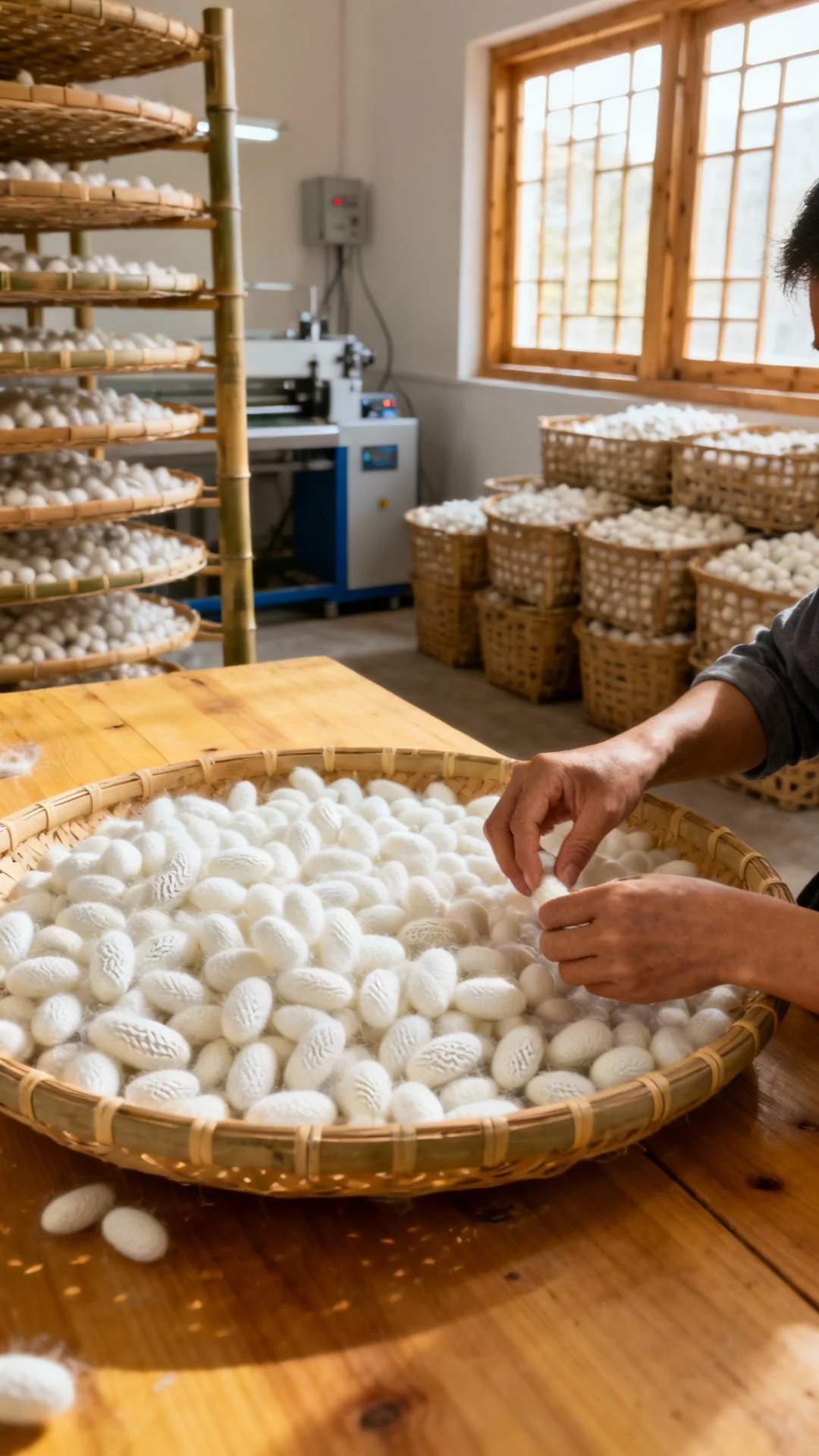
One particularly promising development is the widespread adoption of sophisticated traceability systems that provide unprecedented visibility into complex silk supply chains. These systems, often leveraging QR code technology integrated with blockchain verification protocols, enable brands and consumers alike to trace silk from specific mulberry farms to finished scarf products. This granular transparency not only ensures compliance with rigorous ethical standards but also creates unique opportunities to highlight distinctive artisanal processes and regional characteristics that enhance the narrative value of luxury scarves.
Water management represents another critical focus area in sustainable silk production. Traditional sericulture is notoriously water-intensive, with conventional production requiring up to 2,500 liters per kilogram of silk—an unsustainable figure in an era of increasing water scarcity. Innovative producers are addressing this challenge through closed-loop water systems that recycle and purify process water, reducing consumption by as much as 70%. These systems not only conserve precious resources but also prevent water pollution by capturing and treating dyes and chemicals before they can enter natural waterways.
Chemical reduction is equally important in ethical silk production, where the Global Organic Textile Standard (GOTS) certification has emerged as the definitive benchmark. GOTS sets rigorous criteria for organic fiber production, prohibiting harmful pesticides and synthetic fertilizers in mulberry cultivation while strictly limiting chemicals used in degumming and dyeing processes. For luxury scarf production, this certification ensures silk meets both environmental and social responsibility standards without compromising the exceptional quality characteristics that define luxury textiles.
Innovative processing techniques are further advancing the frontier of ethical silk production. Peace silk (Ahimsa silk), for instance, represents an animal-friendly alternative that allows silkworms to complete their metamorphosis and emerge as moths before cocoons are harvested. While resulting in shorter fiber lengths (typically 600-800 meters compared to 900-1,200 meters for conventional silk), it directly addresses animal welfare concerns and has cultivated a dedicated market among ethically conscious consumers seeking alignment between their values and purchasing decisions.
For brands implementing ethical silk sourcing, industry best practices recommend a strategic phased approach:
- Conduct Comprehensive Supplier Audits: Thoroughly evaluate potential suppliers against rigorous environmental management, labor practices, and quality control criteria. Prioritize partners with recognized third-party certifications from esteemed organizations like GOTS, Fair Trade, or the Sustainable Fibre Alliance.
- Implement Robust Traceability Systems: Establish reliable mechanisms providing complete visibility into each production stage, from mulberry cultivation to finished scarf. This not only ensures ethical compliance but also creates powerful marketing opportunities through authentic storytelling.
- Collaborate on Innovation: Forge strategic partnerships with suppliers to implement cutting-edge sustainability technologies such as waterless dyeing, natural degumming alternatives, and waste reduction strategies. These collaborative efforts can lead to proprietary sustainable techniques that differentiate your brand in the marketplace.
- Educate Consumers Transparently: Develop transparent communication strategies that explain ethical silk's intrinsic value without resorting to greenwashing tactics. Focus on tangible benefits such as enhanced quality attributes, unique aesthetic characteristics, and measurable positive social and environmental impacts.
The impact of these ethical silk practices is both qualitative and quantifiable. Recent Textile Exchange studies indicate that ethically sourced silk commands price premiums of 15-30% in the luxury market, with consumer demand growing at an impressive 27% annual rate—a clear indication that sustainability has become a key driver of value creation in luxury scarf production.
Navigating Certification Standards and Compliance Frameworks
In the realm of sustainable luxury textiles, certification standards serve as essential navigation tools that help brands verify sustainability claims and communicate authentic value to increasingly discerning consumers. The 2025 certification landscape features several key standards particularly relevant to luxury scarf production, each with distinct focus areas and compliance requirements that brands must understand and navigate strategically.
Global Organic Textile Standard (GOTS): Widely regarded as the gold standard for organic textiles, GOTS certification encompasses the entire supply chain from fiber production to finished garment. For silk and cashmere scarves, GOTS ensures that organic fibers are used throughout the production process and that strict environmental and social criteria are met at every stage. The standard explicitly prohibits genetically modified organisms (GMOs), toxic chemicals, and child labor while mandating safe working conditions and fair wages for all workers involved in the production cycle. GOTS certification involves rigorous third-party auditing processes, making it an essential credential for sustainability-conscious luxury brands.
The Good Cashmere Standard 2.0: Set to become mandatory across major markets in 2025, this revised standard represents a significant advancement in sustainable cashmere certification. Developed by the Aid by Trade Foundation, it focuses strategically on three interconnected pillars: environmental stewardship through responsible land management, animal welfare protections, and improved herder livelihoods. Key requirements include humane treatment protocols for cashmere goats, rotational grazing systems designed to prevent desertification, and equitable compensation structures that ensure herders receive a fair share of the final product value. GCS 2.0 introduces more stringent verification protocols with increased unannounced audits and enhanced traceability features that align with evolving consumer expectations for transparency.
ISO 22786:2025: This newly established international standard specifically addresses animal welfare considerations in cashmere production systems. It provides detailed science-based guidelines for housing, breeding, healthcare, and fiber collection practices that ensure optimal goat well-being throughout their lifecycle. Unique in its emphasis on measurable indicators and continuous improvement methodologies, ISO 22786:2025 requires producers to implement comprehensive monitoring systems and corrective action protocols. Compliance with this standard demonstrates a brand's commitment to ethical practices that exceed basic legal requirements, resonating strongly with values-driven consumers.
OEKO-TEX® Standard 100: While not exclusively focused on sustainability, OEKO-TEX® certification remains highly relevant in luxury scarf production by guaranteeing that textiles are free from harmful substances. This comprehensive testing system covers all production stages from raw materials to finished products, with strict limits on chemicals potentially detrimental to human health or the environment. For consumers, the OEKO-TEX® label provides immediate reassurance that scarves meet rigorous safety standards while indicating responsible chemical management practices throughout production.
Effective navigation of these complex requirements necessitates strategic alignment with brand values and target consumer expectations. Industry best practices recommend:
Prioritizing Certifications Based on Brand Positioning: Not all certifications carry equal weight with consumers or within specific market segments. Conduct thorough market research to identify which credentials resonate most strongly with your target audience and focus resources on those strategic priorities.
Integrating Requirements into Supplier Contracts: Clearly articulate certification requirements in formal agreements with suppliers, including specific provisions for regular audits and consequences for non-compliance. This proactive approach establishes clear expectations and provides legal recourse if standards aren't maintained consistently.
Leveraging Certification for Authentic Storytelling: Forward-thinking brands seamlessly integrate certification narratives into their marketing communications rather than simply displaying logos. Explain specific standard requirements, highlight continuous improvement journeys, or showcase compliance impacts on producer communities and fragile ecosystems.
Pursuing Complementary Certifications: Leading luxury brands often pursue multiple certifications that address different aspects of sustainability performance. A premium cashmere scarf might carry both GOTS certification (covering organic production and social criteria) and ISO 22786:2025 certification (specifically addressing animal welfare), providing comprehensive ethical assurance.
The certification landscape continues to evolve rapidly as new standards emerge and existing ones undergo regular revision. Sustainability-committed brands should establish formal processes for regularly reviewing and updating their certification strategies to remain aligned with the latest developments and consumer expectations in this dynamic environment.
Building an Ethical Supplier Evaluation Framework for Luxury Scarf Production
In the competitive landscape of luxury fashion, the foundations of sustainable sourcing lie in identifying, evaluating, and collaborating with values-aligned suppliers who demonstrate unwavering commitment to ethical practices. Building an effective supplier evaluation framework represents a critical capability for brands implementing comprehensive sustainable fabric sourcing strategies for scarf production. This framework should be inherently dynamic, completely transparent, and focused on continuous improvement rather than mere compliance with minimum standards.

The most robust supplier evaluation systems in 2025 integrate multiple dimensions of sustainability performance, recognizing that true ethical sourcing encompasses environmental stewardship, social responsibility, and strong governance practices. When developing evaluation criteria, industry leaders recommend organizing assessment factors into several key categories that collectively provide a comprehensive view of supplier ethics:
Environmental Performance Metrics: These quantitative indicators measure a supplier's impact on natural resources and ecosystems. Essential metrics include water usage intensity (calculated as liters per kilogram of finished fiber), energy consumption patterns, greenhouse gas emissions across scope 1, 2, and relevant scope 3 categories, waste generation and diversion rates, and chemical management protocols. Leading evaluation frameworks also carefully consider biodiversity impacts, particularly for agricultural fiber production such as silk's mulberry cultivation, where farming practices can either support or degrade local ecosystems.
Social Responsibility Indicators: Ethical evaluation must comprehensively assess labor practices and broader community impacts. Core indicators include strict compliance with minimum wage requirements, reasonable working hours, comprehensive health and safety protocols, and respect for freedom of association. Progressive evaluations go beyond basic compliance to examine worker empowerment initiatives, gender equality metrics, and community development programs that create shared value beyond the factory gates. For international suppliers, alignment with International Labour Organization (ILO) core conventions provides a critical baseline for ethical labor practices.
Governance and Transparency Factors: Strong corporate governance ensures that sustainability commitments translate into consistent practices throughout the supply chain. Evaluation criteria should include the existence of formal sustainability policies, robust management systems for tracking performance, and evidence of board-level oversight of ethical sourcing initiatives. Transparency indicators assess a supplier's willingness to share operational information, detailed supply chain maps, and authentic performance data. The implementation of traceability technologies and active participation in industry transparency initiatives increasingly differentiate leading suppliers from conventional competitors.
Quality and Innovation Capabilities: In luxury scarf production, sustainability should never compromise the exceptional quality standards that define the category. Evaluation frameworks must carefully balance ethical considerations with rigorous assessment of product quality attributes, technical capabilities, and innovation potential. Key indicators include consistent compliance with quality standards, reliability of supply, demonstrated expertise in sustainable production techniques, and the ability to collaborate on material innovation that pushes the boundaries of sustainable luxury.
Ethical Sourcing Specific Criteria: For specialized luxury fibers like cashmere and silk, additional criteria address the unique ethical considerations of animal fiber production. These include compliance with recognized animal welfare standards, implementation of humane handling practices, and specific adherence to protocols outlined in standards like ISO 22786:2025 for cashmere production systems.
Implementing this comprehensive framework requires structured processes and appropriate technological tools:
Supplier Self-Assessment Questionnaires: Well-designed standardized tools allow suppliers to provide initial information about their practices, policies, and performance across all evaluation dimensions. Effective questionnaires balance comprehensiveness with practicality, focusing on material issues while respecting supplier time constraints.
On-Site Audits: Direct observation remains essential for verifying claims and assessing conditions firsthand. These should be conducted by trained professionals using standardized protocols and include confidential worker interviews at all operational levels to ensure a complete picture of practices.
Performance Benchmarking: Comparing supplier performance against industry benchmarks provides valuable context for evaluation. This approach identifies leading practices and establishes realistic improvement targets that drive continuous progress.
Continuous Improvement Programs: Effective supplier relationships focus on collaborative improvement rather than punitive measures for non-compliance. Evaluation frameworks should include mechanisms for mutual target setting, capacity building support, and recognition of progress to foster long-term partnerships.
Technology-Enabled Monitoring: Emerging technologies are transforming supplier evaluation through real-time data collection and analysis capabilities. Internet of Things (IoT) sensors, blockchain verification systems, and satellite imagery increasingly enable remote monitoring of environmental conditions, resource usage patterns, and supply chain claims verification.
Robust evaluation frameworks deliver significant business benefits beyond basic compliance. Companies reporting to the Ethical Trading Initiative document 15-20% improvements in quality metrics and 25% reductions in supply chain disruptions after implementing comprehensive supplier evaluation systems. These outcomes reflect the strong correlation between sustainable practices, operational excellence, and reliability in luxury textile supply chains, demonstrating that ethical sourcing is not merely a cost center but a strategic investment in brand value and operational resilience.
Strategic Implementation: From Sourcing Excellence to Consumer Engagement
Successfully translating sustainable fabric sourcing into commercial success requires careful strategic planning across multiple business dimensions. The most effective approaches seamlessly integrate sourcing considerations into broader brand strategy, product development processes, and customer engagement initiatives—creating a coherent narrative that resonates with discerning audiences while driving operational improvements and market differentiation.
Product Development Integration serves as the critical first implementation phase, where sustainable materials become foundations for innovation rather than mere compliance requirements. Industry leaders recommend establishing cross-functional teams that combine sourcing specialists, designers, product developers, and marketing professionals to identify material innovation opportunities that push the boundaries of sustainable luxury.
For luxury scarves, the unique characteristics of sustainable materials create distinctive sensory experiences and tangible benefits that appeal to sophisticated consumers. Sustainable cashmere, for instance, offers exceptional softness and warmth-to-weight ratio that positions it as both indulgently luxurious and responsibly sourced. Naturally dyed silk provides unique color variations and depth unmatched by mass-produced alternatives, creating opportunities for limited edition collections and authentic craftsmanship storytelling that enhances perceived value.
Supply Chain Optimization directly impacts both sustainability performance and business outcomes in luxury scarf production. Strategic sustainable sourcing approaches include:
- Supplier Consolidation: Fewer strategic supplier partnerships create opportunities for deeper collaboration, preferential terms, and consistent quality while reducing administrative overhead and transportation impacts associated with managing multiple vendor relationships