In today's luxury fashion landscape, sustainability has evolved from a niche concern to a core business imperative. As environmental consciousness reshapes consumer decisions, luxury scarf manufacturers face the delicate challenge of balancing heritage craftsmanship with responsible production. This comprehensive analysis examines the sustainable sourcing and manufacturing processes transforming the industry, with particular focus on cashmere and silk—the two most coveted luxury scarf materials that define excellence in the market.
The Sustainability Imperative in Modern Luxury
The luxury scarf segment stands at an environmental crossroads where traditional production methods for premium materials raise significant ecological concerns, from water pollution to land degradation. Recent textile industry studies indicate conventional production accounts for approximately 20% of global water pollution, with cashmere processing specifically releasing toxic chemicals into water sources that threaten aquatic ecosystems and local food security.
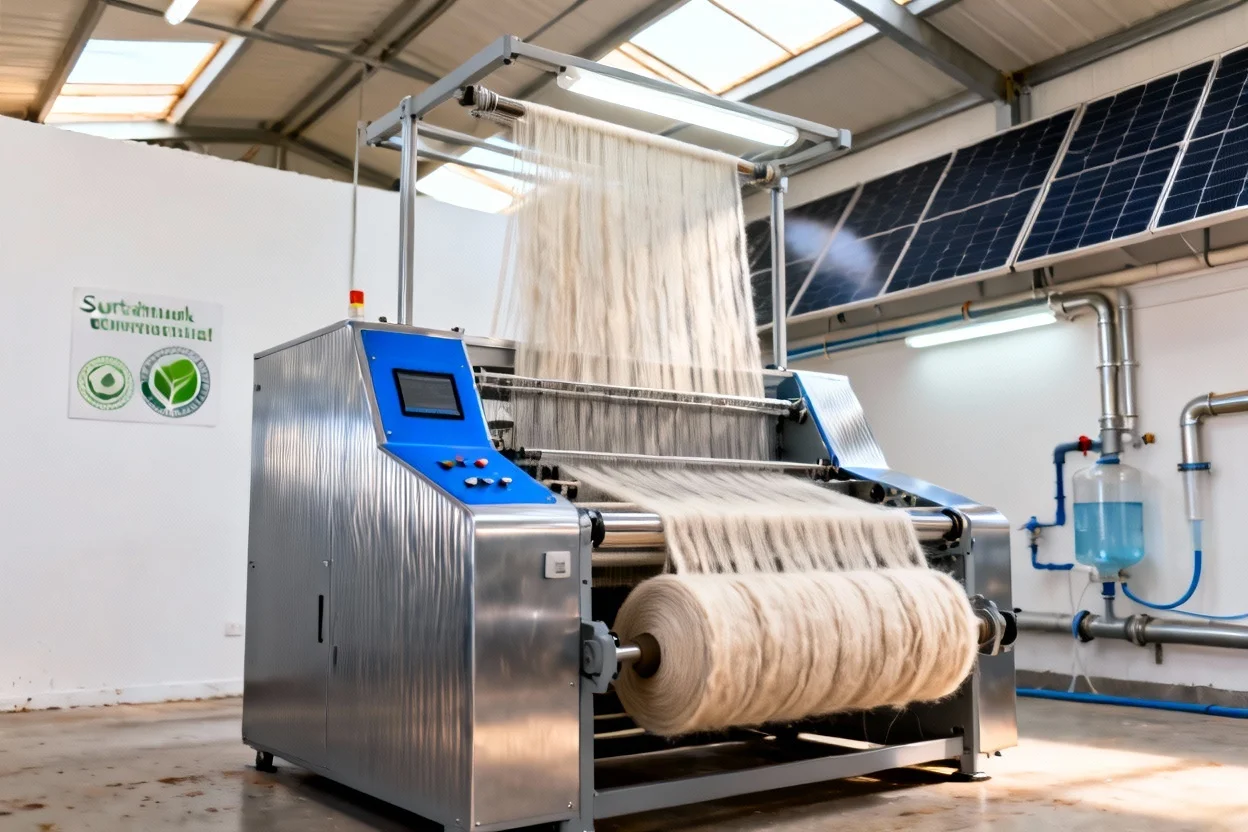
Against this backdrop, the industry is undergoing a profound transformation. The Good Cashmere Standard (GCS) 2.0—mandatory from 2025—represents critical progress by elevating animal welfare requirements and environmental protections, with verified farms now meeting 100% of core sustainability indicators. Similarly, innovations in silk production showcased at Silktech 2025 demonstrate the industry's commitment to circularity, with zero-waste technologies and water recycling systems becoming increasingly prevalent.
For fashion brands and retailers evaluating suppliers, these developments signal a new era of due diligence. Sustainable luxury scarves distinguish themselves through three key attributes: eco-friendly materials with verified origins, transparent supply chains tracing products from farm to finished garment, and ethical manufacturing processes prioritizing both environmental and human welfare.
Cashmere Scarf Production: Heritage Meets Innovation
Cashmere production exemplifies the sustainability challenges in luxury scarf manufacturing. The traditional cashmere industry has long struggled with environmental issues, including overgrazing contributing to desertification and chemical-intensive processing methods polluting water sources. Emerging practices are addressing these concerns through technological innovation and revised certification standards that honor tradition while embracing progress.
The Good Cashmere Standard 2.0, launched in 2025, takes a comprehensive approach to sustainable cashmere production by establishing rigorous requirements across three pillars: environmental sustainability, animal welfare, and social responsibility. Key updates include enhanced biodiversity protection measures, stricter limits on grazing density, and improved traceability systems that allow consumers to verify the origin of each cashmere scarf.
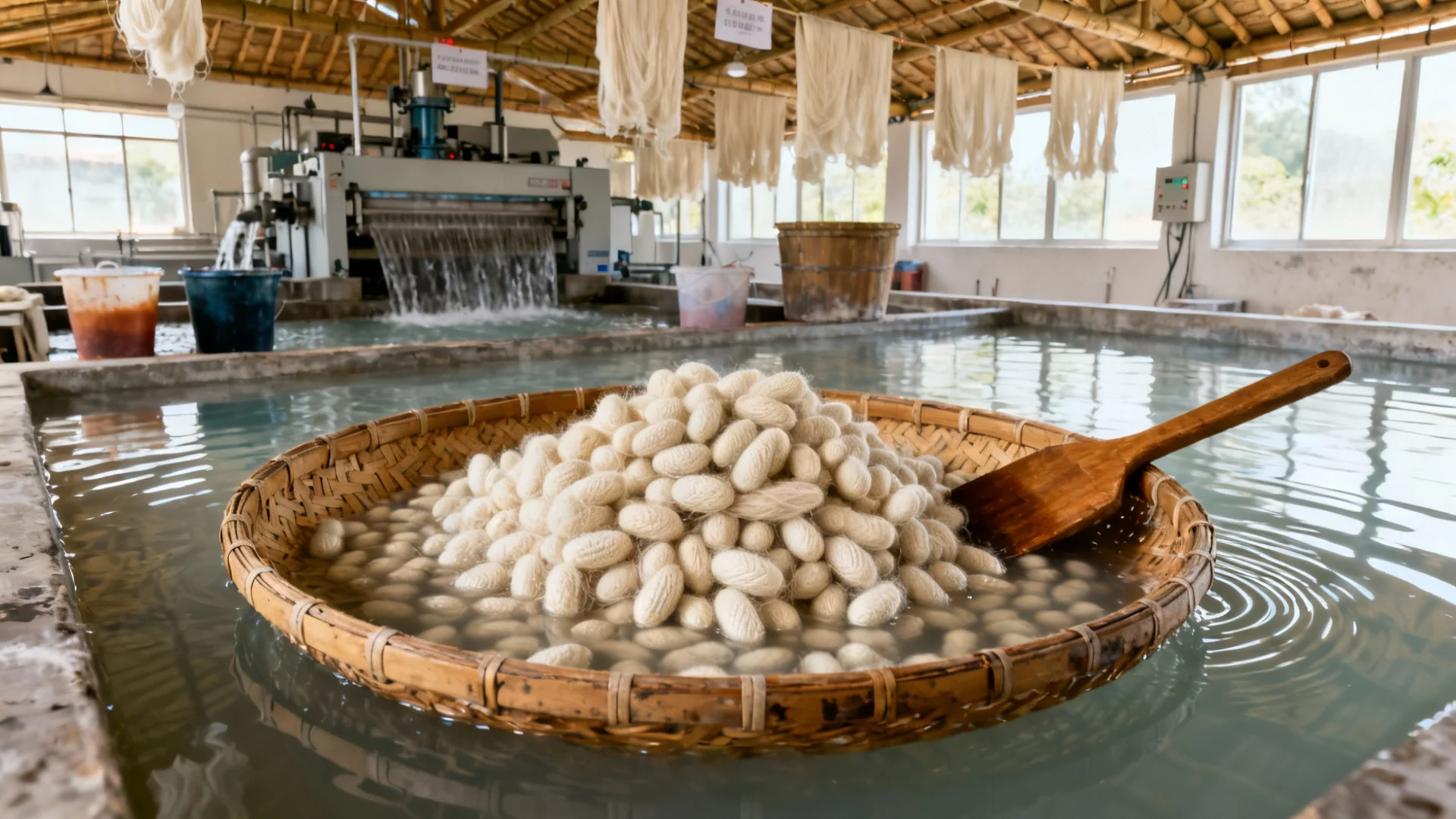
Innovative startups are pushing boundaries in sustainable cashmere production. Everbloom—a technology company that recently launched commercially—developed a revolutionary processing method that mimics synthetic fiber manufacturing to produce fine cashmere at scale while significantly reducing environmental impact. By optimizing fiber extraction and processing techniques, such innovations help address the industry's historical challenges.
Water conservation represents another critical focus area. Traditional cashmere processing requires substantial water inputs and often discharges untreated chemicals. Modern facilities implement closed-loop water systems that reduce consumption by up to 95% compared to conventional methods. These systems minimize environmental impact and improve production efficiency, creating win-win scenarios for manufacturers and ecosystems.
Industry case studies demonstrate these approaches deliver measurable results. A leading luxury scarf manufacturer recently reported a 62% reduction in water usage and 45% reduction in carbon emissions following implementation of GCS 2.0 standards and adoption of innovative processing technologies. Such outcomes validate the business case for sustainability, showing environmental stewardship and profitability can go hand in hand.
Silk Scarf Manufacturing: Ancient Craft, Modern Solutions
Silk—often called the "Queen of Textiles"—presents unique sustainability challenges and opportunities. The traditional sericulture process involves significant water usage and chemical inputs, from mulberry cultivation to fiber processing and dyeing. However, the silk industry is undergoing remarkable transformation, with 2025 witnessing several breakthroughs in eco-friendly production methods that honor the material's luxurious heritage while embracing environmental responsibility.
The Global Organic Textile Standard (GOTS) continues setting the benchmark for sustainable silk production, with updated 2025 requirements emphasizing circularity and chemical reduction. Certified silk scarves now require comprehensive documentation of water usage, energy consumption, and waste management throughout production, providing brands and consumers with verified sustainability credentials that enhance value perception.
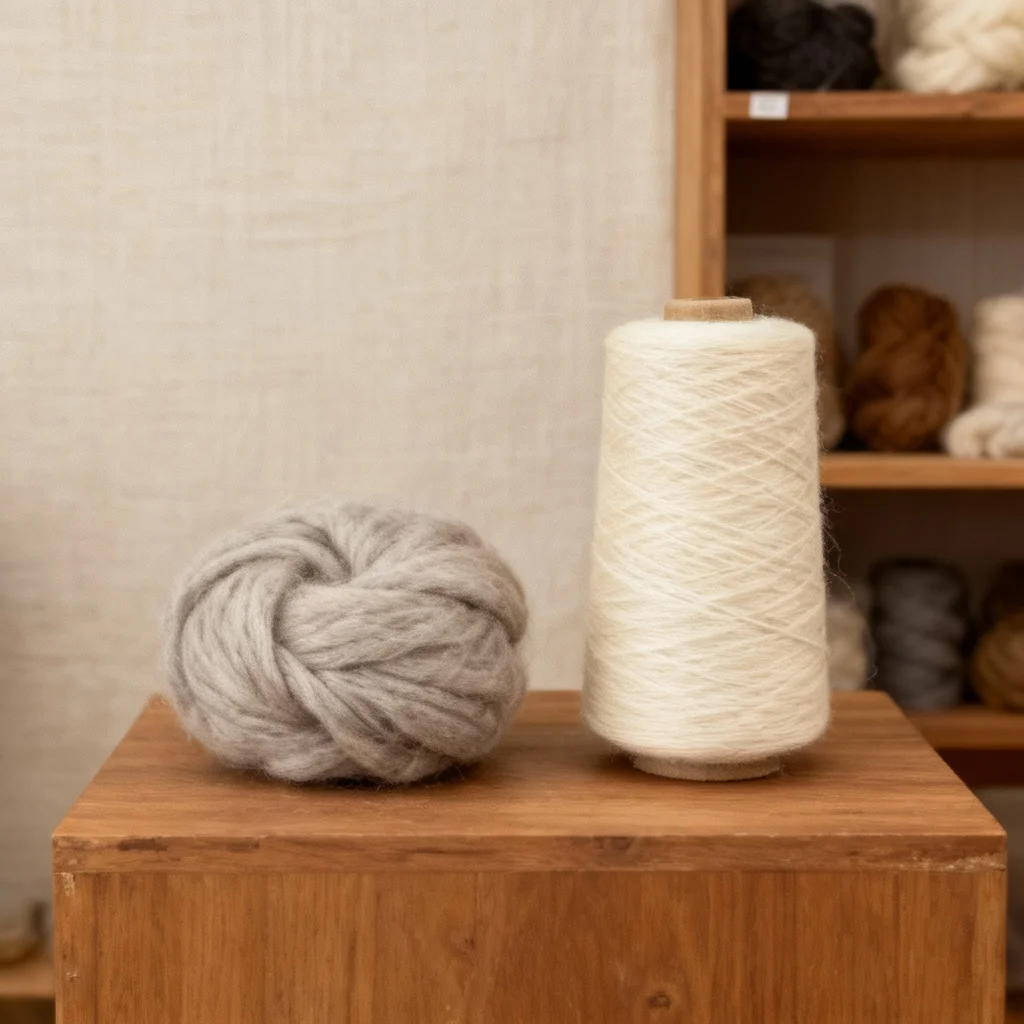
Innovative approaches to silk production are emerging from unexpected quarters. At Silktech 2025, researchers showcased "Ahimsa silk" (peace silk)—a cruelty-free alternative that allows silkworms to complete their life cycle naturally before cocoon harvesting. While producing slightly shorter fibers, advances in spinning technology have enabled creation of high-quality fabrics that meet luxury standards while aligning with ethical principles increasingly valued by discerning consumers.
Water conservation remains a priority for silk manufacturers. Traditional dyeing processes can require up to 200 liters of water per kilogram of silk, but new technologies are dramatically reducing this footprint. One Italian manufacturer implemented an ozone washing system that cuts water usage by 70% and eliminates harsh chemicals, resulting in a silk scarf collection with 85% lower environmental impact while maintaining the fabric's luxurious feel and drape.
Traceability represents another area of significant progress, with blockchain technology creating transparent supply chains that allow consumers to trace silk scarves from specific mulberry farms to manufacturing facilities. This transparency builds consumer trust and enables brands to identify and address sustainability hotspots within their supply networks, ensuring integrity across the entire production process.
Luxury Scarf Materials: Evaluating Sustainable Alternatives
The landscape of luxury scarf materials is expanding beyond traditional cashmere and silk, with innovative sustainable alternatives gaining traction among environmentally conscious manufacturers. This diversification allows brands to maintain premium positioning while reducing environmental impact through thoughtful material selection and blending strategies.
Recycled luxury fibers represent one of the most promising developments in sustainable fabric sourcing. Advanced recycling technologies now enable transformation of post-consumer textile waste into high-quality fibers suitable for luxury scarves. These recycled materials offer comparable softness and durability to virgin fibers while diverting waste from landfills and reducing resource consumption by up to 80% compared to conventional production methods.
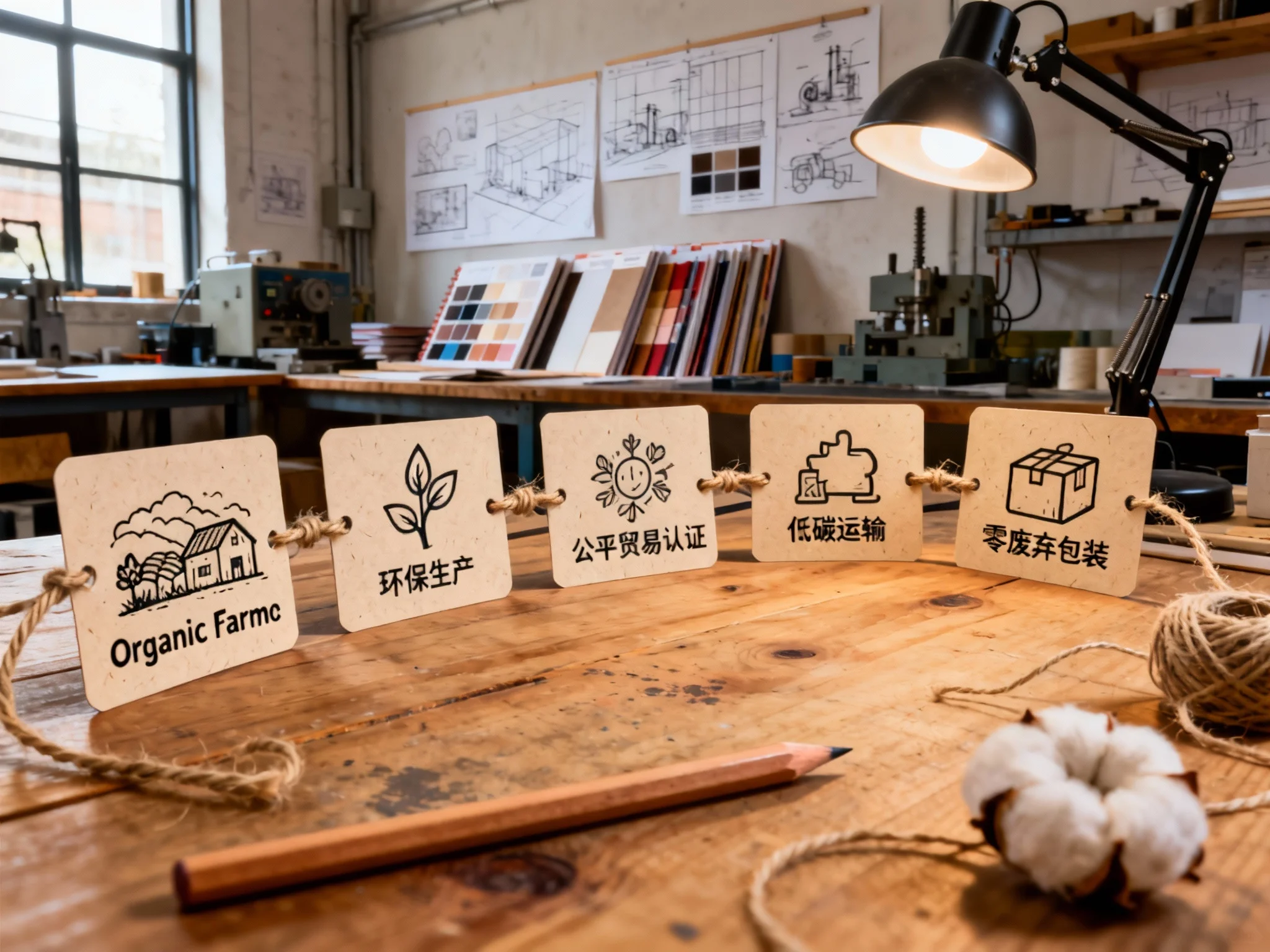
Natural fiber blends provide another avenue for sustainability without compromising quality. Cashmere-alpaca blends enhance durability while reducing pressure on cashmere goat populations, while silk-linen combinations offer improved breathability with lower water requirements. These strategic material combinations allow manufacturers to maintain luxury aesthetics while addressing specific environmental concerns associated with single-fiber production.
Innovative plant-based fibers are emerging as viable alternatives to traditional luxury materials. Lyocell and Tencel, produced from sustainably harvested wood pulp using closed-loop production systems, offer silk-like drape with significantly lower environmental impact. Similarly, Piñatex—a textile made from pineapple leaf fibers—provides a cruelty-free, biodegradable alternative for structured scarf designs, demonstrating how agricultural waste streams can be transformed into luxury materials.
For brands navigating this evolving landscape, the key to successful sustainable fabric sourcing lies in comprehensive lifecycle assessment and verification. Material selection should consider not only environmental impact but also social responsibility, ensuring that luxury scarf materials meet ethical standards across both ecological and human dimensions.
Comparative Analysis of Sustainable Luxury Manufacturers
The luxury scarf market's sustainability landscape features a spectrum of approaches and achievements among leading manufacturers. While direct comparisons remain challenging due to varying reporting standards, emerging frameworks help benchmark performance across key metrics that matter most to environmentally conscious brands and consumers.
BeneScarves has established itself as an industry leader in sustainable production through a comprehensive approach spanning material sourcing, manufacturing processes, and end-of-life considerations. Their cashmere scarves meet the stringent requirements of the Good Cashmere Standard 2.0, with 100% of suppliers verified for animal welfare and environmental practices. Their silk collection employs innovative waterless dyeing techniques reducing water consumption by 90% compared to conventional methods, supported by renewable energy-powered production facilities that further minimize carbon footprint.
Other manufacturers adopt specialized sustainability strategies tailored to their material focus. Alpaca wool specialists LooperBuy emphasize biodiversity conservation in sourcing regions through rotational grazing systems that improve soil health and carbon sequestration. Their 2025 scarf collection features a "climate-positive" line that removes more carbon from the atmosphere than it emits through reforestation projects linked to each purchase, creating a tangible environmental benefit beyond carbon neutrality.
Several manufacturers have embraced circular economy principles in response to growing consumer demand for sustainable luxury. CustomPrintSilk offers a take-back program for end-of-life scarves, which are either upcycled into new accessories or composted through industrial processes. This closed-loop system has diverted over 12 tons of textile waste from landfills since its 2024 launch while providing customers with a clear sustainability pathway beyond initial purchase.
The Business of Fashion Sustainability Index provides valuable insights into industry-wide progress by tracking key metrics across 15 major luxury brands. The 2025 analysis reveals significant variance in performance, with leaders achieving scores 3-4 times higher than industry laggards. Water usage emerges as a particular differentiator, with top performers consuming 75% less water per scarf than the industry average through advanced technologies and process optimization.
For boutique owners and fashion brands selecting manufacturing partners, these comparative insights highlight the importance of thorough sustainability due diligence. Beyond certification labels, evaluating manufacturers requires examining specific metrics like water and energy consumption, waste management practices, and social responsibility initiatives throughout the supply chain to ensure alignment with brand values and customer expectations.
Consumer Trends Reshaping Sustainable Luxury
The luxury scarf market is experiencing profound shifts driven by evolving consumer expectations and purchasing behaviors. 2025 market research reveals sustainability has become a key differentiator, with 68% of luxury consumers citing environmental credentials as important factors in purchasing decisions—up from 45% in 2020—indicating a fundamental shift in value perception among discerning buyers.
This shift manifests clearly in purchasing patterns, with sustainable luxury scarves growing at 2.7 times the rate of conventional products. American consumers alone are projected to spend $217 billion on eco-friendly products in 2025, with luxury accessories representing an increasingly significant segment of this market. Sustainable products now capture 17% of overall market share and 32% of market growth, indicating environmental considerations are driving expansion in the luxury sector rather than merely maintaining market share.
Consumer expectations around transparency have evolved dramatically, with today's luxury scarf buyers increasingly demanding visibility into every production stage, from fiber sourcing to manufacturing. Brands providing comprehensive sustainability reports and traceability tools see higher customer retention rates and stronger brand loyalty, particularly among millennial and Gen Z consumers who prioritize ethical consumption alongside exclusivity and quality.
Pricing dynamics in sustainable luxury remain complex, with eco-friendly scarves typically commanding price premiums of 15-30% compared to conventional alternatives. Research indicates consumers perceive this as justified by superior quality and ethical production, with 78% of sustainable luxury purchasers reporting willingness to pay more for products with verified environmental credentials. This suggests sustainability has become a marker of true luxury rather than a niche concern, reshaping value propositions across the industry.
Implementation Strategies for Sustainable Production
Transitioning to sustainable practices in luxury scarf production requires a strategic, multi-faceted approach addressing every supply chain stage. Based on industry best practices and successful case studies, several key implementation strategies have emerged as particularly effective for manufacturers and brands looking to enhance their environmental credentials while maintaining luxury quality standards.
Material selection represents the foundation of sustainable scarf production. Industry leaders recommend establishing clear sustainability criteria for fiber sourcing, including certification requirements, environmental impact thresholds, and ethical standards. For cashmere, prioritize suppliers certified under the Good Cashmere Standard 2.0 to ensure animal welfare, land management, and water conservation practices. Silk sourcing should focus on GOTS-certified producers implementing organic mulberry cultivation and non-toxic processing methods, ensuring sustainability from the earliest production stages.
Production process optimization offers significant sustainability gains with relatively manageable investments. Water recycling systems reduce consumption by 70-95% depending on technology and represent one of the highest-impact interventions for both cashmere and silk production. Energy efficiency measures—including renewable energy adoption and process optimization—similarly reduce carbon footprints while often generating cost savings over time. For example, switching to LED lighting and high-efficiency machinery reduced one manufacturer's energy costs by 32% while cutting emissions by 28%, demonstrating the business case for sustainable production investments.
Dyeing and finishing processes present both challenges and opportunities for sustainability improvements. Natural dyeing techniques using plant-based pigments eliminate toxic chemical usage, though colorfastness remains a consideration for luxury applications. Innovative dyeing technologies like air dyeing and digital printing significantly reduce water and chemical inputs while offering greater design flexibility. One luxury scarf producer achieved 92% reduction in water usage and 85% reduction in chemical waste after implementing digital printing technology for their silk collections, maintaining vibrant designs with minimal environmental impact.
Future Trends in Sustainable Luxury Scarves
The sustainable luxury scarf market stands at the cusp of significant transformation driven by technological innovation, evolving consumer expectations, and pressing environmental imperatives. Looking beyond 2025, several emerging trends promise to reshape material sourcing, production processes, and consumer engagement in this specialized sector.
Material innovation represents one of the most dynamic development areas, with researchers exploring biofabrication techniques that could revolutionize scarf production. These include lab-grown silk proteins and mycelium-based cashmere alternatives that replicate luxury material properties without animal agriculture or resource-intensive processing. While these materials remain experimental, early prototypes suggest they may eventually match or exceed traditional luxury fibers' performance characteristics while eliminating many environmental drawbacks, with first commercial applications projected to reach market by 2027.
Circular economy principles increasingly inform product design and business models in the luxury scarf segment. Brands are developing take-back programs for end-of-life scarves, which are either upcycled into new accessories or composted through industrial processes that return nutrients to agricultural systems. Some manufacturers are experimenting with modular designs that extend product lifecycles through detachable elements or reversible constructions offering multiple styling options, reducing waste while enhancing customer value.
Smart textiles are beginning to intersect with sustainable luxury, with conductive threads woven into scarves that can harvest energy from body movement to power small electronic devices without compromising aesthetics or comfort. Early adopters report strong consumer interest, particularly among tech-savvy luxury buyers who value both innovation and sustainability in equal measure.
Climate-positive production is emerging as the new benchmark for environmental leadership in the luxury scarf industry. Beyond carbon neutrality, climate-positive scarves actively remove more carbon from the atmosphere than their production emits through reforestation projects, soil carbon sequestration, or direct air capture technologies. Currently limited to premium collections due to higher costs, these products are gaining traction among environmentally conscious consumers and setting new industry standards for sustainability performance.
Conclusion: The New Definition of Luxury
The sustainable transformation of luxury scarf production represents more than an environmental imperative—it signifies a profound redefinition of luxury itself. As this analysis has shown, the most forward-thinking manufacturers increasingly recognize that true luxury now encompasses not only exceptional craftsmanship and exclusivity but also environmental stewardship and ethical responsibility as essential components of premium positioning.
The case studies and practices examined reveal a sector in transition, with cashmere and silk production evolving from resource-intensive processes to models of sustainability innovation. From implementing the Good Cashmere Standard 2.0 to developing waterless dyeing technologies, luxury scarf manufacturers demonstrate that environmental performance and artisanal quality can coexist and even enhance one another, creating products that satisfy both aesthetic and ethical expectations.
For boutique owners, specialty stores, and fashion brands evaluating suppliers, the sustainability criteria outlined in this study provide a framework for due diligence where material certification, production process transparency, water and energy management, and circular economy practices have become essential considerations alongside traditional factors like quality, design, and price. The manufacturers excelling in these areas aren't just meeting market demands—they're actively shaping the future of luxury by redefining its fundamental values.
Looking ahead, the trajectory of sustainable luxury scarf production points toward increasing integration of innovative technologies, circular business models, and transparent supply chains. The brands leading this evolution will view sustainability not as a compliance requirement but as a core value informing every decision from fiber selection to customer engagement, creating products that embody the perfect synthesis of heritage and innovation, craftsmanship and technology, exclusivity and responsibility.
Ultimately, the sustainable luxury scarves of today and tomorrow represent a powerful affirmation that the most exquisite accessories can also be the most environmentally conscious, wrapping consumers in elegance while reflecting their values and contributing to a more sustainable future for the luxury fashion industry as a whole.