In the rapidly evolving landscape of fashion accessories manufacturing, digital textile printing has emerged as a transformative technology that harmonizes creative possibilities with environmental responsibility. As an industry professional with extensive experience in textile innovation, I've witnessed firsthand how digital printing technologies are reshaping sustainability practices for scarf manufacturers. This technical guide explores the intersection of digital textile printing advancements and sustainable manufacturing, providing actionable insights for boutiques, specialty stores, and fashion brands seeking to enhance their environmental footprint while maintaining exceptional product quality.
The Sustainability Imperative in Scarf Manufacturing
The fashion accessories industry faces mounting pressure to address environmental concerns, with traditional textile printing methods contributing significantly to water pollution, chemical usage, and waste generation. Recent market analysis projects the digital textile printing sector will reach $19.44 billion by 2025, driven largely by sustainability mandates and evolving consumer preferences. This growth reflects a fundamental shift in manufacturing approaches—prioritizing eco-friendly processes without compromising design versatility.
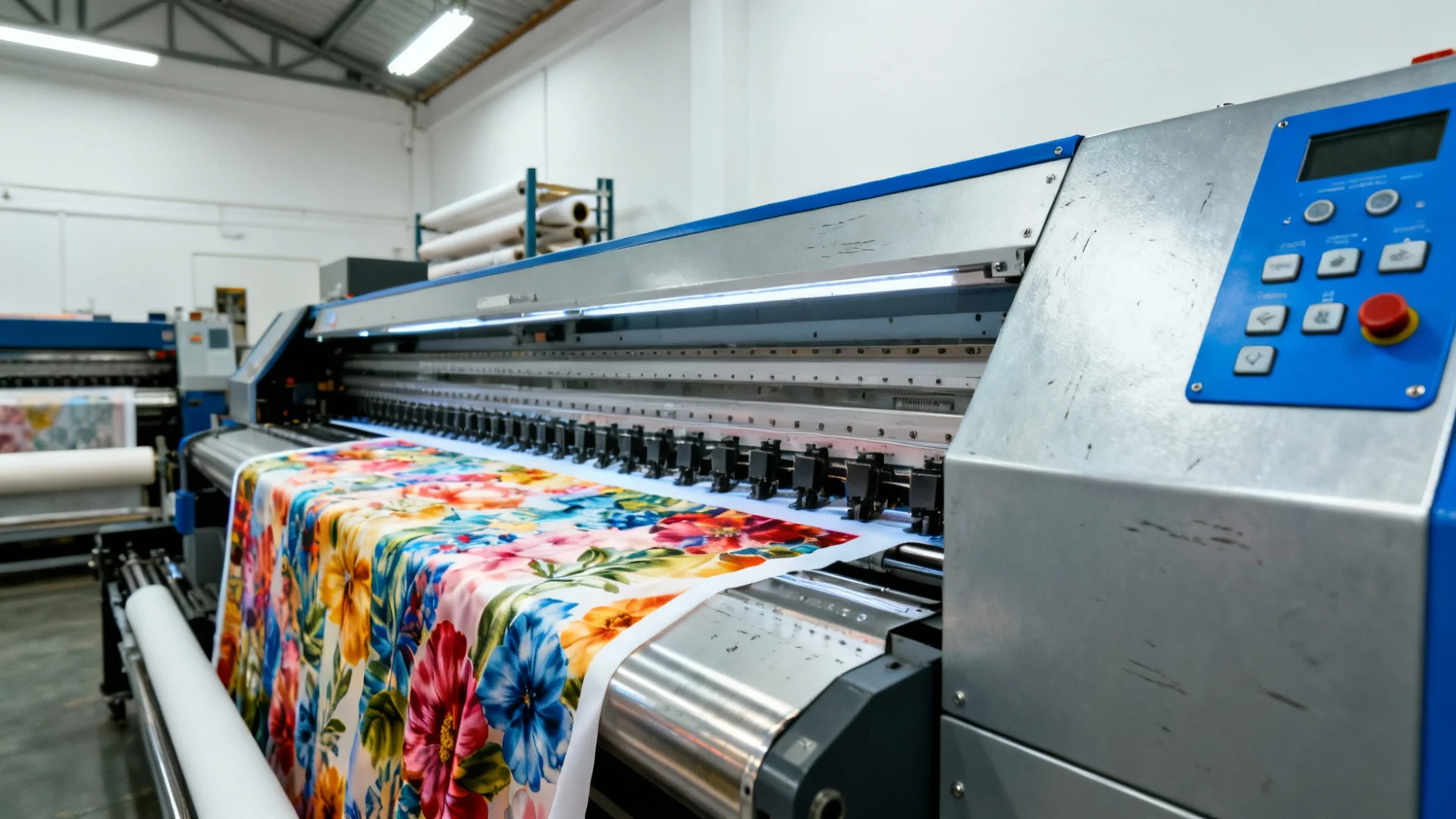
Traditional screen printing for scarves typically requires excessive water usage—up to 20 liters per meter of fabric—and generates substantial textile waste during setup and color changes. Digital textile printing technologies offer a more sustainable alternative by reducing water consumption by up to 95% and minimizing chemical discharge through precise ink application. These improvements are particularly critical for luxury scarf production, where natural fabrics like silk and wool demand gentle processing to maintain their inherent qualities.
Digital Textile Printing Technologies Driving Sustainability
Nano-Ink Technology: Precision Meets Environmental Responsibility
Nano-ink technology represents one of the most significant advancements in sustainable textile printing, offering both performance and environmental benefits. These advanced formulations utilize nano-sized pigment particles that penetrate fabric fibers more effectively, reducing ink consumption by 30-40% compared to conventional inks. The precision of nano-ink deposition minimizes waste while enhancing color fastness and vibrancy—key considerations for high-end scarf manufacturing.
From an environmental perspective, modern nano-inks meet low-VOC (Volatile Organic Compound) standards, aligning with global regulatory trends toward reducing atmospheric pollutants. The textile industry has shifted toward formulations complying with US Green Seal GS-50 standards, which limit solvent-based ink VOC content to 300g/L. While specific reduction percentages vary by manufacturer, nano-ink technology adoption contributes significantly to the industry's broader goal of 30% VOC reduction by 2025.
In practical application, nano-inks demonstrate exceptional compatibility with delicate scarf materials. For silk scarves, nano-particle inks reduce fiber damage during printing by requiring lower curing temperatures—typically 140-160°C compared to 180-200°C for traditional inks. This temperature reduction preserves the fabric's integrity while concurrently reducing energy consumption during production.
High-Speed Digital Printing Machines: Efficiency and Resource Optimization
The latest generation of high-speed digital textile printing machines has transformed production capabilities for scarf manufacturers, offering both environmental and economic sustainability benefits. These systems, capable of speeds up to 120 square meters per hour, enable on-demand production models that significantly reduce inventory waste—a persistent challenge in fashion accessories manufacturing.
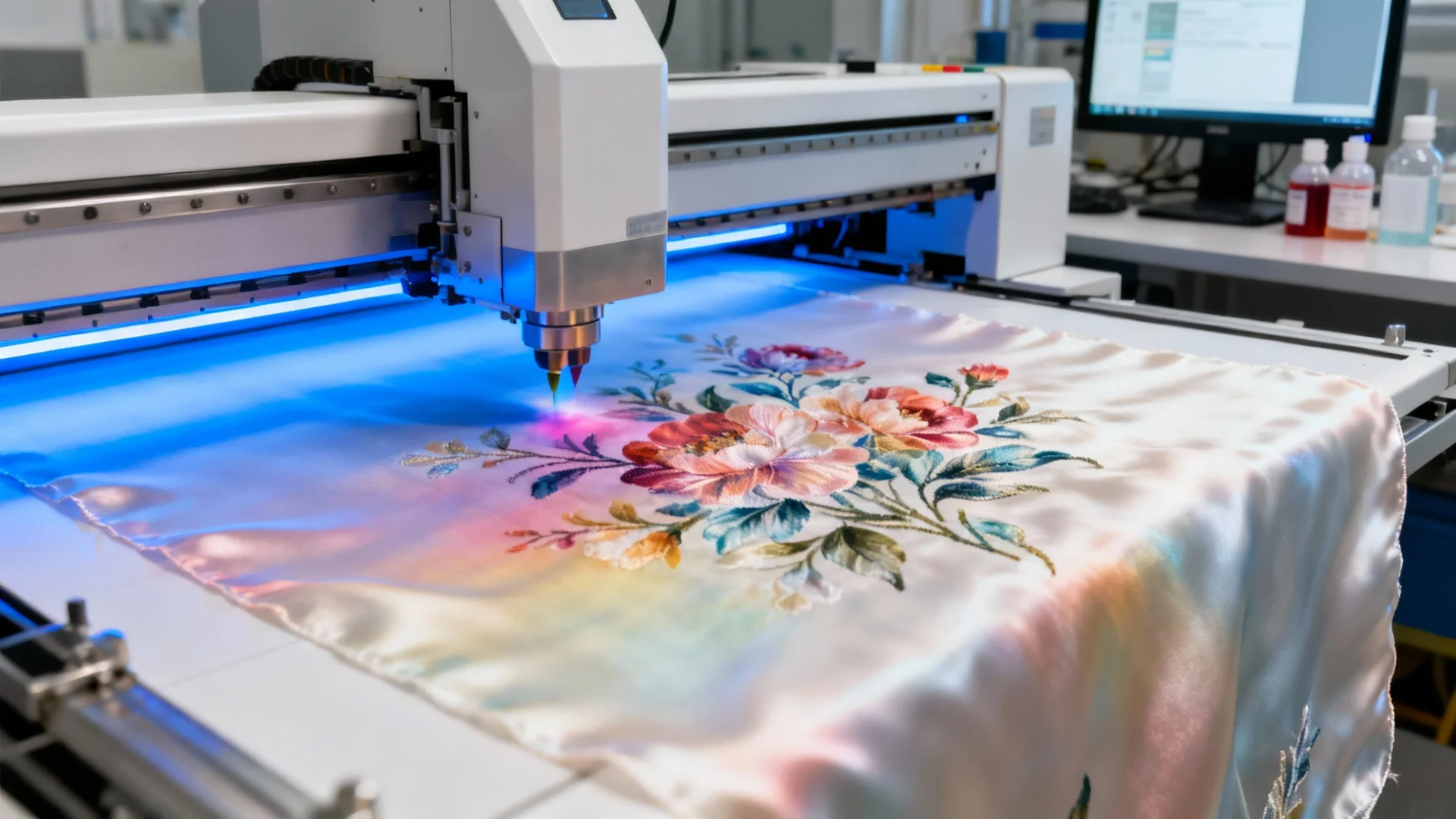
Key advancements in high-speed printing technology include:
- Single-pass printing systems: These machines eliminate the need for multiple passes over the fabric, reducing energy consumption by up to 25% and minimizing fabric handling—critical for delicate materials like cashmere and silk.
- Variable drop technology: Printheads with variable droplet size capabilities (from 4pl to 72pl) allow for precise ink deposition, adapting to both intricate design details and solid color areas without sacrificing speed.
- Integrated pre-treatment modules: Modern machines incorporate precision pre-treatment application, reducing chemical usage by applying only the necessary amount exactly where needed on the fabric.
For scarf manufacturers, these technological improvements make shorter production runs economically viable, supporting the shift toward sustainable manufacturing practices like small-batch production and customization. This flexibility enables responsiveness to rapidly changing fashion trends while minimizing overproduction.
Direct-to-Fabric Printing: Streamlining Production Processes
Direct-to-fabric (DTF) printing technology has revolutionized scarf manufacturing by eliminating several traditional production steps, thereby reducing environmental impact. Unlike transfer printing methods requiring additional materials and energy, DTF printing applies ink directly to the fabric substrate, reducing overall resource consumption.
The DTF process offers specific advantages for scarf production:
- Material versatility: The technology accommodates a wide range of scarf materials, from delicate silks to wool blends, without requiring material-specific modifications.
- Design flexibility: Digital direct-to-fabric printing supports unlimited color options and intricate patterns—from photorealistic images to complex geometric designs—without the setup costs associated with screen printing.
- Reduced water usage: By eliminating the washing steps required after traditional dyeing processes, DTF printing reduces water consumption by approximately 70-80% per scarf.
- Energy efficiency: Modern DTF systems incorporate energy recovery technologies that capture and reuse heat from the drying process, further reducing carbon footprint.
Practical implementation of DTF technology requires careful consideration of fabric preparation. For silk scarves, a light pretreatment with eco-friendly agents ensures optimal ink adhesion without compromising the fabric's natural drape and luster. This step is critical for maintaining luxury quality in high-end scarf production while achieving sustainable manufacturing goals.
Sustainable Practices Implementation: From Design to Production
Design Optimization for Digital Printing
The transition to sustainable digital textile printing begins at the design stage. Optimizing designs specifically for digital production helps manufacturers maximize material efficiency and minimize waste. Key design considerations include:
- Color management: Utilizing the Pantone Digital Textile Color System ensures precise color reproduction across production runs, reducing the need for reprints and material waste.
- Pattern scaling: Designing patterns that minimize fabric waste during cutting—particularly important for scarves where material utilization directly impacts cost and sustainability metrics.
- Resolution optimization: Balancing design detail with file resolution reduces processing time and ink consumption without compromising visual quality. For most scarf designs, 300dpi provides optimal results.
- Color consolidation: Reducing the number of colors in complex designs significantly improves production efficiency and reduces ink consumption, particularly for gradient effects achievable through digital dithering techniques.
Material Selection and Preparation
Sustainable digital textile printing for scarves requires a holistic approach considering both the printing process and materials themselves. Manufacturers should evaluate:
- Sustainable fabric options: Organic silk, recycled polyester, and Tencel® offer viable alternatives to conventional materials, with similar or superior print receptive properties.
- Pre-treatment agents: Eco-friendly pre-treatment options, such as starch-based formulations, provide effective ink adhesion while reducing chemical impact.
- Ink compatibility: Selecting inks specifically formulated for the target fabric ensures optimal color fastness and reduces the need for post-printing treatments.
For wool scarves, acid-based nano-inks have demonstrated excellent results, providing vibrant colors with minimal fiber damage. The nano-particles penetrate wool fibers more effectively than traditional inks, reducing required ink volume while improving wash fastness to industry standard 4-5 rating.
Overcoming Implementation Challenges
Technical Considerations for Delicate Fabrics
Scarf manufacturers working with delicate materials face unique challenges when implementing digital textile printing. Silk requires specialized handling to maintain its luxurious properties:
- Tension control: Maintaining consistent fabric tension within ±2% during printing prevents distortion and ensures precise pattern alignment—critical for symmetrical scarf designs.
- Drying parameters: Gentle drying processes with controlled air flow prevent silk shrinkage and maintain the fabric's natural drape.
- Heat management: Implementing zone-specific temperature control in drying ovens ensures complete ink curing without overheating sensitive fibers.
For wool scarves, static electricity management is crucial. Anti-static bars and humidity control systems (maintaining 45-55% relative humidity) prevent fiber damage and ensure uniform ink application.
Quality Control and Standardization
Maintaining consistent quality is essential for scarf manufacturers implementing digital printing technologies. Key quality control measures include:
- Color calibration: Daily calibration of printheads and color management systems ensures consistent color reproduction across production runs.
- Wash fastness testing: Regular testing of printed samples according to ISO 105-C06 standards ensures product durability and customer satisfaction.
- Abrasion resistance: Testing printed fabrics for abrasion resistance (ISO 12947-2) ensures printed designs maintain integrity through normal use and cleaning.
- Light fastness evaluation: Exposure testing according to ISO 105-B02 standards ensures color stability—particularly important for scarves frequently worn outdoors.
Implementing these quality control measures requires investment in testing equipment and trained personnel, but long-term benefits include reduced returns, improved brand reputation, and increased customer loyalty.
Cost Considerations and Return on Investment
While initial investment in digital textile printing technology can be significant, manufacturers typically see return on investment within 12-18 months through:
- Reduced material waste: Digital printing minimizes fabric waste by up to 30% compared to traditional methods.
- Lower inventory costs: On-demand production capabilities reduce the need for large inventory holdings.
- Increased production flexibility: Ability to quickly respond to market trends and customer demands supports higher sales conversion rates.
- Reduced labor costs: Automated digital printing systems require fewer operators than traditional printing methods.
For small to medium-sized scarf manufacturers, modular digital printing systems offer a cost-effective entry point, allowing capacity expansion as demand grows. Many equipment suppliers now offer leasing options with bundled maintenance packages, further reducing initial financial barriers.
Industry Case Studies and Best Practices
Adoption of sustainable digital textile printing practices has yielded measurable benefits for scarf manufacturers worldwide. One notable example involves a European luxury scarf brand that implemented digital printing technology and achieved:
- 65% reduction in water consumption per scarf
- 40% reduction in production lead times
- 25% increase in design output
- 30% reduction in carbon footprint
The brand achieved these results through a comprehensive sustainability strategy combining digital printing technology with renewable energy sources and sustainable material sourcing.
Another case study from an Asian manufacturer specializing in silk scarves demonstrates how nano-ink technology improved both sustainability and product quality. By implementing nano-particle inks, the company:
- Reduced ink consumption by 35%
- Improved color fastness ratings from 3 to 4-5
- Expanded product range to include washable silk scarves
- Reduced reject rates from 12% to 3%
These examples demonstrate that sustainability and quality can go hand in hand, with digital printing technology serving as a catalyst for positive change.
Future Trends and Innovations
The digital textile printing landscape continues to evolve, with several emerging trends poised to further enhance sustainability in scarf manufacturing:
- Bio-based inks: Research into ink formulations using renewable resources, such as algae-based pigments and plant-derived binders, promises to further reduce the environmental impact of printing processes.
- 3D printing integration: While still in early stages, 3D printing technologies are being explored for creating textured scarf designs without additional materials or processes.
- AI-driven color optimization: Artificial intelligence systems analyze designs and suggest color adjustments to minimize ink usage while maintaining visual impact.
- Digital twin technology: Virtual simulation of the printing process allows optimization before production begins, reducing waste and setup times.
For scarf manufacturers, staying abreast of these technological developments will be key to maintaining competitive advantage in an increasingly sustainability-focused market.
Conclusion: Implementing Sustainable Digital Printing Practices
The transition to sustainable digital textile printing represents a significant opportunity for scarf manufacturers to reduce environmental impact while improving operational efficiency and product quality. Adopting technologies like nano-ink systems, high-speed digital printers, and direct-to-fabric processes allows manufacturers to achieve meaningful sustainability gains without compromising design flexibility or production output.
Key implementation steps include:
- Conducting a sustainability audit of current production processes to identify improvement areas.
- Investing in appropriate technology that aligns with production volume, material range, and quality requirements.
- Developing standardized workflows for digital printing production to ensure consistent quality and efficiency.
- Training personnel in both technical operation and sustainability best practices.
- Establishing clear sustainability metrics to measure progress and identify further optimization opportunities.
As consumer demand for sustainable fashion continues growing, digital textile printing technology offers scarf manufacturers a path that balances environmental responsibility with business success. Embracing these innovations positions manufacturers as leaders in sustainable luxury fashion while meeting the evolving needs of boutique owners, specialty stores, and fashion brands worldwide.
The future of scarf manufacturing lies in the intelligent integration of digital technology and sustainable practices—a combination that reduces environmental impact while driving innovation, creativity, and profitability in the competitive fashion accessories market.