In the evolving landscape of sustainable fashion, digital textile printing has emerged as a transformative technology for eco-conscious scarf manufacturing. Consumer demand for both customization and environmental responsibility continues to rise, pushing boutique owners, specialty stores, and fashion brands toward advanced digital printing solutions. This technical guide explores the latest sustainable digital printing practices optimized for eco-friendly scarf production, providing industry professionals with actionable insights for navigating this rapidly advancing field.
Based on years of industry experience and analysis of 2025 market developments, this guide synthesizes technical specifications, sustainability metrics, and practical implementation strategies. The global digital textile printing market is projected to reach $19.44 billion by 2025, driven largely by sustainability mandates and shifting consumer preferences toward personalized, on-demand production models. Within this growth trajectory, scarf manufacturing stands out as a segment uniquely positioned to benefit from digital printing's design flexibility and resource efficiency.
The Evolution of Digital Printing in Scarf Manufacturing
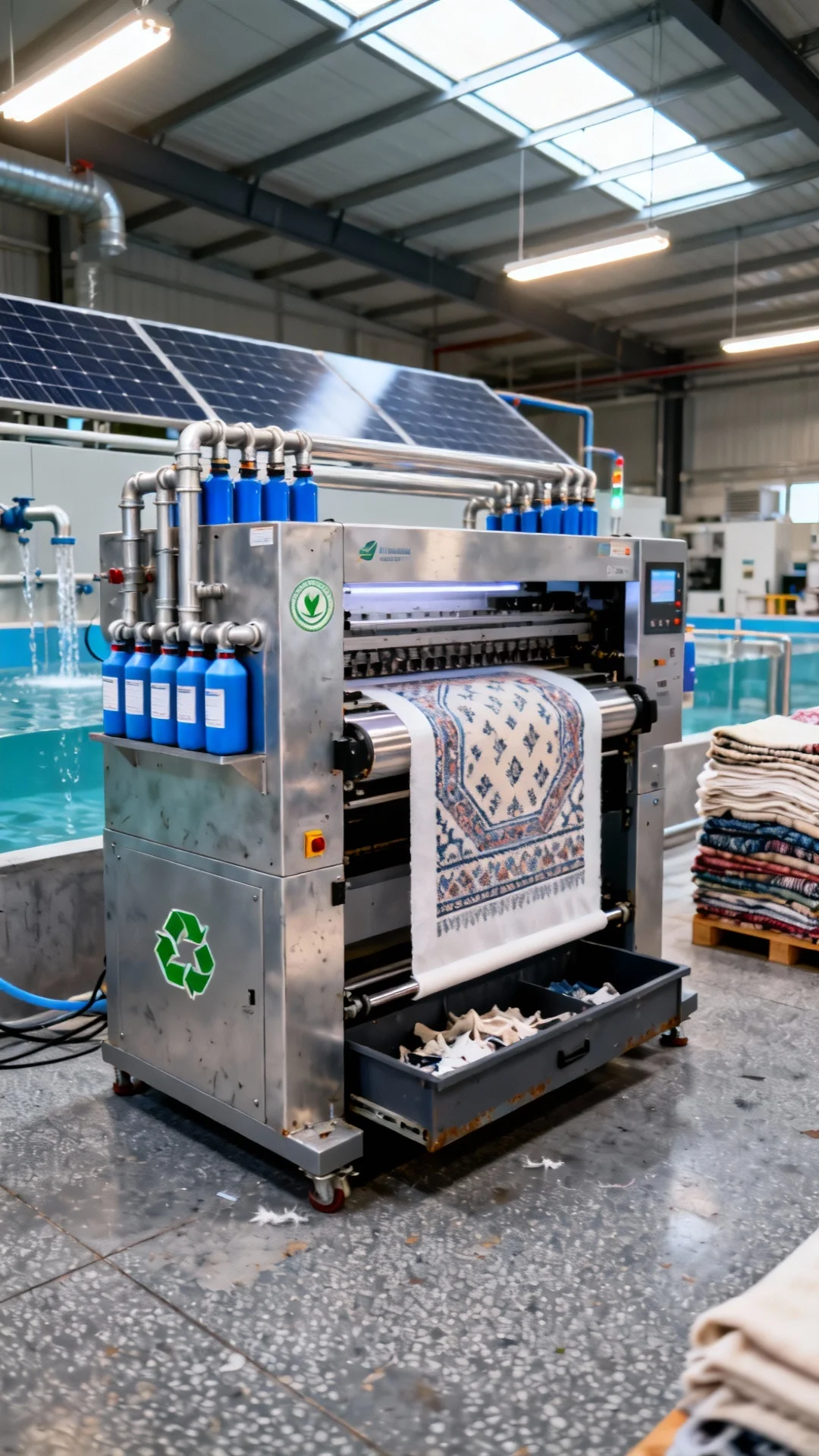
Digital textile printing technology has undergone significant advancements since its commercial introduction, with 2025 marking a pivotal year for sustainability-focused innovations. Unlike traditional screen printing, which requires physical stencils and excessive water usage, digital printing uses computer-controlled inkjet technology to apply color directly to fabric. This eliminates many resource-intensive steps in the production process while enabling unprecedented design possibilities.
Technological Milestones Shaping 2025 Practices
The past decade has seen remarkable improvements in digital printing resolution, color accuracy, and material compatibility. Modern digital textile printers now achieve resolutions between 300-600 DPI, with leading manufacturers like Roland and Epson introducing 2025 models featuring enhanced color management systems specifically calibrated for luxury fabrics used in scarf production. These advancements allow digital printing to rival traditional methods in quality and speed while significantly reducing environmental impact.
One of the most significant recent developments in scarf digital printing technology is the integration of artificial intelligence in color matching and design optimization. AI-powered systems analyze fabric properties and adjust printing parameters in real-time, ensuring consistent results across different material batches while minimizing ink waste. This technology proves particularly valuable for scarf manufacturers working with natural fibers like silk, which can exhibit subtle variations in texture and absorbency.
Market Drivers for Sustainable Printing Adoption
Several key factors are accelerating sustainable digital printing adoption in scarf manufacturing. Consumer demand for personalized accessories has created a growing market for small-batch, custom-designed scarves—a niche perfectly suited to digital printing's economic model. Unlike screen printing, which requires significant setup costs regardless of order size, digital printing offers cost-effective production for runs as small as a single unit, enabling true on-demand scarf production.
Environmental regulations have also played a critical role in driving technology adoption. The European Union's updated textile regulations, effective January 2025, mandate separate collection systems for textile waste and impose stricter limits on chemical usage in production. These regulations, coupled with similar initiatives in North America and Asia, have made traditional printing methods increasingly difficult to justify from both compliance and corporate responsibility standpoints.
Fashion brands are responding to these market pressures by reevaluating production processes. A 2025 industry survey found that 78% of luxury accessory brands have either implemented digital printing or plan to do so within the next two years, citing sustainability and customization capabilities as primary motivators. This shift represents a fundamental rethinking of manufacturing paradigms, moving from mass production toward more agile, demand-driven models enabled by digital printing innovations.
Technical Fundamentals of Sustainable Digital Printing
Achieving optimal results with digital printing requires understanding both hardware capabilities and material properties. For scarf manufacturers transitioning to digital workflows, mastering these technical fundamentals is essential for balancing sustainability goals with production efficiency and product quality.
Printer Technology and Configuration
The digital textile printing market offers a range of equipment options, each with specific advantages for scarf production. Direct-to-fabric printers are most commonly used for natural fibers like silk and wool, applying water-based pigment inks directly to the material surface. These systems typically feature multiple print heads that can accommodate 6-8 color channels, enabling precise color reproduction and gradient effects critical for high-end scarf designs.
In 2025, printer manufacturers have introduced several sustainability-focused innovations that benefit scarf digital printing technology. Energy-efficient drying systems reduce power consumption by up to 30% compared to previous models, while advanced ink circulation systems minimize waste by recirculating unused ink back to storage tanks. Some manufacturers have even integrated water recycling systems that capture and filter wastewater from the printing process, further reducing environmental impact.
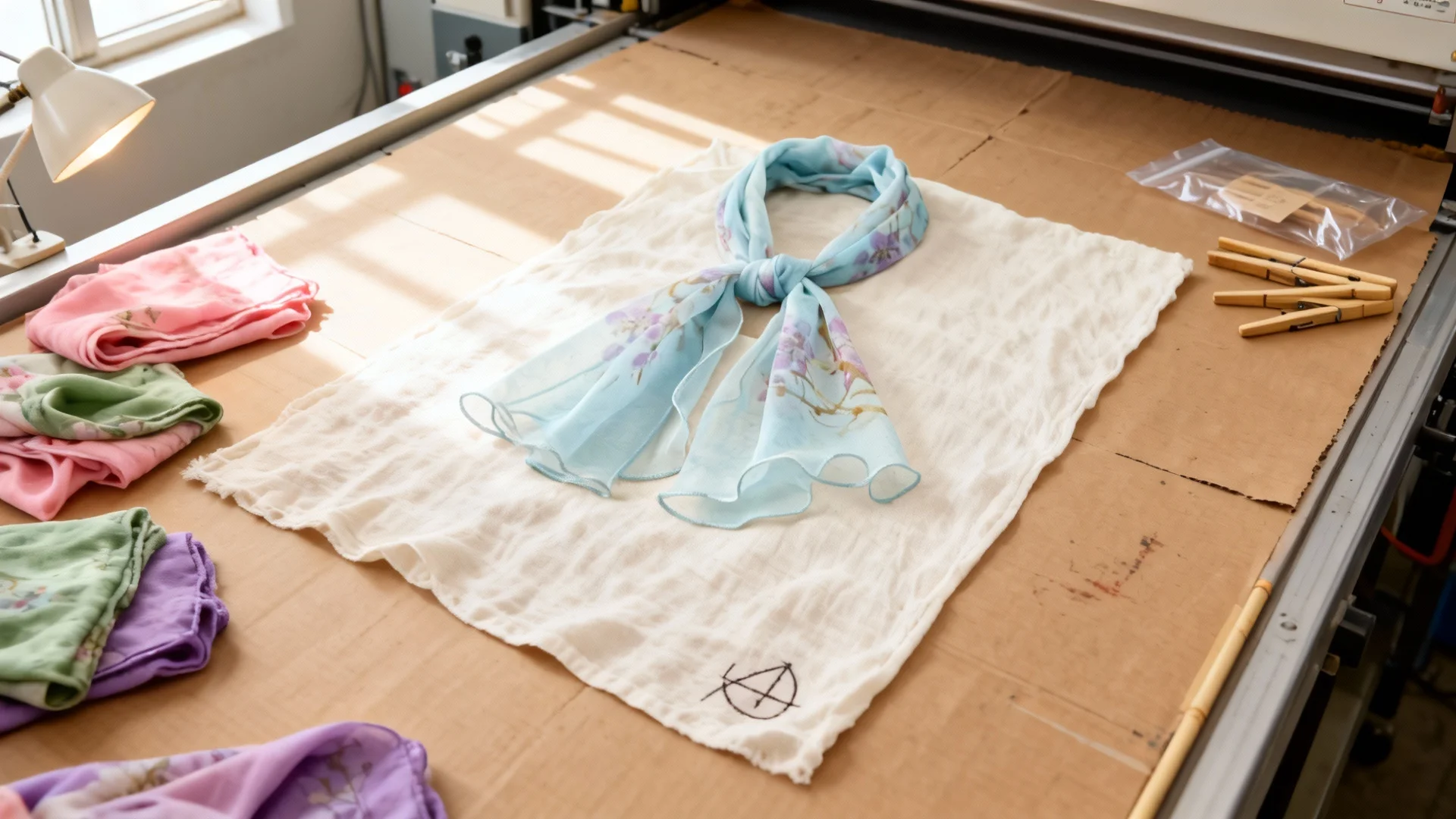
When configuring a digital printing system for scarf production, optimize these key parameters:
- Resolution: Most scarf applications require a minimum resolution of 300 DPI, though high-end designs may benefit from 600 DPI settings for intricate patterns and fine details
- Print Speed: Balance production requirements with quality, as higher speeds may compromise color accuracy and detail reproduction
- Ink Compatibility: Select inks specifically formulated for the target fabric type (silk, wool, cotton, etc.) to ensure both print quality and environmental performance
- Color Management: Implement robust color calibration protocols to ensure consistency across production runs and minimize ink waste from reprints
Ink Technology and Sustainability Considerations
Ink selection represents one of the most significant sustainability decisions in digital scarf printing. Traditional solvent-based inks contain volatile organic compounds (VOCs) that contribute to air pollution and pose health risks to production workers. Modern water-based pigment inks offer a more environmentally friendly alternative, with zero or minimal VOC content and reduced water pollution potential.
The 2025 market offers several innovative ink options for sustainable scarf production:
- Bio-based inks: Formulated from renewable resources like vegetable oils and plant starches, reducing reliance on petroleum-based products
- Waterless inks: Though still relatively new to textile applications, these technologies eliminate the need for water in the printing process
- Recyclable pigment systems: These inks facilitate fiber recycling at the end of the product's life by allowing pigments to be more easily separated from the base material
When evaluating ink sustainability, look for third-party certifications that verify environmental claims. The EU Ecolabel certification ensures inks meet strict criteria for reduced environmental impact throughout their lifecycle, while the Global Organic Textile Standard (GOTS) provides guidance on acceptable chemical inputs for organic textile production, including printing inks.
Material Compatibility and Preparation
The sustainability benefits of digital printing can only be fully realized when paired with appropriate fabric selection and preparation. Scarf manufacturers working with natural fibers must pay particular attention to material preparation to ensure optimal print results and minimize waste.
Eco-friendly fabric options suitable for digital printing include:
- Organic silk: Produced without harmful pesticides or synthetic fertilizers
- Recycled polyester: Made from post-consumer plastic bottles with significantly lower environmental footprint
- Tencel/Lyocell: Derived from sustainably harvested wood pulp using a closed-loop production process
- Hemp and organic cotton blends: Natural fibers with lower water requirements than conventional cotton
Regardless of the base material, proper preparation is essential for digital printing success:
- Pre-treatment: Applying eco-friendly solutions to improve ink adhesion and color fastness
- Calibration: Testing print settings on sample swatches to determine optimal parameters
- Humidity control: Maintaining appropriate environmental conditions to prevent fabric shrinkage or distortion
By carefully selecting compatible materials and optimizing preparation processes, manufacturers reduce waste, improve production efficiency, and enhance the sustainability profile of their digital printing operations.
Sustainable Production Workflows and Quality Control
Implementing sustainable digital printing practices requires a holistic approach to production workflow design, from initial design through to final finishing. Optimizing each stage of the process for minimal environmental impact while maintaining strict quality control standards allows scarf manufacturers to achieve both sustainability goals and commercial objectives.
From Design to Production: Streamlining the Digital Workflow
The digital printing workflow offers significant advantages over traditional methods in resource efficiency and flexibility. When properly configured, these workflows minimize waste, reduce energy consumption, and enable on-demand production models that align with circular economy principles.
A typical sustainable digital printing workflow for scarves includes these stages:
- Digital design and pre-press preparation:
- Utilizing design software optimized for textile applications
- Implementing color management systems to ensure accuracy and minimize ink usage
- Conducting virtual proofs to reduce material waste from physical samples
- Fabric preparation:
- Pre-treating materials with eco-friendly solutions
- Implementing precise cutting techniques to maximize fabric utilization
- Using digital pattern placement to optimize material usage
- Printing process:
- Calibrating equipment daily for optimal performance and efficiency
- Monitoring ink usage with recovery systems for unused materials
- Programming production runs to minimize setup changes and downtime
- Post-printing processing:
- Utilizing energy-efficient drying and curing systems
- Implementing water-saving washing processes
- Recycling wastewater through filtration systems where possible
- Finishing and quality control:
- Using eco-friendly steaming, pressing, and finishing techniques
- Implementing automated quality inspection systems
- Developing protocols for handling and repurposing production seconds
One key sustainability benefit of digital workflows is the ability to produce on-demand, reducing inventory holdings and minimizing waste from unsold products. This just-in-time production model aligns with circular economy principles by keeping resources in use for longer and reducing overall production volumes based on actual demand.
Waste Reduction Strategies and Circular Economy Integration
Digital printing inherently reduces certain types of waste compared to traditional methods. Manufacturers can implement additional strategies to further enhance sustainability:
- Design optimization: Creating patterns that minimize ink usage while maintaining visual impact
- Material recovery systems: Collecting and repurposing fabric scraps for smaller accessories
- Energy management: Scheduling production during off-peak hours and implementing energy-efficient lighting
- Chemical management: Using non-toxic, biodegradable cleaning agents with closed-loop recovery systems
- End-of-life planning: Designing products for recyclability with take-back programs
Forest Digital Textile Printers' partnership with META VOCUS demonstrates the potential of these integrated approaches. By implementing digital printing alongside comprehensive waste reduction strategies, the collaboration achieved a 90% reduction in water usage and 75% reduction in textile waste compared to traditional production methods, while maintaining competitive pricing and delivery times.
Quality Control Systems for Sustainable Production
Maintaining consistent quality is essential for sustainable digital printing operations. Defects and reworks significantly undermine environmental and economic efficiency. Implementing robust quality control systems ensures each production run meets specifications while minimizing waste.
Key quality control measures for digital scarf printing include:
- Pre-production testing: Print test swatches under production conditions to verify color accuracy and quality
- In-process inspection: Implement automated vision systems to detect defects during printing
- Post-printing testing: Conduct color fastness, wash durability, and dimensional stability tests
- Data analytics: Collect and analyze production data to identify patterns in defects or waste generation
By integrating quality control throughout the production process, manufacturers reduce waste, improve customer satisfaction, and enhance the overall sustainability of their digital printing operations.
Environmental Impact Assessment and Compliance
As sustainability becomes more important in consumer purchasing decisions and regulatory requirements, scarf manufacturers utilizing digital printing must understand and communicate the environmental impact of their production processes. This involves implementing robust measurement systems, adhering to evolving regulatory standards, and pursuing relevant sustainability certifications.
Measuring and Minimizing Environmental Footprint
Quantifying the environmental impact of digital printing operations identifies improvement opportunities and validates sustainability claims. Key metrics to consider include:
- Water consumption: Digital printing typically uses 70-90% less water than traditional screen printing methods
- Energy usage: Modern digital printers incorporate energy recovery systems and smart power management features
- Emissions: Both direct emissions from production and indirect emissions from energy consumption
- Waste generation: Textile waste, ink containers, and packaging materials
- Chemical usage: Tracking and minimizing hazardous substances in all processes
Several tools help manufacturers assess and improve their environmental performance:
- Life Cycle Assessment (LCA): Evaluating environmental impacts throughout a product's entire lifecycle
- Carbon footprint calculators: Measuring greenhouse gas emissions for targeted reduction strategies
- Water footprint assessment: Analyzing both direct and indirect water usage
By regularly measuring these metrics and setting improvement targets, manufacturers continuously enhance the sustainability of their digital printing operations while building credibility with environmentally conscious customers.
Navigating Global Regulatory Requirements
The regulatory landscape for textile production is evolving rapidly, with governments worldwide implementing stricter requirements for environmental protection and consumer safety. Scarf manufacturers utilizing digital printing must understand these regulations to ensure compliance and avoid market access barriers.
Key regulatory developments affecting digital textile printing in 2025 include:
- EU Textile Strategy: Implemented in January 2025, requiring separate collection systems for textile waste and imposing stricter chemical limits
- OEKO-TEX® Standard 100 updates: Including stricter limits on BPA and PFAS with expanded microplastic testing
- US EPA regulations: Proposed new limits on volatile organic compound emissions
- Asian market requirements: Varying chemical usage regulations with China's new Environmental Protection Tax
Navigating these complex regulations requires a proactive approach to compliance management, including regulatory monitoring, supplier qualification, product testing, and comprehensive documentation.
Sustainability Certifications and Eco-Labeling
Third-party certifications provide independent verification of sustainability claims, helping manufacturers differentiate products in the marketplace and meet growing demand for transparent, environmentally responsible products.
Relevant certifications for digitally printed scarves include:
- OEKO-TEX® MADE IN GREEN: Verifying environmentally friendly manufacturing and product safety
- Global Organic Textile Standard (GOTS): Covering the entire supply chain for organic fiber products
- EU Ecolabel: Indicating high environmental standards throughout a product's lifecycle
- Carbon Trust Certification: Demonstrating commitment to measuring, reducing, and offsetting carbon footprint
When pursuing certifications, manufacturers should consider their target markets and customer priorities, approaching certification as part of a broader sustainability strategy rather than as an end in itself.
Conclusion: The Future of Sustainable Scarf Manufacturing
Digital textile printing technology continues to evolve rapidly, offering scarf manufacturers increasingly sophisticated tools for balancing production efficiency, product quality, and environmental responsibility. As we move further into 2025 and beyond, the integration of AI-driven automation, closed-loop material systems, and advanced sustainable chemistry will further enhance the environmental benefits of digital printing for scarf production.
By implementing the practices outlined in this guide, manufacturers can position themselves at the forefront of the sustainable fashion movement while meeting the growing consumer demand for personalized, eco-friendly accessories. The transition to digital printing represents not just a technological upgrade but a fundamental shift toward more responsible, efficient, and customer-centric manufacturing models.
As scarf digital printing technology continues to advance, the industry has the opportunity to redefine sustainability standards, reduce environmental impact throughout the supply chain, and create products that meet both the aesthetic and ethical expectations of modern consumers. The future of scarf manufacturing lies in embracing these digital printing innovations and integrating sustainability principles at every stage of production.