As an industry specialist with over a decade of experience in textile innovation and luxury accessory development, I've observed smart textiles fundamentally transforming the intersection of technology and traditional craftsmanship. The integration of intelligent materials into luxury scarves represents more than mere technological advancement—it signifies a paradigm shift in how we perceive and interact with wearable accessories. This comprehensive analysis explores successful implementation strategies, technical considerations, and market impact of smart textile integration in high-end scarf design, drawing from industry best practices and real-world applications.
The Evolution of Technical Textiles in Luxury Fashion
The global luxury accessories market is undergoing a significant transformation, with smart textiles emerging as a defining trend for 2025 and beyond. Industry reports project the smart luxury accessories segment will grow at a 15.6% compound annual growth rate (CAGR) through 2032, reflecting increasing demand for products that seamlessly blend aesthetic appeal with functional innovation. This growth aligns with broader market expansion, as the global luxury goods market is expected to reach USD 610 billion by 2033, with technical textiles playing an increasingly prominent role in product differentiation.
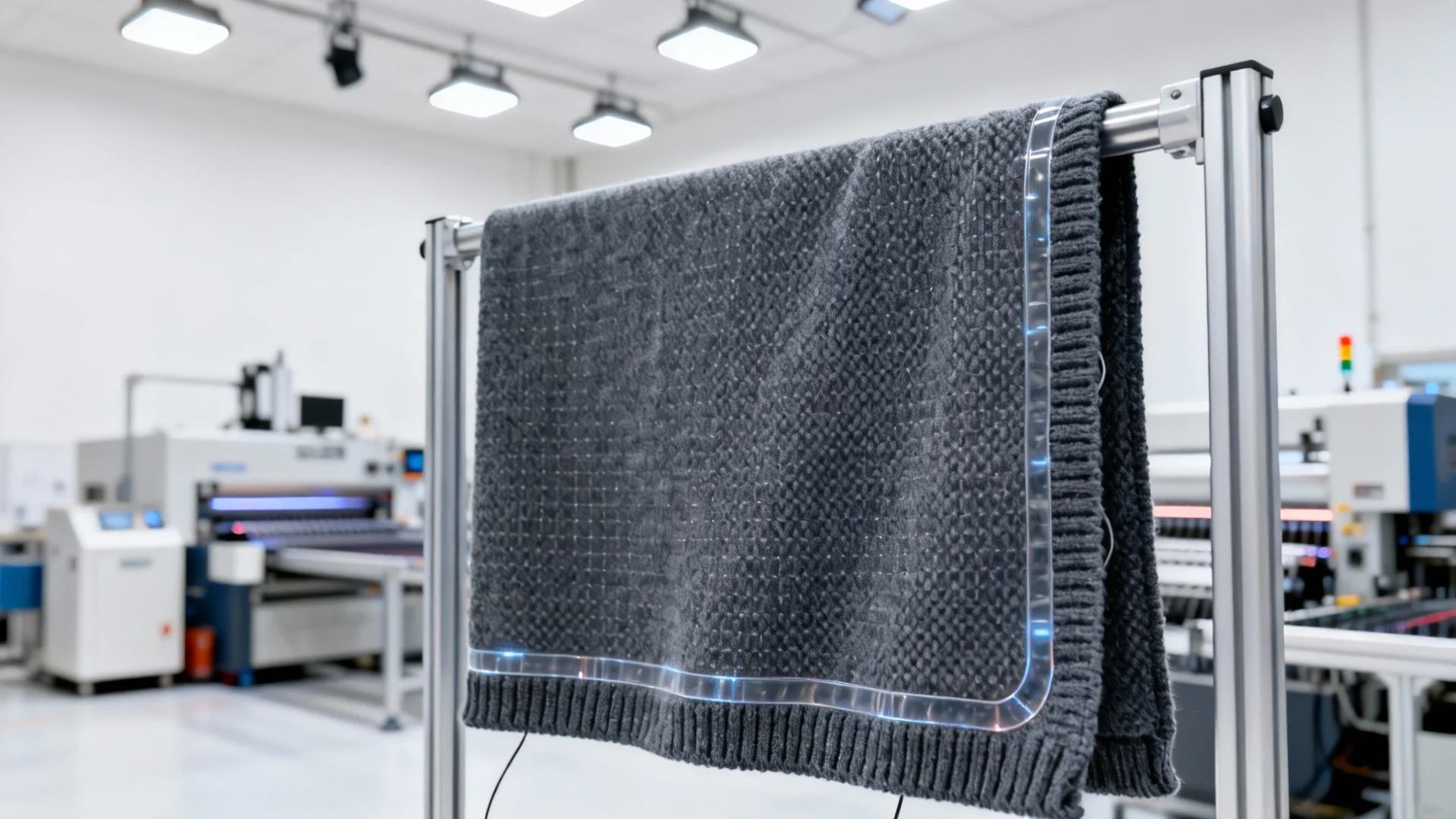
Smart textiles—often referred to as electronic textiles or e-textiles—represent the next frontier in luxury accessory development. These advanced materials integrate digital components like sensors, actuators, and conductive elements into traditional textile structures, resulting in fabrics that can sense, respond to, and adapt to environmental stimuli or user needs. The luxury sector has particularly embraced this technology, recognizing its potential to enhance product value through improved functionality, personalized experiences, and sustainable innovation.
Based on years of practical experience with technical textiles for scarves, successful integration of smart materials requires balancing technological innovation with traditional craftsmanship. Unlike mass-market applications, luxury implementations demand uncompromising attention to material quality, aesthetic refinement, and artisanal production methods. This harmonious fusion of cutting-edge technology with time-honored techniques has become a hallmark of industry-leading luxury brands' approach to smart textile integration.
Technical Foundations of Smart Scarf Innovation
The technical specifications of smart textiles for luxury scarves represent a sophisticated integration of traditional textile craftsmanship with advanced technological components. These innovative materials must meet exacting luxury market standards while delivering enhanced functionality. Key technical considerations include material composition, sensor integration, power management, and user interface design—each presenting unique challenges and opportunities for innovation.
Advanced Fiber Systems: The Building Blocks of Smart Scarves
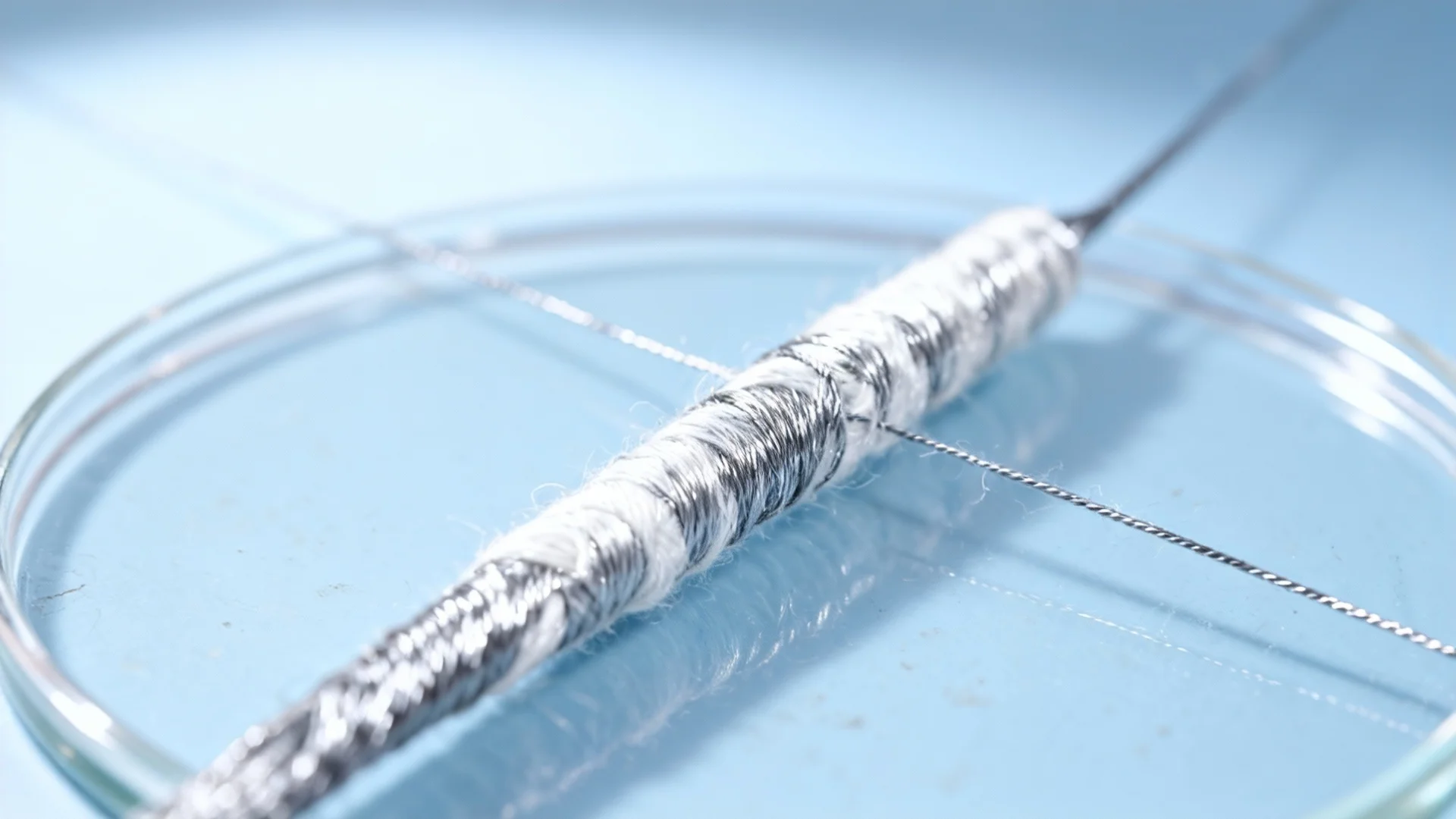
At the core of smart textile technology are advanced fiber systems that serve as the foundation for functionality. Recent advancements in core-sheath fiber construction have enabled textiles with integrated conductive pathways and sensing capabilities. These fibers typically consist of a conductive core material—often silver-coated nylon or carbon nanotube-infused polymers—surrounded by a protective sheath that maintains the textile's tactile qualities and aesthetic appeal.
The specialized fibers range from 30 to 100 micrometers in diameter, allowing them to be woven or knitted using traditional textile machinery while maintaining technological functionality. This compatibility with existing manufacturing infrastructure represents a critical advantage for luxury brands seeking to integrate innovative scarf fibers without complete production line overhauls.
Sensor Integration Challenges and Solutions
Sensor integration represents one of the most significant technical challenges in smart scarf design. Luxury applications demand unobtrusive sensor placement that doesn't compromise drape, comfort, or visual appeal. Industry best practices have evolved toward micro-scale sensors embedded directly within the textile structure, often using flexible printed circuit technology integrated during the weaving or knitting process.
These sensors can detect various environmental or physiological parameters: temperature, humidity, and even biometric data like heart rate variability when positioned near the skin. The development of increasingly miniaturized components has been instrumental in maintaining the luxury aesthetic while incorporating these performance fabrics into high-end designs.
Power Management for Discreet Functionality
Power management constitutes another critical technical consideration for smart scarves. Luxury designs require compact, lightweight, and aesthetically unobtrusive battery solutions. Current innovations include thin-film lithium polymer batteries as low as 0.5mm thick that can be discretely integrated into scarf hems or borders.
Emerging energy harvesting technologies—including photovoltaic fibers and motion-activated piezoelectric systems—offer potential for self-sustaining power sources that eliminate the need for external charging. These represent the next frontier in smart textile power management for luxury applications, addressing consumer concerns about maintenance and longevity.
User Interface Design for Luxury Applications
User interface design for smart scarves must balance functionality with the minimalist aesthetic expectations of luxury consumers. Unlike consumer electronics, luxury smart textiles typically employ subtle, intuitive interfaces that don't disrupt design integrity. Examples include thermochromic materials that change color with temperature variations or user input, and micro-vibration motors that provide haptic feedback for notifications.
These interfaces must be precisely calibrated to respond appropriately to user interactions while maintaining the textile's premium feel and appearance. The challenge lies in creating functionality that enhances the user experience without compromising the luxury quotient that defines high-end accessories.
International standards organizations have begun addressing the unique requirements of smart textiles, with ISO/TR 23383:2020 providing guidelines for development and testing of these innovative materials. This standard addresses critical considerations including durability, washability, and electromagnetic compatibility—factors that matter particularly for luxury accessories expected to maintain functionality and appearance over extended use.
Case Study Analysis: Industry-Leading Implementation
The successful integration of smart textiles in luxury scarf design is exemplified by Burberry's 2024 introduction of their Brewed Protein™ fiber scarf collection. This innovative product represents a paradigm shift in luxury accessory development, demonstrating how advanced scarf materials can enhance both sustainability and functionality while maintaining brand signature aesthetic and quality standards.
Material Innovation and Sustainability
Burberry's development process began with extensive material research focused on identifying sustainable alternatives to traditional textile fibers. The resulting Brewed Protein™ fiber is produced through fermentation that converts plant-based sugars into protein polymers, which are then extruded into textile fibers. This innovative material offers several advantages for luxury scarf applications: it requires 98% less water than conventional cotton production, reduces carbon emissions by approximately 35%, and provides natural temperature regulation through its unique molecular structure.
The environmental benefits align with growing consumer demand for sustainable luxury products, addressing a key market trend identified in industry analyses. This approach demonstrates how smart scarf technology can prioritize sustainability without sacrificing performance or aesthetic appeal.
Technical Implementation Strategy
The technical implementation of smart features in the Brewed Protein™ scarf demonstrates a thoughtful balance between innovation and luxury aesthetics. Rather than incorporating overt electronic components, Burberry focused on enhancing inherent material properties. The protein-based fibers naturally respond to humidity and temperature changes, expanding and contracting to create a microclimate effect around the wearer.
This passive smart functionality eliminates the need for batteries or electronic components, addressing common consumer concerns about durability and maintenance of technical textiles. The material's natural responsiveness provides subtle yet effective adaptive comfort that enhances user experience without compromising the scarf's luxurious feel or appearance.
Hybrid Production Methodology
The production process for the Brewed Protein™ scarf represents a hybrid approach combining traditional craftsmanship with advanced manufacturing technologies. The protein fibers are woven on heritage looms to create the brand's signature patterns, ensuring the same quality and attention to detail customers expect from Burberry accessories.
However, material preparation and finishing processes incorporate advanced textile engineering techniques to optimize the fiber's smart properties. This combination of traditional and modern production methods results in a product that honors artisanal craftsmanship while leveraging technological innovation—a hallmark of successful luxury smart textile implementations.
Market Reception and Commercial Performance
Market reception of the Brewed Protein™ scarf collection exceeded industry expectations, with initial production runs selling out within weeks of release. Retail partners reported particularly strong demand from environmentally conscious consumers and technology early adopters, reflecting successful positioning at the intersection of sustainability and innovation.
The collection's premium pricing—approximately 20% higher than comparable traditional silk scarves—did not deter consumers, indicating strong perceived value for the innovative material technology. This positive market response validated the brand's approach to smart textile integration and paved the way for further innovation in luxury accessories.
Production Process and Quality Control
The manufacturing process for luxury smart scarves represents a sophisticated integration of traditional textile production with advanced technological component integration. This hybrid approach ensures finished products meet exacting luxury market quality standards while delivering promised smart functionality.
Material Preparation and Handling
Material preparation forms the foundation of smart scarf production, requiring careful handling of specialized fibers to maintain technological properties. The process begins with precision blending of conductive and traditional fibers according to proprietary formulations developed by luxury brands' textile laboratories.
These fiber blends must be prepared in controlled environments with strict temperature and humidity regulation to prevent degradation of sensitive components. For example, silver-coated conductive fibers require protection from oxidation during storage and handling, necessitating specialized packaging and processing techniques. This initial stage sets the foundation for both textile performance characteristics and aesthetic properties, making it a critical control point.
Weaving and Knitting Technology
Weaving or knitting represents the next production phase where traditional textile craftsmanship meets technological innovation. Luxury smart scarves typically utilize modified jacquard looms that integrate standard and functional yarns according to complex digital patterns.
These advanced looms feature precision tension control systems that ensure consistent integration of conductive fibers, which may have different mechanical properties than traditional textile materials. The weaving process must maintain precise alignment of conductive pathways for reliable functionality, requiring specialized calibration and monitoring throughout production. For high-end productions, this may involve up to 24 separate yarn feeding systems, each requiring individual tension control and monitoring to prevent defects.
Sensor and Component Integration
Sensor and component integration represents the most technologically intensive phase of smart scarf production, demanding specialized expertise in both textile processing and electronics assembly. Depending on design requirements, this involves either in-line integration during weaving or post-production attachment using advanced bonding techniques.
For luxury applications, in-line integration is preferred as it allows more seamless incorporation of smart elements without compromising drape or hand feel. This process requires precision placement of sensor elements at specific intervals according to digital design specifications, with computer vision systems often verifying accurate positioning during production.
Comprehensive Quality Control Protocols
Quality control protocols for smart scarves are significantly more comprehensive than for traditional luxury accessories, encompassing both textile quality and technical functionality assessments. Quality control typically begins with automated optical inspection systems scanning textiles for conventional defects such as yarn irregularities, pattern misalignment, or weaving errors.
Following this, specialized testing equipment evaluates smart functionality through conductivity testing, sensor calibration verification, and power management assessment. For luxury productions, each finished scarf undergoes individual functional testing to ensure consistent performance across the entire product run, with environmental chamber testing verifying performance under various temperature and humidity conditions.
Market Analysis and Competitive Landscape
The luxury smart accessories market is experiencing significant growth, driven by increasing consumer demand for innovative products that blend aesthetic excellence with enhanced functionality. This emerging segment represents a convergence of traditional luxury values and technological innovation, creating new opportunities for differentiation and value creation.
Market Growth Projections and Segmentation
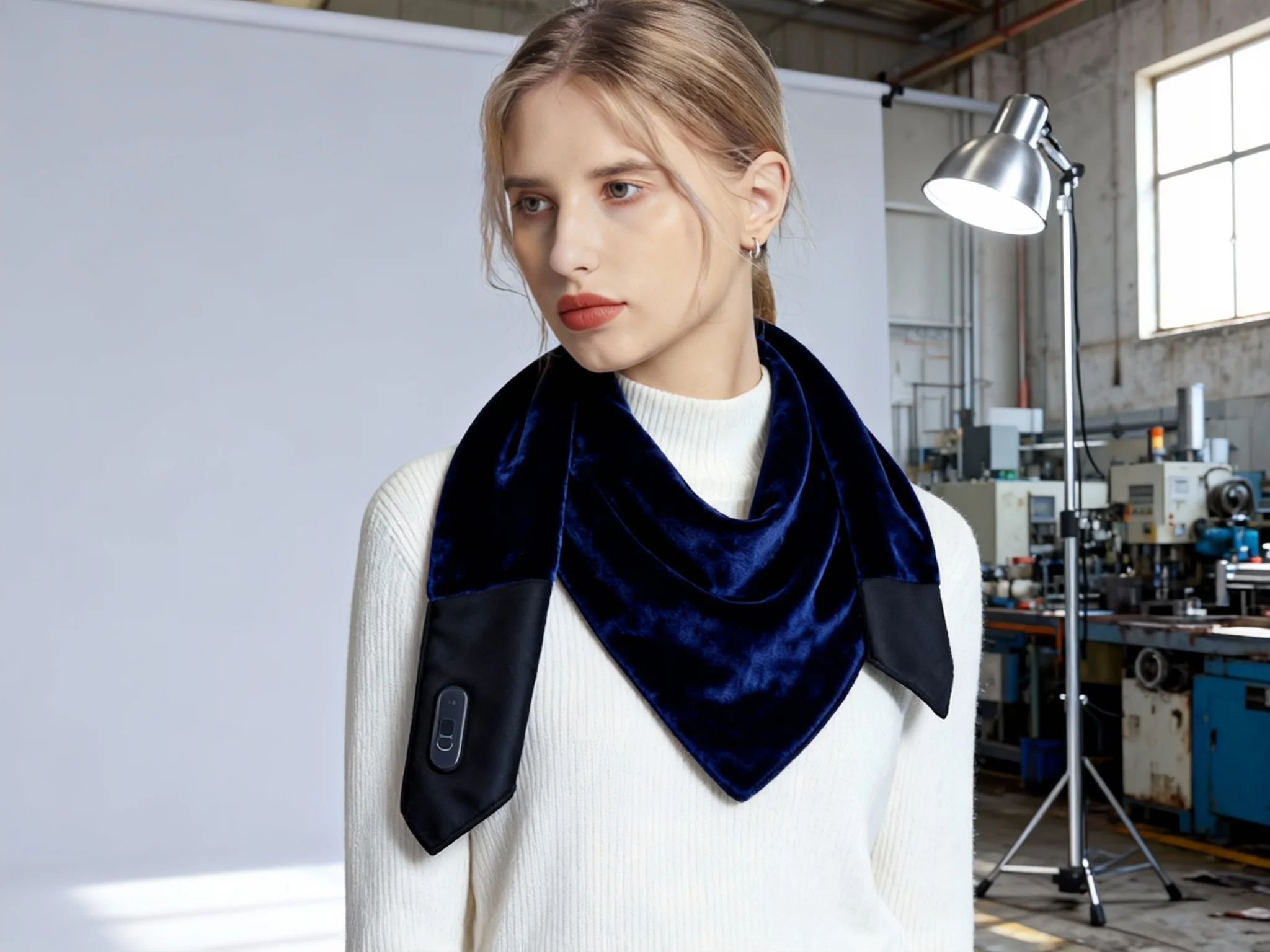
Market data indicates strong growth projections for smart luxury accessories, with the global market expected to reach USD 4.5 billion by 2032 at a 15.6% CAGR. This growth significantly outpaces the broader luxury accessories market, projected to grow approximately 2.9% annually during the same period.
Within this expanding market, smart scarves and wraps represent a relatively new but high-potential segment. Early adopters show strong willingness to pay premium prices for well-executed designs that enhance user experience without compromising luxury aesthetics.
Competitive Strategies and Positioning
The competitive landscape reveals distinct strategic approaches adopted by different market participants. Established luxury brands typically pursue innovation strategies focused on incremental integration of smart technologies into existing product categories, emphasizing heritage craftsmanship alongside technological enhancement.
In contrast, emerging technology-focused brands prioritize functionality and innovation, positioning themselves at the cutting edge of material science and user experience design. A third approach involves collaborations between luxury houses and technology companies that combine domain expertise from both sectors to create integrated products excelling in both aesthetic and functional dimensions.
Consumer Segmentation and Preferences
Consumer segmentation within the smart luxury scarf market reveals distinct profiles with varying priorities and purchasing drivers. Primary research indicates three dominant consumer segments: Technology-Forward Luxury Consumers, Sustainability-Focused Affluent Buyers, and Innovation-Seeking Fashion Professionals.
Technology-Forward Luxury Consumers (28% of the market) prioritize cutting-edge functionality and seamless technology integration into their lifestyle. Sustainability-Focused Affluent Buyers (35% of the market) are drawn to innovative materials offering environmental benefits alongside luxury quality. Innovation-Seeking Fashion Professionals (37% of the market) value smart textiles primarily as material innovation enhancing design possibilities and product differentiation.
Pricing and Distribution Strategies
Pricing strategies for smart luxury scarves reflect the added value of technological innovation, with price points typically 15-30% higher than comparable traditional accessories. Market data analysis reveals consumers perceive greater value in integrated material technologies compared to accessories with add-on electronic components.
Distribution channels for smart luxury scarves are evolving to meet the unique needs of this innovative product category, with traditional luxury retail remaining important for maintaining brand exclusivity while digital channels prove particularly effective for educating consumers about smart material benefits.
Sustainability Considerations in Smart Textile Production
Sustainability has emerged as a defining consideration in luxury smart textile production, reflecting the broader industry shift toward environmental responsibility and ethical manufacturing practices. Integrating smart technologies into textiles presents both challenges and opportunities for advancing sustainability goals.
Material Innovation for Environmental Impact Reduction
Material innovation represents the primary avenue for smart textile production to advance sustainability goals. Traditional textile production is resource-intensive, with conventional materials requiring significant water, energy, and chemical inputs. Smart textile technologies offer potential to address these environmental impacts through innovative materials with enhanced performance characteristics that can reduce resource consumption throughout product lifecycles.
For example, phase-change materials integrated into smart scarves can reduce the need for additional clothing layers, potentially decreasing overall wardrobe environmental footprint. Similarly, self-cleaning textile treatments developed for smart applications can extend product lifespan by reducing wear from frequent washing, addressing a significant environmental impact factor in textile product lifecycles.
Production Process Optimization
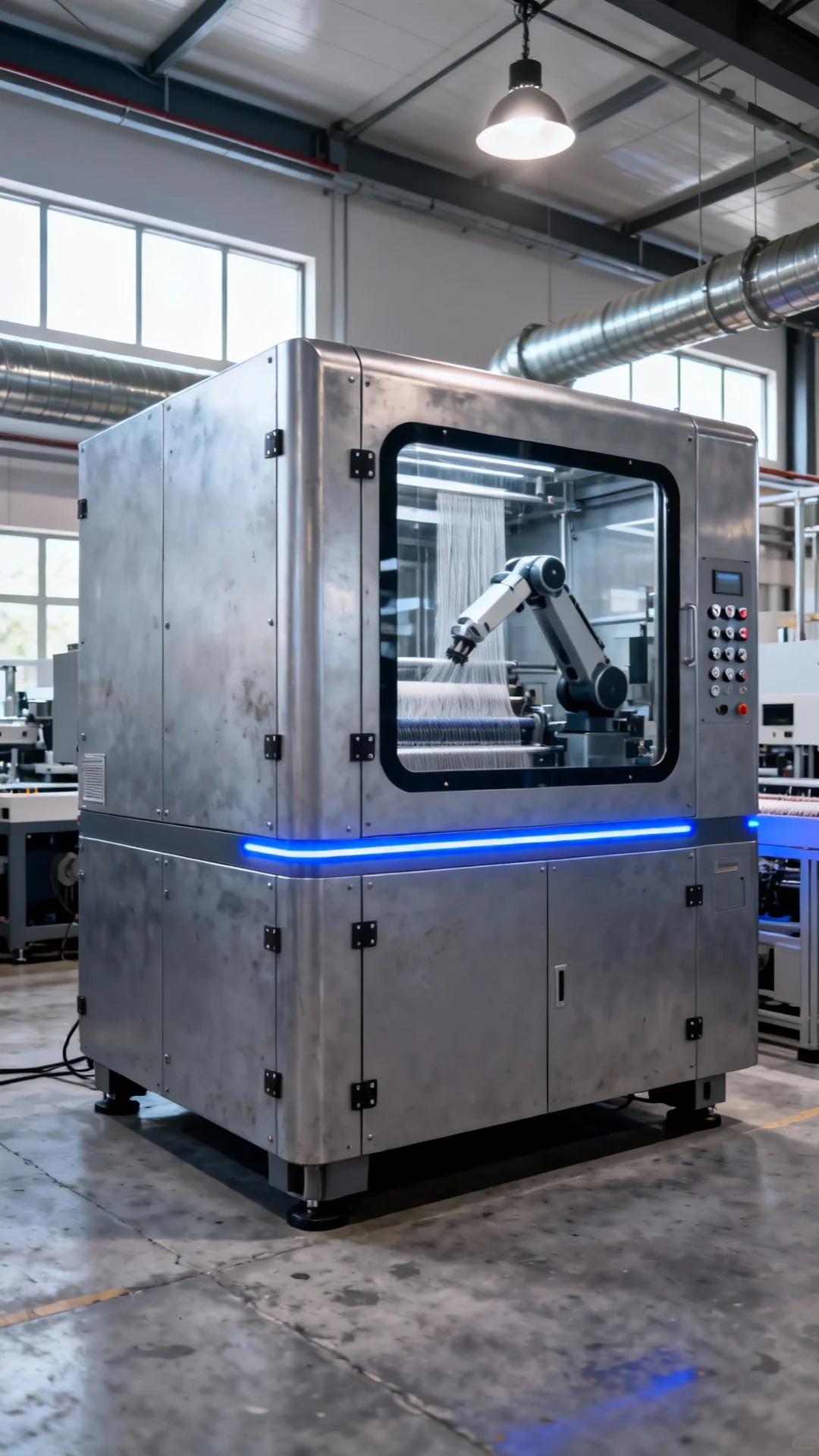
Production process optimization for smart textiles has yielded significant environmental benefits through precision manufacturing techniques and resource-efficient technologies. Advanced digital textile printing technologies—often used for smart textile patterning—reduce water consumption by up to 95% compared to traditional dyeing processes.
Additionally, integrating smart sensors into production equipment enables real-time monitoring and optimization of energy and resource usage, resulting in average energy savings of 18-25% in leading luxury manufacturing facilities. These process innovations demonstrate that technological infrastructure for smart textile production can simultaneously enhance product functionality and environmental performance.
Circular Economy Principles in Design
Circular economy principles increasingly guide the design and production of luxury smart textiles, addressing the particular challenges posed by technologically integrated products. Luxury brands are developing modular smart textile systems that allow component replacement and upgrades, extending product lifespan and reducing electronic waste.
For example, removable sensor modules in high-end smart scarves enable technological updates without discarding entire products, significantly improving environmental profiles of these innovative accessories. Additionally, specialized recycling programs for end-of-life smart textiles are being established, with luxury manufacturers investing in research developing efficient separation technologies for recovering both textile fibers and electronic components for reuse in new products.
Carbon Footprint Reduction Strategies
Carbon footprint reduction has become a key performance indicator for luxury smart textile production, with leading brands setting ambitious targets for emissions reduction across supply chains. Integrating smart technologies enables more precise monitoring and management of carbon emissions throughout production processes—from material sourcing to finished product distribution.
Furthermore, developing energy-harvesting technologies for smart textiles—including photovoltaic fibers and motion-activated power generation—has potential to create self-sustaining accessories that reduce reliance on external power sources and further minimize environmental impact.
Consumer education plays a critical role in maximizing sustainability benefits of smart luxury textiles, as proper care and maintenance significantly impact product environmental footprint. Luxury brands are developing intelligent care systems integrated into smart scarves, including washable sensor technologies and app-based care instructions tailored to extend product lifespan. These innovations enhance user experience while ensuring consumers maintain optimal performance and minimize environmental impact.
Future Trends and Innovation Roadmap
The integration of smart textiles into luxury scarves represents just the beginning of a broader transformation in the luxury accessories market. Looking ahead, several emerging trends and technological developments promise to further advance the capabilities and applications of these innovative materials.
Material Science Breakthroughs
Advancements in material science will continue to drive innovation in smart scarf technology, with research focusing on developing increasingly sophisticated fibers that offer enhanced functionality while maintaining luxury aesthetic qualities. Nanotechnology applications are particularly promising, with carbon nanotube integration enabling unprecedented conductivity and sensing capabilities in textile form.
Artificial Intelligence Integration
The integration of artificial intelligence represents the next frontier in smart textile development, with machine learning algorithms enabling textiles to adapt more intelligently to user preferences and environmental conditions. This could enable truly personalized microclimate control and responsive aesthetic features that evolve based on individual usage patterns.
Expanded Application Capabilities
Future applications of smart textile technology in luxury scarves may include advanced health monitoring capabilities, integration with personal devices and smart environments, and adaptive aesthetic features that respond to lighting conditions, temperature, or user preferences. These developments promise to further blur the boundaries between fashion, technology, and wellness.
As luxury brands continue to explore the potential of smart textiles, the successful integration of these technologies will depend on maintaining the delicate balance between innovation and tradition, functionality and aesthetics, and technological advancement and sustainable practices that has defined the industry's most successful implementations to date.